On Linke Wienzeile in Vienna's sixth district, China Kitchen occupies a stretch of the city where everyday commerce and evening dining overlap. Vienna's Chinese restaurant scene operates in the shadow of the city's dominant Austrian and Modern European fine-dining identity, making spots that build genuine repeat clientele worth examining on their own terms. China Kitchen has developed that kind of following in its neighbourhood.
Pearl is the En Primeur Club membership app — saves, bookings, and concierge access live there. Same editors, same standards.
- Address
- Linke Wienzeile 20, 1060 Wien, Austria
- Phone
- +436601376103
- Website
- chinakitchen-vienna.at
- Directions
- Get directions
 Saves & bookings on Pearl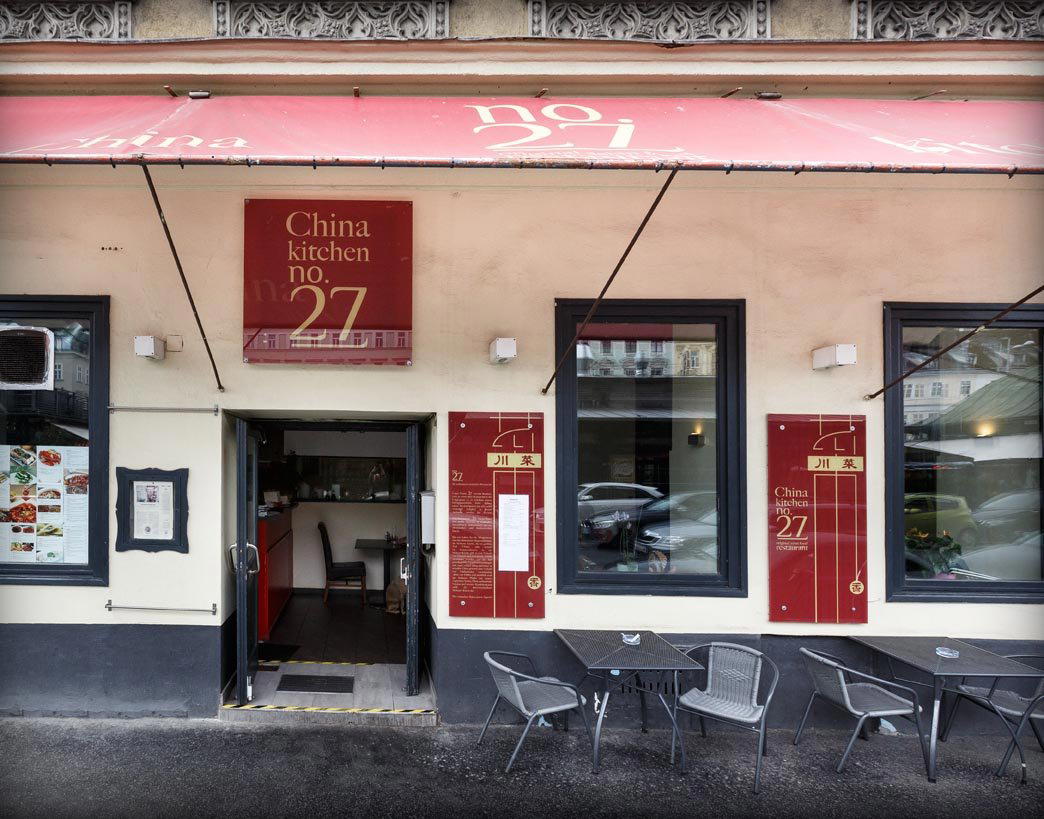
Where the Sixth District Eats Chinese
Linke Wienzeile runs southwest from the Naschmarkt, past Kettenbrückengasse U-Bahn and into Mariahilf, and it carries a particular kind of Viennese street life: the market-adjacent pragmatism of people who shop, eat, and move on without ceremony. The restaurants along this corridor are not positioned for tourist traffic. They answer to people who live within a few tram stops and return on Tuesday evenings as readily as on weekends. China Kitchen at number 20 sits inside that logic. It is not a destination restaurant in the sense that Steirereck im Stadtpark or Amador are destinations. It is something structurally different: a neighbourhood anchor whose value is measured in frequency rather than occasion.
Vienna's Chinese dining scene occupies a specific position in the city's food culture. Unlike London, Paris, or Berlin, Vienna has no large Chinese diaspora neighbourhood of the kind that generates the internal competitive pressure responsible for regional specificity and quality differentiation. What the city does have is a set of Chinese restaurants distributed across its inner and middle districts, serving a clientele that ranges from Chinese-Austrian families to Viennese regulars who have simply found what works for them. The scene is not driven by Michelin recognition or the kind of critical attention that shapes, say, the trajectory of Konstantin Filippou or Mraz & Sohn. It operates on a different axis entirely.
The Logic of the Regular
Restaurants that sustain a loyal local clientele in a mid-density urban neighbourhood tend to share a few structural features: consistent output rather than seasonal reinvention, a menu broad enough to accommodate the full table, and a pricing register that permits repeat visits without financial calculation. These are not the markers critics use to rank restaurants, but they are the markers that keep a room filled on a Wednesday. China Kitchen on Linke Wienzeile fits this pattern for its district.
The regulars at this kind of restaurant are not seeking revelation. They are seeking reliability. The dish ordered last month should arrive in approximately the same form this month. The room should feel familiar rather than redesigned for an imaginary aspirational guest. In Vienna's sixth district, where the residential density is high and the dining options cover an unpretentious range from Würstelstand to Heuriger-style wine bars, a Chinese restaurant that delivers consistency earns a different kind of loyalty than the tasting-menu format earns at venues like Doubek. These are parallel value systems, not a hierarchy.
This dynamic is not distinctive to Vienna. In cities across Central Europe, Chinese restaurants operating outside the fine-dining tier have built their followings through a combination of value density and menu familiarity. A table of four can order broadly without financial anxiety, and the kitchen can execute those orders without the narrow-focus constraints of a tasting format. Compare this to the tightly curated counter experiences at places like Lazy Bear in San Francisco, where the format itself disciplines both kitchen and guest. Neither model is superior; they serve different social functions in the life of a city.
Chinese Cooking in a City of Schnitzel
The broader context for any Chinese restaurant in Vienna is the dominance of Austrian culinary identity in the city's self-image. The fine-dining tier is overwhelmingly occupied by Austrian or Modern European formats, with recognised venues clustered around the first, third, and fourth districts. Internationally recognised Austrian cooking at the tasting-menu level, whether in Vienna or at regional destinations like Döllerer in Golling an der Salzach or Obauer in Werfen, sets the terms for how the city's food culture is discussed externally. Chinese cooking, in this context, operates as what food geographers sometimes call a parallel economy: essential to the daily life of significant parts of the city's population but largely absent from the critical conversation.
This is not a complaint. It is a description of how most cities with strong national food identities function. Paris has a similar structure. So does Tokyo, where the internal hierarchy of Japanese cuisine leaves almost no critical oxygen for the Chinese and Korean restaurants that feed significant portions of the working population. The restaurants that thrive in this structural position do so by serving their actual communities rather than seeking external validation. For Linke Wienzeile, that means a Mariahilf clientele: workers, students, families from the surrounding streets, and people emerging from the Naschmarkt into the early evening.
The Sixth District in Dining Terms
Mariahilf is one of Vienna's more functionally mixed inner districts. It sits between the tourist-heavy first and the increasingly gentrified seventh, and it has retained a density of everyday commercial activity that keeps its restaurants grounded. The Naschmarkt defines the northern edge of the sixth for most visitors, but the district extends south into quieter residential blocks where the dining options are less curated and more durable. Linke Wienzeile itself connects the market to the Gürtel, passing through a stretch of the city that functions rather than performs. Restaurants on this stretch answer to a different brief than those near the Ringstrasse or along Mariahilfer Strasse's upper end.
For visitors to Vienna primarily tracking the fine-dining circuit, the sixth district's less-showcased restaurant tier offers a useful contrast. The Austrian capital's broader restaurant culture extends well beyond the venues that appear in international awards lists. The same principle applies elsewhere in Austria: the regional dining circuit includes venues like Taubenkobel in Schützen am Gebirge and Landhaus Bacher in Mautern an der Donau, but the daily feeding of the city happens at a different register entirely. China Kitchen belongs to that register.
Planning a Visit
Address: Linke Wienzeile 20, 1060 Wien. The nearest U-Bahn station is Kettenbrückengasse (U4), placing the restaurant within a short walk of the Naschmarkt and the surrounding sixth-district blocks. Check current hours before visiting.
| Venue | Tier | Booking Method | Neighbourhood |
|---|---|---|---|
| China Kitchen | Neighbourhood / mid-range | Not confirmed; walk-in likely | Mariahilf (6th district) |
| Steirereck im Stadtpark | Fine dining (€€€€) | Advance booking essential | Landstraße (3rd district) |
| Konstantin Filippou | Fine dining (€€€€) | Advance booking essential | 1st district |
| Mraz & Sohn | Fine dining (€€€€) | Advance booking essential | Brigittenau (20th district) |
- Gong Bao Chicken
- Hui Guo Rou
- Mapo Tofu
- Fuqi Feipian
- Crispy Chilli Chicken
- Fish Fire Platters
Cuisine Lens
Comparable venues nearby, for context on price, style, and recognition.
| Venue | Cuisine | Price | Notes |
|---|---|---|---|
| China KitchenThis venue — the venue you are viewing | Authentic Sichuan Chinese | $$ | Not listed |
| Chilidorf | Authentic Sichuan Chinese | $$ | Doebling |
| Mama Liu & Sons | Authentic Chinese Hot Pot and Dim Sum | $$ | Hofburg |
| Chen's | Authentic Chinese Noodle House | $$ | Staatsoper |
| Chinabar | Modern Sichuan-Chinese Fusion | $$ | Neubau |
| LiuLiu | Asian Fusion | $$ | Wahring |
Continue exploring
More in Vienna
Restaurants in Vienna
Browse all →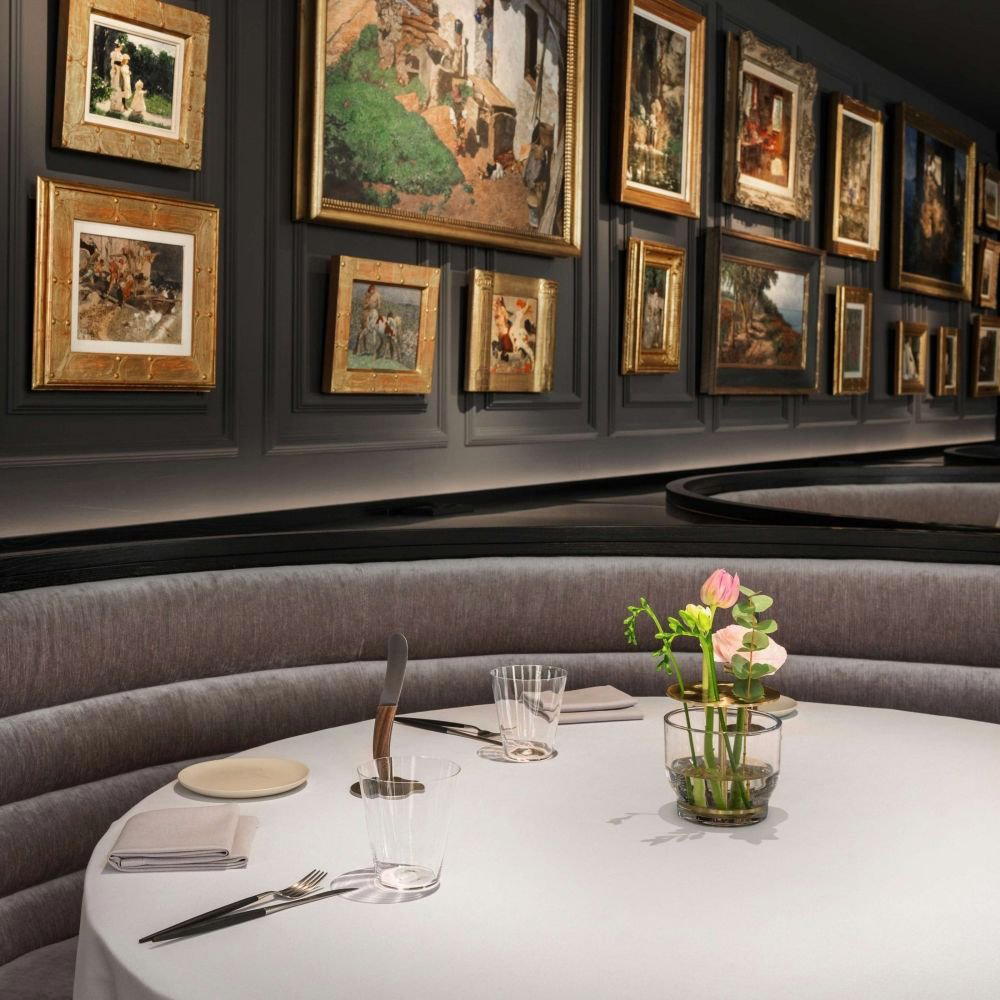
Bars in Vienna
Browse all →
Hotels in Vienna
Browse all →
At a Glance
- Cozy
- Classic
- Group Dining
- Casual Hangout
- Family
Current opening hours
- Monday
- 11:30 AM–11 PM
- Tuesday
- 11:30 AM–11 PM
- Wednesday
- 11:30 AM–11 PM
- Thursday
- 11:30 AM–11 PM
- Friday
- 11:30 AM–11 PM
- Saturday
- 11:30 AM–11 PM
- Sunday
- 12–11 PM
Hours can change for holidays and private events. Last verified .
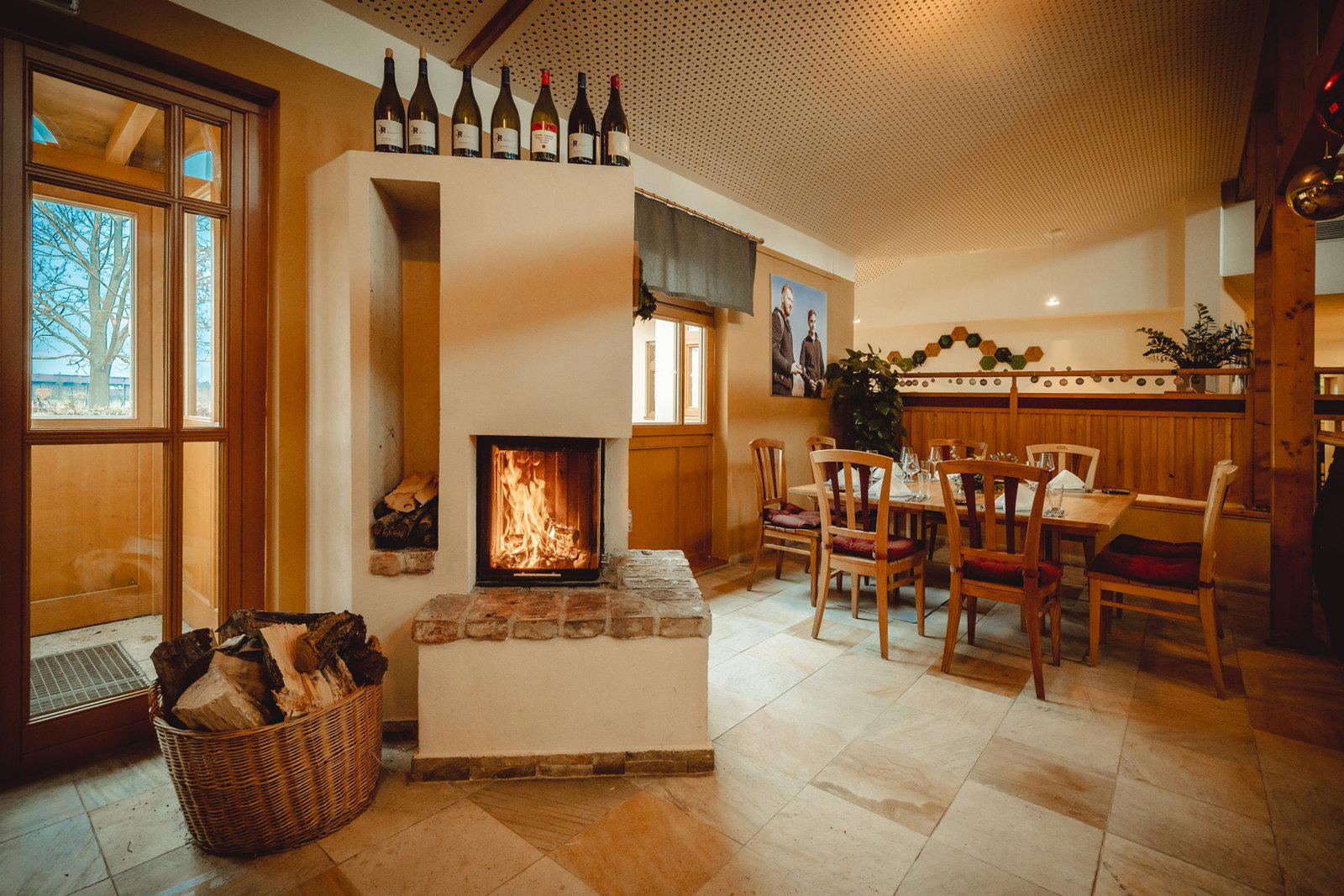
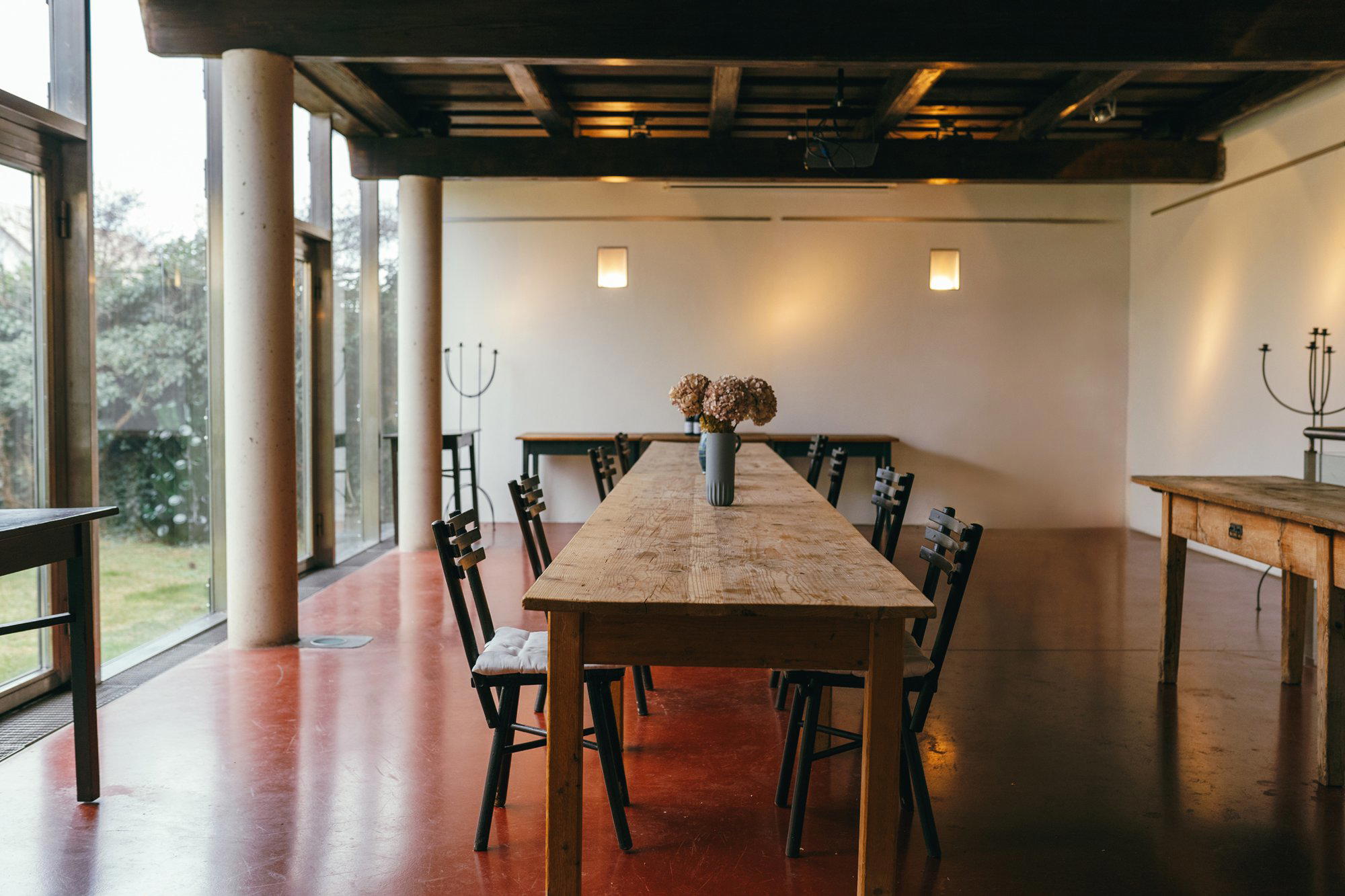
Calm, plant-filled interior with green color theme and hanging plants; warm family-restaurant atmosphere with communal round tables well-suited for group dining.