Olofspoort
Olofspoort occupies a historic address at Nieuwebrugsteeg 13 in Amsterdam's old city core, a street-level space that carries the physical memory of the neighbourhood's medieval grain-trading past. Set within Amsterdam's dense canal-district fabric, it sits in a city where fine dining ranges from Michelin-starred creative tasting menus to focused neighbourhood bistros. Details on cuisine format and booking are best confirmed directly with the venue.
- Address
- Nieuwebrugsteeg 13, 1012 AG Amsterdam, Netherlands
- Phone
- +31644202431
- Website
- olofspoort.com
- Directions
- Get directions
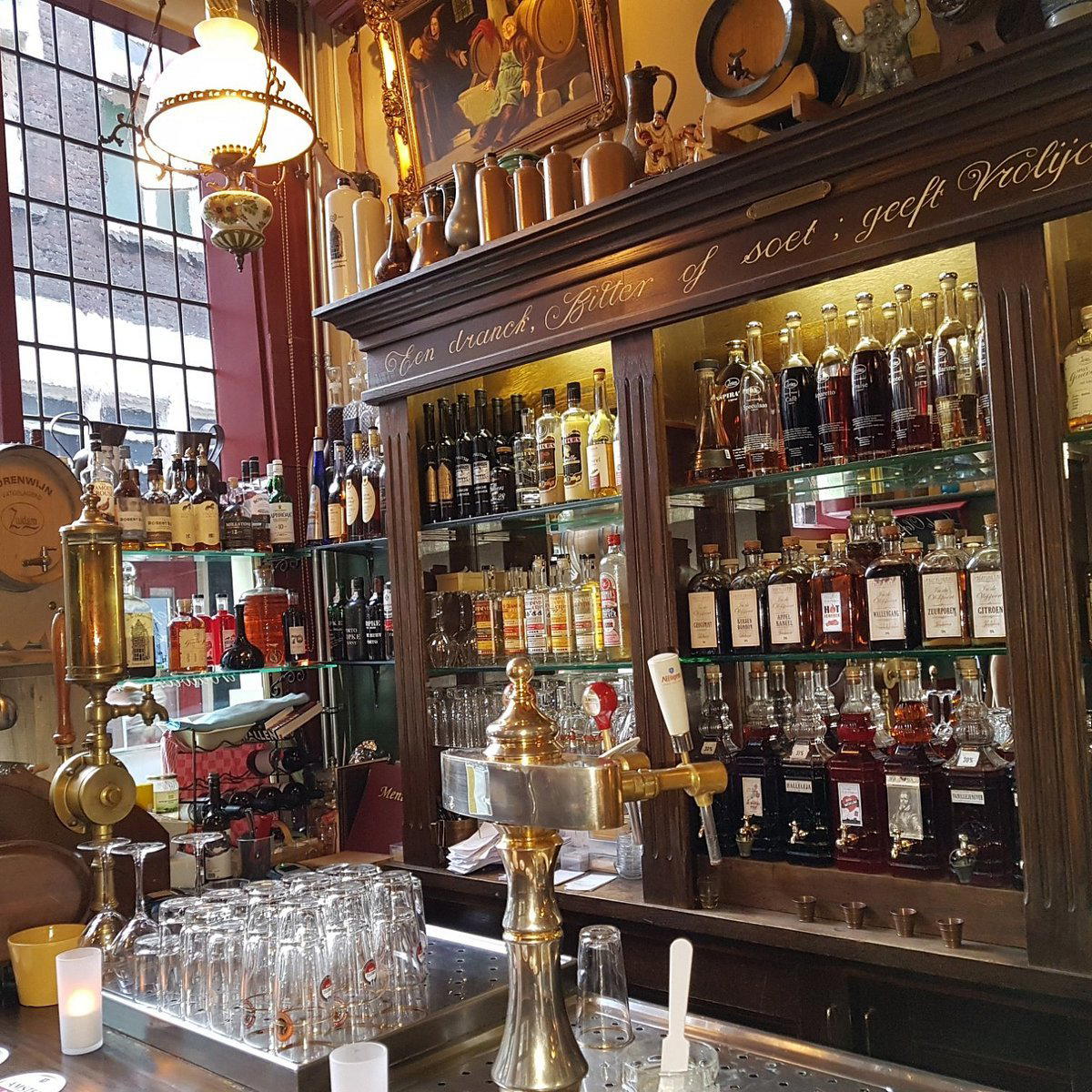
A Street That Remembers Itself
Nieuwebrugsteeg is a narrow alley by Amsterdam standards, the kind of passage that tourists cross without looking up and locals use as a shortcut between the Damrak corridor and the quieter streets threading toward the Oude Kerk. The address at number 13 sits at a point where the city's medieval street plan is still legible in the proportions of the buildings: narrow frontages, deep plots, facades that have been re-faced and re-purposed across several centuries without ever being fully replaced. This is the physical setting for Olofspoort, a Dutch Tasting Room in Amsterdam at Nieuwebrugsteeg 13, with a casual dress code and walk-in-friendly service.
Amsterdam's dining scene has sorted itself across a wide geographic and price range, with the highest-concentration fine-dining cluster sitting in the Canal Ring and Museum Quarter. At the summit of that market, venues like Ciel Bleu and Spectrum operate creative tasting-menu formats at €€€€ price points with Michelin recognition. A tier below, Bistro de la Mer holds the classic-cuisine position at €€€.
The Architecture of Old Amsterdam Dining Rooms
The spatial character of historic Amsterdam dining is partly a function of the city's building stock. Canal-house interiors tend toward the narrow and tall, with low ceilings on ground floors that were originally built for storage or trade rather than hospitality. The conversion of these spaces into restaurants, bars, and cafés over the past century has produced a distinctive dining typology: rooms that feel compressed horizontally but gain warmth from exposed brick, timber ceiling beams, and deep-set windows that filter canal-district light into something amber and dense by evening.
Nieuwebrugsteeg's built environment follows this pattern. The street sits within the zone that planning authorities have designated as part of Amsterdam's protected historic urban core, which constrains structural alterations and preserves a street-level experience that has more continuity with the seventeenth century than most European city centres can claim. For a dining space operating at this address, the physical container is not neutral: it comes pre-loaded with texture, with the visible evidence of successive occupancies, and with the acoustic properties of old masonry. Whether Olofspoort reads these conditions as an asset to foreground or a backdrop to work around is a design and programming choice that shapes the entire guest experience.
Across Amsterdam's broader dining scene, comparable historic-fabric locations tend to split between operators who lean into the patina and those who install a deliberately contrasting contemporary interior. Vinkeles, which operates inside the Dylan Hotel in a former eighteenth-century bakery on the Keizersgracht, is one of the more deliberate examples of the former approach: the heritage fabric is treated as primary. Flore at the Waldorf Astoria represents the opposite pole, where a historic canal-house shell receives a fully contemporary interior treatment. Both choices carry editorial implications for who the venue is speaking to and how it positions within the market.
Amsterdam's Fine Dining Beyond the Canal Ring
The Netherlands has a deeper fine-dining infrastructure than its international profile sometimes suggests. De Librije in Zwolle and 't Nonnetje in Harderwijk hold three Michelin stars each, operating at the highest tier of Dutch cooking from provincial cities rather than the capital. Closer to Amsterdam, Aan de Poel in Amstelveen and De Bokkedoorns in Overveen demonstrate that serious cooking in this country has never been exclusively metropolitan. Further afield, Brut172 in Reijmerstok, De Groene Lantaarn in Staphorst, De Lindehof in Nuenen, De Lindenhof in Giethoorn, De Nieuwe Winkel in Nijmegen, and De Treeswijkhoeve in Waalre collectively form a national fine-dining map where destination restaurants are distributed across the country rather than concentrated in Amsterdam alone.
Within the capital, particularly internationally visible operators have tended to cluster in the Canal Ring and the hotel dining sector. Internationally, the shift toward urban tasting-counter formats at venues like Atomix in New York City and the sustained emphasis on technique-led seafood at places like Le Bernardin in New York City illustrate the two poles of the current fine-dining conversation: highly personal counter formats versus large-capacity institutional rooms. Amsterdam's own fine-dining split roughly mirrors this, with the €€€€ tasting-menu counters at one end and the hotel dining rooms at the other. Where a venue at Nieuwebrugsteeg 13 positions within that spectrum depends on format and price details that remain to be confirmed.
Planning a Visit
Nieuwebrugsteeg 13 is in Amsterdam's city centre, within walking distance of Centraal Station and the main canal district. The address is accessible on foot from most central hotels. The surrounding neighbourhood is compact and well-served by the city's tram network, with several alternative dining options within a short walk for those building a longer evening around the area.
Price and Positioning
Comparable venues nearby, for context on price, style, and recognition.
| Venue | Cuisine | Price | Notes |
|---|---|---|---|
| OlofspoortThis venue — the venue you are viewing | Not listed | $$ | Not listed |
| Greetje | Rapenburg, Traditional Dutch Cuisine | $$ | Not listed |
| Café CENC | Not listed | $$ | Van Loonbuurt, Southern European Seafood Apéro |
| Sukhothai Thanee | Van Loonbuurt, Authentic Thai | $$ | Not listed |
| Little Plant Pantry | Not listed | $$ | Da Costabuurt Zuid, Plant-Based Zero-Waste Deli |
| The Seafood Bar | Not listed | $$ | P.C. Hooftbuurt, Fresh Seafood and Shellfish |
Continue exploring
More in Amsterdam
Restaurants in Amsterdam
Browse all →
Bars in Amsterdam
Browse all →
Hotels in Amsterdam
Browse all →
Wineries in Amsterdam
Browse all →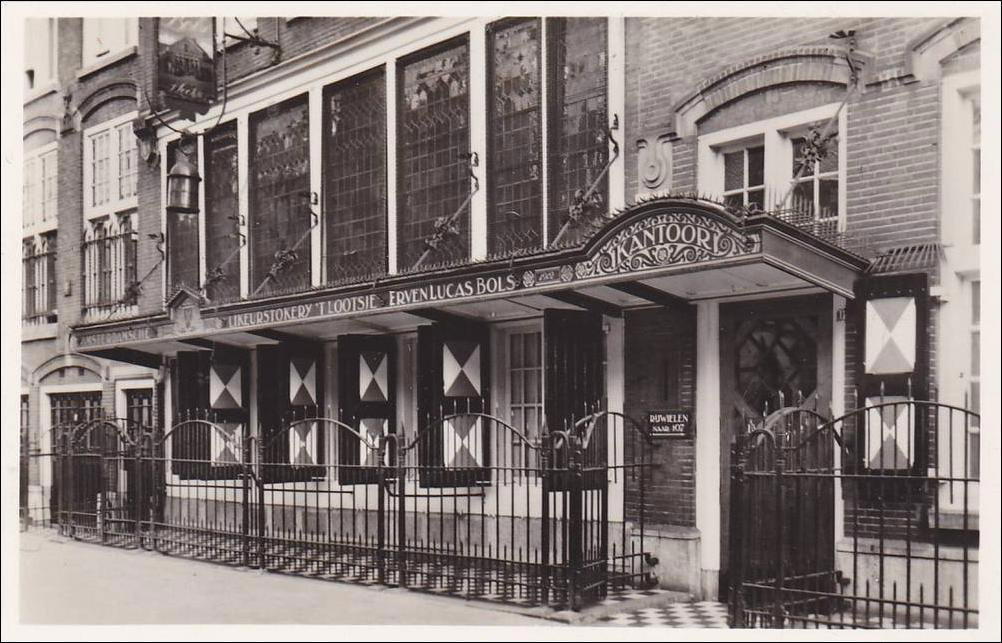
At a Glance
- Cozy
- Historic
- Intimate
- Casual Hangout
- After Work
- Historic Building
- Beer Program
- Street Scene
Snug wood-furnished interior evoking Amsterdam's distilling history with a warm inviting atmosphere.