Greetje
On a quiet Jordaan-adjacent street in Amsterdam's old port district, Greetje has built a following around Dutch regional cooking treated with uncommon seriousness. The kitchen works through the country's larder, Zeeland seafood, Veluwe game, Wadden Sea salt, in a room that shifts noticeably between a relaxed lunch pace and a more considered evening format. For visitors wanting a window into the Netherlands' actual food culture, this is where to start.
- Address
- Peperstraat 23, 1011 TZ Amsterdam, Netherlands
- Phone
- +31207797450
- Website
- restaurantgreetje.nl
- Directions
- Get directions
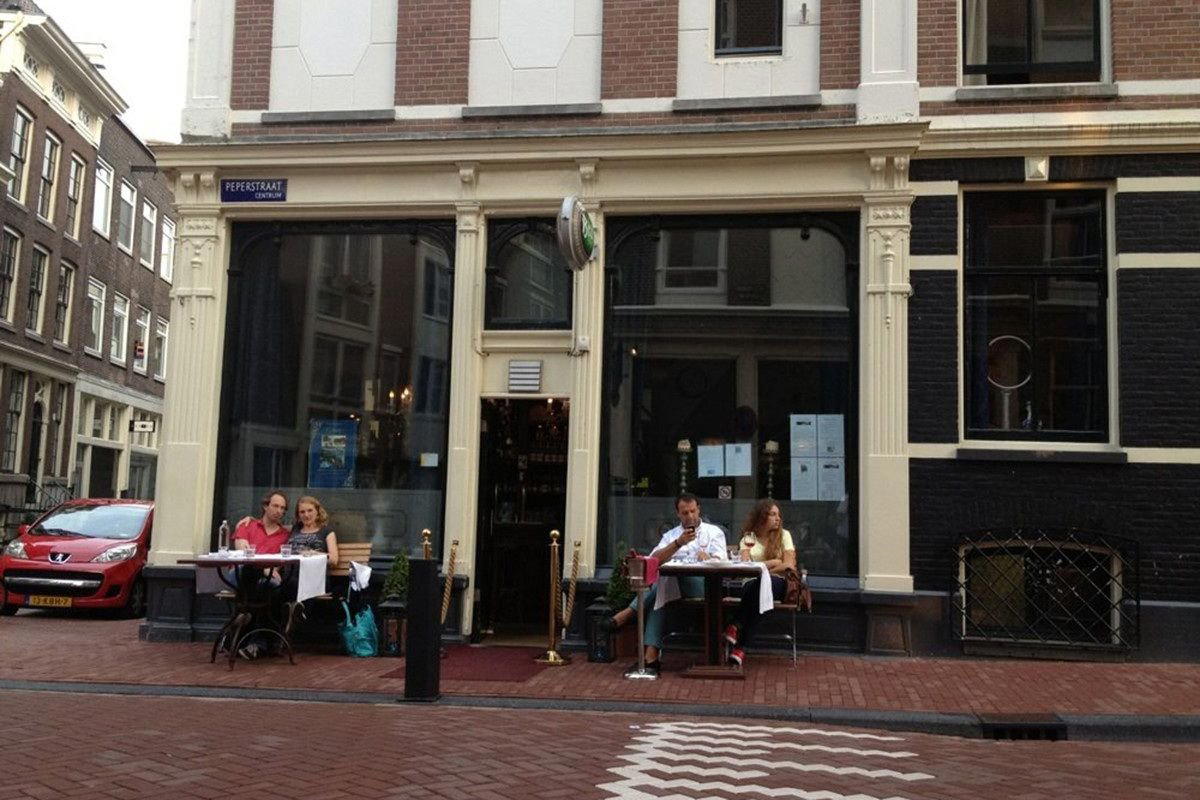
Dutch Cooking, Taken Seriously on Peperstraat
Amsterdam's dining scene has long struggled with a particular identity problem: the city pulls international visitors in enormous numbers, yet its restaurant offer skews heavily toward French technique, pan-Asian fusion, and the kind of creative European cooking that could sit comfortably in any major European capital. The specifically Dutch restaurant, the kind rooted in national ingredients and regional tradition rather than imported frameworks, occupies a smaller and harder-to-find tier. Greetje is a restaurant serving Traditional Dutch Cuisine at Peperstraat 23, 1011 TZ Amsterdam, Netherlands.
Peperstraat sits a short walk east of Nieuwmarkt, in a part of Amsterdam that feels less curated than the canal belt. The street itself is narrow and low on foot traffic, which means arriving at Greetje involves a small act of intention rather than a casual stumble. That physical remove from the main tourist circuits is part of what shapes the room's character: the clientele skews toward Dutch regulars and informed visitors, rather than the passing trade that fills many centrally-located addresses.
The Lunch-to-Dinner Arc
The divide between lunch and dinner at a restaurant committed to regional Dutch cooking is rarely just about timing. It tends to reflect two distinct modes of engagement with the same kitchen, and Greetje is a useful case study in how that split operates.
Lunch in this style of Dutch restaurant typically offers a compressed version of the kitchen's logic: fewer courses, shorter service, a lighter reading of the same seasonal ingredients. The midday meal at places like this has historically been where the kitchen earns local regulars, people who want a serious plate without the full commitment of an evening format. Lunch pricing in this tier of Amsterdam dining can represent meaningful value against the evening menu, and the room tends to carry a lower ambient noise level and a more workday pace that suits unhurried conversation. For visitors arriving in the city for a day or two, a well-timed lunch often delivers more of the kitchen's range than a rushed dinner booking.
Evening service at a Dutch regional restaurant shifts the register. The kitchen has more time, the room fills differently, and the menu tends toward greater elaboration. Zeeland mussels, North Sea herring, Veluwe venison, Wadden Sea lamb, the Dutch larder is geographically specific in ways that the dinner menu can explore at length in a way the midday format rarely allows. The fuller evening arc, with its longer pacing and heavier investment from the kitchen, is where a restaurant's relationship to Dutch tradition becomes most legible. Amsterdam's more considered dinner addresses in this category, including Greetje, treat the evening format as the primary editorial statement about what Dutch cooking can be.
The practical implication for planning: if you have one visit, the question of lunch versus dinner depends on whether you want the kitchen's full argument or a well-edited extract. Both have a case. The evening runs longer and is best booked in advance; the lunch slot is often more accessible.
Where Greetje Sits in Amsterdam's Restaurant Geography
Amsterdam's premium restaurant tier has consolidated around a handful of addresses that operate at the €€€€ level with international-facing creative menus. Ciel Bleu, Flore, Spectrum, and Vinkeles all operate in that register, with Michelin recognition and cooking that draws from Dutch product but isn't defined by Dutch culinary identity. Greetje occupies different ground: it is the kind of place where the Dutchness of the cooking is the point, where the sourcing narrative runs through national and regional suppliers rather than a cosmopolitan ingredient list. It has more in common, conceptually, with the mid-tier Dutch regional address than with the city's Michelin-starred creative bracket.
A useful comparison comes from outside Amsterdam. The Netherlands' serious regional cooking tradition is better represented in smaller cities and rural settings: De Librije in Zwolle has long been the benchmark for what Dutch produce can achieve at full creative ambition. Aan de Poel in Amstelveen, a short distance from Amsterdam, works a similar dial. Further afield, addresses like De Bokkedoorns in Overveen, De Lindenhof in Giethoorn, De Nieuwe Winkel in Nijmegen, De Treeswijkhoeve in Waalre, De Lindehof in Nuenen, De Groene Lantaarn in Staphorst, Brut172 in Reijmerstok, and 't Nonnetje in Harderwijk all demonstrate that the country's most ambitious regional cooking tends to happen outside the capital. Within Amsterdam, the city's own casual seafood tradition at addresses like Bistro de la Mer offers a different entry point to Dutch coastal product. Greetje occupies the space between those poles: more committed to Dutch identity than the city's fine dining tier, more formal in presentation than a casual seafood address.
For context on how Amsterdam's dining compares to international benchmarks in serious cooking, the contrast with institutions like Le Bernardin in New York City or technically driven tasting menus such as Atomix is instructive: those addresses are defined by their ambition to transcend any single national tradition. Greetje's ambition runs in the opposite direction, specificity over transcendence, which is a rarer and in some ways harder position to hold in a city as cosmopolitan as Amsterdam.
Planning a Visit
Greetje is at Peperstraat 23, in the eastern edge of Amsterdam's old centre, walkable from Nieuwmarkt and reachable by tram from the central station. The address is better suited to deliberate planning than to spontaneous visits: this is a destination rather than a passing option, and booking ahead is advisable, particularly for weekend dinner service when the room will run at capacity. Lunch on a weekday tends to offer one accessible entry point for first-time visitors.
Where It Fits
Comparable venues nearby, for context on price, style, and recognition.
| Venue | Cuisine | Price | Notes |
|---|---|---|---|
| GreetjeThis venue — the venue you are viewing | Traditional Dutch Cuisine | $$ | Not listed |
| Noorderlicht Café | Sustainable Dutch Cafe with Vegetarian Focus | $$ | NDSM terrein |
| De Reiger | Dutch Gastro-Pub | $$ | Bloemgrachtbuurt |
| La Brasa | Argentine Steakhouse | $$ | Westelijke Eilanden |
| Kartika | Traditional Indonesian Rijsttafel | $$ | Helmersbuurt Oost |
| Bar Centraal | Modern Neo-Bistro Small Plates | $$ | Bellamybuurt Zuid |
Continue exploring
More in Amsterdam
Restaurants in Amsterdam
Browse all →
Bars in Amsterdam
Browse all →
Hotels in Amsterdam
Browse all →
Wineries in Amsterdam
Browse all →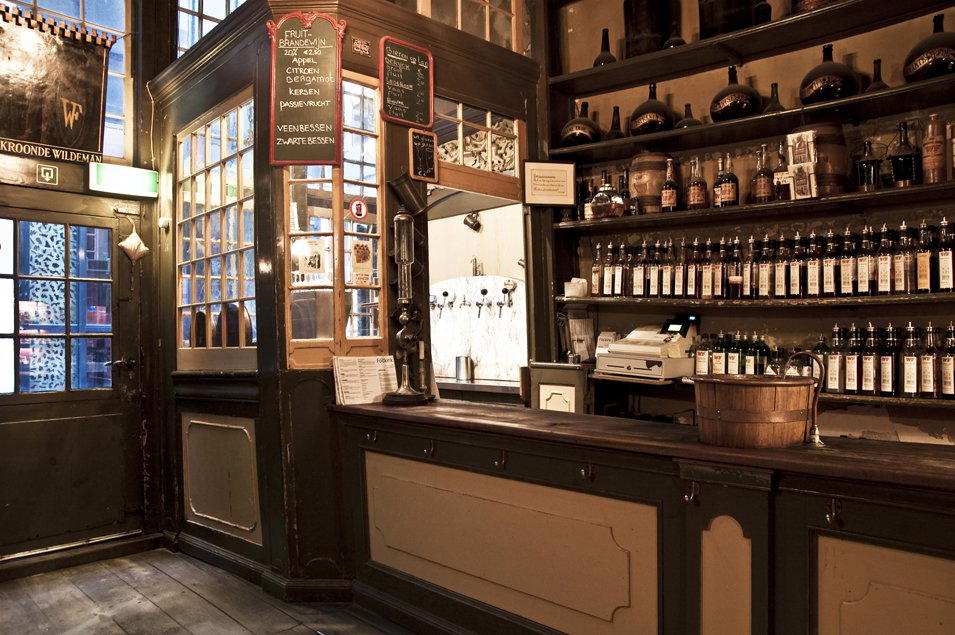
At a Glance
- Cozy
- Classic
- Intimate
- Date Night
- Special Occasion
- Historic Building
- Local Sourcing
- Waterfront
Cozy and modest Old Amsterdam interior with wooden floors, wainscoting, and Delft blue wallpaper, creating a quiet, relaxed, and homey atmosphere.