Old Dutch
Old Dutch occupies a fixture position on Rochussenstraat in Rotterdam's western residential corridor, drawing a repeat clientele that tends to treat it less as an occasion venue and more as a reliable weekly address. Where much of Rotterdam's fine dining scene pushes toward creative experimentation, this address holds a different frequency, one that regulars appear to read clearly.
Pearl is the En Primeur Club membership app — saves, bookings, and concierge access live there. Same editors, same standards.
- Address
- Rochussenstraat 20, 3015 EK Rotterdam, Netherlands
- Phone
- +31104360344
- Website
- olddutchrotterdam.nl
- Directions
- Get directions
 Saves & bookings on Pearl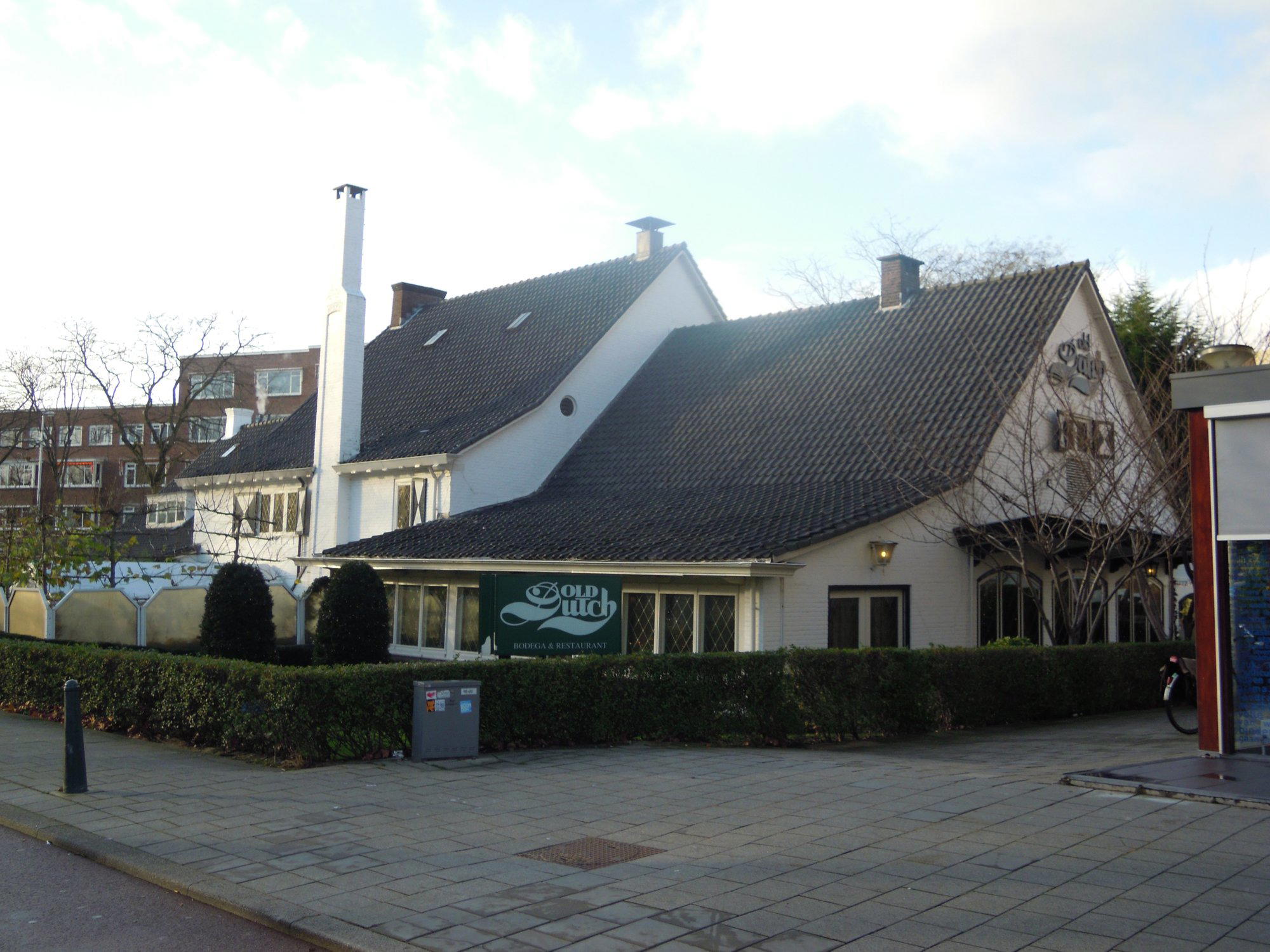
The Room Before the Menu
Rochussenstraat runs through one of Rotterdam's more settled residential quarters, west of the city centre and away from the waterfront architecture that tends to dominate the city's image abroad. The street has a neighbourhood density to it, residential blocks, small businesses, the kind of foot traffic that belongs to people who live nearby rather than visitors moving between landmarks. Old Dutch sits at number 20 along this stretch, and the address itself tells you something about who the place is for before you've read a single dish description.
Old Dutch is a restaurant in Rotterdam serving classic French and Dutch cooking at about $75 per person. The city now holds multiple restaurants operating at the summit of the Dutch fine dining tier, among them FG - François Geurds and Parkheuvel, both working in the €€€€ bracket with creative or modern cuisine as their editorial identity. Fred and Fitzgerald occupy similar creative French territory at comparable price points. That cluster of ambition is a real feature of the city now, and it attracts the kind of attention, from critics, from destination diners, that tends to concentrate around novelty and technique. Old Dutch operates on a different axis.
What a Regular Address Looks Like in Practice
There is a particular type of loyalty that forms around restaurants that don't change much. It is distinct from the loyalty that forms around a chef's evolving body of work, where diners return to see what's new. The loyalty at an address like Old Dutch is closer to the relationship someone has with a tailor or a wine merchant, a confidence in consistency, a preference for the known quantity. The unwritten menu at this kind of place is the sense of ease: the table that doesn't feel unfamiliar, the order that doesn't require explanation, the staff interaction that has accumulated context over many visits.
In Dutch dining, this register has deep roots. The traditional Dutch restaurant, what older guides used to call the eetcafé or the neighbourhood restaurant with serious cooking, exists in a different category from the destination dining houses that receive the column inches. These are places that serve a district as much as they serve a meal occasion. The fact that restaurant is on Rochussenstraat rather than in the Kop van Zuid or on the waterfront is part of its positioning, whether intentional or inherited.
The Rotterdam Context
Rotterdam's dining scene is worth understanding in tiers. At the leading, the city's most awarded tables compete for the same audience as comparable restaurants in Amsterdam, and increasingly against Dutch addresses further afield, De Librije in Zwolle, Aan de Poel in Amstelveen, or Ciel Bleu in Amsterdam. These are tables that draw visitors specifically for the meal. Below that tier, but not below it in terms of quality, sits a range of addresses that serve the city's own population on a recurring basis. That middle tier is where neighbourhood loyalty forms, where a restaurant's regulars are not food tourists but residents with standing reservations.
The Netherlands has also developed a strong cohort of destination-level restaurants in smaller cities and towns, 't Nonnetje in Harderwijk, Brut172 in Reijmerstok, De Groene Lantaarn in Staphorst, De Lindehof in Nuenen, and De Lindenhof in Giethoorn, which suggests that Dutch serious cooking is not exclusively a city phenomenon. De Nieuwe Winkel in Nijmegen and De Bokkedoorns in Overveen further extend the map. The consequence for Rotterdam is that its own dining addresses compete in a national conversation, not just a local one. The restaurant, operating outside that competition for critical attention, holds a different kind of position.
Who Returns, and Why
The regulars' perspective on a restaurant like this tends to involve things that don't translate into review copy. The table that's always available on a Tuesday. The dish that appeared years ago and hasn't left. The wine list that skews toward familiar producers rather than natural wine experiment. These are not criticisms, they describe a value system that differs from the one guiding the city's more ambitious kitchens. At Amarone, another €€€ address in the city working in Modern French, the creative ambition is more explicit. The regulars at the restaurant are likely choosing something else.
Internationally, the pattern is recognisable. The restaurants that accumulate the deepest loyalty are rarely the ones generating the critical heat in any given season. At the opposite end of ambition and scale, places like Le Bernardin in New York City or Atomix in New York City hold their own forms of regulars, but those are tasting-menu devotees tracking a chef's progression. The loyalty at a neighbourhood address is quieter and, in some ways, harder to earn, because it requires consistently meeting a familiar standard rather than consistently surprising.
Planning a Visit
The restaurant is at Rochussenstraat 20 in Rotterdam's western residential quarter, reachable by tram from the city centre in under fifteen minutes. Given the venue's apparent positioning as a neighbourhood regular rather than a destination booking, reservations are recommended.
Cuisine and Recognition
Comparable venues nearby, for context on price, style, and recognition.
| Venue | Cuisine | Price | Notes |
|---|---|---|---|
| Old DutchThis venue — the venue you are viewing | Classic French & Dutch | $$$ | Not listed |
| Bistrot du Bac | Classic French Bistro | $$$ | Katendrecht |
| Louise Petit Restaurant | Classic French Bistro | $$$ | Nieuwe Werk |
| Glasz | Modern French Seafood with Breton Influences | $$$ | Hillegersberg Noord |
| Café Pompette | French Bistro | $$ | Liskwartier |
| Lux | Contemporary Italian | $$$ | Middelland |
Continue exploring
More in Rotterdam
Restaurants in Rotterdam
Browse all →
Bars in Rotterdam
Browse all →
Hotels in Rotterdam
Browse all →
Wineries in Rotterdam
Browse all →
At a Glance
- Classic
- Elegant
- Historic
- Business Dinner
- Family
- Date Night
- Celebration
- Live Music
- Private Dining
- Historic Building
Current opening hours
- Monday
- 12 PM–12 AM
- Tuesday
- 12 PM–12 AM
- Wednesday
- 12 PM–12 AM
- Thursday
- 12 PM–12 AM
- Friday
- 12 PM–12 AM
- Saturday
- Closed
- Sunday
- Closed
Hours can change for holidays and private events. Last verified .
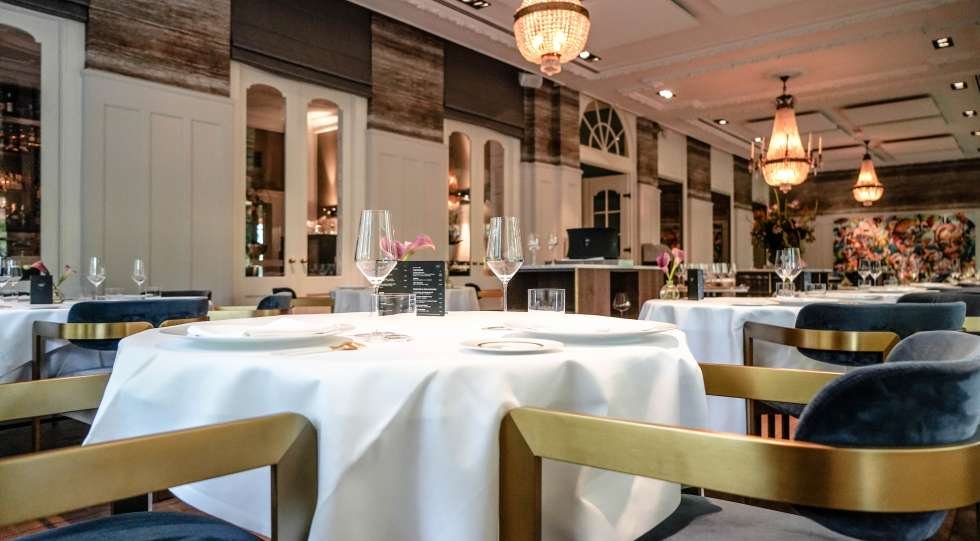
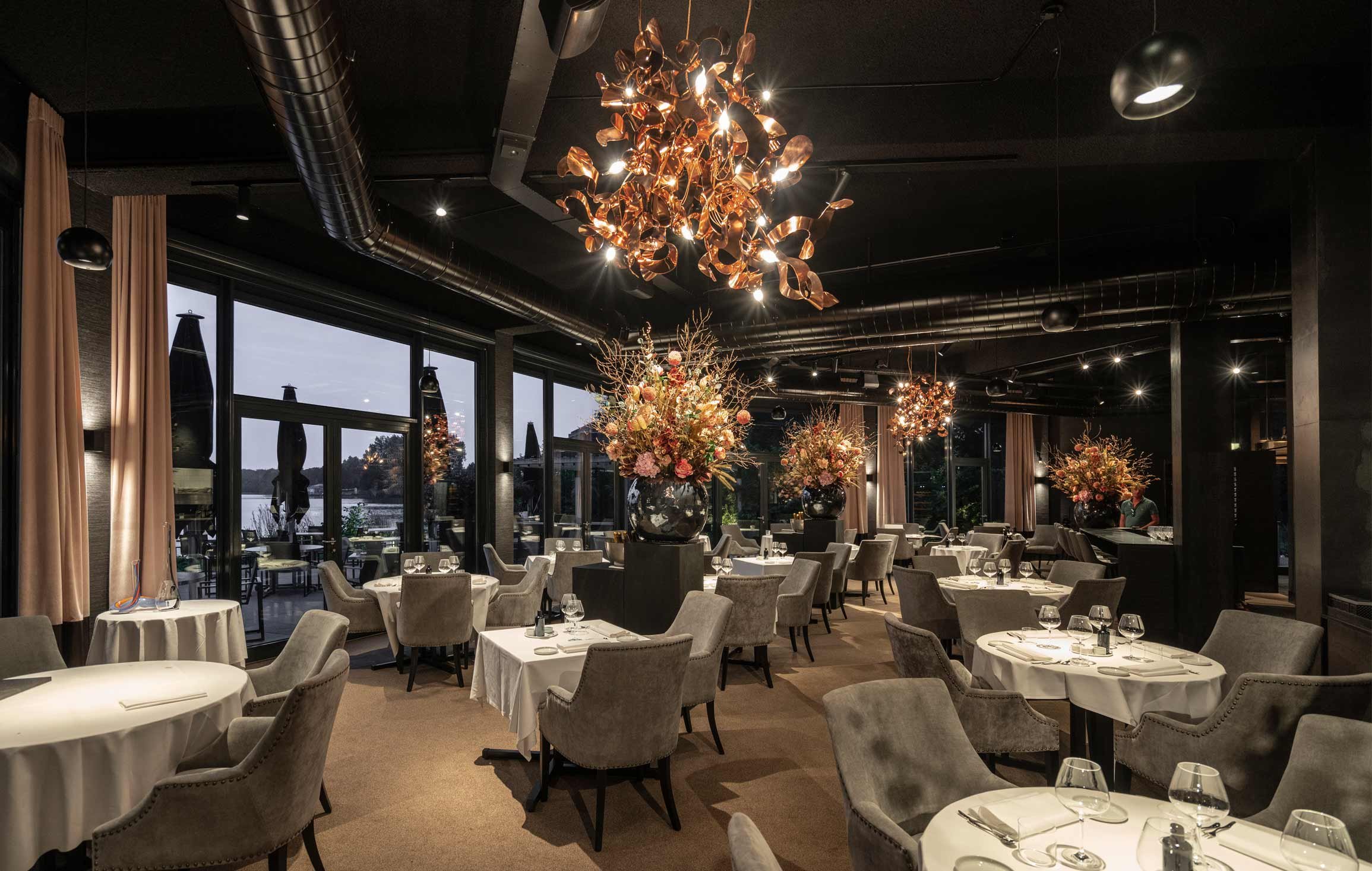
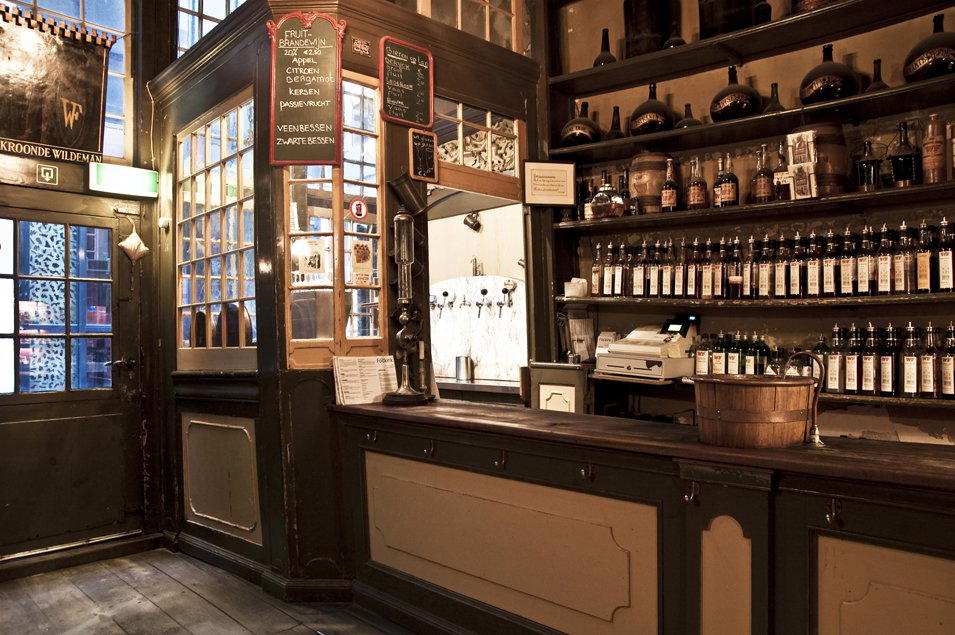
Classic and comforting atmosphere with warm lighting, favored for business lunches, family evenings, and romantic dinners.