Glasz
Glasz occupies a low-profile address on Straatweg in Rotterdam's Hillegersberg district, sitting at a remove from the city's Michelin-dense waterfront cluster. The restaurant operates in a part of town where the dining scene is residential in character rather than destination-driven, which shapes its position in Rotterdam's broader fine-dining conversation. Specific menu and pricing details are limited in the public record, but the address and category place it within the city's serious independent dining tier.
Pearl is the En Primeur Club membership app — saves, bookings, and concierge access live there. Same editors, same standards.
- Address
- Straatweg 270a, 3054 AP Rotterdam, Netherlands
- Phone
- +31102188656
- Website
- glaszrotterdam.nl
- Directions
- Get directions
 Saves & bookings on Pearl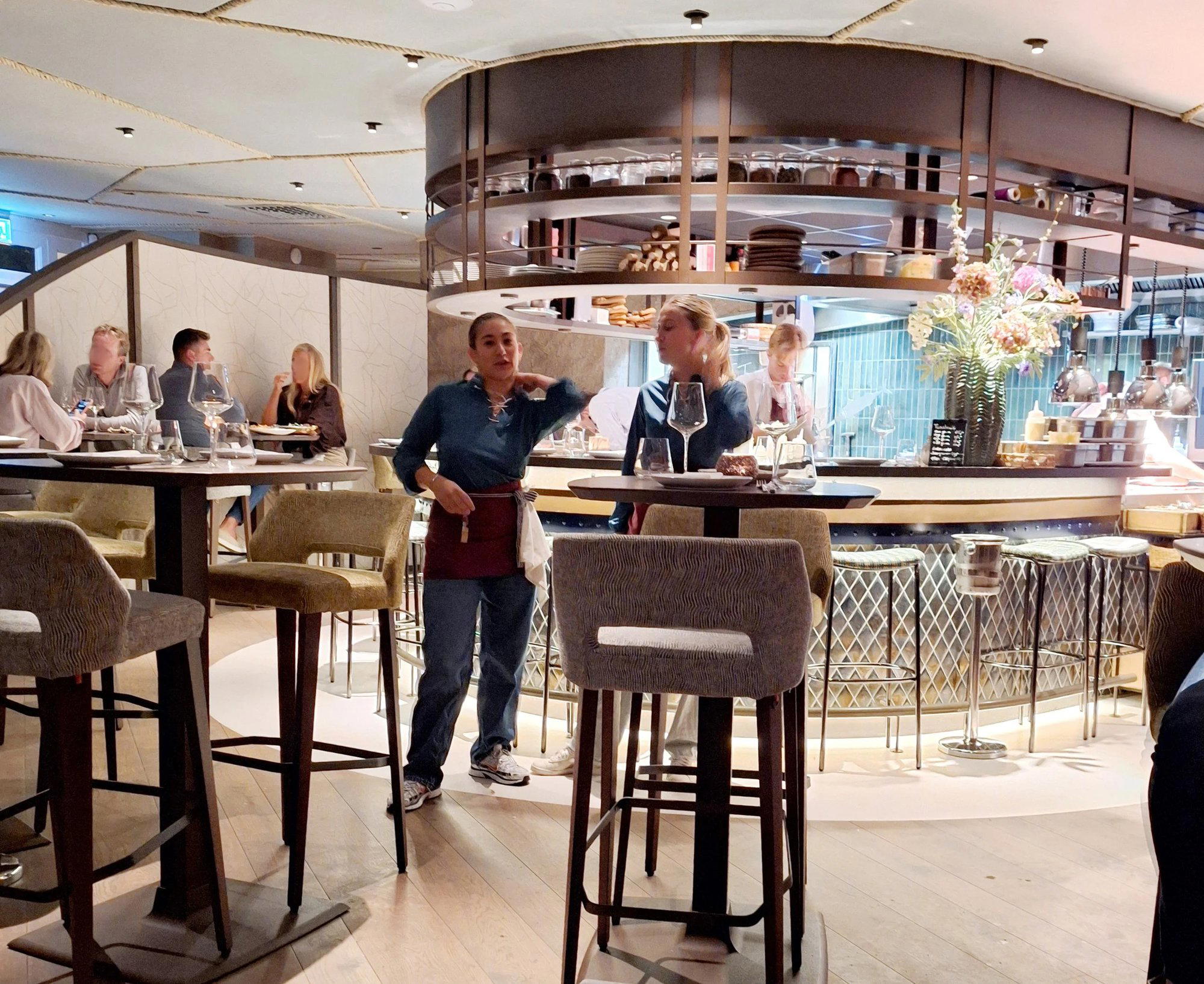
A Residential Address, A Different Kind of Ambition
Rotterdam's serious dining scene divides along a familiar axis. On one side sit the waterfront and centre addresses: Parkheuvel on the Maas, FG – François Geurds on the Hotel New York peninsula, Fred and Amarone within easy reach of the urban core. On the other sits a smaller tier of independently operated restaurants in residential districts, operating without the foot traffic or international hotel infrastructure of the waterfront cluster. Glasz, at Straatweg 270a in Hillegersberg, belongs to that second group.
Hillegersberg is one of Rotterdam's older, quieter neighbourhoods, a patchwork of inter-war architecture and local commerce well to the north of the Erasmusbrug postcard. A restaurant choosing to operate here is, by definition, making a statement about its intended audience: it is not hunting the hotel-dining or tourist-circuit guest. It is building around regulars, around the residential catchment, and around the kind of repeat custom that sustains a serious kitchen outside the gravitational pull of the city centre. That structural choice carries its own logic, and it is one worth understanding before visiting.
The Physical Container
The address on Straatweg places Glasz in a strip of mixed-use buildings typical of this part of the city: ground-floor commercial spaces with residential floors above, the street carrying local traffic rather than the pedestrianised flow of the Lijnbaan or Witte de Withstraat.
In Rotterdam's independent fine-dining tier, that scale tends to shape the dining experience in a specific direction. Smaller rooms, where tables number in the teens rather than the forties, push service toward the attentive end of the spectrum. The architecture becomes part of the meal's character rather than a backdrop to it. Dutch design culture, which tends toward material honesty and restrained decoration rather than maximalist theatre, often finds its most coherent expression in exactly these kinds of intimate settings. Compare this to the grand-scale design statements of destination restaurants elsewhere in the Netherlands, such as De Librije in Zwolle or Inter Scaldes in Kruiningen, and the residential-scale format feels deliberate rather than constrained.
What the location data reliably supports is this: Glasz is not operating out of a converted warehouse or a glass-fronted river-view building. The space will read as intimate, specific, and calibrated to a smaller number of covers than the city's larger destination restaurants.
Rotterdam's Independent Fine-Dining Tier
Understanding where Glasz sits in Rotterdam's dining order requires understanding how the city's scene stratifies. The Michelin-recognised houses anchor the top tier. Below that formal apex, a second tier of serious independent restaurants operates without the same awards infrastructure but with genuine ambition. Fitzgerald works the Modern French register. Amarone holds its position in the city's premium French bracket.
This second tier is where Rotterdam's dining scene does some of its most interesting work. Away from the pressure of maintaining a Michelin star, kitchens can shift their menus more freely, price at points that attract a broader local audience, and build the kind of regulars-based culture that the destination-dining circuit rarely generates. The comparison is not distinctive to Rotterdam: you see the same structural dynamic at restaurants like Lazy Bear in San Francisco, which operates with serious technical ambition outside the formal fine-dining institution model, or at Dutch regional houses like De Nieuwe Winkel in Nijmegen and Tribeca in Heeze, where the distance from a major urban centre forces a particular kind of self-sufficiency.
Glasz's Hillegersberg location places it in that neighbourhood-rooted, independently ambitious category. Restaurants in this position across the Netherlands, from De Groene Lantaarn in Staphorst to Brut172 in Reijmerstok to De Lindehof in Nuenen, tend to share certain characteristics: tight menus, sourcing relationships that reflect the local and regional food supply, and a service register that reads as personal rather than formal. Whether Glasz fits that profile precisely requires more data than the current public record provides, but the structural logic of its location points in that direction.
Planning a Visit
Glasz is at Straatweg 270a, 3054 AP Rotterdam, in the Hillegersberg district. Reservations are recommended. The Hillegersberg address is accessible by tram from the city centre, and the neighbourhood has its own parking infrastructure for those arriving by car, which is more practical here than in the dense centre.
For visitors building a Rotterdam dining itinerary, the city's full range spans waterfront addresses and neighbourhood independents. If the residential-district format of Glasz appeals, the Dutch regional scene offers analogues worth knowing: De Lindenhof in Giethoorn, De Bokkedoorns in Overveen, and De Treeswijkhoeve in Waalre each represent the same structural argument: serious food, residential or rural setting, away from the destination-circuit pressure. For international reference points at the technically serious end of independent dining, Le Bernardin in New York City shows how a kitchen can sustain decades of critical recognition while remaining rooted in a specific culinary point of view.
Budget Reality Check
Comparable venues nearby, for context on price, style, and recognition.
| Venue | Cuisine | Price | Awards | Notes |
|---|---|---|---|---|
| GlaszThis venue — the venue you are viewing | Not listed | $$$ | Not listed | Not listed |
| Restobar Vista | Kop van Zuid, Modern French Bistro | $$$ | Michelin Plate | Not listed |
| Bistro Eddie | Nieuwe Werk, Classic French Bistro | $$$ | Not listed | Not listed |
| Louise Petit Restaurant | Nieuwe Werk, Classic French Bistro | $$$ | Not listed | Not listed |
| Korean Food by Allegaartje | Not listed | $$ | Not listed | Oude Noorden, Korean BBQ with Lettuce Wraps |
| The Suicide Club | Not listed | $$$ | Not listed | C.S. Kwartier, Asian-Mediterranean Fusion Small Plates |
Continue exploring
More in Rotterdam
Restaurants in Rotterdam
Browse all →
Bars in Rotterdam
Browse all →
Hotels in Rotterdam
Browse all →
Wineries in Rotterdam
Browse all →
At a Glance
- Modern
- Cozy
- Trendy
- Date Night
- Casual Hangout
- Special Occasion
- Open Kitchen
- Waterfront
- Terrace
- Extensive Wine List
- Waterfront
Current opening hours
- Monday
- 12–11 PM
- Tuesday
- 12–11 PM
- Wednesday
- 12–11 PM
- Thursday
- 12–11 PM
- Friday
- 12–11 PM
- Saturday
- 12–11 PM
- Sunday
- 12–11 PM
Hours can change for holidays and private events. Last verified .
Warm atmosphere with views of the open kitchen fires and sheltered harbor waters, fostering relaxed conversations.