Lux
Lux occupies a distinctive position in Rotterdam's dining scene, operating from 's-Gravendijkwal in the city's west and drawing a crowd that moves between the neighbourhood's cultural venues and its table. The address places it inside a part of Rotterdam that rewards those who look beyond the waterfront cluster, where the city's more considered dining habits tend to take shape.
Pearl is the En Primeur Club membership app — saves, bookings, and concierge access live there. Same editors, same standards.
- Address
- 's-Gravendijkwal 133B, 3021 EK Rotterdam, Netherlands
- Phone
- +31104762206
- Website
- restaurantlux.nl
- Directions
- Get directions
 Saves & bookings on Pearl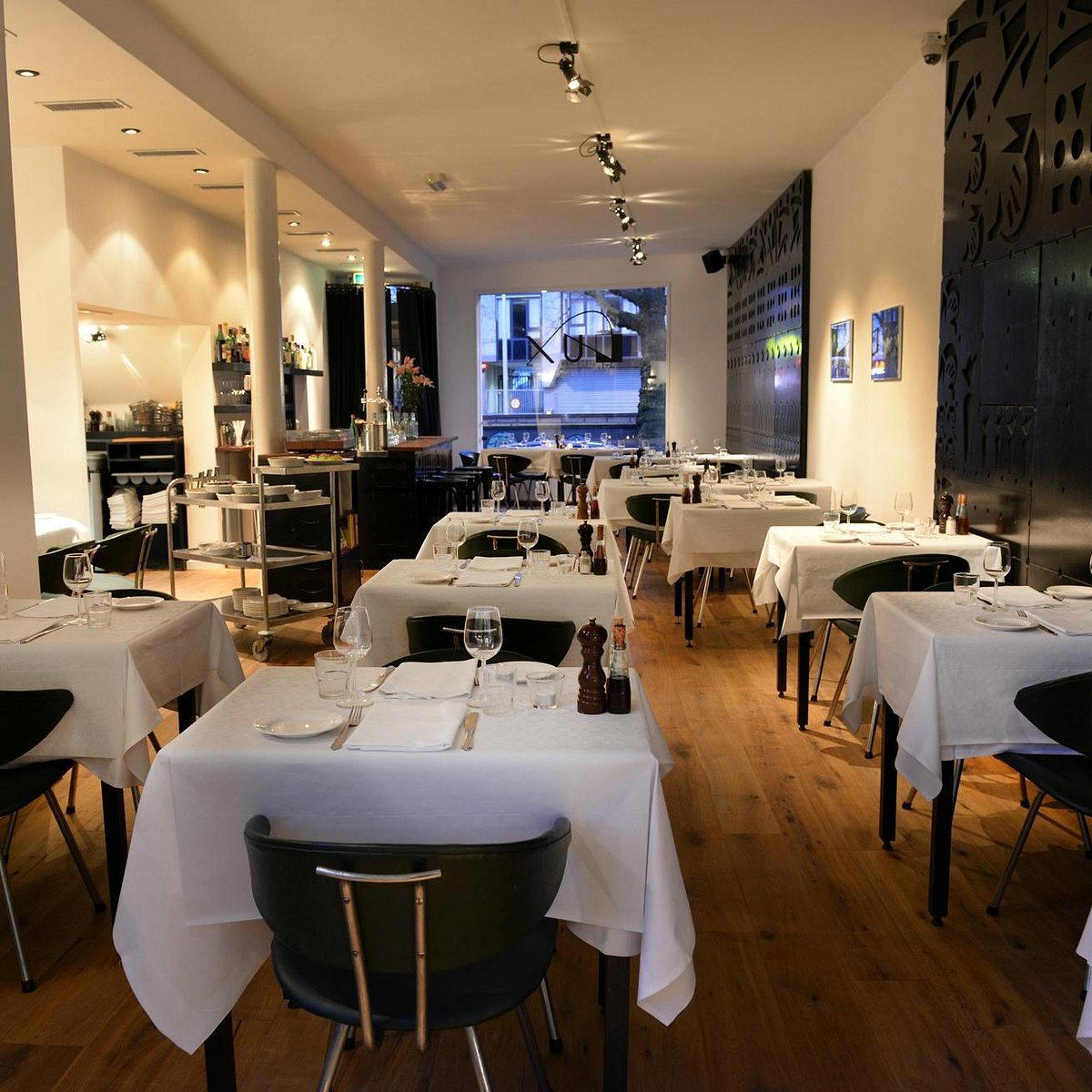
A Street That Sets the Tone
The approach to 's-Gravendijkwal 133B tells you something about the kind of dining Rotterdam does quietly and well. This stretch of the city, west of the centre and close to the Delfshaven district, carries a different register from the waterfront dining corridor where Parkheuvel and FG - François Geurds anchor the higher end of the market. Here, the architecture is lower, the foot traffic more residential, and the venues that survive tend to do so on the loyalty of a local clientele rather than the pull of a trophy address. Lux operates from exactly that context.
Rotterdam's dining culture has always been less theatrical than Amsterdam's, more interested in delivery than declaration. The city rebuilt itself after the Second World War with a pragmatist's eye, and that sensibility has shaped its restaurant scene as much as its skyline. Venues at the premium end — places like Fred and Amarone — tend to let the cooking speak before the room does. Lux sits within that tradition by geography and by neighbourhood character.
How the Evening Moves
Across the Dutch fine-dining register, there is a shared understanding of pacing that distinguishes the meal from its European counterparts. Where French service culture organises an evening around ceremony and a Spanish tasting menu around succession and surprise, the Dutch mode at serious restaurants tends toward deliberate, unhurried rhythm: courses arrive with space between them, the room is rarely rushed into a second sitting, and the relationship between guest and kitchen is allowed to develop over the course of two to three hours. This is the ritual that venues like Lux inherit from the broader tradition, and it shapes what a reservation there actually means in practice.
That pacing matters because it changes what a diner brings to the table. In a room that does not hurry, attention settles differently. You notice the glassware, the quality of silence between courses, the degree to which service is present without being performative. Rotterdam's leading rooms, including the Michelin-recognised tier represented by Fitzgerald at the creative French end of the spectrum, understand that the interval between dishes is itself part of the proposition. The meal is not simply the food; it is the full arc of the evening.
For comparison, the ritual discipline found at internationally recognised Dutch restaurants such as De Librije in Zwolle or Ciel Bleu in Amsterdam reflects a national seriousness about the formal dining occasion that runs deeper than Michelin positioning. Even venues operating below that starred tier carry the expectation. Diners arrive having made a decision, not a convenience stop.
Rotterdam's Western Quarter and Its Dining Character
The 's-Gravendijkwal address places Lux in a part of Rotterdam that has developed its hospitality identity around institutions rather than clusters. The Erasmus MC hospital complex nearby, the proximity to the Lloydkwartier, and the neighbourhood's mix of students, professionals, and long-term residents produce a dining public that is consistent rather than seasonal. Venues in this corridor do not depend on tourist flows the way the Kop van Zuid or the Blaak market area do.
That local dependency produces a particular kind of room. Tables are more likely to contain regulars. Booking patterns reflect the week's rhythm rather than the weekend rush. The restaurant's relationship with its neighbourhood becomes, over time, part of what it is. This is a different kind of trust signal from a Michelin star, less portable, more durable.
Across the Netherlands, venues that operate in this mode, embedded in their local context, sustained by return visits, include names like De Lindehof in Nuenen and De Groene Lantaarn in Staphorst, both of which have built reputations that extend well beyond their immediate postcodes precisely because their local roots are legible in the experience. Brut172 in Reijmerstok and De Nieuwe Winkel in Nijmegen occupy similar positions in their own cities: serious cooking, serious intent, without the infrastructure of a destination-dining machine behind them.
Where Lux Sits in the Rotterdam Market
Rotterdam's upper dining tier is reasonably well defined. At the leading sits a cluster of €€€€ venues, FG, Fred, Parkheuvel, with recognised culinary credentials and the price points that follow. Below that, the middle tier includes creative and modern French operations that compete on technique and ingredient quality rather than on occasion-dining ritual. Lux's address on 's-Gravendijkwal, away from the city's premium dining corridors, suggests a positioning that is deliberate rather than provisional.
For the reader building a Rotterdam itinerary, this matters. The waterfront and the Wilhelminapier deliver a certain kind of evening: big rooms, river views, cooking calibrated for a broad audience including visiting professionals and conference trade. The western quarter offers something narrower in scope and more specific in character. Both are valid; they are different products. Those who have already covered the full Rotterdam restaurants guide will find that the city rewards a second visit to its quieter corridors.
For international context, the pattern is familiar: in cities from New York, where Atomix and Le Bernardin occupy very different neighbourhood registers, to the Dutch provinces, the restaurant that chooses its postcode carefully is usually saying something with that choice. Location is editorial. Aan de Poel in Amstelveen, 't Nonnetje in Harderwijk, and De Bokkedoorns in Overveen each demonstrate that serious Dutch cooking is not confined to the cities that receive the most attention from international guides.
Planning Your Visit
Lux is located at 's-Gravendijkwal 133B, 3021 EK Rotterdam, in the city's western district. The area is accessible from the city centre by tram along the main west-running corridors, with a journey of around ten to fifteen minutes from Rotterdam Centraal. For visitors staying in the city centre or on the Kop van Zuid, the western quarter makes a natural evening destination when combined with time in the Delfshaven or Lloydkwartier neighbourhoods earlier in the day.
How Lux Rotterdam compares with similar nearby venues.
| Venue | Cuisine | Price |
|---|---|---|
| Xīn | Modern Cuisine | €€ |
| Restaurant Renilde | Organic | €€€ |
Continue exploring
More in Rotterdam
Restaurants in Rotterdam
Browse all →
Bars in Rotterdam
Browse all →
Hotels in Rotterdam
Browse all →
Wineries in Rotterdam
Browse all →
At a Glance
- Modern
- Elegant
- Sophisticated
- Intimate
- Date Night
- Special Occasion
- Business Dinner
- Open Kitchen
- Standalone
- Extensive Wine List
- Local Sourcing
Current opening hours
- Monday
- 6–10 PM
- Tuesday
- Closed
- Wednesday
- Closed
- Thursday
- Closed
- Friday
- 6–10 PM
- Saturday
- 6–10 PM
- Sunday
- 6–10 PM
Hours can change for holidays and private events. Last verified .
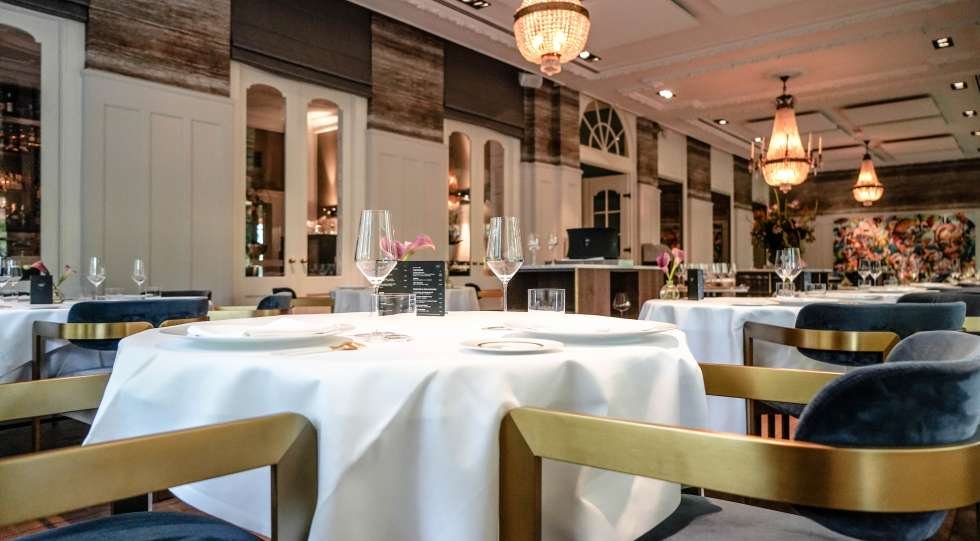
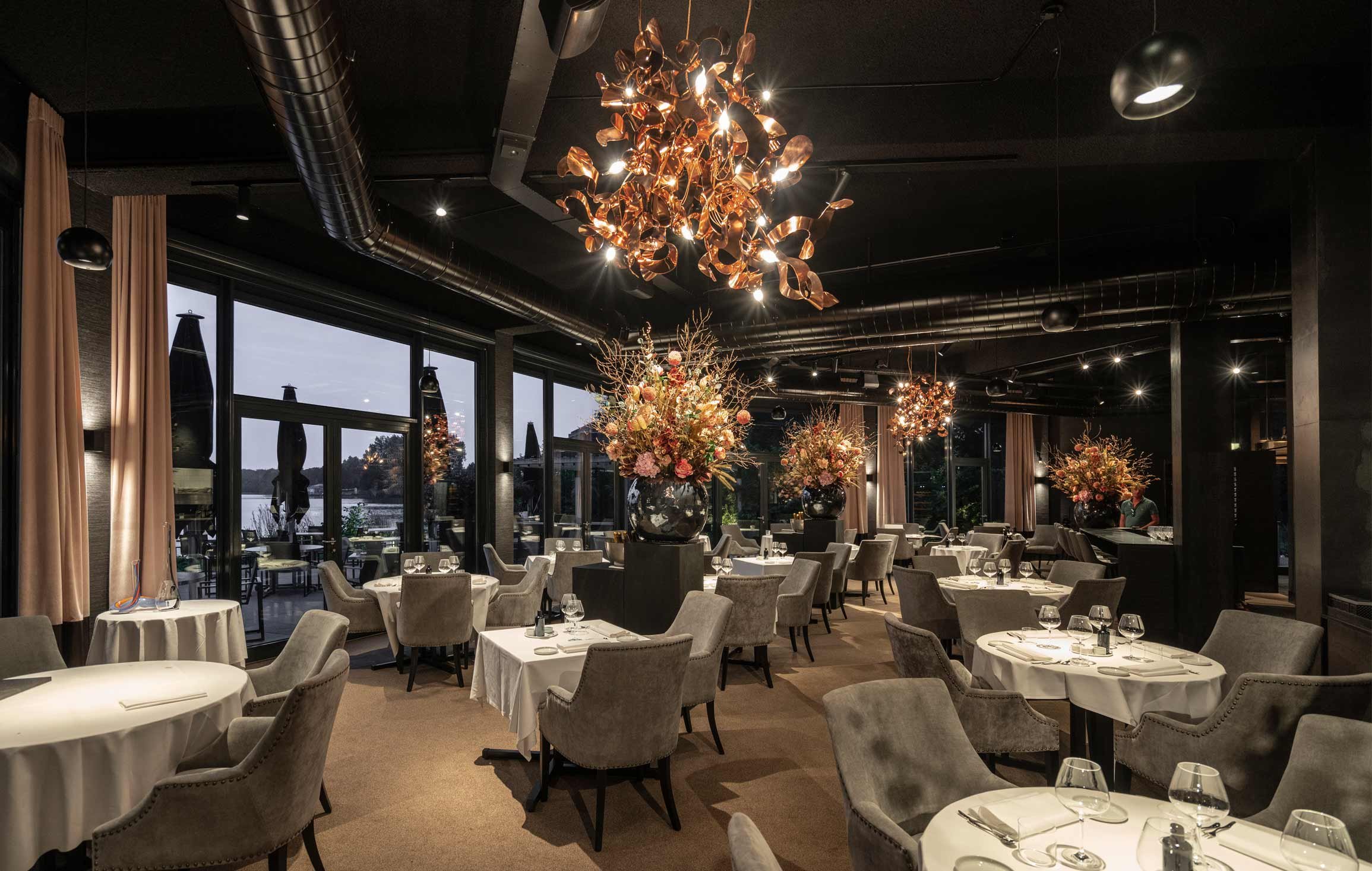
Modern and stylish interior with tables spaced generously apart, creating an intimate and refined dining atmosphere on a busy street near Rotterdam's center.
Know Before You Go
- Getting there
- 's-Gravendijkwal 133B, 3021 EK Rotterdam, Netherlands