Oker
On Denneweg, one of The Hague's most quietly considered dining streets, Oker holds a position shaped by the kind of front-of-house and kitchen collaboration that defines the city's more serious restaurant tier. The address at number 71 signals a deliberate remove from the grander hotel dining rooms, placing it squarely within the neighbourhood's independent fine-dining conversation alongside peers like Calla's and Basaal.
Pearl is the En Primeur Club membership app — saves, bookings, and concierge access live there. Same editors, same standards.
- Address
- Denneweg 71, 2514 CE Den Haag, Netherlands
- Phone
- +31703645453
- Website
- restaurantoker.nl
- Directions
- Get directions
 Saves & bookings on Pearl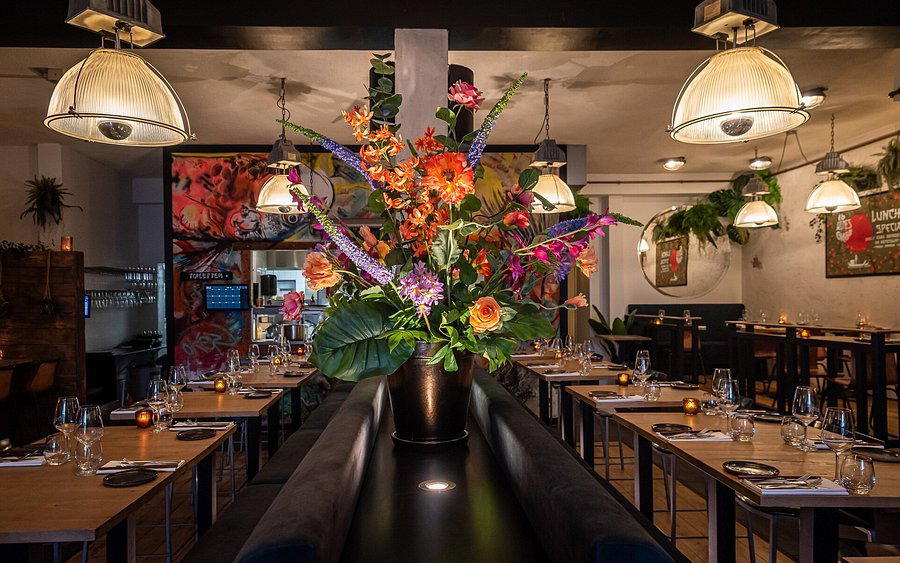
Denneweg and the Shape of Serious Dining in The Hague
Denneweg is the kind of street that takes a few visits to properly read. Its canal-adjacent calm and row of narrowfront buildings have attracted an unusually dense cluster of independent restaurants for a city that still gets overlooked in favour of Amsterdam when Dutch fine dining comes up in conversation. Oker, at number 71, sits within that cluster and occupies a tier that has become increasingly defined by the quality of its room dynamic rather than any single headline credential. In a dining scene where Calla's (€€€€ · Creative French) anchors the leading creative-French end and Basaal (€€ · Seasonal Cuisine) holds the seasonal-produce position at a more accessible price point, Oker carves its space through a different kind of coherence: the integration of kitchen, sommelier, and front-of-house into something that reads as a single, practised argument about what a meal should feel like.
The Hague's restaurant scene has matured quietly over the past decade. The political and diplomatic class that forms a large part of its regular dining public has pushed certain expectations into the room: precision, discretion, a sense that the evening is being managed rather than merely served. That context rewards the kind of collaborative service model that Oker represents, where the sommelier's choices are not a supplement to the menu but a co-authoring of the experience, and where front-of-house reads the room rather than reciting it.
The Room as a Statement
Approaching Denneweg 71, the scale is residential rather than grand. The Netherlands has a long tradition of converting narrow canal-city buildings into dining rooms that force intimacy, and that compression tends to either work against a kitchen or play to its strengths. At Oker, the format rewards the close-quarters energy that comes when a small team is functioning well: a sommelier who can speak to a table from two steps away without raising their voice, a kitchen whose passes are short enough that timing between courses doesn't require military logistics. That physical closeness between the team and the guest is not incidental; it's the architectural condition that makes the collaborative service model legible in real time.
Across the Netherlands, the restaurants that have attracted sustained critical attention share this characteristic: the dining room is small enough that every front-of-house decision is visible. De Librije in Zwolle and Aan de Poel in Amstelveen both operate in formats where the relationship between the kitchen and the table is a deliberate part of the proposition, not a background condition. Oker belongs to that conversation, even if its address places it outside the cities that tend to dominate those lists.
Kitchen and Sommelier as Co-Authors
The main angle on Oker is the degree to which the wine and service program actively shapes what arrives from the kitchen, and vice versa. This model is not new: Le Bernardin in New York City has long operated on the principle that the sommelier's work should be indistinguishable in authority from the kitchen's, and at the highest tier of Korean fine dining, Atomix in New York City has built an internationally referenced reputation on the idea that front-of-house narration and kitchen execution carry equal weight. In a smaller city like The Hague, that ambition requires a tighter team and a more concentrated application of the same principle.
What this means practically for a guest at Oker is that the wine pairing is not assembled from a separate logic to the menu. The sequence of courses and the sequence of pours are designed to reinforce each other, which raises the stakes for both the sommelier and the kitchen: neither can coast on the other's strength. That interdependency, when it works, produces the kind of dinner that feels authored rather than assembled. When it doesn't, the seams show more clearly than they would in a larger operation.
Other addresses on Denneweg and in the immediate neighbourhood point to a broader pattern: Bistro Veen and Botanica each represent versions of the same independent-restaurant ambition at different register and price points, while 6&24 (€€€ · Modern Cuisine) takes the modern-cuisine brief in a direction that prioritises technical precision. Oker's distinction, within that comparable set, is less about a single defined cuisine category and more about the service architecture that surrounds the food.
De Nieuwe Winkel in Nijmegen has built a plant-forward reputation that attracted international attention; De Bokkedoorns in Overveen and Ciel Bleu in Amsterdam operate at the upper bracket of the national tier. Brut172 in Reijmerstok, De Groene Lantaarn in Staphorst, De Lindehof in Nuenen, De Lindenhof in Giethoorn, and 't Nonnetje in Harderwijk each demonstrate that the country's serious dining energy is genuinely dispersed. Within The Hague specifically, that dispersal works in Oker's favour: the city's dining public sustains demand for serious restaurants.Planning a Visit
Oker is at Denneweg 71, 2514 CE Den Haag. Given the format, a reservation secured in advance is the practical approach. The nature of the collaborative kitchen-and-floor program means the experience is calibrated for a full table service rather than a casual drop-in. For guests building a broader evening in the neighbourhood, Denneweg itself has enough around it to sustain time before and after the meal.
Pricing, Compared
Comparable venues nearby, for context on price, style, and recognition.
| Venue | Cuisine | Price | Notes |
|---|---|---|---|
| OkerThis venue — the venue you are viewing | Not listed | $$ | Not listed |
| Onda | Station, Nordic-Mediterranean Fusion | $$$ | Not listed |
| Full Moon City | Chinatown, Authentic Cantonese Dim Sum | $$ | Not listed |
| Burrata | Not listed | $$ | City Center, Authentic Italian Pizza & Pasta |
| The Gyros Club | City Center, Greek Gyros and Cocktails | $$ | Not listed |
| HUmmUs | City Center, Vegetarian Middle Eastern | $$ | Not listed |
Continue exploring
More in The Hague
Restaurants in The Hague
Browse all →
Bars in The Hague
Browse all →
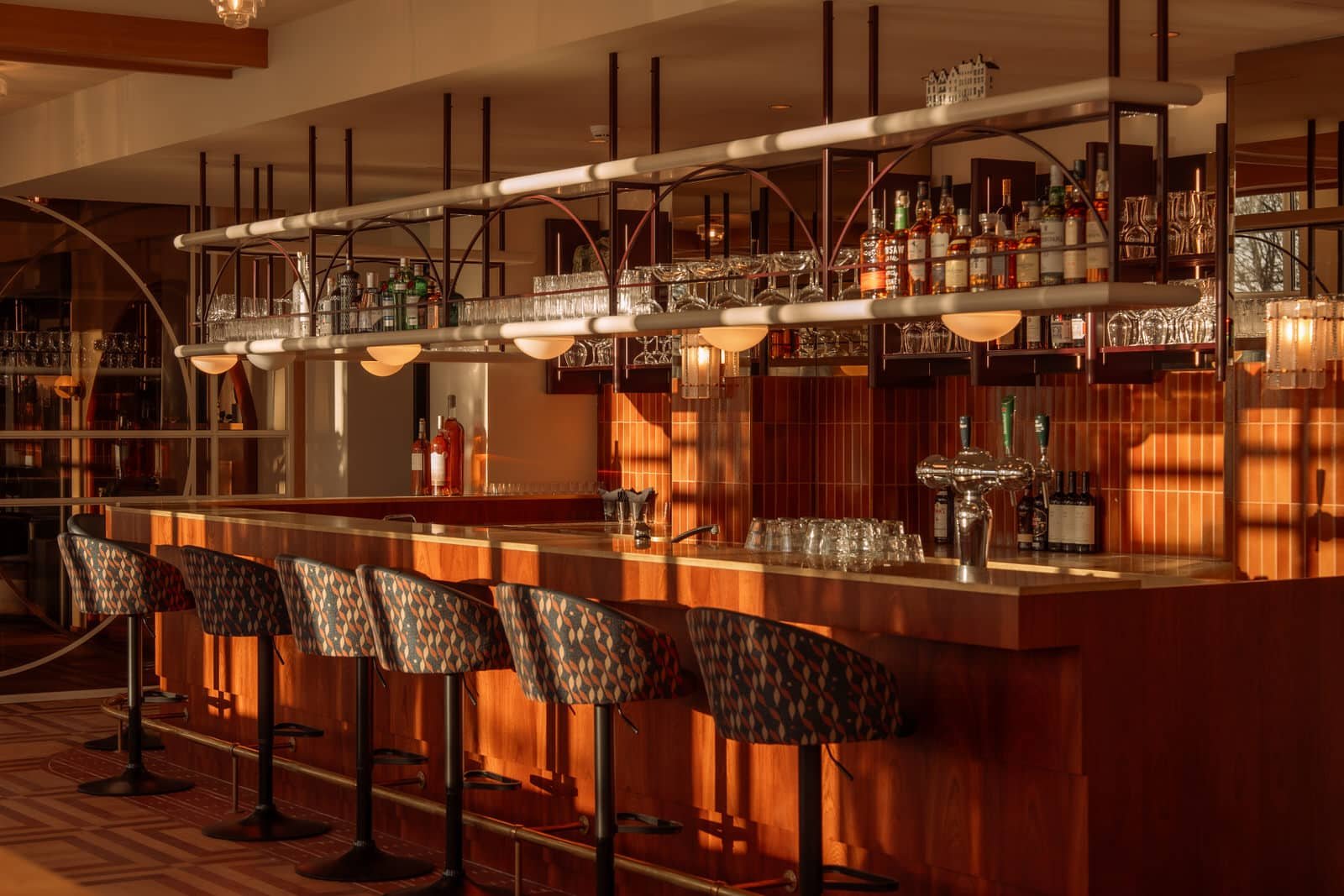
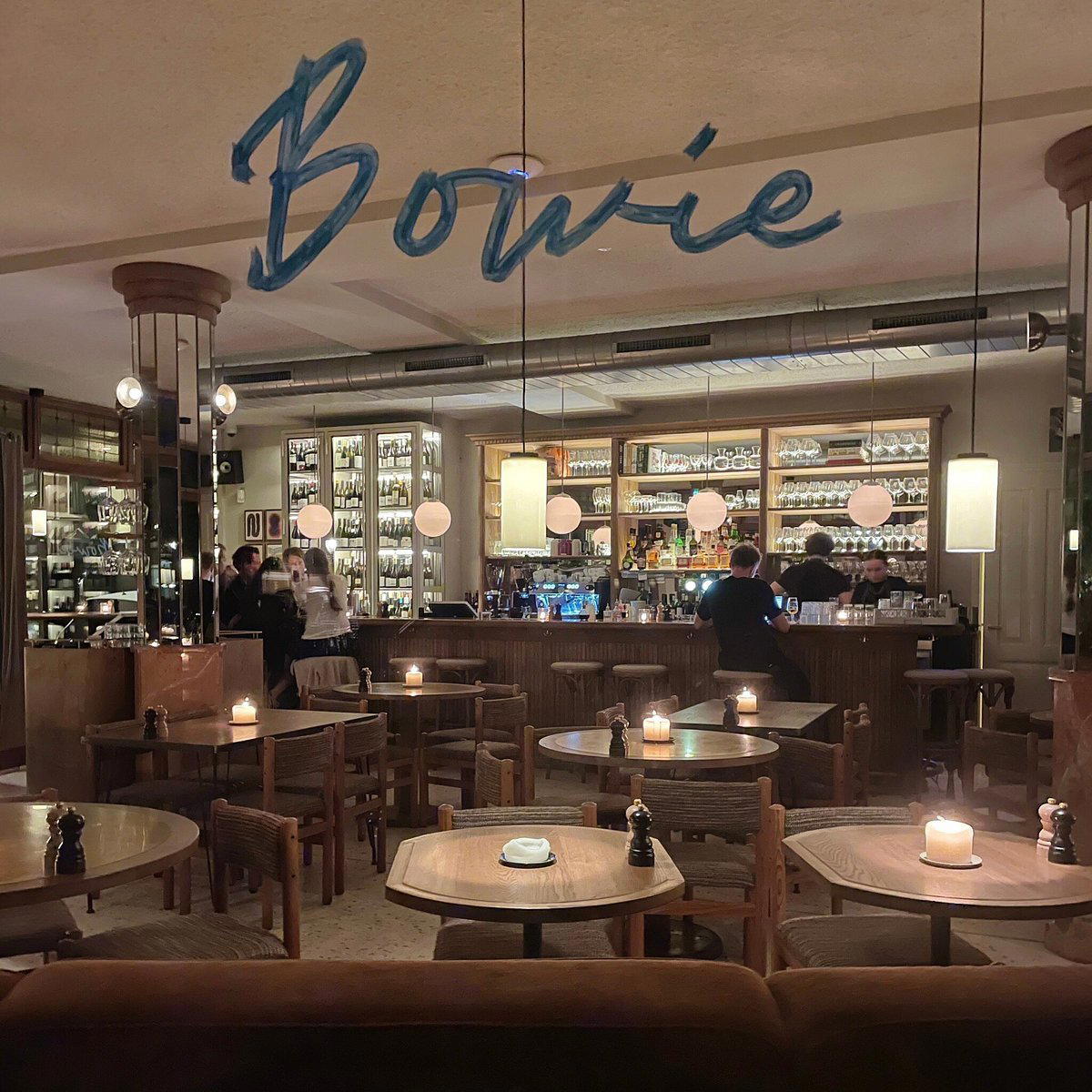
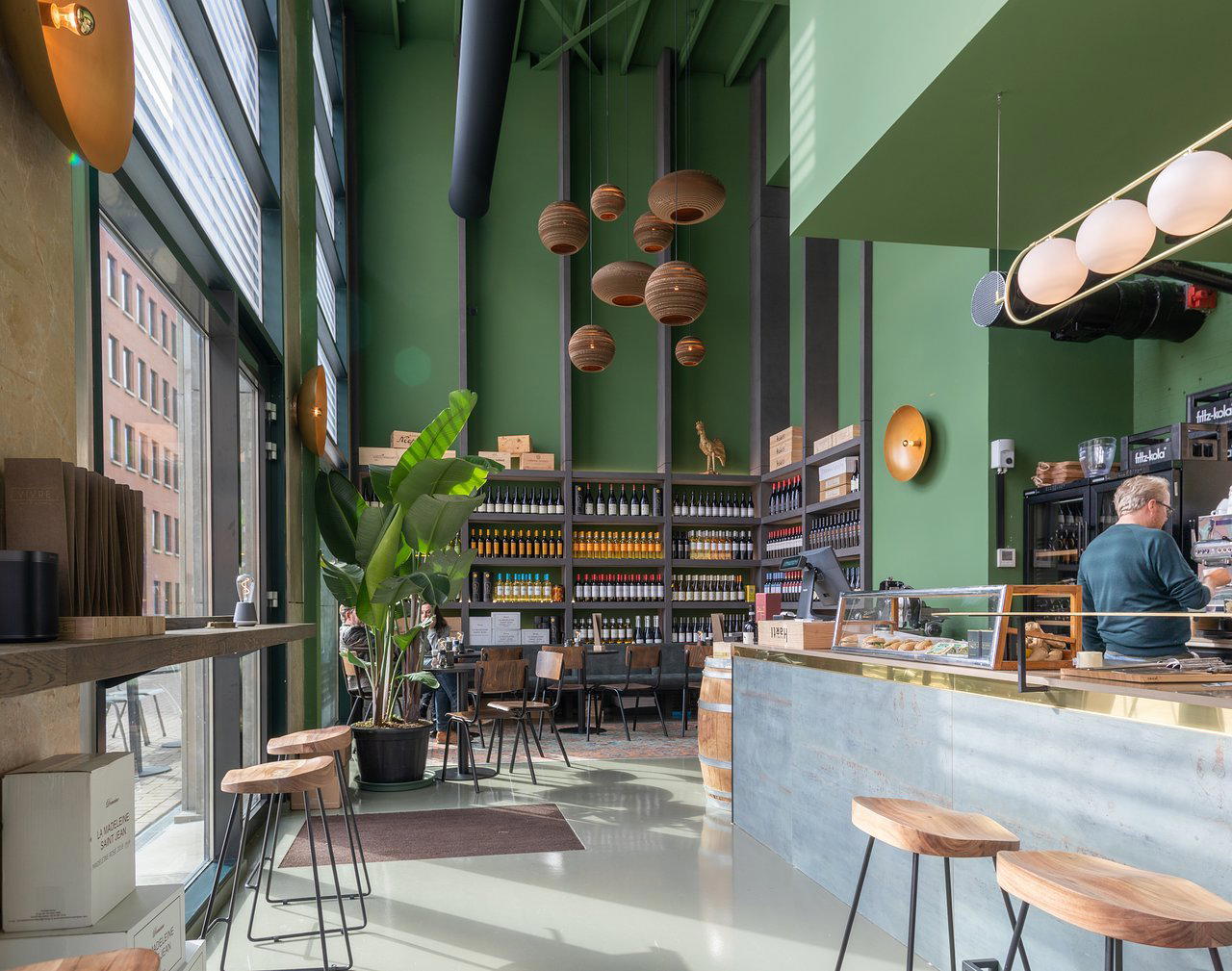
Hotels in The Hague
Browse all →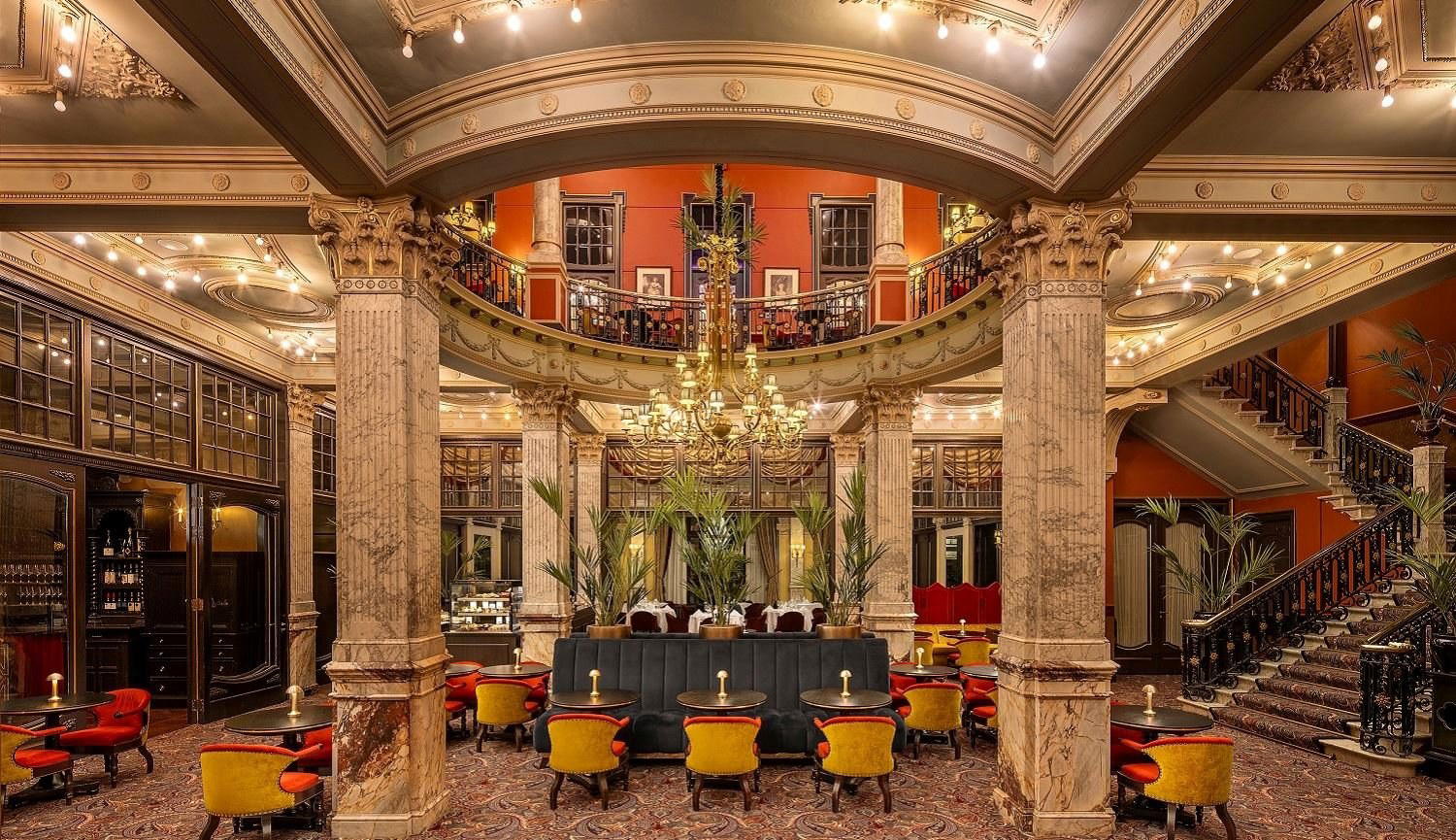
Wineries in The Hague
Browse all →
At a Glance
- Modern
- Cozy
- Trendy
- Date Night
- Group Dining
- Casual Hangout
- Open Kitchen
- Craft Cocktails
Current opening hours
- Monday
- 11:30 AM–12 AM
- Tuesday
- 11:30 AM–12 AM
- Wednesday
- 11:30 AM–12 AM
- Thursday
- 11:30 AM–2 AM
- Friday
- 11:30 AM–2 AM
- Saturday
- 11:30 AM–2 AM
- Sunday
- 11:30 AM–12 AM
Hours can change for holidays and private events. Last verified .
Cosy and inviting atmosphere with stylish decor, well-suited for nights out with family and friends.