Botanica
Botanica occupies a considered address on Kneuterdijk in central The Hague, positioned within the city's growing tier of nature-led, produce-focused dining. The venue sits in a neighbourhood that houses some of the Netherlands' more ambitious restaurant concepts, placing it alongside a comparable set that takes ingredient provenance seriously. Visitors looking for The Hague's quieter, less-publicised dining options will find this a useful reference point.
Pearl is the En Primeur Club membership app — saves, bookings, and concierge access live there. Same editors, same standards.
- Address
- Kneuterdijk 8, 2514 EN Den Haag, Netherlands
- Phone
- +31702185710
- Website
- botanicarestaurant.nl
- Directions
- Get directions
 Saves & bookings on Pearl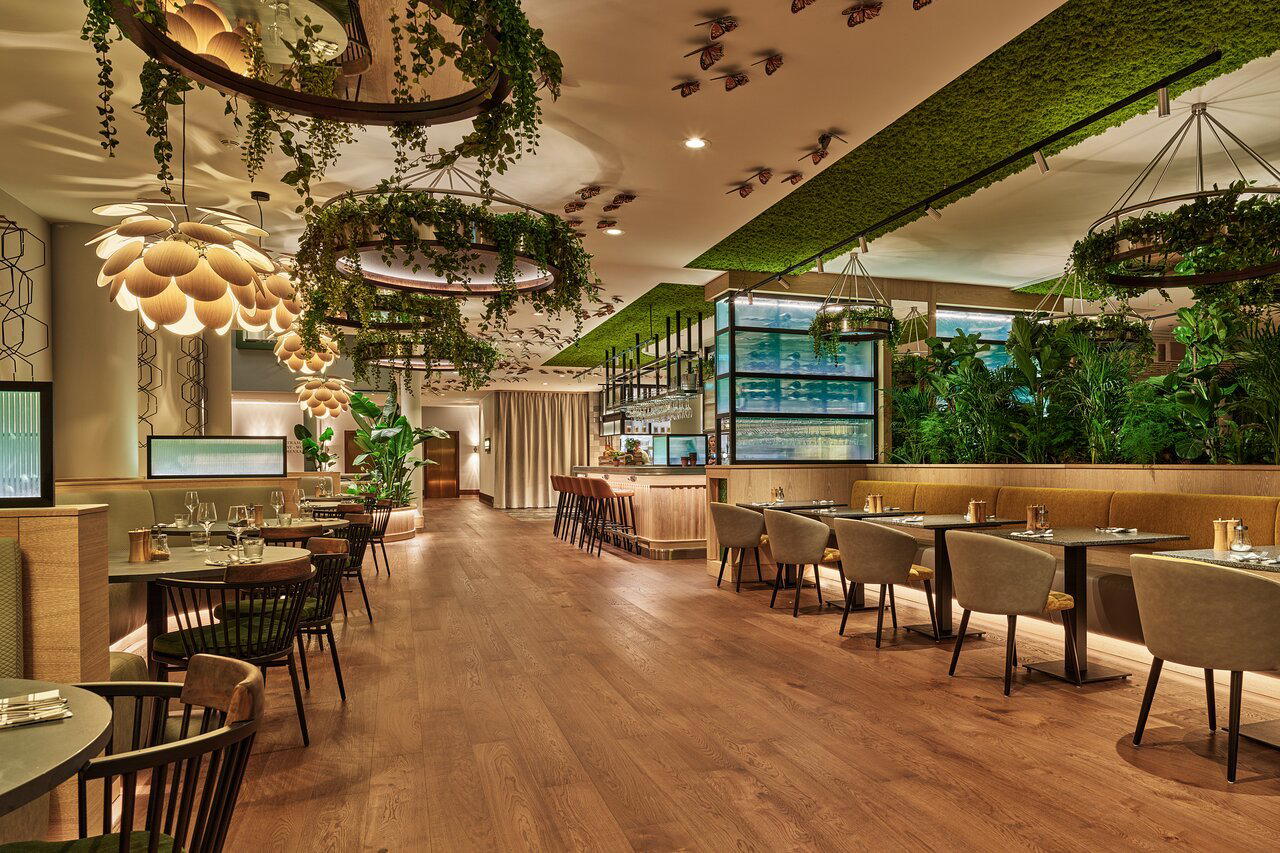
Kneuterdijk and the Dining Axis of Central Den Haag
Botanica is a restaurant in The Hague at Kneuterdijk 8, serving modern vegetable-focused Dutch cuisine. Kneuterdijk sits within that register. It is a short, composed street close to the Binnenhof, the Dutch parliamentary complex, and its character is one of measured restraint rather than gastro-tourism bustle. Botanica occupies a position at number 8 on that street, which tells you something immediately about its intended register.
The Hague has been assembling a serious dining scene across its central postcodes for well over a decade, and the concentration around the old city core, from Denneweg to the Noordeinde corridor, has produced a tier of restaurants that competes credibly with anything in the Dutch provinces. Kneuterdijk specifically attracts venues that read the neighbourhood correctly: quiet ambition, little appetite for showmanship, and a clientele drawn from government, diplomacy, and the professional class that fills this part of the city on weekday lunchtimes.
The Botanical Frame: What Nature-Led Dining Means in the Dutch Context
The name Botanica signals an editorial position that has become increasingly legible in Northern European dining over the past decade. The shift from protein-centred menus to plant-forward, garden-adjacent cooking accelerated first in Scandinavia and moved south and west through the Netherlands, finding particular traction in cities with strong agricultural hinterlands and a cultural disposition toward ecological seriousness. The Dutch food system, despite its industrial scale, has always had a counter-current of kitchen-garden culture, and the restaurants now working within that tradition are drawing on something genuinely rooted in the region's horticultural identity.
This is a context in which venues like De Nieuwe Winkel in Nijmegen have built international reputations on plant-led tasting menus, and where the broader Dutch restaurant scene increasingly frames vegetable cookery not as an accommodation for non-meat-eaters but as a primary creative language. Basaal, operating at the €€ tier in The Hague, has worked within a similar seasonal-produce philosophy within the city itself. Botanica's positioning on a street with the gravity of Kneuterdijk suggests an approach that is aligned with this broader movement, even if the specific format and menu structure are not detailed here.
The Hague's Competitive Dining Tier and Where Botanica Sits
Understanding where Botanica fits requires a brief map of The Hague's restaurant stratification. At the upper end, Calla's operates at the €€€€ bracket with a Creative French orientation, functioning as the city's most formally ambitious dining address. The middle tier is occupied by venues like 6&24 at the €€€ level, offering modern cuisine with considered technique. Below that, the €€ range includes Basaal, Bistro Veen, and Bouzy, each working different registers of accessible, ingredient-led cooking. Botanica sits at the €€€ level, with an estimated spend of about $40 per person.
A botanically-named venue on Kneuterdijk, a street with no appetite for the casual end of the market, is unlikely to position itself in the budget tier. The address alone implies a mid-to-upper pricing structure, which places it in conversation with the same clientele that gravitates toward 6&24 or Calla's, if not necessarily at the same price point. This is a city where diplomatic entertaining still shapes the lunch market, and where restaurants that read as considered rather than casual tend to perform well on that calendar.
Across the Netherlands more broadly, the reference points for nature-led and produce-focused cooking at the higher end include De Librije in Zwolle, Inter Scaldes in Kruiningen, and De Lindenhof in Giethoorn. These are the venues that have defined what serious Dutch cooking looks like at its most disciplined, and the vocabulary they have established, Dutch ingredients, precise technique, restrained presentation, filters down into the city-level tier where Botanica operates.
For comparison points outside the Netherlands, the structural logic of a botanically-framed restaurant on a quiet institutional street in a political capital has echoes in how venues like Lazy Bear in San Francisco occupy a particular cultural niche: serious about provenance, operating in a format that rewards knowledge, and drawing a clientele that arrives with prior research rather than walk-in impulse. The formality of the Kneuterdijk address is more analogous to the operating environment of a venue like Le Bernardin in New York City than to a casual neighbourhood bistro, even if the cuisine philosophy may be diametrically different.
What the Dutch Botanical Kitchen Tradition Actually Looks Like
Dutch horticultural output is, by volume, among the largest in Europe: the Westland greenhouse complex alone produces tomatoes, peppers, and cucumbers at an industrial scale that supplies much of the continent. But the culinary tradition that borrows the botanical label is working from a different end of that spectrum. It draws on heritage varieties, foraging culture, kitchen gardens, and the seasonal specificity of the Dutch growing year, which produces distinct windows for white asparagus in late spring, sea vegetables along the North Sea coast in summer, and root vegetables and preserved produce through winter.
Restaurants working within this framework across the Netherlands, including De Groene Lantaarn in Staphorst, Brut172 in Reijmerstok, and Tribeca in Heeze, tend to share certain structural commitments: menus that change with genuine seasonal logic rather than as a marketing gesture, supplier relationships that are specific and named, and a cooking style that prioritises restraint over elaboration. De Bokkedoorns in Overveen and De Treeswijkhoeve in Waalre represent the longer-established end of this tradition. De Lindehof in Nuenen provides another regional data point for how this format performs at the Michelin-recognised level.
Planning a Visit: What to Know Before You Go
Kneuterdijk 8 is within easy walking distance of The Hague Centraal station and the Binnenhof, placing Botanica squarely in the itinerary logic of a half-day spent in the political and museum quarter of the city. The street has limited through-traffic, which makes for a quieter approach than the main shopping routes. Specific booking policies, opening hours, and pricing details for Botanica are best confirmed directly with the restaurant. Reservations are recommended, particularly for larger parties or weekend mornings.
Cost and Credentials
Comparable venues nearby, for context on price, style, and recognition.
| Venue | Cuisine | Price | Notes |
|---|---|---|---|
| BotanicaThis venue — the venue you are viewing | Not listed | $$$ | Not listed |
| Christian | near center, Dutch in Historic Windmill | $$$ | Not listed |
| De Kwartel | Not listed | $$ | Zuiderstrand, Dutch Beach Pavilion with Seafood |
| Café Restaurant Flora | Not listed | $$$ | Den Haag (The Hague), Seasonal Modern European |
| Oker | Not listed | $$ | Voorhout, Asian-inspired Fusion Small Plates |
| Yuzu Dining | Zuidwal, Modern Japanese Izakaya | $$$ | Not listed |
Continue exploring
More in The Hague
Restaurants in The Hague
Browse all →
Bars in The Hague
Browse all →
Hotels in The Hague
Browse all →
Wineries in The Hague
Browse all →
At a Glance
- Cozy
- Modern
- Scenic
- Elegant
- Date Night
- Group Dining
- Brunch
- Garden
- Extensive Wine List
- Local Sourcing
- Garden
Current opening hours
- Monday
- 6:30–10:30 AM
- Tuesday
- 6:30–10:30 AM
- Wednesday
- 6:30–10:30 AM
- Thursday
- 6:30–10:30 AM
- Friday
- 6:30–10:30 AM
- Saturday
- 7–11 AM
- Sunday
- 7–11 AM
Hours can change for holidays and private events. Last verified .
Sleek interior with intricate greenery blurring indoor-outdoor lines, creating a relaxed, elegant, and natural atmosphere.