Bistro Veen
Bistro Veen sits at Veenkade 1 in The Hague, positioned on the canal-side address that signals the neighbourhood's shift toward ingredient-led, casual-serious dining. The bistro format places it in a growing tier of The Hague restaurants where sourcing and seasonality carry more weight than formality. For readers mapping the city's dining range, it belongs alongside rather than below the more decorated tables in the centre.
Pearl is the En Primeur Club membership app — saves, bookings, and concierge access live there. Same editors, same standards.
- Address
- Veenkade 1, 2513 EE Den Haag, Netherlands
- Phone
- +31707532274
- Website
- bistroveen.nl
- Directions
- Get directions
 Saves & bookings on Pearl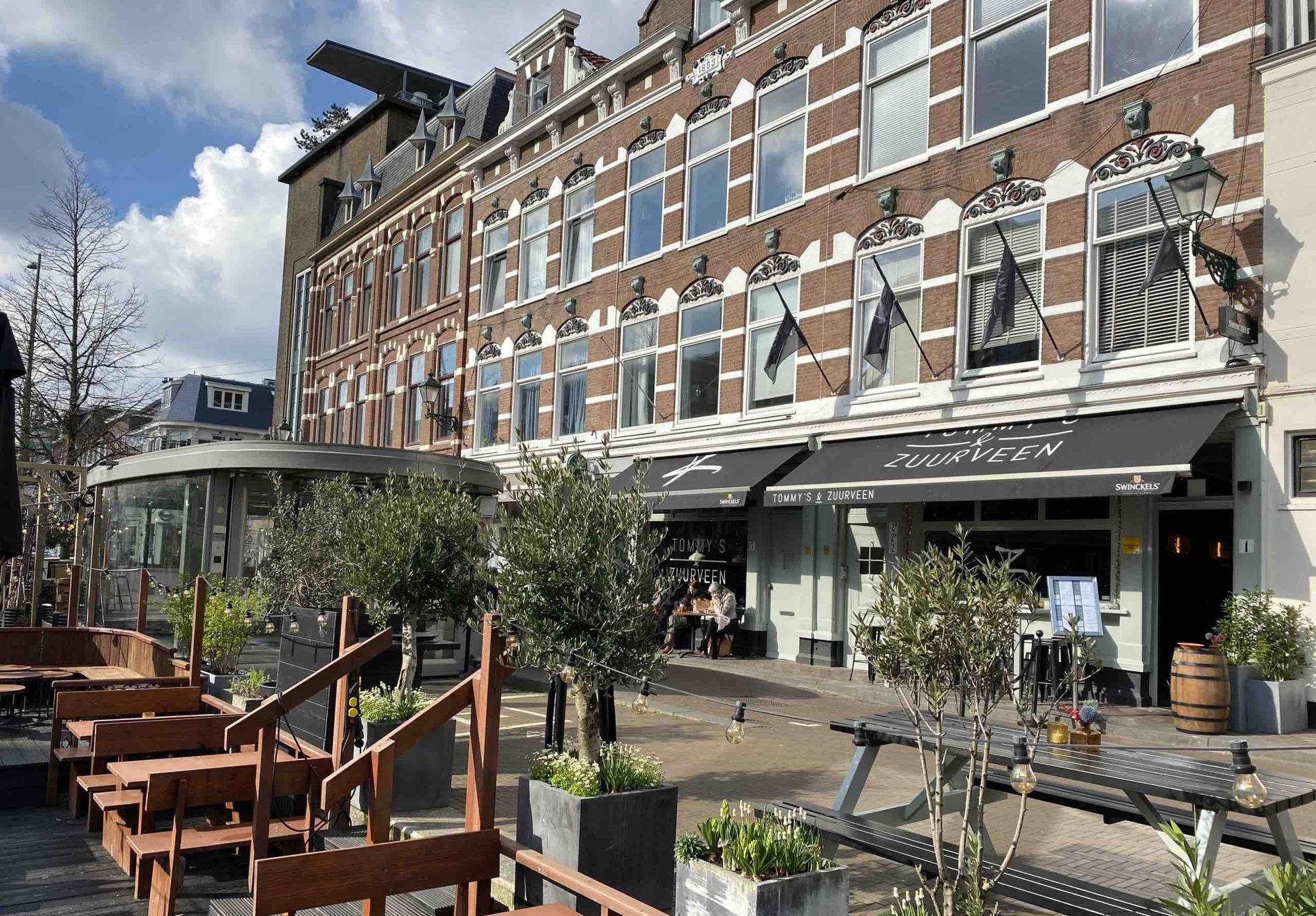
Veenkade and the Canal-Side Dining Shift
The Veenkade canal in The Hague has, over the past decade, accumulated a particular kind of restaurant: places that dress simply but cook with conviction. The address alone, number one on the kade, puts Bistro Veen at the start of a strip where the city's more considered mid-range dining has taken root, away from the tourist-facing terraces of the Grote Markt and the formal dining rooms clustered near the Binnenhof. This part of the city rewards those who walk a few extra minutes from the political centre, and the dining that has followed the residential gentrification of the canal belt tends to be sharper in sourcing and quieter in presentation than its more central counterparts.
That context matters when placing Bistro Veen in the city's current eating picture. The Hague runs a wider dining spectrum than its international profile suggests. At the leading sits Calla's (Creative French, €€€€), which operates at a price point and ambition level comparable to Amsterdam's serious fine dining rooms. Further down the register, places like Basaal (Seasonal Cuisine, €€) and 6&24 (Modern Cuisine, €€€) have built reputations around produce-first menus and restrained format. Bistro Veen's canal-side position places it within this middle-to-accessible tier, where the competition is won or lost on what arrives on the plate rather than on room design or service theatre.
What the Bistro Format Signals About Sourcing
Across the Netherlands, the bistro label has undergone a quiet rehabilitation. Where it once meant a simple, price-accessible room with unremarkable cooking, a younger generation of operators has reclaimed the format as a way to cook seriously without the overhead and expectation management that comes with aspirational tasting-menu restaurants. The bistro structure demands a short, rotating menu, and a short rotating menu demands good sourcing: there is nowhere to hide behind elaborate technique or elaborate presentation when the menu changes with availability.
This pattern is visible in Dutch restaurants that have earned national attention for their ingredient-led approach. De Nieuwe Winkel in Nijmegen has made a case for plant-based sourcing at the highest level, while De Librije in Zwolle has long used regional produce as the backbone of its internationally recognised kitchen. Even among more accessible Dutch tables, the sourcing conversation has moved from marketing point to operational discipline. The bistro format, when done well, is where that discipline gets its most direct expression: fewer dishes, tighter sourcing relationships, less room for seasonal drift.
The Netherlands gives kitchens in this mode particular advantages. The country's distribution infrastructure for fresh produce is among the more developed in Europe, with auction systems at Aalsmeer and Westland that give chefs access to Dutch greenhouse vegetables year-round. Coastal proximity to the North Sea adds a shellfish and fish supply chain that, at its short-chain leading, can put Zeeland oysters or North Sea sole on a table within twenty-four hours of landing. For a canal-side bistro in The Hague, that geography is an asset rather than a constraint.
The Hague's Dining Tier and Where This Fits
Mapping The Hague's dining range requires separating the city's formal international reputation from its actual eating culture. The presence of embassies, international courts, and government ministries has historically skewed the city's restaurant scene toward conservative European formats and expense-account pricing. That layer still exists, but it sits alongside a more local, seasonally driven tier that has grown considerably since around 2015. Venues like Botanica and Bouzy represent the kind of focused, wine-and-produce-led operation that has shifted the city's casual dining from forgettable to genuinely worth seeking out.
The restaurant sits within that shift. Its canal address puts it outside the diplomatic-quarter formality and inside the neighbourhood dining circuit that has become the more interesting half of eating in The Hague. For travellers who have already logged the obvious tables, or who are building a multi-day eating itinerary, this tier offers the day-to-day quality that sustains interest beyond a single headline meal.
For comparison at the regional level, the Dutch fine dining circuit runs through destinations like Inter Scaldes in Kruiningen, De Lindehof in Nuenen, De Bokkedoorns in Overveen, and destination rooms like Brut172 in Reijmerstok and De Lindenhof in Giethoorn. The restaurant is not competing in that bracket. It is operating in the tier below, where accessibility and neighbourhood character take precedence over Michelin aspiration, and where the sourcing story is just as real but told in a less ceremonial register.
For an international frame of reference: the model is closer to the produce-driven bistro tradition that serious American kitchens like Lazy Bear in San Francisco have formalised, or the disciplined sourcing ethos that underpins technically ambitious rooms like Le Bernardin in New York City, but scaled down to a neighbourhood register and priced accordingly. The sourcing discipline is the connective thread across those different formats and price points.
Planning Your Visit
The restaurant is located at Veenkade 1, 2513 EE Den Haag. The Veenkade runs along the canal system in the western residential fringe of the centre, walkable from The Hague Centraal station in around fifteen minutes or a short tram ride from the main transit interchange. The canal-side setting means outdoor terrace space is likely during warmer months, which shifts the practical calculus: arriving without a reservation on a dry summer evening is a different proposition from a midweek winter dinner. Other regional references worth tracking for ingredient-led cooking include Tribeca in Heeze, De Groene Lantaarn in Staphorst, and De Treeswijkhoeve in Waalre, each of which demonstrates how seriously Dutch kitchens outside the main cities are pursuing the sourcing conversation.
How It Stacks Up
Comparable venues nearby, for context on price, style, and recognition.
| Venue | Cuisine | Price | Notes |
|---|---|---|---|
| Bistro VeenThis venue — the venue you are viewing | French-Dutch Bistro | $$ | Not listed |
| The Gyros Club | Greek Gyros and Cocktails | $$ | City Center |
| Houbolt | Dutch Bistro | $$ | Westduinen |
| Restaurant Bogor | Authentic Indonesian | $$ | quiet neighbourhood |
| Waroeng Padang Lapek | Authentic Sumatran Padang Cuisine | $$ | The Hague Centre (Kortenbos) |
| Kalun | Authentic Cantonese Chinese | $$ | Chinatown |
Continue exploring
More in The Hague
Restaurants in The Hague
Browse all →
Bars in The Hague
Browse all →
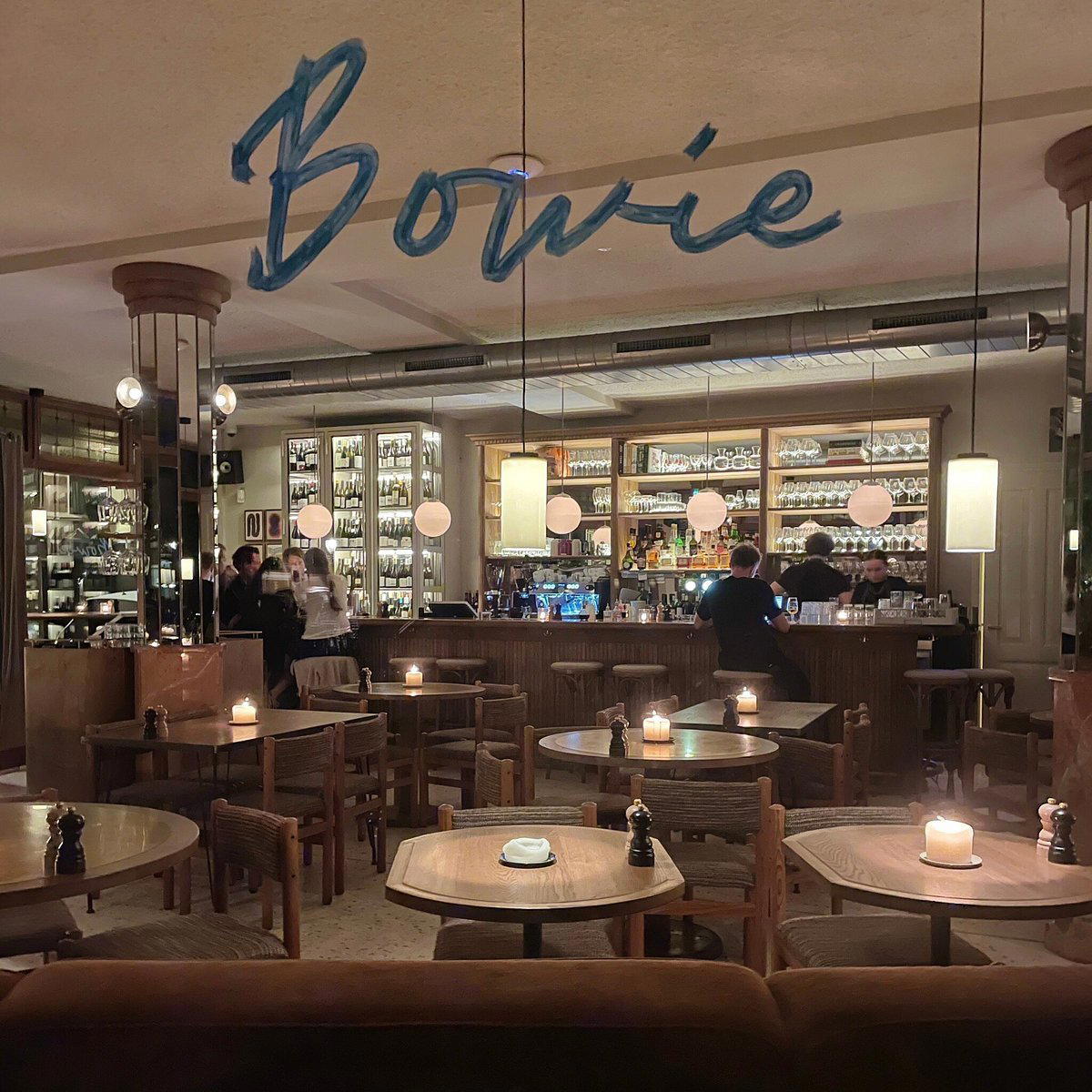
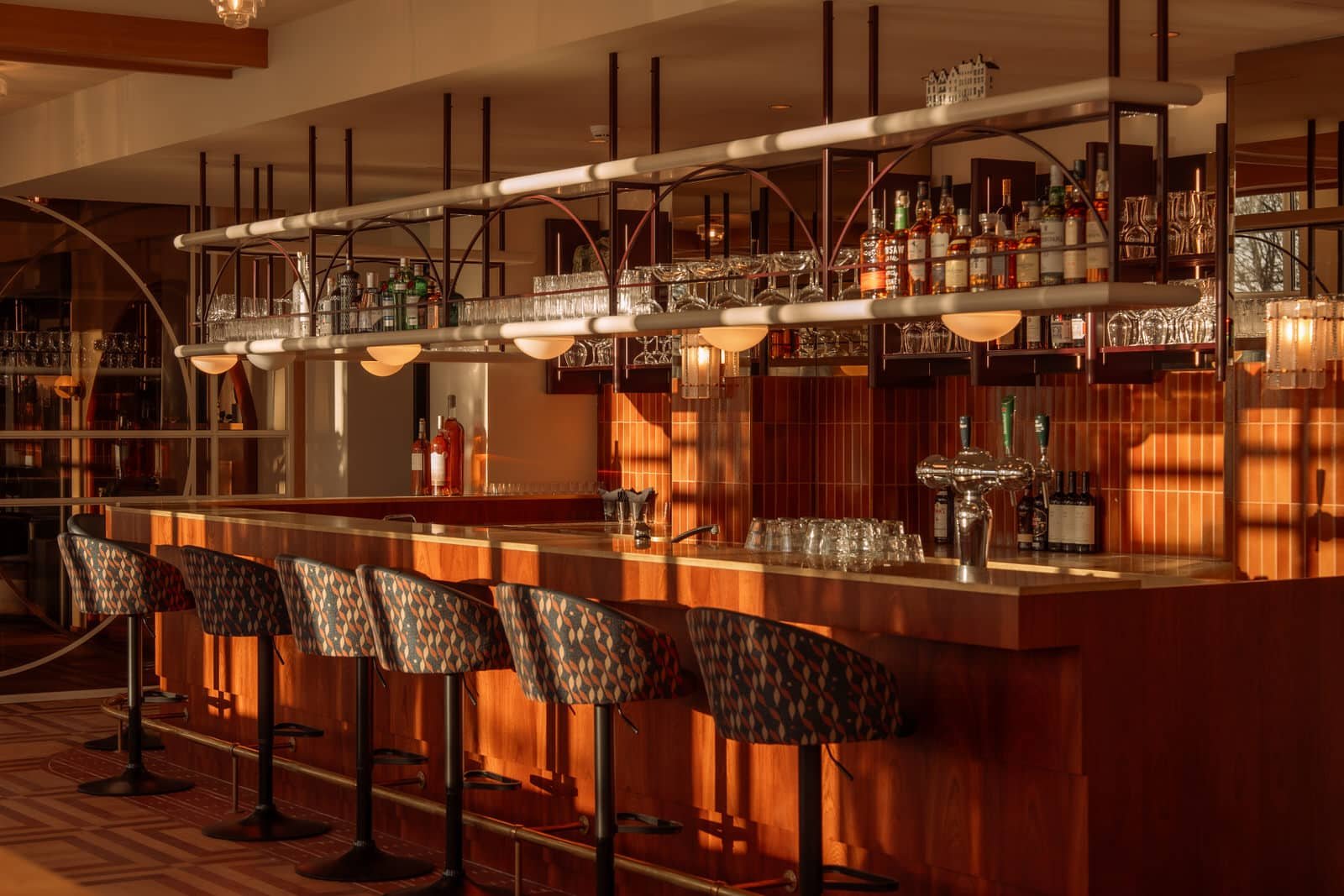
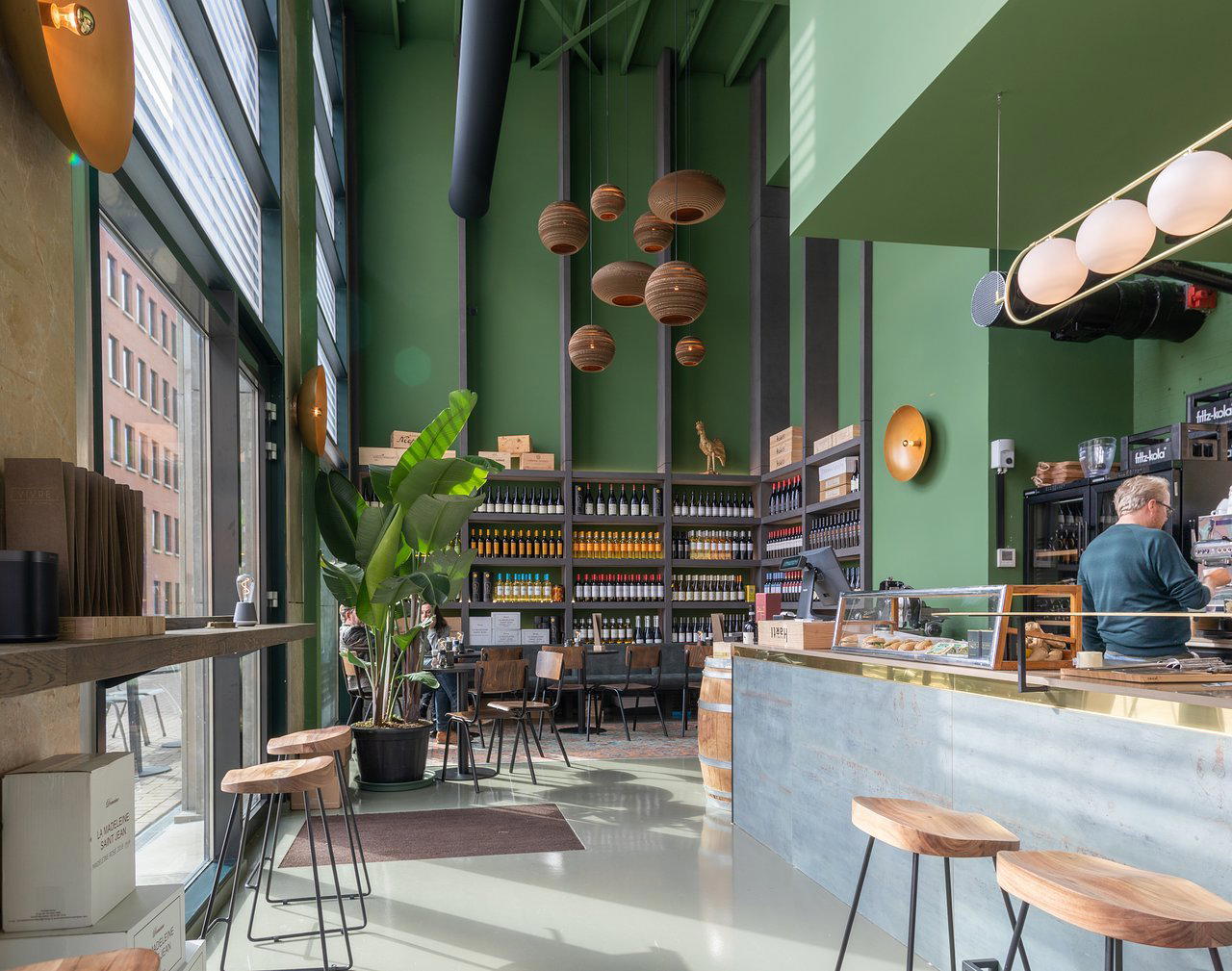
Hotels in The Hague
Browse all →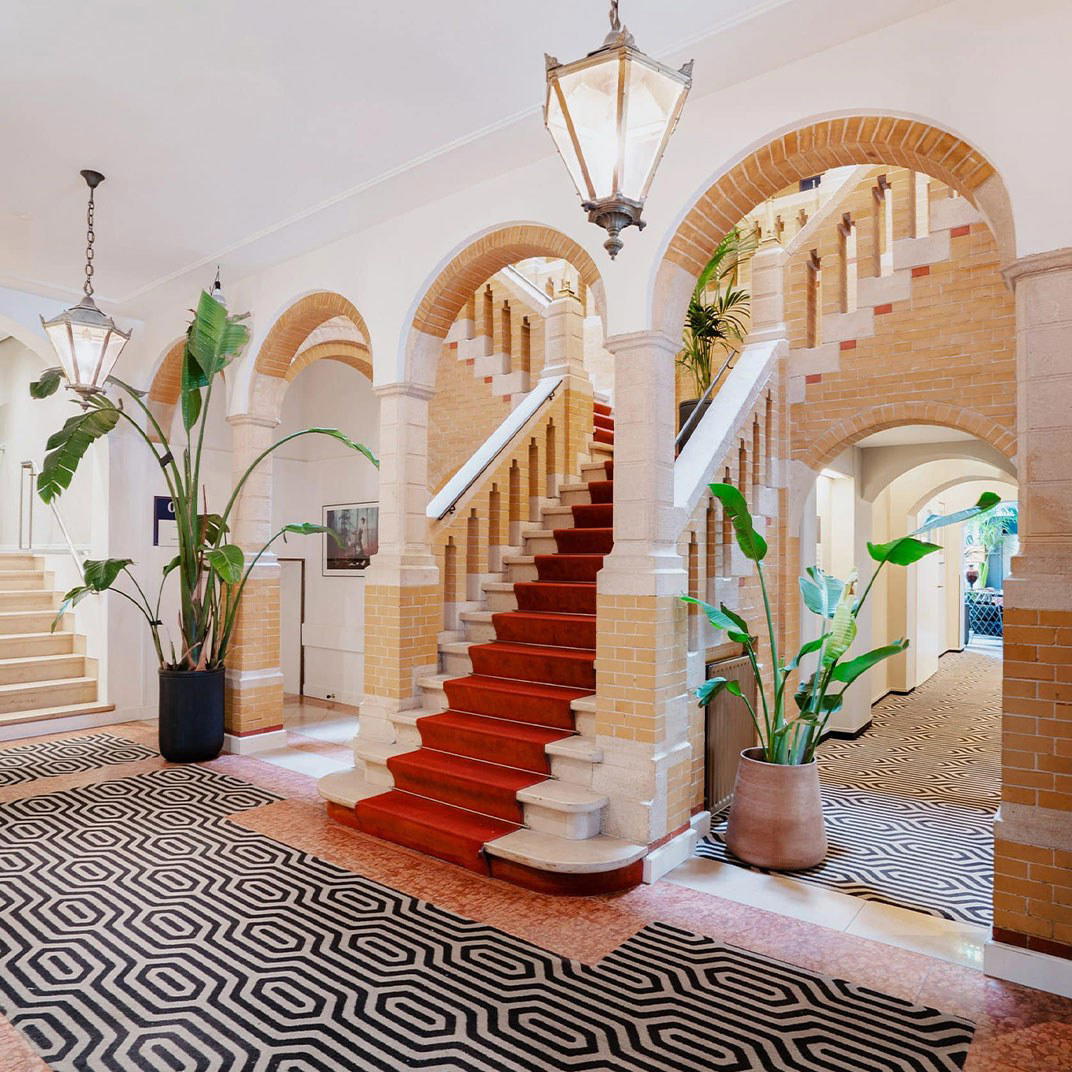
Wineries in The Hague
Browse all →
At a Glance
- Cozy
- Elegant
- Intimate
- Date Night
- Special Occasion
- Waterfront
- Terrace
- Extensive Wine List
- Waterfront
Current opening hours
- Monday
- Closed
- Tuesday
- Closed
- Wednesday
- 12–10 PM
- Thursday
- 12–10 PM
- Friday
- 12–10 PM
- Saturday
- 12 PM–12 AM
- Sunday
- 12 PM–12 AM
Hours can change for holidays and private events. Last verified .
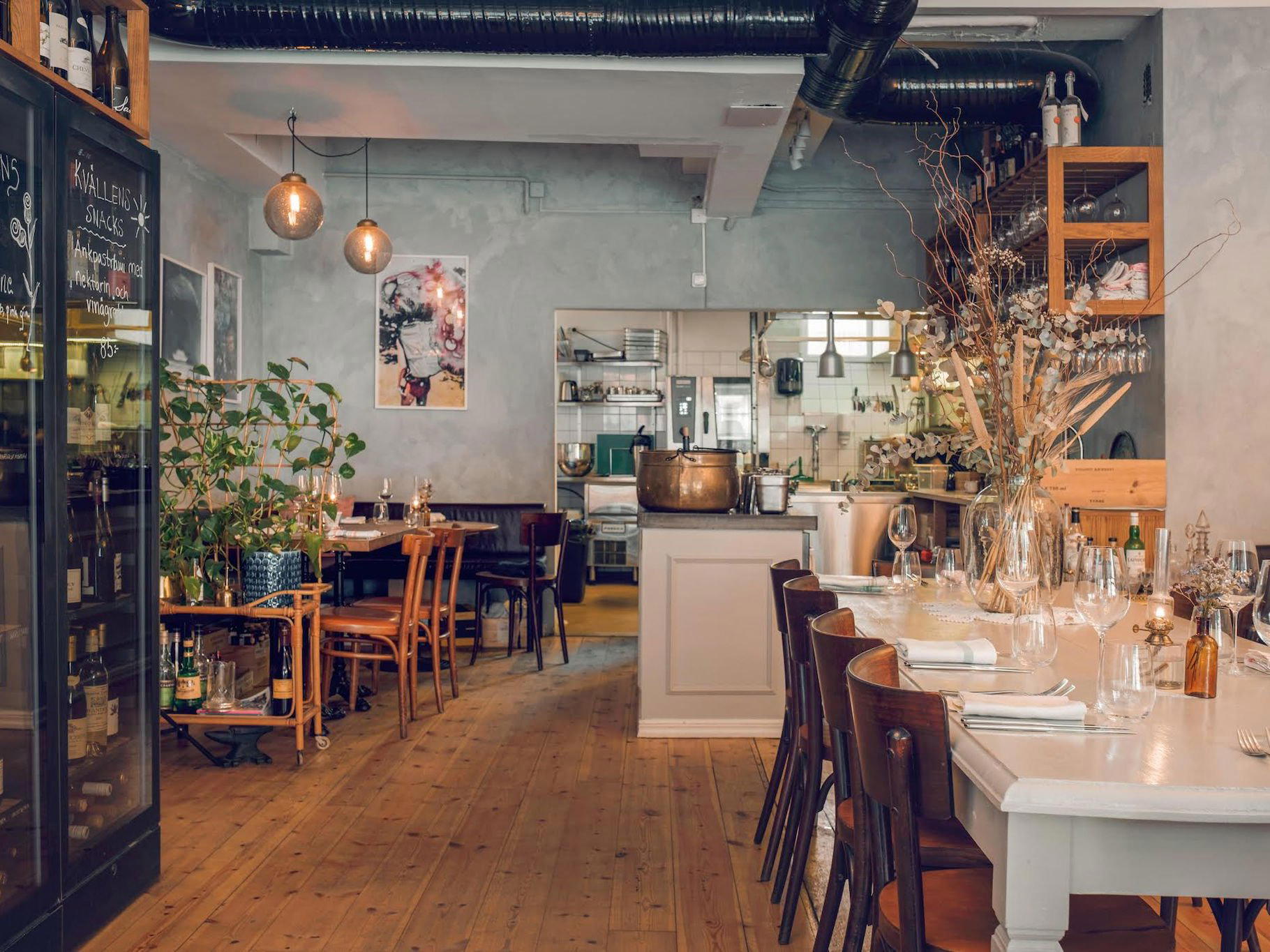
Comfortable and quiet bistro with warm, stylish mood, cozy indoor seating, and lively bar area.