De Moerbei


1 Michelin Star · We're Smart World 2 Radishes
Our verdict
Chef Michael Corpel builds his menus around North Sea produce and local sourcing, threading in global technique, dashi-infused beurre blanc, herb oils, without losing the register of classic Dutch coastal cooking.

Pearl is the En Primeur Club membership app, where members save venues, book tables and use the concierge.
The menu
What to order
- Tarbot with lobster
- Noordzee krab
- Scholfilet
A Farmhouse Table in the Dutch Polder
Warmond sits between Leiden and the Kaag lakes, a village of narrow streets and flat water where the surrounding polderland defines the pantry as much as any supplier relationship. The approach to De Moerbei along Dorpsstraat sets that context clearly: an old farmhouse, converted in 1996, whose proportions suggest the agricultural rhythms it once served. That physical history matters to understanding what the kitchen is doing. Farm-to-table cooking in the Netherlands has developed its own distinct register, grounded in North Sea fish, Zeeland shellfish, and the particular vegetable cultivation made possible by the country's exceptional horticultural infrastructure. De Moerbei operates squarely within that tradition, while drawing on technique that stretches well beyond it.
Where the Produce Comes From
The We're Smart Green Guide, which scores restaurants on vegetable use, ingredient sourcing, and sustainable practice, awards De Moerbei two radishes out of five, a recognition that places it in a tier of Dutch restaurants taking ingredient provenance seriously without reorganising the entire menu around it. That distinction matters. A two-radish rating in the We're Smart system signals a kitchen that integrates local and seasonal sourcing as a discipline rather than a marketing position. It does not mean the menu is vegetable-centric; at De Moerbei, North Sea fish remains the axis around which most plates are organised.
The reasoning is direct geography. The North Sea provides some of the finest flatfish in Europe, turbot, sole, and brill benefit from cold, mineral-rich waters and a centuries-old Dutch fishing tradition that has kept supply chains shorter than in many other coastal nations. Restaurants working at this price tier in the Netherlands, particularly those outside Amsterdam, often build their reputations on that access. De Bokkedoorns in Overveen and Inter Scaldes in Kruiningen both operate within the same North Sea-anchored sourcing logic, and both sit at the higher end of the recognition spectrum that De Moerbei is working toward.
The Kitchen's Approach
Chef Michael Corpel works with local produce as a foundation, then introduces global technique to extend flavour rather than obscure origin. The clearest illustration from the current programme: turbot fried in beurre noisette, where the accompanying beurre blanc is infused with dashi and finished with herb oil. Lobster tail and flash-grilled green asparagus complete the plate. The move is precise in what it signals. Beurre noisette is a classical French register; dashi is Japanese; the asparagus and turbot are resolutely Dutch. Rather than choosing between those references, the kitchen layers them, using umami depth from the dashi to reinforce the richness of the beurre blanc without pulling the dish out of its North Sea context.
This approach, classical European technique augmented by Asian flavour logic, has become a distinct strand within Dutch fine dining over the past fifteen years. It differs from the more wholesale fusion format and equally from the strict naturalism of restaurants like De Nieuwe Winkel in Nijmegen, which operates at €€€€ and foregrounds organic credentials at every course. De Moerbei sits at €€€, a price point below the top tier occupied by venues like De Librije in Zwolle, Aan de Poel in Amstelveen, Fred in Rotterdam, and De Lindehof in Nuenen, all of which operate at €€€€. That positioning makes De Moerbei one of the more accessible entry points into serious Dutch coastal cooking without the full financial commitment of the Michelin-starred bracket.
The Dining Room and the Front of House
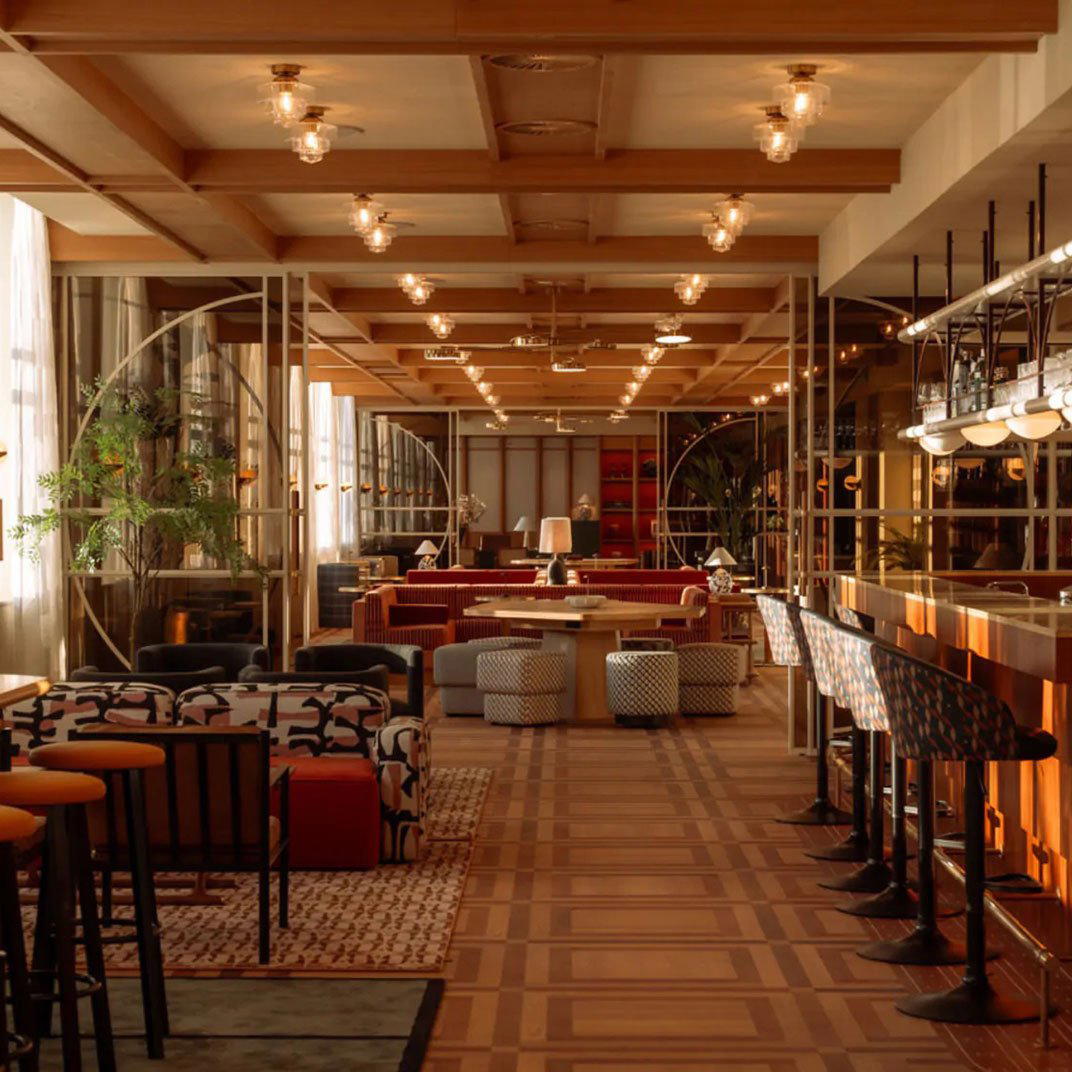
The interior of the converted farmhouse reads as formal without being austere, a sensibility common to Dutch country restaurants that have been operating for decades and have settled into their own character. Sommelier Frank de Haas handles the wine programme alongside Chef Corpel's kitchen, and the pairing between the two appears to be a deliberate part of the experience: the We're Smart profile specifically names both as the driving forces behind De Moerbei's current chapter. For a restaurant at this price tier and in a village setting, a dedicated sommelier with a named role in the editorial identity is not a given; it signals that the beverage programme is treated as equal in weight to the food.
Among Dutch restaurants at the €€€ tier outside major cities, that kind of rating consistency is notable. For broader context on the Dutch farm-to-table dining tier, De Woage in Gramsbergen and Spetters in Breskens operate in the same €€€ farm-to-table category and offer useful points of comparison for readers constructing an itinerary around this style of cooking.
Planning Your Visit
De Moerbei is at Dorpsstraat 5a, 2361 AK Warmond, a village that takes roughly twenty minutes by car from Leiden and sits within easy reach of Amsterdam Schiphol for travellers building a day trip around a serious lunch or dinner. The restaurant's Facebook and Instagram presences (@restaurantdemoerbei on both) are the most reliable channels for current hours and booking availability given the absence of a listed website at time of writing. At the €€€ tier in a village setting with a 4.8 average, reservations in advance are advisable; tables at this kind of Dutch country restaurant with a loyal local following do not stay open long. For those spending more time in the area, our full Warmond restaurants guide, hotels guide, bars guide, wineries guide, and experiences guide cover the broader options across the village.
Comparable countryside fine dining within the Netherlands includes De Groene Lantaarn in Staphorst and De Lindenhof in Giethoorn, both operating in rural or semi-rural settings and offering a useful frame for what the format demands in terms of travel and commitment. Brut172 in Reijmerstok and Ciel Bleu in Amsterdam round out the wider Dutch fine dining picture for those cross-referencing destinations.
Frequently asked questions
Is De Moerbei okay with children?
The €€€ price tier, formal farmhouse setting, and emphasis on composed North Sea fish cookery make De Moerbei a better fit for adult diners; it is not a venue designed around family groups with young children.
What's the overall feel of De Moerbei?
If you are arriving from a major Dutch city expecting urban energy, adjust expectations: De Moerbei is a quiet, formally elegant country restaurant where the focus is on the plate and the glass. For diners in Warmond or the Kaag lakes region who want serious Dutch coastal cooking without travelling to Amsterdam or Leiden for it, the two-radish We're Smart recognition and 4.8 Google average at €€€ suggest it delivers at a level above most village dining options in this part of the Netherlands.
What should I eat at De Moerbei?
Follow the North Sea fish. The kitchen's identity is built around it, and the documented preparation, turbot in beurre noisette with dashi-infused beurre blanc, lobster tail, and green asparagus, is the clearest expression of Chef Corpel's technique: classical French base, Japanese accent, Dutch coastal produce. The two-radish We're Smart rating confirms that seasonal and local sourcing discipline backs up what arrives on the plate.
Quick Comparison
| Venue | Cuisine | Price | Awards | Notes |
|---|---|---|---|---|
| De MoerbeiThis venue (the venue you are viewing) | Modern French with North Sea Focus | $100–150 | 1 Michelin Star · We're Smart World 2 Radishes | Not listed |
| De Librije | Modern Dutch Fine Dining | $200–300 | 3 Michelin Stars · World's 50 Best #46 | Modern Cuisine |
| Aan de Poel | Modern French Fine Dining | $150–200 | 2 Michelin Stars · La Liste Top Restaurants | Creative |
| De Lindehof | Contemporary Dutch, Creative | Not listed | Michelin 2 Star | Not listed |
| Fred | Modern French Fine Dining | $200–300 | 2 Michelin Stars · La Liste Top Restaurants | Creative French |
| De Nieuwe Winkel | Botanical Fine Dining | $300–500 | 2 Michelin Stars · La Liste Top Restaurants | Organic |
Recognition history
Dated appearances from independent guides and award organizations, with the underlying list record or original source where available.
Michelin 1 Star
Michelin
We're Smart World 2 Radishes
We're Smart World
Full recognition history (3 entries)
Michelin 1 Star
Michelin
Continue exploring
More in Warmond
Restaurants in Warmond
All restaurants in Warmond →
Bars in Warmond
Browse all →
Hotels in Warmond
Browse all →
Wineries in Warmond
Browse all →
De Moerbei
The wine
- Wine program
- Deep wine list
- Extensive wine list
- Sommelier-led
Details
- Elegant
- Cozy
- Sophisticated
- Intimate
- Date Night
- Special Occasion
- Business Dinner
- Extensive Wine List
- Sommelier Led
- Farm To Table
- Local Sourcing
- A La Carte
- Wine
- Vegetarian Friendly
- Gluten Free Options
Current opening hours
- Monday
- Closed
- Tuesday
- Closed
- Wednesday
- 12–10 PM
- Thursday
- 12–10 PM
- Friday
- 12–10 PM
- Saturday
- 12–10 PM
- Sunday
- Closed
Hours can change for holidays and private events. Hours as of .
Stylish and elegant interior exuding timeless sophistication with cozy traditional rooms and warm lighting.