6&24



Michelin Plate · Star Wine List · We're Smart World 3 Radishes
Our verdict
A Michelin Plate recipient for both 2024 and 2025, 6&24 on Nobelstraat positions itself at an interesting intersection in The Hague's modern dining scene: €€€ pricing, a committed plant-based menu, and a format built around professional front-of-house craft.

Pearl is the En Primeur Club membership app, where members save venues, book tables and use the concierge.
The menu
What to order
- Sweetbreads with brioche and bone marrow
- Fish-based tasting menu courses
- Duck confit
- Truffle risotto
Where Plant-Based Ambition Meets The Hague's Dining Mainstream
Nobelstraat, in the heart of The Hague, is the kind of address that signals intent. The street sits within the city's older residential and civic core, close enough to the governmental quarter that a well-dressed dinner crowd is the norm rather than the exception. In that context, 6&24 operates at a register that would have seemed unusual a decade ago: a €€€ price point, a Michelin Plate on the wall, and a menu built entirely around plant-based cooking. That combination is not incidental. It is the central argument the restaurant makes about what serious dining in the Netherlands can look like.
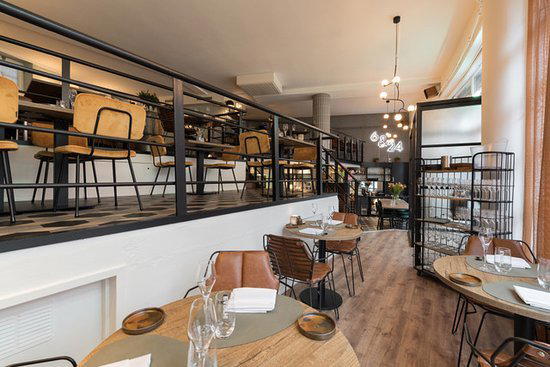
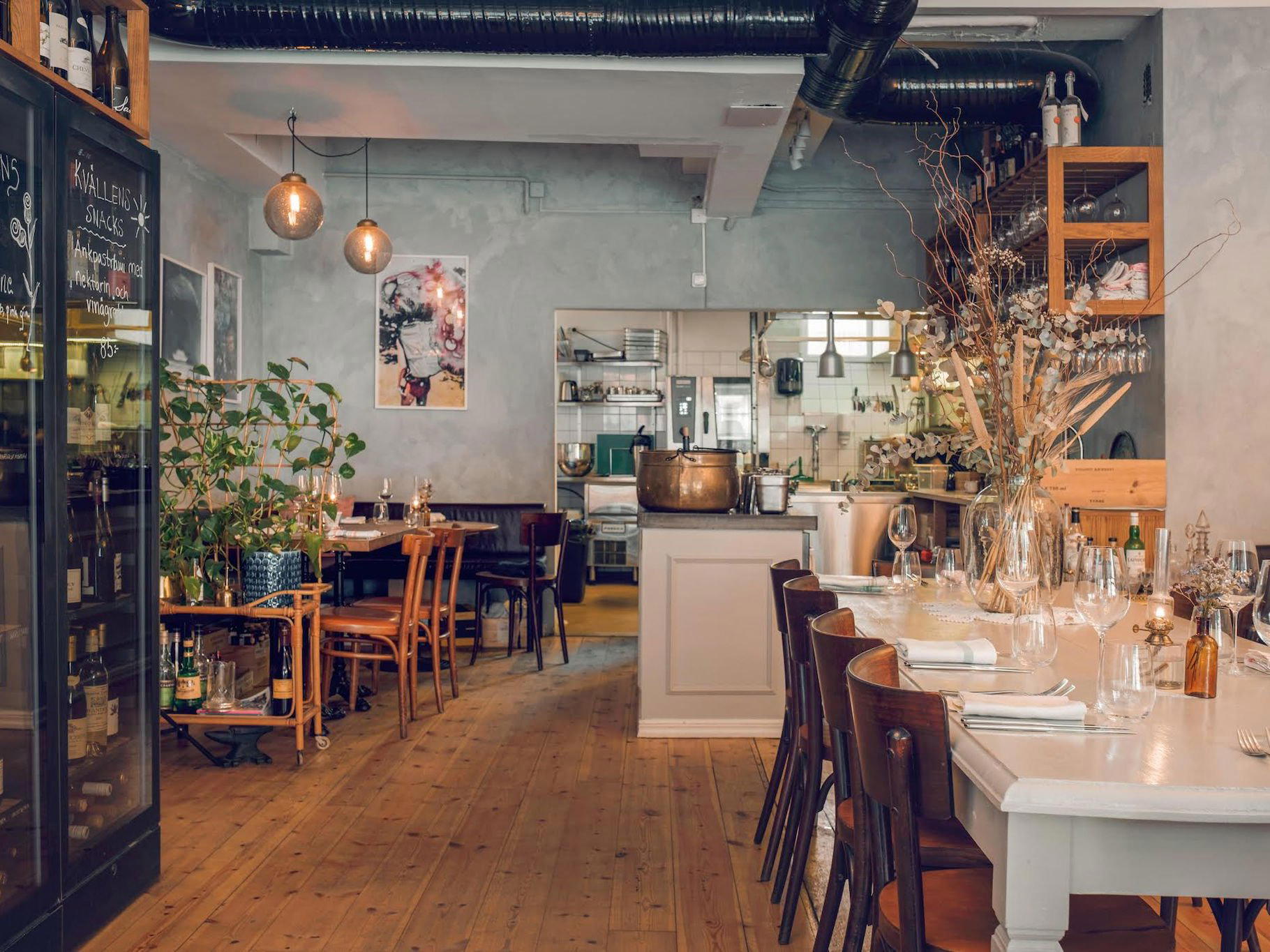
Arriving at Nobelstraat 13, the physical environment reinforces that argument. The room is described as modern and energetic, a contrast to the hushed minimalism that often marks plant-forward fine dining elsewhere. There is an animation to the space that reflects the relative youth of its owners and the confidence with which they have positioned themselves in a category where The Hague has historically had little competition.
The Case for Plant-Based Cooking at This Price Tier
Dutch fine dining has been slow to take plant-based cooking seriously at the €€€ tier. For most of its recent history, the country's Michelin-tracked restaurants have centred their menus on seafood from the North Sea, dairy from Frisian and South Holland farms, and meat sourced through well-established regional supply chains. The vegetables, however carefully sourced, were largely secondary. What makes the position at 6&24 worth examining is not just the choice to go plant-based, but the decision to hold that position at a price point where guests arriving from tables at Calla's (€€€ · Creative French) or Bøg (€€€ · Creative) have well-calibrated expectations.
At that tier, the sourcing question becomes the cooking question. Plant-based menus at lower price points can paper over ingredient limitations with technique, but at €€€, the produce itself has to carry weight. The Netherlands is, in this respect, a useful country to be working in: market gardening in the Westland area, greenhouse cultivation across South Holland, and the broader tradition of precise horticultural production give a kitchen like this access to ingredients grown with the same attention to provenance that fish-focused or meat-focused restaurants demand from their suppliers. The real challenge is editorial, deciding which plants, at what moment of their season, can hold a three-course or multi-stage format without apology.
For a comparison of how plant-forward sourcing philosophy plays out at lower price points in the same city, Basaal (€€ · Seasonal Cuisine) offers a useful reference: the €€ tier there prioritises seasonal produce in a less formal register, which throws the ambition at 6&24 into sharper relief. The premium at Nobelstraat 13 is being paid, in part, for the commitment to making those ingredients perform at a higher level of precision.
Michelin Recognition and What It Signals
A Michelin Plate, awarded in both 2024 and 2025, does not carry the headline pull of a star, but it is a meaningful signal in the context of plant-based fine dining. The Plate designation indicates that the inspectors consider the cooking to be of a standard worth acknowledging, without yet reaching the consistency or conceptual distinctiveness required for star consideration. For a restaurant that has chosen a deliberately narrow ingredient framework, the repeated recognition suggests the kitchen is executing that framework at a level that reads as intentional rather than limiting.
Across the Netherlands, the plant-based category at Michelin level remains small. Restaurants like De Groene Lantaarn in Staphorst have demonstrated that a fully vegetarian format can attract starred recognition, but those examples are exceptions in a national guide that still skews heavily toward protein-driven menus. 6&24's Plate, in that context, places it in a meaningful niche: plant-forward, city-centred, and operating within the competitive framework of The Hague's broader €€€ dining tier rather than positioning itself as a specialist outlier. For a wider view of how this tier sits within the Dutch fine dining map, De Librije in Zwolle, Aan de Poel in Amstelveen, De Bokkedoorns in Overveen, De Lindehof in Nuenen, and De Lindenhof in Giethoorn provide comparison points across different regions and formats.
The Front-of-House Dimension
At most restaurants in this tier, wine and service are treated as support functions. At 6&24, the dual ownership structure, chef and sommelier-maître together, means those functions carry equal weight. Sommelier-maître Saskia de Kuijer's role is not decorative: in a plant-based format, where the usual wine pairing anchors of rich sauces, aged proteins, and umami-heavy reductions are absent, the pairing challenge is genuinely harder. The Netherlands has developed a small but serious natural wine culture in recent years, and plant-based menus tend to be where that conversation becomes most interesting, lighter structures, higher acids, and unfined bottles often read more clearly against vegetable-driven dishes than against meat.
The service dimension also matters at this price point. For another perspective on how sommelier-led formats shape the dining experience in the Netherlands at a comparable price point, De Swarte Ruijter in Holten and Borkonyha Winekitchen in Budapest illustrate how wine-forward ownership affects both menu design and pacing.
How 6&24 Sits Within The Hague's Dining Picture
The Hague's restaurant scene is not Amsterdam's. The city has fewer tourists, a more stable residential and diplomatic dining base, and a restaurant density that rewards repeat visits rather than one-off tourism. That is the kind of environment in which a restaurant with genuine convictions can build the regular clientele that defines its medium-term character. Early assessments of 6&24 point exactly to that dynamic: the combination of a committed plant-based position, a central address, and professional service creates the conditions for a loyal local following rather than viral destination appeal.
Within the city, Portfolio and Elea occupy different positions on The Hague's modern dining map, and the full range of options across price points is covered in our full The Hague restaurants guide. For visitors building a wider stay in the city, our full The Hague hotels guide, bars guide, wineries guide, and experiences guide provide the broader context.
Planning Your Visit
6&24 is located at Nobelstraat 13, 2513 BC Den Haag, in the central city. The €€€ price tier places it in the mid-to-upper band of The Hague's restaurant market, above the accessible seasonal cooking at Basaal and below the full luxury positioning of Calla's.
Frequently asked questions
How much does it cost to eat at 6&24?
Pricing at 6&24 is listed as €€€.
Side-by-Side Snapshot
| Venue | Cuisine | Price | Awards | Notes |
|---|---|---|---|---|
| 6&24This venue (the venue you are viewing) | Modern French Fine Dining | $100–150 | Michelin Plate · Star Wine List | Not listed |
| Calla's | French Fine Dining with Dutch Influences | Not listed | 1 Michelin Star | Creative French |
| Basaal | Modern Dutch Bistro | $30–50 | Michelin Bib Gourmand | Not listed |
| De Basiliek | Modern Mediterranean with Italian & French Influences | $30–50 | Michelin Bib Gourmand | Not listed |
| Resumé by 6&24 | Modern French-Inspired Fine Dining | Not listed | Michelin Bib Gourmand | Not listed |
| Tapisco | Spanish Tapas & Portuguese Petiscos | $30–50 | Michelin Bib Gourmand | Not listed |
Recognition history
Dated appearances from independent guides and award organizations, with the underlying list record or original source where available.
Michelin Plate
Michelin
Star Wine List
Star Wine List
We're Smart World 3 Radishes
We're Smart World
Full recognition history (4 entries)
Michelin Plate
Michelin
Continue exploring
More in The Hague
Restaurants in The Hague
All restaurants in The Hague →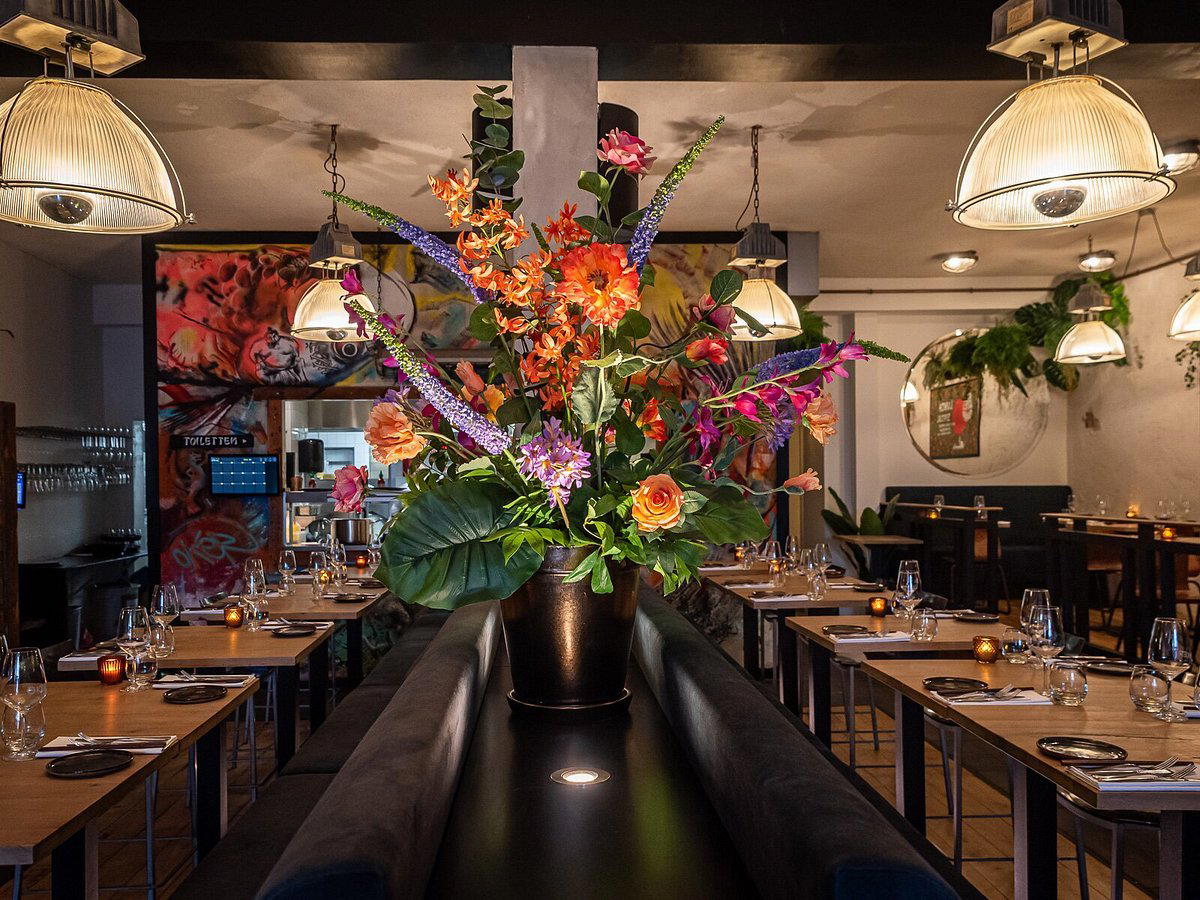
Bars in The Hague
All bars in The Hague →
Hotels in The Hague
All hotels in The Hague →
Wineries in The Hague
All wineries in The Hague →
6&24
The wine
- Wine program
- Deep wine list
- Extensive wine list
- Sommelier-led
Details
- Elegant
- Intimate
- Cozy
- Sophisticated
- Modern
- Date Night
- Special Occasion
- Celebration
- Group Dining
- Open Kitchen
- Chefs Counter
- Extensive Wine List
- Sommelier Led
- Local Sourcing
- Farm To Table
- Tasting Menu
- A La Carte
- Set Menu
- Wine Pairing
- Natural Wine
- Vegetarian Friendly
- Vegan Options
- Gluten Free Options
Current opening hours
- Monday
- Closed
- Tuesday
- 6–10 PM
- Wednesday
- 6–10 PM
- Thursday
- 6–10 PM
- Friday
- 12–10 PM
- Saturday
- 12–10 PM
- Sunday
- Closed
Hours can change for holidays and private events. Hours as of .
Bright, welcoming, and contemporary interior with a homely yet refined atmosphere; industrial design with open kitchen visible to diners.