1 Michelin Star · Tabelog 100 #36
Our verdict
A two-time Michelin-starred French restaurant in Nara's Omiyacho district, LA TRACE pairs European technique with the agricultural depth that surrounds one of Japan's oldest cities. Chef Roberto Torre holds a consecutive star from 2024 and 2025, placing this address among the Kansai region's most closely watched French tables. The ¥¥¥ pricing tier reflects a serious kitchen operating well inside the Michelin conversation.

Pearl is the En Primeur Club membership app — saves, bookings, and concierge access live there. Same editors, same standards.
The menu
What to order
- Simmered seasonal vegetables
- Grilled fish with delicate sauce
- Bakuku pork
- Whole carrot stuffed with Camembert
- Lamb fillet with spring onion
French Technique Where the Deer Roam Past the Kitchen
Nara occupies an unusual position in Japan's dining geography. It is old enough to predate Kyoto as an imperial capital, yet its restaurant scene has developed quietly, without the structural weight of centuries of kaiseki tradition pressing down on every new opening. That relative openness has made it a place where non-Japanese kitchens can find footing with unusual speed. The neighbourhood of Omiyacho, where LA TRACE sits at 2 Chome-1-5, runs close to the great shrines and the parkland where sika deer move freely through the streets — a physical environment that, for any serious cook, is less backdrop than ingredient context. The agricultural belt surrounding Nara prefecture supplies Yamato vegetables, a category of heritage cultivars with official regional designation, and the proximity to Osaka's wholesale infrastructure means a kitchen here can source across the entire Kansai corridor on the same morning.
The Case for French in Nara
A French kitchen earning consecutive Michelin stars in Nara — in 2024 and again in 2025, is less surprising than it might initially appear. The Kansai region has a long relationship with French technique, and the willingness of Japanese diners to apply rigorous critical standards to European cooking means a restaurant like LA TRACE competes on exactly the same terms as any kaiseki counter on the same tier. Nearby, FAON and A VOTRE SANTE represent different registers of Western cooking in the city, while the two-Michelin-starred NARA NIKON and the kaiseki formalism of Wa Yamamura define the Japanese end of Nara's starred tier. In that company, a French table holding a single star across two consecutive years signals something more than novelty, it signals a kitchen that has absorbed local supply chains and is producing food that Michelin inspectors find consistent and technically resolved.
Across Japan, the French restaurants that maintain Michelin recognition share a common trait: they treat Japanese produce not as a novelty flourish but as structural material. L'Effervescence in Tokyo built an entire identity around domestic ingredient sourcing before the concept became widely discussed. HAJIME in Osaka carries three stars in part because its sourcing logic is as rigorous as its technique. LA TRACE, operating in a city where the agricultural base is deep and the competition for attention from ingredient suppliers is lower than in Osaka or Tokyo, has a structural advantage that any French kitchen in a major metropolis would find difficult to replicate.
What the Sourcing Logic Produces
Chef Roberto Torre brings European training to a prefecture that grows some of Japan's most documented heritage vegetables. Yamato vegetables, including varieties of eggplant, round zucchini, and thick-stemmed greens that have been cultivated in the Nara basin for generations, are a category that French technique handles well. The classical French respect for a single ingredient prepared with restraint, a leek done properly, a root vegetable treated as the centre of a dish rather than its support, maps directly onto how Yamato produce rewards attention. A kitchen that understands both the French canon and the specific agricultural calendar of Nara prefecture is working with a narrower but more precise brief than a restaurant sourcing globally.
The surrounding region also produces Yamato wagyu, Yoshino cedar-smoked products, and fish from the rivers that feed into Osaka Bay, all of which sit within the reach of a kitchen at this address. French cooking has a long tradition of treating regional geography as a defining constraint rather than a limitation, the logic of terroir applied to the plate rather than the glass. In Nara, that logic has a particularly rich substrate to work with, and the consecutive Michelin recognition suggests Torre's kitchen is exploiting it effectively.
For comparison at the intersection of French technique and Japanese ingredient philosophy, Hotel de Ville Crissier in Crissier represents the Swiss-French canonical standard, while within Japan, the approaches at Gion Sasaki in Kyoto and Goh in Fukuoka show how Japanese chefs have absorbed European structure and returned it transformed. LA TRACE operates as the inverse experiment: a European chef absorbing Japanese ingredient logic. Both directions are producing serious food.
Nara's Starred French Table in Its Competitive Context
The Spanish-influenced akordu, which holds two Michelin stars, represents the ceiling of Nara's non-Japanese fine dining, and the fact that a two-star Spanish kitchen and a one-star French kitchen coexist at the top of the same small city's dining hierarchy says something interesting about Nara's appetite for European cooking done with seriousness. La Terrasse irisée and Bon appétit Meshiagare occupy adjacent registers of French and European cooking in the city, giving Nara a more developed French dining scene than its relative size would predict.
For diners building a Kansai itinerary, the practical reality is that Nara sits under an hour from Osaka by express train and under 50 minutes from Kyoto by the Kintetsu line. A dinner at LA TRACE can sit logically within a broader circuit that includes Harutaka in Tokyo or 1000 in Yokohama earlier in a Japan trip. The Omiyacho address places the restaurant within walking distance of Nara Park, meaning the evening approach through the deer-crossed streets near Kasuga Taisha becomes part of the experience before a plate is set down.
Planning Your Visit
LA TRACE holds a ¥¥¥ price positioning consistent with a Michelin-starred kitchen in a Japanese regional city, which tends to be meaningfully lower than equivalent-tier restaurants in Tokyo or Osaka. Booking at this level in Nara typically runs two to four weeks ahead rather than the three-month windows required by Tokyo's leading counters, though a two-time Michelin star holder drawing Osaka and Kyoto visitors as well as local diners means same-week availability is unreliable. The address at 2 Chome-1-5 Omiyacho is accessible from Kintetsu Nara Station on foot. Nara's core tourist infrastructure is concentrated around the park and the major shrines, and Omiyacho sits within that radius, meaning access from any central accommodation is direct.
For hotels, bars, and other experiences in the city, our full Nara hotels guide, full Nara bars guide, full Nara wineries guide, and full Nara experiences guide cover the broader city. The complete ranked list of Nara's restaurants, including à plus and the full starred and unstarred field, is in our full Nara restaurants guide. For those extending into Okinawa's French-inflected cooking, 6 in Okinawa represents a different register of how French training translates across Japan's regional geography.
Frequently asked questions
What's the overall feel of LA TRACE?
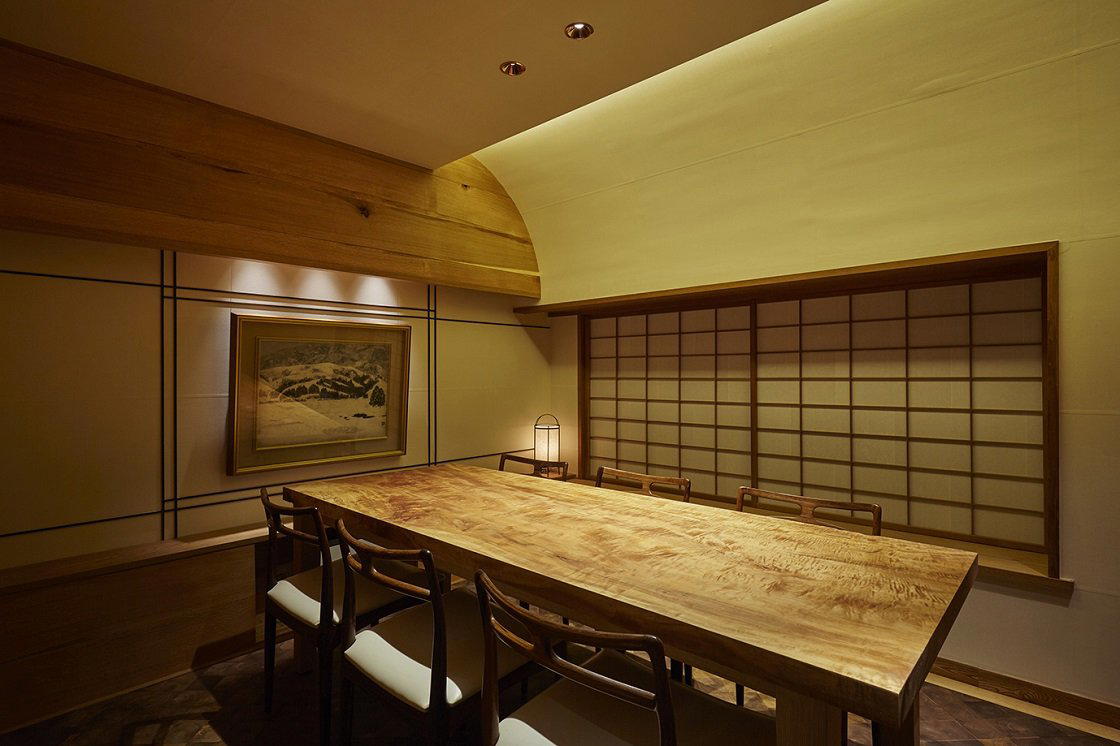
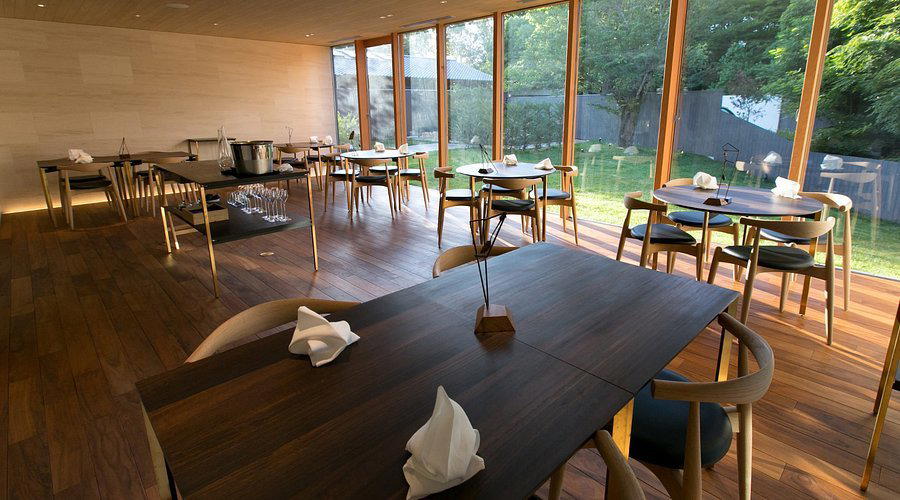
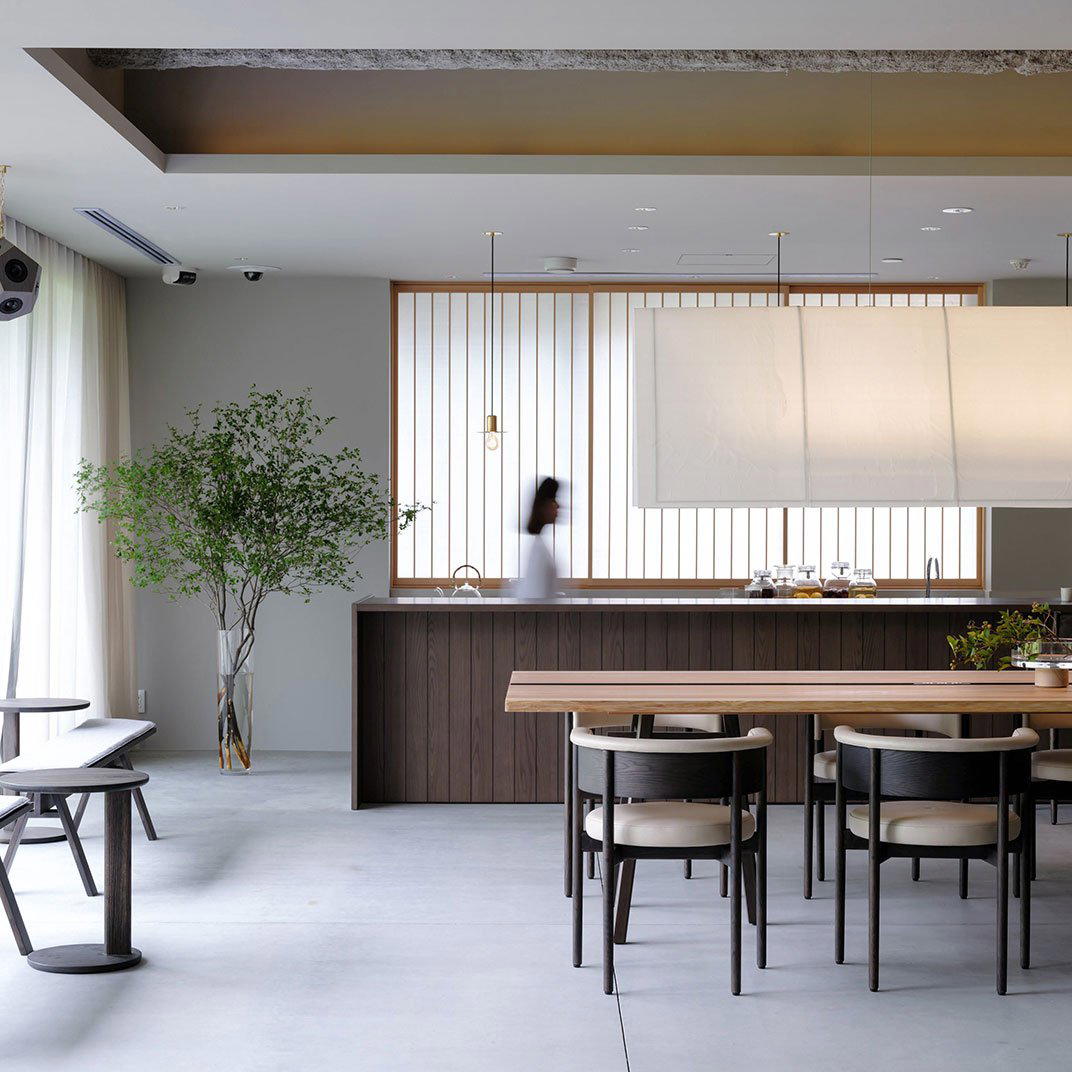
LA TRACE occupies a register closer to a serious European restaurant than a traditional Japanese dining room. Consecutive Michelin stars in 2024 and 2025 signal a kitchen focused on precision rather than spectacle, and the ¥¥¥ pricing in a regional city like Nara suggests a room where the food carries the occasion. The French framing under chef Roberto Torre gives it a distinctly continental composure relative to the kaiseki tables that dominate Nara's upper tier.
What should I expect cuisine-wise at LA TRACE?
Is LA TRACE award-winning?
LA TRACE has received recognition including: Michelin 1 Star (2025); Michelin 1 Star (2024).
What's the signature dish at LA TRACE?
What the kitchen is built around, however, is the intersection of classical French technique and Yamato heritage vegetables — the produce category Nara's agricultural identity rests on. Any dish that anchors European method to that local sourcing logic would be central to what chef Roberto Torre is doing at this two-consecutive-star address.
What price level is LA TRACE?
Pricing at LA TRACE is listed as ¥¥¥.
What part of town is LA TRACE in?
LA TRACE is located at 2 Chome-1-5 Omiyacho, Nara, 630-8115, Japan, Nara.
Which chef is LA TRACE associated with?
The chef associated with LA TRACE is Roberto Torre.
| Venue | Cuisine | Price | Awards | Notes |
|---|---|---|---|---|
| LA TRACEThis venue — the venue you are viewing | Modern French with Nara Seasonal Ingredients | $100–150 | 1 Michelin Star · Tabelog 100 #36 | Not listed |
| akordu | Modern Spanish with Nara Influences | $150–200 | 2 Michelin Stars · La Liste Top Restaurants | Spanish, Innovative |
| Wa Yamamura | Traditional Kaiseki | $100–150 | 1 Michelin Star | Kaiseki, Japanese |
| Araki | Seasonal Japanese Tempura and Kaiseki | $100–150 | Michelin Plate · Tabelog Bronze #23 | Sushi, Japanese |
| Tama | French with Local Nara Ingredients | $50–100 | Michelin Plate | Okinawan, French |
| NARA NIKON | Kaiseki | $150–200 | 2 Michelin Stars · La Liste Top Restaurants | Japanese |
Recognition history
Dated appearances from independent guides and award organizations, with the underlying list record or original source where available.
Michelin 1 Star
Michelin
Tabelog 100 #36 · No. 36
Tabelog · Tabelog 100 - French - WEST - 2025
Full recognition history (4 entries)
Michelin 1 Star
Michelin
Michelin 1 Star
Michelin