
Hotel dining in Tokyo can feel ceremonial or anonymous; Oka Han sits on the better side of that divide by putting sukiyaki and shabu shabu into a private-room, high-service format inside Hotel New Otani Tokyo. The value is not cheapness, but predictability: Tabelog 100 Hot Pot 2024 recognition, 50 seats, multilingual menus, and a clear lunch-to-dinner price step.
Pearl is the En Primeur Club membership app — saves, bookings, and concierge access live there. Same editors, same standards.
- Address
- 4-1 Kioicho, Chiyoda City, Tokyo 102-0094, Japan
- Phone
- +81 3-3261-3417
- Website
- newotani.co.jp
 Saves & bookings on Pearl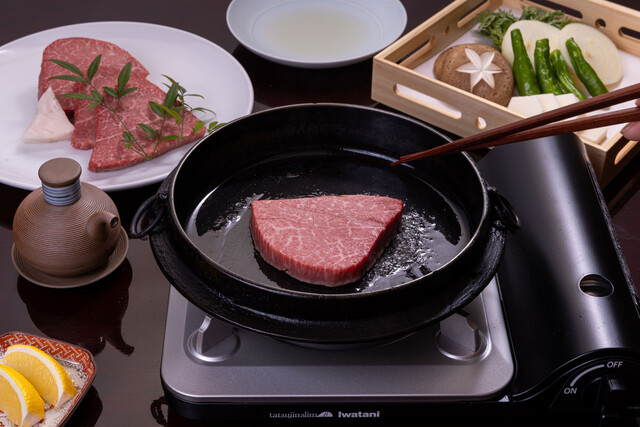
Hotel New Otani Tokyo gives Kioicho a distinct dining rhythm: polished arrivals, quiet corridors, and restaurants for guests who want Japanese formality without the friction of a tiny counter or chef-led tasting room. In that setting, sukiyaki and shabu shabu fit. They are communal but not casual, dependent on pacing, heat control, beef quality, and service choreography as much as ingredients.
Oka Han sits in Tokyo’s high-comfort hot pot category, where the bill is justified less by novelty than assurance. Dinner is in the JPY 30,000 to JPY 39,999 bracket, while lunch is listed at JPY 10,000 to JPY 14,999, creating a clear value split between daytime access and evening ceremony. A 15% service charge applies to displayed course prices, important in a city where premium dining can hide meaningful additions in the fine print. Its selection for Tabelog 100 Hot Pot 2024 gives the room a credible external marker in a category that rarely gets the global attention of sushi or kaiseki.
Sukiyaki and shabu shabu priced for certainty, not experimentation
Tokyo’s luxury beef dining has several lanes. Teppanyaki turns the meal into performance. Yakiniku gives the table control. Sukiyaki and shabu shabu sit between them: intimate, paced, and built around a pot rather than a grill or counter. That makes the format useful for business meals, family gatherings, and visitors who want a structured Japanese beef experience rather than improvisation.
The listed categories are sukiyaki, shabu shabu, and Japanese cuisine, with drinks spanning sake, shochu, and wine. That range signals a restaurant built for mixed groups rather than purists chasing one pairing doctrine. It also explains the price architecture. At this level, the premium is not only beef; it is the room, service layer, ability to book private rooms, and capacity to accommodate several types of diners without becoming a compromise.
The comparison inside Hotel New Otani Tokyo is instructive. Tour D'argent Tokyo occupies the French fine-dining register, while Patisserie Satsuki works at a different rhythm, closer to hotel pastry and casual luxury. TRADER VIC'S TOKYO and Bar Capri broaden the property’s food-and-drink spectrum. Against that internal set, Oka Han owns the Japanese occasion-meal lane: less theatrical than French grand dining, more formal than pastry or bar service, and easy to read for diners who want beef, private space, and a contained evening.
The private-room economy changes the value equation
Hot pot is unusually sensitive to room format. A cramped table can make shabu shabu feel procedural; a well-spaced room lets the meal breathe. Here the operational details matter: 50 seats, private rooms for parties from two through larger groups, private use for up to 20 people or 20 to 50 people, and seating for parties up to 50. Those numbers place the restaurant in a category that can handle celebrations and corporate meals without losing specialist-restaurant specificity.
The two-hour maximum for private rooms is a useful boundary, not a flaw. It says the format is disciplined: not an open-ended lounge meal, and not a counter where the chef dictates every minute. For groups, that structure has value. Course-reservation cancellation fees rise from 50% the day before to 100% on the day, while seat-only cancellations carry separate lunch and dinner charges. The policy is strict, but matches the economics of private rooms, prepared ingredients, and hotel staffing.
Family usability is another difference in Tokyo premium dining. Children are welcome, including babies, preschoolers, and school-age children, and a children’s plate can be ordered with at least two days’ notice. That shifts the restaurant from adult-only occasion dining into a rarer lane: a polished Japanese beef meal that can work for multigenerational travel. Strollers are left at the entrance, and the tatami setup requires removing shoes, so etiquette is built in without making the experience inaccessible.
Where it fits in a Tokyo itinerary
Kioicho sits between political Tokyo, hotel Tokyo, and old central-city privilege. It is neither a nightlife district in the Shinjuku sense nor a tasting-menu cluster in the Ginza mold. The appeal is controlled access: arrive through the hotel, eat in a conversation-friendly room, and leave without solving a second logistical puzzle. The nearest station is Yotsuya, with Kojimachi, Akasaka-mitsuke, and Nagatacho also in the broader access map.
For travelers comparing Tokyo meals by opportunity cost, lunch is the strongest case. The listed lunch bracket is roughly a third of the dinner range before service, while still giving access to the same category of Japanese beef dining. Dinner makes more sense when the room matters: a hosted meal, a family event, or a night where privacy and pacing are part of the purchase.
Oka Han also reminds diners that Tokyo restaurant culture is not only about scarcity. Some serious meals are designed around reliability, multilingual menus, card and electronic payments, non-smoking dining, parking access through the hotel, and wheelchair-accessible facilities. For certain travelers, those details are not secondary; they are why the meal works.
Readers mapping a wider Tokyo food itinerary can place this address alongside other city entries such as . 鮪と炭火焼き うお炭 秋葉原店, 12/10 Shinjuku ten, 124. KAGURAZAKA (Yakitori), 2D Cafe, and 3 Chome no Curry Ya San. For broader planning, use Our full Tokyo restaurants guide, Our full Tokyo hotels guide, Our full Tokyo bars guide, Our full Tokyo wineries guide, and Our full Tokyo experiences guide. Japanese dining comparisons beyond the capital include -Grilled beef Sukiyaki- KAMAKURA TANUKIAN 鎌倉 たぬき庵 in Kamakura.cafe in Osaka.know in Kumamoto, (Shoku) Vietnam in Kawasaki, [Curry Senmon Ten] Maruyama Kyoju. in Sapporo, and [ki:] in Kyoto. For Japanese-leaning dining abroad, see Jōdo Saké Bar in Los Angeles and Onigiri Time in Pasadena.
Credentials Lens
Nearby venues at a similar price tier for orientation.
| Venue | Cuisine | Price | Notes |
|---|---|---|---|
| Oka HanThis venue — the venue you are viewing | Traditional Sukiyaki & Shabu-Shabu in Hotel New Otani | $$$$ | Not listed |
| 久丹 | Modern kaiseki "Tokyo washoku" tasting menu | $$$$ | Shintomicho, Chuo |
| Ginza 1954 | Japanese Bar | $$$$ | Ginza |
| 重箱 | Traditional Japanese Unagi Fine Dining | $$$$ | Akasaka |
| おにく 花柳 | Michelin-starred Wagyu kaiseki / meat kappo | $$$$ | Ginza |
| Ningyocho Imahan Toukyou gaaden terasu kioichou ten | Traditional Wagyu Sukiyaki & Shabu-shabu | $$$$ | Chiyoda |
Recognition history
Dated appearances from independent guides and award organizations, with the underlying list record or original source where available.
Tabelog 100 #62 · No. 62
Tabelog · Tabelog 100 - Hot Pot - 2024










At a Glance
- Elegant
- Classic
- Sophisticated
- Intimate
- Well Known
- Business Dinner
- Special Occasion
- Date Night
- Group Dining
- Private Event
- Private Dining
- Design Destination
- Hotel Restaurant
- Local Sourcing
Current opening hours
- Monday
- 11:30 AM–2 PM, 5–8 PM
- Tuesday
- 11:30 AM–2 PM, 5–8 PM
- Wednesday
- 11:30 AM–2 PM, 5–8 PM
- Thursday
- 11:30 AM–2 PM, 5–8 PM
- Friday
- 11:30 AM–2 PM, 5–8 PM
- Saturday
- 11:30 AM–2 PM, 5–8 PM
- Sunday
- 11:30 AM–2 PM, 5–8 PM
Hours can change for holidays and private events. Last verified .
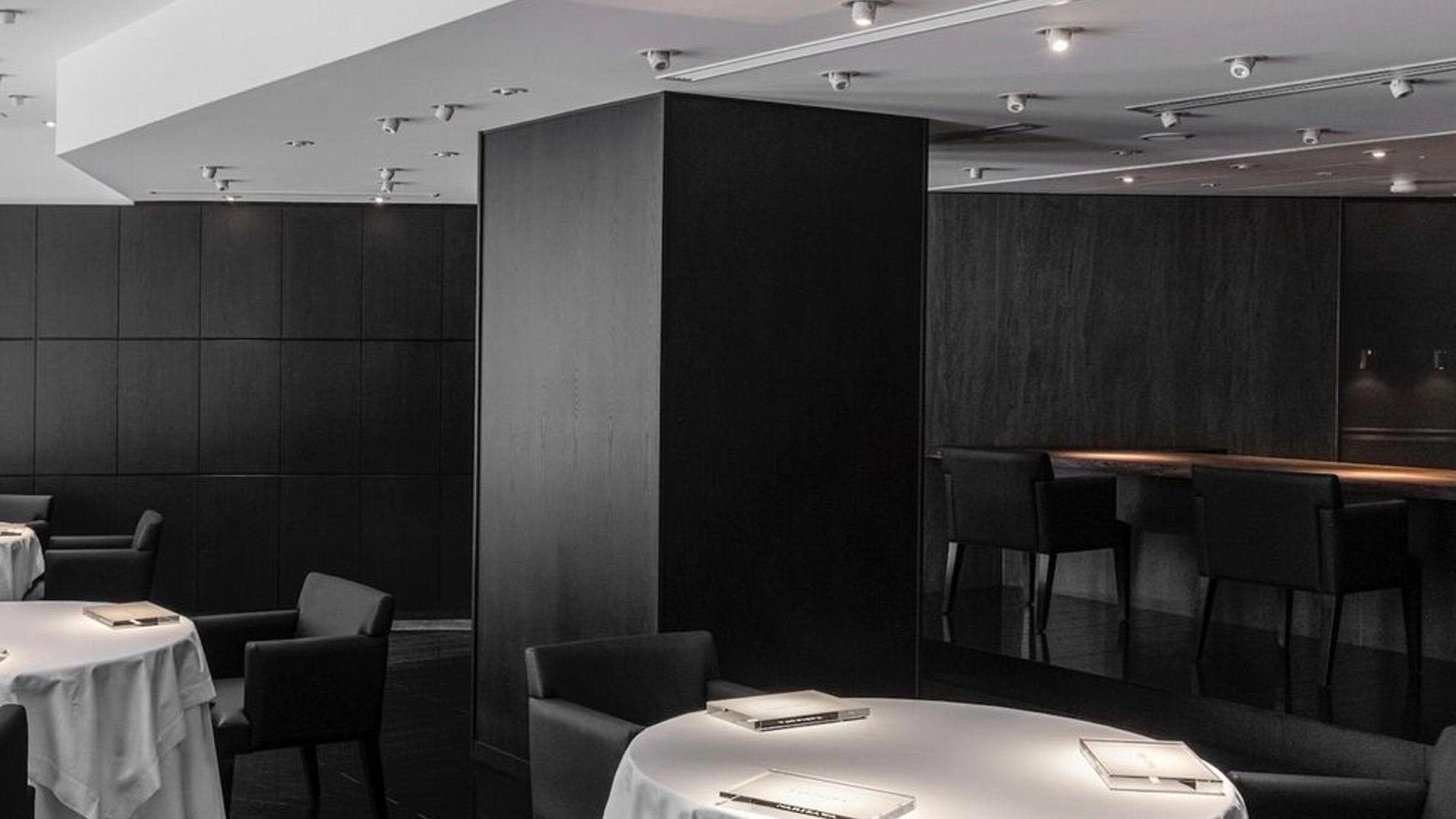
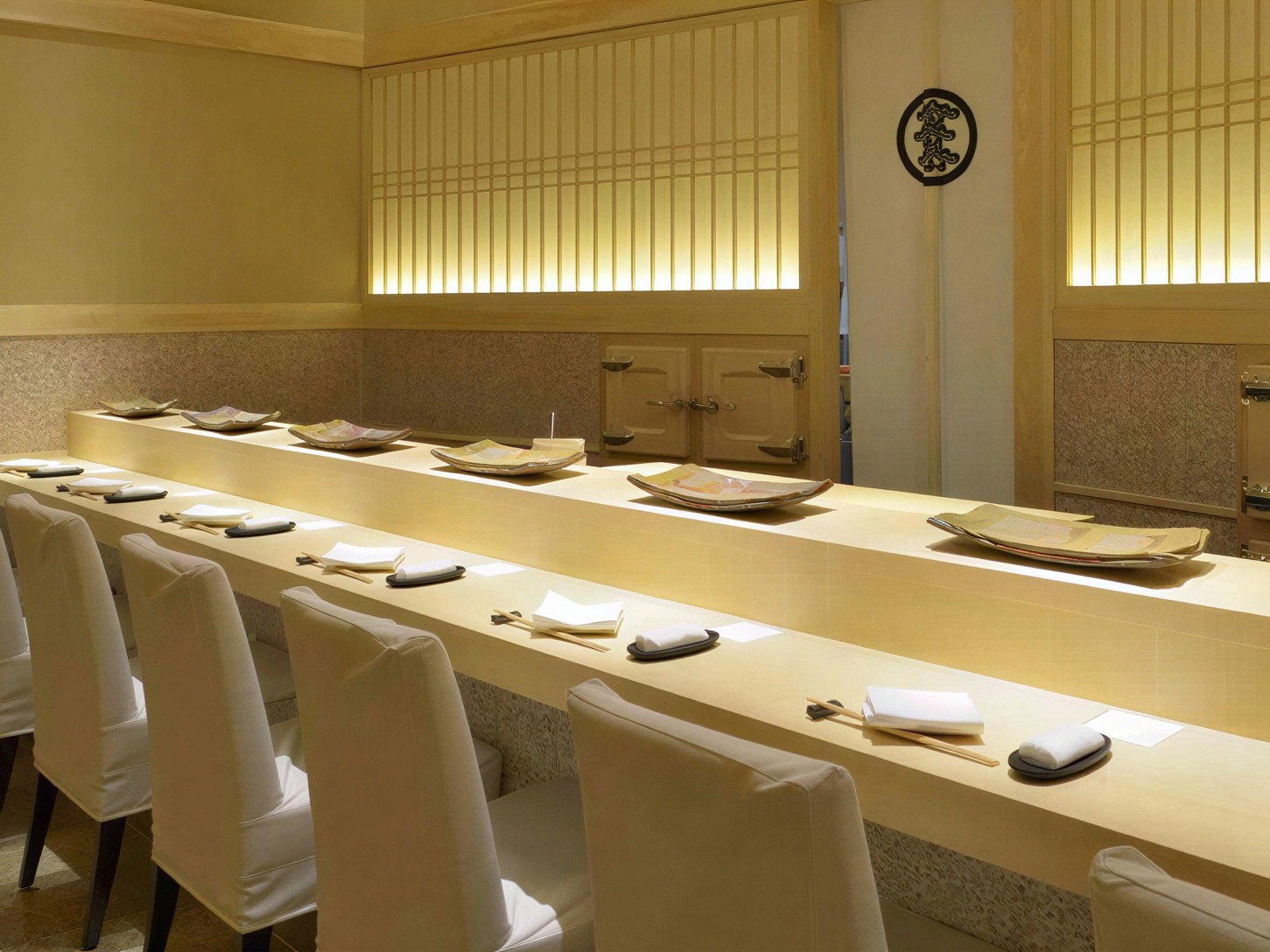
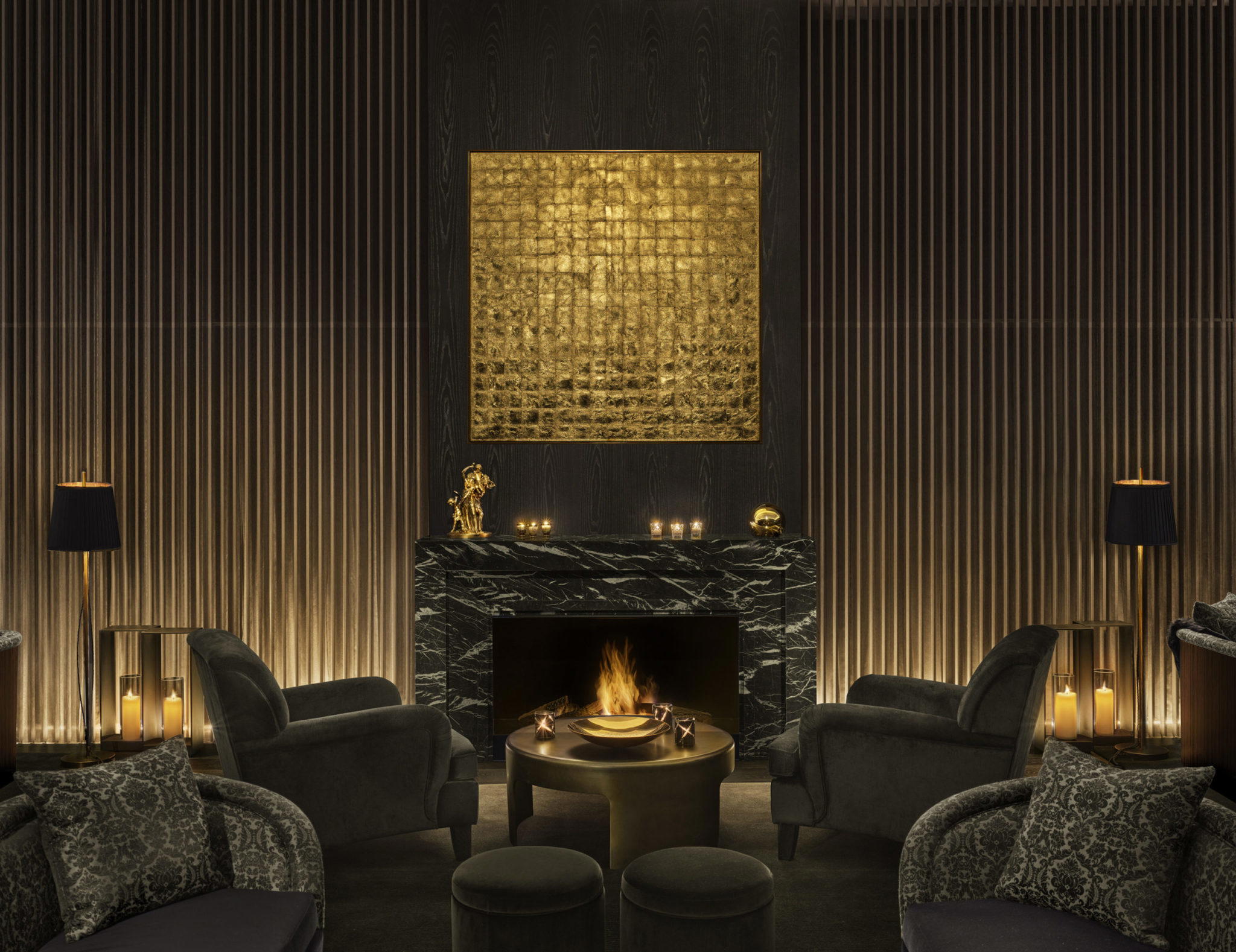
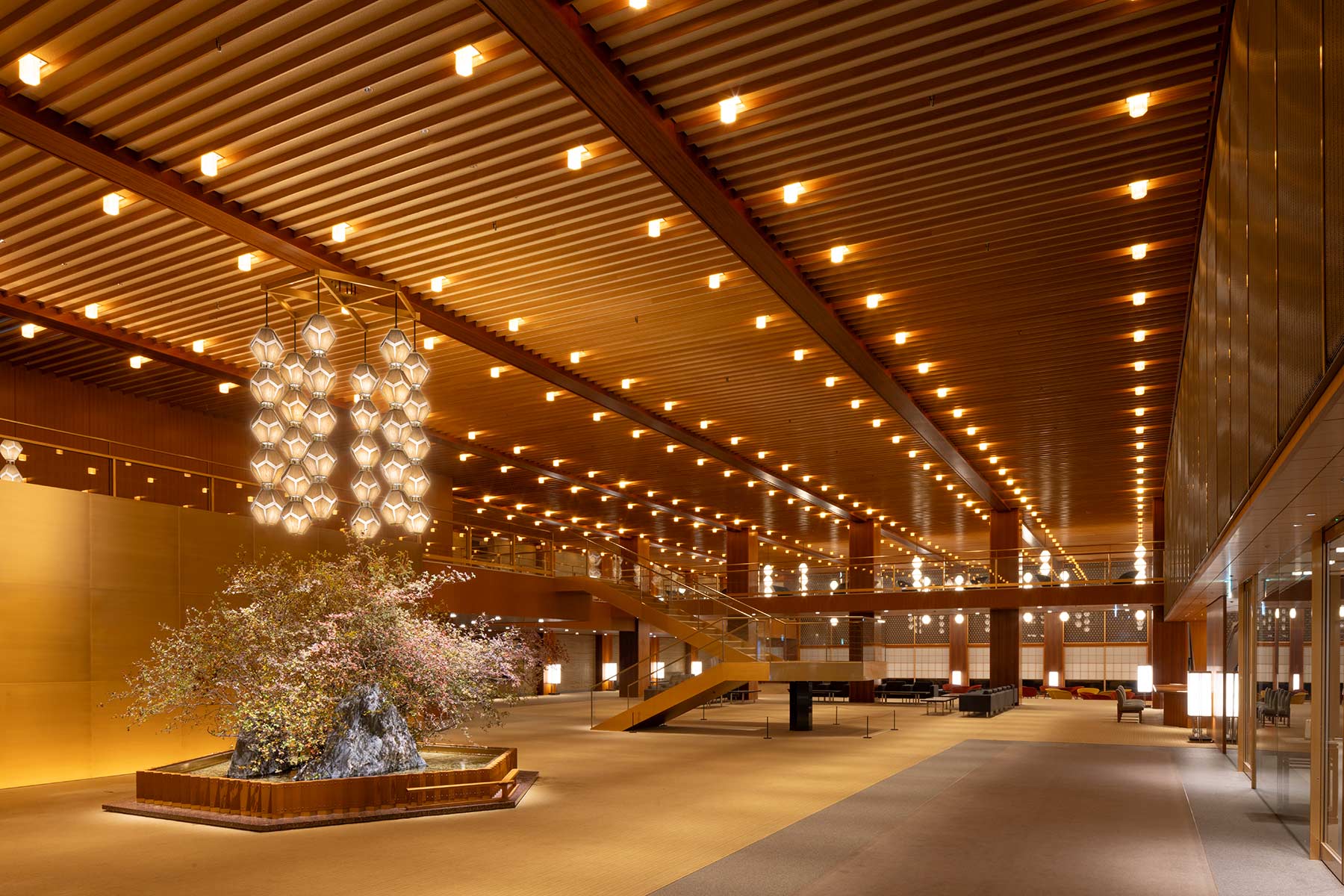
Calm and refined hotel-restaurant atmosphere with modern sukiya-style Japanese design, private tatami rooms, soft lighting, and a focus on discreet, attentive service rather than bustle.