
Teramo's only Japanese restaurant earns consecutive Michelin Bib Gourmand recognition (2024 and 2025) for a menu that moves from sashimi and nigiri through tempura and rolls, with classical Japanese references reinterpreted through Abruzzo's local ingredients. Chef Hama-san runs an intimate, recently renovated dining room in the city centre where the aesthetic rigour of the space matches the precision on the plate.
Pearl is the En Primeur Club membership app — saves, bookings, and concierge access live there. Same editors, same standards.
- Address
- Via Mario Capuani, 47, 64100 Teramo TE, Italy
- Phone
- +39 391 394 2429
- Website
- oishiteramo.it
- Directions
- Get directions
 Saves & bookings on Pearl
Where Japan Meets the Apennines
There is a particular discipline required to open a Japanese restaurant in a mid-sized Italian provincial city and earn the Michelin inspector's attention twice in consecutive years. The food culture of Teramo is built around slow-cooked ragù, lamb, and virtù, a deeply local grammar that leaves little obvious room for dashi or nigiri. Yet the conditions that make a city like this challenging are also what make a venture like Oishi legible: in a dining scene where almost every serious table defaults to Abruzzo's own larder, a kitchen committed to Japanese technique and aesthetic discipline occupies a category of one. That clarity of purpose, sustained over time, is precisely the kind of signal Bib Gourmand recognition rewards.
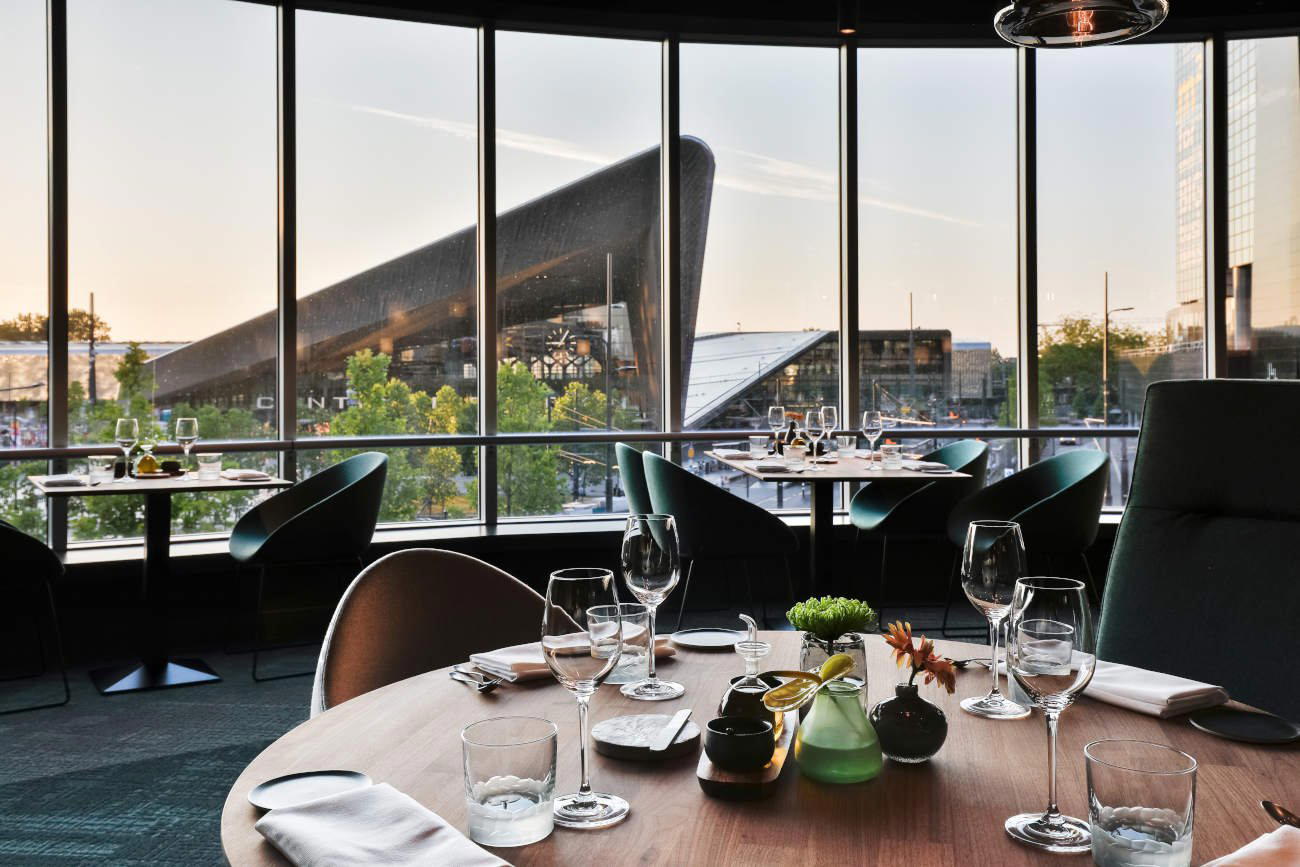
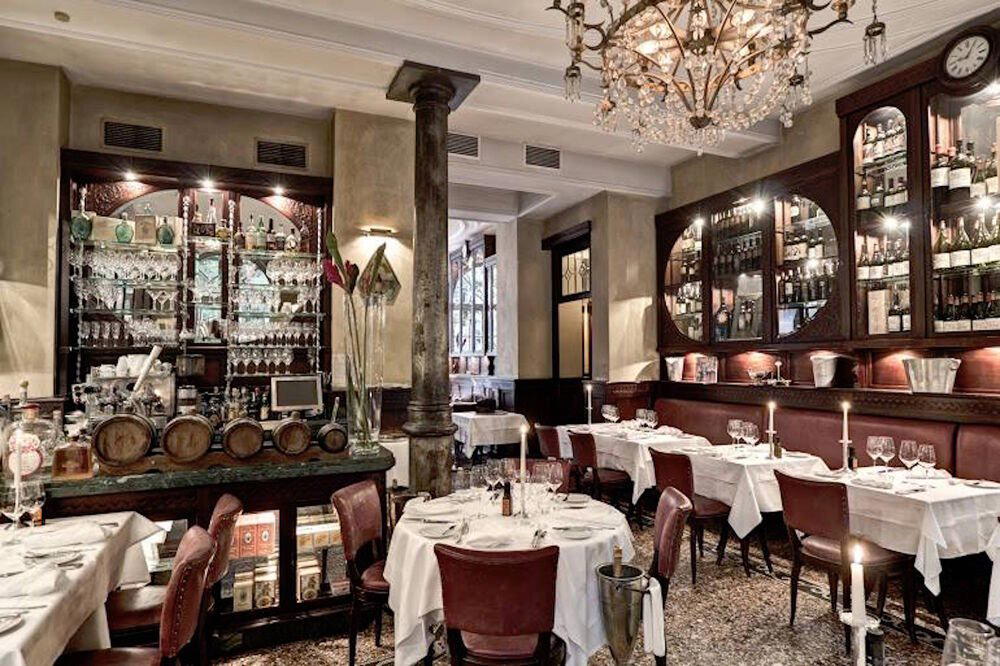
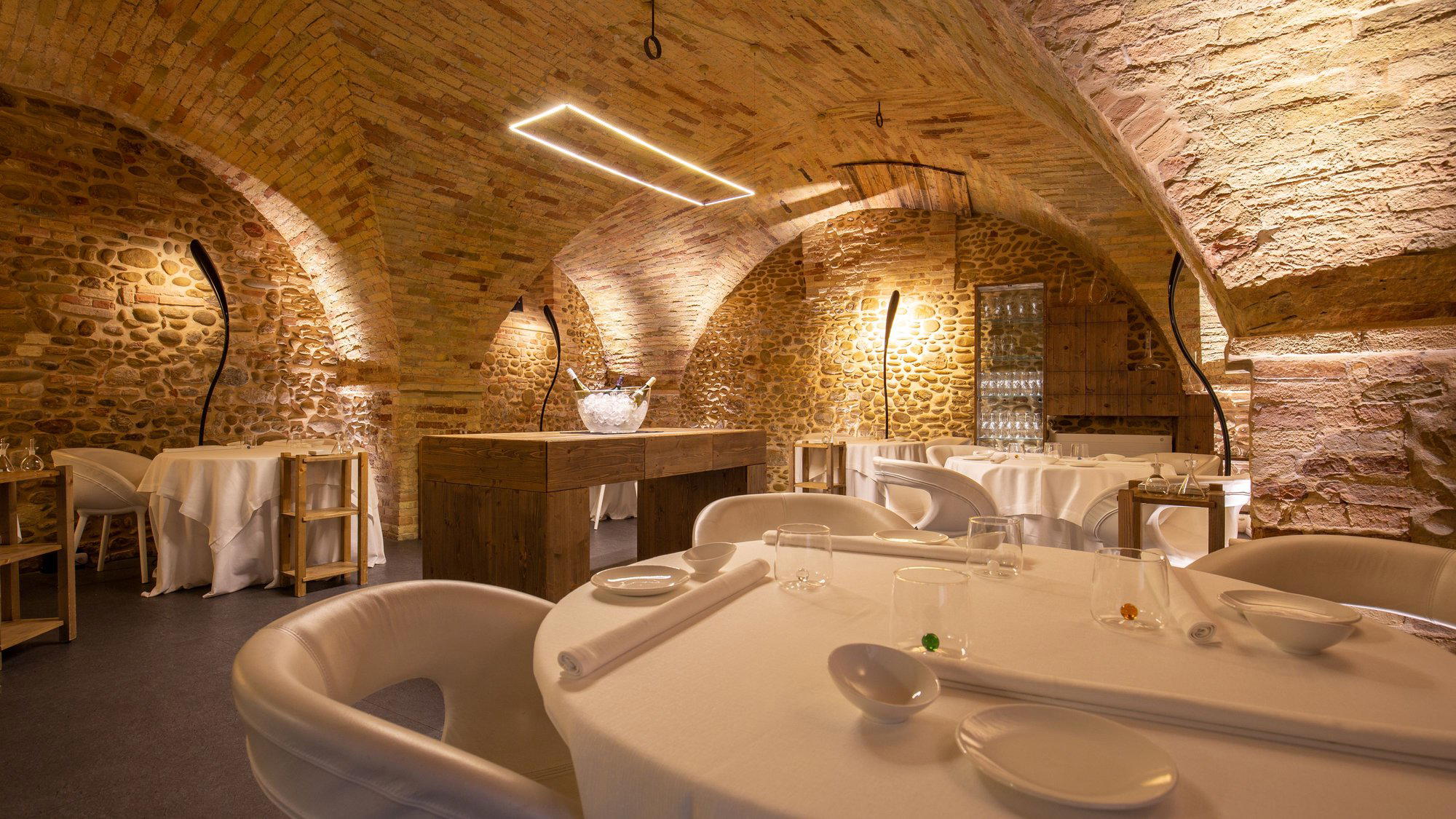
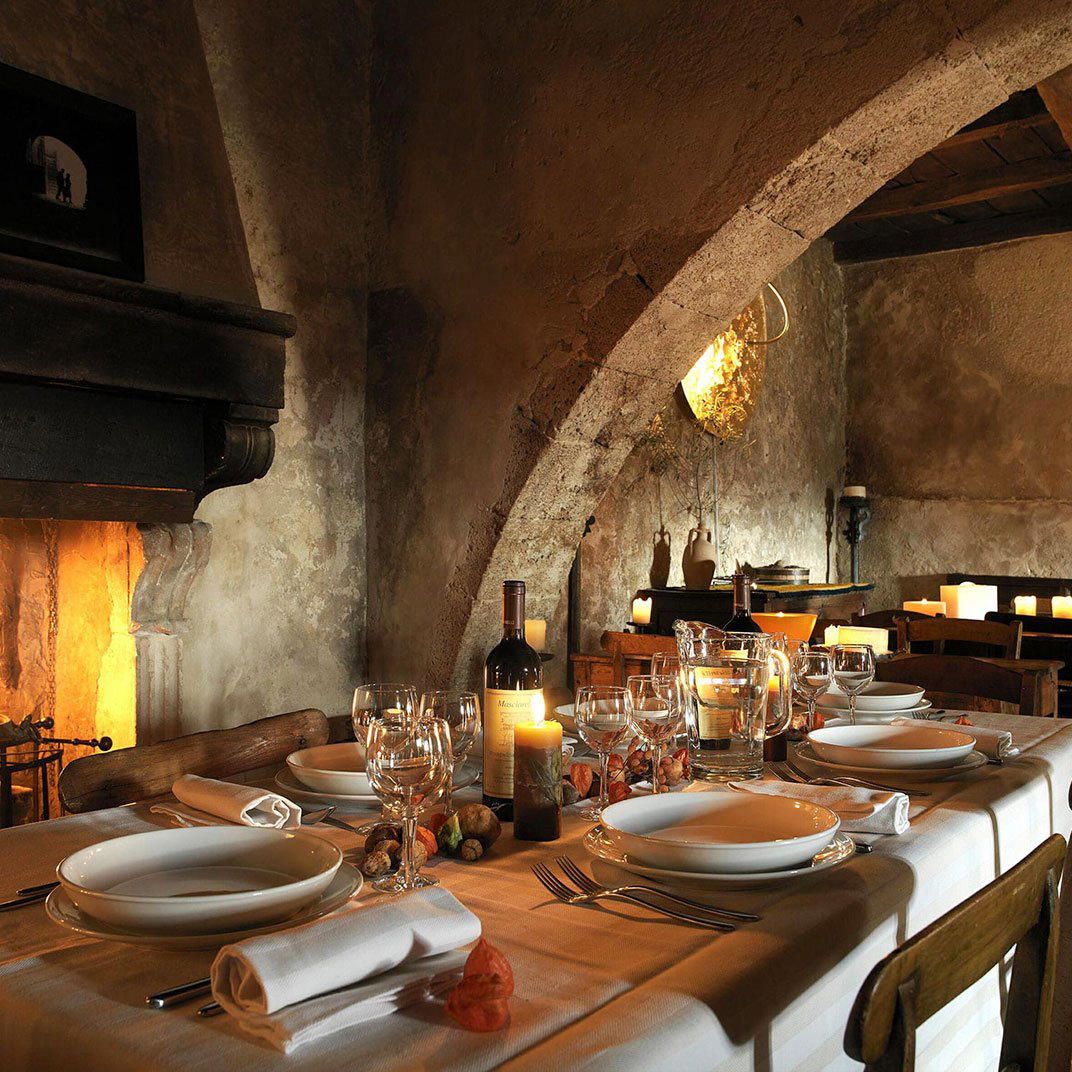
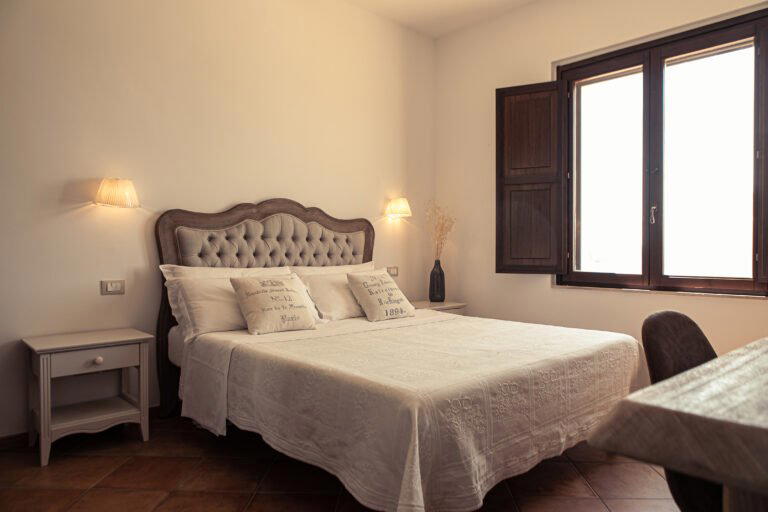
Oishi sits on Via Mario Capuani, 47, in the historic centre of Teramo, a compact city in northern Abruzzo whose culinary identity is more often discussed through Spoon (Cuisine from Abruzzo) than through any Asian address. The dining room is described as intimate, minimalist, and colourful. The interiors communicate the same visual economy you find in a well-considered Japanese interior, low visual noise, considered placement, but with enough warmth to keep the setting from feeling clinical. The effect is intentional. In kaiseki philosophy, the container is as meaningful as what it holds, and a room designed to frame rather than compete with the food is itself an editorial statement about priorities.
The Menu Structure and Its Logic
The menu at Oishi follows a progression familiar to anyone who has eaten at a serious Japanese table: crudo and marinated preparations open things up, moving through sashimi and nigiri, into rolls, and across to some tempura. This is not an abbreviated greatest-hits list. It is a structured sequence that mirrors, in its own scaled form, the principle behind kaiseki, the idea that a meal should build in register, texture, and temperature, and that each course should create the conditions for what follows.
What distinguishes the kitchen here is the decision to bring Abruzzo's local ingredients into that structure. This is a choice that requires genuine understanding of both culinary traditions. Done carelessly, regional Italian ingredients flatten Japanese preparations into novelty. Done with precision, they create a new legibility, dishes where the Japanese scaffolding remains intact but the material is specific to this geography and this season. The ongoing classic Japanese references throughout the menu are not surface decoration; they are the structural logic into which local flavour has been introduced as evidence rather than distraction.
This approach puts Oishi in an interesting comparative position relative to Japan's own creative dining scene. High-end Japanese restaurants like Myojaku in Tokyo and Azabu Kadowaki in Tokyo work within formal kaiseki or kappo structures. Oishi's project is different in kind: the local ingredient is the point of departure from a tradition it has chosen, not inherited. That act of choosing, and executing it with enough rigour to satisfy Michelin's Bib Gourmand reviewers across two consecutive years, is what separates the kitchen's output from the category of fusion novelty.
The Drinks Program
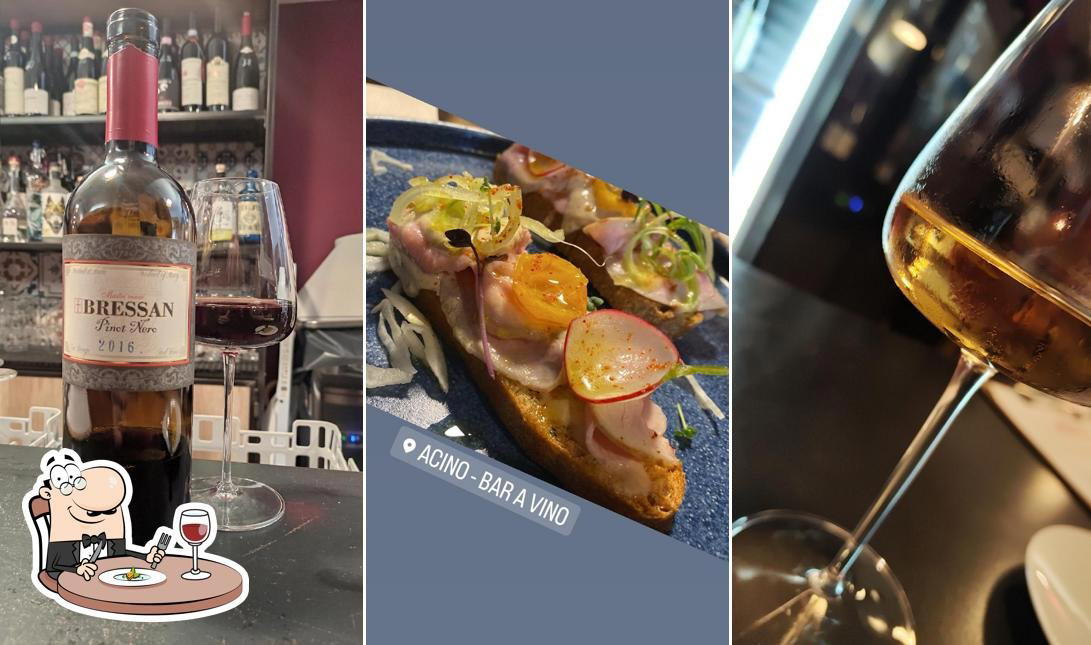
The beverage list at Oishi deserves attention. A Japanese-focused kitchen in an Italian city faces a real tension in the glass: sake and shochu carry the obvious pairing logic, but a clientele from Abruzzo expects a wine list, and Abruzzo's own wine production, particularly its Montepulciano d'Abruzzo and Trebbiano, can be difficult to pair cleanly with raw fish preparations. The beverage list leans toward Italian craft beers. It is a considered resolution: hop-forward or citrus-leaning craft styles can bridge the two traditions more cleanly than the tannic structure of many central Italian reds, and the decision to skew the beverage program toward pairing logic rather than regional pride is another marker of coherence.
Oishi in Teramo's Broader Dining Scene
Abruzzo's serious dining scene is still most legibly mapped through its Italian tables. Reale in Castel di Sangro holds three Michelin stars and operates at a register that draws international attention. Locally, Teramo's reputation for traditional Abruzzese cooking remains the dominant frame through which food-focused visitors approach the city. Against that backdrop, Oishi does not compete on the same terms as the starred Italian kitchens elsewhere in the region, Uliassi in Senigallia, Piazza Duomo in Alba, or the €€€€ tier represented by Osteria Francescana in Modena, Le Calandre in Rubano, Enrico Bartolini in Milan, Enoteca Pinchiorri in Florence, Dal Pescatore in Runate, Quattro Passi in Marina del Cantone, or Atelier Moessmer Norbert Niederkofler in Brunico. Oishi's €€ pricing places it in a different conversation entirely, a Bib Gourmand table, by definition, is one where the inspectors found cooking of notable quality at a price point that does not require occasion-level justification.
That positioning matters for how a visitor should think about Oishi. It is not the destination anchor of a food-focused trip to Abruzzo; it is the kind of restaurant that rewards a city-level visit rather than a regional pilgrimage. For anyone spending two or three nights in Teramo and working through the city's dining options, Oishi provides a reference point that nothing else in the local scene can offer.
Planning Your Visit
Oishi is at Via Mario Capuani, 47, in Teramo. The price tier is mid-range. The dining room is intimate, which in practical terms means table availability can tighten on weekends and during local holidays; booking ahead is recommended.
Comparable Venues
Comparable venues nearby, for context on price, style, and recognition.
| Venue | Cuisine | Price | Awards | Notes |
|---|---|---|---|---|
| OishiThis venue — the venue you are viewing | Japanese Fusion Sushi | $$$ | Bib Gourmand | Not listed |
| Spoon | Contemporary Abruzzese | $$ | Michelin Plate | historic centre |
| Sushisen | Modern Japanese Sushi and Omakase | $$$ | Michelin Plate | Ostiense |
| FØRMA contemporary restaurant | Creative Contemporary Italian | $$$ | Michelin Plate | historic centre |
| Mammaròssa | Modern Abruzzo Italian | $$$ | Michelin Plate | Avezzano |
| Bistrot 64 | Modern Italian Neo-Bistro | $$$ | Michelin Plate | Flaminio |
Recognition history
Dated appearances from independent guides and award organizations, with the underlying list record or original source where available.
Michelin Bib Gourmand
Michelin
Michelin Bib Gourmand
Michelin
Michelin Bib Gourmand
Michelin

At a Glance
- Intimate
- Cozy
- Elegant
- Minimalist
- Date Night
- Special Occasion
Current opening hours
- Monday
- 8–10:30 PM
- Tuesday
- 8–10:30 PM
- Wednesday
- 8–10:30 PM
- Thursday
- 8–10:30 PM
- Friday
- Open 24 hours
- Saturday
- 8–11 PM
- Sunday
- 8–10:30 PM
Hours can change for holidays and private events. Last verified .
Intimate, minimalist yet colorful dining room with elegant, relaxing atmosphere and Japanese design elements.