Aprudia

A Michelin Plate holder in Giulianova's historic center, Aprudia serves a freely structured tasting format built around seasonal, mostly plant-based ingredients, many grown in the chef's own garden. Brick-vaulted rooms and a committed no-waste philosophy frame dishes that are as visually distinctive as the restaurant's name. Confident cooking with a clear local identity at a €€€ price point.
Pearl is the En Primeur Club membership app — saves, bookings, and concierge access live there. Same editors, same standards.
- Address
- Largo del Forno, 16, 64021 Giulianova TE, Italy
- Phone
- +39 085 201 1844
- Website
- aprudia.com
- Directions
- Get directions
 Saves & bookings on Pearl
Stone Vaults and Kitchen Gardens: Dining in Giulianova's Historic Core
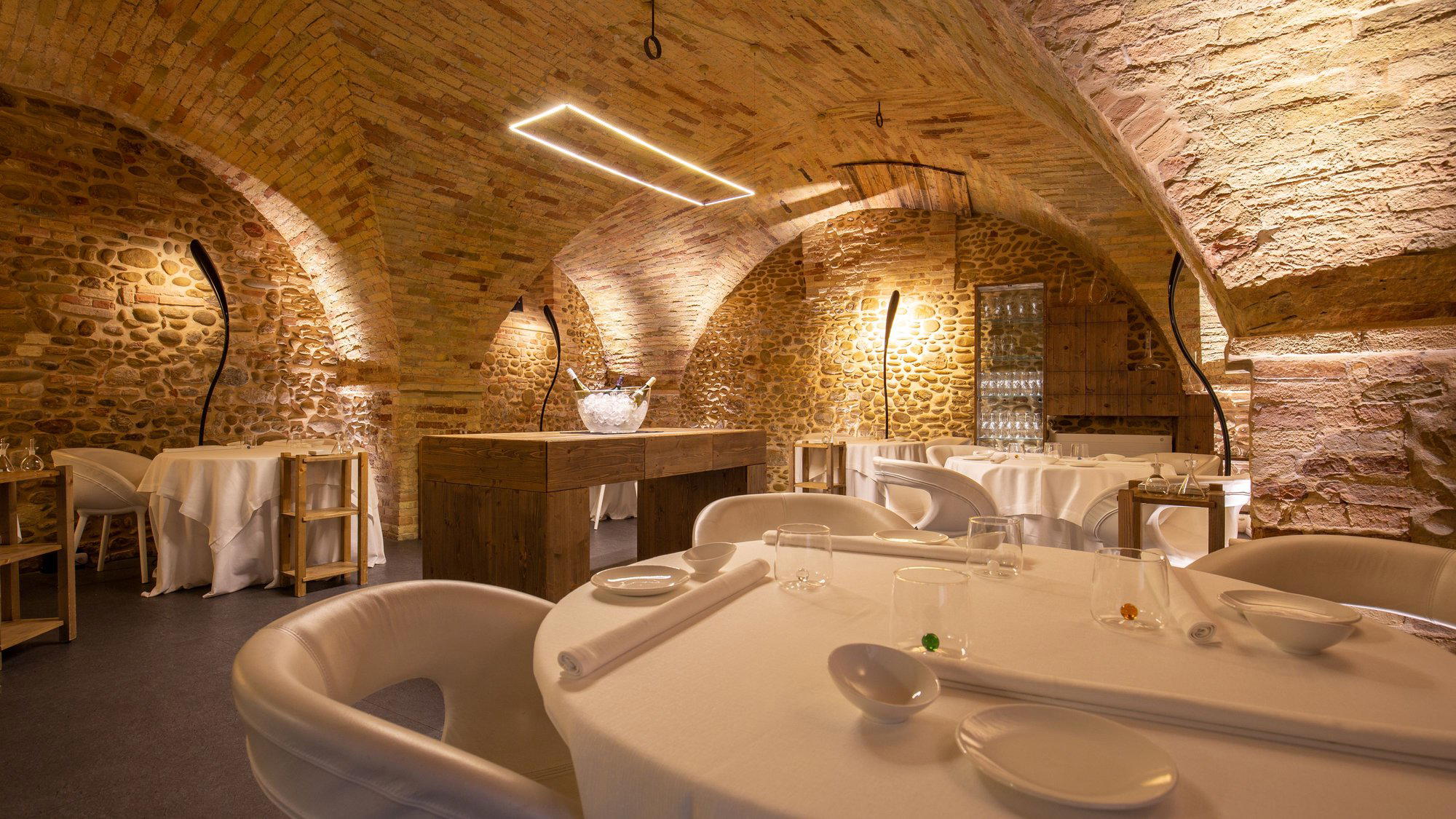
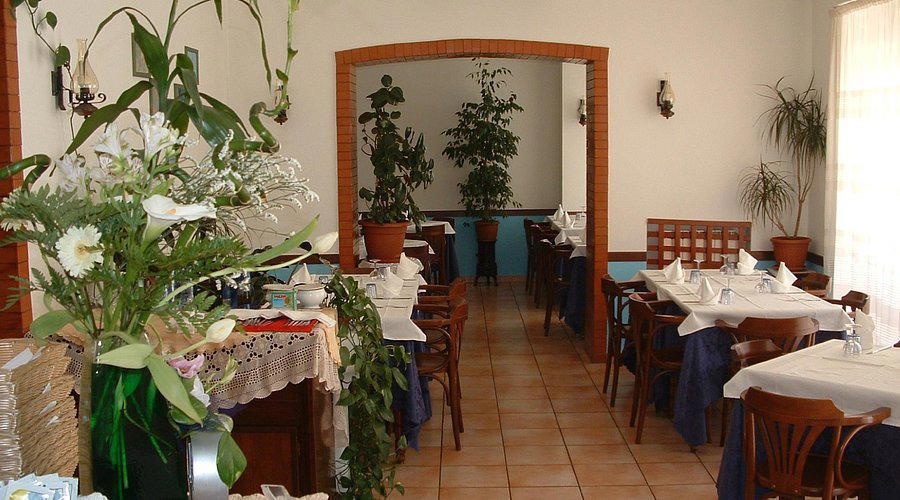
The older quarter of Giulianova sits on a hill above the Adriatic coast, and its architecture announces itself in the expected way: tight lanes, pale stone, the occasional arch framing a doorway. Aprudia is a restaurant in Giulianova, Italy, serving modern Italian farm-to-table cooking at about $80 per person. Aprudia occupies a corner of that historic center where the building fabric does most of the atmospheric work. Brick vaulting spans the dining rooms, a structural detail common to this part of coastal Abruzzo, and the contrast between that aged masonry and the modern furnishings is deliberate rather than accidental. It is the kind of setting that communicates something before a dish has arrived: that the cooking here is in dialogue with place, not indifferent to it.
That dialogue becomes more specific once you understand where the ingredients come from. Farm-to-table cooking has accumulated a fair amount of marketing noise in recent years, enough that the phrase can obscure more than it reveals. What distinguishes the more committed end of the approach is supply-chain specificity: not "local wherever possible" as a loose aspiration, but a direct relationship between the kitchen and the soil. At Aprudia, that relationship includes sourcing from a kitchen garden that the chef manages directly. What reaches the plate is, in certain cases, what was harvested the same day from a plot the kitchen controls. That is a narrower claim than most farm-to-table operations make, and it shapes what can actually appear on a given evening.
A Format Built Around Seasonality
The menu format at Aprudia is worth understanding before you book. Rather than a fixed tasting menu with set courses and a single per-head price, the format here allows diners to choose freely from the available dishes and to determine their own quantities. This is closer to how Italians have traditionally eaten, constructing a meal from whatever the day's supply dictated, than it is to the rigid progression of the modern tasting menu. It also means that the kitchen's relationship with seasonality is not decorative. If a particular vegetable or preparation isn't available, the dish simply isn't on offer. The menu is, in that sense, an honest record of what the garden and local suppliers had that week.
The cooking leans toward plant-based ingredients without being categorically vegetarian. Local produce forms the structural core of most dishes, and the aesthetic tends toward color and visual originality. The no-waste philosophy running through the kitchen is reflected not just in what gets used, but in how, the less conventional parts of vegetables and herbs appear as components rather than being discarded. This approach has precedent in Italian regional cooking, where waste-minimizing techniques have always been part of the tradition, but Aprudia applies it with a contemporary discipline that reads as considered rather than nostalgic.
Aprudia has held a Michelin Plate in both 2024 and 2025, a recognition that marks consistent quality without conferring star status. For context, the Michelin Plate sits below the star tier but above generic listing, it signals that inspectors have found the cooking worth noting. Within Giulianova's dining scene, that credential places Aprudia at a different register than casual trattorie or beach-adjacent seafood spots. Visitors looking for the kind of produce-driven cooking that Abruzzo's agricultural interior makes possible, as opposed to the fish-forward coastal fare that defines much of the Adriatic stretch, will find Aprudia operating in a relatively uncrowded local category. For seafood-focused alternatives in the same city, Lucia and Osteria dal Moro represent different points on the local dining spectrum.
Where Aprudia Sits in the Wider Italian Farm-to-Table Conversation
Italy's most decorated farm-to-table and produce-led restaurants tend to cluster in regions with strong agricultural identities and high-profile fine-dining histories. Operations like Reale in Castel di Sangro, also in Abruzzo, with three Michelin stars, have put the region's interior on the international tasting-menu map. Further north, Atelier Moessmer Norbert Niederkofler in Brunico has built one of Italy's most discussed no-waste, alpine-sourcing programs at the €€€€ tier. Comparable in ambition though different in geography are Piazza Duomo in Alba, Le Calandre in Rubano, and Osteria Francescana in Modena, all operating at the €€€€ bracket with Michelin star recognition. Aprudia operates at €€€, occupying a more accessible price point while sharing the underlying philosophy of ingredient primacy. That gap matters for readers comparing Italy's broader fine-dining range: the sourcing discipline on display in Giulianova is closer to what those starred houses practice than the price difference might imply.
The farm-to-table format also has a European comparable set beyond Italy. Au Gré du Vent in Seneffe and BOK Restaurant Brust oder Keule in Münster represent similar philosophies in different national contexts, each anchoring menus to direct producer relationships and seasonal availability. What these operations share is a resistance to the kind of menu consistency that depends on global supply chains. The tradeoff for the diner is a loss of predictability in exchange for a gain in relevance, you eat what the season produced, not what the kitchen decided to serve regardless of timing.
Planning a Visit
Aprudia is located at Largo del Forno, 16, in the centro storico of Giulianova, the upper, hilltop section of the town, distinct from the marina district below. The address sits within walking distance of the main historic core, and arrival on foot from the upper town's parking areas is direct. The €€€ price range places it in the mid-to-upper bracket for the area, appropriate for the level of sourcing discipline and the Michelin Plate recognition. The freely structured format, where dishes and quantities are chosen rather than prescribed, makes it more adaptable than a fixed tasting menu, which may suit travelers who want to calibrate the meal's length and weight. Given the kitchen garden and seasonal supply basis, availability of specific preparations can shift; arriving with flexibility rather than specific dish expectations is the more sensible approach.
Comparable Spots, Quickly
Comparable venues nearby, for context on price, style, and recognition.
| Venue | Cuisine | Price | Awards | Notes |
|---|---|---|---|---|
| AprudiaThis venue — the venue you are viewing | Modern Italian Farm-to-Table | $$$ | Michelin Plate | Not listed |
| Compagnia della Pizza | Italian Slice Pizza | $$ | Not listed | Giulianova |
| Lucia | Traditional Italian Trattoria | $$$ | Michelin Plate | Giulianova Lido |
| Osteria dal Moro | Traditional Italian Seafood Osteria | $$ | Bib Gourmand | Giulianova Lido |
| Café Les Paillotes | Modern Italian Seafood | $$$ | Michelin Plate | Pescara center |
| Lo Scudiero | Modern Italian Fine Dining | $$$ | Michelin Plate | historic center |
Recognition history
Dated appearances from independent guides and award organizations, with the underlying list record or original source where available.
Michelin Plate
Michelin
Michelin Plate
Michelin
Michelin Plate
Michelin
Continue exploring
More in Giulianova
Restaurants in Giulianova
Browse all →
Hotels in Giulianova
Browse all →

At a Glance
- Modern
- Elegant
- Intimate
- Cozy
- Date Night
- Special Occasion
- Open Kitchen
- Natural Wine
- Farm To Table
- Local Sourcing
- Organic
Current opening hours
- Monday
- Closed
- Tuesday
- Closed
- Wednesday
- Closed
- Thursday
- 7:45–10 PM
- Friday
- 7:45–10 PM
- Saturday
- 7:45–10 PM
- Sunday
- 12:30–2 PM
Hours can change for holidays and private events. Last verified .
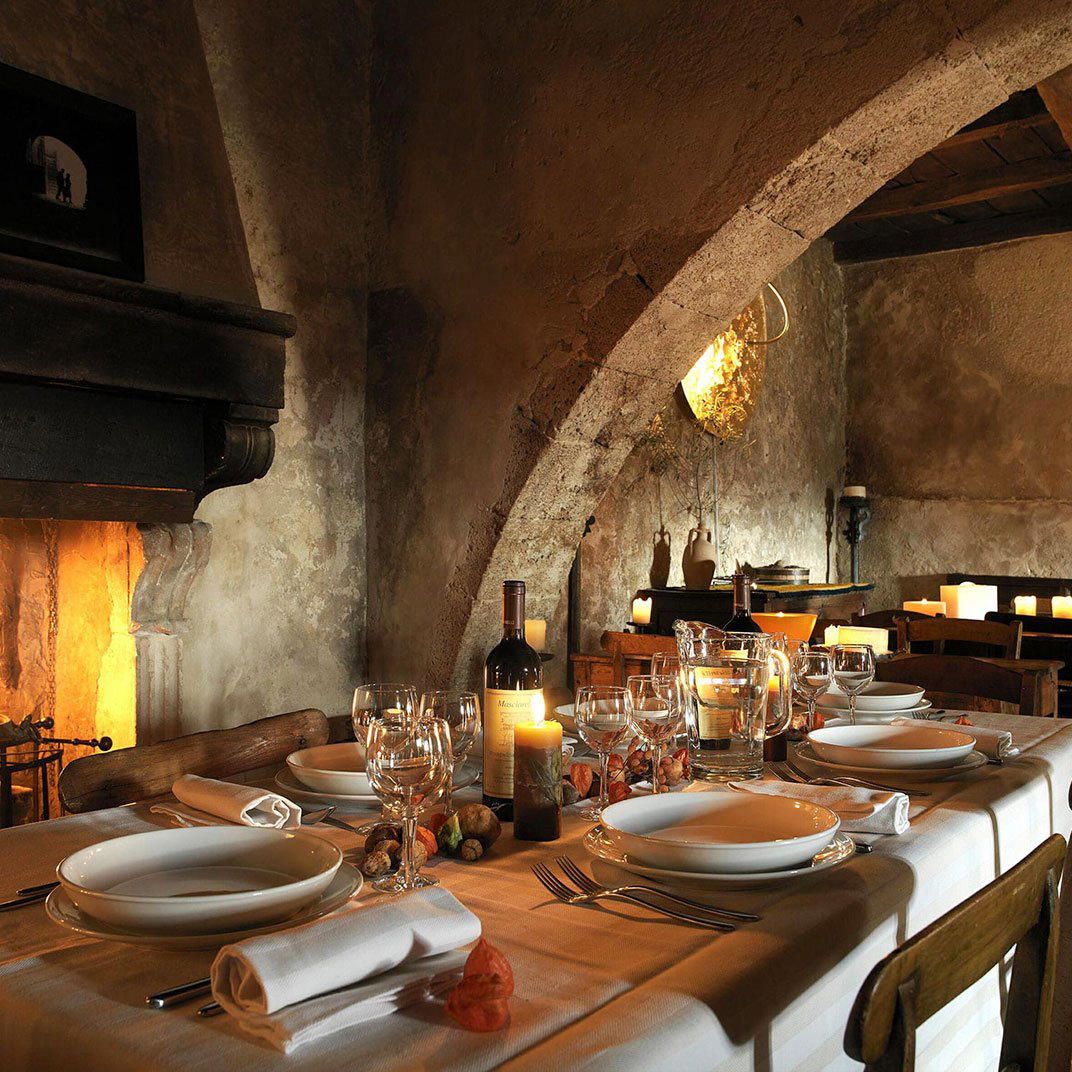
Warm and soft lighting in an intimate space with vaulted brick ceilings contrasting modern decor and open kitchen view.