Borgo Spoltino

A Michelin Bib Gourmand recipient set in a 19th-century farmhouse outside Mosciano Sant'Angelo, Borgo Spoltino makes the case for Abruzzese cucina contadina at its most grounded. Chef Fabio Cardilio draws heavily on the restaurant's own kitchen garden, and the wine list stays close to the region's underrated producers. At the single-euro price point, it occupies a rare position in central Italy's fine-dining conversation.
Pearl is the En Primeur Club membership app — saves, bookings, and concierge access live there. Same editors, same standards.
- Address
- Mosciano Sant'Angelo, TE, Italy
- Phone
- +39 085 807 1021
- Website
- borgospoltino.it
- Directions
- Get directions
 Saves & bookings on Pearl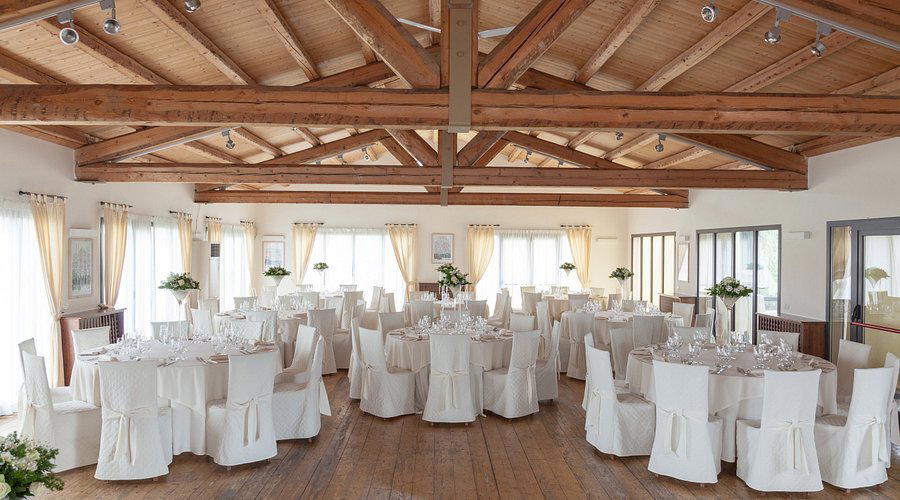
Hills, Olive Groves, and the Logic of Place
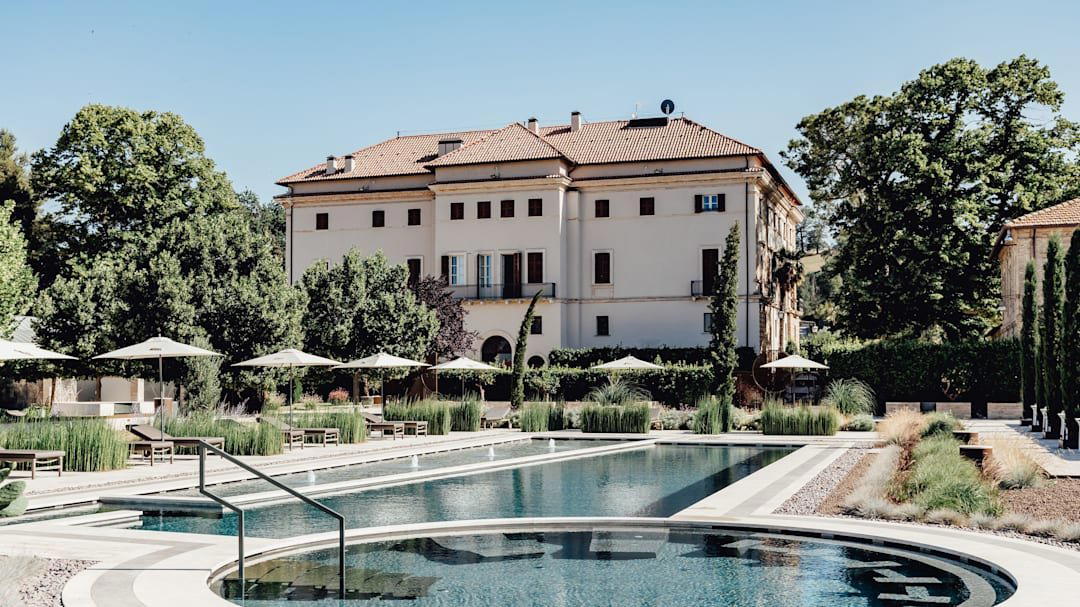
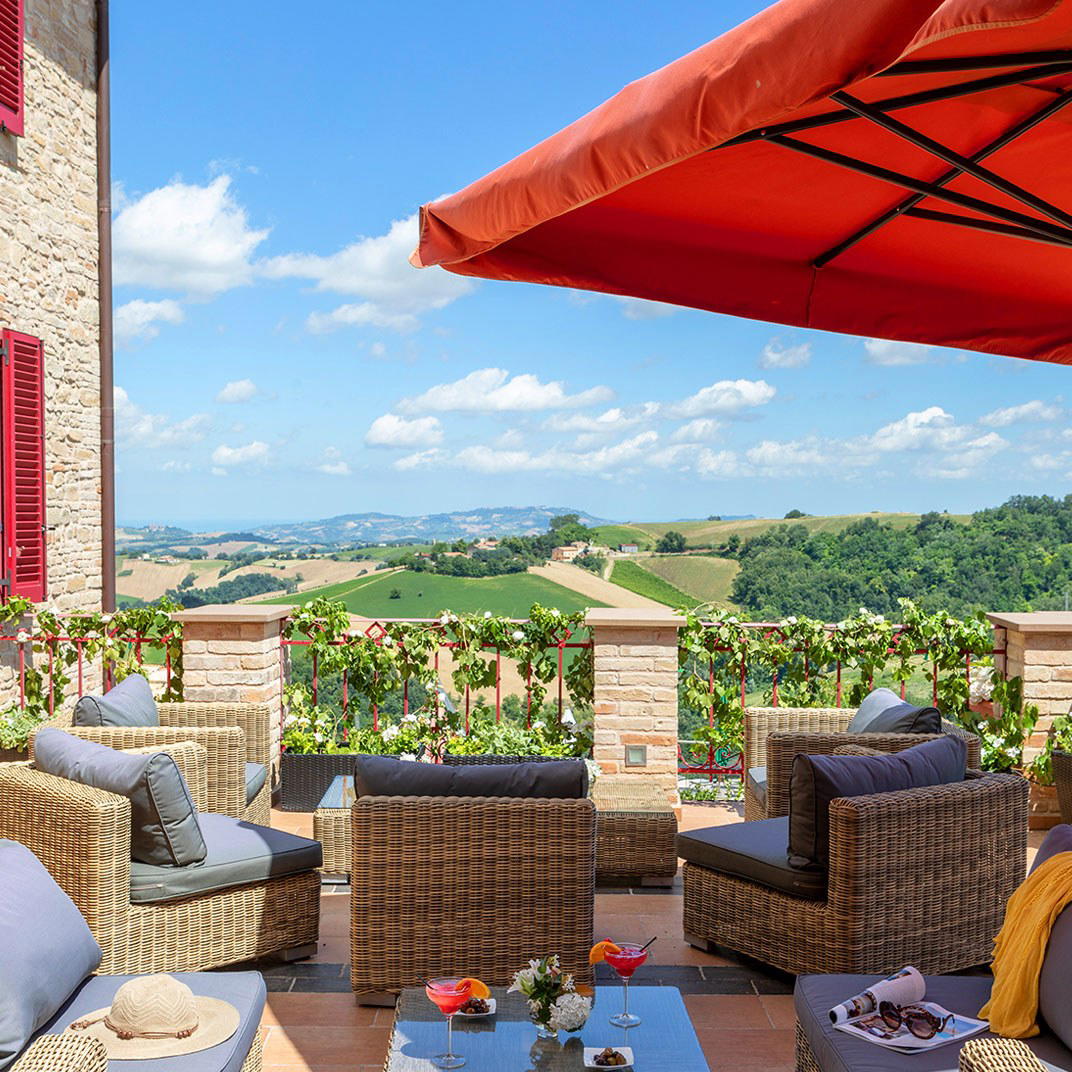
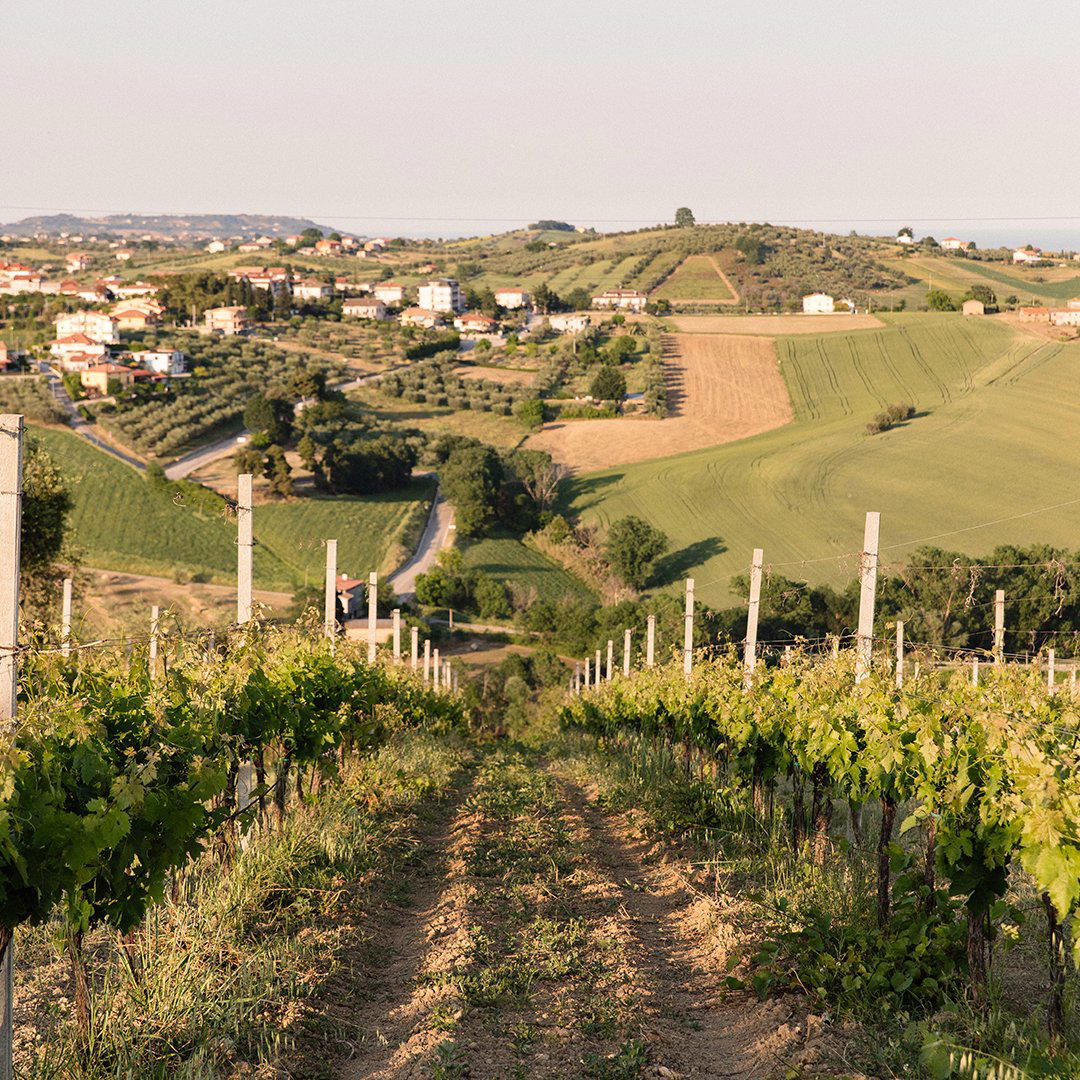
Approaching Borgo Spoltino, the setting does most of the argumentative work before a dish arrives. The 19th-century farmhouse sits among terraced olive groves in the Teramo hills, with the Gran Sasso massif visible to the west and the Adriatic glinting to the east on clear days. That dual orientation, mountains and sea within the same sightline, is one of the defining geographical facts of Abruzzan cooking: the region has always drawn from both larders simultaneously, and the landscape around Mosciano Sant'Angelo makes that duality visible rather than abstract.
Abruzzo occupies an unusual position in Italy's culinary hierarchy. It sits south of Marche, north of Molise, and tends to be overshadowed in the national conversation by the three-star registers of Osteria Francescana in Modena, Le Calandre in Rubano, or Enoteca Pinchiorri in Florence. But the region has its own rigorous tradition, one built on saffron from Navelli, lamb from the high pastures, chitarra pasta cut on a wire frame, and a preserved-food culture shaped by the need to feed communities through alpine winters. Borgo Spoltino's Michelin Bib Gourmand recognition is, in this context, the guide's acknowledgement that this kind of unshowy regional cooking deserves critical attention.
What a Kitchen Garden Actually Changes
The detail that most shapes the cooking at Borgo Spoltino is structural rather than decorative: the vegetables served in the dining room come predominantly from the restaurant's own kitchen garden. This is not a marketing gesture common to a certain tier of European restaurants, where a few herbs are grown on a terrace and photographed for the website. A working kitchen garden that supplies a restaurant's vegetable program changes the rhythm of the menu across the seasons, ties the cook's decisions to what is ready rather than what is available from a distributor, and produces ingredients at a maturity that commercial supply chains rarely achieve.
For Abruzzese cuisine specifically, this matters because the tradition is vegetable-forward in ways that are underappreciated outside the region. The cucina povera of central Italy was never primarily about protein; it was built around legumes, wild greens, preserved peppers, and the kind of slow-cooked preparations that extract maximum flavour from modest raw materials. A kitchen garden supplying that kind of cooking is not an amenity but a working tool.
Chef Fabio Cardilio and the Regional Practitioner Model
Fabio Cardilio's role at Borgo Spoltino represents a broader pattern in Italian regional cooking. Across Italy, a recognisable practitioner model has consolidated: a chef with serious technical grounding who chooses to work within a specific regional tradition rather than against it, producing food that is disciplined but not retrospective. Reale in Castel di Sangro operates at the summit of that model within Abruzzo, with three Michelin stars and an international profile. The restaurant and Cardilio operate in the same regional tradition at a different register, where the Bib Gourmand's criteria of quality at accessible pricing define the restaurant's position. In a region with comparatively few Michelin-recognised addresses, that position carries weight.
For comparison, the restaurants receiving three-star recognition elsewhere in Italy, such as Atelier Moessmer Norbert Niederkofler in Brunico, Dal Pescatore in Runate, Enrico Bartolini in Milan, Piazza Duomo in Alba, or Casa Perbellini 12 Apostoli in Verona, sit in a different economic and technical tier entirely. The restaurant's value lies not in competing with that register but in delivering Michelin-verified quality at a price point that the Bib Gourmand was specifically designed to flag. That signal is useful for travellers planning a longer Italian itinerary.
The Sweet Pizza and the Case for Tradition
Among the dishes associated with the kitchen at the restaurant, the sweet pizza is one instructive example of how Abruzzese dessert traditions work. The preparation involves alternating layers of sponge cake soaked in Kermes liqueur, pudding, and custard, finished with thick cream and slivers of almond, a structure that draws comparison to a trifle but predates most of its apparent relatives. Kermes, the crimson liqueur made from the dried eggs of the kermes oak insect and a range of spices, is a medieval preparation that survived into regional Italian confectionery long after it disappeared from mainstream European cooking. Its presence in a dessert at a farmhouse restaurant in the Teramo hills is not an affectation; it is a document of continuous local practice. This is the kind of specificity that distinguishes regional cooking from regional-inspired cooking, and it is what the Michelin Bib Gourmand is marking when it recognises a kitchen of this type.
The Wine List in Regional Context
Abruzzo's wine identity is built primarily on Montepulciano d'Abruzzo and Trebbiano d'Abruzzo, two varieties that achieved international recognition in different ways and at different points in the region's export history. Trebbiano d'Abruzzo, particularly from producers working at lower yields in the Pescara hills, has attracted serious critical attention over the past two decades for its capacity to age and its texture at scale. Montepulciano, the red, remains one of Italy's most recognisable value propositions at entry level, though the serious expressions from single vineyards in the Colline Teramane DOCG occupy a more considered bracket. The wine list at the restaurant draws from this regional canon alongside labels from further afield, a structure that allows the kitchen garden's produce to meet appropriate local expression while keeping the list accessible to drinkers arriving without specific regional knowledge.
Abruzzese Cooking in Its Wider Peer Group
Anyone building an itinerary around serious regional Italian cooking in the Adriatic centre of the peninsula will find the restaurant fitting naturally alongside a small set of recognised addresses. Bacucco d'Oro in Mutignano and Casa D'Angelo in Fara Filiorum Petri work the same Abruzzese tradition at comparable price points. Further up the Adriatic coast, Uliassi in Senigallia and Quattro Passi in Marina del Cantone represent a more coastal and technically elaborate expression. The regional tradition the restaurant represents is the inland, agrarian one, grounded in preserved foods, kitchen-garden vegetables, and the kind of preparation that rewards patience more than technique.
Planning a Visit
The restaurant sits in the commune of Mosciano Sant'Angelo in the province of Teramo, roughly equidistant between Pescara to the south and Giulianova on the Adriatic coast. The price category is single-euro Michelin, placing it at the accessible end of the guide's recognised restaurants in Italy, which makes it a practical option for a lunch stop on a longer regional drive rather than a destination requiring elaborate planning.6 across 860 reviews suggests consistent delivery rather than occasional brilliance. Booking in advance is advisable, particularly in summer when the farmhouse setting draws visitors combining coastal Adriatic time with inland excursions.
How It Stacks Up
Comparable venues nearby, for context on price, style, and recognition.
| Venue | Cuisine | Price | Awards | Notes |
|---|---|---|---|---|
| Borgo SpoltinoThis venue — the venue you are viewing | Traditional Abruzzese with Neapolitan influences | $$ | Bib Gourmand | Not listed |
| Clemente | Traditional Abruzzese | $$ | Bib Gourmand | centre |
| Da Giocondo | Traditional Abruzzese Trattoria | $$ | Bib Gourmand | Rivisondoli historic center |
| Mingone | Traditional Italian Seafood and Lazio Cuisine | $$ | Bib Gourmand | Carnello |
| Coquus | Modern Apulian Italian | $$ | Bib Gourmand | historical centre |
| Hosteria Grappolo d'Oro | Traditional Roman Cuisine | $$ | Bib Gourmand | Parione |
Recognition history
Dated appearances from independent guides and award organizations, with the underlying list record or original source where available.
Michelin Bib Gourmand
Michelin
Michelin Bib Gourmand
Michelin
Michelin Bib Gourmand
Michelin
Continue exploring
More in Mosciano Sant'Angelo
Restaurants in Mosciano Sant'Angelo
Browse all →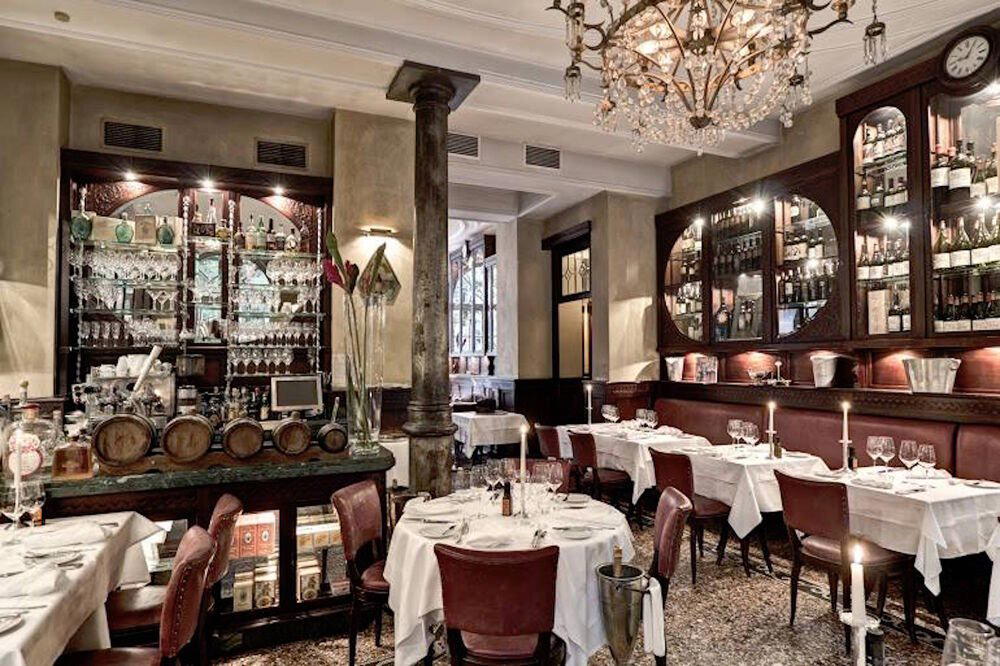
Bars in Mosciano Sant'Angelo
Browse all →
Hotels in Mosciano Sant'Angelo
Browse all →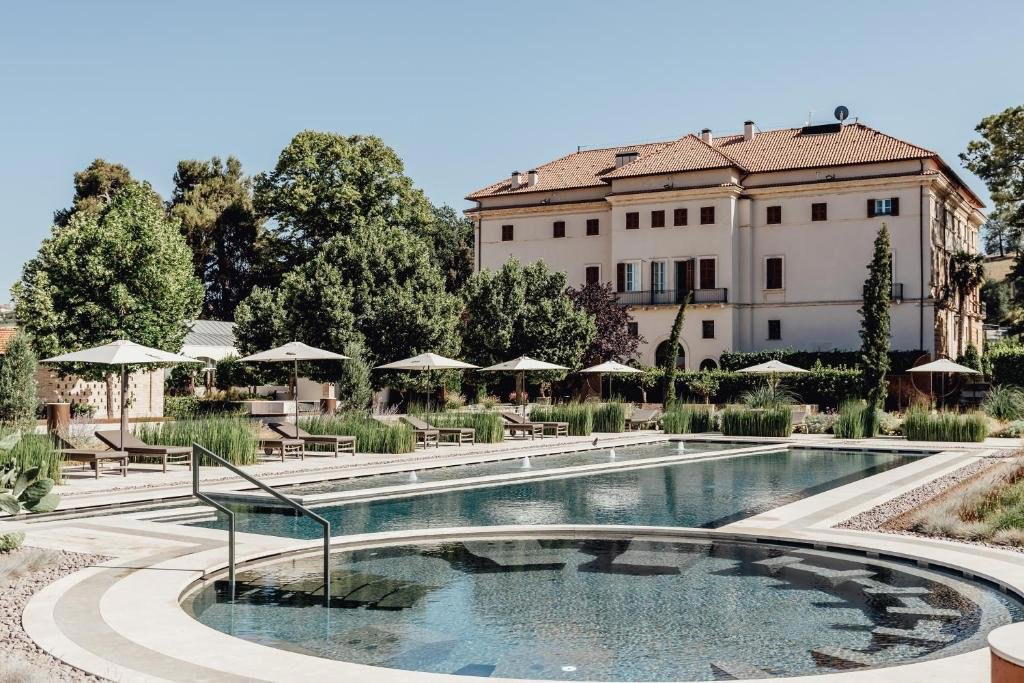

At a Glance
- Rustic
- Cozy
- Scenic
- Elegant
- Special Occasion
- Family
- Celebration
- Date Night
- Garden
- Terrace
- Historic Building
- Open Kitchen
- Extensive Wine List
- Local Sourcing
- Mountain
- Garden
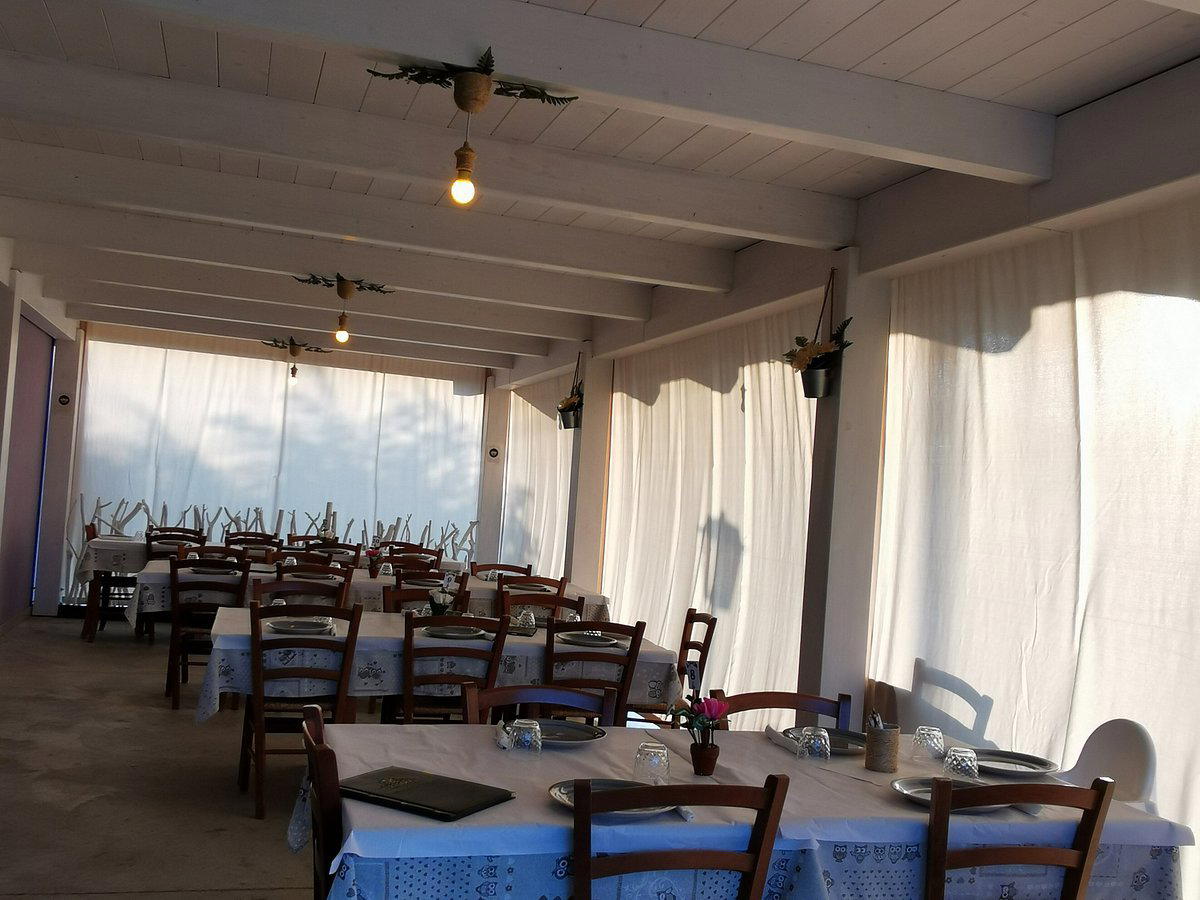
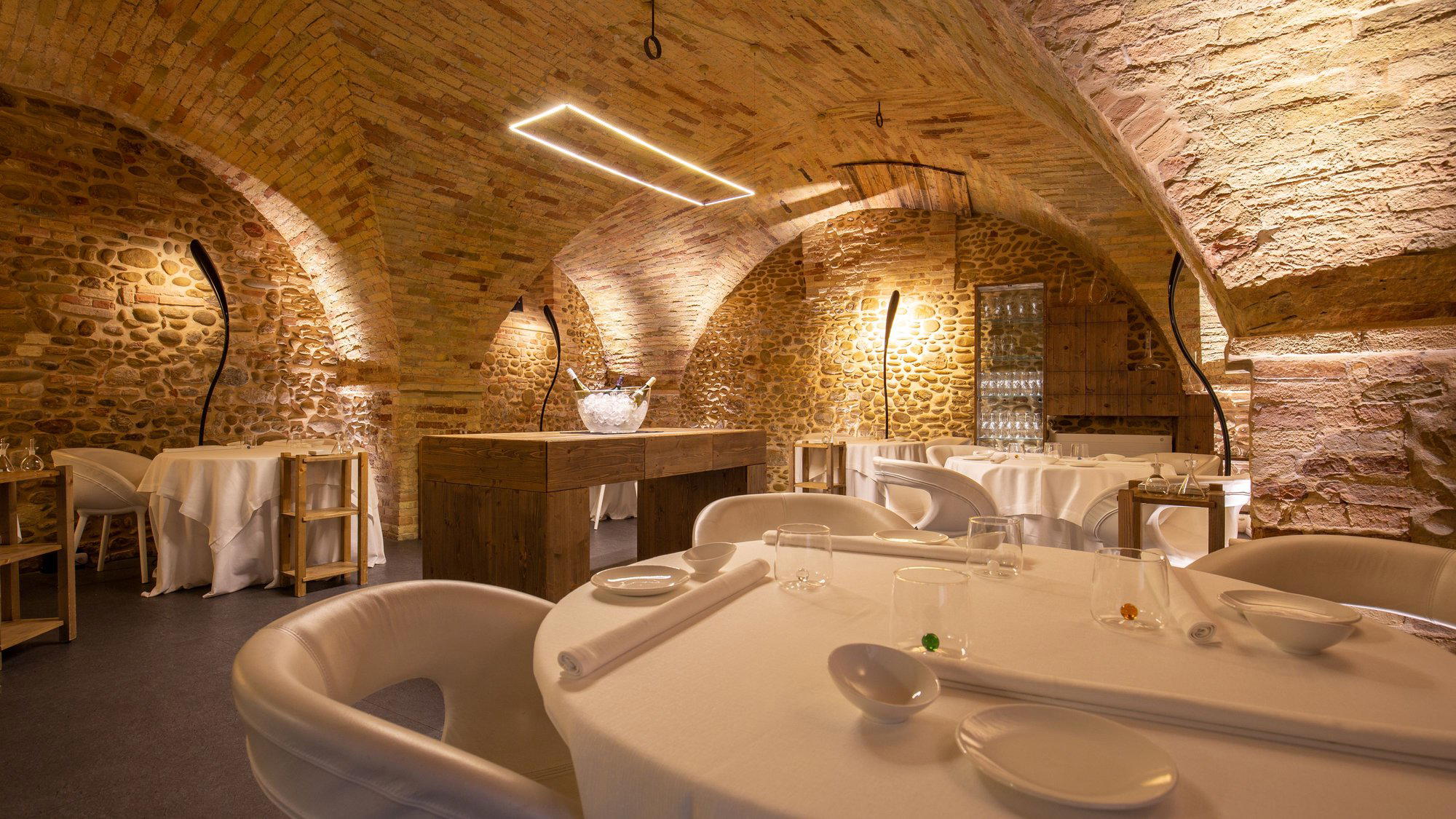
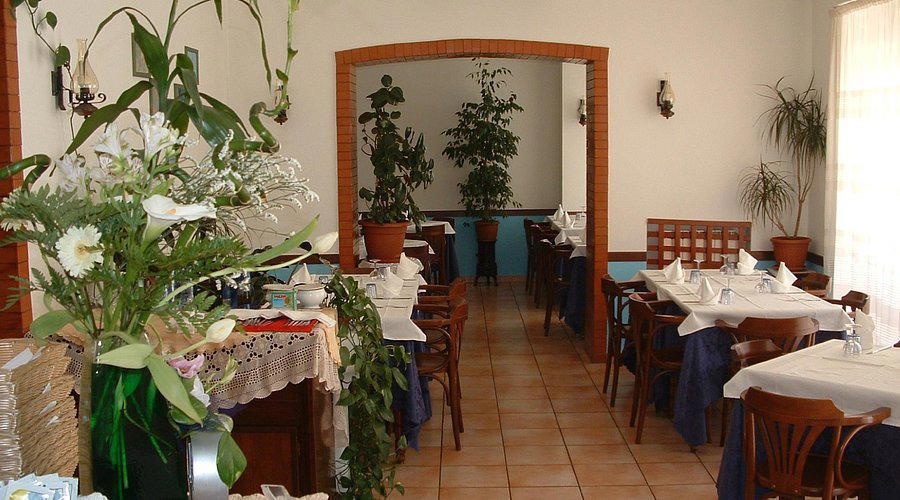
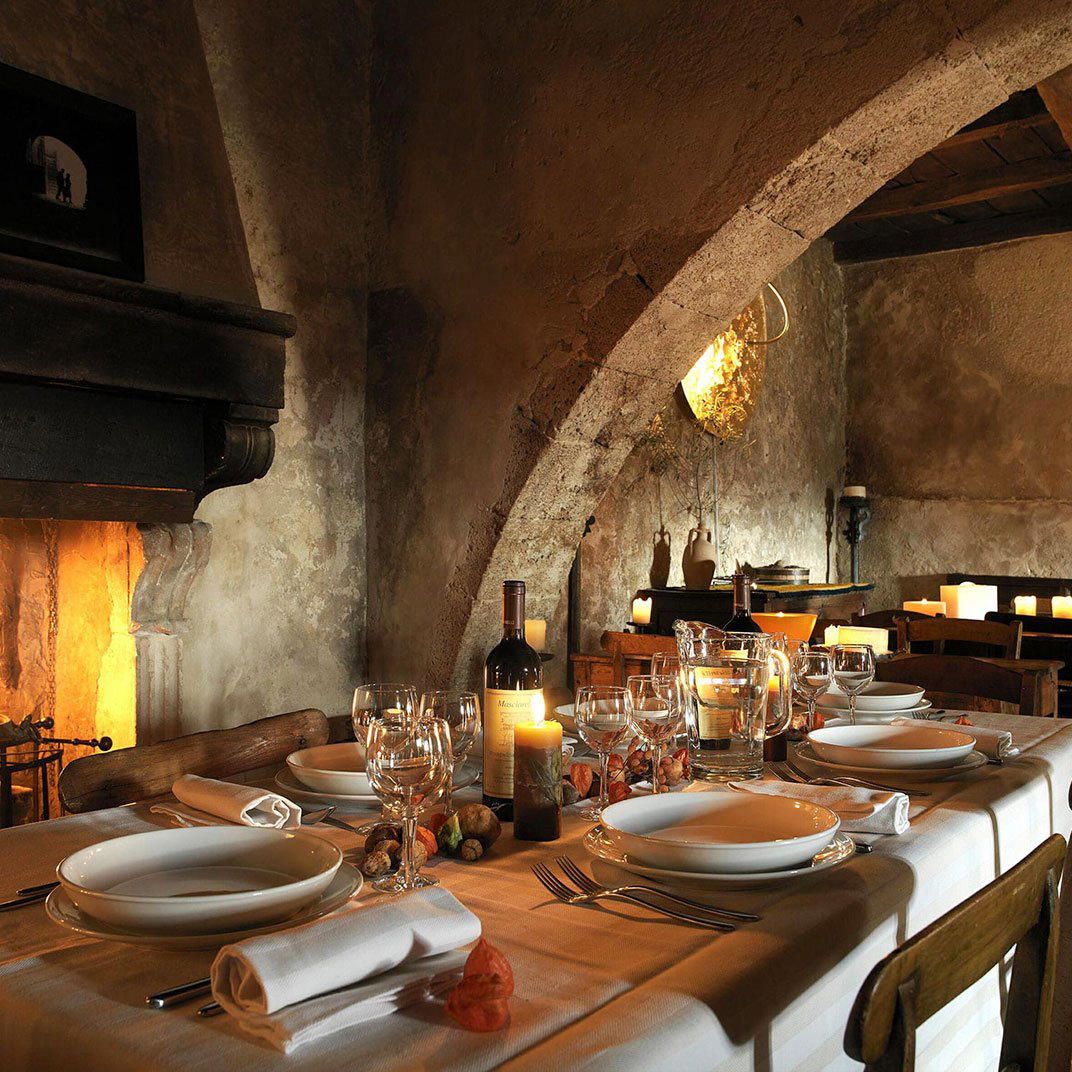
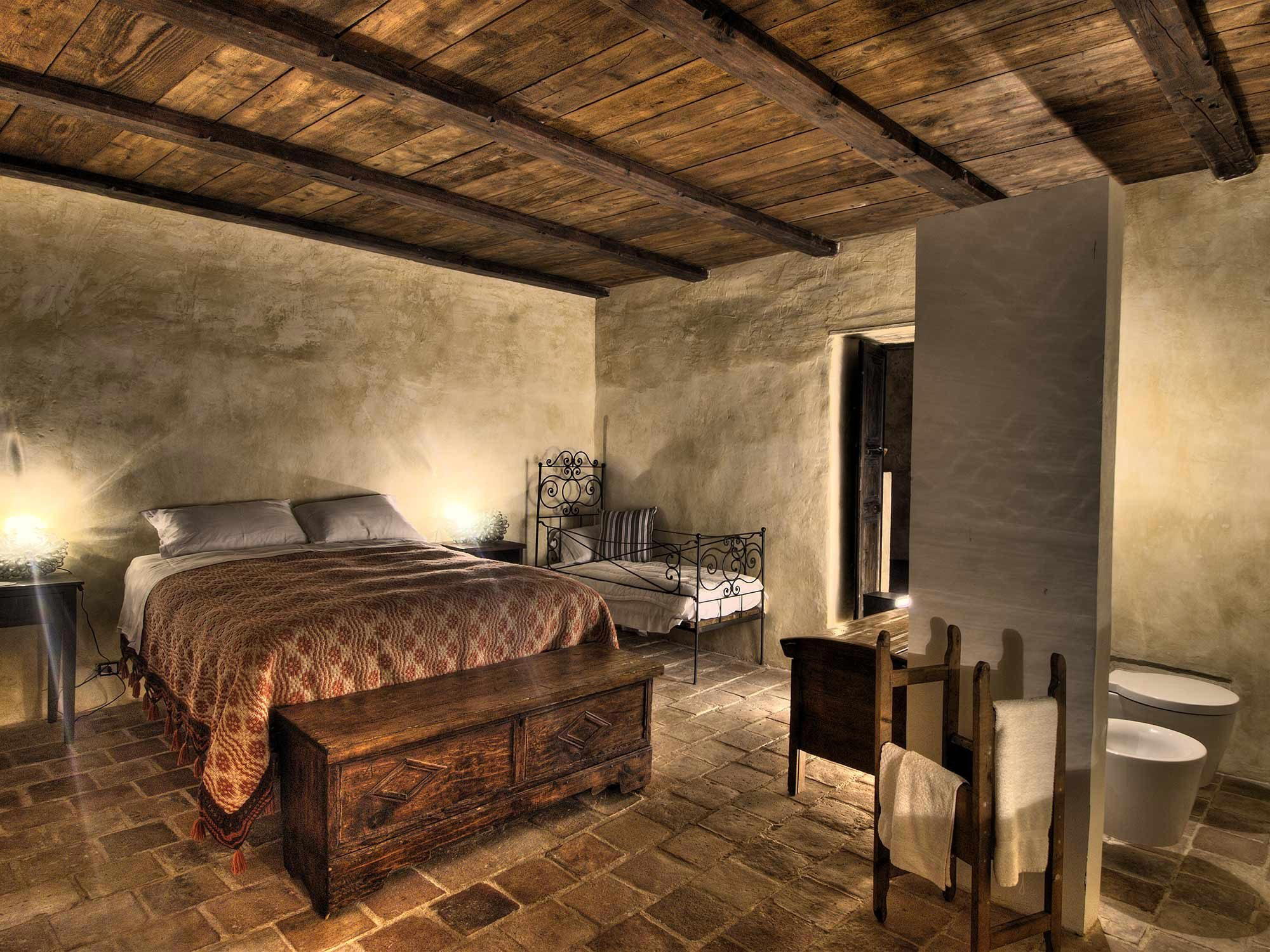
Warm, inviting atmosphere in a restored historic farmhouse with serene, tranquil lighting enhanced by panoramic countryside views.