D.one Ristorante Diffuso

D.one Ristorante Diffuso occupies multiple small rooms across Montepagano's medieval borgo, functioning less like a conventional restaurant and more like a village-within-a-village dining sequence. Chef Davide Pezzuto draws on Abruzzese culinary tradition with quiet inflections from his Puglian background, while the service layer adds historical context that positions the meal squarely within the region's layered past.
Pearl is the En Primeur Club membership app — saves, bookings, and concierge access live there. Same editors, same standards.
- Address
- Via del Borgo, 1, 64026 Montepagano TE, Italy
- Phone
- +39 085 894 4508
- Website
- donerestaurant.it
- Directions
- Get directions
 Saves & bookings on Pearl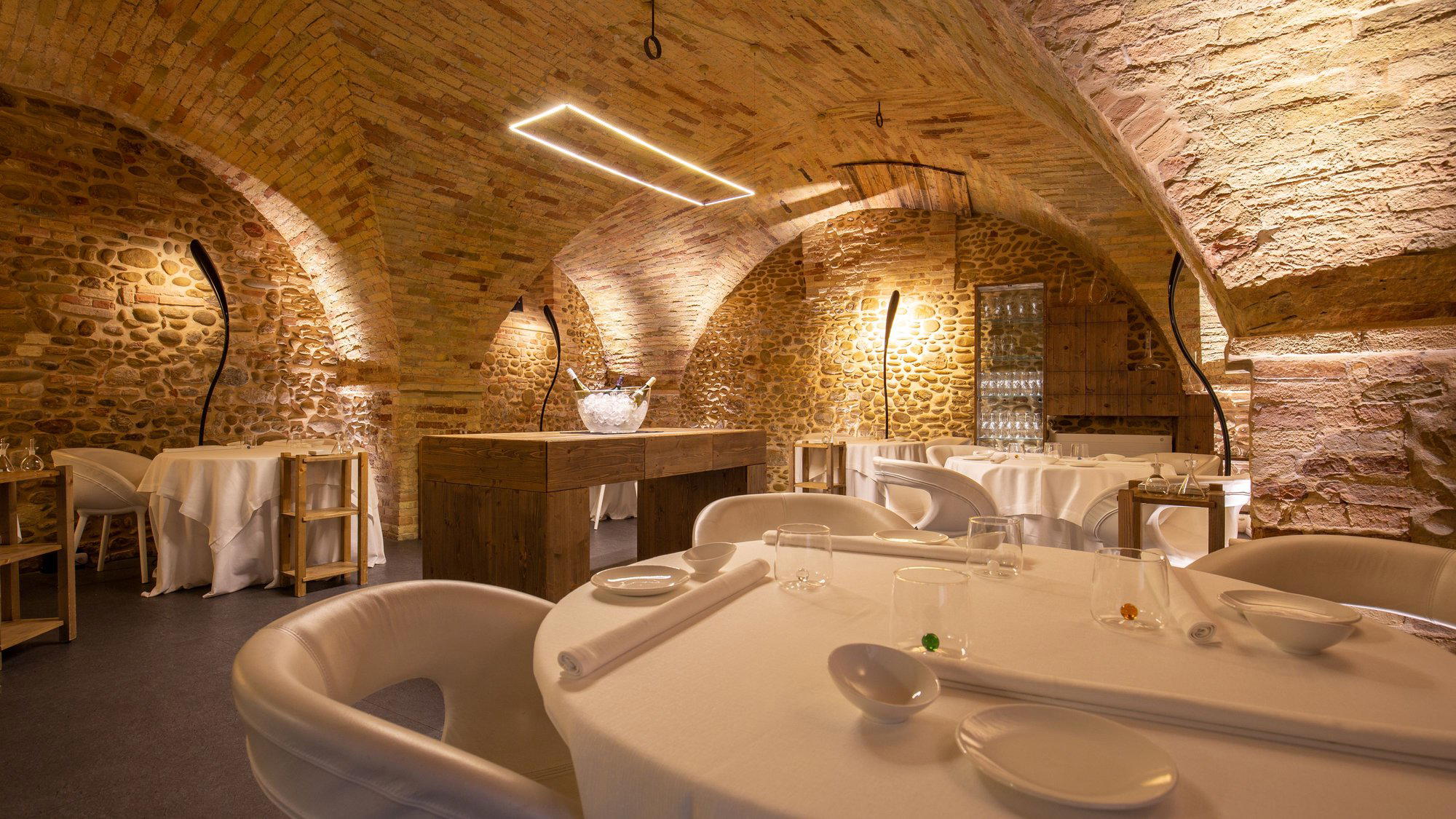
A Village That Becomes the Dining Room
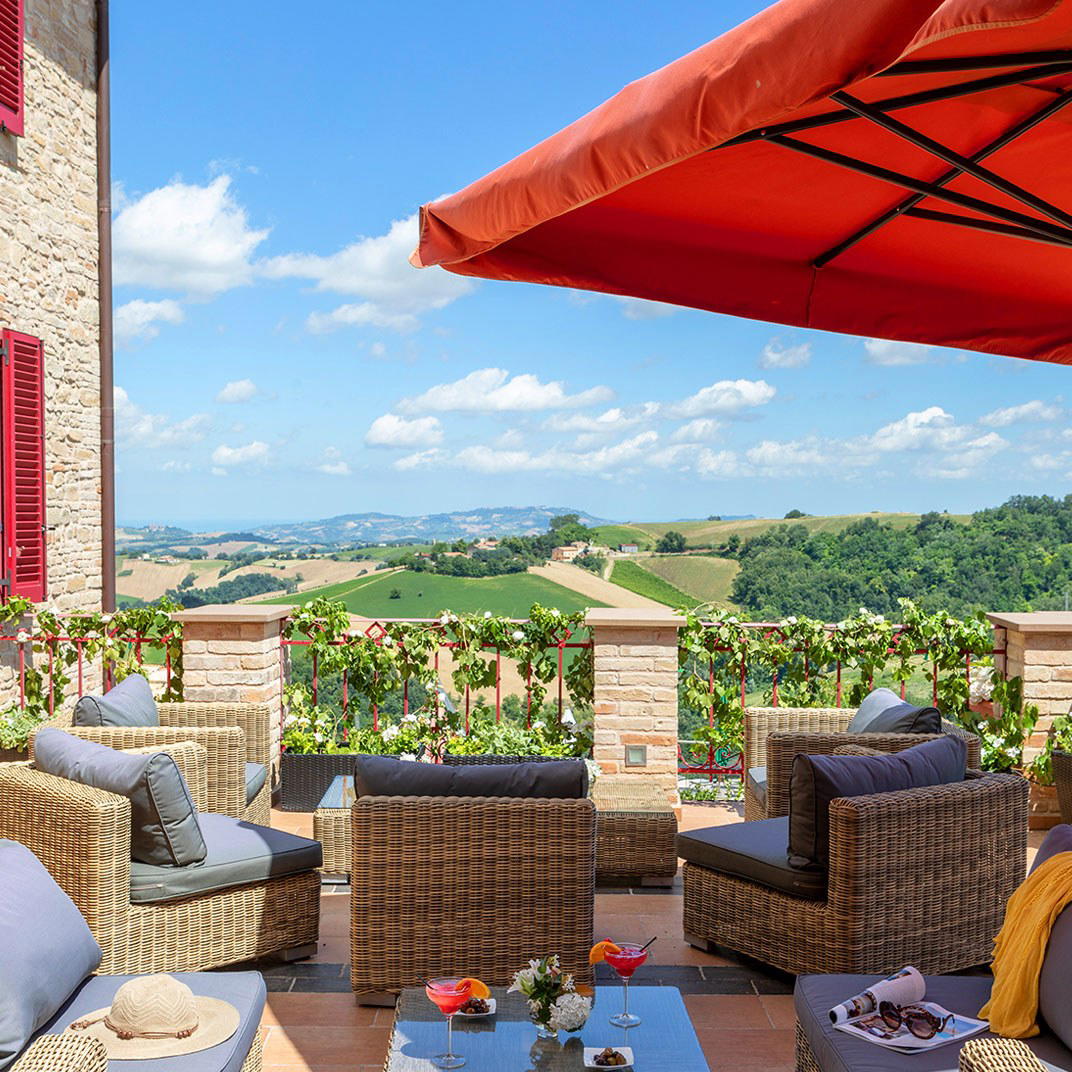
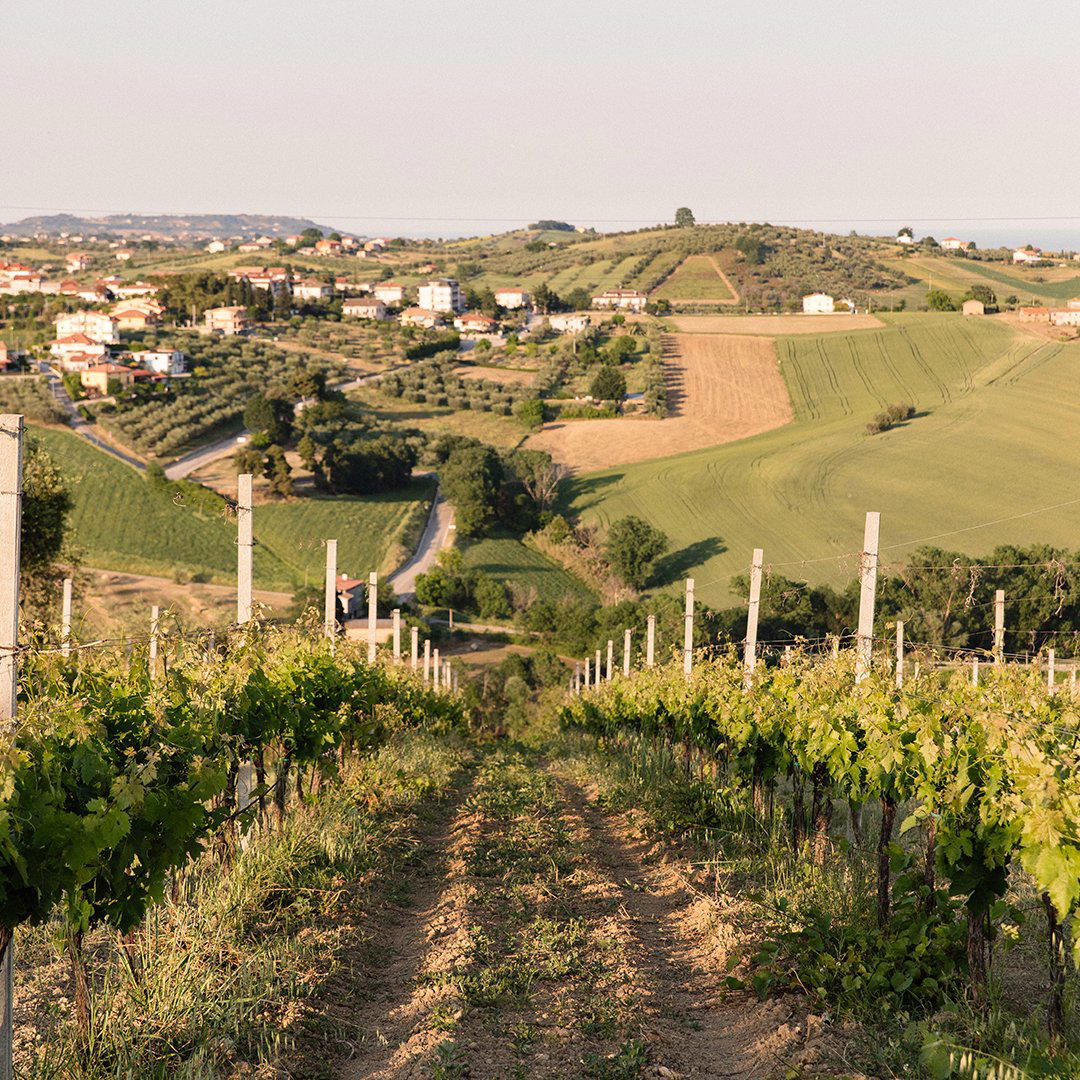
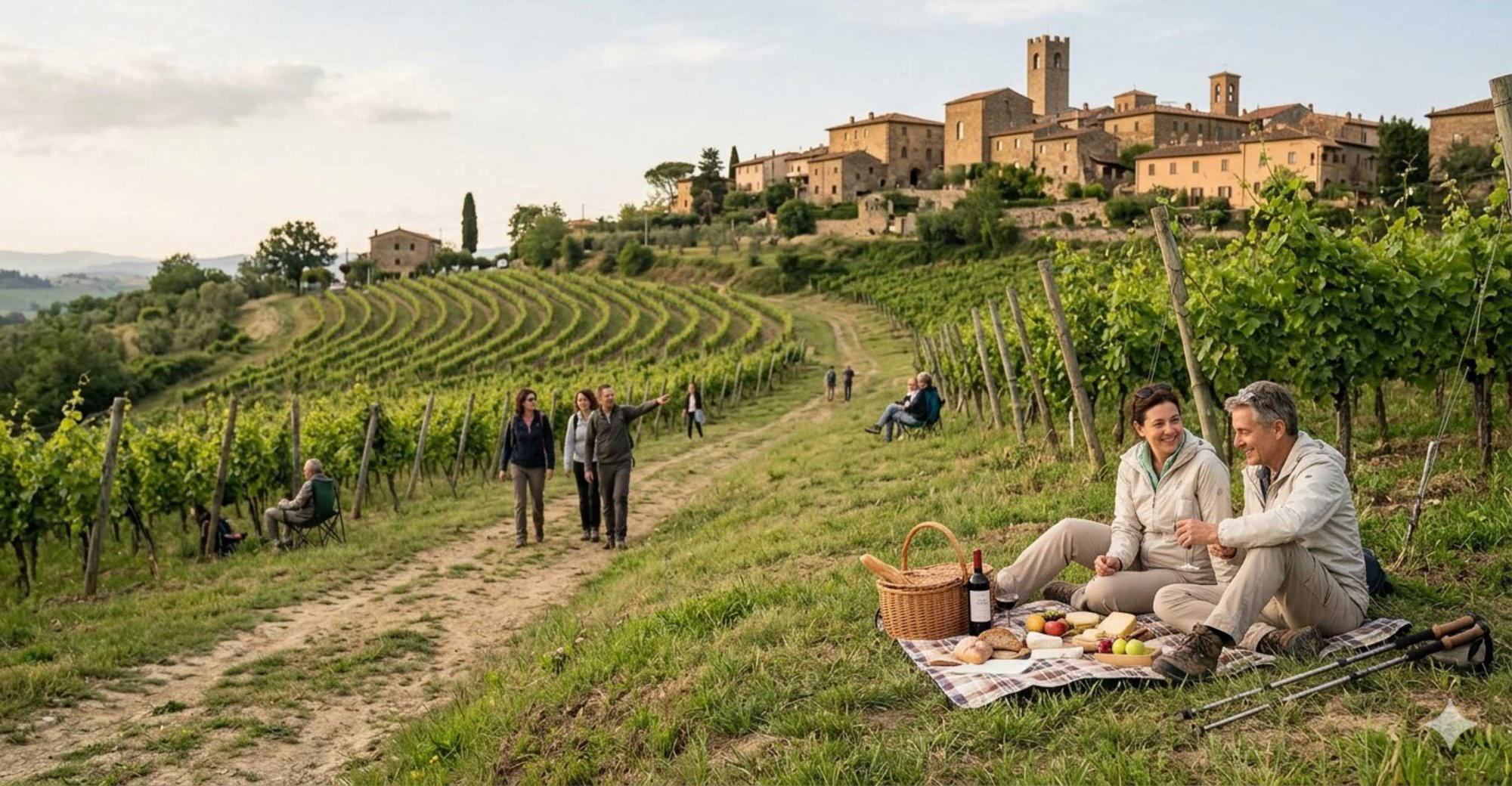
The hill towns of the Abruzzo interior have long held a particular relationship with the land beneath them: terraced olive groves, sheep pasture, and Adriatic proximity all folded into a cuisine that resists metropolitan refinement. Montepagano, perched above the Vomano valley in the province of Teramo, is a small medieval borgo that most visitors to central Italy bypass entirely in favour of better-known hill towns further north or west. That relative obscurity is precisely what makes it worth the detour, and D.one Ristorante Diffuso is the clearest argument for the journey.
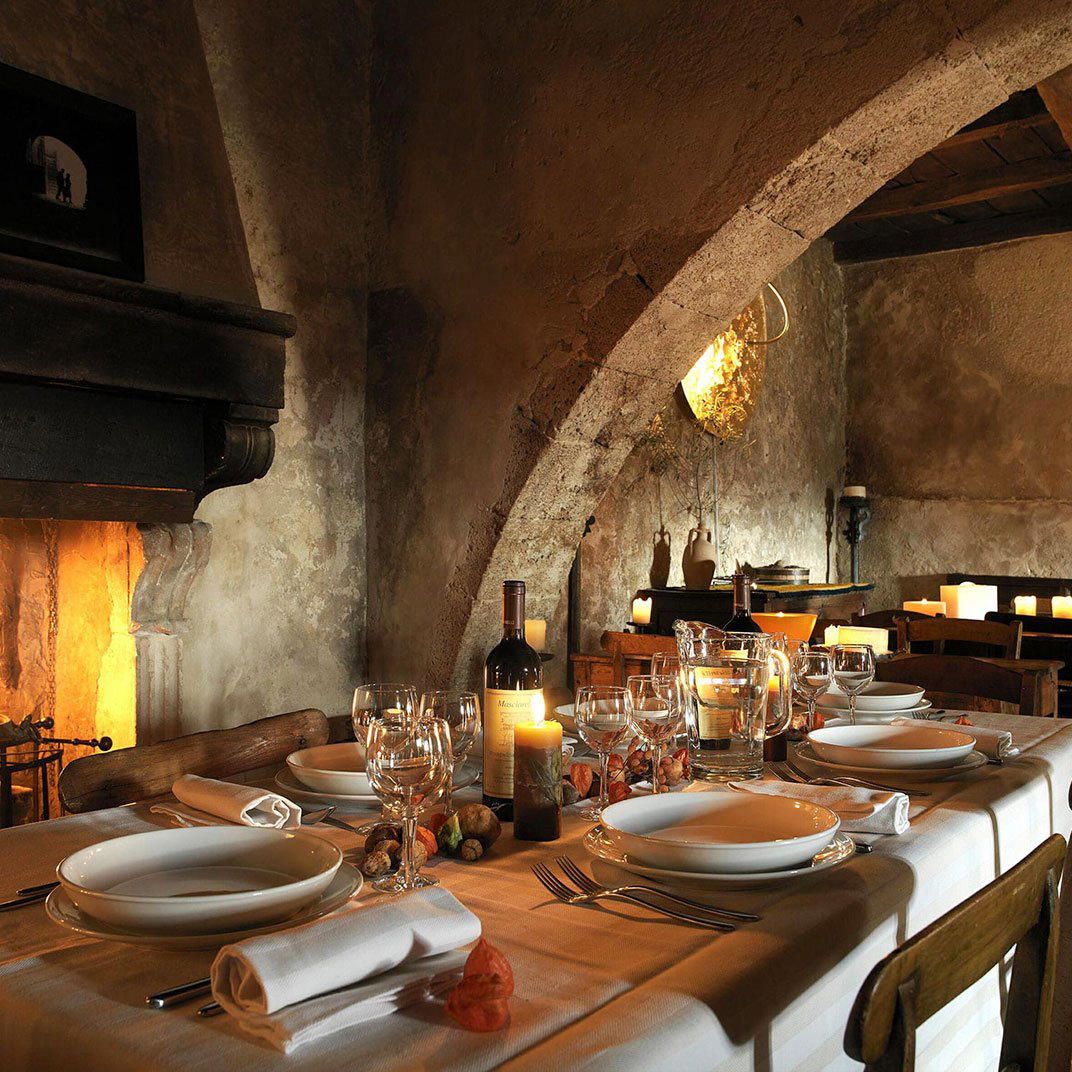
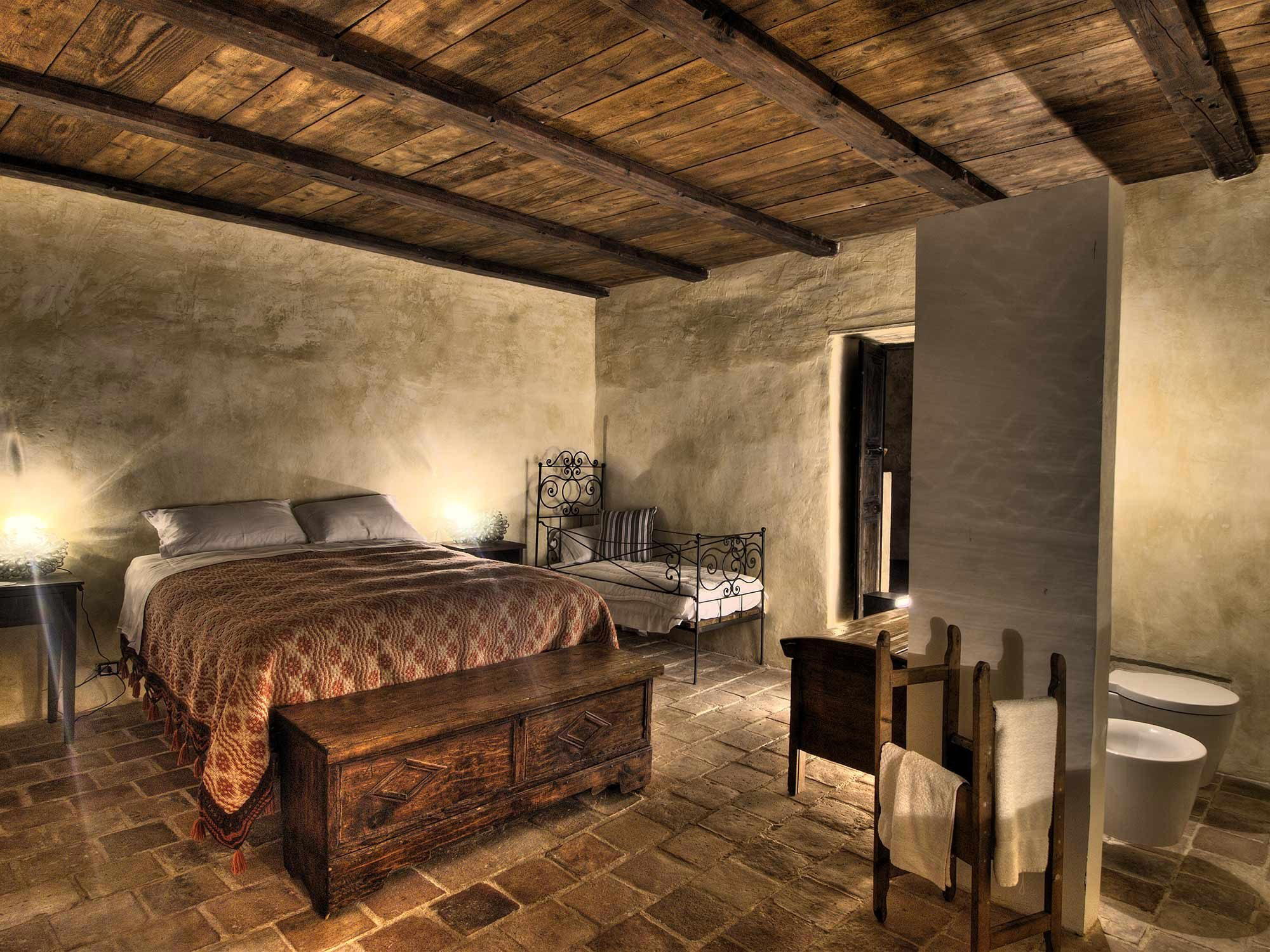
The format here is what distinguishes it from any conventional dining address. Rather than a single room or a restaurant occupying a ground floor, D.one is diffuse in the literal sense: different courses are taken in different spaces across the borgo, each small room decorated with modern artworks that sit against aged stone walls without apology. Arriving, you move through the village itself as part of the meal's structure. The architecture does the work that a designed interior might otherwise do at a city restaurant, and the effect is of eating inside a lived-in historical object rather than a curated backdrop.
What the Region Puts on the Plate
Abruzzese cooking has never fully entered the international conversation the way Sicilian or Piedmontese cuisine has, which is partly a function of infrastructure and partly a function of the region's own preference for feeding itself well rather than performing for outside observers. The food produced between the Gran Sasso massif and the Adriatic coast is among the more ingredient-driven in Italy: lamb from the high pastures, saffron from around L'Aquila, chitarra pasta cut from locally milled flour, and a cheese tradition shaped by transhumance rather than artisan marketing. Chef Davide Pezzuto's cooking at D.one is framed around this regional inheritance, and the approach is grounded enough that the sourcing logic comes through clearly on the plate.
Pezzuto carries an additional layer to his sourcing perspective: a background from Puglia, which shares with Abruzzo a southern agricultural directness but draws on different ingredients, particularly legumes, orecchiette traditions, and Adriatic fish species that overlap with but differ from those off the Abruzzese coast. That Puglian sensibility surfaces occasionally in his menu as a counterpoint rather than a dominant voice, an occasional brightness or a different handling of olive oil that signals a kitchen thinking laterally about its region without abandoning it. This is a meaningfully different positioning from the approach taken at the country's highest-tier modern restaurants, such as Osteria Francescana in Modena or Le Calandre in Rubano, where the ambition is explicitly to reframe national culinary identity. Here, the ambition is closer and quieter: to serve this specific valley's produce with craft and occasional surprise.
History as an Ingredient
The service format at D.one adds a layer that most restaurants cannot manufacture. The restaurant owner accompanies the meal with accounts of Montepagano's past, drawing on a detailed knowledge of the borgo's history. This oral dimension matters more than it might seem. The region around Teramo carries a genuinely complex historical record, with Saracen raiding and brief dominance leaving traces in place names, trade routes, and, as it turns out, in the town's coffee culture.
That point arrives at the end of dinner, in the form of a Turkish coffee prepared from a recipe recovered from the town's museum archive, a documented reference to the Saracen presence in the area approximately a thousand years ago. This is not a novelty gesture or a themed performance. It is a provable historical connection presented through a beverage, and it reframes the close of the meal as a small act of material history. Few Italian restaurants at any price point manage to integrate local archival research this directly into the dining sequence.
Where D.one Sits in the Broader Picture
The €€€ pricing positions D.one firmly below Italy's upper-tier three-Michelin-star destinations, which cluster in the €€€€ bracket and include addresses like Enoteca Pinchiorri in Florence, Enrico Bartolini in Milan, Dal Pescatore in Runate, and Piazza Duomo in Alba. At those addresses, the investment is partly in the food itself and partly in the constructed experience of eating at a globally discussed institution. D.one operates outside that framework entirely. The investment is in place, history, and a kitchen that sources with clear regional logic. For readers accustomed to evaluating fine dining through international comparison sets that include, say, Le Bernardin in New York City or Atomix in New York City, D.one represents a different kind of argument for what a serious meal can be.
The restaurant also sits in a culinary region that shares Adriatic latitude with Senigallia, home to Uliassi, and is not far removed from the Campanian coastline where Quattro Passi in Marina del Cantone operates. Understanding those peer contexts helps clarify what D.one is doing differently: not chasing Adriatic seafood prestige or Campanian visibility, but working inward toward the agricultural interior. It is also worth reading Casa Perbellini 12 Apostoli in Verona as a data point for how Italian restaurants can hold historical weight inside a contemporary format, even if the execution styles are distinct.
Planning the Visit
Montepagano is a small hill town in the province of Teramo, accessible from the A24 motorway that runs between L'Aquila and the Adriatic coast. The nearest significant urban centre is Giulianova, a few kilometres below on the coast. Because the restaurant functions across multiple spaces in a borgo that has limited infrastructure for large visitor volumes, advance booking is advisable rather than optional. Given the multi-room format, arriving without a reservation risks finding the sequence incomplete or unavailable. Contact through the venue's own channels is the method to confirm. Plan the evening with time on either side: the pacing of a diffuse-format meal does not reward rushing, and the borgo itself warrants some time before or after.
Comparable Spots, Quickly
Comparable venues nearby, for context on price, style, and recognition.
| Venue | Cuisine | Price | Awards | Notes |
|---|---|---|---|---|
| D.one Ristorante DiffusoThis venue — the venue you are viewing | Modern Abruzzese | $$$$ | Michelin 1 Star | Not listed |
| Retroscena | Contemporary Italian Fine Dining | $$$$ | Michelin 1 Star | Porto San Giorgio historic center |
| Vespasia | Modern Umbrian Fine Dining | $$$$ | Michelin 1 Star | historic center |
| Volta del Fuenti by Michele De Blasio | Modern Campanian Fine Dining | $$$$ | Michelin 1 Star | Vietri sul Mare |
| Don Geppi | Modern Italian Fine Dining | $$$$ | Michelin 1 Star | Sant' Agnello |
| Ada | Modern Italian Fine Dining | $$$ | Michelin 1 Star | historic centre |
Recognition history
Dated appearances from independent guides and award organizations, with the underlying list record or original source where available.
Michelin 1 Star
Michelin
Michelin 1 Star
Michelin
Continue exploring
More in Montepagano
Restaurants in Montepagano
Browse all →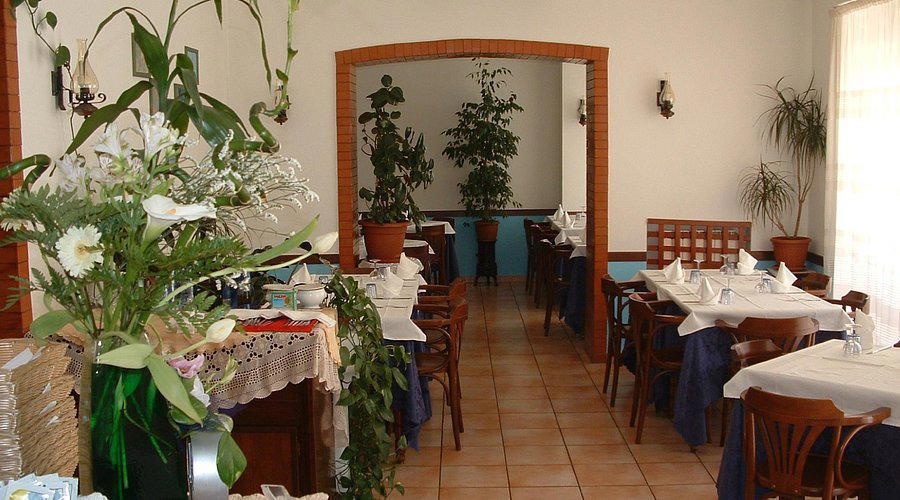
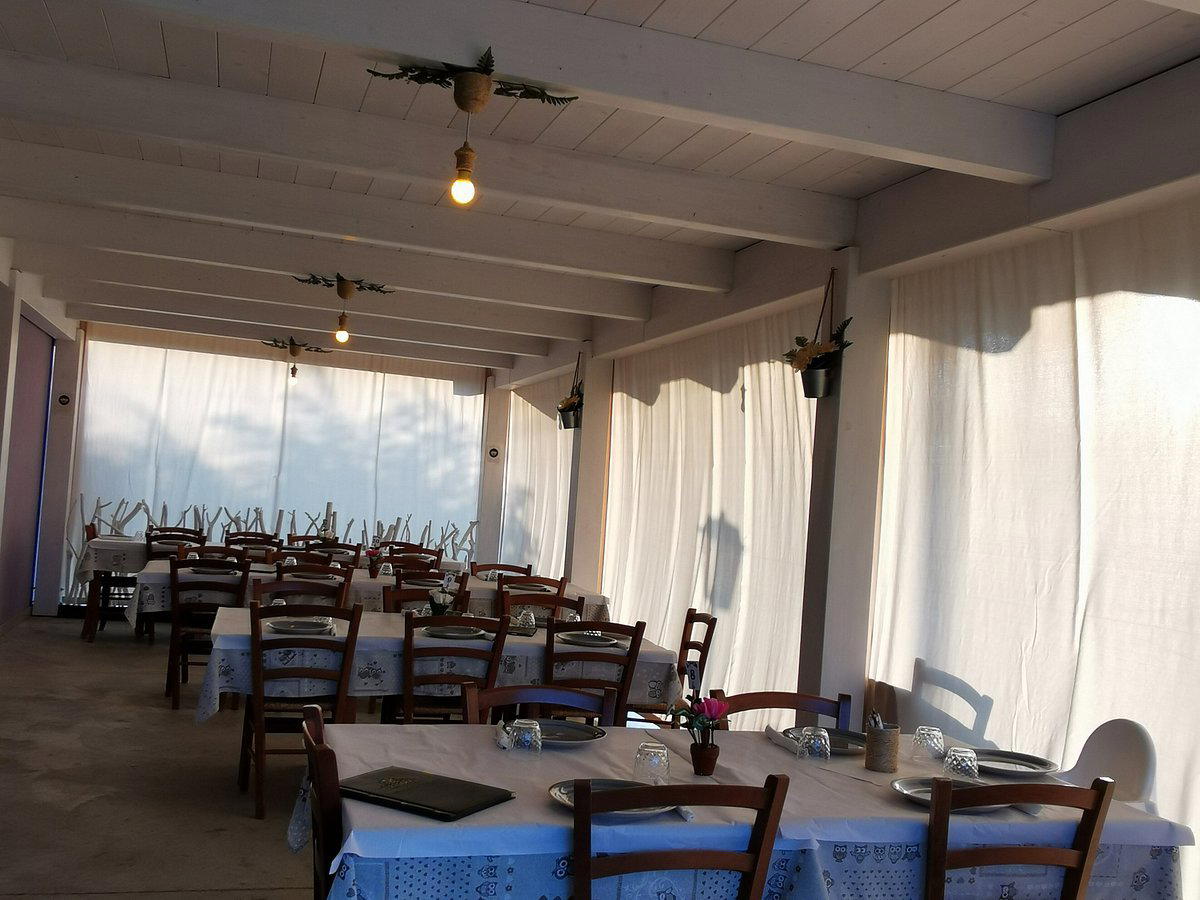
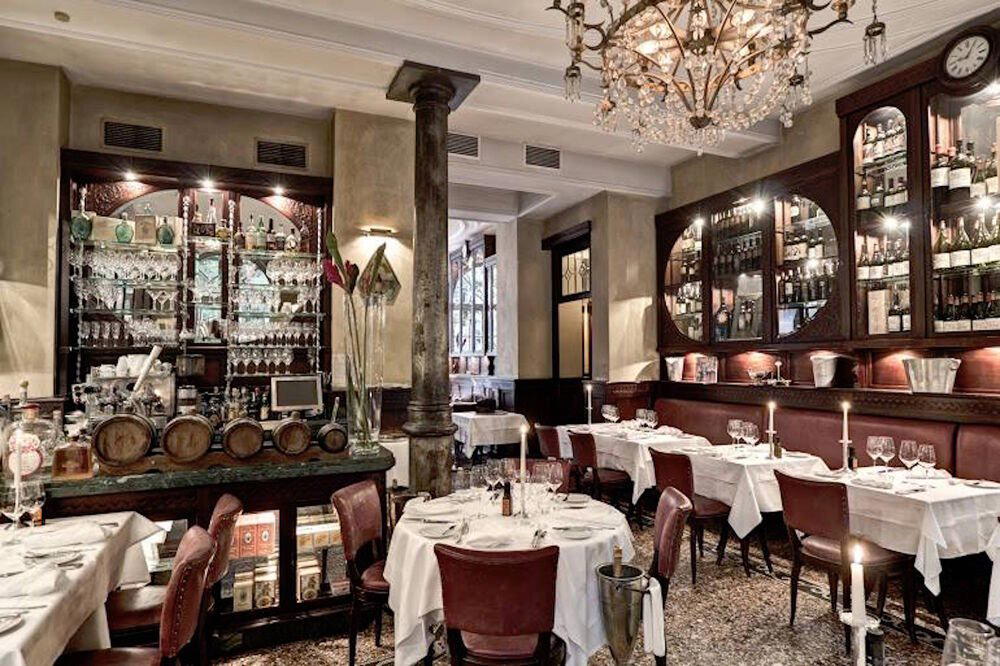
Hotels in Montepagano
Browse all →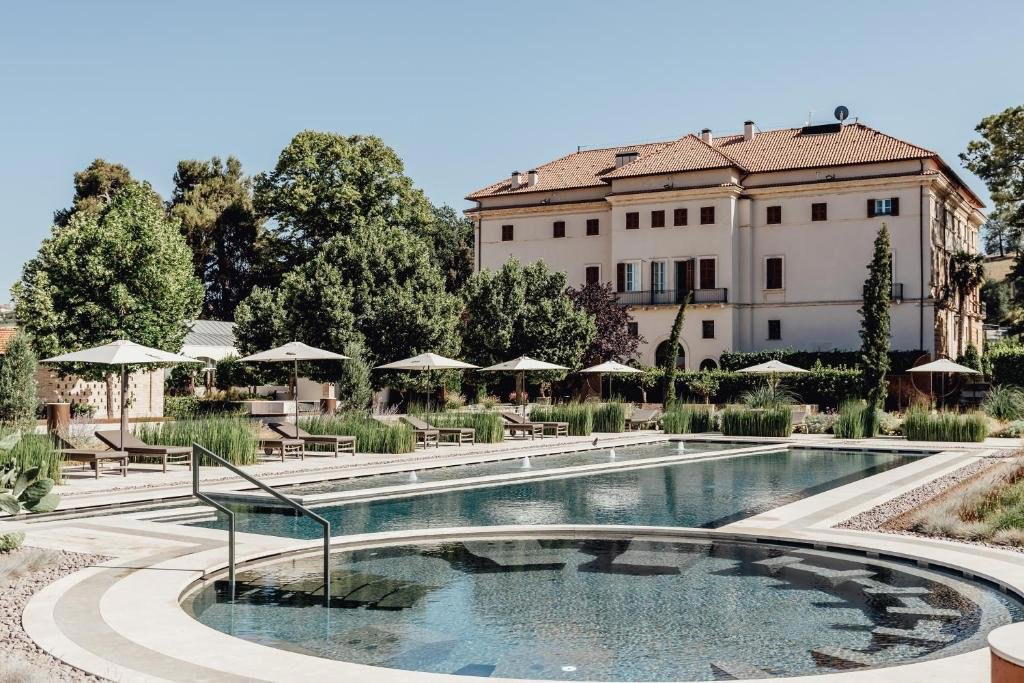

At a Glance
- Romantic
- Cozy
- Elegant
- Intimate
- Sophisticated
- Date Night
- Special Occasion
- Celebration
- Historic Building
- Design Destination
- Hotel Restaurant
- Extensive Wine List
- Sommelier Led
- Local Sourcing
- Street Scene
Current opening hours
- Monday
- Closed
- Tuesday
- 7:30 PM–12 AM
- Wednesday
- 7:30 PM–12 AM
- Thursday
- 7:30 PM–12 AM
- Friday
- 7:30 PM–12 AM
- Saturday
- 7:30 PM–12 AM
- Sunday
- 12:30–3 PM
Hours can change for holidays and private events. Last verified .
Cozy and romantic with soft lighting, modern art in intimate small rooms, warm and lively service creating an elegant, home-like atmosphere.