Caffè Meletti

Michelin Plate
Our verdict
On Ascoli Piceno's Piazza del Popolo, Caffè Meletti occupies the upper floor of the historic café that gave the world its namesake aniseed liqueur. The kitchen works within the Marche tradition, drawing on both inland and Adriatic sources to produce regional cooking that reads as simple but requires precision. A Michelin Plate in 2024 and 2025 confirms its position in the city's serious dining tier.

Pearl is the En Primeur Club membership app — saves, bookings, and concierge access live there. Same editors, same standards.
- Address
- Piazza del Popolo, 56, 63100 Ascoli Piceno AP, Italy
- Phone
- +39 0736 255559
- Hours
- Mon ClosedTue–Thu 8 AM–11 PMFri–Sat 8 AM–12 AMSun 8 AM–11 PM
- Website
- caffemeletti.it
- Directions
- Get directions
The menu
What to order
- Caffè Meletti
- Anisetta Meletti
- Olive all'ascolane
A Square That Sets the Terms
Piazza del Popolo is not a backdrop in Ascoli Piceno — it is the city's central argument for its own importance. Lined in travertine arcades and anchored by the Palazzo dei Capitani, it ranks among the most coherent Renaissance squares in central Italy. Caffè Meletti occupies the ground floor of one of those arcaded buildings at number 56, its terraced upper room and loggia positioned to face the square directly. Arriving at the piazza in the late afternoon, when the stone shifts from white to amber, you understand immediately why the terrace here has been a fixture of local life for over a century. The physical setting does significant editorial work before a single dish arrives.
From Liqueur Counter to Kitchen Table
The Marche region has a specific and underappreciated problem: it sits between better-known food territories. To the north, Emilia-Romagna commands global recognition. To the south, Abruzzo has built an identity around its sheep-grazing highlands. The Marche — with one coast on the Adriatic and an interior threaded with river valleys and hill towns, produces ingredients that supply other regions' reputations without always claiming credit for its own. Caffè Meletti sits in that context as a particular kind of institutional bridge: the ground-floor bar is the original home of Meletti aniseed liqueur, a distillate with a verifiable 19th-century history that remains produced in Ascoli Piceno to this day. The restaurant on the first floor inherits that civic identity while directing its energy toward the regional table rather than the bottle. For a broader picture of where Caffè Meletti sits within the city's dining options, see our full Ascoli Piceno restaurants guide.
Where the Ingredients Come From, and Why That Matters
Marche cooking has always been dual-sourced. The Adriatic coastline, which runs the full eastern edge of the region, supplies brodetto, cuttlefish, razor clams, and a rotating cast of seasonal catch. The interior, within an hour's drive of Ascoli Piceno, yields lamb, pork, black truffles from the Sibillini foothills, olives pressed into the region's DOP oil, and the locally grown lentils from Castelluccio, which hold Protected Designation of Origin status. The kitchen at Caffè Meletti works within this dual-sourcing logic: the menu description points explicitly to both regional and maritime inspiration, which in Marche terms means the kitchen is not choosing one territory over the other but navigating both.
That approach is more demanding than it sounds. Adriatic fish cookery requires restraint and timing. Interior Marche cuisine tends toward longer braises, cured meats, and grain-based preparations. Producing a menu that reads coherently across those two registers, without defaulting to fusion confusion, places real constraints on the kitchen. The Michelin Plate recognition in both 2024 and 2025 indicates the kitchen is meeting those constraints at a level worth a detour, the Plate category marks consistent quality cooking, distinct from starred venues but well above the undifferentiated mid-market. For comparison, the starred register in Italian dining at its upper end includes venues like Uliassi in Senigallia, itself an Adriatic-focused kitchen on the Marche coast, and Reale in Castel di Sangro to the south. Caffè Meletti operates at a different price point and ambition tier, but the sourcing logic it shares with those kitchens is the same: regional ingredients, coastal and inland, treated with enough technique to justify the billing.
Other Cuisine from the Marches practitioners in the Michelin record include Anticofurlo in Acqualagna and Il Casolare dei Segreti in Treia, both working within similar ingredient geographies. The broader Italian fine-dining tier, Osteria Francescana in Modena, Dal Pescatore in Runate, Enoteca Pinchiorri in Florence, Enrico Bartolini in Milan, Le Calandre in Rubano, Piazza Duomo in Alba, Quattro Passi in Marina del Cantone, Casa Perbellini 12 Apostoli in Verona, and Atelier Moessmer Norbert Niederkofler in Brunico, occupy a separate starred tier where tasting menus and investment-grade wine lists define the format. Caffè Meletti is priced at €€, which puts it in reach of a wider audience and positions it as the kind of address a knowledgeable traveller builds a lunch or dinner around without requiring a formal occasion.
The Terrace and What It Tells You About Timing
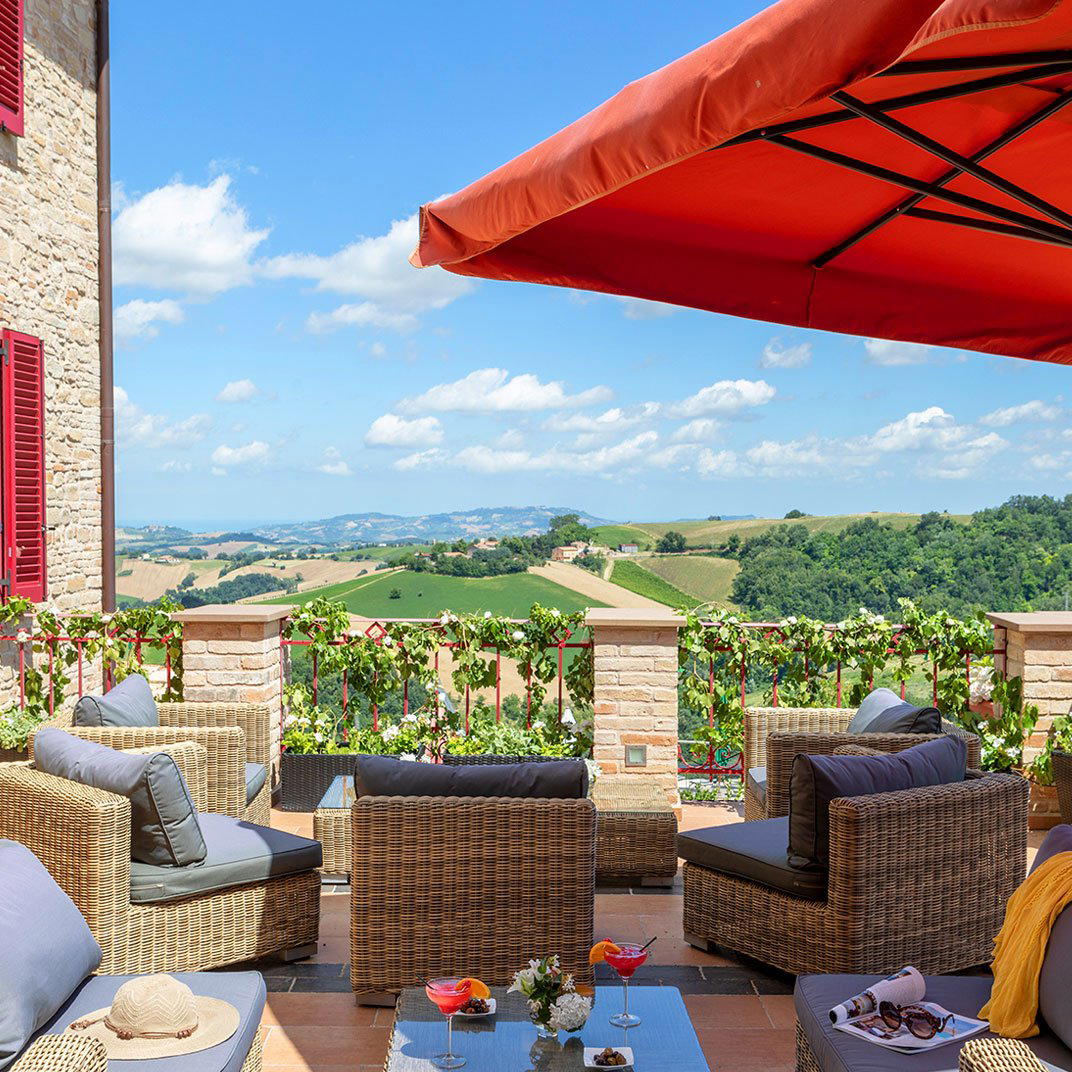
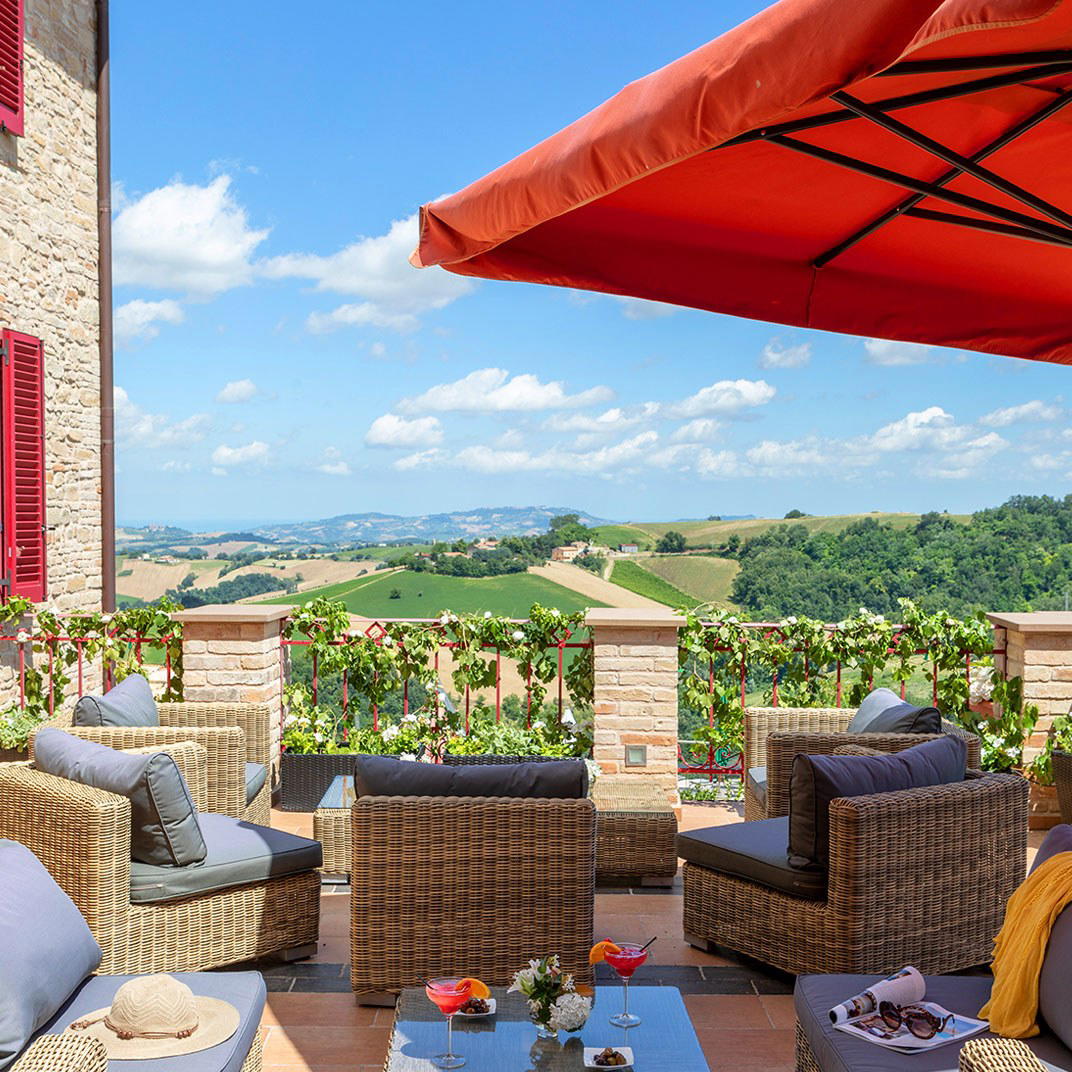
In central Italian piazza culture, terrace seating is not a supplement to the indoor room, it is the primary product. At Caffè Meletti, the terrace overlooking Piazza del Popolo is specifically noted as a feature worth seeking out, which in practical terms means it fills earlier than the indoor tables on warmer evenings. The city's passeggiata, the early-evening walking ritual that animates Ascoli Piceno's centro storico, passes directly through this square, which means terrace dining here has a different register than terrace dining in a quieter location. You are seated inside an active social event, not observing it from a distance.
At lunchtime, the kitchen offers faster formats alongside the main menu, which makes the address viable for visitors working through the city's compact historic centre, the Piazza del Popolo itself, the church of San Francesco, and the Museo dell'Arte Ceramica are all within walking distance. The €€ price range holds across both service formats, keeping the address accessible without the sense that the quick-lunch option is a compromise product.
Planning Your Visit
Caffè Meletti is at Piazza del Popolo 56 in Ascoli Piceno, directly on the main square. The €€ price range puts it in a comfortable bracket for a dedicated lunch or dinner without the reservation pressure of starred venues, though terrace tables during peak summer months and weekends merit advance booking given the square's draw. The ground-floor café operates independently and is worth visiting on its own terms for a Meletti aniseed digestivo after eating.
For more on where to stay, drink, and explore in the area: our full Ascoli Piceno hotels guide, our full Ascoli Piceno bars guide, our full Ascoli Piceno wineries guide, and our full Ascoli Piceno experiences guide.
Frequently asked questions
Is Caffè Meletti good for families?
Is Caffè Meletti better for a quiet night or a lively one?
What should I order at Caffè Meletti?
In Context: Similar Options
| Venue | Cuisine | Price | Awards | Notes |
|---|---|---|---|---|
| Caffè MelettiThis venue — the venue you are viewing | Historic Italian Café with Regional Cuisine | $20–30 | Michelin Plate | Not listed |
| Atelier Moessmer Norbert Niederkofler | Italian, Creative | Not listed | Michelin 3 Star | Not listed |
| Dal Pescatore | Italian, Italian Contemporary | Not listed | Michelin 3 Star | Not listed |
| Enoteca Pinchiorri | Contemporary Italian Fine Dining | $200–300 | 3 Michelin Stars · World's 50 Best #32 | Italian - French, Italian Contemporary |
| Enrico Bartolini | Creative | Not listed | Michelin 3 Star | Not listed |
| Osteria Francescana | Avant-Garde Italian Contemporary | $300–500 | 3 Michelin Stars · World's 50 Best #1 | Progressive Italian, Creative |
Recognition history
Dated appearances from independent guides and award organizations, with the underlying list record or original source where available.
Michelin Plate
Michelin
Full recognition history (3 entries)
Michelin Plate
Michelin
Michelin Plate
Michelin
Continue exploring
More in Ascoli Piceno
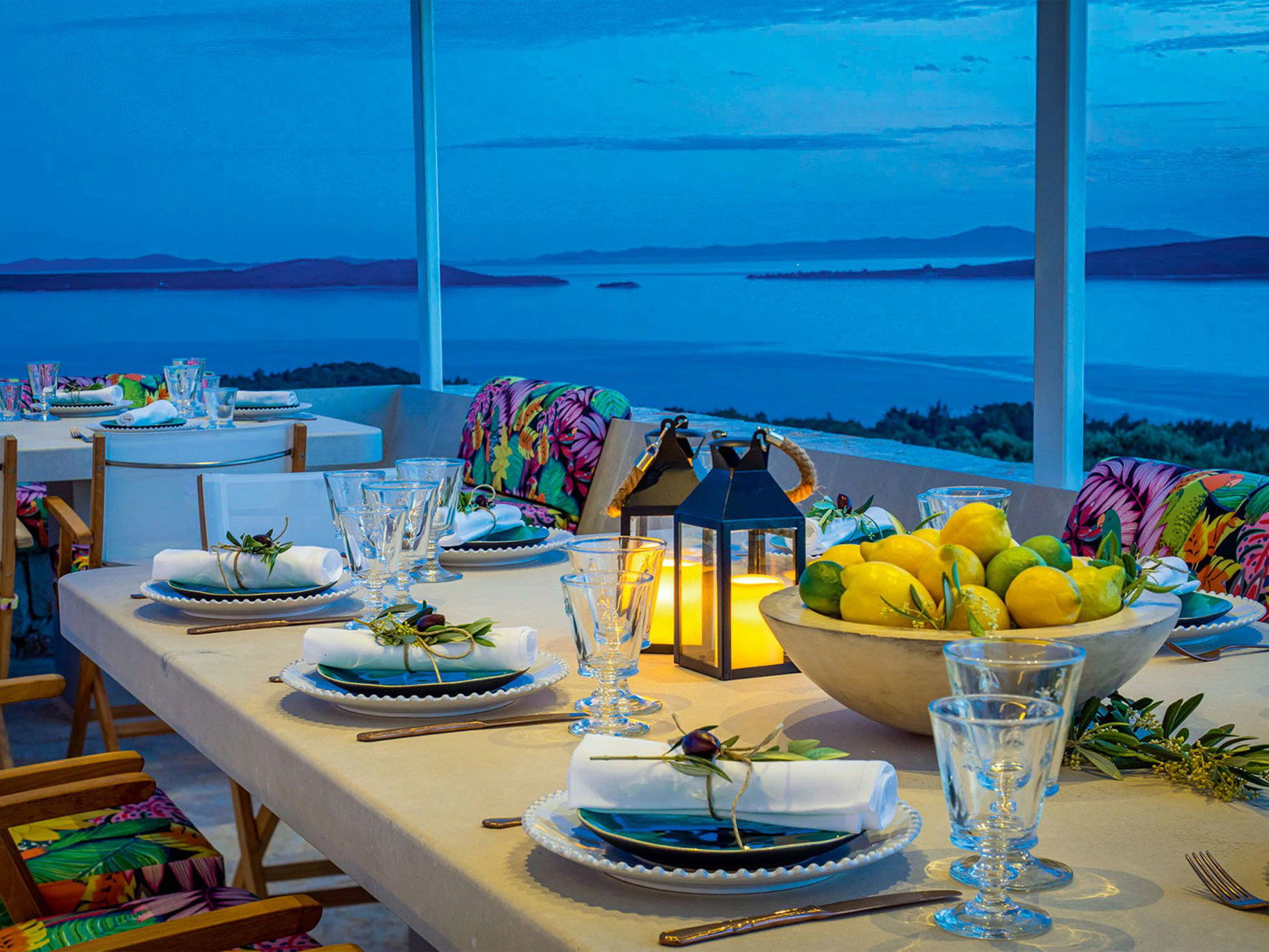
Restaurants in Ascoli Piceno
Browse all →
Bars in Ascoli Piceno
Browse all →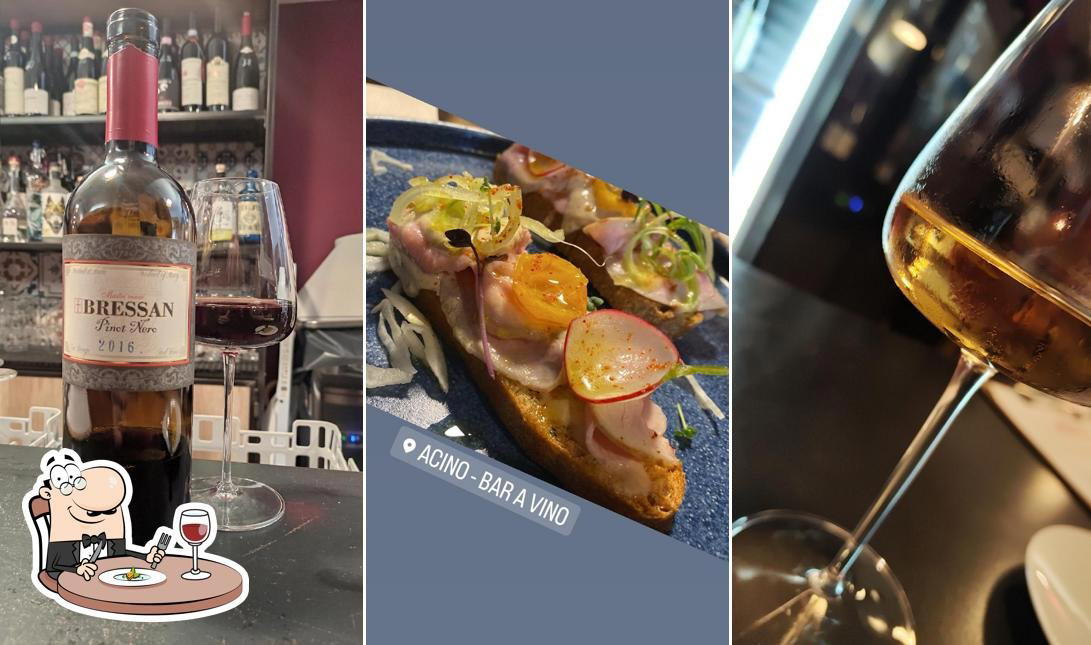
Hotels in Ascoli Piceno
Browse all →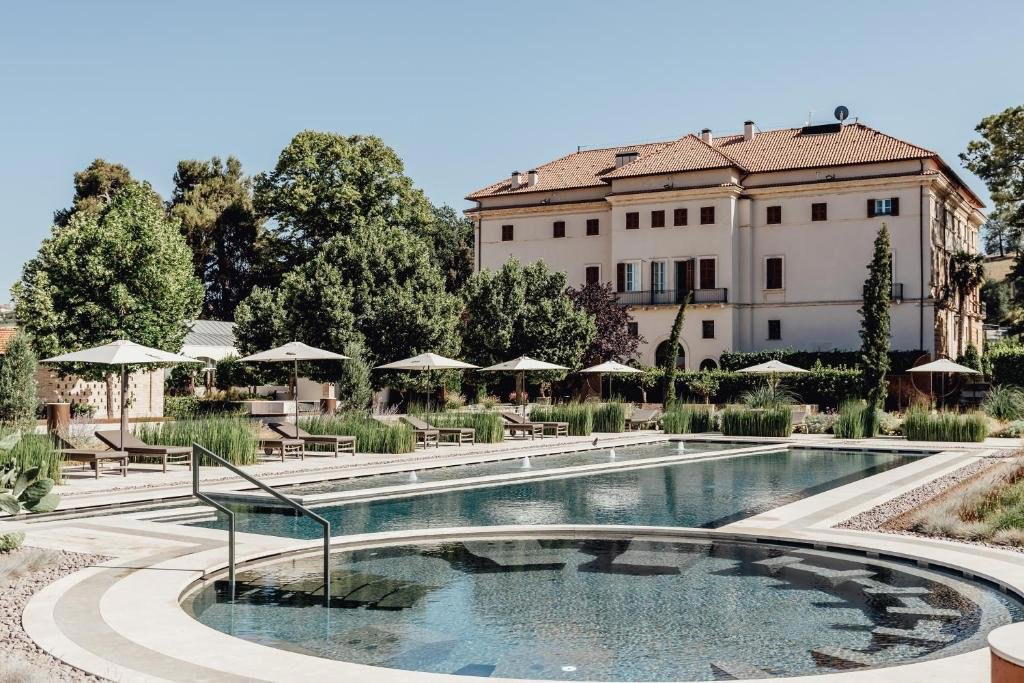

Caffè Meletti
The wine
- Wine program
- Curated wine list
- Extensive wine list
Details
- Classic
- Elegant
- Well Known
- Historic
- Casual Hangout
- Special Occasion
- Historic Building
- Terrace
- Extensive Wine List
- Street Scene
- A La Carte
- Specialty Coffee
- Cocktails
- Vegetarian Friendly
- Vegan Options
Current opening hours
- Monday
- Closed
- Tuesday
- 8 AM–11 PM
- Wednesday
- 8 AM–11 PM
- Thursday
- 8 AM–11 PM
- Friday
- 8 AM–12 AM
- Saturday
- 8 AM–12 AM
- Sunday
- 8 AM–11 PM
Hours can change for holidays and private events. Last verified .
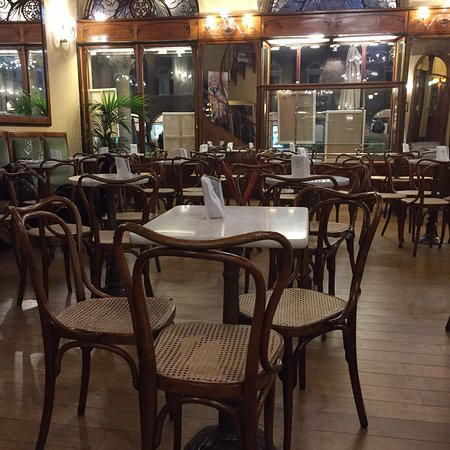
Elegant Art Nouveau interiors with polished wood paneling, plush velvet booths, potted ferns, and vintage charm, creating a turn-of-the-century atmosphere.