
Michelin Plate
Our verdict
A small, unhurried restaurant in Teramo's historic centre, Spoon earns consistent Michelin recognition for its chef Marco Cozzi's reinterpretation of Abruzzese tradition. Trained under Niko Romito, Cozzi works with seasonal, regional produce across two meat-focused tasting menus that balance deep local roots with a contemporary sensibility. Rated 4.7 on Google across 101 reviews, it sits at the mid-range price point for the city.

Pearl is the En Primeur Club membership app — saves, bookings, and concierge access live there. Same editors, same standards.
- Address
- Via Mario Capuani, 61A, 64100 Teramo TE, Italy
- Phone
- +39 345 037 0764
- Hours
- Mon ClosedTue–Wed 7:30 PM–12 AMThu ClosedFri–Sat 7:30 PM–12 AMSun 1–2 PM
- Website
- spoonteramo.jimdofree.com
- Directions
- Get directions
- Booking
- Book on TheFork
Teramo's Old Centre and the Table It Keeps
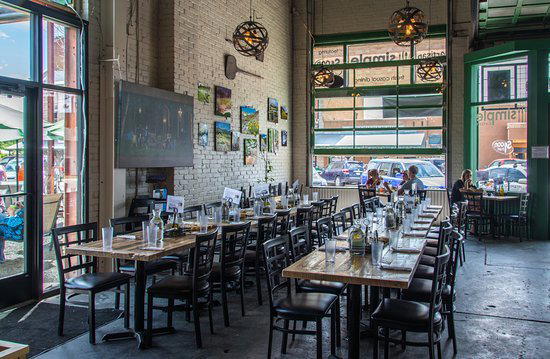
In the narrow streets surrounding Teramo's thirteenth-century cathedral, the built environment hasn't changed much in centuries. The cathedral itself, a layered accumulation of Romanesque, Gothic, and Renaissance interventions, sets the tone for a historic centre where scale is intimate and ornament is serious. Spoon sits just a short walk from that facade, in a small space on Via Mario Capuani with an outdoor terrace that puts diners close to the bells. The physical setting matters here because the cooking insists on it: this is a restaurant that understands itself as part of a place, not merely located in one.
Teramo sits in the Apennine foothills of Abruzzo, a region that has historically produced food culture of considerable depth with comparatively little international exposure. The cucina teramana is among the most codified sub-regional traditions in central Italy, built around slow-cooked meats, hand-rolled pasta formats, and a pantry that includes Navelli saffron from the Gran Sasso plateau, cured pork products, and a range of sheep and goat cheeses. Spoon's menu exists in direct conversation with that tradition rather than at a polite distance from it.
What the Cooking Is Actually Doing
Across much of Italy's contemporary restaurant scene, the tension between tradition and creative reinterpretation has produced a recognisable range of positions. At one end sit the preservationist trattorias, where deviation from the canonical recipe is treated as a category error. At the other, the modernist kitchens — restaurants like Osteria Francescana in Modena or Le Calandre in Rubano — where Italian ingredient culture is the raw material for something architecturally distinct from its origins. Spoon occupies a third position: close reading of the source material, followed by precise, controlled reinterpretation that preserves flavour logic while altering texture and form.
The pancotto example in the public record is instructive. Pancotto, bread cooked in water or broth until softened, a dish born from the imperative to waste nothing, is not conventionally a candidate for refined treatment. Here it becomes a cream of bread finished with Navelli saffron, Robiola cheese, cime di rapa, and cured pork loin cut into triangles. The components are all regional. The technique is transformative. The dish remains legible as Abruzzese cooking while arriving at the table in a form that rewards attention. That is not a simple operation.
The two tasting menus focus entirely on meat, a structuring decision that reflects the region's culinary priorities rather than current fashion. Abruzzo has a pastoral economy that predates any contemporary interest in nose-to-tail eating, and the meat-centred format here carries that history. The menus are accompanied by an impressive vegetable selection.
The Romito Line and What It Means in Context
Training credential attached to this kitchen carries specific weight. Niko Romito, working from Reale in Castel di Sangro, a three-Michelin-star address in the Abruzzese mountains, has produced one of the most rigorous self-taught culinary philosophies in Italy, built around extraction, reduction, and the amplification of single ingredients to their theoretical maximum. Chefs who pass through that kitchen leave with a specific set of instincts about restraint and technical precision. It positions Spoon not as a casual neighbourhood table but as a serious kitchen operating with a clear intellectual framework, even at the mid-range price point.
For comparison, Abruzzo's more prominent restaurant addresses, including Reale itself, operate at the leading price tier. Spoon, rated at the €€ level, offers a point of access to this tradition of careful, regionally rooted cooking without the expenditure that a tasting menu at Atelier Moessmer Norbert Niederkofler in Brunico or Enoteca Pinchiorri in Florence requires. That gap between seriousness of intent and accessibility of price is part of what the Michelin Plate recognition in both 2024 and 2025 signals: cooking of sufficient quality and consistency to warrant attention, at a tier below the star awards. Within the Teramo dining scene, you can look at regional peers including Bacucco d'Oro in Mutignano and Borgo Spoltino in Mosciano Sant'Angelo for other interpretations of Abruzzese cuisine across different formats and price points.
Google's aggregated rating of 4.7 across 109 reviews confirms consistent execution over time.
Planning a Visit
Spoon is on Via Mario Capuani 61A in Teramo's historic centre, close enough to the cathedral that orientation is direct on foot. The restaurant is small with an outdoor space, which makes early reservation advisable, particularly across the warmer months when the terrace operates. No phone or website is listed in current public records, so booking through available channels, whether direct walk-in inquiry or third-party reservation platforms, is worth investigating ahead of a planned visit. If your interests run to a different cuisine register entirely during the same trip, Oishi offers Japanese in the same city. For the Adriatic side of central Italian cooking, Uliassi in Senigallia and Quattro Passi in Marina del Cantone provide comparative reference points, while Dal Pescatore in Runate, Enrico Bartolini in Milan, and Piazza Duomo in Alba anchor the broader conversation about what Italian fine dining looks like at different price levels and regional traditions.
What People Recommend at Spoon
The dish that appears most consistently in public discussion is the reinterpreted pancotto: a cream of bread and Navelli saffron, finished with Robiola cheese, cime di rapa, and triangles of cured pork loin. It functions almost as a summary statement of the kitchen's approach, combining one of Abruzzo's most frugal preparations with the precision of a chef trained at one of the region's most technically rigorous addresses. The two tasting menus, both meat-focused, are the recommended format for a first visit, given that they communicate the kitchen's priorities more completely than à la carte selection would. Chef Marco Cozzi's training under Niko Romito at Reale provides the technical foundation for a menu built on Abruzzese seasonal and regional ingredients. Michelin Plate recognition in 2024 and 2025 confirms the consistency of the kitchen's output over time.
Frequently asked questions
Does Spoon have a Michelin star or similar recognition?
Spoon has received recognition including: Located in the heart of the historic centre, just a stone’s throw from the beautiful 13C cathedral, this small, simple restaurant with an outdoor space is home to owner-chef Marco Cozzi, whose cuisine is the main attraction here. Having tra….
What do people recommend at Spoon?
The dish with the most consistent presence in public discussion is the reinterpreted pancotto: bread worked into a cream with Navelli saffron, then finished with Robiola cheese, cime di rapa, and triangles of cured pork loin. It captures Marco Cozzi's approach in a single bowl — a recognisable Abruzzo peasant staple rebuilt through the kind of technique associated with his training under Niko Romito at Reale. The two tasting menus, which focus on meat and include a strong vegetable component, are the structured way to encounter the full range of the kitchen.
Booking and Cost Snapshot
| Venue | Cuisine | Price | Awards | Notes |
|---|---|---|---|---|
| SpoonThis venue — the venue you are viewing | Contemporary Abruzzese | Not listed | Michelin Plate | Not listed |
| Atelier Moessmer Norbert Niederkofler | Italian, Creative | Not listed | Michelin 3 Star | Not listed |
| Dal Pescatore | Italian, Italian Contemporary | Not listed | Michelin 3 Star | Not listed |
| Enoteca Pinchiorri | Contemporary Italian Fine Dining | $200–300 | 3 Michelin Stars · World's 50 Best #32 | Italian - French, Italian Contemporary |
| Enrico Bartolini | Creative | Not listed | Michelin 3 Star | Not listed |
| Osteria Francescana | Avant-Garde Italian Contemporary | $300–500 | 3 Michelin Stars · World's 50 Best #1 | Progressive Italian, Creative |
Recognition history
Dated appearances from independent guides and award organizations, with the underlying list record or original source where available.
Michelin Plate
Michelin
Full recognition history (3 entries)
Michelin Plate
Michelin
Michelin Plate
Michelin

Details
- Intimate
- Cozy
- Elegant
- Date Night
- Special Occasion
- Open Kitchen
- Local Sourcing
- Street Scene
- Tasting Menu
- Vegetarian Friendly
Current opening hours
- Monday
- Closed
- Tuesday
- 7:30 PM–12 AM
- Wednesday
- 7:30 PM–12 AM
- Thursday
- Closed
- Friday
- 7:30 PM–12 AM
- Saturday
- 7:30 PM–12 AM
- Sunday
- 1–2 PM
Hours can change for holidays and private events. Last verified .
Small, simple setting with elegant table service and focus on the cuisine.