

A Michelin Plate-recognised restaurant and wine bar in Hamburg's Grindel district, Oechsle draws its identity from classic cuisine and a serious commitment to wine.
Pearl is the En Primeur Club membership app — saves, bookings, and concierge access live there. Same editors, same standards.
- Address
- Bundesstraße 15, 20146 Hamburg, Germany
- Phone
- +49 40 4107585
- Website
- oechsle-restaurant.de
- Directions
- Get directions
 Saves & bookings on Pearl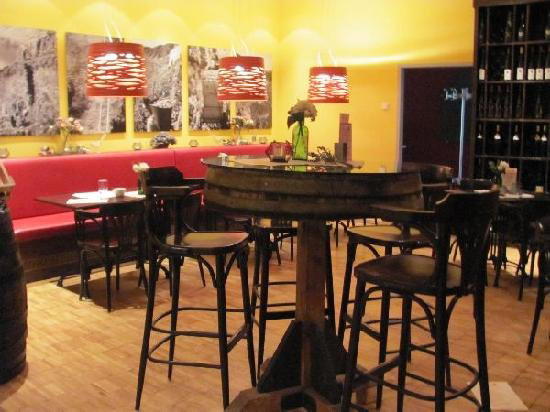
Where Wine Sets the Terms
Grindel occupies a particular position in Hamburg's restaurant geography. It is not the HafenCity waterfront, where restaurants perform for tourists, nor the Eppendorf boulevard, where brunch crowds dominate weekend afternoons. Bundesstraße is a quieter residential stretch, and the restaurants that take root here do so on the strength of neighbourhood loyalty and word-of-mouth rather than location theatre. Oechsle, at number 15, is the kind of place that fits that register precisely: a small room, a deliberate menu, and a name that signals intent before you even open the door. In German wine measurement, Oechsle refers to the scale used to measure grape must weight, grape sugar density, and by extension, ripeness and quality. It is a word that belongs to the cellar and the vineyard, not the dining room, and that choice of name locates the restaurant in a tradition where wine and food are co-equal rather than hierarchical.
Classic Cuisine in a City Moving Toward the Experimental
Hamburg's fine-dining conversation in 2024 and 2025 has been dominated by creative and technically ambitious formats. The Table Kevin Fehling operates at the three-Michelin-star tier with a resolutely forward-looking kitchen. bianc has built its reputation on modern Mediterranean ideas executed at the €€€€ price point. Against that backdrop, the city's classic cuisine practitioners occupy a smaller, more specific niche. They are not retreating from ambition, they are making a different argument about where value lies: in technique that serves the ingredient rather than transforms it, and in menus that change with supply rather than concept. Oechsle holds that position at the €€€ tier, which places it meaningfully below the city's upper-end creative restaurants but above the bulk of Hamburg's neighbourhood bistros. That price positioning matters. It is the bracket where the kitchen has to work hard to justify every euro, because the room is rarely large enough and the celebrity factor rarely strong enough to subsidise any slackness on the plate.
The Michelin Plate recognition in 2024 and 2025 confirms the kitchen is operating at a standard that the guide considers worth noting. In Michelin's framework, the Plate is a signal of consistent, quality cooking: food prepared and presented to a defined professional standard. Two consecutive years of that recognition, for a small neighbourhood restaurant, is a meaningful credential rather than a ceremonial one. For comparison, GLORIE occupies a similar tier in Hamburg's neighbourhood dining scene, while at the city's leading end, Restaurant Haerlin and 100/200 Kitchen operate with a different level of production and a correspondingly different price expectation.
The Wine Bar Model and What It Asks of a Kitchen
Running a serious wine program inside a restaurant is a different proposition from simply offering a curated list. When wine is structurally central to the offering, as the name here explicitly signals, the kitchen is under pressure to match register. The food cannot simply be competent; it has to be interesting enough to hold a diner's attention across a bottle, and restrained enough to support rather than compete with what is in the glass. That is a discipline that shapes menu construction in specific ways: less reduction-heavy sauce work, more attention to acidity and texture, ingredients chosen with wine compatibility as a genuine criterion rather than an afterthought. Classic cuisine, with its emphasis on defined technique and clean flavour, is well-suited to that relationship. It is not accidental that particularly wine-serious restaurants in Europe, whether in Paris, Vienna, or the smaller regional dining rooms of Germany's wine country, tend to work within a classical or neo-classical culinary frame. Maison Rostang in Paris and KOMU in Munich both illustrate how classic cuisine and serious wine lists can reinforce each other within the same room.
At that volume and at that score, it reflects a consistency of experience rather than a cluster of enthusiasts. Neighbourhood restaurants in the €€€ bracket typically attract a repeat clientele, and repeat visitors are harder to please than first-timers. A score sustained above 4.7 at that review count generally indicates that the kitchen and front-of-house are delivering reliably across different types of visits, not just on the occasions when everything aligns.
Sustainability as a Structural Commitment, Not a Marketing Position
Classic cuisine, when it is taken seriously, has a structural relationship with low-waste cooking that predates the language of sustainability by centuries. Stocks built from bones and trimmings, sauces extended from cooking liquids, menus organised around what the market supplied rather than what a concept demanded, these are not environmentally conscious choices layered onto a restaurant's identity. They are what the tradition looks like when it is practised properly. A small restaurant in a residential Hamburg street, cooking at the €€€ tier with a wine-led identity, operates at a scale where waste is not abstracted into management policy. Every ingredient that does not reach the plate is a cost the kitchen absorbs directly. That proximity between kitchen practice and economic reality tends to produce more genuinely thoughtful sourcing decisions than larger operations, where procurement and cooking are separated by organisational distance. Germany's wine-focused restaurant culture, which connects dining rooms in Hamburg to producers in the Pfalz, Mosel, and Baden, also tends to favour relationships with individual growers over anonymous supply chains, which has its own sourcing logic: you know where the bottle came from, and you tend to think more carefully about where the carrot came from as a result.
For readers interested in how this approach plays out across Germany's serious dining rooms, Schwarzwaldstube in Baiersbronn, Aqua in Wolfsburg, JAN in Munich, CODA Dessert Dining in Berlin, Vendôme in Bergisch Gladbach, and ES:SENZ in Grassau each represent different points on the spectrum of how German fine dining relates to its sourcing environment.
Planning Your Visit
Oechsle sits on Bundesstraße 15, 20146 Hamburg, in the Grindel district, which is accessible from the Universität and Grindelhof U-Bahn stations. Visiting during the week gives a more spacious experience and, at wine-bar-oriented addresses, often produces better conversation around the list.
In Context: Similar Options
Comparable venues nearby, for context on price, style, and recognition.
| Venue | Cuisine | Price | Awards | Notes |
|---|---|---|---|---|
| OechsleThis venue — the venue you are viewing | Modern German Fine Dining & Wine Bar | $$$ | Michelin Plate | Not listed |
| Witwenball | Modern German Bistro with International Influences | $$$ | Michelin Plate | Eimsbuttel |
| Brechtmanns Bistro | Modern German-Asian Bistro | $$$ | Michelin Plate | Anscharhoehe |
| XO Seafoodbar | Modern Seafood | $$$ | Michelin Plate | St. Pauli |
| Brook | Modern German Fine Dining with Fusion Influences | $$$ | Michelin Plate | Hamburg-Altstadt |
| LENZ | Traditional Northern German Regional Cuisine | $$$ | Michelin Plate | Tannenbaum |
Recognition history
Dated appearances from independent guides and award organizations, with the underlying list record or original source where available.
Michelin Plate
Michelin · 2026 Michelin Plate
Star Wine List
Star Wine List
Michelin Plate
Michelin
Michelin Plate
Michelin

At a Glance
- Cozy
- Elegant
- Intimate
- Modern
- Sophisticated
- Date Night
- Business Dinner
- Special Occasion
- Wine Cellar
- Extensive Wine List
- Street Scene
Current opening hours
- Monday
- Closed
- Tuesday
- Closed
- Wednesday
- 5–11 PM
- Thursday
- 5–11 PM
- Friday
- 5–11 PM
- Saturday
- 5–11 PM
- Sunday
- 12–11 PM
Hours can change for holidays and private events. Last verified .
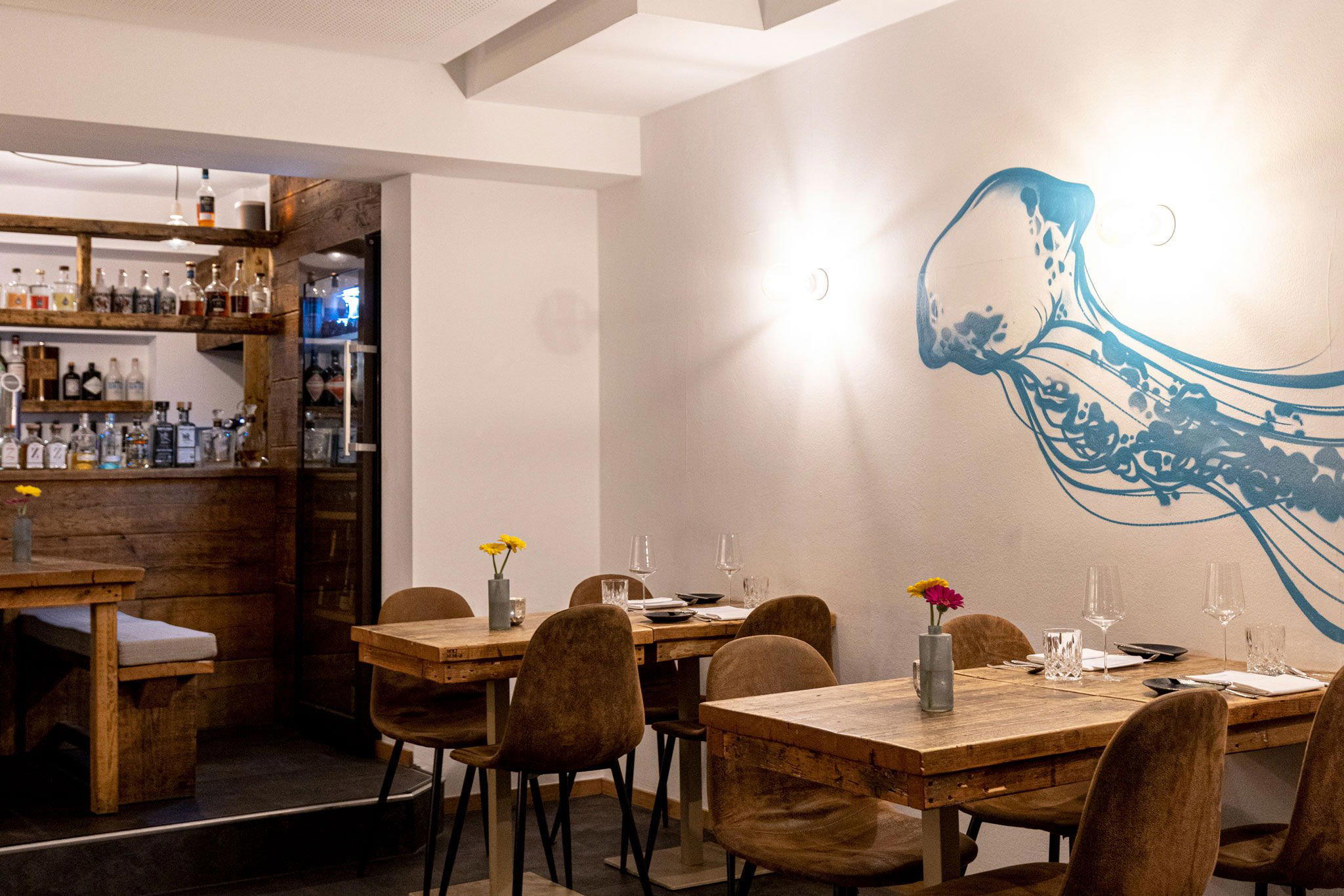
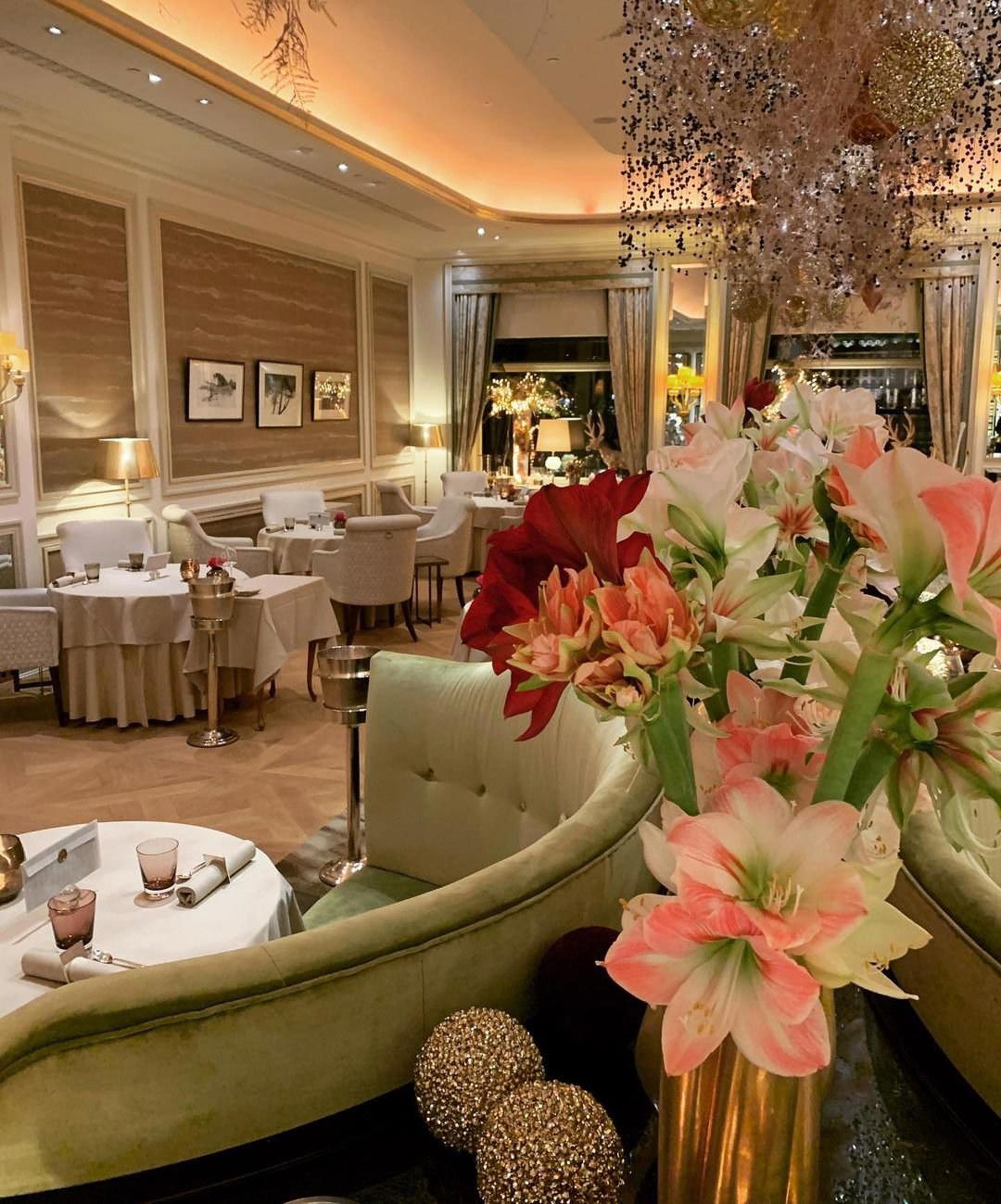
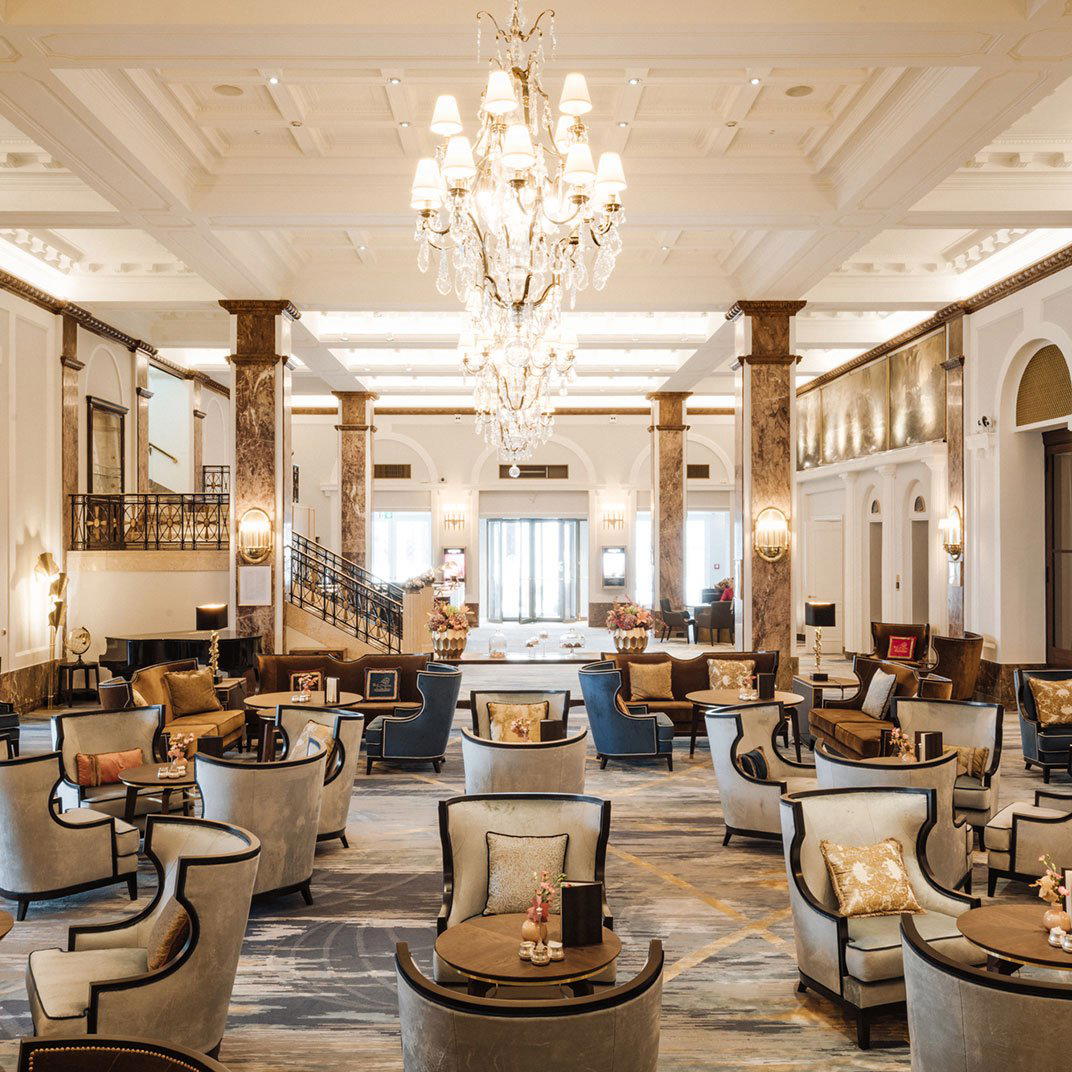
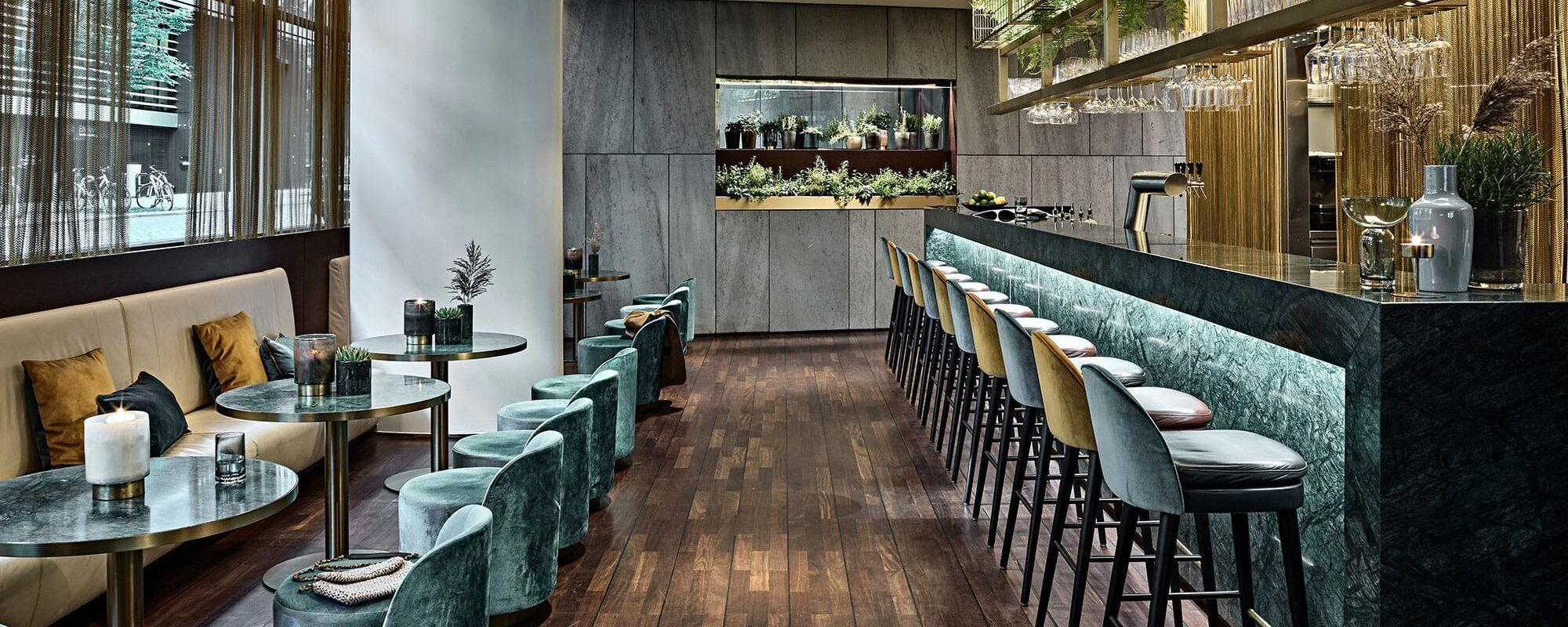
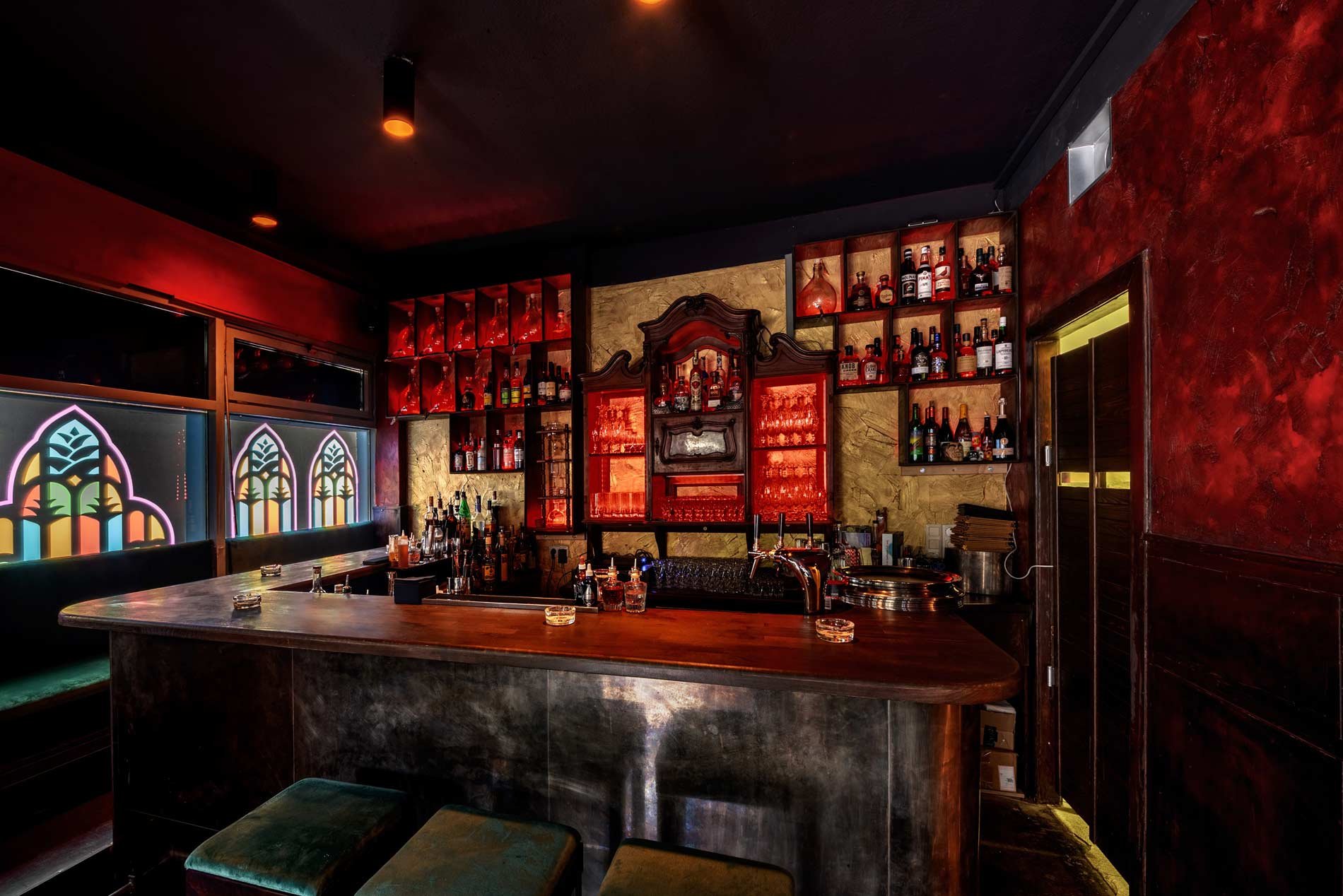
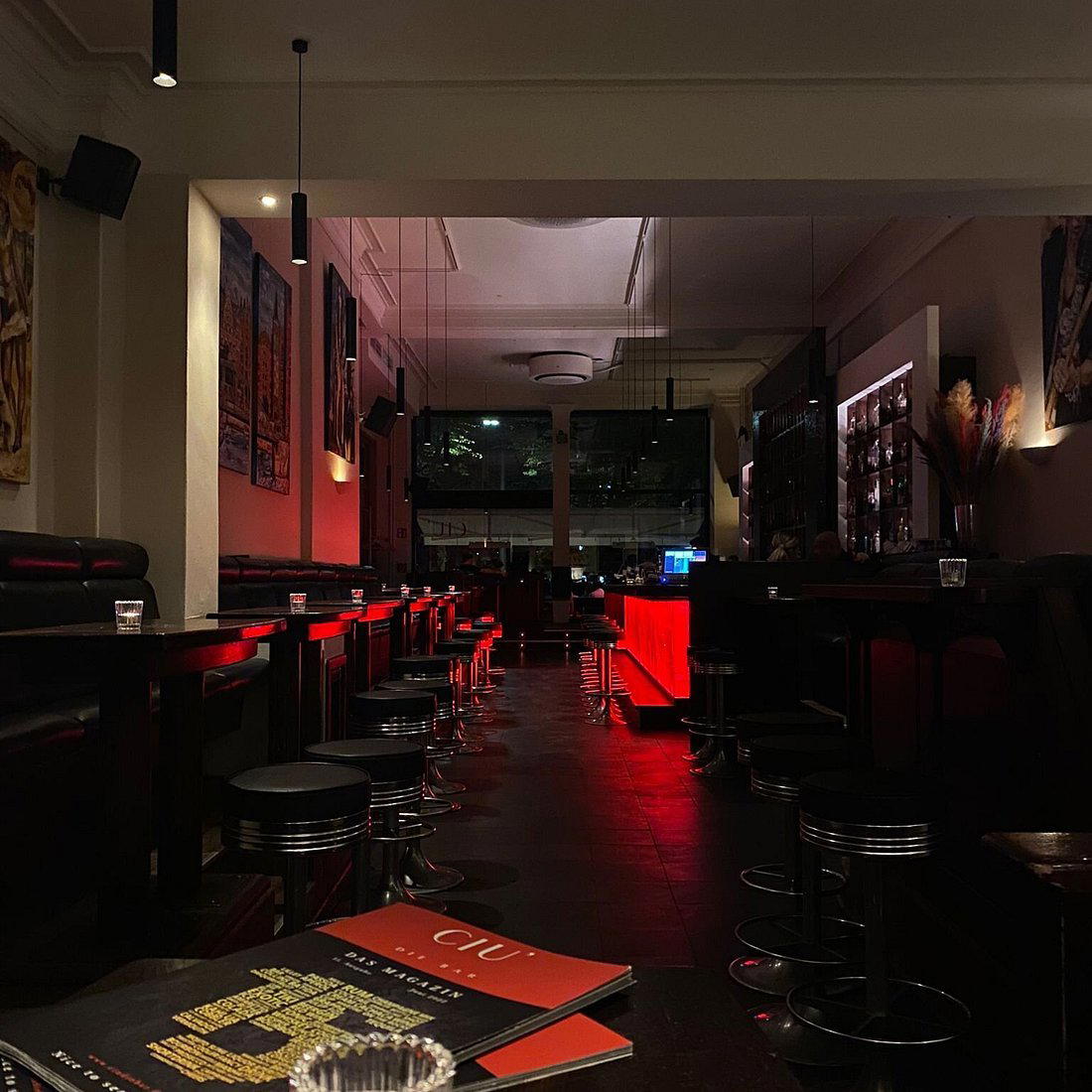
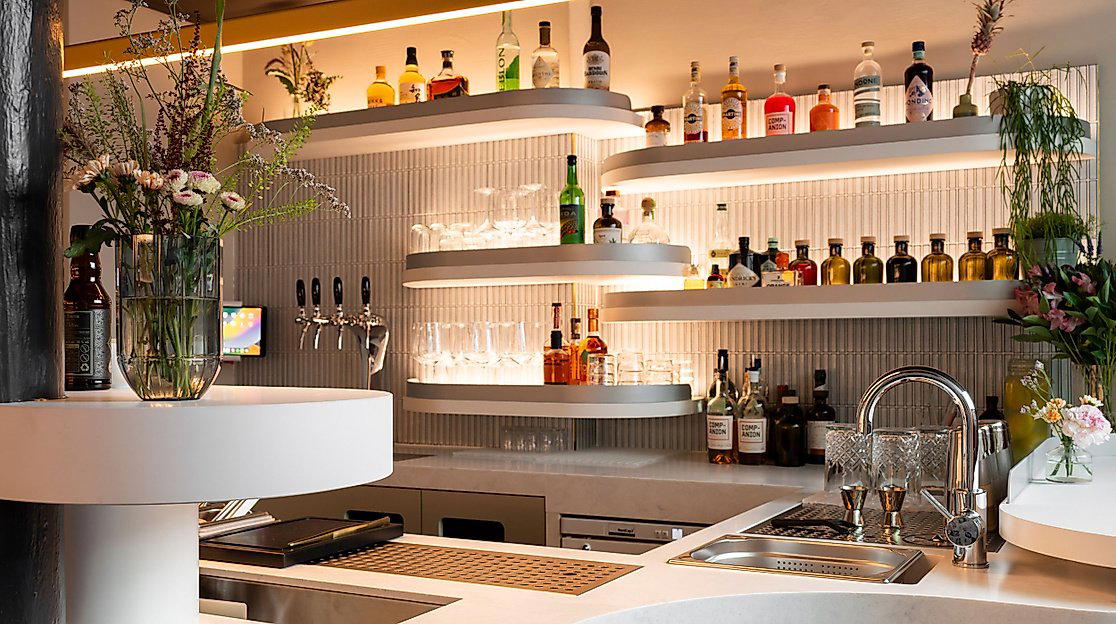
Pleasant contemporary atmosphere that is cozy, stylish, and quiet, making diners feel at home.