

GLORIE earned its first Michelin star in 2025, having held the Michelin Plate recognition the year prior, a trajectory that places it among Hamburg's most closely watched classic cuisine addresses. Situated at Brandshofer Deich 68, the restaurant occupies a post-industrial stretch of the Hammerbrook district, where the setting itself signals a deliberate distance from the city's more established fine-dining corridors.
Pearl is the En Primeur Club membership app — saves, bookings, and concierge access live there. Same editors, same standards.
- Address
- Mittlerer Eingang, Brandshofer Deich 68, 20539 Hamburg, Germany
- Phone
- +49 40 30925191
- Website
- 100200.kitchen
- Directions
- Get directions
 Saves & bookings on Pearl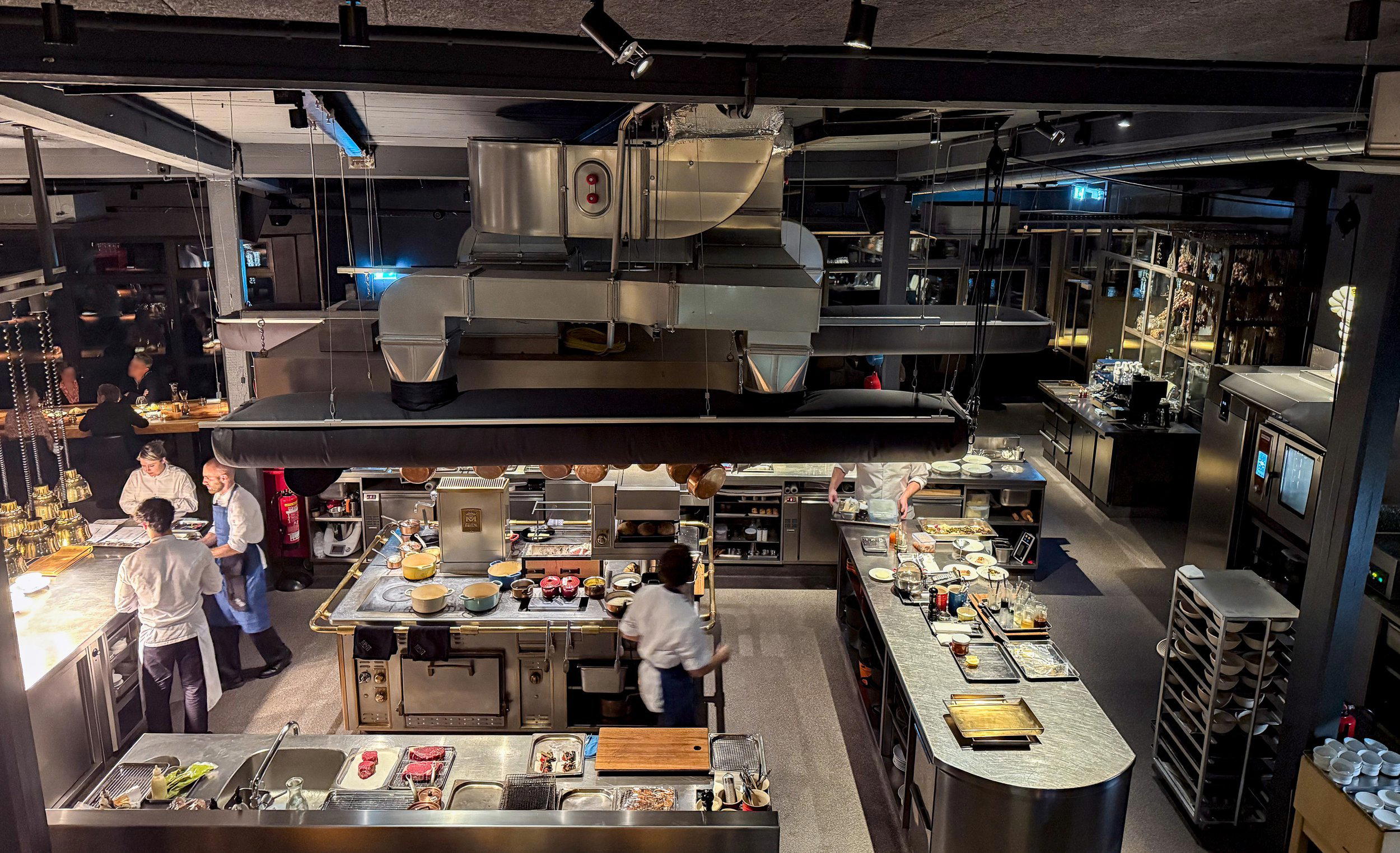
Where Hamburg's Classic Cuisine Finds a New Address
Hamburg's fine-dining map has historically concentrated itself along the Alster lakefronts and the hotel dining rooms of HafenCity. GLORIE is a one-Michelin-star restaurant in Hamburg, priced at €€€€, serving Modern French-German Classics. The city's Michelin-starred tier has long been anchored by addresses like Restaurant Haerlin, whose creative French approach operates from within the Hotel Vier Jahreszeiten, and The Table Kevin Fehling, which holds three Michelin stars and occupies a glass-and-steel perch in HafenCity. GLORIE does something different. Its address, Brandshofer Deich 68, tucked against the canal embankments of Hammerbrook, places it well outside those established corridors, in a quarter where warehouses and light-industrial units still define the streetscape. Walking toward a Michelin-starred table through that environment recalibrates expectations before you've sat down.
The restaurant earned a Michelin star in 2025. That one-year progression is notable in the German guide context, where the distance between Plate and star is often measured in multiple seasons rather than one. It places GLORIE in a Hamburg cohort that includes Oechsle and one-star contemporary addresses, all operating at the €€€€ price tier but each staking out a distinct culinary identity. GLORIE's declared lane is classic cuisine, which in the current German fine-dining context carries specific meaning: technique-led cooking grounded in French classical principles, without the conceptual architecture of a creative or avant-garde program.
Classic Cuisine in the German Fine-Dining Register
The phrase "classic cuisine" does real work in Germany's restaurant culture. It is not shorthand for conservative or unadventurous cooking. In the Michelin framework, classic cuisine signals a commitment to foundational technique, to sauces built from proper reductions, to proteins treated according to their own logic rather than a chef's conceptual agenda. Across Germany, this category sits alongside creative and regional German approaches as a distinct and respected track. KOMU in Munich operates in the same register, as does Maison Rostang in Paris, where the French classical canon is treated as a living tradition rather than a museum piece. GLORIE belongs to that lineage.
Context matters when positioning GLORIE against its Hamburg peers. bianc, with two Michelin stars, works a modern Mediterranean idiom at the same price point. 100/200 Kitchen operates in the creative tier. Landhaus Scherrer, another one-star address, covers modern European ground. The classic cuisine designation gives GLORIE a specific competitive identity: it is not competing on conceptual novelty but on the depth and precision of foundational cooking. In a city where the creative and modern European modes dominate the starred tier, that positioning carries a counterweight quality. Across Germany, kitchens like Schwarzwaldstube in Baiersbronn and Vendôme in Bergisch Gladbach have demonstrated the ceiling for classically anchored French technique in German fine dining. GLORIE operates at one star, but the category it has chosen has multi-star precedent behind it.
The Lunch and Dinner Divide at This Price Point
At the €€€€ tier, the gap between lunch and dinner service in German fine dining tends to be more pronounced than in comparable French or British contexts. Dinner service at addresses in this bracket typically anchors around a full tasting menu format, where the kitchen controls sequence, pace, and portion count. Lunch, where offered, often opens a more compressed version of the same program, or introduces à la carte access that dinner does not. For guests weighing how to approach GLORIE, this structural consideration matters: the classic cuisine format is most fully expressed over a longer sequence of courses, where the architecture of a menu, the movement from lighter preparations through richer ones, the role of the sauce course, the calibration of dessert against what preceded it, can be experienced as the kitchen intends.
German Michelin-starred rooms at this price point also tend to shift in character between service periods. Dinner carries the weight of ceremony; table spacing, lighting levels, and service rhythm all align to produce an extended, formal experience. Lunch, even at the same address, often runs with slightly less formality and a guest mix that skews toward professional lunches and local regulars rather than destination diners. For first-time visitors to GLORIE, dinner is the more complete context in which to encounter what the kitchen is doing. For those already familiar with the restaurant's register, a lunch visit offers a different reading of the same material.
Across the broader German classic cuisine comparable set, including JAN in Munich, Aqua in Wolfsburg, and ES:SENZ in Grassau, the dinner format is where the kitchen's argument is made most fully. GLORIE fits that pattern. The address itself, removed from the tourist circuits of HafenCity and the Speicherstadt, suggests a guest base that arrives with purpose rather than impulse, which further shapes the tone of an evening there.
What the 2025 Star Signals About Trajectory
A Michelin Plate is awarded to restaurants the guide considers worthy of attention but not yet at star level. It is a holding designation, and its conversion rate to a first star varies considerably. The one-year conversion at GLORIE, Plate in 2024, star in 2025, suggests either rapid development in the kitchen's output or an initial rating that was already close to the star threshold. In either reading, it indicates a kitchen at a productive moment: not a long-established address resting on accumulated recognition, but one in active ascent.
For the Hamburg dining scene, the addition of a Michelin-starred classic cuisine address in a non-traditional neighbourhood is a meaningful development. The city's starred tier has historically been concentrated in a relatively small number of postcodes. GLORIE at Brandshofer Deich extends that geography. For those mapping Hamburg's fine-dining options, it represents a genuinely different angle of approach: serious classical technique, a recently acquired star, and a location that operates outside the established premium-dining circuit.
Planning a Visit
GLORIE is located at Brandshofer Deich 68, at the Mittlerer Eingang entrance, in the Hammerbrook district of Hamburg. The address sits away from the main tourist zones, so arriving by taxi or rideshare is one practical approach for visitors unfamiliar with the area. Reservations are recommended, particularly for dinner. The price tier is €€€€, consistent with Hamburg's upper-tier starred rooms. Across Germany, the classic cuisine category at starred level, from CODA Dessert Dining in Berlin to classically anchored rooms like GLORIE in Hamburg, is producing some of the more interesting inflection points in the current dining moment.
What's the leading thing to order at GLORIE?
GLORIE operates in the classic cuisine category, where the kitchen's strengths are expressed through technique-led sequences rather than individual signature dishes. The format most fully represents what the kitchen is doing: a complete tasting menu at dinner, where the movement between courses, the construction of sauces, and the calibration of richness across the meal reveal the classical foundations that earned the restaurant its Michelin star in 2025. Visitors arriving for dinner get the fullest version of that argument. The restaurant holds a Michelin star, which is the clearest evidence of the kitchen's current level of execution.
Recognition Snapshot
Comparable venues nearby, for context on price, style, and recognition.
| Venue | Cuisine | Price | Awards | Notes |
|---|---|---|---|---|
| GLORIEThis venue — the venue you are viewing | Modern French-German Classics | $$$$ | Michelin 1 Star | Not listed |
| Zeik | Nordic | $$$$ | Michelin 1 Star | Anscharhoehe |
| Petit Amour | Modern French with Nordic Influences | $$$$ | Michelin 1 Star | Ottensen |
| Atlantic Restaurant | Modern French Fine Dining | $$$$ | Michelin 1 Star | St. Georg |
| Landhaus Scherrer | Michelin-Starred North German Fine Dining | $$$$ | Michelin 1 Star | Neumuehlen |
| Jacobs Restaurant | Modern French Fine Dining | $$$$ | Michelin Plate | Muehlenberg |
Recognition history
Dated appearances from independent guides and award organizations, with the underlying list record or original source where available.
Falstaff Restaurant - 94 Falstaff Points
Falstaff
Michelin 1 Star
Michelin
Michelin 1 Star
Michelin
Michelin Plate
Michelin
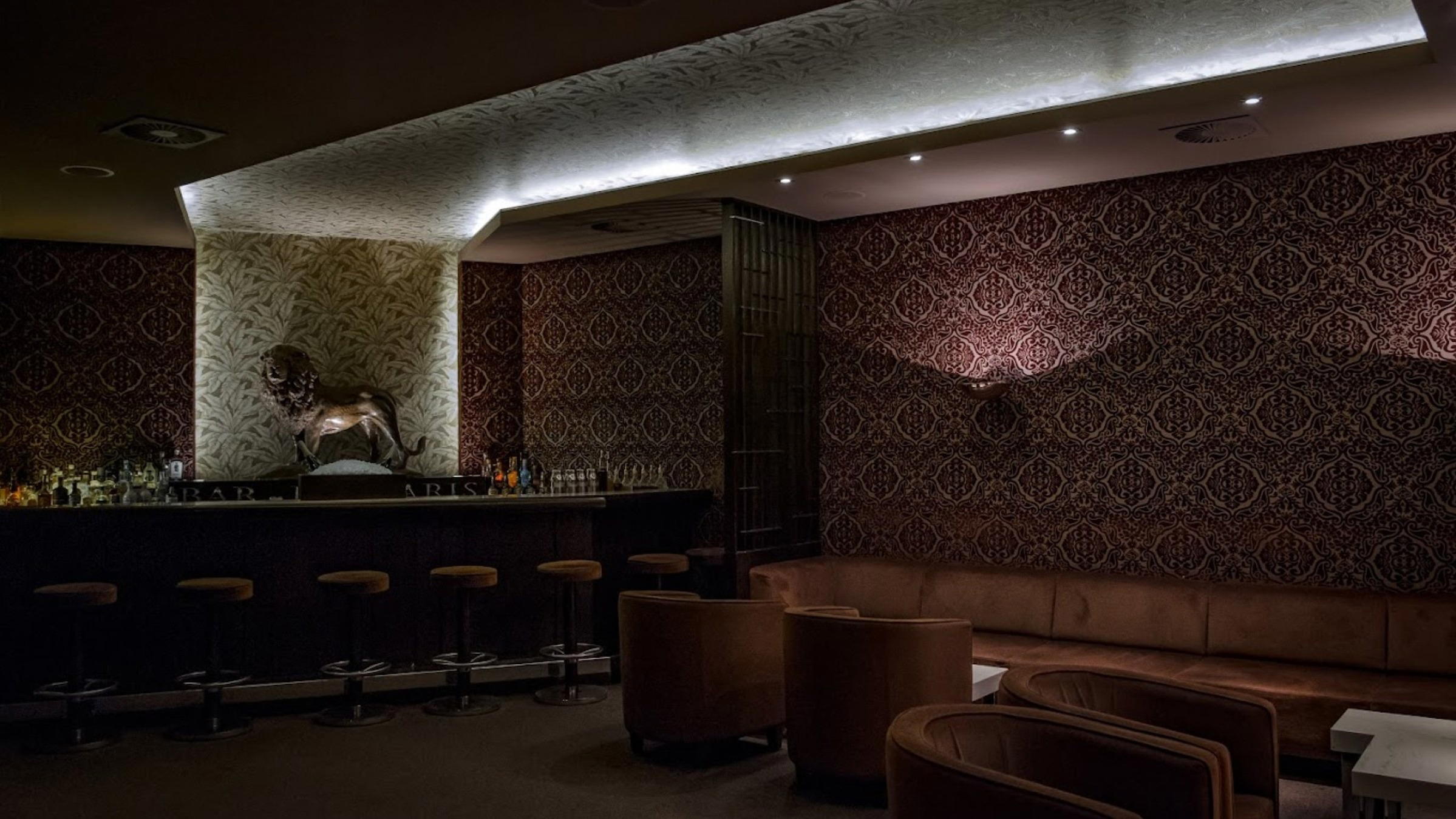
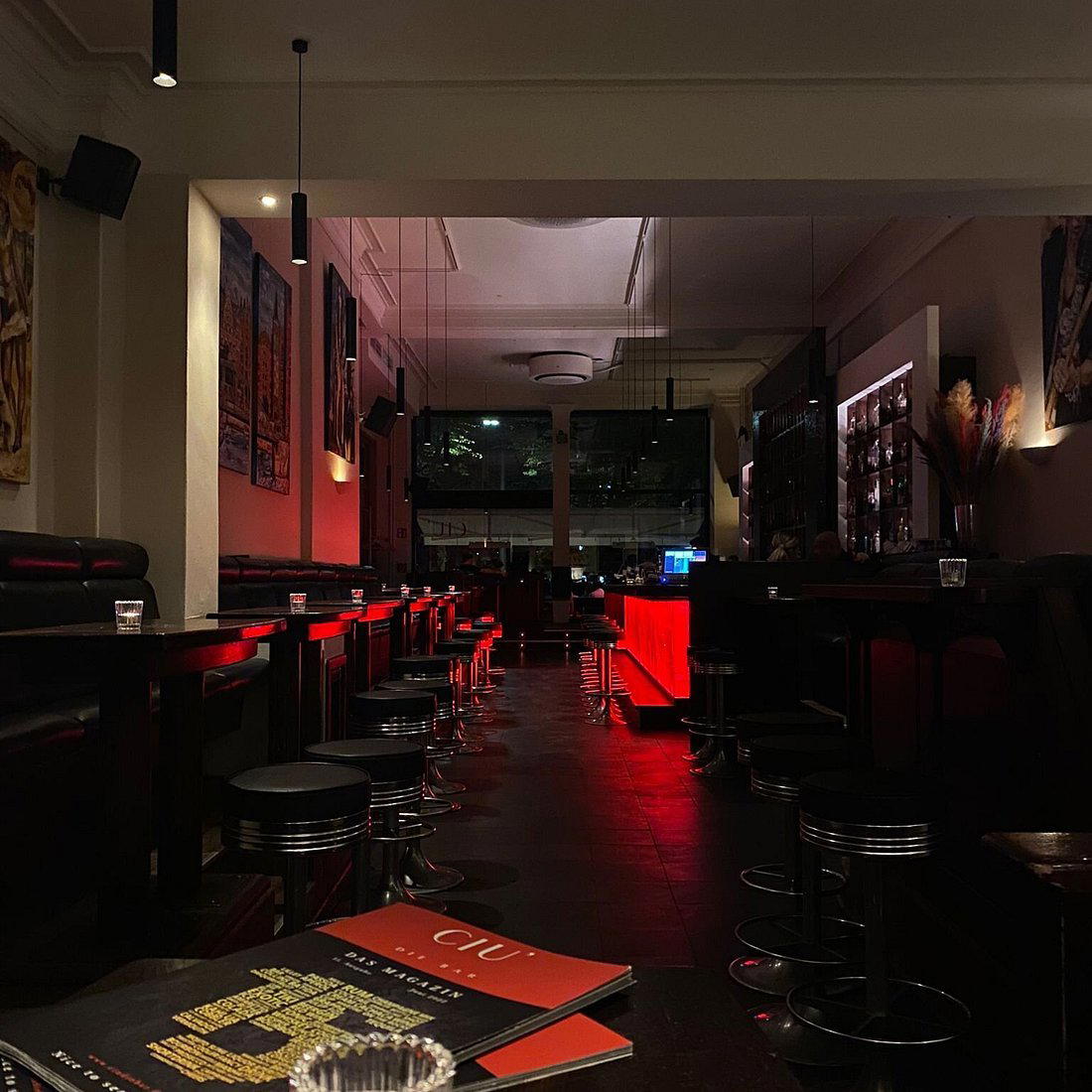
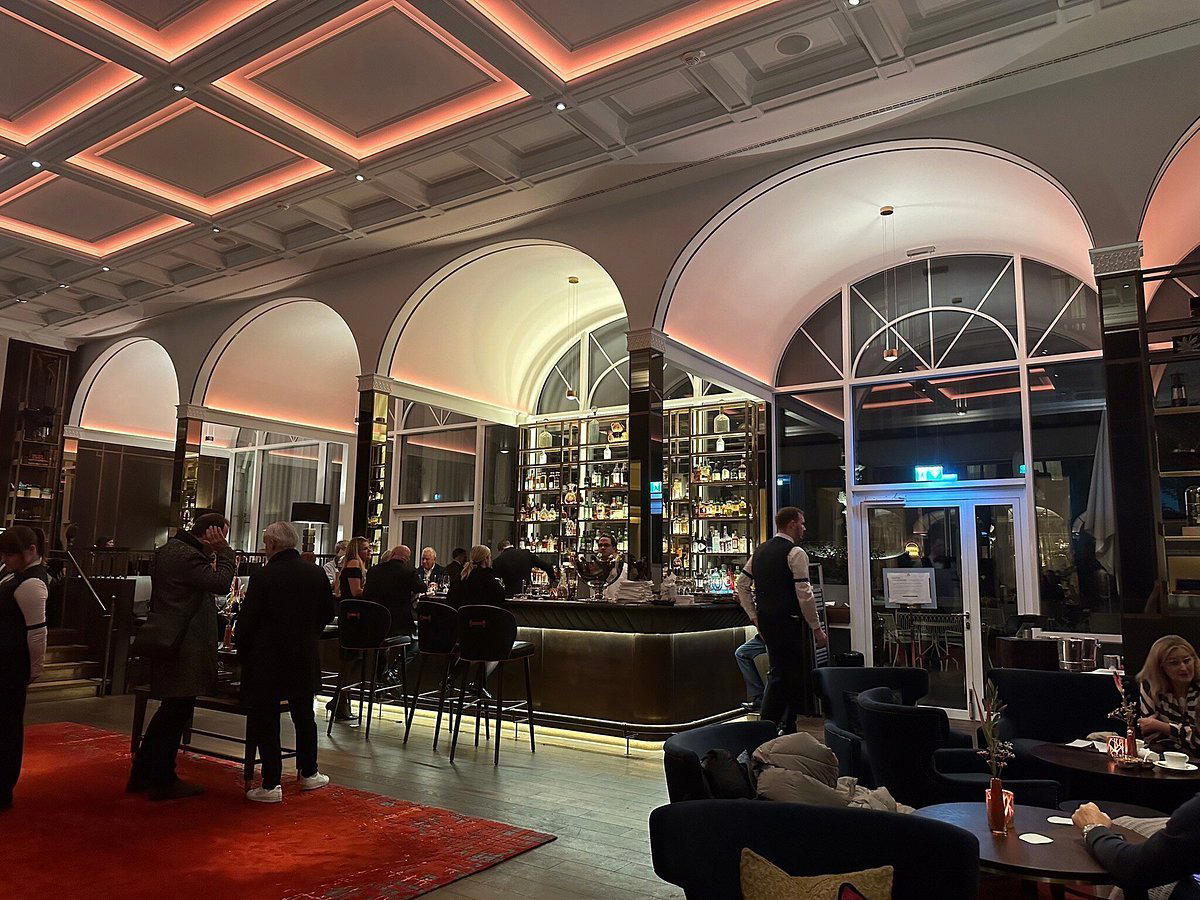
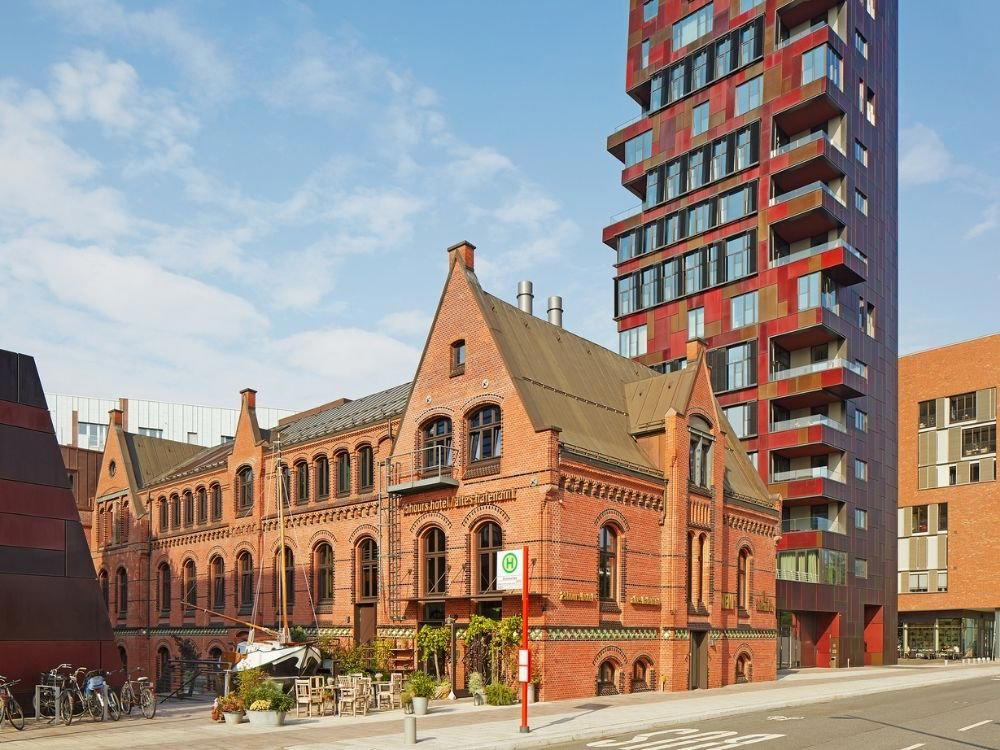
At a Glance
- Modern
- Elegant
- Intimate
- Sophisticated
- Date Night
- Special Occasion
- Business Dinner
- Open Kitchen
- Extensive Wine List
- Local Sourcing
- Farm To Table
- Sustainable Seafood
Current opening hours
- Monday
- 6:30–11 PM
- Tuesday
- 6:30–11 PM
- Wednesday
- Closed
- Thursday
- Closed
- Friday
- 12–3:30 PM, 6:30–11 PM
- Saturday
- 12–3:30 PM, 6:30–11 PM
- Sunday
- 12–3:30 PM, 6:30–11 PM
Hours can change for holidays and private events. Last verified .
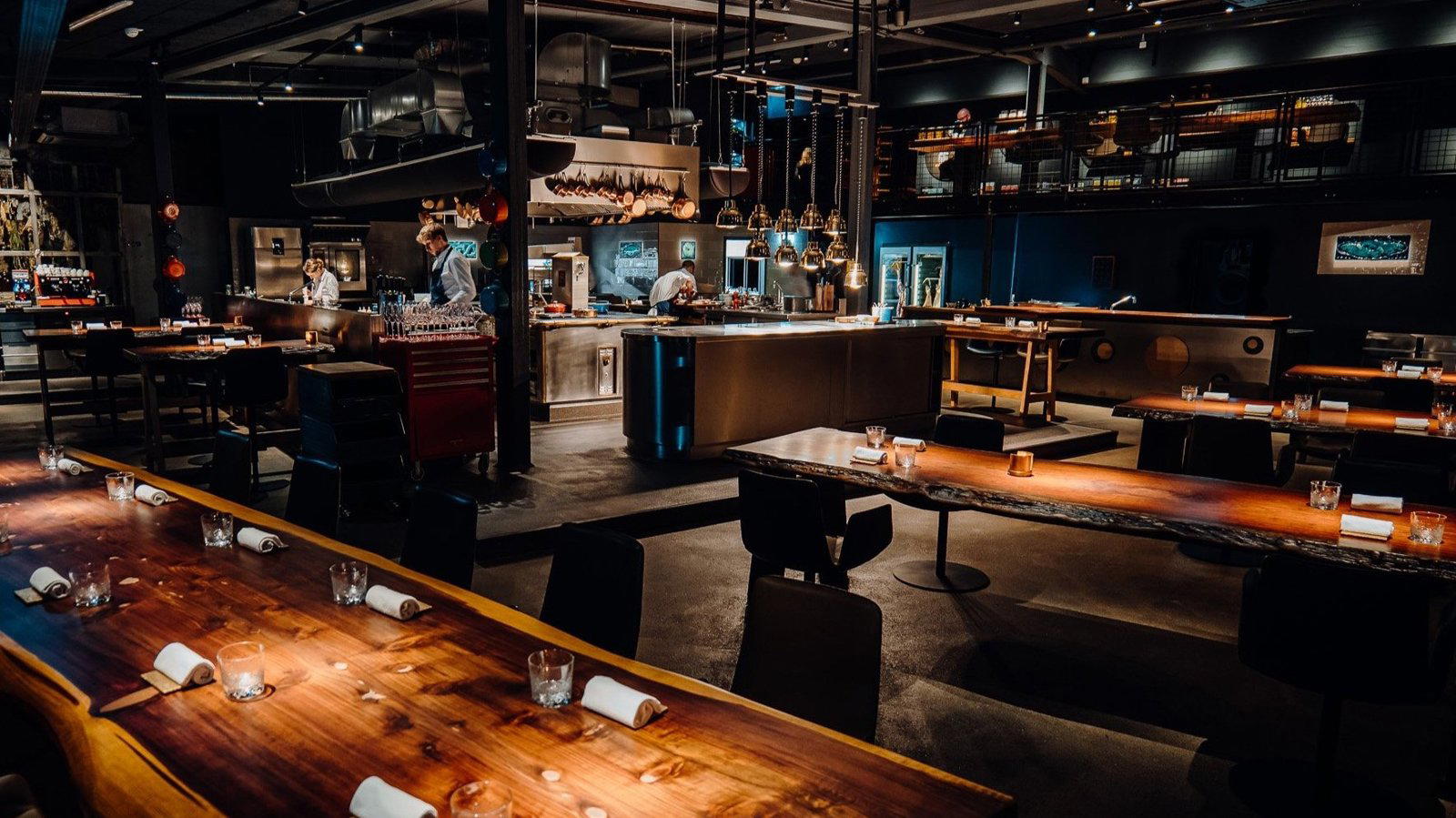
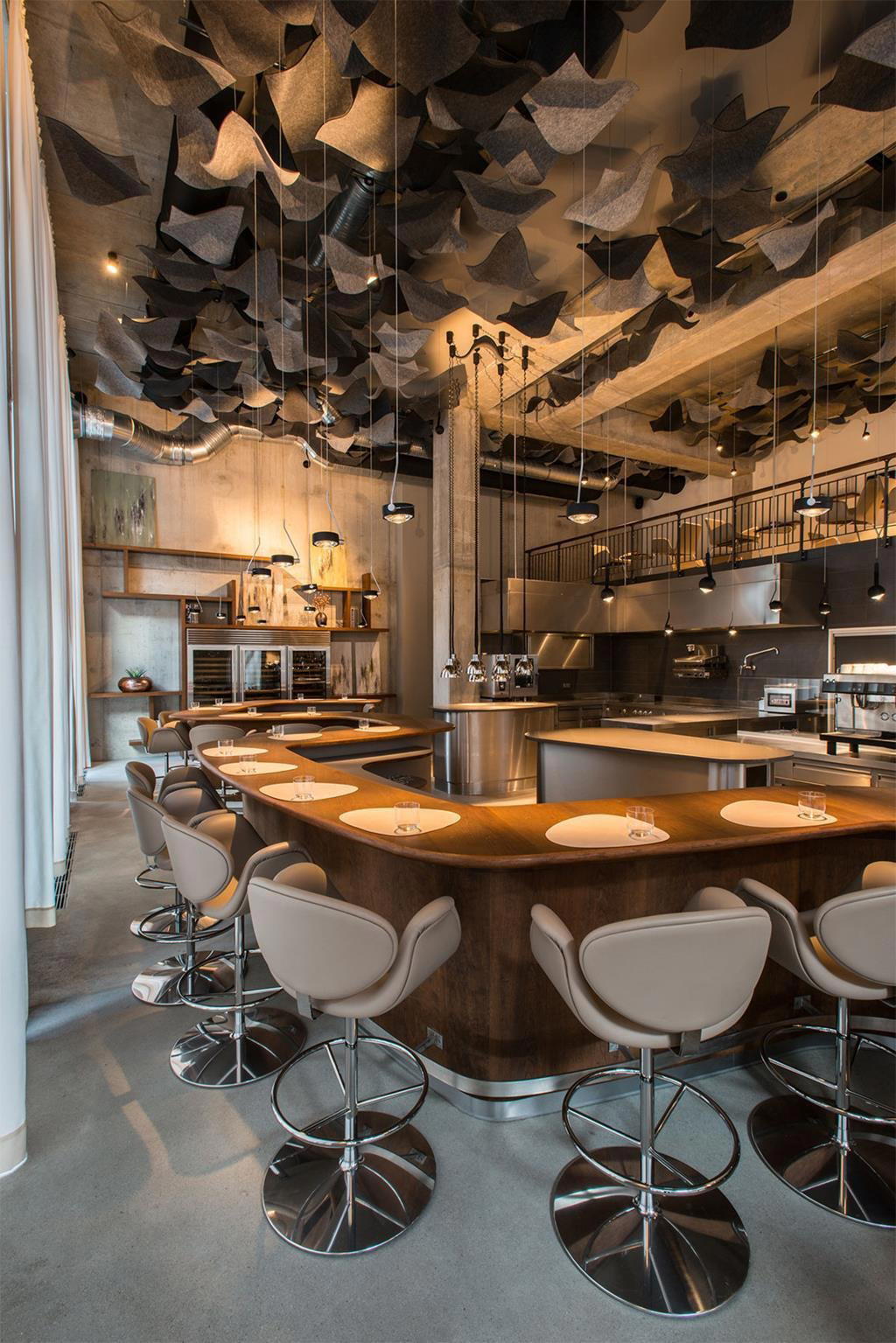
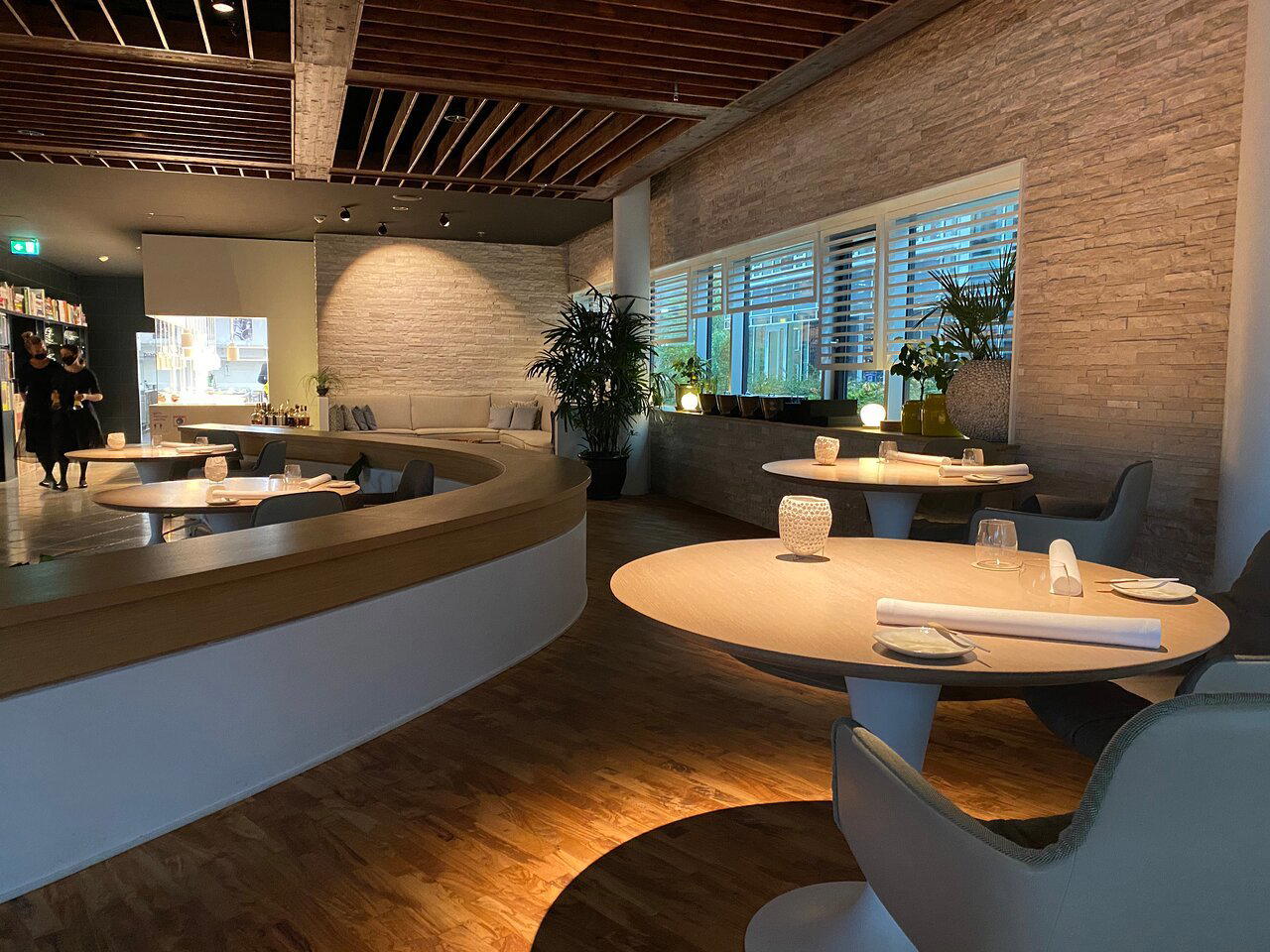
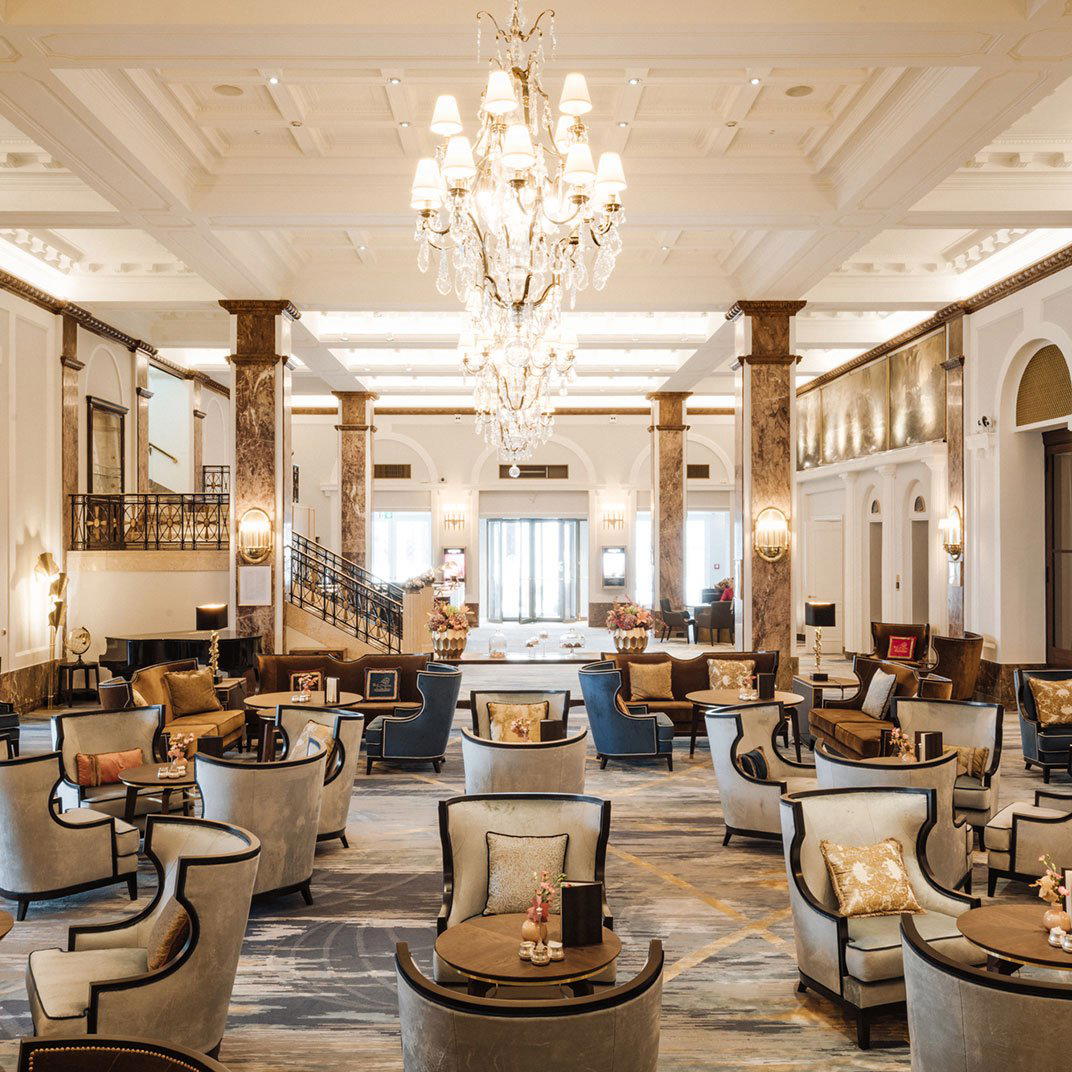
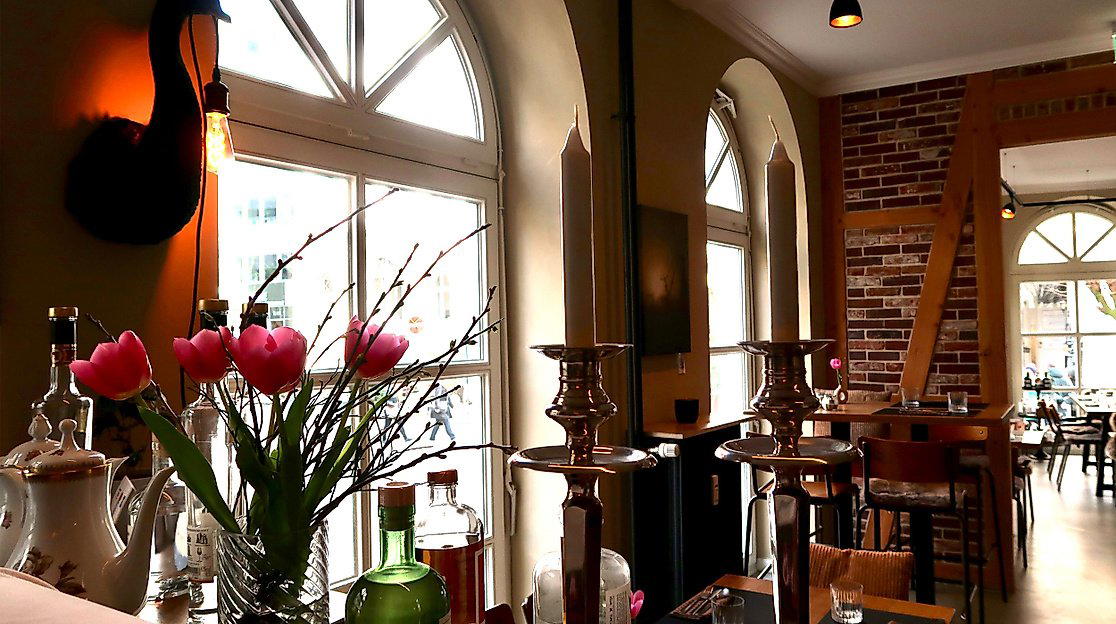
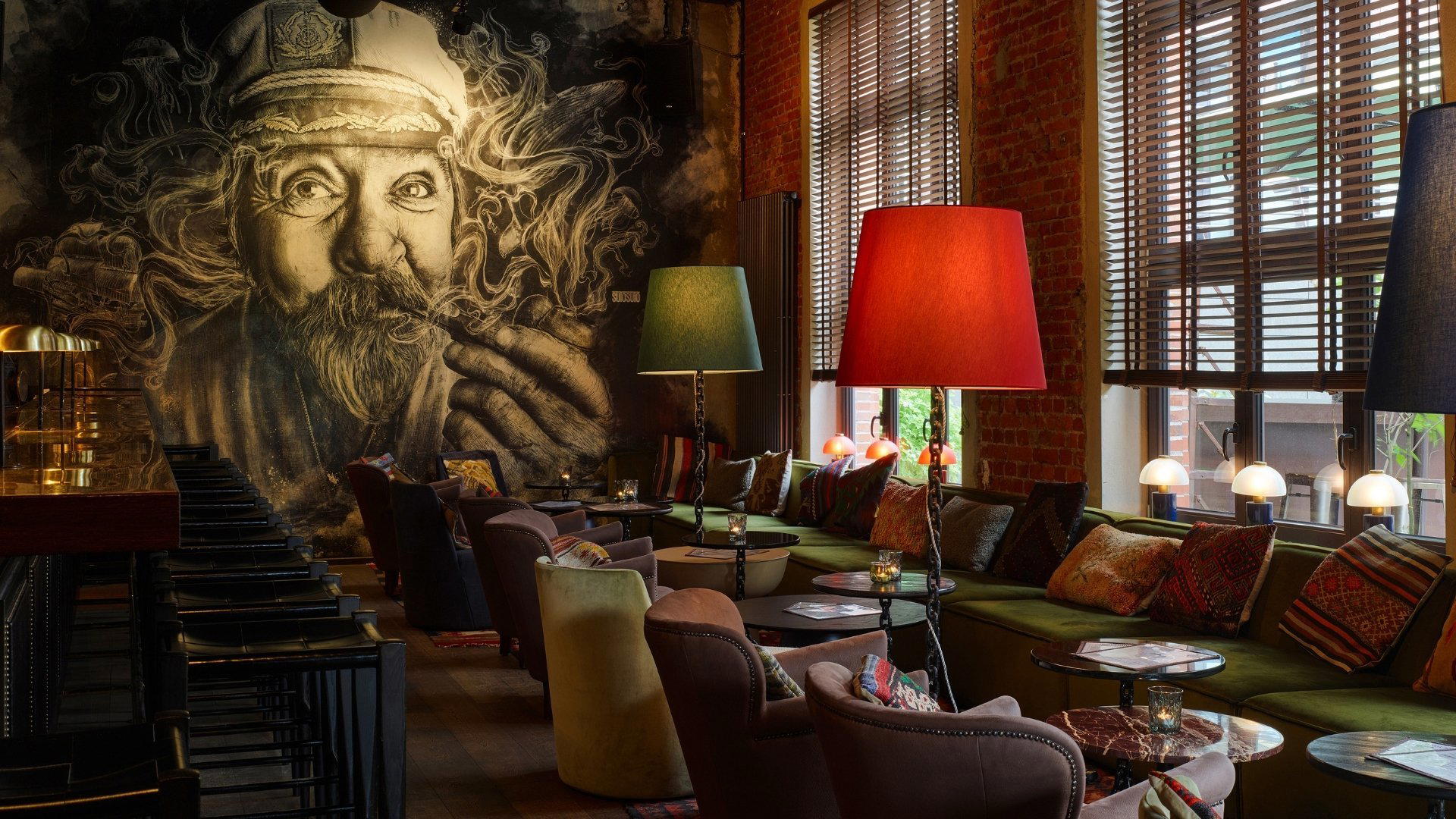
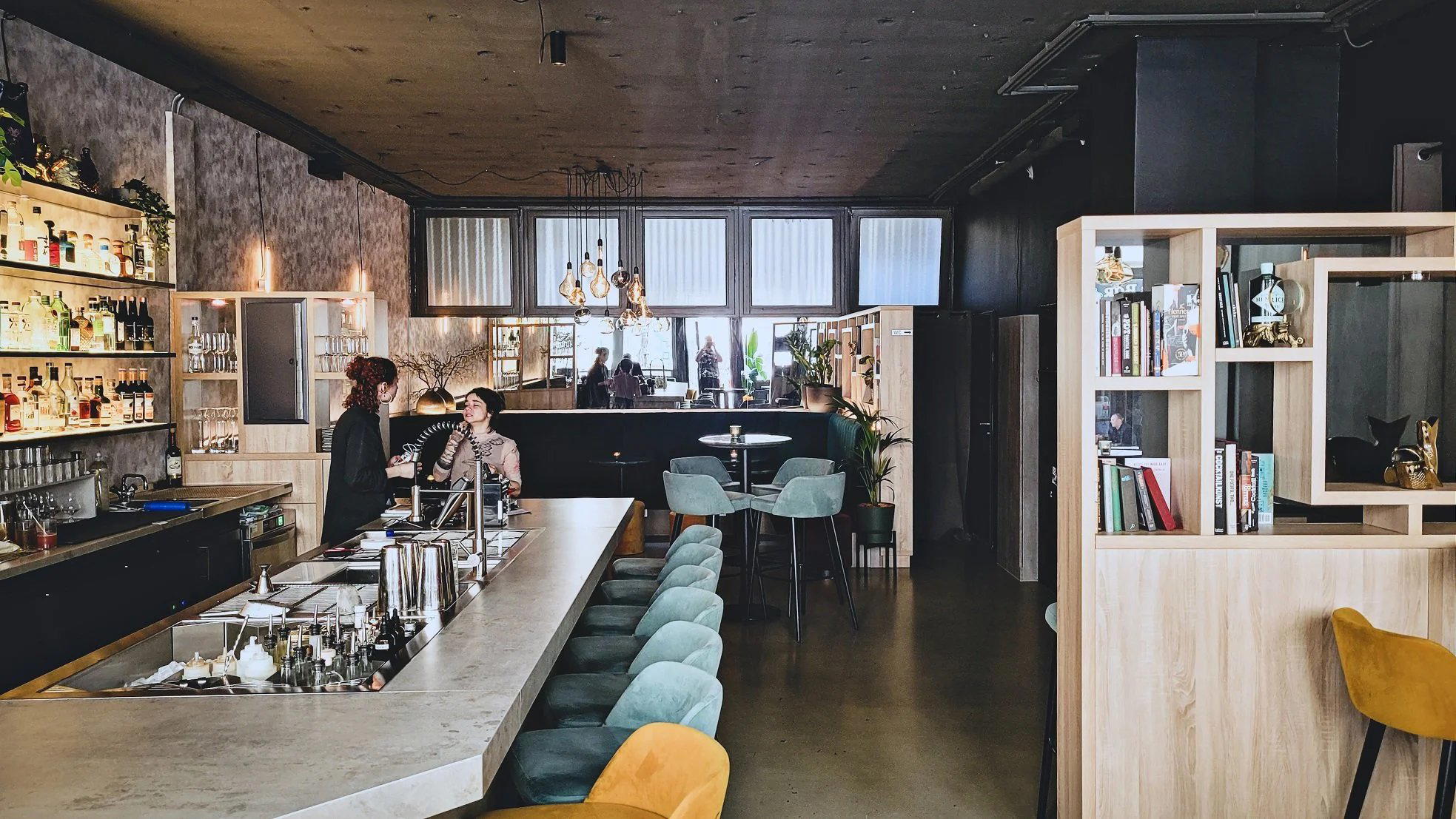
Elegant gallery setting with natural light, subtle art, long wooden counter overlooking the bustling open kitchen below, creating an intimate and inspiring atmosphere.