


Among Germany's small cohort of three-Michelin-star restaurants, The Table Kevin Fehling operates in Hamburg's HafenCity with a format built around creative cuisine at the highest price tier. Rated 95.5 points by La Liste in 2025 and ranked in Opinionated About Dining's top European restaurants, it draws a clientele that returns for the precision of the cooking rather than novelty alone.
 Discover on Pearl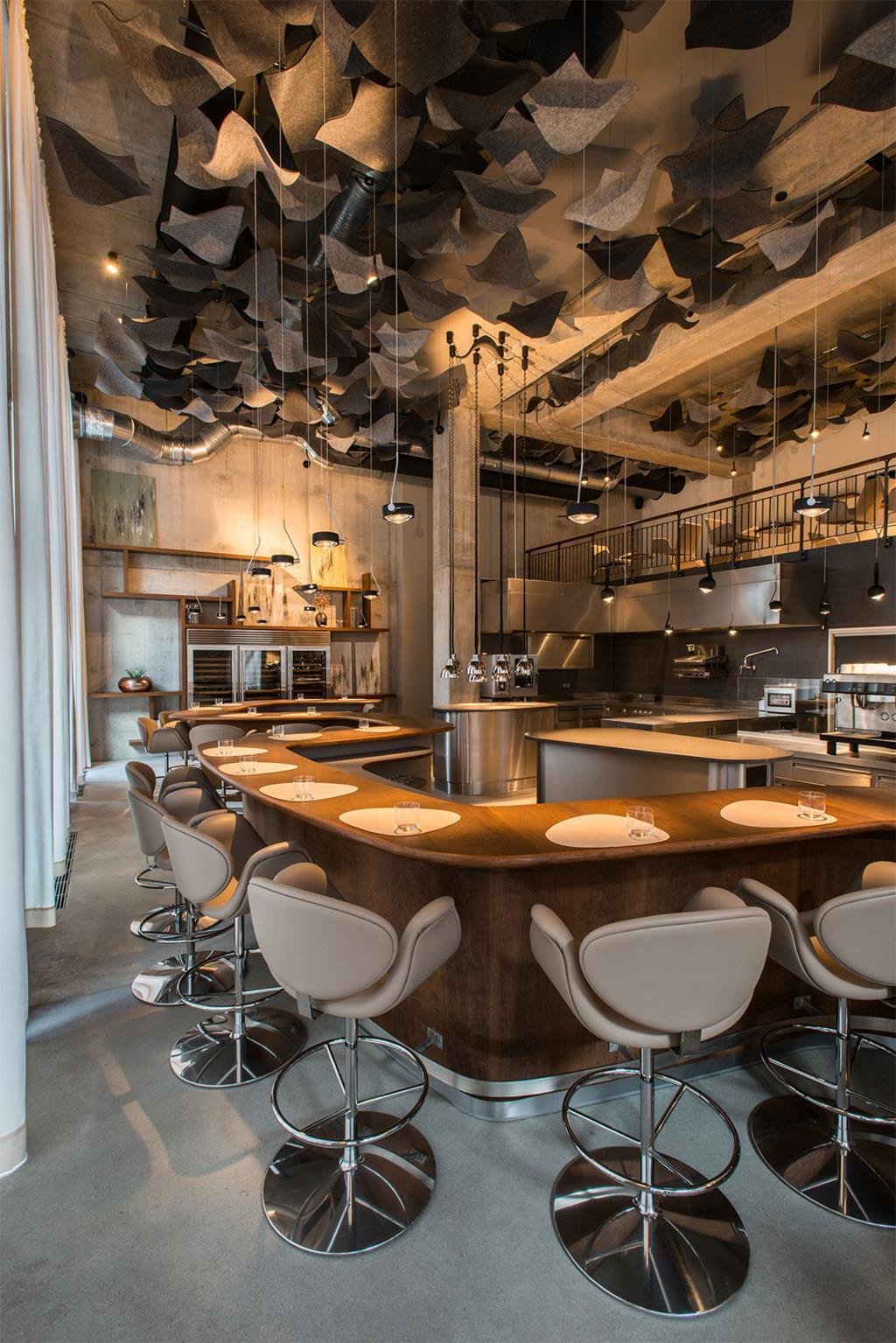
HafenCity's High Counter
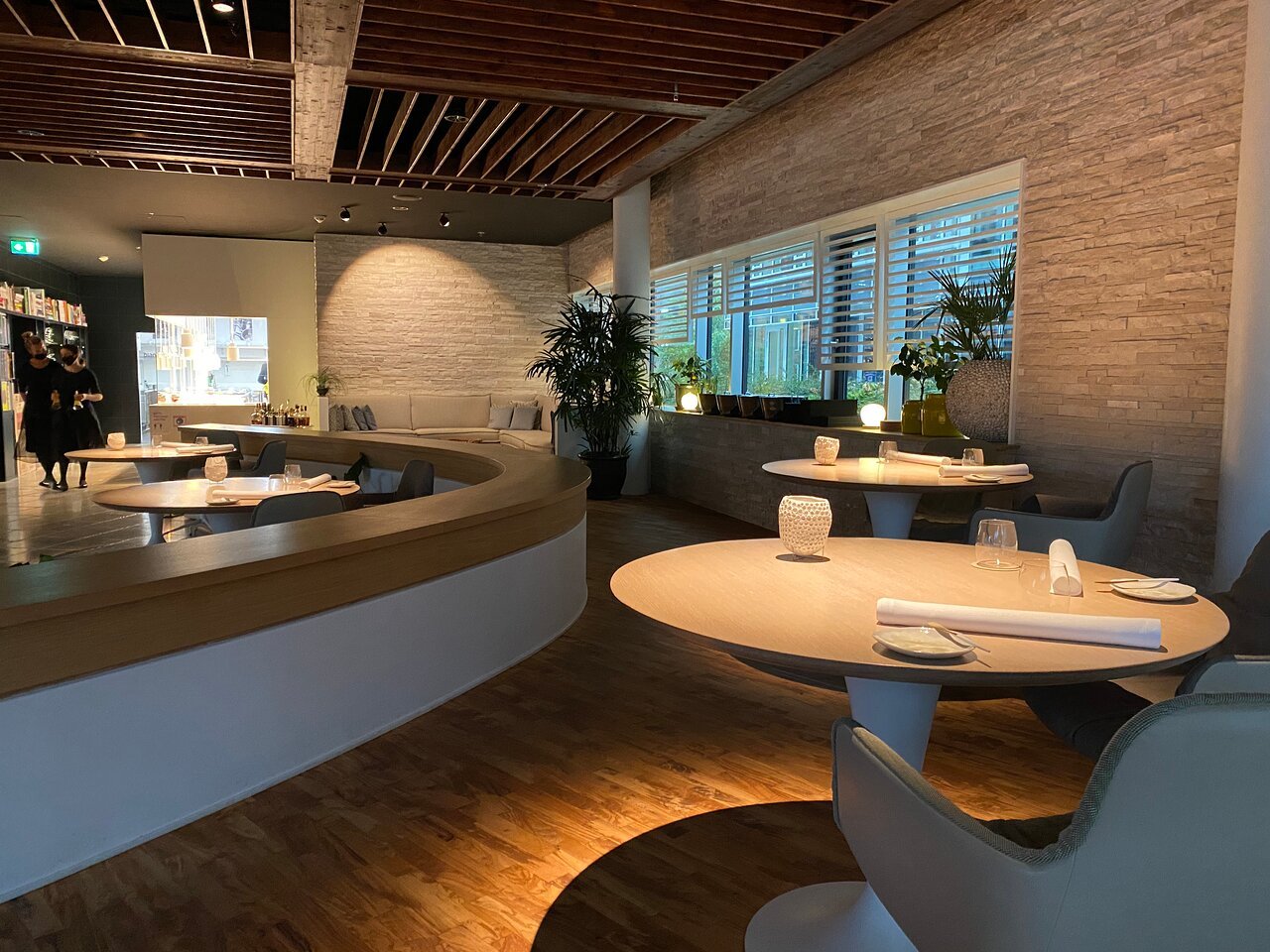
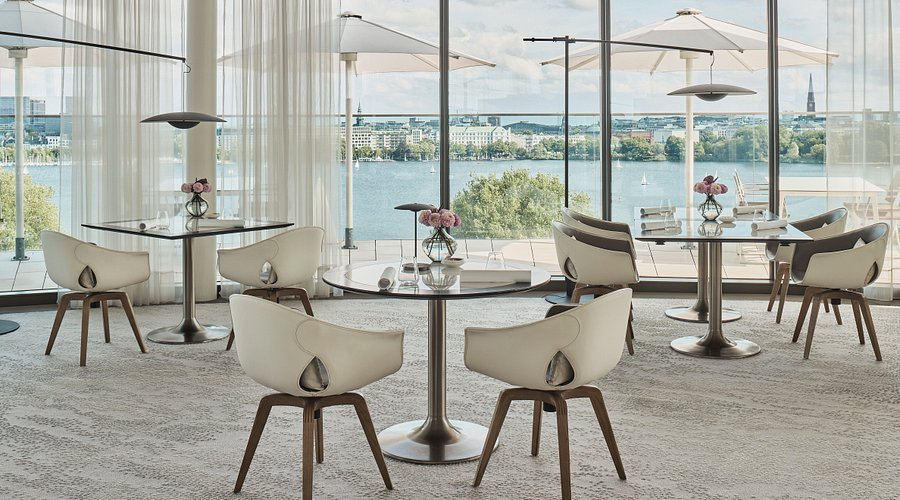
Hamburg's HafenCity district was designed as a statement of civic ambition, a former port zone rebuilt into a mixed-use quarter of glass facades and broad waterfront promenades. The architecture here is deliberate and forward-leaning, and The Table Kevin Fehling fits that register precisely. The space on Shanghaiallee reads less like a traditional dining room and more like a chef's counter scaled to a specific idea: the cook and diner occupy the same plane, separated by nothing more than a surface. That physical arrangement is not a trend-led gesture in Hamburg's fine dining scene; it is the central logic of how the restaurant operates. Everything flows from the counter format, including the pacing, the interaction, and ultimately the reason regulars keep returning.
Germany's three-Michelin-star tier is small. In 2025, fewer than a dozen restaurants in the country hold that designation, and The Table is Hamburg's only representative in that group. That fact carries weight in a city that has a deep hospitality tradition but tends to sit in the shadow of Munich or Berlin when international attention is distributed. For those who track the German fine dining circuit, Hamburg's three-star presence is effectively a single address.
The Scene It Sits Within
Creative cuisine at the leading price tier in Germany's northern cities operates under different conditions than in the south. The clientele in Hamburg skews toward finance, shipping, and media, industries with international exposure and comparatively high tolerance for experimental formats. That shapes what a three-star kitchen can attempt. Peer restaurants in Germany's three-star cohort, including Schwarzwaldstube in Baiersbronn, Aqua in Wolfsburg, and Vendôme in Bergisch Gladbach, tend toward classical French-influenced precision in more rural or suburban settings. The Table's placement inside a regenerated urban district brings a different ambient register to the same cooking tier.
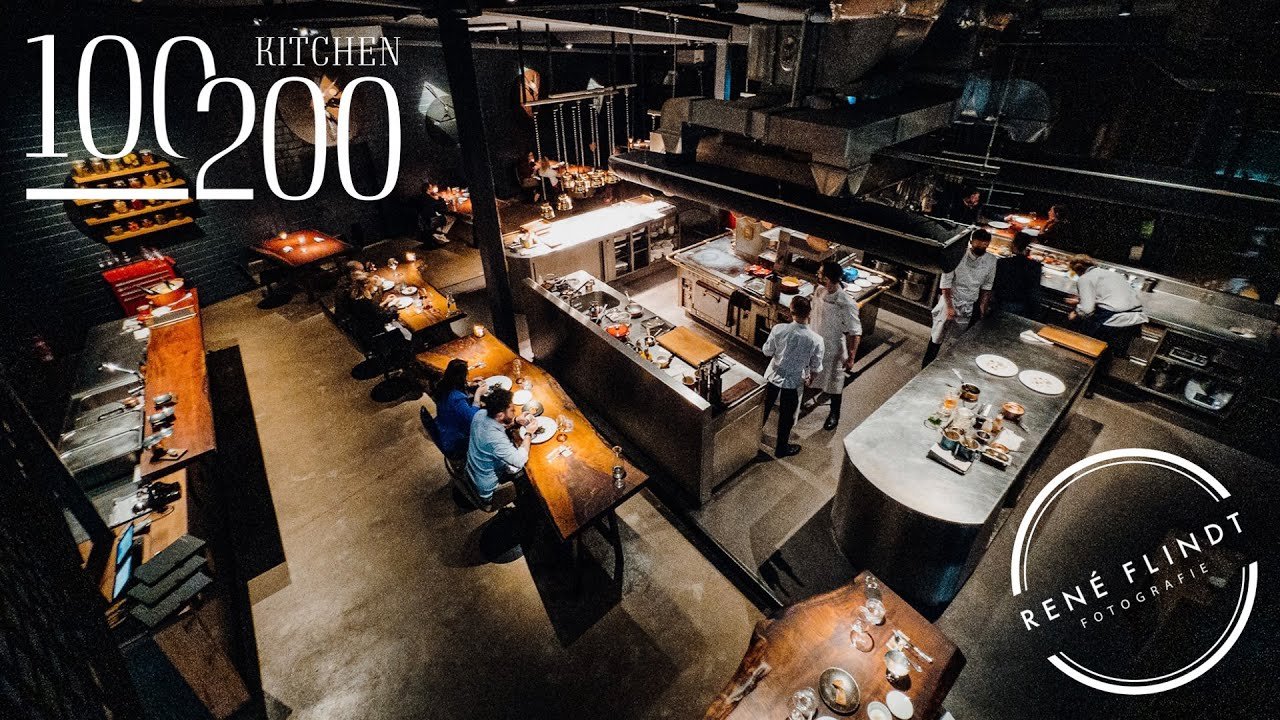
Hamburg's broader €€€€ creative dining field includes 100/200 Kitchen and bianc, both operating at the leading price bracket in the city. Restaurant Haerlin represents the creative French tradition in a historic hotel setting. Piment and Koer occupy different price and format positions in the same city. What separates The Table from all of them is the award tier: three Michelin stars places it in a different competitive conversation, one that runs across borders rather than across postcodes. In that broader frame, comparisons extend to Alléno Paris au Pavillon Ledoyen and Enrico Bartolini in Milan more readily than to Hamburg neighbours.
What the Regulars Are Actually Tracking
Counter-format restaurants at the three-star level develop a particular kind of repeat clientele. The spectacle of discovering a new restaurant fades quickly at this price point; what sustains a regular's loyalty is consistency, evolution, and the specific pleasure of a format that rewards familiarity. At The Table, regulars are not chasing novelty. They are tracking how the kitchen develops its language over successive visits, noting how sequences shift, where constraints appear, and whether the counter dynamic holds its quality across a year rather than a single evening.
Opinionated About Dining, whose rankings aggregate expert diner input rather than relying on anonymous inspectors alone, placed The Table at #303 in Europe in 2025 and #336 in 2024. That upward movement across consecutive years is the kind of signal that experienced diners read carefully. It suggests the kitchen is not static, which matters to the subset of guests who plan multi-year return visits. La Liste's 95.5-point score in 2025 places it in the upper band of that global index, alongside restaurants whose reputations are built on sustained execution rather than a single breakout year.
The counter format also creates an unwritten social contract that regulars understand and first-timers sometimes misread. Interaction is part of the experience, but not performatively. The flow of service at a counter this size, combined with a kitchen that is visible by design, means the evening has a different rhythm than a room-based tasting menu. For returning guests, that rhythm becomes familiar enough to be itself a source of pleasure, a form of pacing they can anticipate and settle into rather than decode.
The Creative Cuisine Framework
Creative cuisine as a category covers significant ground, and at the three-star level it tends to mean something more specific: a kitchen with a developed point of view, techniques drawn from multiple traditions, and a menu that changes often enough to justify the price tier on repeat visits. Germany's three-star creative kitchens, including JAN in Munich and ES:SENZ in Grassau, each operate with distinct aesthetic commitments. The Table's counter format is itself an aesthetic commitment: it restricts scale, intensifies the service relationship, and removes the buffer of a traditional dining room between kitchen and guest.
That restriction has creative consequences. A kitchen producing for a counter rather than a full room operates with different margins for error and different possibilities for presentation. Dishes can be finished closer to the guest. Timing can be calibrated to the individual rather than the table. These are structural advantages that creative kitchens at this level tend to exploit, and the counter format at The Table is not incidental to the cooking; it is constitutive of it.
For context on where Germany's creative dining scene sits relative to dessert-led or single-focus formats, CODA Dessert Dining in Berlin represents a different end of the creative spectrum, with a Michelin-starred format built entirely around sugar. The Table occupies the opposite pole: a full creative menu at the leading of the star system.
Planning a Visit
The restaurant operates Tuesday through Saturday, with service beginning at 7pm and running through midnight. It is closed Sunday and Monday. At the three-star level, bookings typically require advance planning measured in weeks rather than days; the counter format limits covers further, making availability tighter than a room-based restaurant at the same price tier. The address is Shanghaiallee 15 in HafenCity, Hamburg's 20457 postcode, a district that has grown its hospitality density significantly over the past decade. Google reviewers rate it 4.8 from 446 responses, a figure that holds across a meaningful sample size at this price point.
The €€€€ price designation places it at the ceiling of Hamburg's dining market. Guests arriving for the first time benefit from understanding the counter format in advance: seating is configured around the kitchen, not arranged in a conventional room, and the evening has a single shared rhythm rather than the autonomous pace of a restaurant table. For those considering Hamburg's broader dining scene, EP Club's full Hamburg restaurants guide maps the city's range across price tiers and cuisines. For accommodation and further planning, see the Hamburg hotels guide, the Hamburg bars guide, the Hamburg wineries guide, and the Hamburg experiences guide.
Compact Comparison
A quick look at comparable venues, using the data we have on file.
| Venue | Notes | Price |
|---|---|---|
| The Table Kevin Fehling | This venue | €€€€ |
| 100/200 Kitchen | Creative, €€€€ | €€€€ |
| bianc | Modern Mediterranean, Mediterranean Cuisine, €€€€ | €€€€ |
| Lakeside | German Lakeside, €€€€ | €€€€ |
| Landhaus Scherrer | Modern European, Classic Cuisine, €€€€ | €€€€ |
| Heimatjuwel | German, Creative, €€€ | €€€ |