


A two-Michelin-starred address on Hamburg's HafenCity waterfront, bianc applies a Mediterranean restraint that reads as unusual in northern Germany's fine-dining scene. Chef Matteo Ferrantino's open-flame approach strips the format back to fire and produce, earning a La Liste score of 90 points and a place among Europe's top 100 restaurants according to Opinionated About Dining's 2024 rankings.
 Discover on Pearl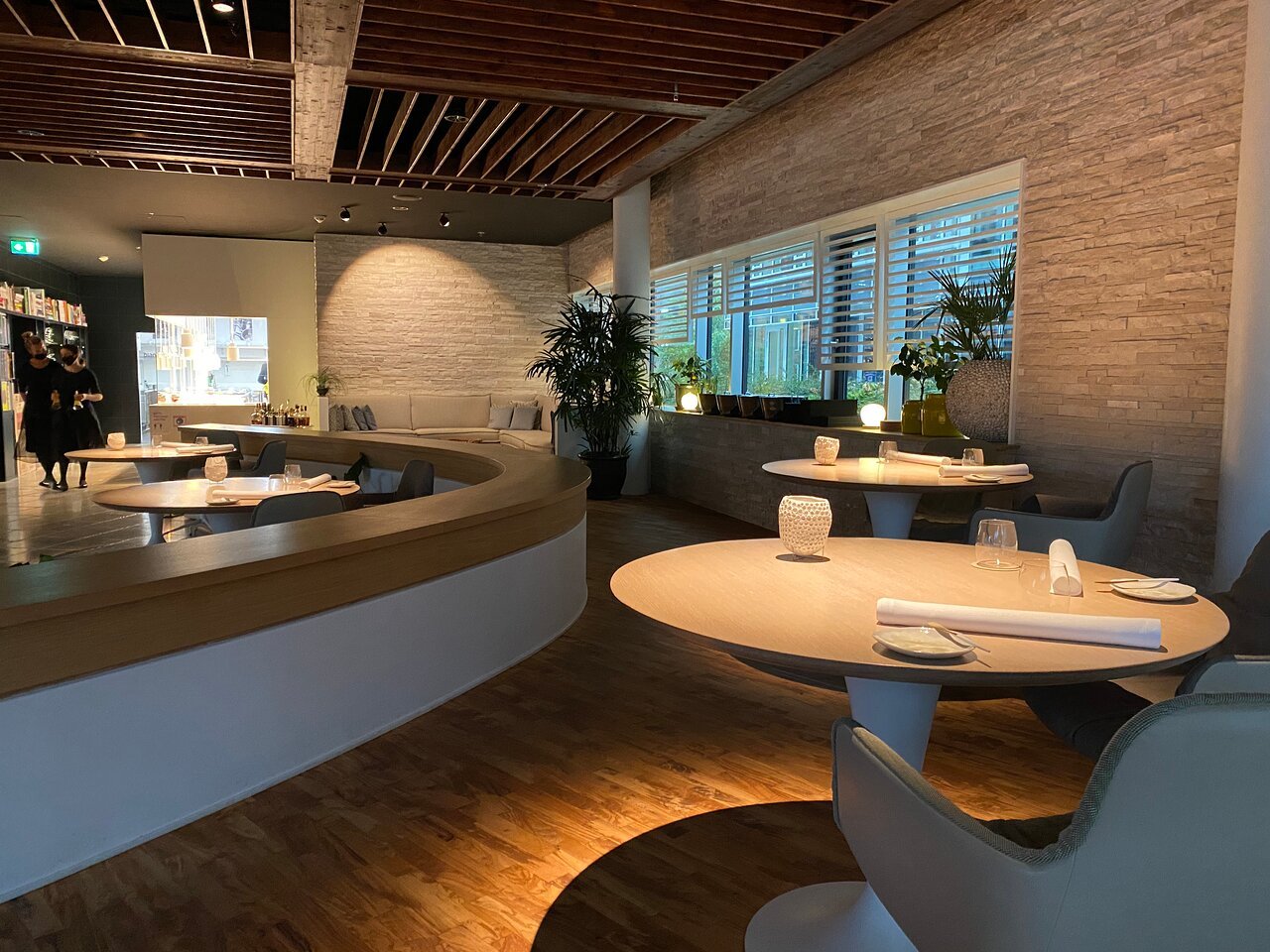
Fire at the Water's Edge
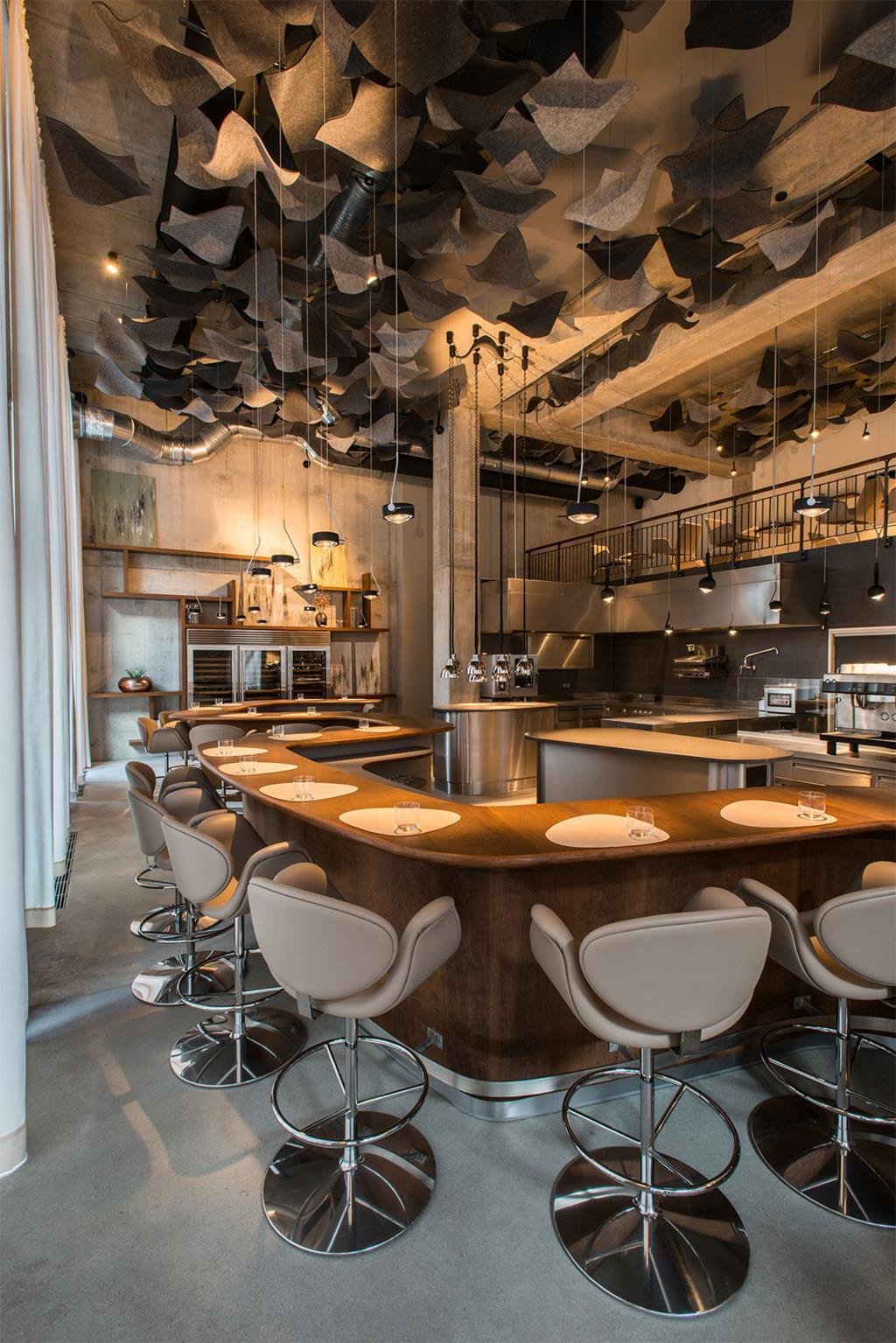
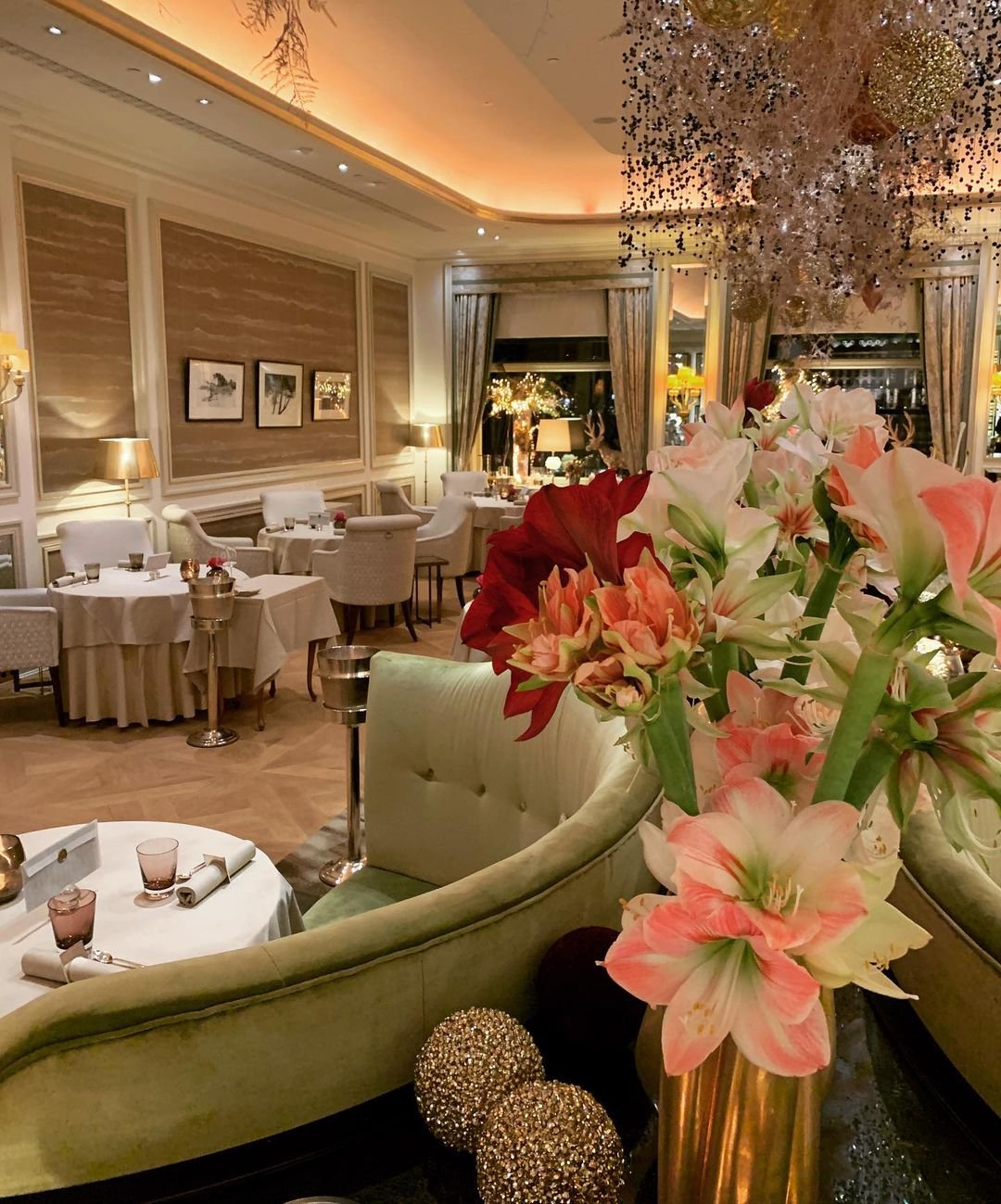
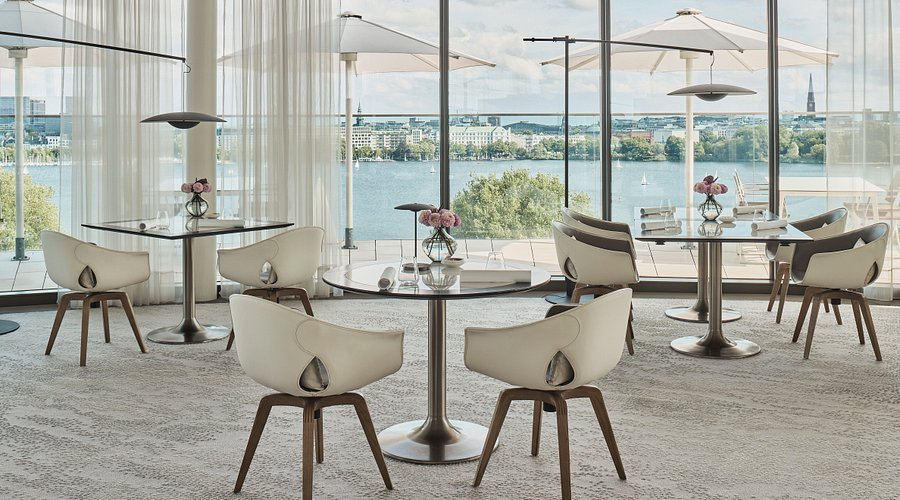
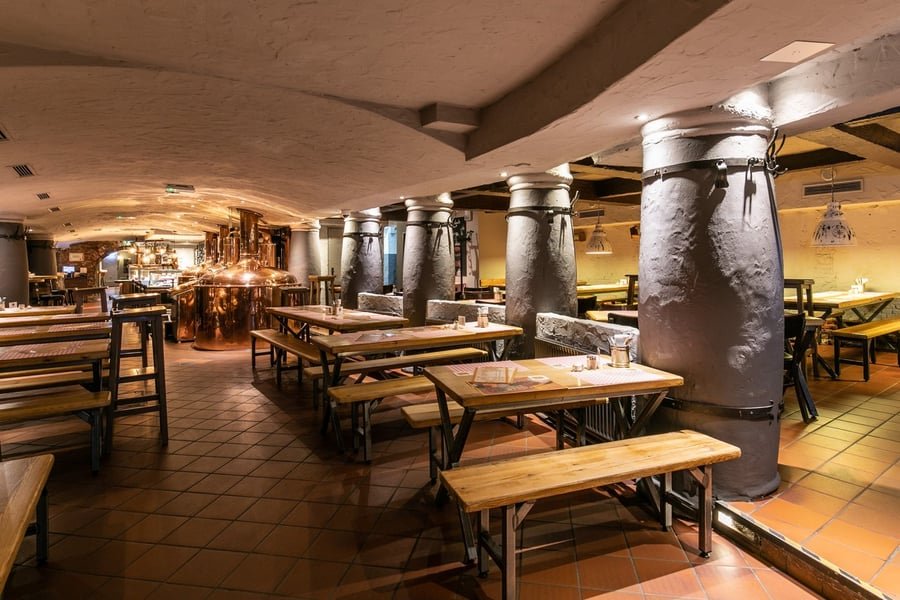
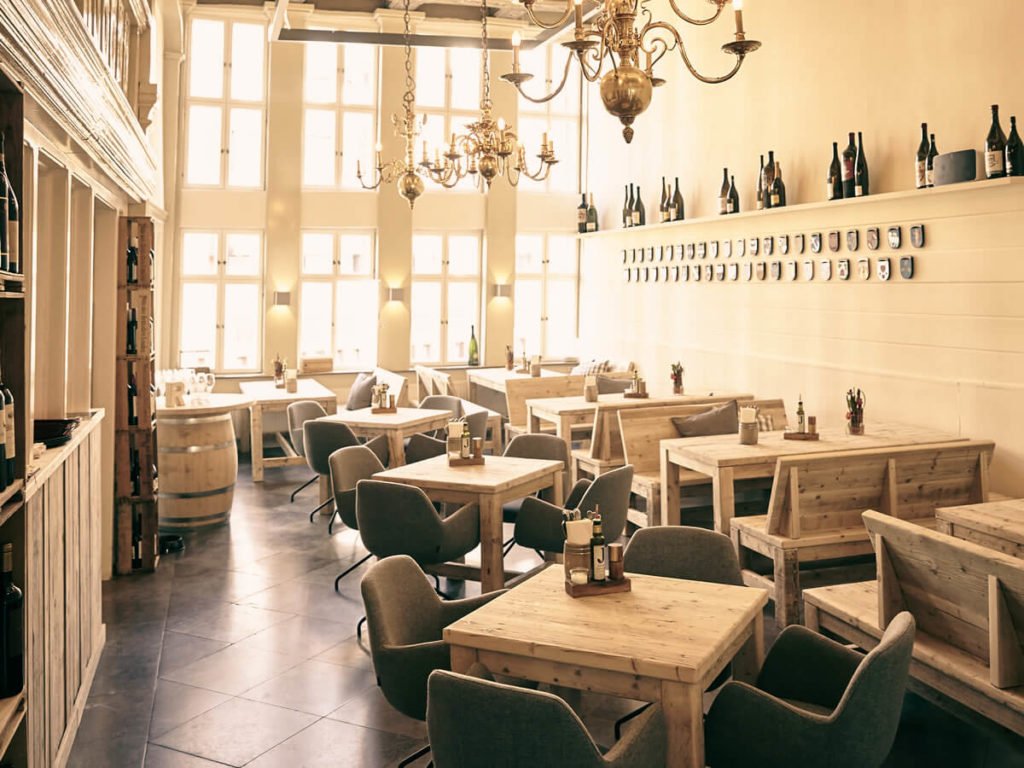
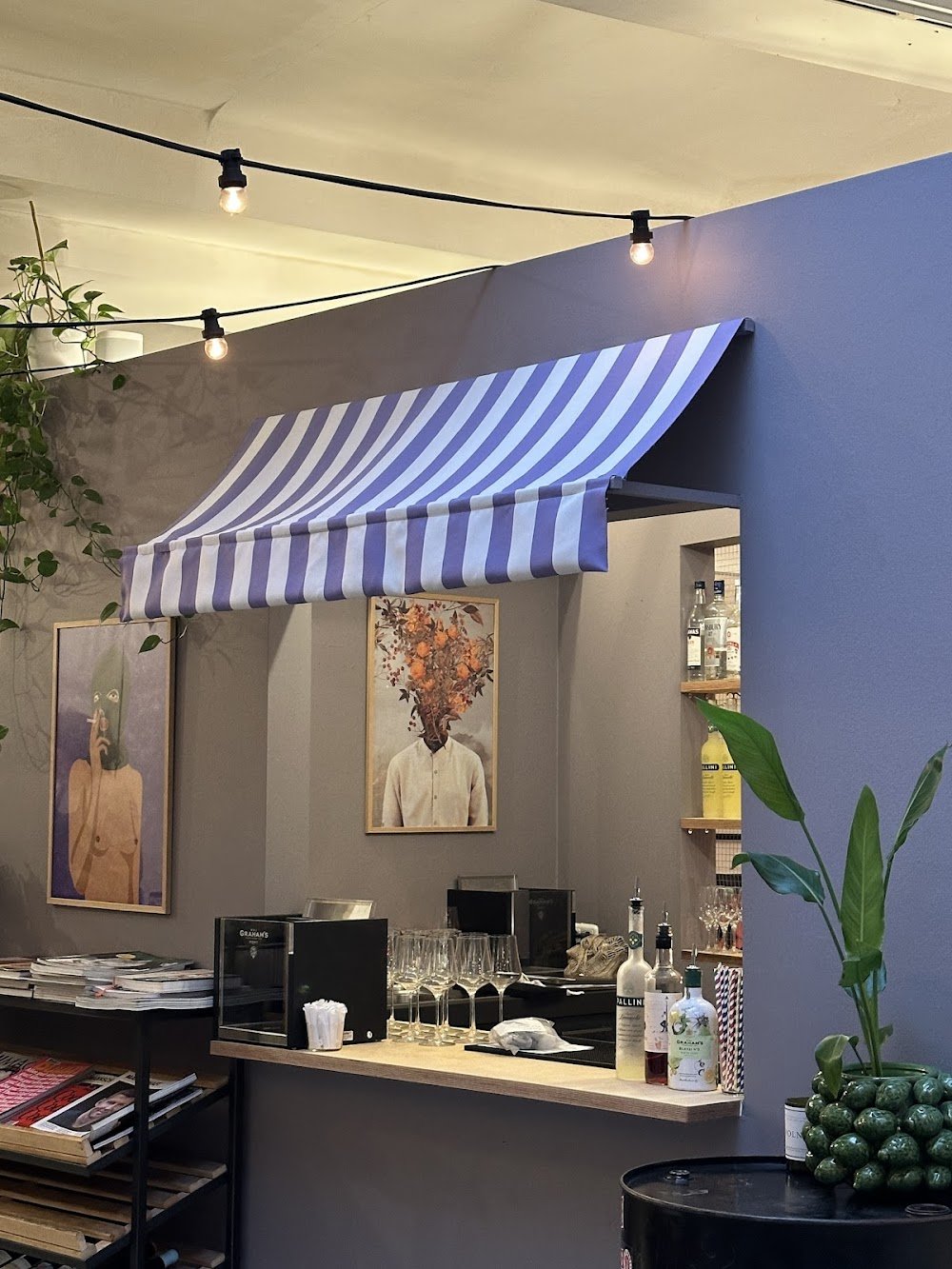
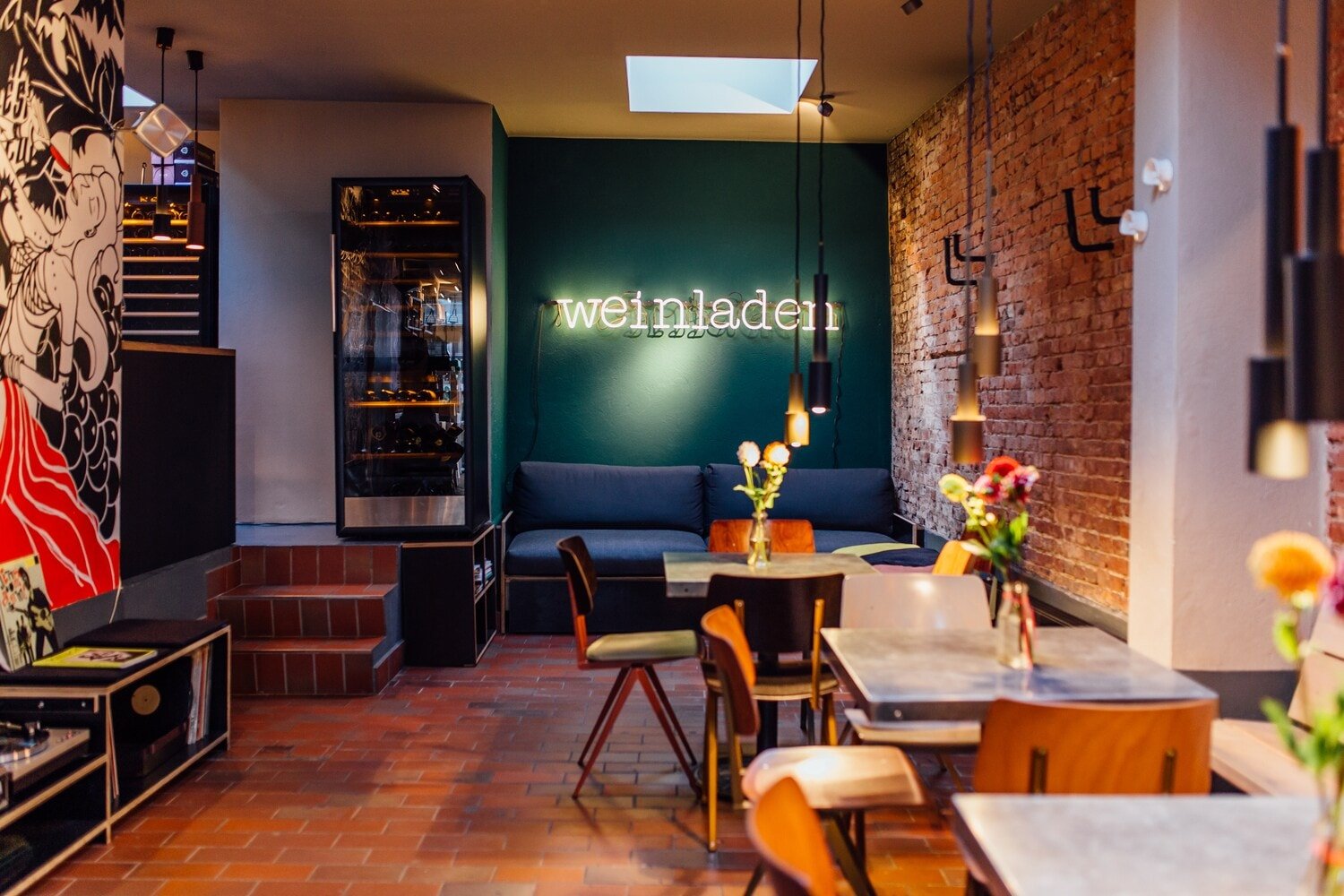
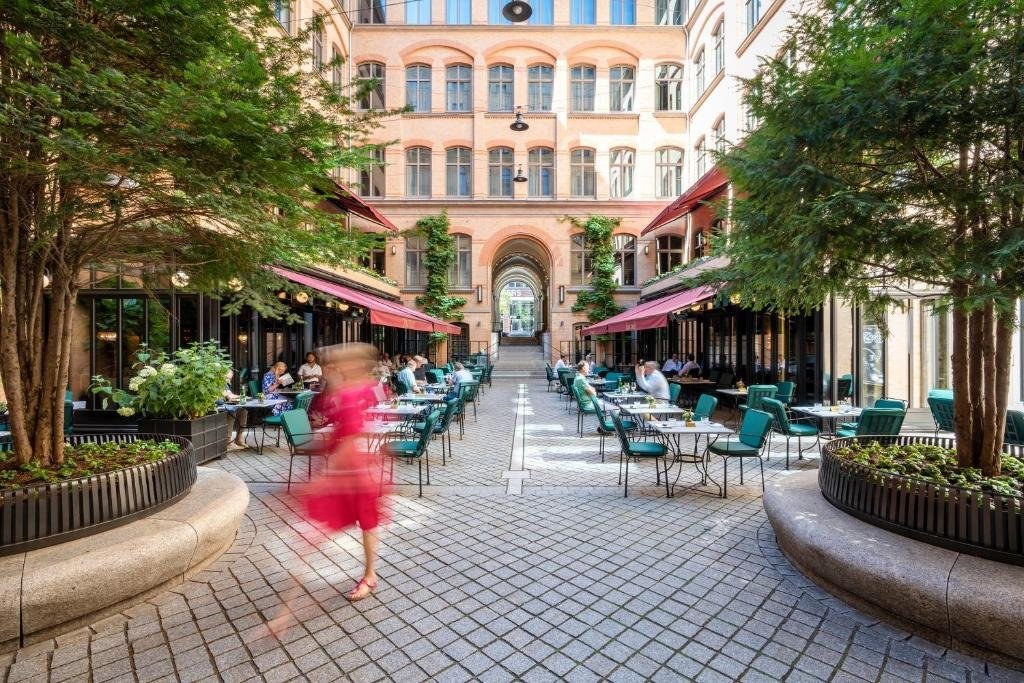
HafenCity's dining strip along Am Sandtorkai is one of Hamburg's more theatrical addresses: the old harbour warehouses converted into glass-fronted restaurants, the Elbe light shifting through the evening from amber to near-black. Inside bianc, that outside drama settles into something more considered. The room works with the industrial scale of the converted warehouse rather than fighting it, and the overall atmosphere is one of deliberate calm. This is not the kind of two-Michelin-star room that leans on formality to signal seriousness. In that sense, it belongs to a broader European trend: fine dining spaces that remove the tablecloth theatre and let the food carry the weight.
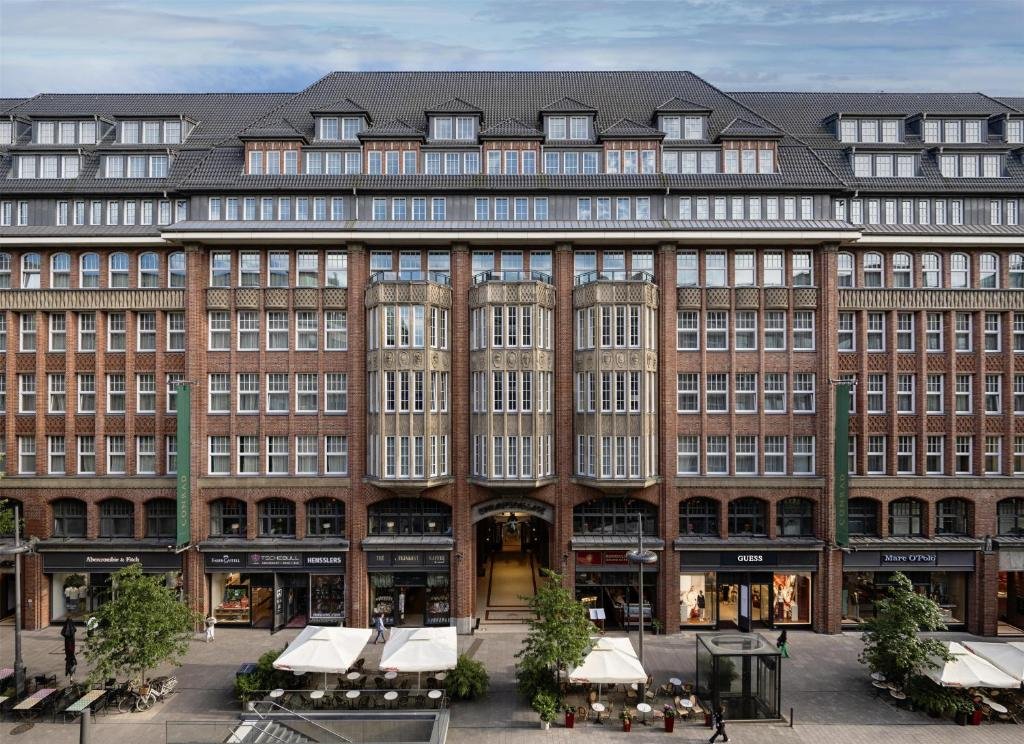
The neighbourhood context matters here. HafenCity is the largest inner-city development project in Europe by area, and its restaurant density reflects that ambition: multiple high-end addresses competing for a clientele that arrives specifically for a serious meal, not by accident. The Table Kevin Fehling, three Michelin stars, operates within the same broad postcode and at the same price tier (€€€€), creating a high-pressure peer set in which bianc has carved a clearly distinct identity. Where Fehling's kitchen tilts toward technical complexity, the cooking here moves in the opposite direction.
The Logic of the Open Flame
Modern Mediterranean cuisine in a northern European city is a positioning choice with real culinary stakes. The minimal-intervention approach that defines the Mediterranean kitchen at its most rigorous — fire, salt, good olive oil, produce at peak — translates poorly when it is merely imitated. It requires sourcing discipline, kitchen confidence, and a willingness to let a single ingredient carry a plate. At bianc, the editorial angle is grilled simplicity: the open flame as primary tool rather than finishing accent.
This is a meaningful distinction in the context of German fine dining, where the dominant mode across two- and three-star rooms has historically been French-influenced construction: sauces built in stages, proteins treated through multiple techniques, composed plates that reward close reading. Venues like Restaurant Haerlin (creative French, Hamburg) and Vendôme in Bergisch Gladbach operate in that tradition. The fire-forward Mediterranean approach at bianc represents a different culinary argument: that reduction, rather than addition, is the harder discipline.
Chef Matteo Ferrantino's presence at the stove is the credential that gives this argument weight. His name appears at La Liste in both 2025 and 2026, and the kitchen has held two Michelin stars since 2024. In the Opinionated About Dining rankings, which aggregate the assessments of frequent serious diners rather than anonymous inspectors, bianc placed 99th across all of Europe in 2024. That is a meaningful data point: OAD's methodology skews toward repeat visitors and knowledgeable eaters, so placement in the top 100 reflects consistent performance across multiple visits by a demanding peer group, not a single outstanding evening.
Comparisons outside Hamburg are instructive. Aqua in Wolfsburg and Schwarzwaldstube in Baiersbronn both operate at the three-star level and represent the constructivist tradition in German fine dining. bianc's two-star standing and Mediterranean identity place it in a different competitive tier, closer in spirit to those European fire-kitchen operators who have built recognition around restraint rather than complexity. Internationally, the ethos finds parallels in kitchens like Le Bernardin in New York City, where a single primary technique, applied with precision across a focused menu, becomes the entire editorial statement.
What the Awards Actually Signal
Award trajectories tell you something about trajectory, not just status. bianc entered the Opinionated About Dining rankings for new European restaurants in 2023 (ranked 101st among new openings), climbed to 99th overall in Europe by 2024, and held La Liste recognition across both 2025 (90 points) and 2026 (88 points). The slight La Liste score movement between years is less significant than the consistency of recognition: two consecutive appearances in a list that covers thousands of restaurants globally indicates a kitchen that performs without large variance.
The Michelin two-star designation, held through both 2024 and 2025, places bianc in Hamburg's tight cluster of serious addresses. The city currently houses one three-star room (The Table Kevin Fehling), and a small number of two-star addresses including Lakeside, which operates with a different culinary identity (German lakeside cuisine) but sits at the same price point. The star parity between bianc and Lakeside, despite very different kitchen philosophies, is a useful reminder that Michelin rewards technical execution and consistency rather than style preference. Both kitchens earn their standing through rigour; what differs is the culinary argument being made.
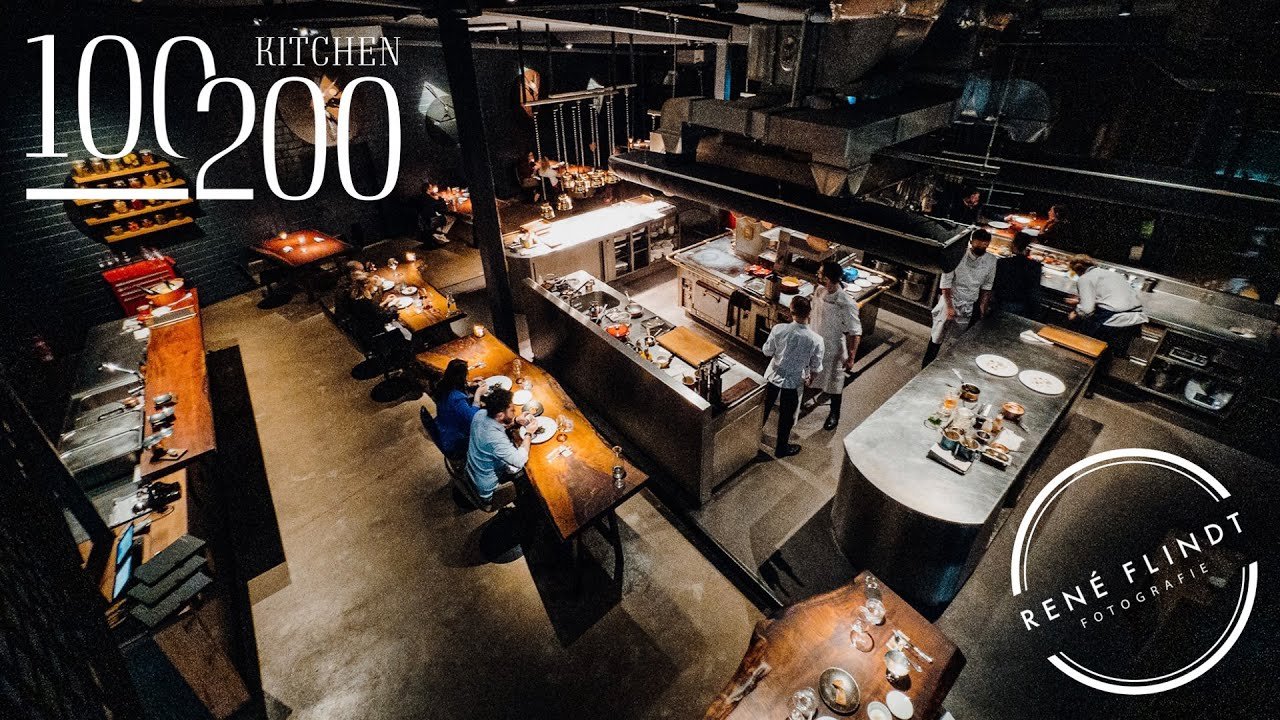
For Hamburg's broader dining scene, the concentration of top-tier addresses in HafenCity and the adjacent harbour areas reflects the city's investment in its waterfront identity. 100/200 Kitchen and Atlantic Restaurant extend the fine-dining options for visitors building a multi-night itinerary around serious eating. Our full Hamburg restaurants guide maps the full range.
Hamburg in a European Context
Germany's fine-dining scene has expanded its stylistic range considerably over the past decade. The country's Michelin-starred count has grown, and cities beyond Munich and Frankfurt have developed credible clusters. Berlin's experimental end of the market, represented by venues like CODA Dessert Dining, and Munich's more classically oriented two-star rooms such as JAN, illustrate how diverse the national scene has become. Hamburg sits in this picture as a city with genuine fine-dining ambition anchored to its maritime and mercantile identity: international in orientation, serious about produce, and increasingly willing to support kitchens that make a distinct culinary argument rather than following the French-influenced template.
bianc's Mediterranean positioning in this context is less anomalous than it might first appear. Hamburg's food culture has long absorbed southern European influences through its port history, and the city's diners have shown appetite for non-German culinary frames at the leading of the market. What the kitchen at Am Sandtorkai 50 has done is push that Mediterranean instinct to its logical extreme: not a Mediterranean-accented German kitchen, but a kitchen where open-flame cooking and minimal intervention are the foundational discipline, applied to produce sourced with fine-dining rigour. ES:SENZ in Grassau and Atomix in New York City offer a useful contrast: both operate with a strong single-culture culinary identity at the highest level, demonstrating how focus on a distinct culinary tradition can anchor a restaurant's critical standing internationally.
Planning a Visit
bianc opens Thursday through Saturday from 6:30 pm, closing at midnight, with Wednesday also available from the same hour. The kitchen is closed Sunday through Tuesday. The four-evening operating week is a pattern common among two-star European rooms, where kitchen teams maintain quality control by limiting service frequency. At the €€€€ price tier, visitors should expect a spend consistent with Hamburg's other two-star addresses: reservation lead times at this level in Hamburg typically run several weeks, and the four-night window narrows availability further, so forward planning is advisable.
The Am Sandtorkai address places bianc in the heart of HafenCity, accessible by U-Bahn (U4, HafenCity Universität station) or a short walk from the Speicherstadt. For visitors extending a Hamburg trip beyond restaurants, our Hamburg hotels guide covers the waterfront and city-centre options, while the bars guide and experiences guide round out the picture. Wine-focused visitors can reference our Hamburg wineries guide for context on what the region offers beyond the plate.
Reputation First
These are the closest comparables we have in our database for quick context.
| Venue | Awards | Cuisine | Notes |
|---|---|---|---|
| bianc | Michelin 2 Stars | Modern Mediterranean, Mediterranean Cuisine | This venue |
| The Table Kevin Fehling | Michelin 3 Star | Creative | Creative, €€€€ |
| Lakeside | Michelin 2 Star | German Lakeside | German Lakeside, €€€€ |
| Landhaus Scherrer | Michelin 1 Star | Modern European, Classic Cuisine | Modern European, Classic Cuisine, €€€€ |
| Heimatjuwel | Michelin 1 Star | German, Creative | German, Creative, €€€ |
| Zeik | Michelin 1 Star | Modern European, Modern Cuisine | Modern European, Modern Cuisine, €€€€ |