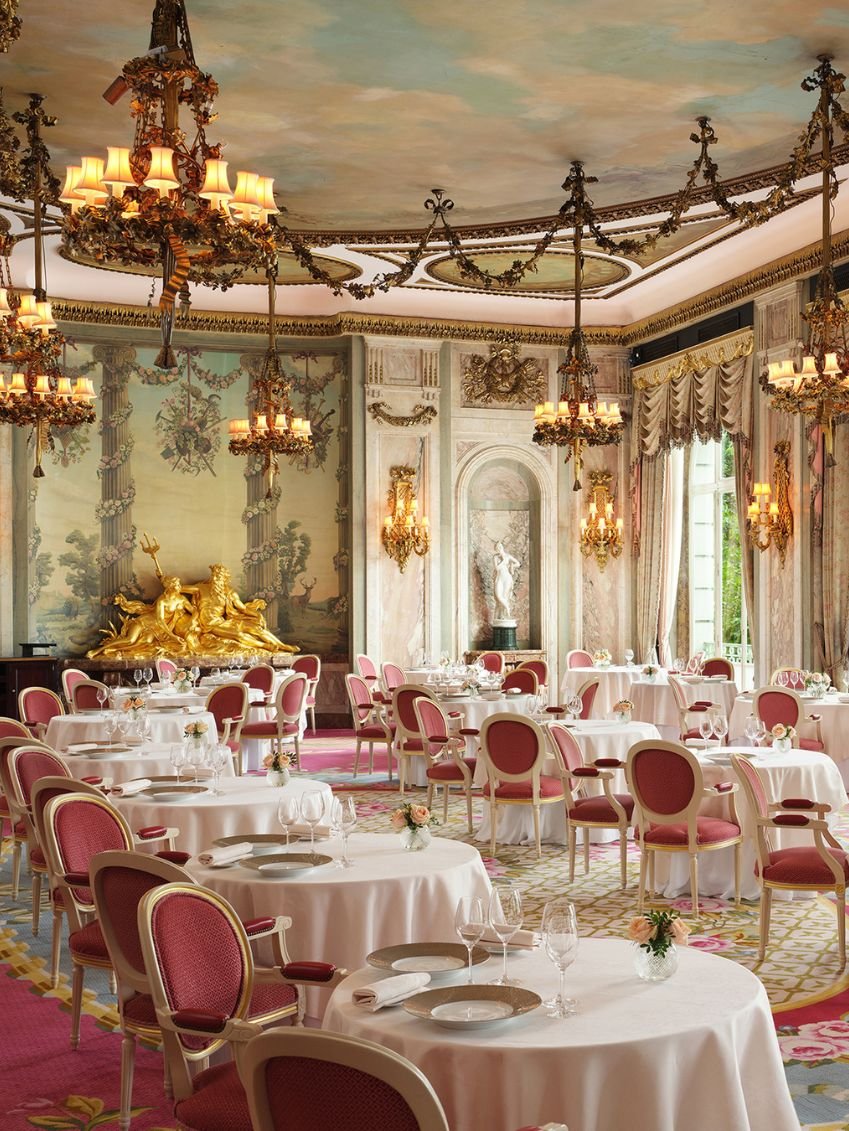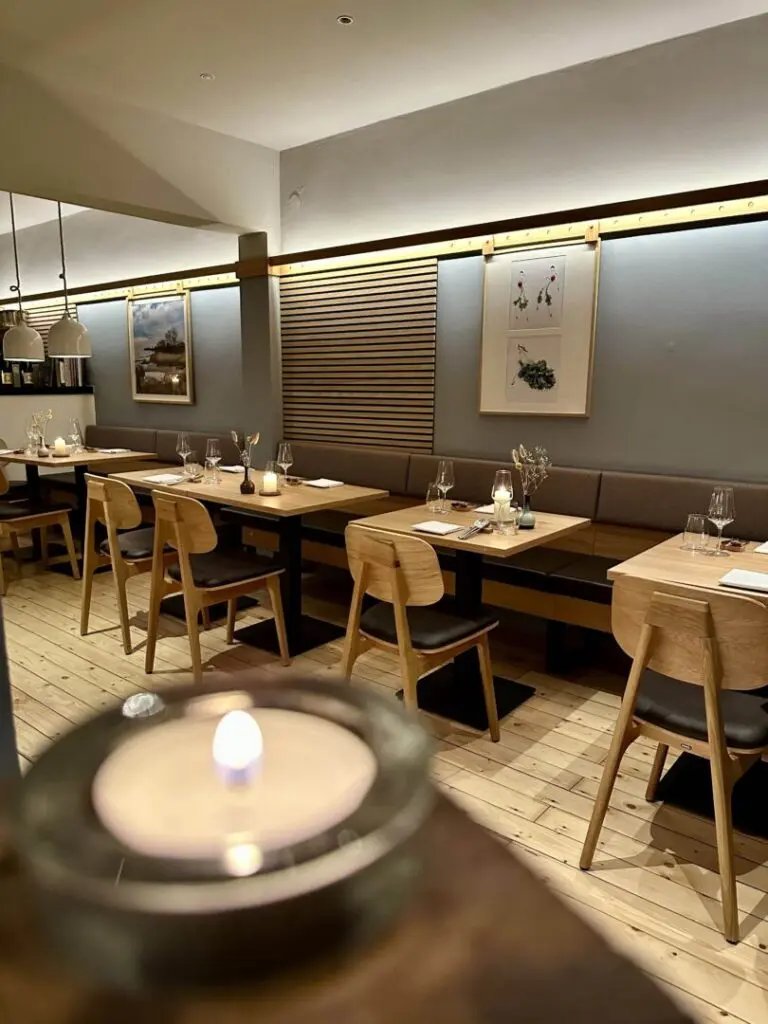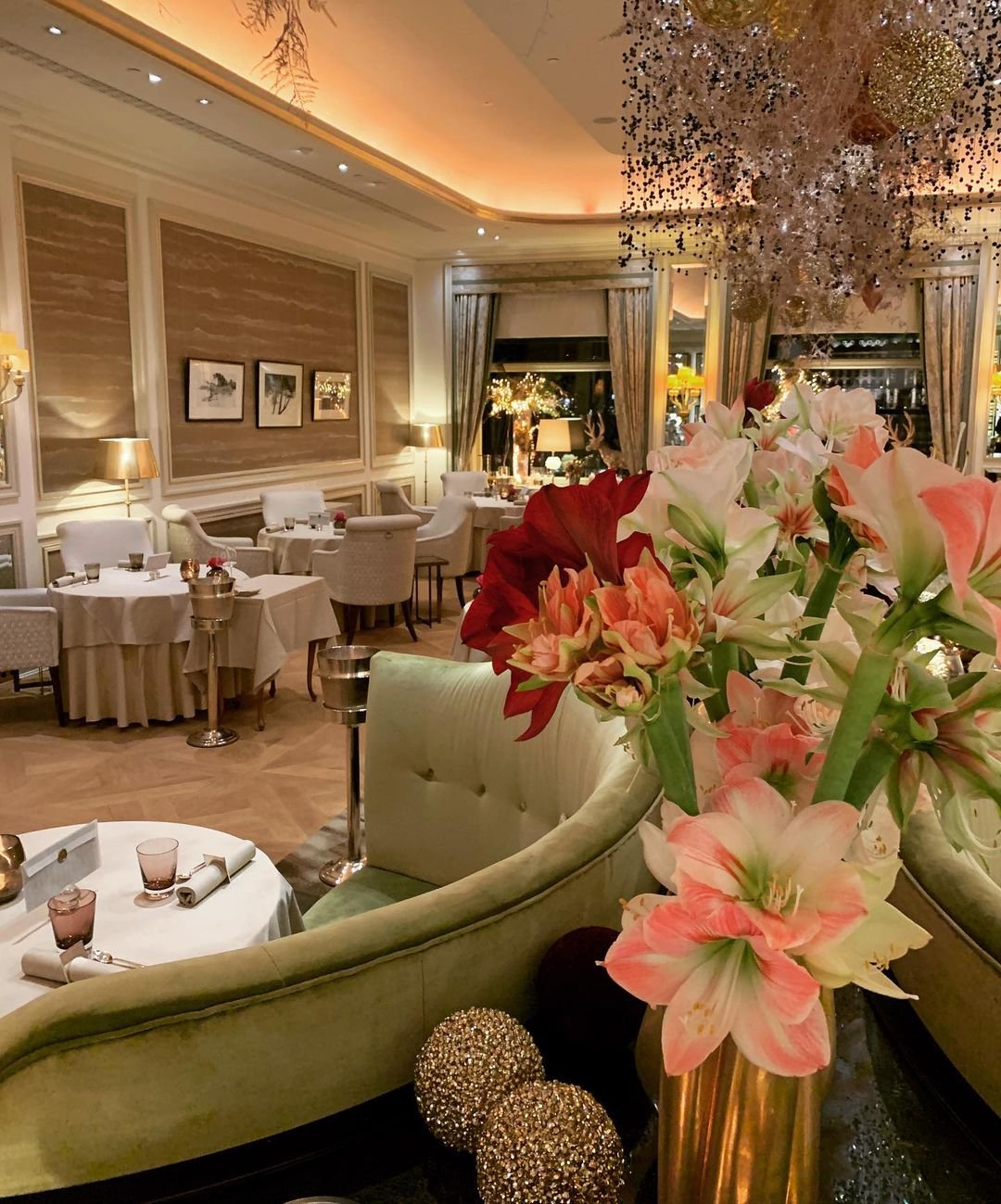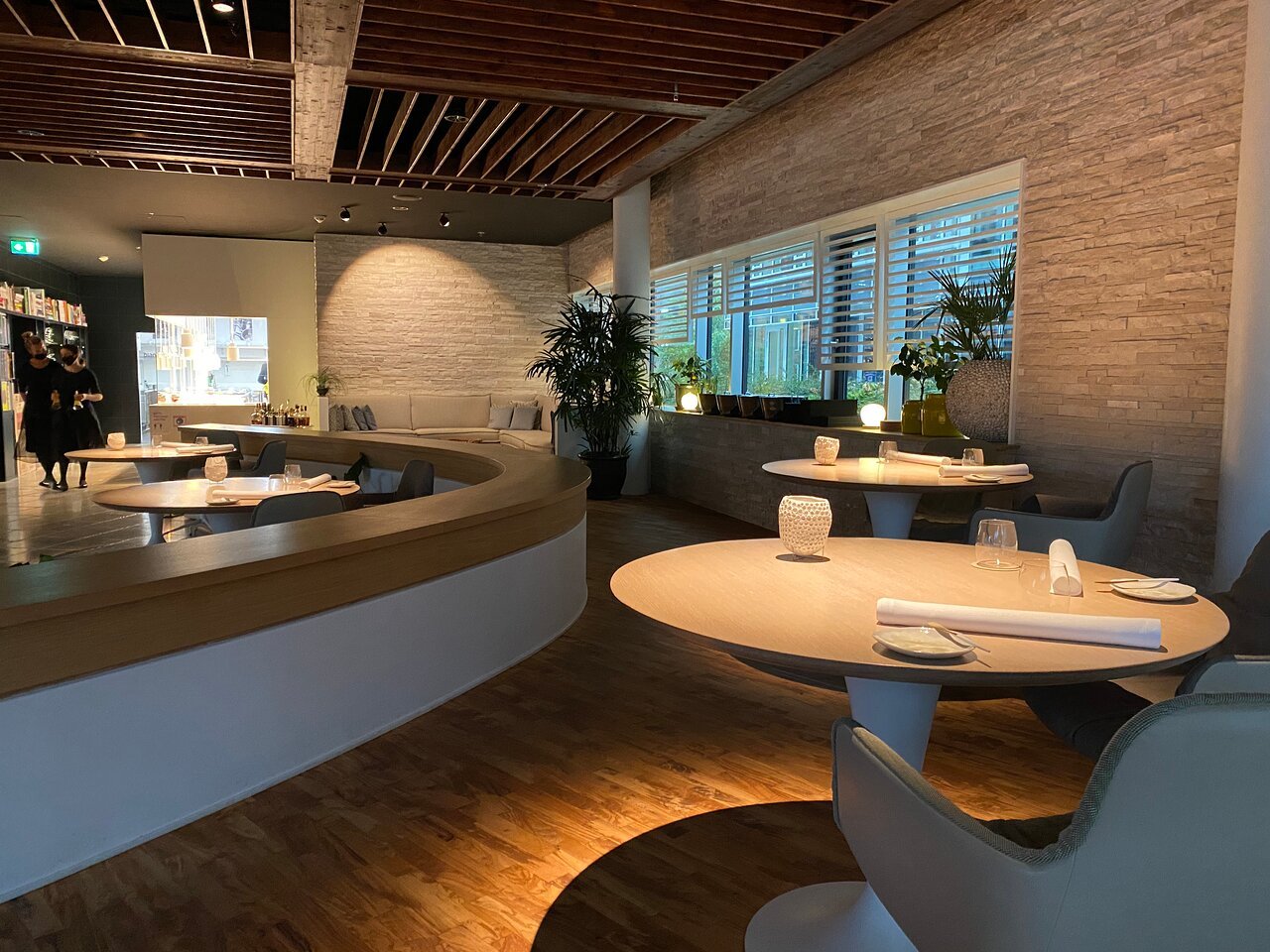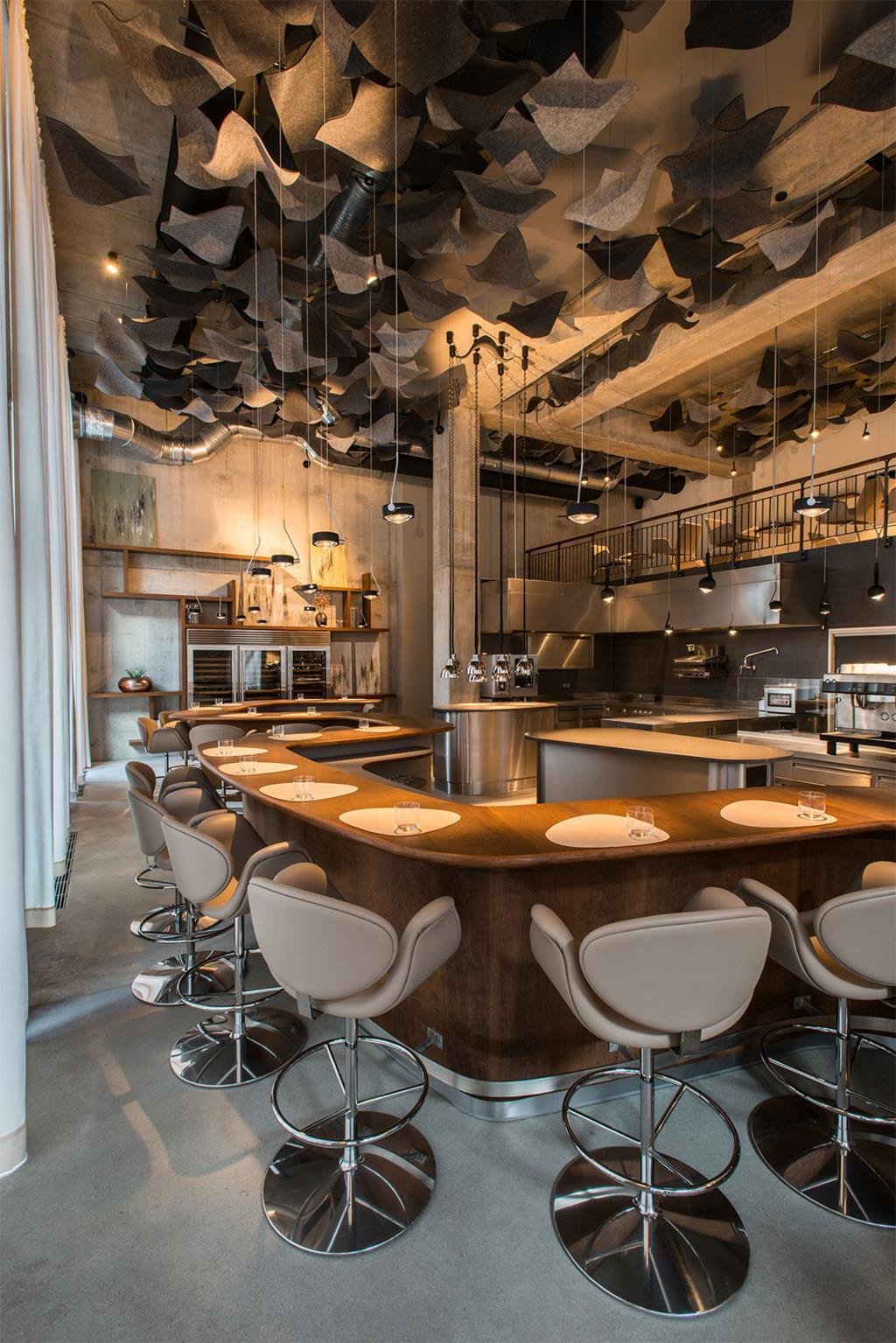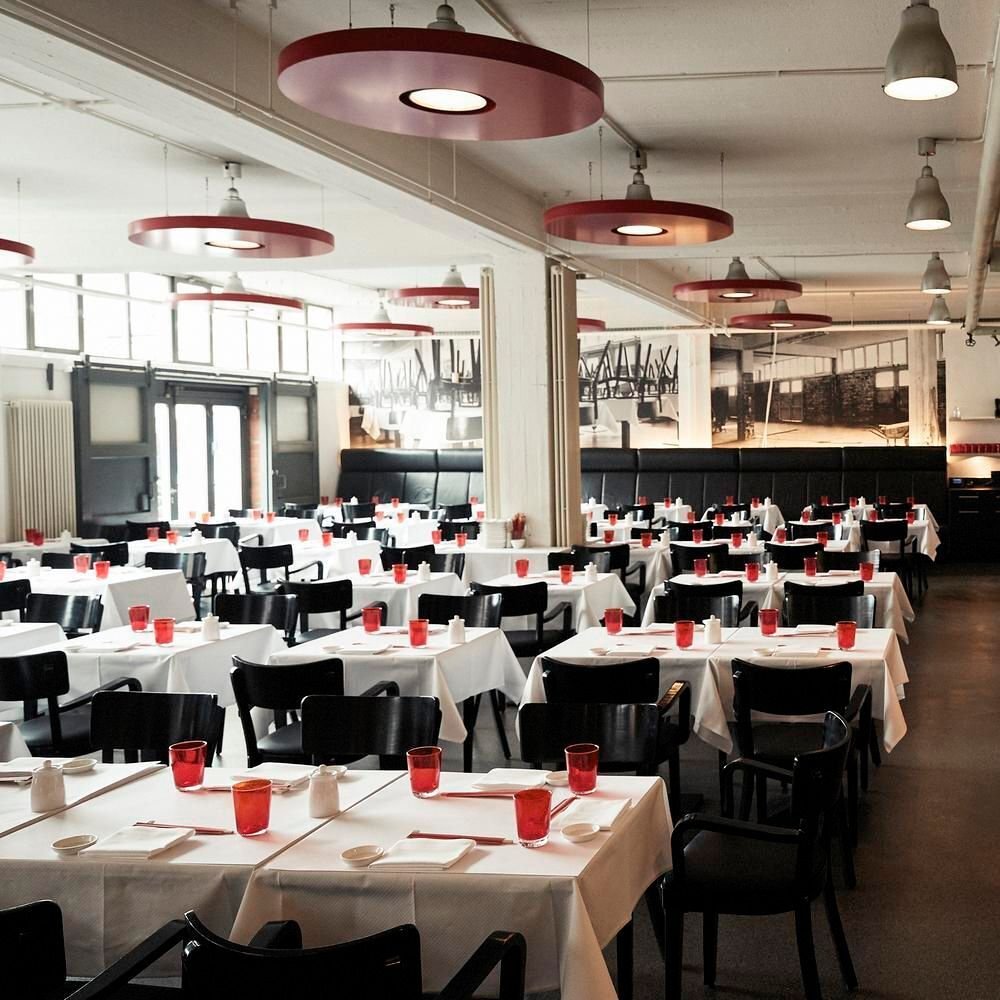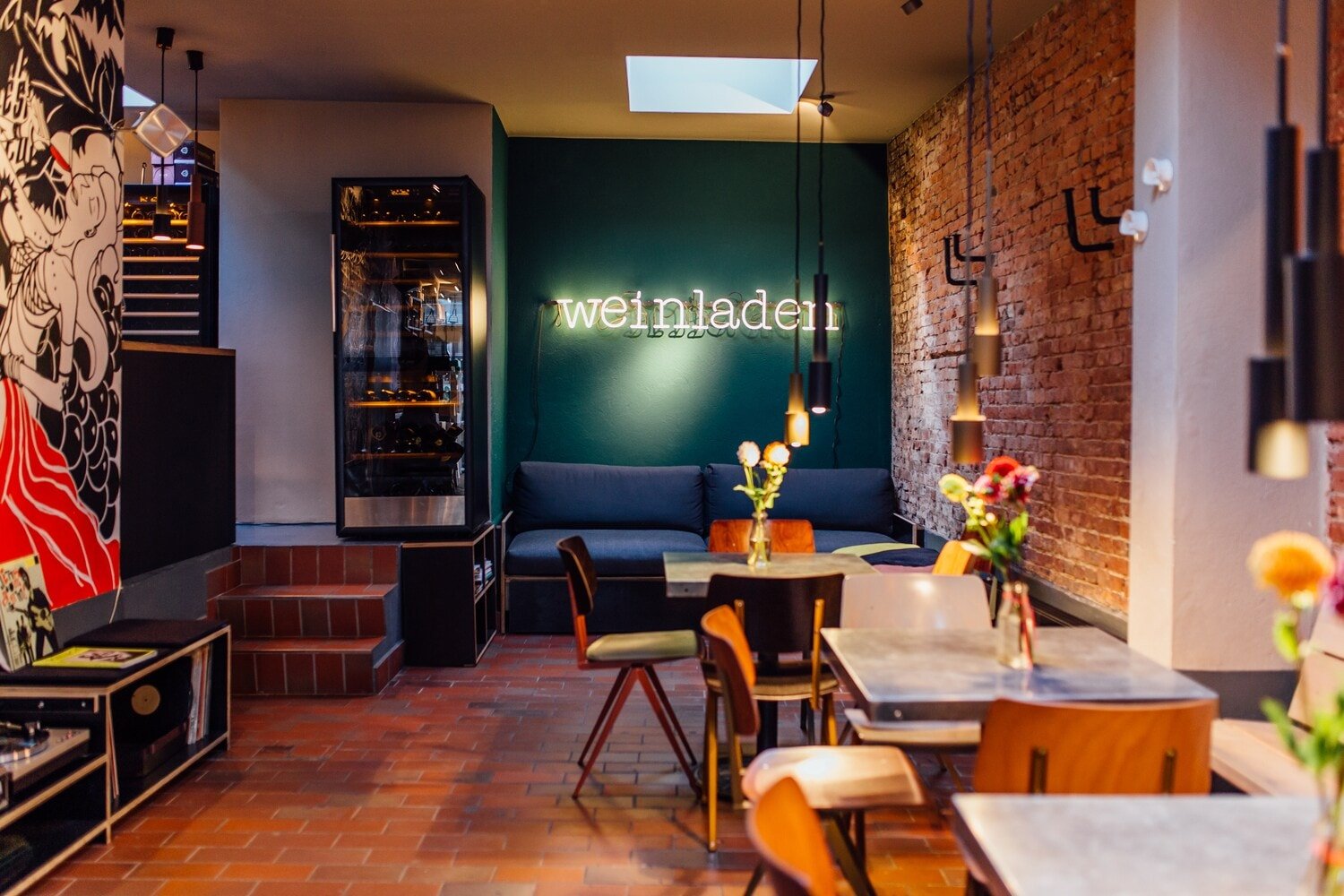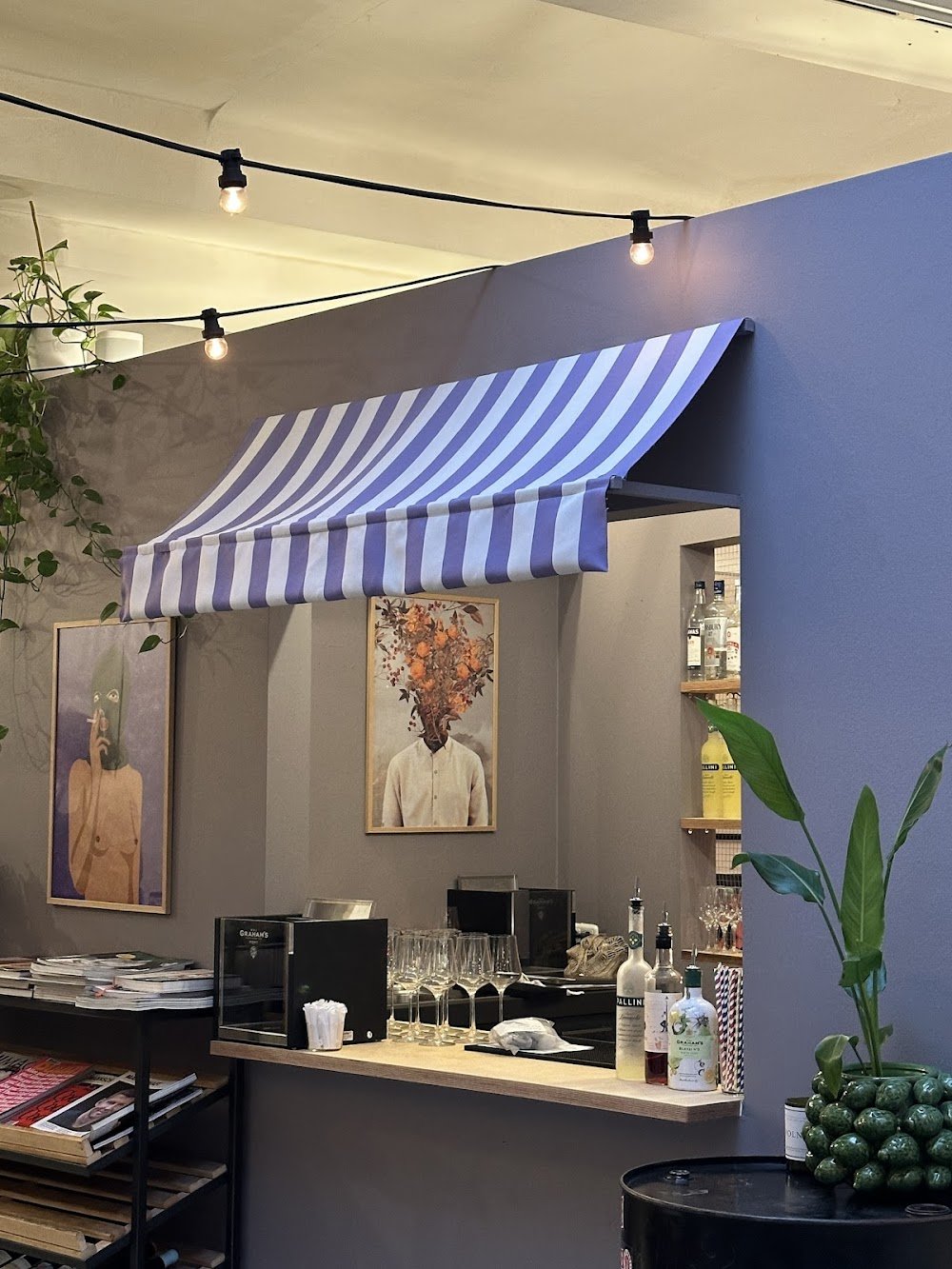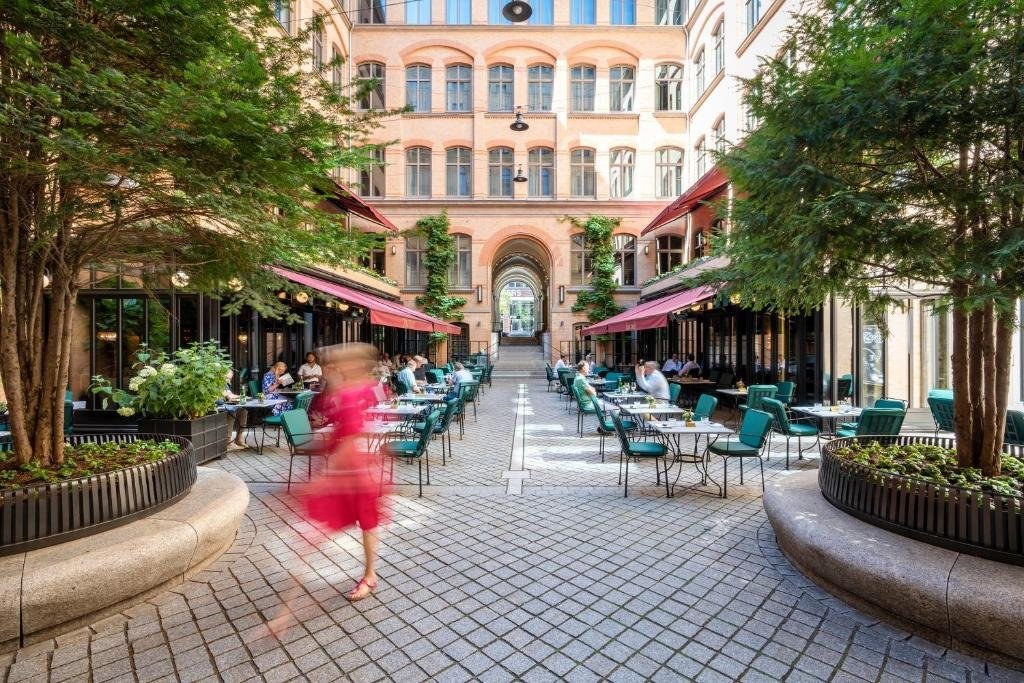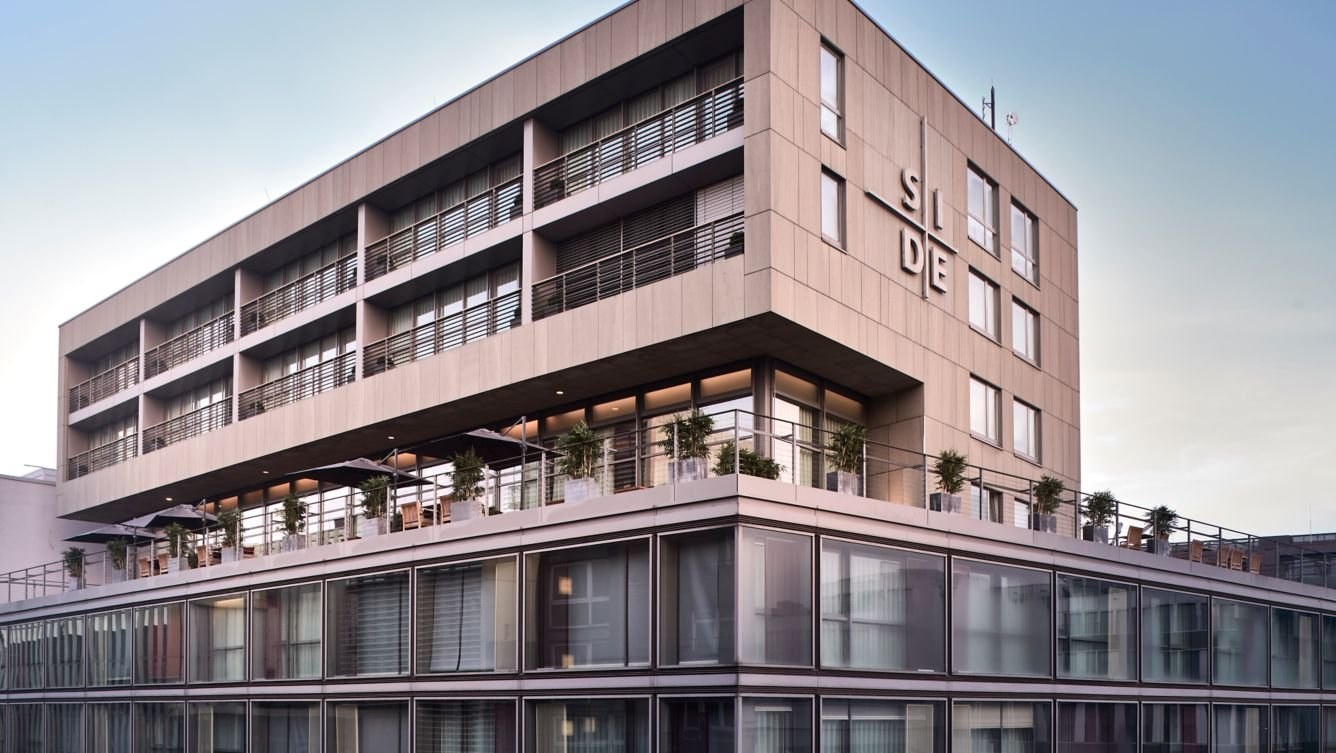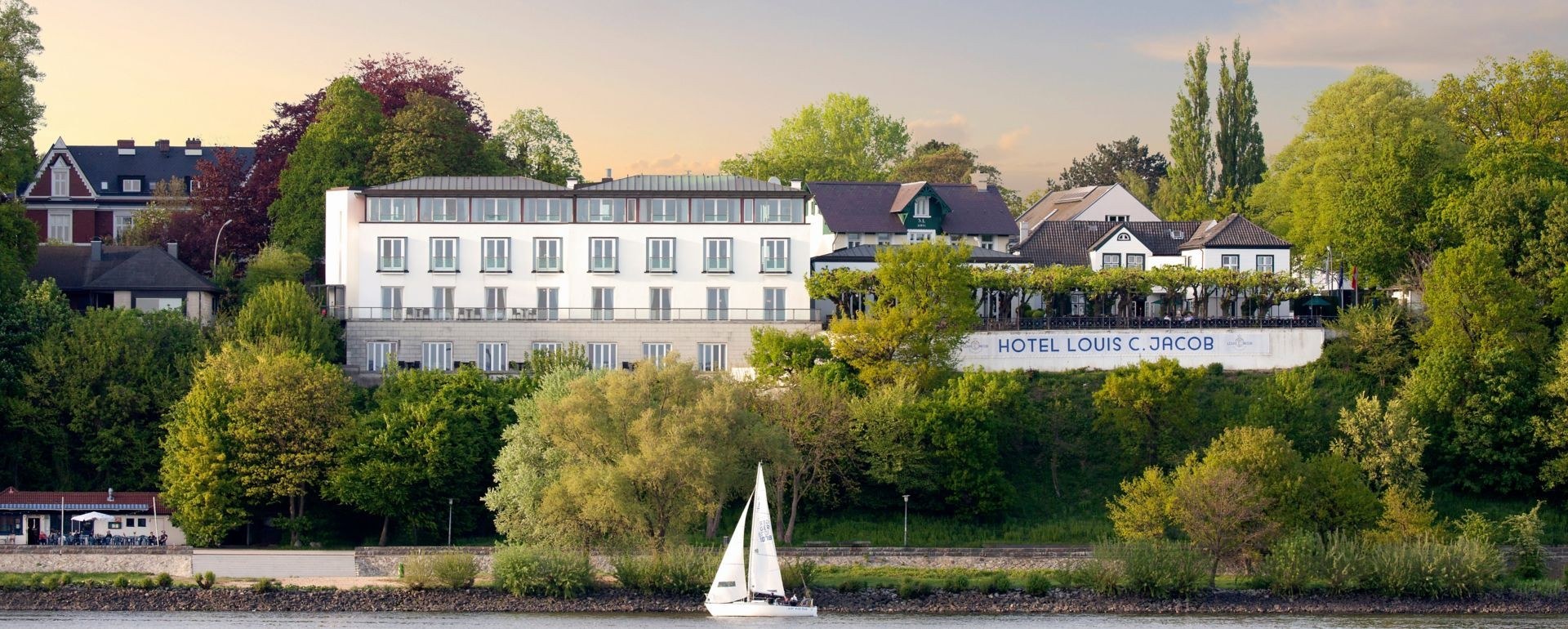


A Hamburg institution on the Elbchaussee, Landhaus Scherrer has held a Michelin star continuously and earned a Green Michelin star for its regional sourcing approach. Chef Heinz O. Wehmann's kitchen works within classical European tradition, placing it in a different register from the city's more experimental €€€€ tables. Opinionated About Dining ranked it among Europe's top classical restaurants in both 2024 and 2025.
 Discover on Pearl
A Villa on the Elbe and What It Represents
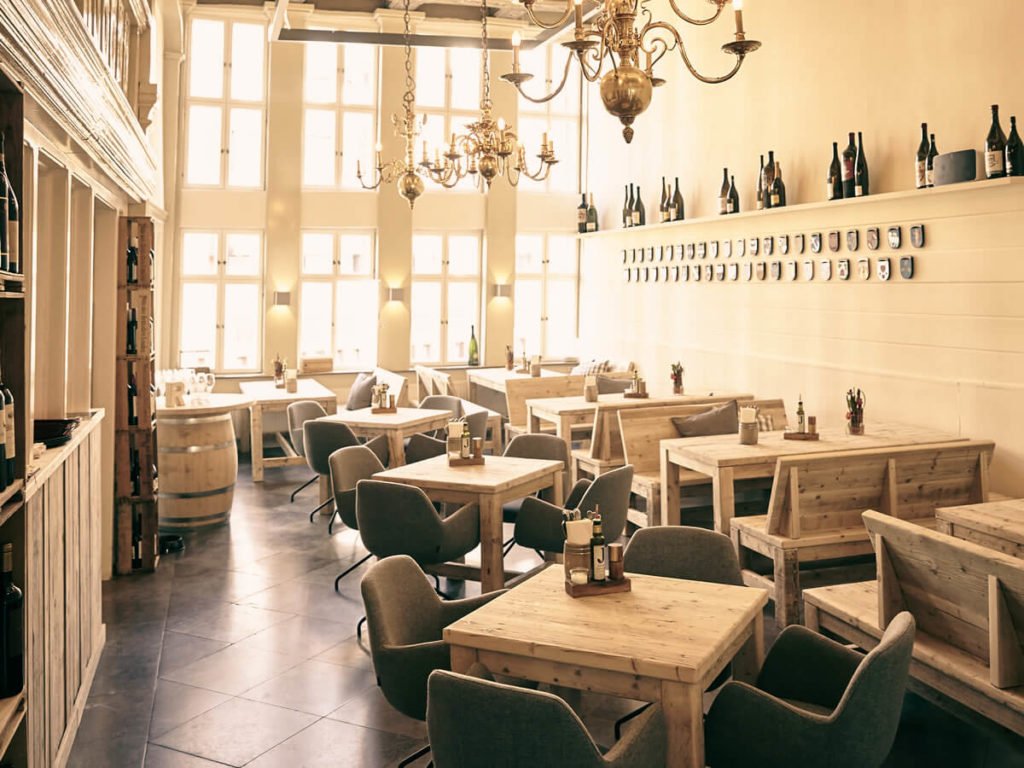
The western stretch of Elbchaussee is Hamburg at its most composed. The road runs parallel to the river through Altona, lined with nineteenth-century merchant villas and a tree canopy that muffles the city. Arriving at Landhaus Scherrer, you step into a context that the newer generation of Hamburg's €€€€ restaurants have largely abandoned: a formal house with proper reception, tablecloths, and a room that communicates permanence rather than concept. That choice of register is itself an editorial statement about where German fine dining has been and where a particular strand of it continues to hold ground.
Hamburg's high-end restaurant scene in 2025 spans a wide range of formats. The Table Kevin Fehling operates at the opposite end of the spectrum, with a tasting-menu-only counter and three Michelin stars. 100/200 Kitchen and bianc represent more recent arrivals with modern-Mediterranean and creative angles. Against that backdrop, Landhaus Scherrer occupies a distinct position: a restaurant with deep institutional history, a Michelin star held across multiple consecutive years, and a Green Michelin star awarded for commitment to regional produce. In both 2024 and 2025, Opinionated About Dining placed it among its ranked Classical restaurants in Europe, moving from position 304 to 280 between the two editions. That upward movement, within a list that rewards consistency and technical rigour over novelty, tells you something specific about the kitchen's trajectory.
Classical Cooking as a Competitive Stance
Within Germany, the market for classical European fine dining has narrowed over the past decade as tasting-menu formats and chef-driven creative concepts absorbed most of the critical attention. Restaurants like Aqua in Wolfsburg and Vendôme in Bergisch Gladbach have represented the high end of German classical cooking, while venues like Schwarzwaldstube in Baiersbronn demonstrate how regional-rooted classical cuisine can sustain decades of recognition. Landhaus Scherrer fits within that tradition rather than departing from it, which is precisely its claim on a particular diner.
Chef Heinz O. Wehmann has been the defining presence in this kitchen for many years, long enough that his tenure itself functions as a trust signal in a city where restaurant turnover is otherwise considerable. The food is described as classical, regional, and product-led, with an emphasis on northern German ingredients that gives the menu local specificity without tipping into the kind of hyper-regional concept-cooking that dominates the contemporary creative scene. The Green Michelin star, awarded alongside the main star, signals a sourcing framework that Michelin inspectors consider meaningful enough to certify, not merely decorative sustainability language.
Across Europe, the closest parallel restaurants in positioning are classical houses that operate in their cities as institutional counterweights to more volatile creative programmes. Statholdergaarden in Oslo and Nautika in Dubrovnik occupy analogous roles in their respective markets, carrying the weight of culinary heritage while remaining competitive enough to hold contemporary recognition. The shared trait is that these restaurants are not trading on nostalgia alone; their awards are current and their rankings are moving.
The Service Architecture
At €€€€ price positioning in Hamburg, the service model at Landhaus Scherrer functions as a distinguishing factor as much as the food itself. The classical European restaurant format that the venue embodies depends on a front-of-house team that can carry the weight of the room without the structural crutch of a counter format or an interactive tasting menu. The sommelier and service team work within a tradition where wine pairing is discussed rather than automatically delivered, where the room reads individual tables, and where the formality of the space is matched by technical knowledge rather than scripted hospitality.
This team dynamic, between kitchen, sommelier, and floor, is where classical restaurants either justify or fail to justify their price bracket. Hamburg's more experimental tables such as Lakeside and Restaurant Haerlin each present their own interpretations of this hierarchy, with Haerlin operating as the landmark hotel fine-dining standard in the city. At Landhaus Scherrer, the physical setting, a villa in Altona rather than a hotel ballroom or urban warehouse conversion, creates a specific service expectation that the front-of-house must meet every evening. A Google review average of 4.6 across 484 reviews suggests that, at this scale of operation, the room is delivering consistently across a broad range of guest expectations.
The Green Star and What Regional Actually Means
Michelin's Green Star programme has been awarded with enough rigour since its 2020 introduction that its presence on a restaurant listing carries verifiable weight. At Landhaus Scherrer, the Green Star sits alongside the main star rather than substituting for it, which places the venue in a smaller cohort of restaurants that satisfy both technical cooking standards and sourcing criteria simultaneously. The northern German larder, herring, Elbe salmon, game from Schleswig-Holstein, brassicas and root vegetables from the flat agricultural land around Hamburg, offers a genuine regional identity that classical cooking can express without requiring creative reinvention.
This is a different proposition from the foraged-and-fermented vocabulary of newer Nordic-influenced German kitchens such as ES:SENZ in Grassau or the dessert-forward format of CODA Dessert Dining in Berlin. The classical register allows the kitchen to work with the same ingredients through sauces, reductions, and techniques that have German and French roots rather than Scandinavian or avant-garde ones. For diners who find that the creative end of the market has grown monotonous in its seasonal-tasting-menu format, a restaurant committed to this classical vocabulary and awarded for it is an increasingly rare option.
Planning Your Visit
Landhaus Scherrer is on Elbchaussee 130 in Altona, Hamburg's western district and historically its wealthiest residential corridor. The address is accessible by car along the Elbe or by S-Bahn to Altona station followed by a short journey west. The restaurant is closed on Sundays; it is open the remaining six days of the week. At €€€€ pricing with Michelin recognition, booking ahead is the practical approach, particularly for dinner on Fridays and Saturdays when demand from both Hamburg residents and visiting diners concentrates. The formal register of the room suggests that dress standards align with the price bracket; while no code is confirmed in the available record, the context of a classical Michelin-starred villa in Altona carries its own clear signal.
For visitors building a wider Hamburg dining itinerary, our full Hamburg restaurants guide covers the city's range at every price point. Beyond restaurants, the city's hospitality scene extends into areas worth planning separately: see our Hamburg hotels guide, Hamburg bars guide, Hamburg wineries guide, and Hamburg experiences guide for broader coverage. If Landhaus Scherrer's classical positioning leads you toward similar houses elsewhere in Germany, JAN in Munich represents a comparable peer set in the south.
Comparison Snapshot
A compact comparison to help you place this venue among nearby peers.
| Venue | Cuisine | Price | Awards | Notes |
|---|---|---|---|---|
| Landhaus Scherrer | Modern European, Classic Cuisine | €€€€ | Michelin 1 Star | This venue |
| The Table Kevin Fehling | Creative | €€€€ | Michelin 3 Star | Creative, €€€€ |
| bianc | Modern Mediterranean, Mediterranean Cuisine | €€€€ | Michelin 2 Star | Modern Mediterranean, Mediterranean Cuisine, €€€€ |
| Lakeside | German Lakeside | €€€€ | Michelin 2 Star | German Lakeside, €€€€ |
| Heimatjuwel | German, Creative | €€€ | Michelin 1 Star | German, Creative, €€€ |
| Zeik | Modern European, Modern Cuisine | €€€€ | Michelin 1 Star | Modern European, Modern Cuisine, €€€€ |