On a tree-lined stretch of Isestraße in Hamburg's Harvestehude district, Romantik Hotel das Smolka occupies a late-19th-century townhouse that holds its period character with deliberate care. The property belongs to the Romantik Hotels collective, a group whose selection criteria lean toward independently run, historically grounded houses rather than branded conformity. For travellers who read Hamburg through its neighbourhoods rather than its waterfront postcards, this address rewards the approach.
 Discover on Pearl
Isestraße in Late Afternoon Light
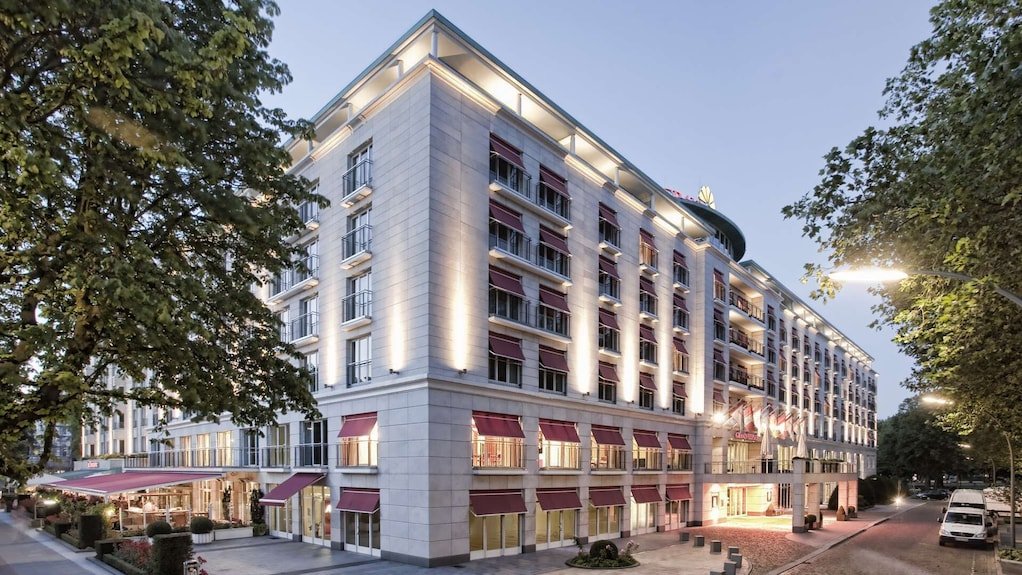
The stretch of Isestraße between Hoheluftchaussee and Harvestehude has the particular quality of a Hamburg street that has never needed to announce itself. The lime trees run in a long canopy above the median, the Jugendstil and Gründerzeit facades set the tone, and the foot traffic belongs almost entirely to people who live here. Romantik Hotel das Smolka sits at number 98 on this corridor, occupying a building whose proportions and exterior detailing place it firmly in the late-19th-century residential fabric of the neighbourhood. Arriving on foot from the U-Bahn at Eppendorfer Baum, you pass a sequence of independent pharmacies, wine merchants, and the kind of long-established bakeries that still write their specials on chalkboards in the window. The hotel appears without signage drama: a doorway, a brass plate, the sense that the building was here long before anyone thought to put guests inside it.
This is, broadly, the character that the Romantik Hotels collection selects for. The group, which operates across Germany and into neighbouring European markets, applies membership criteria that privilege independent ownership, architectural authenticity, and operational continuity over chain-format consistency. Das Smolka reads as a product of that selection logic rather than a departure from it.
What Harvestehude Asks of Its Hotels
Hamburg's accommodation offer splits along a familiar axis. The HafenCity and Speicherstadt side of the city draws the design-hotel openings and the harbour-view premiums. The inner residential districts, Harvestehude, Rotherbaum, Eimsbüttel, operate at a different register: quieter, less photographed, oriented toward the city's own professional and cultural class rather than toward visitors arriving for the first time. A hotel that positions itself in this part of Hamburg is making an implicit argument about the kind of stay it offers. It is not the hotel for someone who wants to watch container ships from a glass-fronted breakfast room. It is the hotel for someone who wants to eat dinner in the neighbourhood, walk to the Außenalster in the morning, and have the sense of living in the city rather than observing it.
Harvestehude earns that context. The Außenalster's western bank is roughly ten minutes on foot from Isestraße 98. The Grindelviertel, with its high density of independent restaurants and the university quarter's cultural infrastructure, sits immediately to the south. For Hamburg's bar scene, the options within reach span a wide range: Le Lion Bar de Paris, widely regarded as one of Germany's most decorated cocktail addresses, operates in the city centre; Die Bank occupies a converted Wilhelmine bank building near the Rathausmarkt; and Buddels and Gröninger Privatbrauerei Hamburg serve the city's appetite for locally brewed lager in more grounded formats. None of these require a taxi from Isestraße.
The Romantik Hotels Frame
Understanding das Smolka means understanding what Romantik Hotels selects against as much as what it selects for. The collection excludes properties that have been substantially rebuilt or rebranded away from their original character. It tends toward owner-operated houses with fewer than 50 or 60 rooms, where the proprietor's direct involvement in the operation is still legible in the service approach. In Germany's boutique hotel market, which has grown considerably more competitive since the mid-2010s as design-led independents have proliferated in every major city, the Romantik designation functions as a signal of a particular kind of continuity and rootedness rather than a claim of contemporary design leadership.
Das Smolka fits that framework. Its location in a residential quarter rather than a commercial hotel corridor reinforces the sense that the property was chosen and shaped by someone with a long-term relationship to this specific street, this specific neighbourhood. That quality is increasingly rare in German urban hospitality, where renovation cycles and ownership changes have accelerated since 2015.
Hamburg's Hotel Tier in Comparative Terms
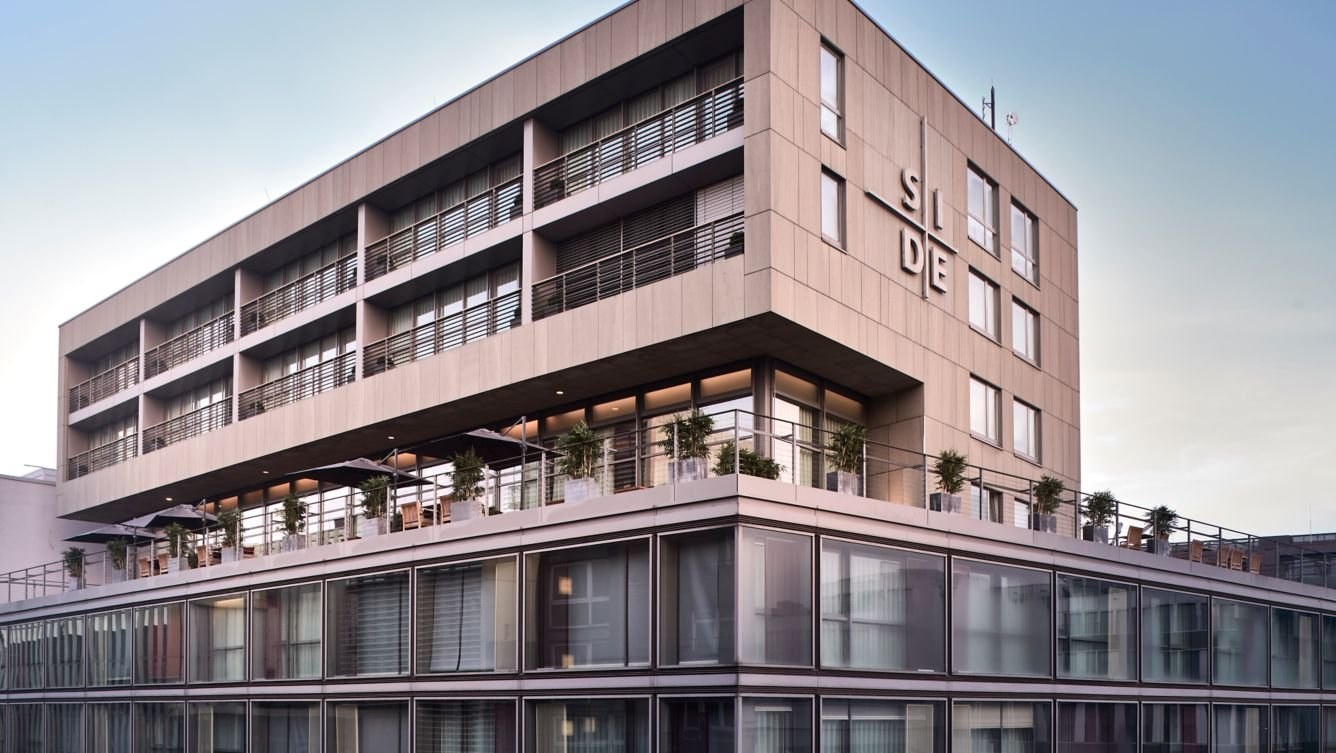
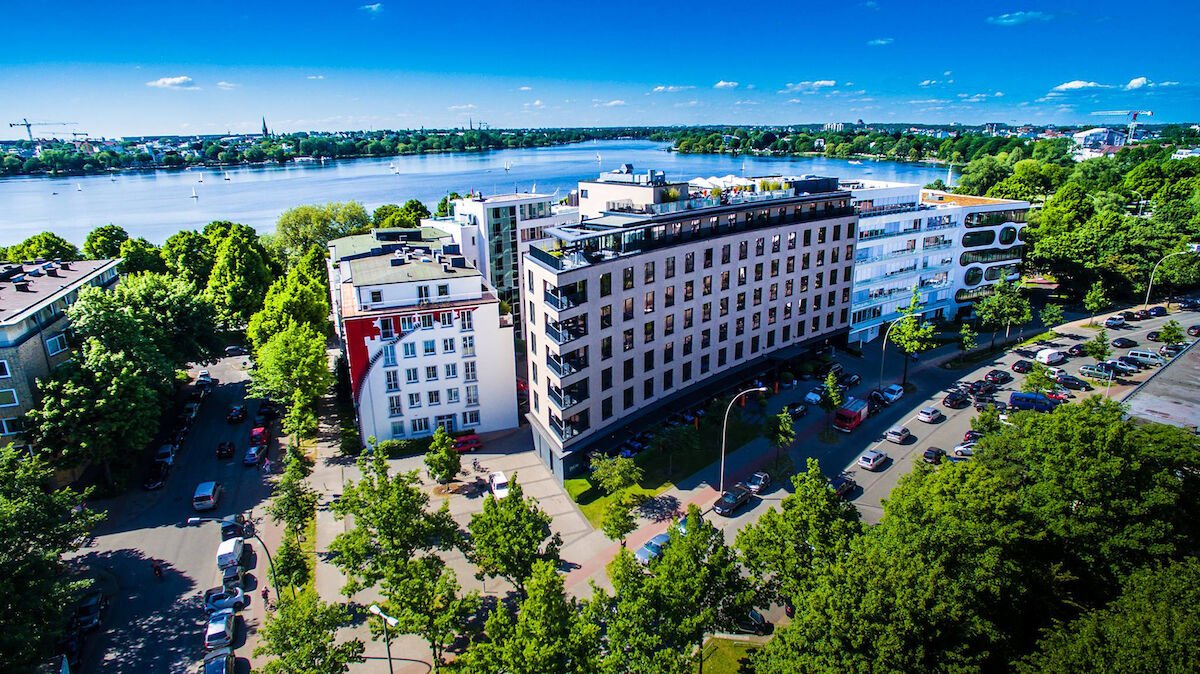
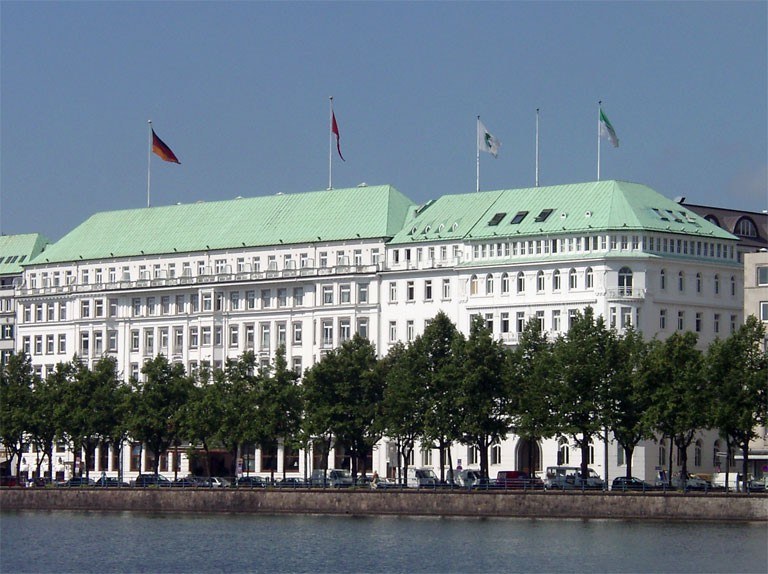
Hamburg's premium independent hotel market has a clear upper bracket: the Fontenay on the Außenalster, the Side in the city centre, the atlantic Kempinski on the Alster's eastern bank. Below that tier, the mid-market independent category in Hamburg is thinner than in Berlin or Munich, which means that a well-maintained Romantik property in a residential neighbourhood occupies a more distinctive position than it might in those cities. The peer comparison is not with Hamburg's grand hotels but with the cluster of independently run four-star properties in Eppendorf and Harvestehude that serve repeat visitors, business travellers working in the Grindelviertel academic and medical institutions, and guests who book specifically to be in this part of the city rather than near the harbour.
For comparative reference across Germany's independent bar and hospitality scene, the broader EP Club network covers Buck & Breck in Berlin, Goldene Bar in Munich, The Parlour in Frankfurt on the Main, Bar Trattoria Celentano in Cologne, and Uerige in Düsseldorf, each of which anchors a different city's independent hospitality character. For northern Germany specifically, Kieler Brauerei am Alten Markt in Kiel represents the region's brewing tradition in a format with its own distinct civic character.
Planning a Stay: What to Know Before You Book
Isestraße 98 is reachable from Hamburg Hauptbahnhof in under 20 minutes by U-Bahn, changing at Jungfernstieg or taking a direct line to Eppendorfer Baum. The neighbourhood has ample paid street parking for those arriving by car from the A7 or A24. Given that specific room rates, availability windows, and booking policies for das Smolka are leading confirmed directly with the property, the Romantik Hotels central reservation system is the most reliable starting point. The group operates a centralised booking portal that covers all member properties and typically reflects live availability.
Hamburg's hotel market peaks in summer, when the Alster sailing season and the city's outdoor cultural programme bring sustained occupancy across all districts. The shoulder season, roughly late September through early November, offers the combination of reduced rates and the particular atmosphere of Hamburg in autumn: the lime trees on Isestraße in copper and yellow, the Außenalster flat and grey-green in morning fog, the neighbourhood bakeries at their most occupied. For travellers whose primary interest is the city's dining and bar culture rather than its harbour events, that seasonal window carries a strong case. Our full Hamburg restaurants and bars guide covers the broader scene in detail, including options within walking distance of Harvestehude. For those extending beyond Germany, Bar Leather Apron in Honolulu represents the kind of technically ambitious, independently spirited bar operation that tends to attract the same type of traveller who seeks out properties like das Smolka in the first place.
Peers You’d Cross-Shop
A quick peer reference to anchor this venue in its category.
| Venue | Cuisine | Price | Notes |
|---|---|---|---|
| Romantik Hotel das Smolka | This venue | ||
| Le Lion Bar de Paris | |||
| Buddels | |||
| kiosque. | |||
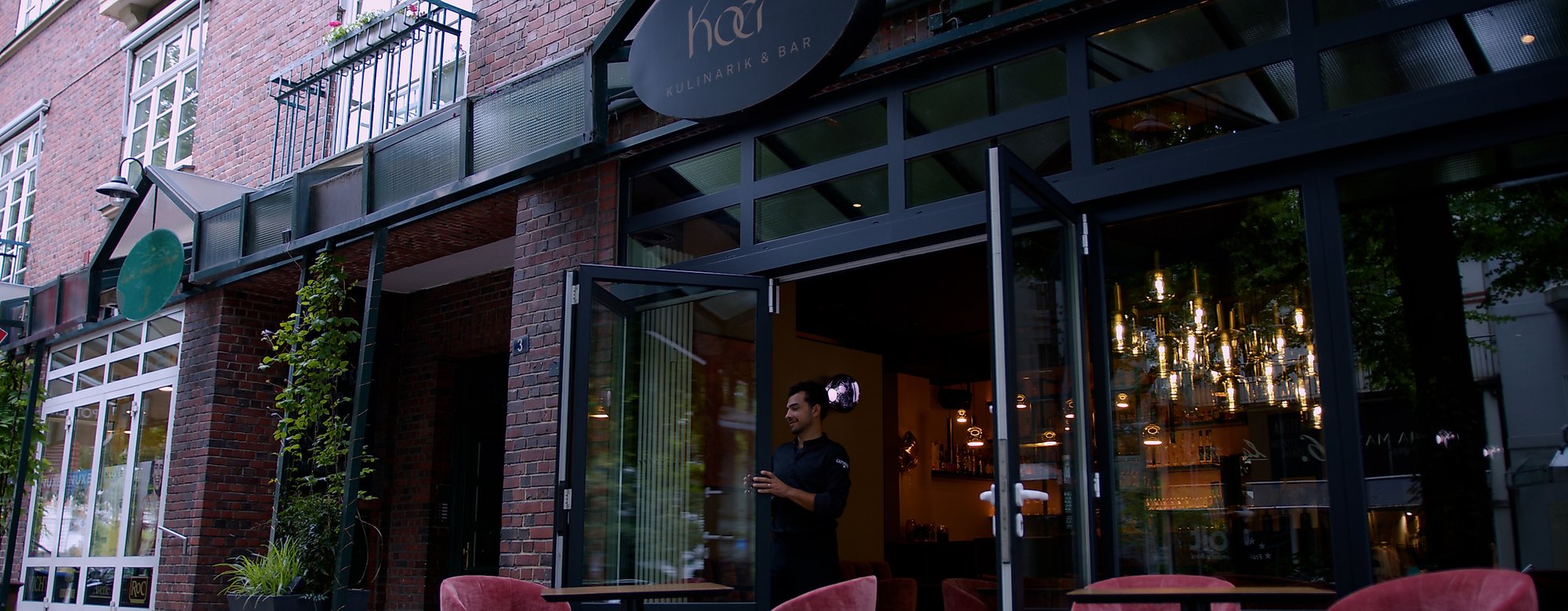
| Koer Kulinarik & Bar | |||
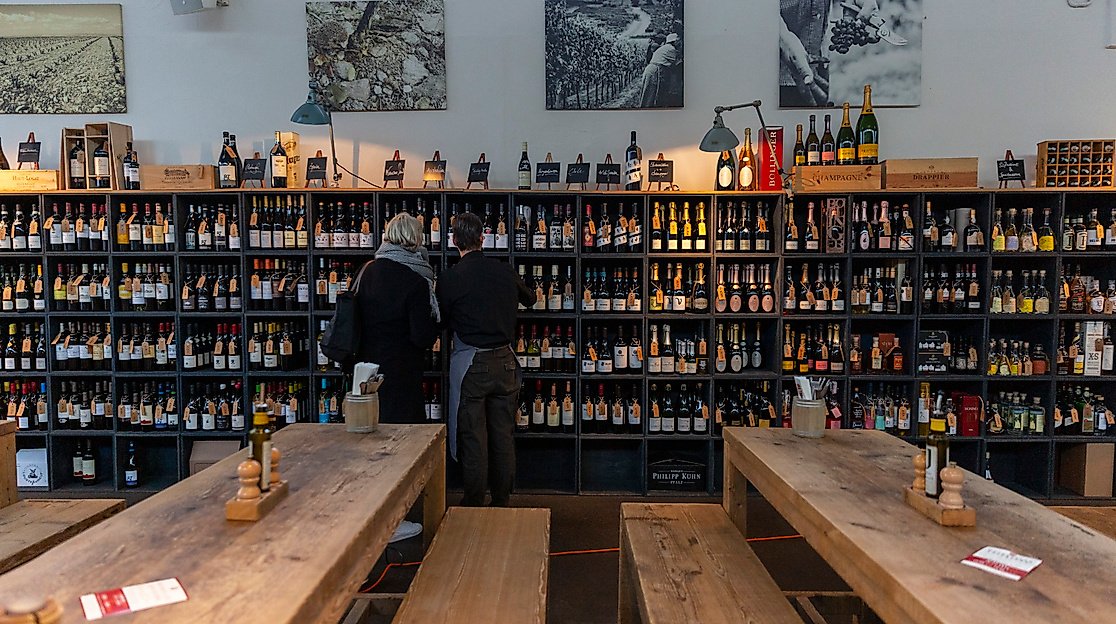
| Vineyard Weinhandel |