
Ningyocho places Saitama’s Omiya dining culture in the national okonomiyaki conversation rather than treating griddle cooking as casual filler. Its Tabelog Okonomiyaki 100 selection for 2025, 24-seat scale, monjayaki overlap, and cash-only profile point to a compact, ingredient-led room where flour, cabbage, seafood, meat, sauce, and heat do the serious work.
Pearl is the En Primeur Club membership app — saves, bookings, and concierge access live there. Same editors, same standards.
- Address
- 3 Chome-16 Nakacho, Omiya Ward, Saitama, 330-0845, Japan
- Phone
- +81 48-641-7460
- Website
- tabelog.com
 Saves & bookings on Pearl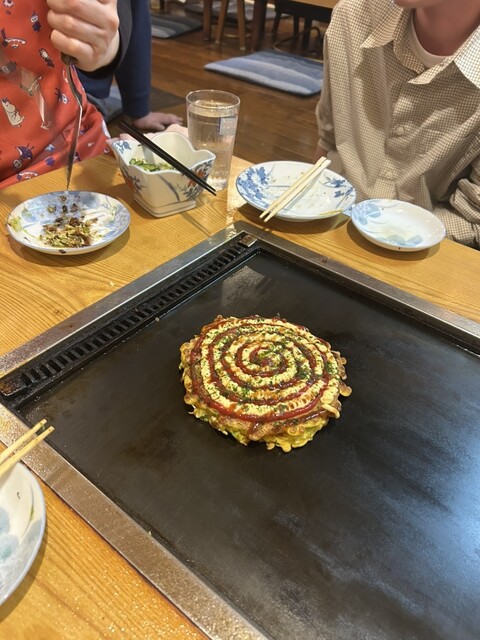
Approach Omiya’s Nakacho side after dark and the mood shifts from commuter throughput to smaller rooms built around smoke, steam, and the sound of spatulas on iron. Okonomiyaki is often misread by visitors as a snack category, but in Japan it carries the logic of a serious counter meal: batter proportion, cabbage cut, protein choice, sauce restraint, and griddle management decide whether the table gets weight or lift. Ningyocho belongs to that stricter reading of the form.
Saitama is not Osaka or Hiroshima, and that is part of the point. The city’s stronger restaurant identity sits in practical, station-adjacent eating rather than destination theatrics, which makes a Tabelog Okonomiyaki 100 selection in 2025 a useful signal. It places a small Omiya address inside a national category usually dominated by Kansai and Tokyo names, and it tells experienced diners to read the room through craft rather than spectacle.
Omiya's griddle cooking is about ingredients before performance
Okonomiyaki rewards sourcing discipline in a plainspoken way. There is nowhere for weak cabbage, dull seafood, or careless batter to hide once everything meets the hot plate. The genre depends on everyday ingredients, but the better examples treat those ingredients with the seriousness of a soba shop choosing flour or a sushi counter watching rice temperature. Cabbage brings water and sweetness, batter sets the structure, additions provide fat or salinity, and sauce should complete the equation rather than bury it.
The inclusion of monjayaki matters because it changes the table’s rhythm. Okonomiyaki has height and slice; monjayaki is looser, more communal, and more dependent on the griddle as a shared surface. That pairing points to a meal built for groups and repeat locals, not a tasting-menu audience looking for a scripted progression. The better order is not to chase novelty, but to compare texture: one preparation that holds together, another that spreads and concentrates as it cooks.
Within Saitama, the price tier also clarifies the category. Casual noodle and bakery stops such as Beach Story, Aki Foods, and Bagel Shop vivant sit in a lower everyday bracket, while meat and sushi counters such as Yakiniku Kushin and Toyo Zushi move into a heavier spend. Ningyocho occupies the middle: serious enough to plan around, informal enough that the cooking style remains the draw.
A small-room format keeps the meal close to the heat
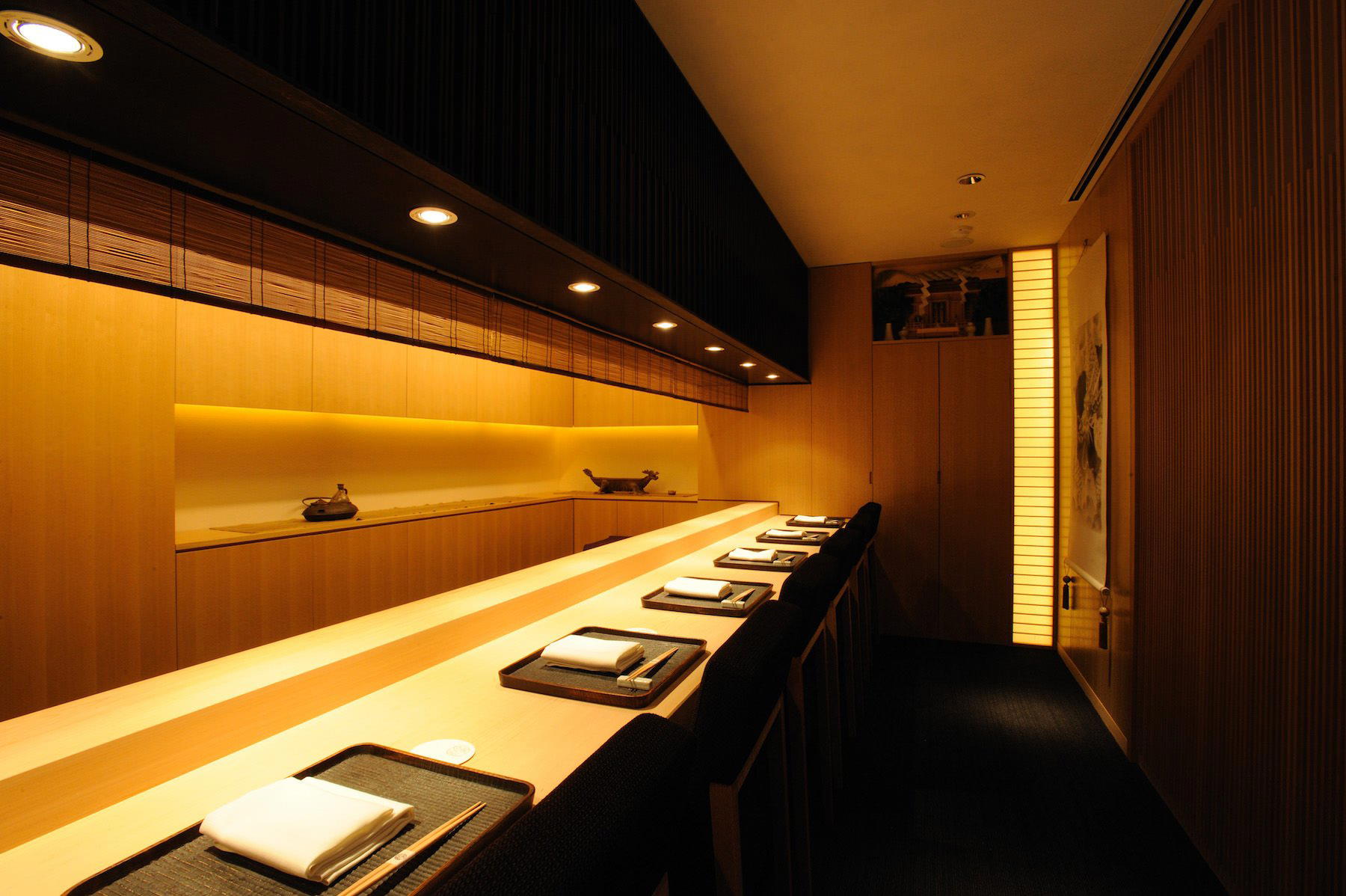
The room’s scale is part of the editorial story. Twenty-four seats keep the operation closer to a neighbourhood griddle house than a broad casual chain, and that scale suits okonomiyaki. This cuisine loses authority when it becomes detached from the hot plate; proximity lets timing, turning, and finishing matter. In a compact setting, the table watches the food become itself rather than receiving a finished plate from a distant kitchen.
Recognition from Tabelog’s 2025 Okonomiyaki 100 list gives the restaurant a sharper credential than a generic local recommendation. Tabelog’s category lists are useful in Japan because they often identify depth within everyday formats, not just luxury dining. For a city like Saitama, that distinction matters. It suggests the address is relevant to diners studying Japanese comfort cooking with the same seriousness they might bring to ramen, tonkatsu, or yakitori.
There is also a practical cultural cue in the smoking policy and cash-oriented payment setup, which signal an older, more local style of casual dining. That does not make the room more or less serious; it makes the expectations clearer. This is not the polished international version of Japanese food culture built around English-language convenience. It is closer to the domestic grammar of a small evening restaurant, where the social unit is often friends around a hot surface.
How to place it in a Saitama eating itinerary
Saitama rewards category-hopping more than single grand meals. A day can move from patisserie at Acacier Kitaurawa honten or Acacier Urawa ten to a griddle dinner in Omiya without pretending the city is a miniature Tokyo. That range is the attraction: bakeries, noodles, okonomiyaki, yakiniku, and sushi each serve a different local use case.
For readers mapping a wider Japan route, the comparison should be by format rather than fame. Kamakura beef sukiyaki at -Grilled beef Sukiyaki- KAMAKURA TANUKIAN 鎌倉 たぬき庵 in Kamakura, Tokyo seafood and charcoal cooking at. 鮪と炭火焼き うお炭 秋葉原店 in Tokyo, Osaka café culture at.cafe in Osaka, Kumamoto’s.know, Kawasaki’s (Shoku) Vietnam, and Sapporo curry at [Curry Senmon Ten] Maruyama Kyoju. all show how Japan’s dining intelligence often sits in focused, category-specific rooms.
The international links are useful for contrast. Los Angeles venues such as Jōdo Saké Bar and Onigiri Time translate Japanese drinking and rice formats for a different dining culture. Omiya’s okonomiyaki scene does not need translation; it asks the diner to understand the domestic form on its own terms.
Use Our full Saitama restaurants guide to build the food portion of a trip, then widen the plan through Our full Saitama hotels guide, Our full Saitama bars guide, Our full Saitama wineries guide, and Our full Saitama experiences guide. The case for Ningyocho is specific: it gives Saitama a griddle address with national category recognition, modest scale, and a format where ingredient quality is tested in public, one turn of the spatula at a time.
Quick Comparison
Comparable venues by cuisine and price in the same metro.
| Venue | Cuisine | Price | Notes |
|---|---|---|---|
| NingyochoThis venue — the venue you are viewing | Okonomiyaki & Monjayaki | $$ | Not listed |
| Jikasei Temomimen Suzunoki | Handmade Flat Noodle Ramen | $$ | Sayamagaoka |
| Hibi Shushu | Creative Japanese Tachinomi & Small Plates | $$ | Omiya |
| かねかつ | Traditional Shoyu Ramen & Abura Soba | $$ | 北浦和 (Kita-Urawa) |
| goden | Ramen & Tsukemen | $ | Urawa Ward |
| Niboshi Chuka Soba Senmon Niboshi Maru | Niboshi Ramen | $ | Omiya |
Recognition history
Dated appearances from independent guides and award organizations, with the underlying list record or original source where available.
Tabelog 100 #44 · No. 44
Tabelog · Tabelog 100 - Okonomiyaki - 2025







At a Glance
- Lively
- Cozy
- Classic
- Intimate
- Group Dining
- Casual Hangout
- After Work
- Family
- Private Event
- Standalone
Current opening hours
- Monday
- 5:30–10 PM
- Tuesday
- 5:30–10 PM
- Wednesday
- 5:30–10 PM
- Thursday
- 5:30–10 PM
- Friday
- 5:30–10 PM
- Saturday
- 5:30–10 PM
- Sunday
- Closed
Hours can change for holidays and private events. Last verified .
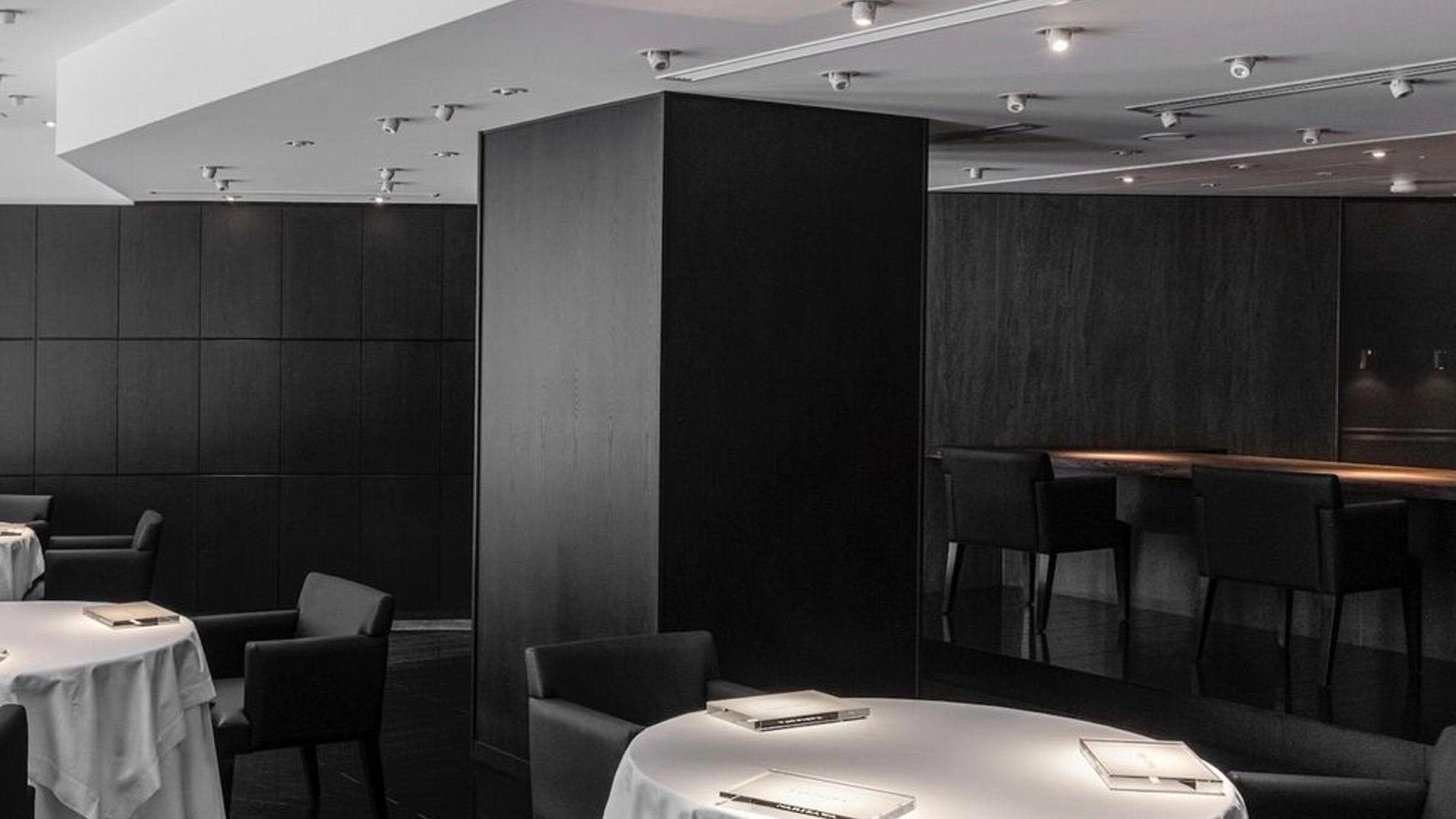
A small, classic okonomiyaki shop with counter-style grills and simple interiors, creating a cozy yet lively atmosphere that feels like a local low-profile address, with all seats allowing smoking and a casual, slightly old-school vibe.