
Fujidana Udon belongs to Saitama’s practical noodle culture rather than its special-occasion dining tier: daytime udon, regional cooking, deep-fried foods, and a house-style room built for families as much as solo lunch. Its Tabelog Udon EAST 100 selection in 2024, with earlier selections in 2022 and 2020, puts a modestly priced suburban address into a serious noodle conversation.
Pearl is the En Primeur Club membership app — saves, bookings, and concierge access live there. Same editors, same standards.
- Address
- Japan, 〒331-0052 Saitama, Nishi Ward, Mihashi, 6 Chome−14−7
- Phone
- +81 48-624-2509
- Website
- rakuten.co.jp
 Saves & bookings on Pearl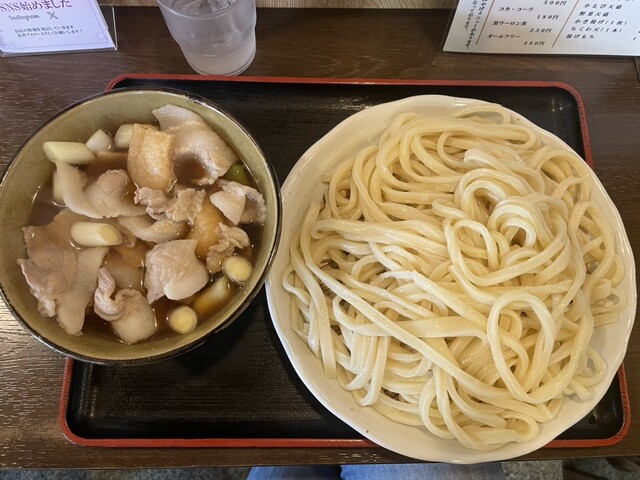
In Mihashi, lunch feels residential rather than ceremonial: a house restaurant, parking outside, and the rhythm of a daytime udon room instead of high-counter choreography. That matters. Saitama’s stronger casual addresses often prove themselves through repetition, speed, and local habit, not theatrical service. Fujidana Udon fits that pattern, with recognition that lifts it beyond neighbourhood convenience.
In eastern Japan, udon has a different social role from the polished tasting-menu formats that shape overseas images of Japanese dining. It is wheat, stock, texture, and temperature, often eaten while the city is working rather than celebrating. In Saitama, where commuter suburbs meet agricultural memory and family restaurants still set the pace, a serious udon house can be everyday and highly ranked. The Tabelog Udon EAST 100 selection in 2024, alongside selections in 2022 and 2020, is the signal: this is not luxury dining, but it has been judged within a demanding noodle category.
Saitama udon culture in a house-restaurant format
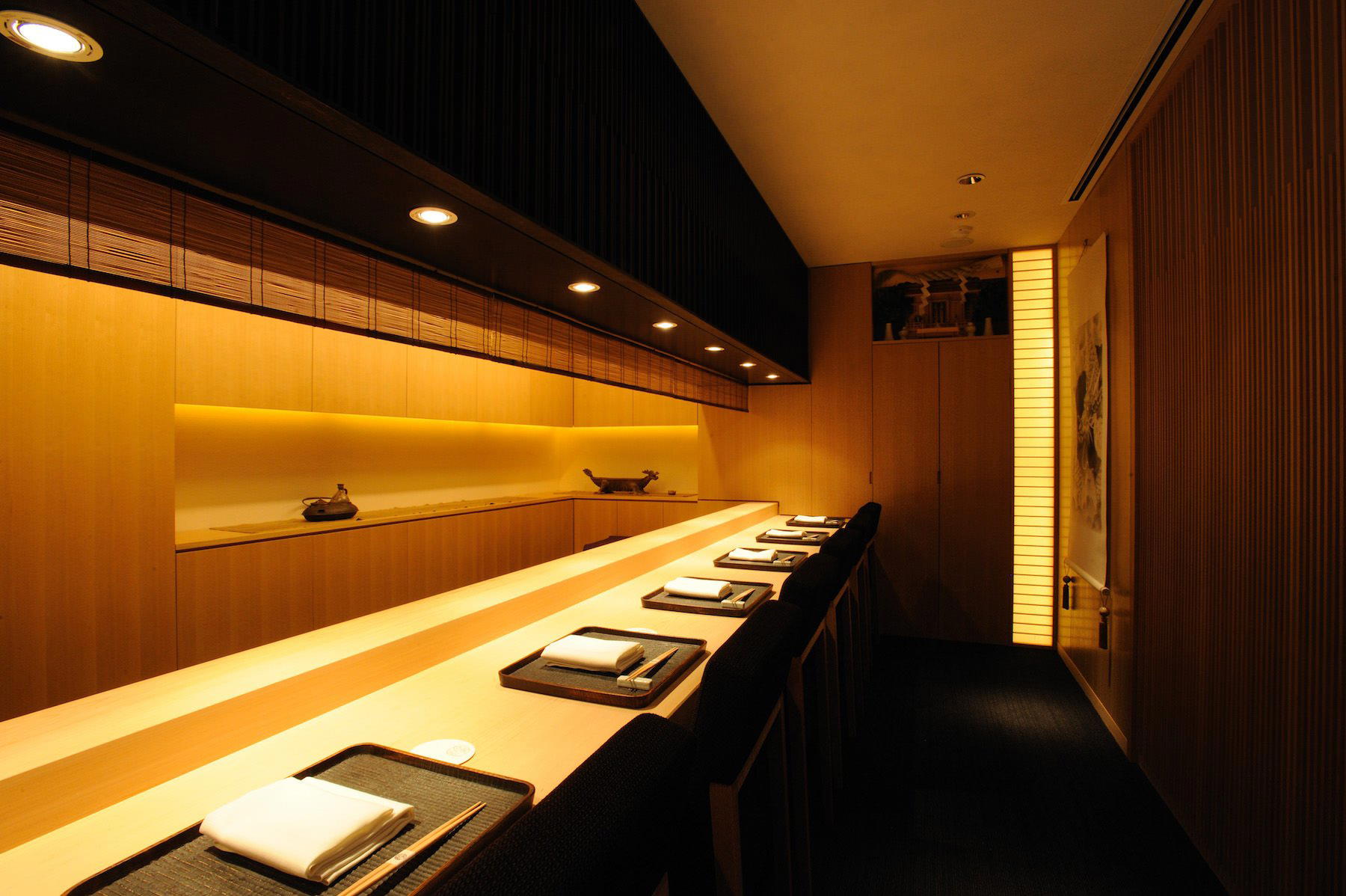
The category tells the story better than any chef biography. Udon, deep-fried foods, and regional cuisine place the meal inside familiar Japanese lunch grammar: noodles as anchor, fried accompaniments as ballast, and a room built for different speeds. Counter seating serves solo diners; tatami rooms widen the audience to families and groups. That combination explains how a 75-seat udon restaurant can work as a local canteen while attracting diners who follow specialist lists.
Fujidana Udon also corrects the idea that culinary seriousness in Japan always requires a small room and high bill. Saitama’s dining map has both ends: beef specialists such as Sumibi Yakiniku Niku no Takumi Hiuchi sit in a higher dinner bracket, while noodle counters such as Niboshi Chuka Soba Senmon Niboshi Maru stay close to fast, inexpensive daily eating. Careful udon occupies a middle lane, inexpensive enough for repeat use yet technical enough for informed comparison.
The broader city scene is not just restaurants. Saitama’s food identity includes patisserie, bread, and casual specialist shops, so a day of eating can move from udon to pastry without leaving the prefectural frame. For that wider map, see Acacier Kitaurawa honten, Acacier Urawa ten, Aki Foods, Bagel Shop vivant, and Beach Story. Together, they show a city where the strongest meals are often category-specific rather than grandly staged.
Why the recognition matters at this price tier
Tabelog’s Hyakumeiten lists matter for udon because the category is dense, regional, and price-sensitive. A high-end restaurant can buy ceremony with glassware, linen, and pacing; an udon house has fewer places to hide. Selection for Tabelog 100 - Udon - EAST - 2024 places Fujidana Udon in a field where texture, turnover, and consistency outweigh décor. The listed score of 3.80 also matters in Japan’s rating culture, where small differences can signal real consensus among frequent diners.
Read the price band carefully. JPY 1,000 to JPY 1,999 defines the promise. At this level, the question is not whether the room performs luxury, but whether the meal justifies a detour within the casual-lunch economy. Repeated selection in 2020, 2022, and 2024 suggests durable category relevance, not one season of attention.
Compared with Saitama venues built around dinner spend or meat-centric occasions, this is a different value proposition. KARiKA KiTCHEN sits in a separate casual bracket, while Yakiniku New Hiuchi and Sumibi Yakiniku Niku no Takumi Hiuchi are meat-focused evening choices. An udon specialist competes on daily usefulness and craft density, making it sharper for travellers who want to understand how suburban Japan eats when it is not performing for visitors.
How to place it in a Saitama itinerary
The practical rhythm is narrow and lunch-led, which suits the genre. Service runs on weekdays in the late morning and early afternoon, with weekends and public holidays outside the regular pattern. Reservations are unavailable, so planning means respecting the midday rush rather than securing a table. The location is in Nishi Ward’s Mihashi area, with Nishi-Omiya as the nearest rail reference; a bus from Omiya’s west exit to Mitsuhashi 6-chome shortens the final approach, while driving is supported by parking and a second lot when crowded.
Payment habits are old-school casual: cards, electronic money, and QR payments are not accepted. Bring cash, arrive with time, and expect daytime turnover rather than lingering. The non-smoking policy, counter seating, tatami space, children-welcome stance, and take-out service make the room more flexible than a destination counter, but the experience remains anchored in lunch, not nightlife.
For a wider Saitama plan, use the restaurant as a daytime anchor before moving into other categories rather than as the whole itinerary. Use Our full Saitama restaurants guide for additional dining context, then branch into Our full Saitama hotels guide, Our full Saitama bars guide, Our full Saitama wineries guide, and Our full Saitama experiences guide if the trip extends beyond a single meal.
Japan’s casual-specialist dining also rewards cross-city comparison. A noodle lunch in Saitama belongs to the same national habit of focused, affordable eating that can lead to -Grilled beef Sukiyaki- KAMAKURA TANUKIAN 鎌倉 たぬき庵 in Kamakura for a different meat tradition. 鮪と炭火焼き うお炭 秋葉原店 in Tokyo for tuna and charcoal.cafe in Osaka.know in Kumamoto, (Shoku) Vietnam in Kawasaki, and [Curry Senmon Ten] Maruyama Kyoju. in Sapporo. Abroad, the same ingredient-led casual logic appears in different form at Jōdo Saké Bar in Los Angeles and Onigiri Time in Pasadena.
The editorial read is simple: come for a serious expression of everyday udon, not ceremony. The restaurant’s strength is the alignment between category, price, room, and recognition. In a prefecture often treated as a transit zone, that alignment gives Saitama a clear food argument: some of its better meals are where local routines are already strongest.
Price and Recognition
Nearby venues at a similar price tier for orientation.
| Venue | Cuisine | Price | Notes |
|---|---|---|---|
| Fujidana UdonThis venue — the venue you are viewing | Not listed | $ | Not listed |
| Teuchi Udon Matsuna | Urawa, Handmade Udon | $ | Not listed |
| Jikasei Temomimen Suzunoki | Sayamagaoka, Handmade Flat Noodle Ramen | $$ | Not listed |
| Hibi Shushu | Not listed | $$ | Omiya, Creative Japanese Tachinomi & Small Plates |
| Mendokoro Harada | Minami Urawa, Japanese Ramen | $$ | Not listed |
| Ramen Jiro Koshigaya ten | Koshigaya, Jiro-style Ramen Shop | $ | Not listed |
Recognition history
Dated appearances from independent guides and award organizations, with the underlying list record or original source where available.
Tabelog 100 #55 · No. 55
Tabelog · Tabelog 100 - Udon - EAST - 2024











At a Glance
- Lively
- Cozy
- Classic
- Solo
- Family
- Group Dining
- Casual Hangout
- After Work
- Standalone
Current opening hours
- Monday
- 10 AM–3 PM
- Tuesday
- 10 AM–3 PM
- Wednesday
- 10 AM–3 PM
- Thursday
- 10 AM–3 PM
- Friday
- 10 AM–3 PM
- Saturday
- Closed
- Sunday
- Closed
Hours can change for holidays and private events. Last verified .