Tabelog 100 #65
Our verdict
Nishiazabu Yakiniku X occupies a basement floor in one of Minato-ku's quieter residential pockets, where Tokyo's premium yakiniku tier has been quietly consolidating around quality over spectacle. The address places it in direct conversation with some of the city's most demanding fine-dining blocks, and its positioning within that neighbourhood signals an approach that leans toward restraint rather than volume.

Pearl is the En Primeur Club membership app, where members save venues, book tables and use the concierge.
A Basement Address in Nishiazabu That Says Something
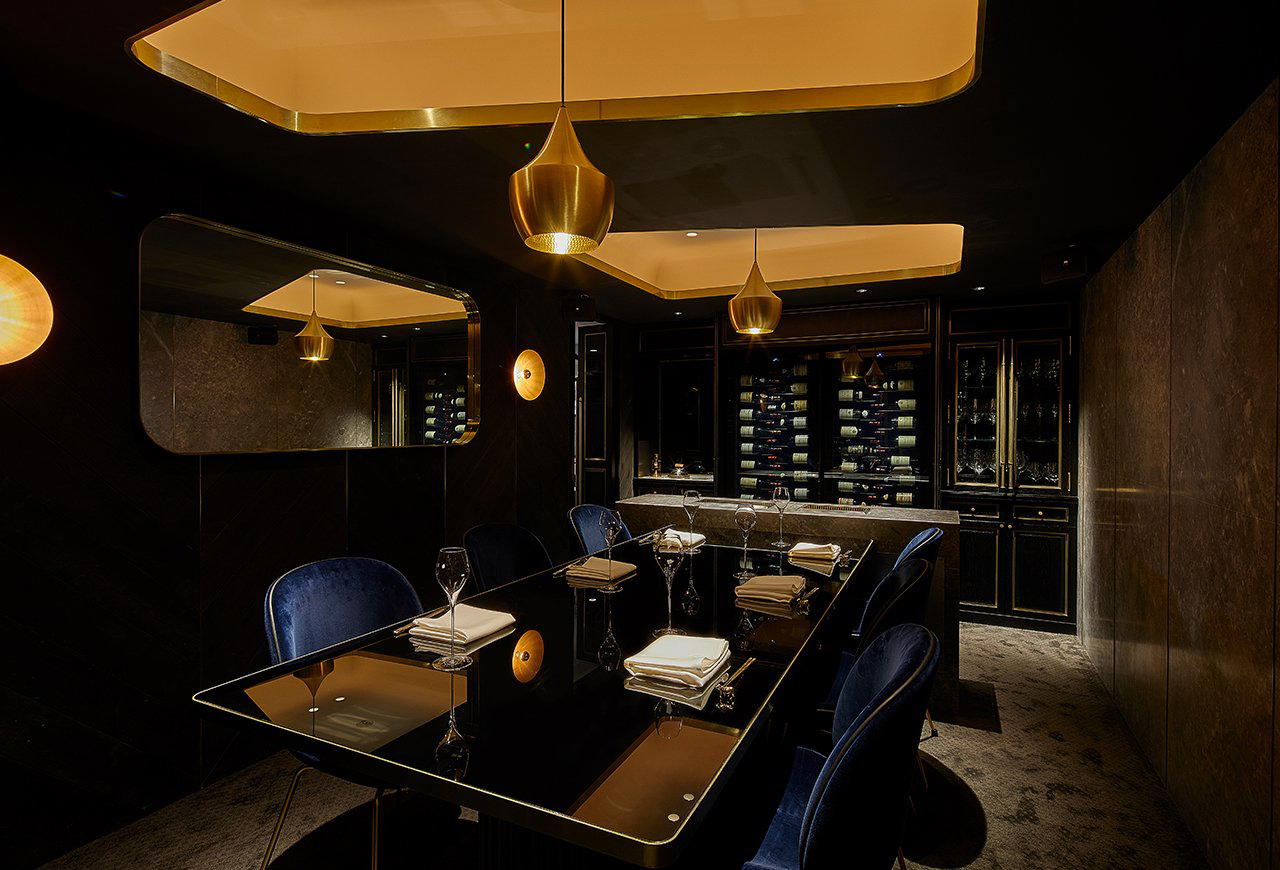
Descend into the B1F of Casa Splendido Nishiazabu and you are already inside a particular kind of Tokyo dining logic. Nishiazabu, the stretch of Minato City running between Roppongi Hills and Hiroo, has become one of the city's most quietly concentrated fine-dining corridors. Streets that look residential from the outside hide counter-seat omakase rooms, French kitchens pushing into three-Michelin-star territory, and, at this address, a yakiniku room that has been developing its own identity against that backdrop.
Tokyo's premium yakiniku tier has changed substantially over the past decade. What was once a category defined primarily by volume and theatrical charcoal theatre has fractured into a more stratified picture. At the leading end, a smaller cluster of rooms now operates closer to the omakase model: curated cuts, sequenced service, controlled environments, and pricing that reflects the sourcing costs for certified domestic wagyu rather than a commodity beef market. Nishiazabu Yakiniku X sits within that upper register, though with in the public record for specific pricing or awards, the precise rung is not externally confirmed. The neighbourhood, however, is an indicator: operators in Nishiazabu are not pitching to the casual end of any market.
How Tokyo Yakiniku Has Evolved, and Where This Room Fits
The transformation of Tokyo's yakiniku scene mirrors broader shifts in the city's premium dining culture. Through the 2000s and into the early 2010s, high-end yakiniku was primarily a corporate entertainment category: larger rooms, private booths, tableside service calibrated to keep a party moving through bottles and platters. The shift that followed was driven partly by changing sourcing economics and partly by a generation of younger operators who had spent time in kaiseki kitchens or abroad and brought a different set of references back to the grill. Sequencing became deliberate. Cuts were treated with the same precision vocabulary that kaiseki applies to seasonal produce. The grill moved from backdrop to protagonist.
Nishiazabu Yakiniku X entered this environment and, by its address alone, announced a position in the more considered half of that evolution. The 1-chome address in Nishiazabu does not read as a destination for a table of twenty. The building is residential in scale. This is a room that is working within a model of restraint, whether that means seat count, sourcing focus, or the rhythm of a service that takes its cues from the counter-dining tradition running through the rest of the neighbourhood. Compare this positioning with, say, the format discipline at RyuGin in Roppongi, where kaiseki sequencing and premium sourcing reinforce each other at the top of the Japanese cuisine tier, and the logic becomes clearer: the venues that have lasted and developed reputations in Minato-ku are those that found a specific position and held it.
Nishiazabu in the Context of Tokyo's Fine-Dining Concentration
It is worth locating Nishiazabu Yakiniku X within the broader geography of the neighbourhood's dining offer. Within a short radius of this basement address, you will find L'Effervescence, one of the French kitchens that defines Tokyo's approach to contemporary European cooking, and Crony, which represents the more experimental edge of the French-influenced category. Nishiazabu Yakiniku X enters this company not as an outlier but as a representative of a specific moment in the evolution of yakiniku as a serious dining category rather than a casual one.
For visitors building a broader Japan itinerary, this neighbourhood concentration matters. Tokyo is not the only Japanese city in which a particular dining form has been taken to a refined extreme. HAJIME in Osaka and Gion Sasaki in Kyoto each represent a regional approach to the same underlying commitment to sourcing and technique. Goh in Fukuoka and akordu in Nara extend the map further. Japan's premium dining circuit rewards itinerary planning, and understanding where Nishiazabu Yakiniku X sits within Tokyo's geography is a starting point for understanding how the city connects to that wider network. Our full Tokyo restaurants guide maps the city's key dining corridors in more detail.
Planning a Visit: What the Address Tells You
What the address does confirm is that this is a basement-level room in a residential building in one of Tokyo's most competitive fine-dining postal codes. Venues in this position typically operate with limited covers and some form of advance reservation requirement. Walk-in availability at this tier and in this neighbourhood is rare, and the assumption for any room of this type in Nishiazabu should be that booking ahead is expected.
The B1F designation is standard for many of Tokyo's most serious rooms: the basement position reduces ambient noise, controls the environment, and signals deliberate separation from street-level foot traffic. It is a spatial choice with meaning in the Tokyo dining context, used by everything from sushi counters to kaiseki rooms to, increasingly, the upper tier of the yakiniku category. For international visitors, the address is roughly equidistant from Roppongi and Hiroo stations, both on the Tokyo Metro Hibiya Line, making access from central Tokyo direct.
Comparative Logistics at a Glance
| Venue | Category | Price Tier | Format | Location |
|---|---|---|---|---|
| Nishiazabu Yakiniku X | Yakiniku | Not confirmed | Basement room, Nishiazabu | Minato City, Tokyo |
| Harutaka | Sushi | ¥¥¥¥ | Counter omakase | Ginza, Tokyo |
| L'Effervescence | French | ¥¥¥¥ | Tasting menu | Nishiazabu, Tokyo |
| RyuGin | Kaiseki | ¥¥¥¥ | Tasting menu | Roppongi, Tokyo |
| Crony | Innovative French | ¥¥¥¥ | Tasting menu | Nishiazabu, Tokyo |
Frequently asked questions
Where is Nishiazabu Yakiniku X in Tokyo?
Nishiazabu Yakiniku X is located at Japan, 〒106-0031 Tokyo, Minato City, Nishiazabu, 1 Chome−4−46 Casa Splendido Nishiazabu, B1F, Tokyo.
How does Nishiazabu Yakiniku X compare to other Tokyo yakiniku restaurants?
Tokyo's yakiniku scene spans everything from conveyor-belt chains to reservation-only rooms serving single-origin wagyu at counter seats, and Nishiazabu Yakiniku X's address in Minato-ku places it firmly in conversation with the latter category.
What should I eat at Nishiazabu Yakiniku X?
What the address does confirm is context: a basement room in Nishiazabu's premium dining corridor, where yakiniku operations at this tier typically anchor their menus around curated Japanese wagyu grades. check the venue's official channels for current menu details before visiting.
Can I walk in to Nishiazabu Yakiniku X?
No walk-in policy is confirmed on the public record, but the neighbourhood answers the question with reasonable confidence. Rooms operating at the premium end of Nishiazabu's dining corridor, a stretch where competition for covers is serious, almost universally require advance reservations. Treat direct contact with the venue as the first step before any visit.
What has Nishiazabu Yakiniku X built its reputation on?
Choosing to operate at B1F of Casa Splendido in that corridor signals a deliberate positioning within the neighbourhood's serious dining offer, rather than its more casual fringe.
The Minimal Set
Comparable venues nearby, for context on price, style, and recognition.
| Venue | Cuisine | Price | Awards | Notes |
|---|---|---|---|---|
| Nishiazabu Yakiniku XThis venue (the venue you are viewing) | Luxury Yakiniku with Tajima Wagyu | $200–300 | Tabelog 100 #65 | Not listed |
| Sushi Sho | Traditional Edomae Sushi Omakase | $300–500 | Not listed | Nishiazabu, Traditional Edomae Sushi Omakase |
| Mon cher ton ton (六本木 モンシェルトントン) | Kobe Beef Teppanyaki | Not listed | Tabelog 100 #69 | Roppongi, Teppanyaki with Kobe Beef |
| Sushi Murase | Aged Edomae Omakase | $200–300 | Tabelog 100 #18 | Minato, Aged Edomae Omakase |
| Azabu Wakei | Traditional Japanese Kaiseki | $200–300 | Not listed | Minato, Traditional Japanese Kaiseki |
| ura matsu | Counter-style Wagyu Yakiniku Omakase | $200–300 | Tabelog 100 #19 | Minato, Counter-style Wagyu Yakiniku Omakase |
Recognition history
Dated appearances from independent guides and award organizations, with the underlying list record or original source where available.
Opinionated About Dining Top Restaurants in Japan Recommended
Opinionated About Dining
Tabelog 100 #65 · No. 65
Tabelog · Tabelog 100 - Yakiniku - TOKYO - 2025
Full recognition history (5 entries)
Opinionated About Dining Top Restaurants in Japan Ranked #448
Opinionated About Dining
Opinionated About Dining Top Restaurants in Japan Ranked #429
Opinionated About Dining
Opinionated About Dining Top Restaurants in Japan Recommended
Opinionated About Dining