Nikkai sits on Wipplingerstraße in Vienna's First District, where the city's appetite for precision-driven Japanese cooking meets a dining room context shaped by Baroque architecture and a neighbourhood that houses the Börsegasse financial quarter. Among Vienna's small cohort of Japanese-inflected fine-dining addresses, Nikkai occupies a quieter register than the city's loudest creative tables, making it a reference point for those tracking where Asian technique has taken root in the Austrian capital.
Pearl is the En Primeur Club membership app — saves, bookings, and concierge access live there. Same editors, same standards.
- Address
- Wipplingerstraße 34, 1010 Wien, Austria
- Phone
- +434319928000
- Website
- nikkai.at
- Directions
- Get directions
 Saves & bookings on Pearl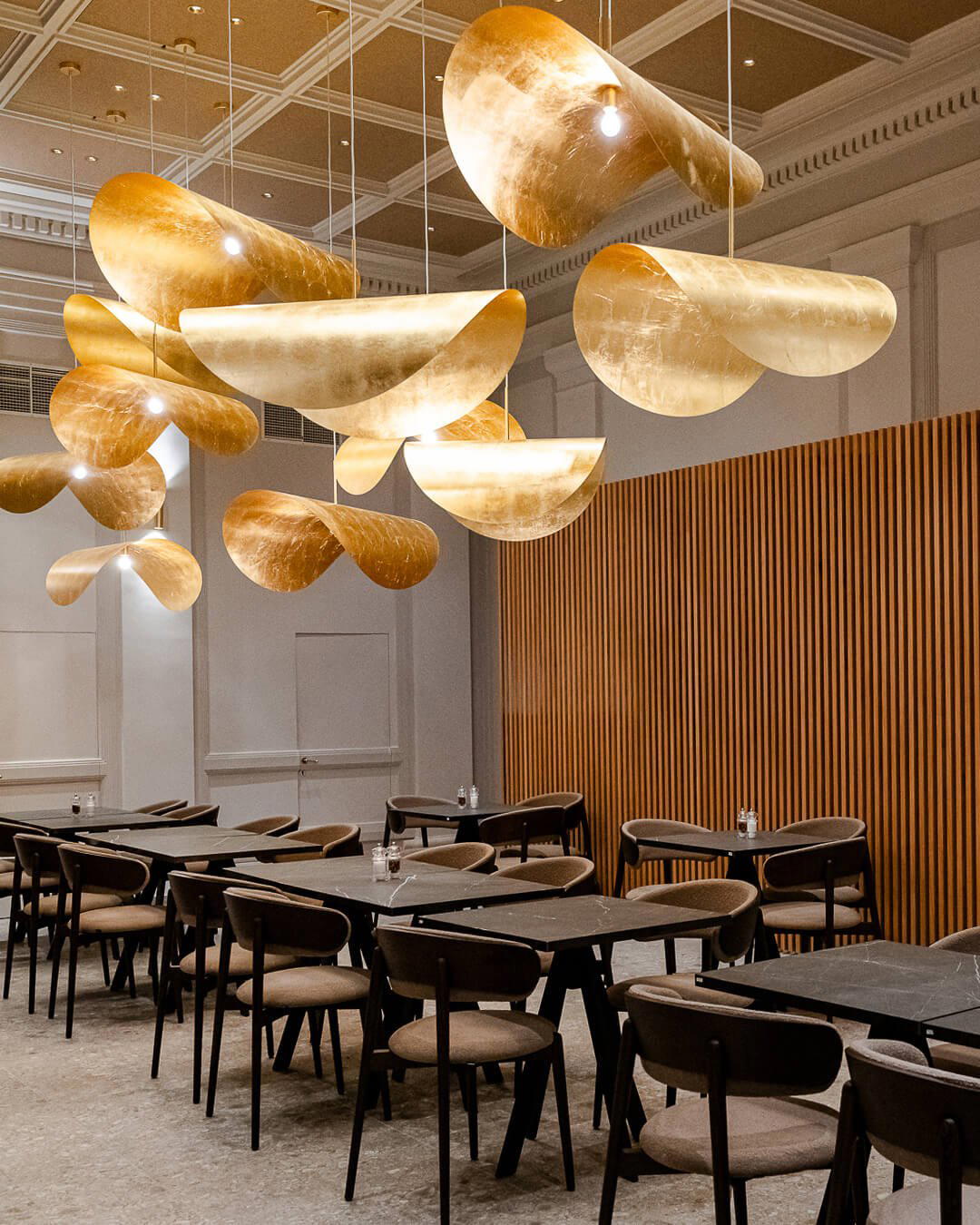
Where Japanese Precision Meets Vienna's First District
It is a street that communicates seriousness through stone, and Nikkai, at number 34, inherits that atmosphere whether it intends to or not. The approach along the narrow pavement, with tram lines audible from the Schottenring and the canal wind cutting through in winter, is already conditioning the diner before the interior reveals itself.
That context matters because Vienna's fine-dining tier has historically organised itself around two poles: the grand Viennese tradition of elaborate service and classical Austrian produce, and a newer generation of internationally trained chefs who have imported French or Nordic frameworks. Japanese technique represents a third current, smaller and less mapped, but present. Nikkai addresses that current from within one of the city's most architecturally loaded postcodes.
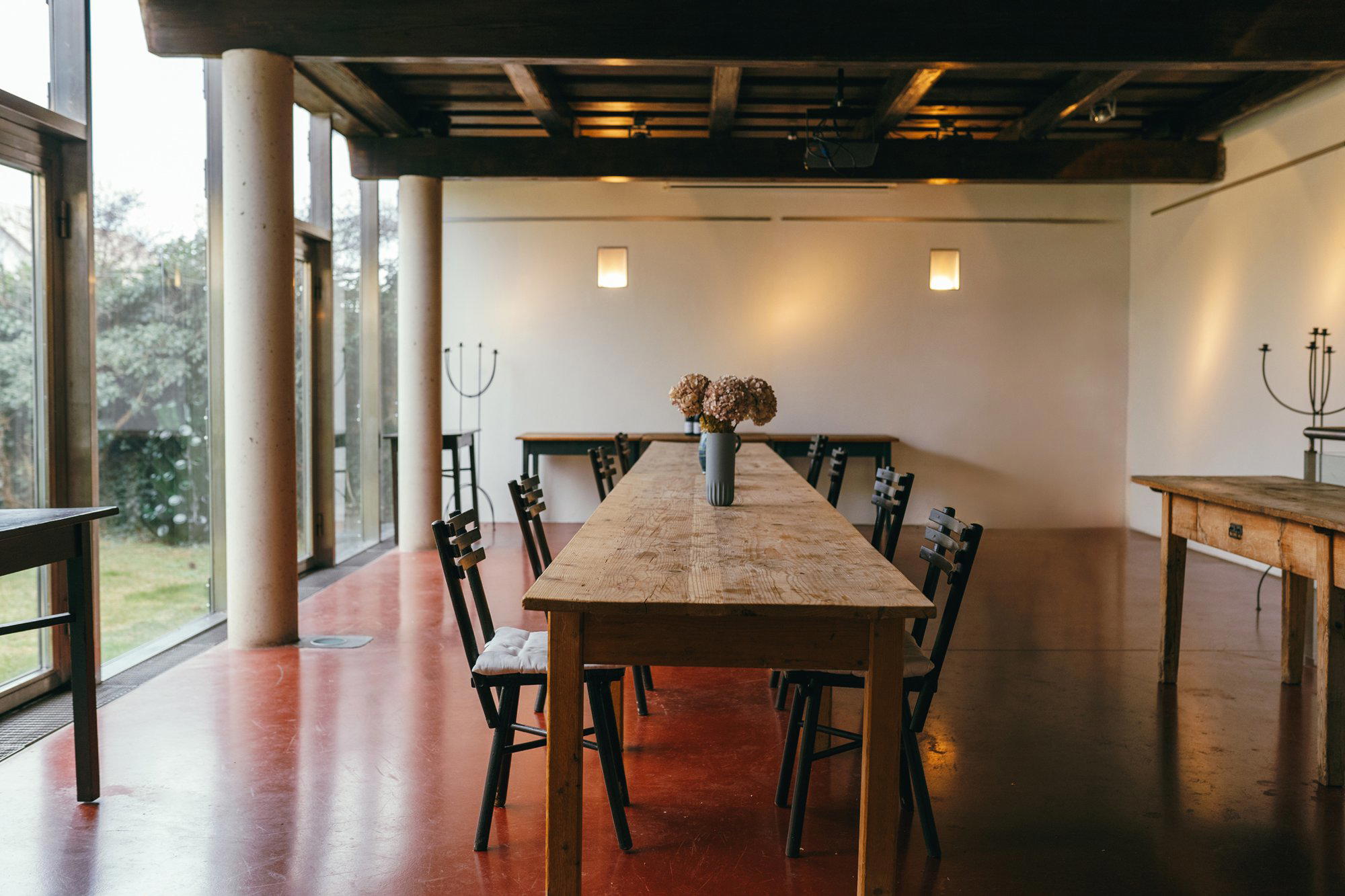
The Sensory Register of the Room
The First District's dining rooms tend toward either maximalist historicism or the kind of deliberately stripped-back minimalism that signals a conscious departure from it. Japanese-influenced spaces in European cities often occupy the latter category: pale timber, ceramic surfaces, negative space used as a design argument. The sensory proposition that follows from that choice is specific. Sound levels drop. The smell of dashi or aged fish, when present, reads differently without competing with the heavy upholstery and wine-cellar warmth of a classical Austrian Beisl. The eye settles on fewer objects, which tends to make each object carry more weight.
In the context of Vienna specifically, this matters against a backdrop of tables like Steirereck im Stadtpark, where the Stadtpark setting and a famously generous visual environment are inseparable from the eating experience, or Amador, where the aesthetic ambition is almost confrontational in its density. A Japanese-register room operates on a different sensory logic: restraint as argument, not absence of opinion.
Where Nikkai Sits in Vienna's Fine-Dining Tier
Vienna's upper dining bracket has consolidated around a recognisable set of addresses. Konstantin Filippou brings a Modern European framework with strong product focus. Mraz & Sohn represents the creative Austrian strand, operating in the 20th district with a family-kitchen identity that has accumulated significant critical attention. Doubek occupies yet another register. What these tables share is an orientation toward European produce and European dining formats, even when they push those formats hard.
Japanese-leaning addresses in Vienna sit adjacent to that tier rather than inside it. They compete for the same high-spend diner but offer a different contract: different pacing, different flavour architecture, different relationship to protein and acid and umami. For a city whose restaurant culture has historically been shaped by the coffeehouse tradition and by classical Viennese cuisine, the presence of precision Japanese cooking in the First District signals something about where international influence has landed in the post-pandemic dining rebuild.
The Wider Austrian Context
Vienna does not exist in isolation as a fine-dining destination. The Austrian scene has significant nodes outside the capital: Döllerer in Golling an der Salzach has built a reputation around alpine produce and Salzach Valley sourcing. Obauer in Werfen is one of the country's long-standing reference points for Austrian kitchen craft. Ikarus in Salzburg runs a rotating guest-chef model that brings international names to the Hangar-7 complex. In the Tyrol, Gourmetrestaurant Tannenhof in Sankt Anton am Arlberg and Griggeler Stuba in Lech anchor the alpine luxury dining circuit, while Schwarzer Adler in Hall in Tirol represents older Tyrolean hospitality tradition. Further afield, Kräuterreich by Vitus Winkler in Sankt Veit im Pongau, Landhaus Bacher in Mautern an der Donau, Restaurant 141 by Joachim Jaud in Mieming, and Ois in Neufelden fill in a national picture that is considerably richer than Vienna-only lists suggest.
Against that national backdrop, a Japanese-trained address in the First District reads as a specifically urban proposition: one that depends on the density and internationalism of a capital city for its audience in a way that the alpine and Wachau tables do not.
Japanese Fine Dining in European Capital Cities: The Broader Pattern
The growth of serious Japanese cooking outside Japan has followed a recognisable pattern in European capitals. London and Paris absorbed it earliest, building Japanese-influenced fine-dining tiers that now compete on roughly equal footing with French or modern European tables at the same price points. Cities like Vienna came later, which means the Japanese-inflected tier there is younger and less mapped by international critical infrastructure. The comparison set for Nikkai internationally would include precision omakase and Japanese-European hybrid formats in cities where that synthesis has been running longer: addresses like Le Bernardin in New York City, which has long demonstrated how Japanese technique can be woven through a European fine-dining framework, or Atomix in New York City, where Korean fine dining has carved out a category adjacent to but distinct from Japanese precision cooking, setting a benchmark for how Asian technique operates inside Western fine-dining formats.
That is a live question for most Japanese-leaning tables in Central European capitals, and the answer tends to emerge slowly, through booking patterns and press attention over several years rather than through a single landmark review.
Planning Your Visit
Wipplingerstraße 34 is in Vienna's 1st Bezirk. The First District is compact enough that most major sights and the bulk of the upper dining tier sit within a fifteen-minute walk.
| Venue | District | Price tier | Format |
|---|---|---|---|
| Nikkai | 1st (Innere Stadt) | €€ | Japanese Fusion |
| Steirereck im Stadtpark | 3rd (Stadtpark) | €€€€ | Creative Austrian |
| Konstantin Filippou | 1st (Innere Stadt) | €€€€ | Modern European |
| Mraz & Sohn | 20th (Brigittenau) | €€€€ | Modern Austrian |
Reservations are recommended, especially for Thursday through Saturday.
The Minimal Set
Comparable venues nearby, for context on price, style, and recognition.
| Venue | Cuisine | Price | Notes |
|---|---|---|---|
| NikkaiThis venue — the venue you are viewing | Inner City, Japanese Fusion | $$ | Not listed |
| IKO | Not listed | $$ | Stephansdom, Modern Japanese Sushi & Asian Fusion |
| Mochi Ramen Bar | Riesenrad, Japanese Ramen Bar | $$ | Not listed |
| o.m.k 1010 | Not listed | $$ | Innere Stadt, Modern Japanese Sushi & Noodle Shop |
| Ichi go Ichi e | Landstrasse, Japanese Ramen Bar | $$ | Not listed |
| Jin's Zieglergasse | Mariahilf, Japanese Noodles & Dumplings | $$ | Not listed |
Continue exploring
More in Vienna
Restaurants in Vienna
Browse all →
Bars in Vienna
Browse all →
Hotels in Vienna
Browse all →
At a Glance
- Modern
- Cozy
- Romantic
- Date Night
- Brunch
- Casual Hangout
- Open Kitchen
- Extensive Wine List
- Craft Cocktails
- Sake Program
Current opening hours
- Monday
- 8 AM–10 PM
- Tuesday
- 8 AM–10 PM
- Wednesday
- 8 AM–10 PM
- Thursday
- 8 AM–10 PM
- Friday
- 8 AM–10 PM
- Saturday
- 9 AM–10 PM
- Sunday
- Closed
Hours can change for holidays and private events. Last verified .
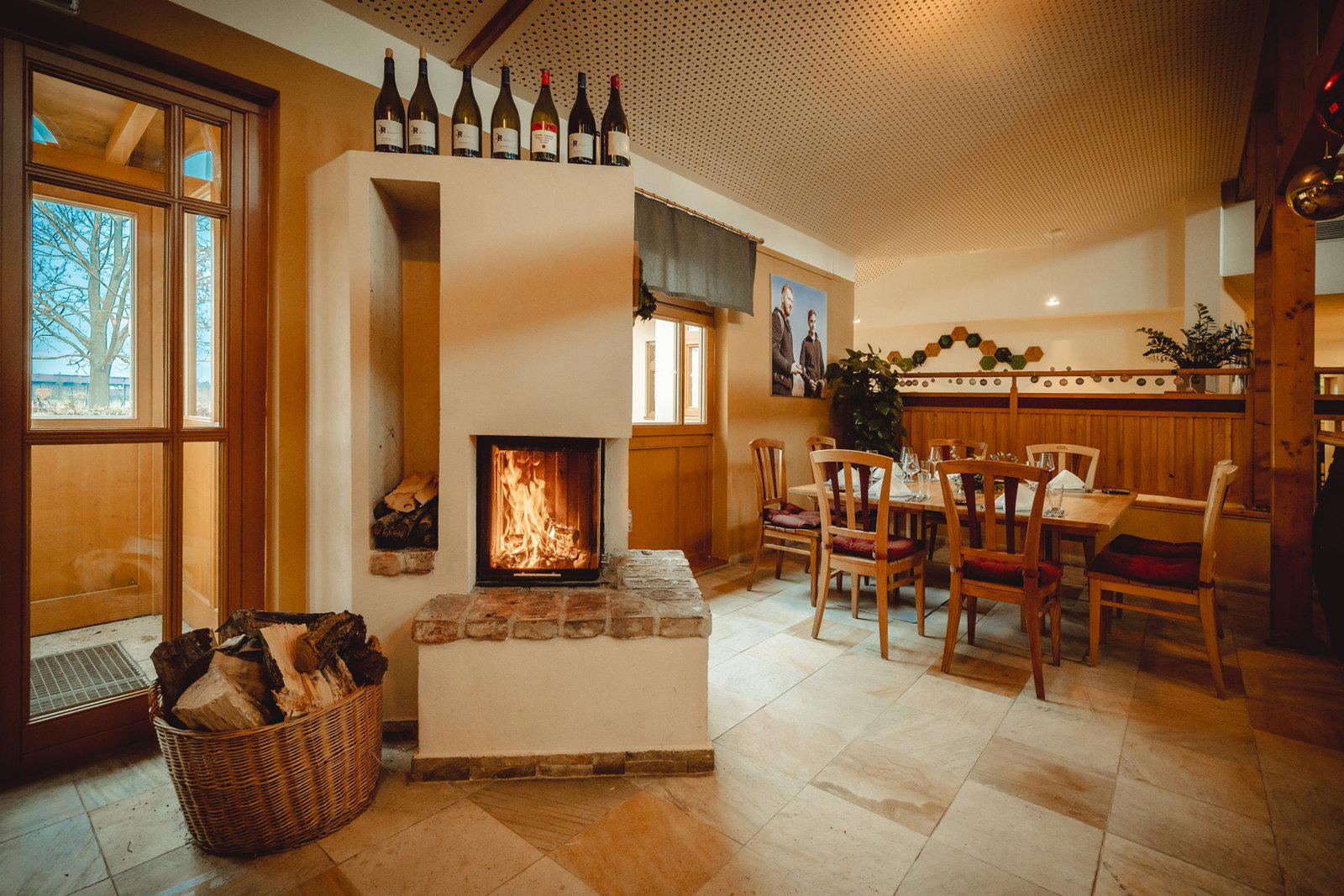
Welcoming atmosphere with high guest ratings for ambiance, featuring modern and cozy elements.