Ichi go Ichi e occupies a considered position within Vienna's upper-tier dining circuit, where Japanese philosophy meets Central European precision at Stubenring 6. The name, a Japanese idiom meaning 'once in a lifetime encounter', signals an approach to hospitality that treats each service as non-repeatable. For Vienna's fine-dining scene, that framing is both a statement of intent and a competitive differentiator.
Pearl is the En Primeur Club membership app — saves, bookings, and concierge access live there. Same editors, same standards.
- Address
- Stubenring 6, 1010 Wien, Austria
- Phone
- +436606506189
- Website
- ichigoichie.at
- Directions
- Get directions
 Saves & bookings on Pearl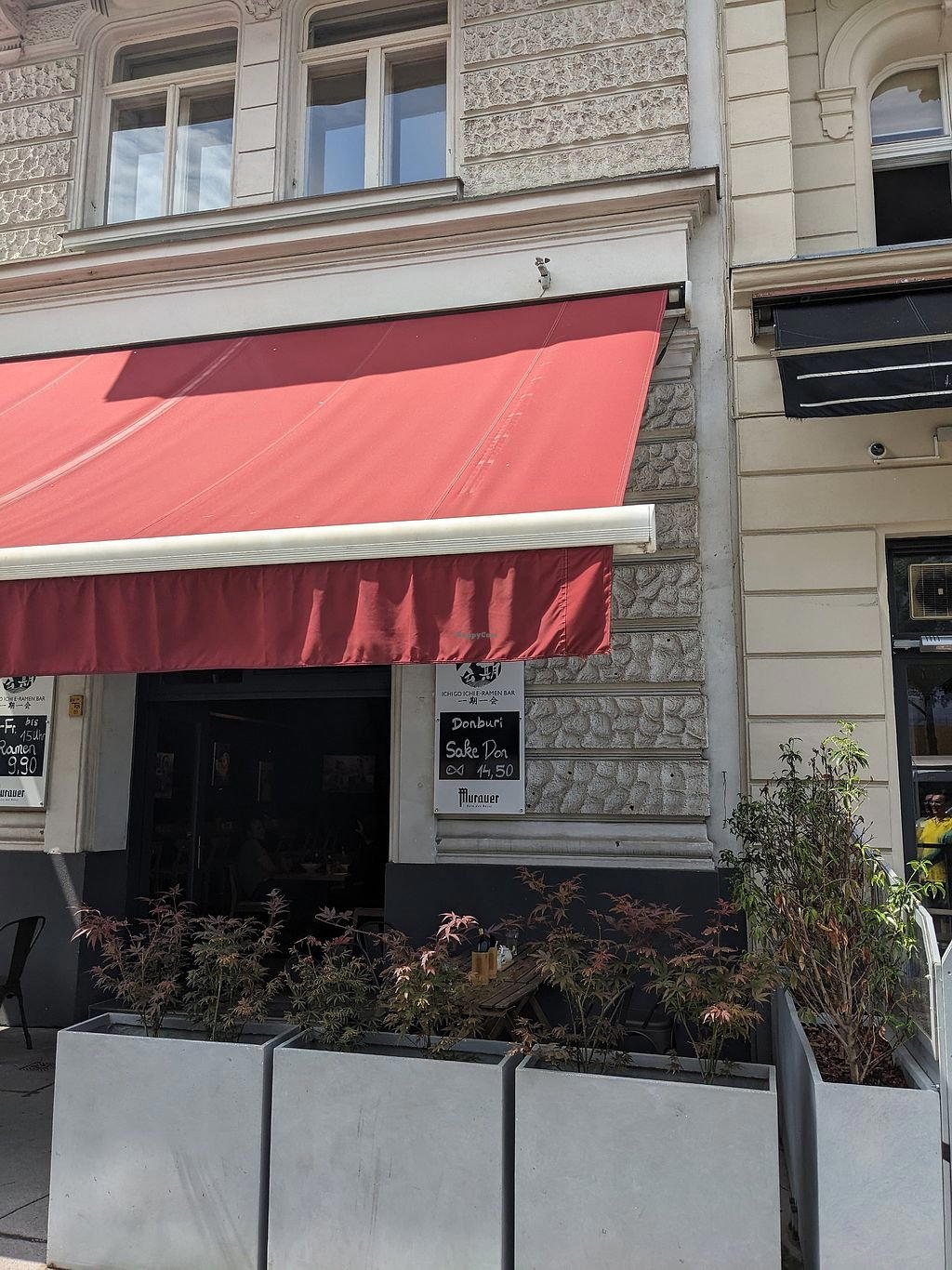
A Address on the Ringstrasse Diagonal
Stubenring 6 places Ichi go Ichi e on the eastern arc of Vienna's Ringstrasse, a corridor that carries the weight of imperial architecture and, in recent decades, a quiet concentration of serious dining rooms. The building sits close to the Stadtpark end of the ring, within walking distance of the Danube Canal and the first-district's institutional core. Arriving along that boulevard, past the Museum of Applied Arts, past the ornamental ironwork of the canal bridges, sets a particular register before you reach the door. Vienna operates this way: the approach is part of the experience, whether or not the venue intends it.
That geographic framing matters because Vienna's fine-dining tier has consolidated around a handful of addresses, most of them inside or immediately adjacent to the first district. Steirereck im Stadtpark (Creative) anchors the Stadtpark a few hundred metres away. Konstantin Filippou (Modern European, Modern Cuisine) operates on Dominikanerbastei, two streets north. Amador (Creative) and Mraz and Sohn (Modern Austrian, Creative) extend the comparable set further across the city. Ichi go Ichi e positions itself within that conversation, though with a register that diverges from the Austrian-modern majority.
The Name as Editorial Statement
The Japanese phrase 'ichi go ichi e', transliterated from the tea ceremony tradition and associated with the Zen Buddhist concept of treasuring each unrepeatable moment, carries specific cultural freight. In the context of a Vienna dining room, adopting that phrase as a name is not a neutral branding choice. It signals an alignment with Japanese hospitality philosophy: the idea that each guest encounter is structurally different from every other, and that the role of the team is to respond to that singularity rather than deliver a standardised performance.
This framing connects directly to how Tokyo's leading omakase counters and kaiseki rooms have influenced European fine dining over the past decade. Restaurants operating under that influence tend to organise their teams differently: the distinction between kitchen and dining room blurs, communication between chef, sommelier, and front-of-house becomes the operational centre rather than an afterthought, and the pacing of service is treated as a compositional element. Whether Ichi go Ichi e executes this fully is a question that the available record does not resolve with precision, but the philosophy embedded in its name places it in that broader current.
Where Team Dynamics Define the Room
The restaurants that have moved Vienna's fine-dining conversation forward in recent years share a structural characteristic: they treat the interaction between kitchen output and table-side interpretation as a discipline in itself. Doubek (Creative) operates on that premise. So does the model seen at places like Ikarus in Salzburg, where the front-of-house carries as much technical knowledge as the pass. In a dining room shaped by Japanese hospitality logic, the sommelier's role extends beyond wine selection into the rhythmic management of the meal, how courses land, how the table reads, when to accelerate and when to hold.
Vienna has a comparatively deep pool of trained sommeliers relative to its size, partly a function of Austria's wine culture and partly a legacy of the grand-hotel tradition that shaped hospitality training in the city for over a century. A room that draws on both that tradition and the Japanese service model creates an unusual synthesis: Central European wine knowledge deployed with East Asian attention to pace and silence. The combination is not common. In New York, Atomix in New York City and Le Bernardin in New York City have each built reputations partly on the coherence between kitchen and dining-room teams. That coherence is harder to achieve than it looks, and its absence is immediately legible to experienced diners.
The Austrian Fine-Dining Context
Austria's upper dining tier has an unusual profile by European standards. The country has a strong regional fine-dining network outside its capital: Döllerer in Golling an der Salzach, Obauer in Werfen, and Landhaus Bacher in Mautern an der Donau each hold positions that would be considered destination-level in most other countries. Alpine properties like Griggeler Stuba in Lech, Gourmetrestaurant Tannenhof in Sankt Anton am Arlberg, and Schwarzer Adler in Hall in Tirol draw seasonal audiences that skew heavily international. Smaller rooms like Kräuterreich by Vitus Winkler in Sankt Veit im Pongau, Ois in Neufelden, and Restaurant 141 by Joachim Jaud in Mieming point toward a younger generation of Austrian chefs working at smaller scale with regional ingredient sourcing.
Within Vienna specifically, the competitive pressure comes from a cluster of rooms in the €€€€ tier: Steirereck, Konstantin Filippou, Mraz and Sohn, Silvio Nickol, and APRON each carry significant critical attention. A venue that positions itself through Japanese hospitality philosophy rather than Austrian-modern cuisine is making a lateral move within that field, appealing to a guest whose reference points extend beyond the domestic tradition.
What to Expect at the Table
The name's reference to tea ceremony and the once-in-a-lifetime encounter implies a format that prioritises sequence and intention over choice. Restaurants operating in this register typically run a single tasting menu format with limited variation paths, where the composition of the meal is treated as fixed and the front-of-house role is to communicate that composition rather than negotiate it. The result, when the team is well-calibrated, is a meal that reads as authored rather than assembled.
For diners whose Vienna fine-dining experience is anchored in the Austrian-modern tradition, long menus with regional produce, prominent wine pairings from Austrian appellations, kitchens that read as technically fluent rather than philosophically distinct, the restaurant represents a different kind of conversation at the table. The broader Vienna dining scene offers enough range that a visitor can spend several evenings without repeating a register. This room occupies a specific position within that range.
Planning Your Visit
The restaurant is located at Stubenring 6, 1010 Wien, in Vienna's first district. The address is accessible by U-Bahn (U3, Stubentor station) and sits within walking distance of the city's central hotel cluster. As with most rooms in Vienna's upper tier, reservations should be made well in advance, particularly for weekend seatings. Current pricing and hours are direct: about $20 per person, and Tuesday through Sunday from 11 AM to 3 PM and 5 PM to 10 PM; the restaurant is closed Monday.
Comparable Spots, Quickly
Comparable venues nearby, for context on price, style, and recognition.
| Venue | Cuisine | Price | Notes |
|---|---|---|---|
| Ichi go Ichi eThis venue — the venue you are viewing | Japanese Ramen Bar | $$ | Not listed |
| Shoyu Ramen | Authentic Japanese Ramen | $$ | Staatsoper |
| Ramen Makotoya Landstraße | Japanese Ramen | $$ | Wien-Mitte |
| o.m.k 1010 | Modern Japanese Sushi & Noodle Shop | $$ | Innere Stadt |
| Taeko Ramen | Authentic Japanese Ramen | $$ | Praterstern Wien Nord |
| Little Koya | Japanese Sushi & Noodles | $$ | Inner City |

At a Glance
- Cozy
- Modern
- Casual Hangout
- Open Kitchen
Current opening hours
- Monday
- Closed
- Tuesday
- 11 AM–3 PM, 5–10 PM
- Wednesday
- 11 AM–3 PM, 5–10 PM
- Thursday
- 11 AM–3 PM, 5–10 PM
- Friday
- 11 AM–3 PM, 5–10 PM
- Saturday
- 11 AM–3 PM, 5–10 PM
- Sunday
- 11 AM–3 PM, 5–10 PM
Hours can change for holidays and private events. Last verified .
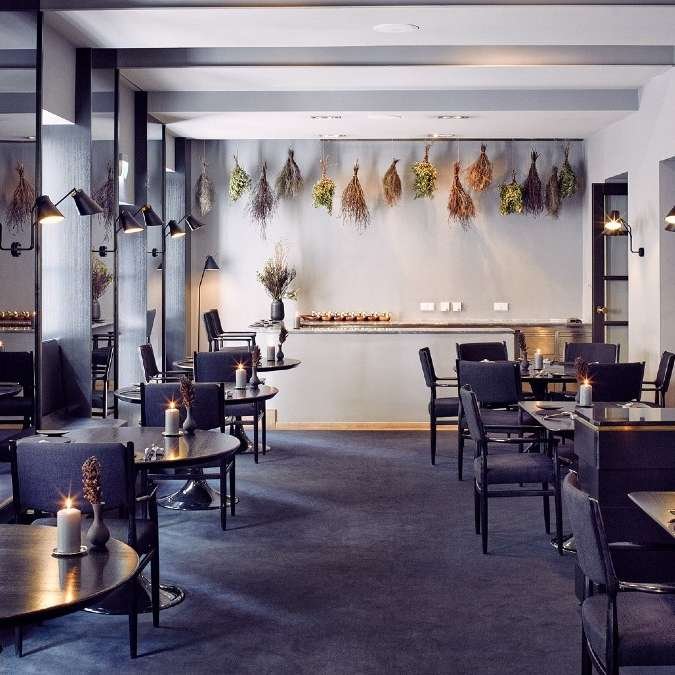
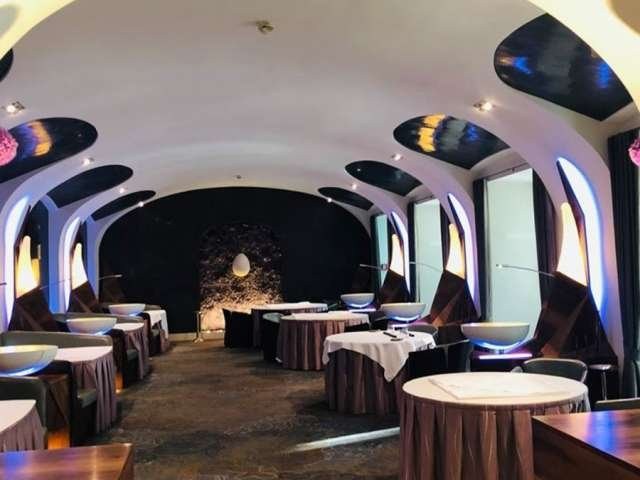
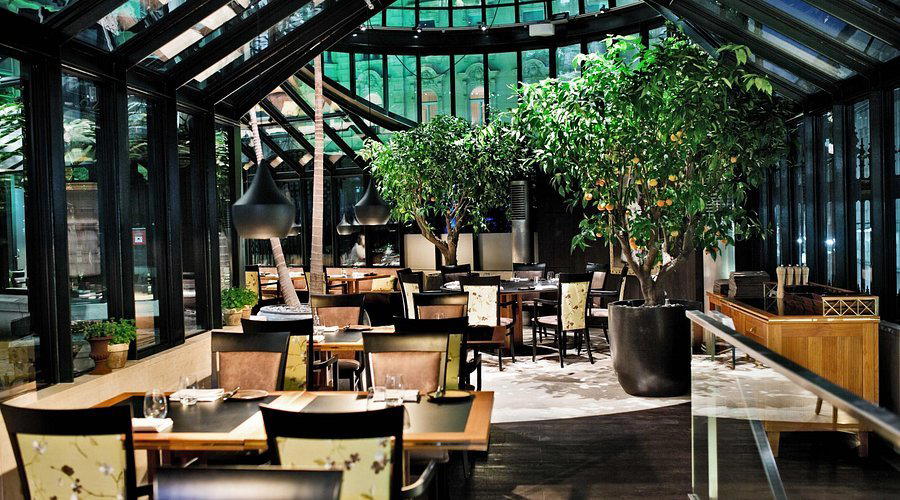
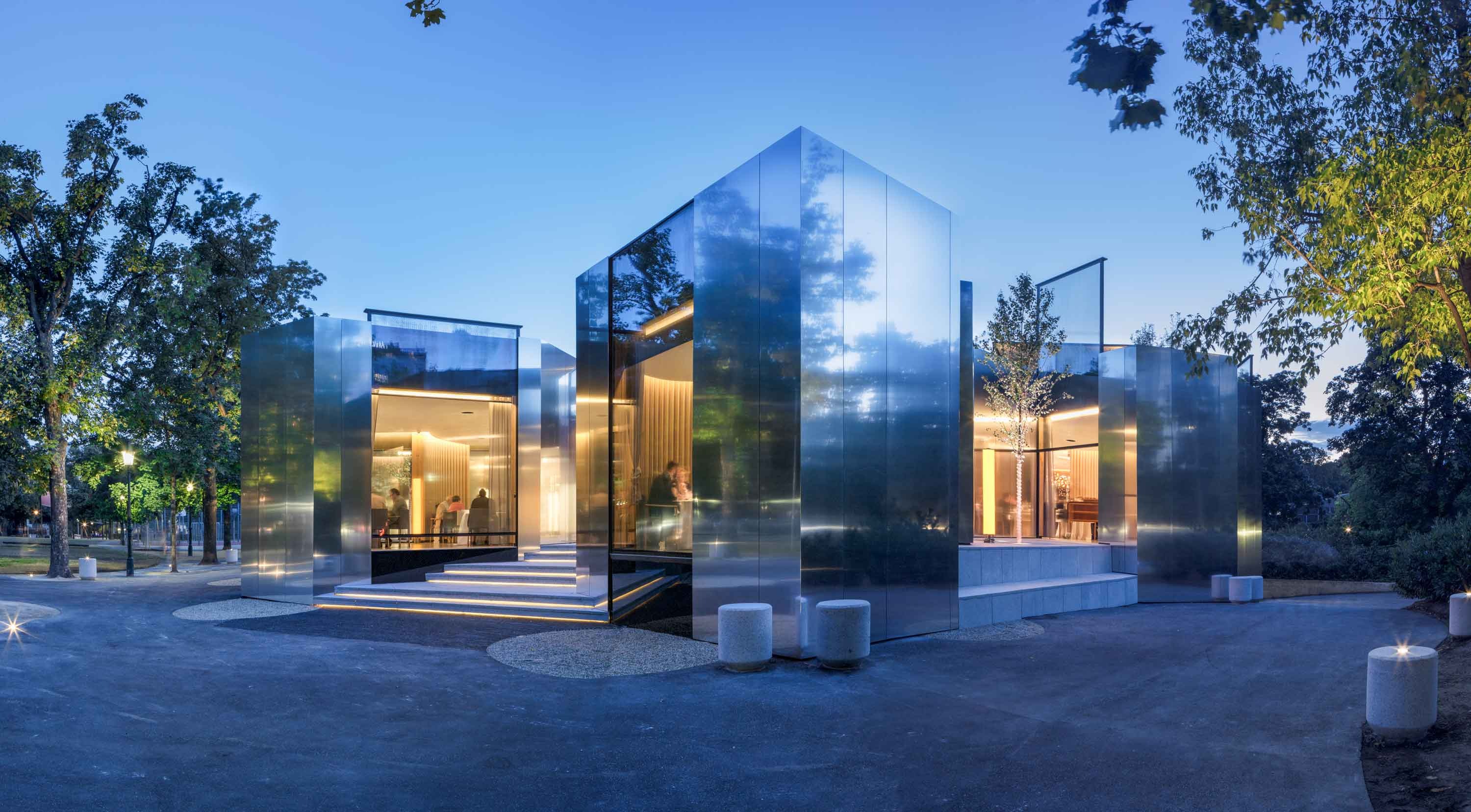
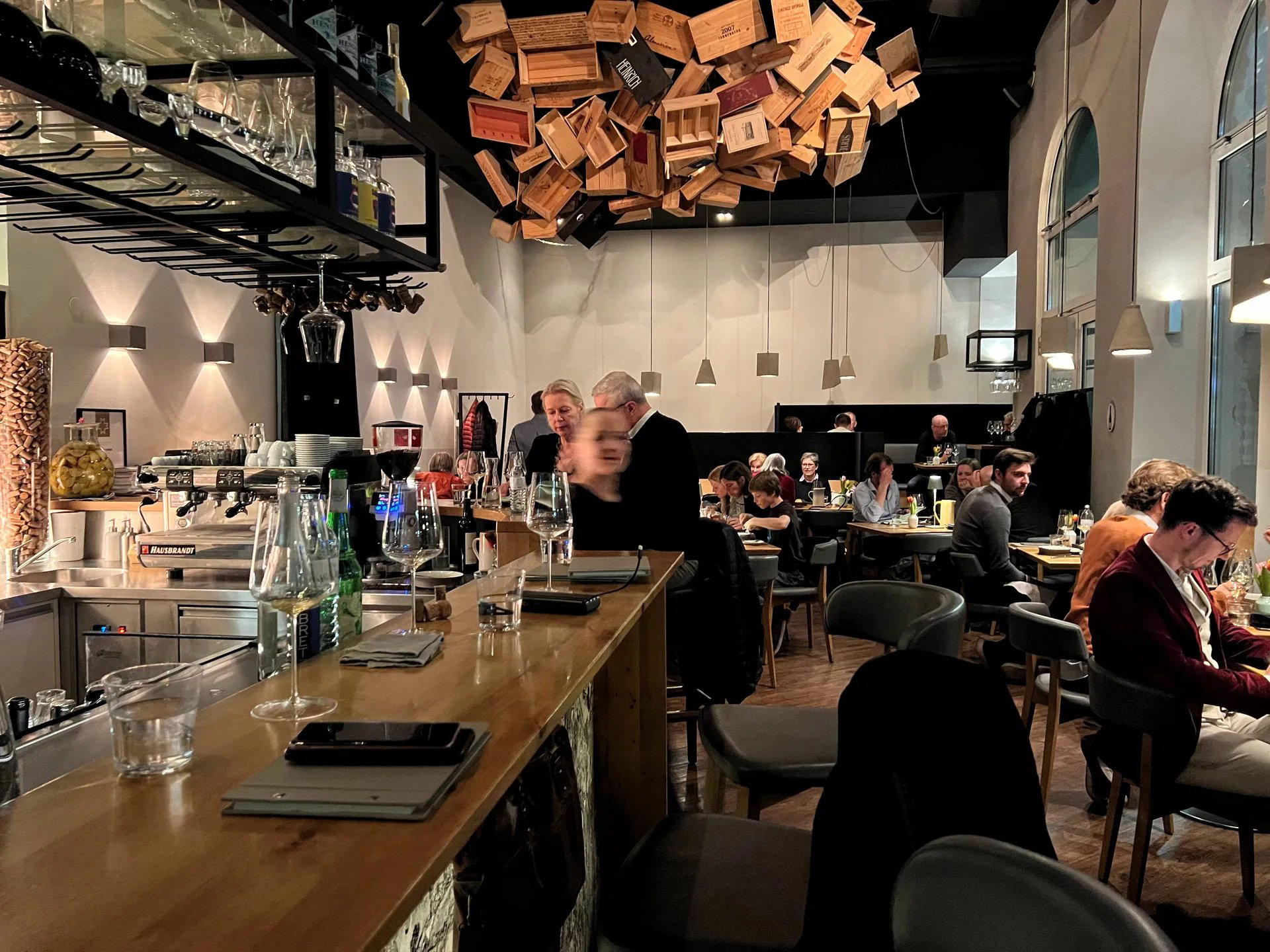
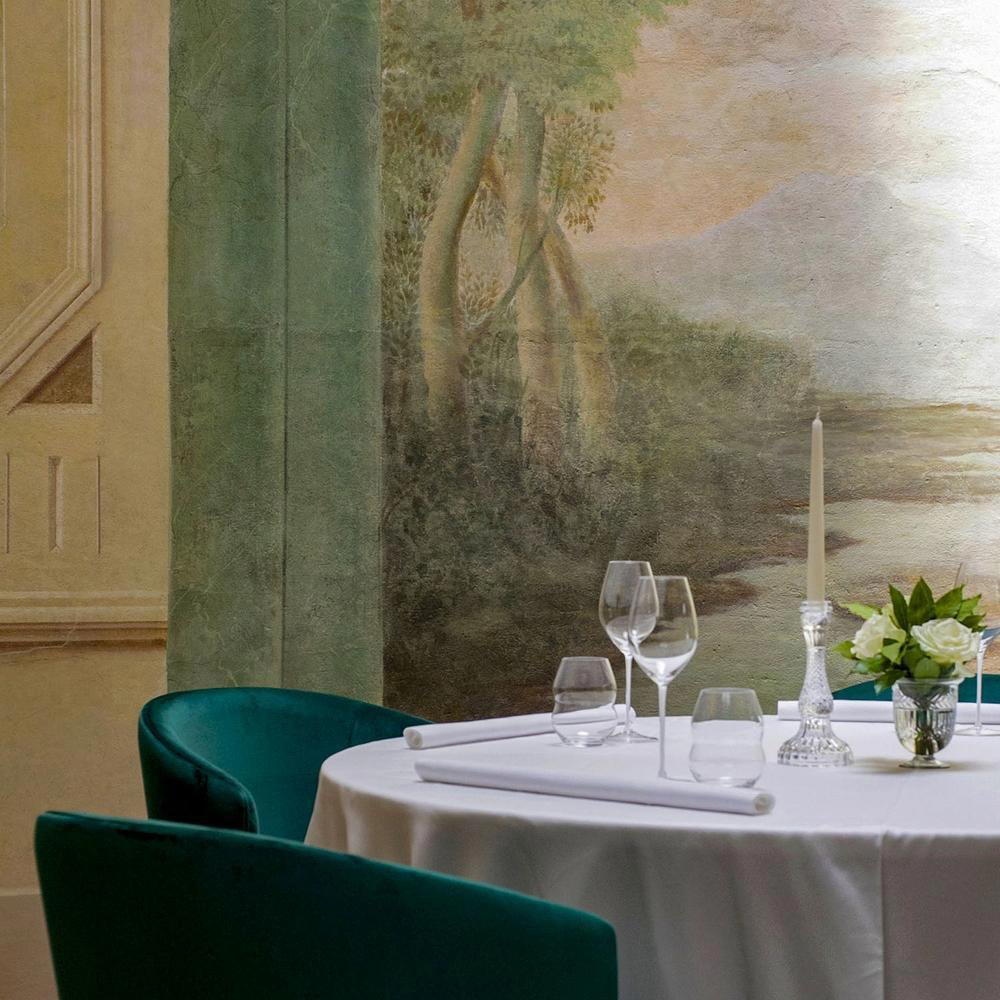
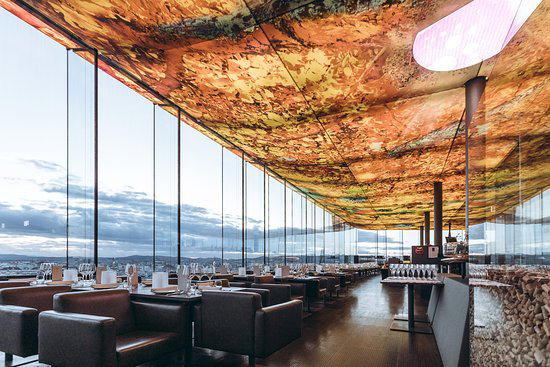
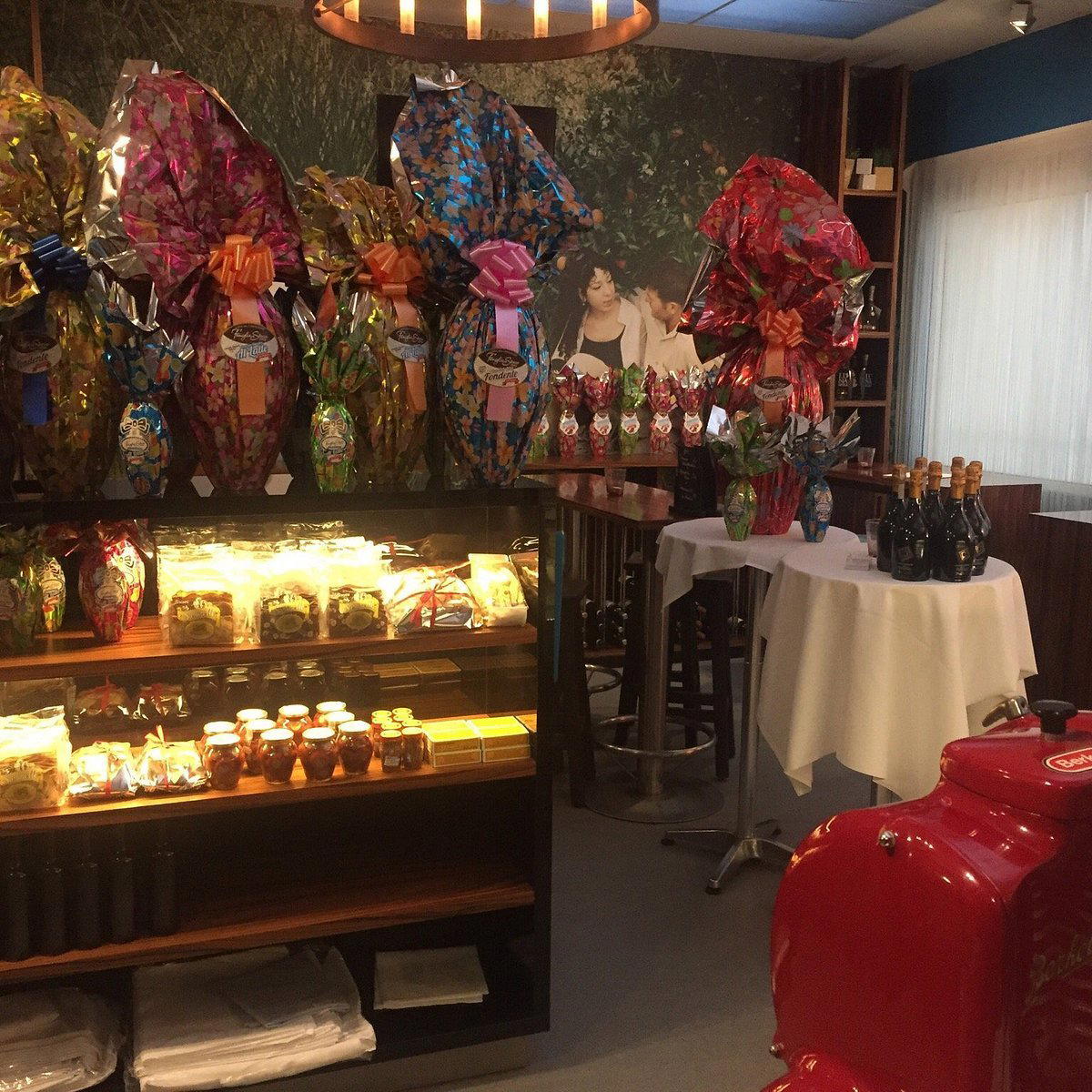
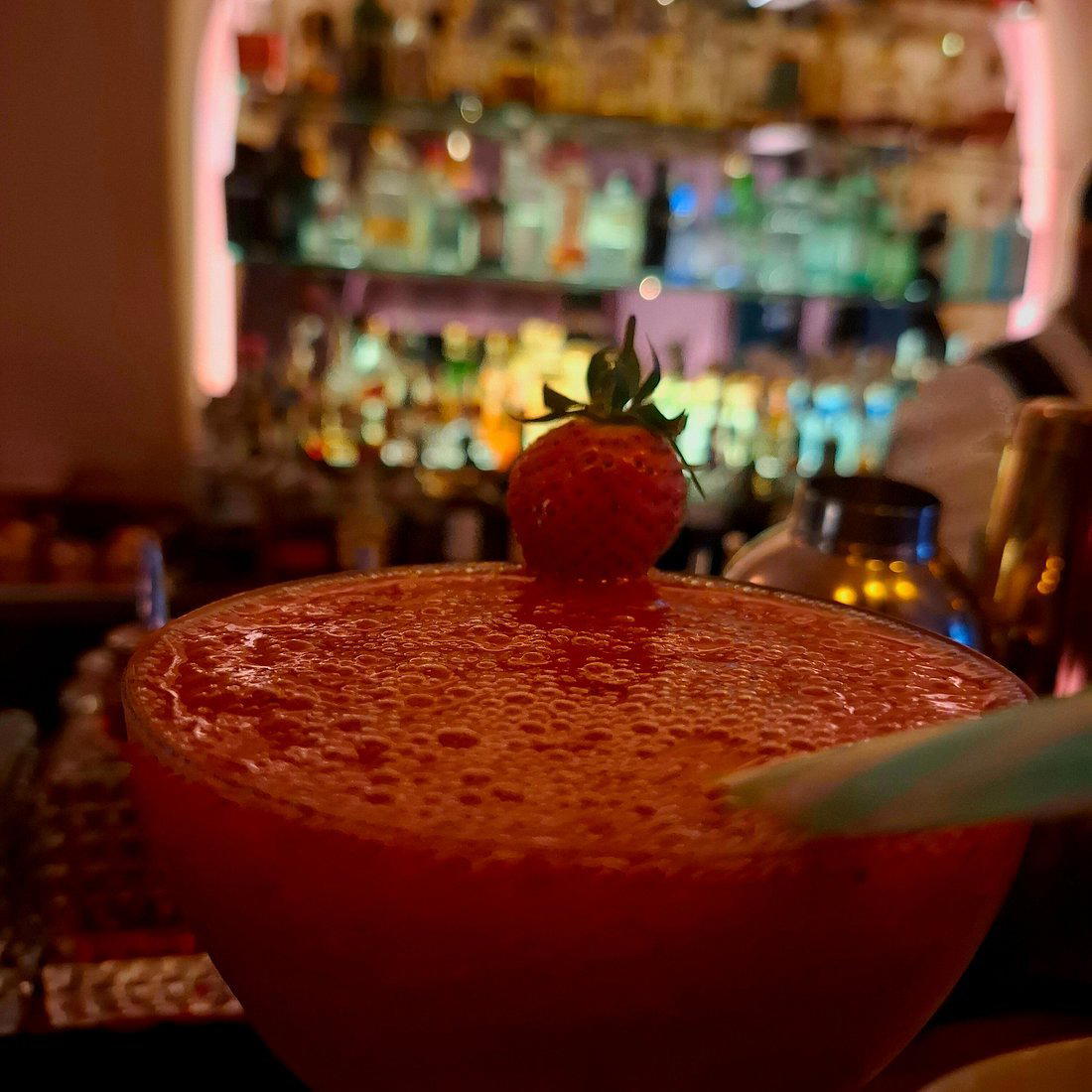
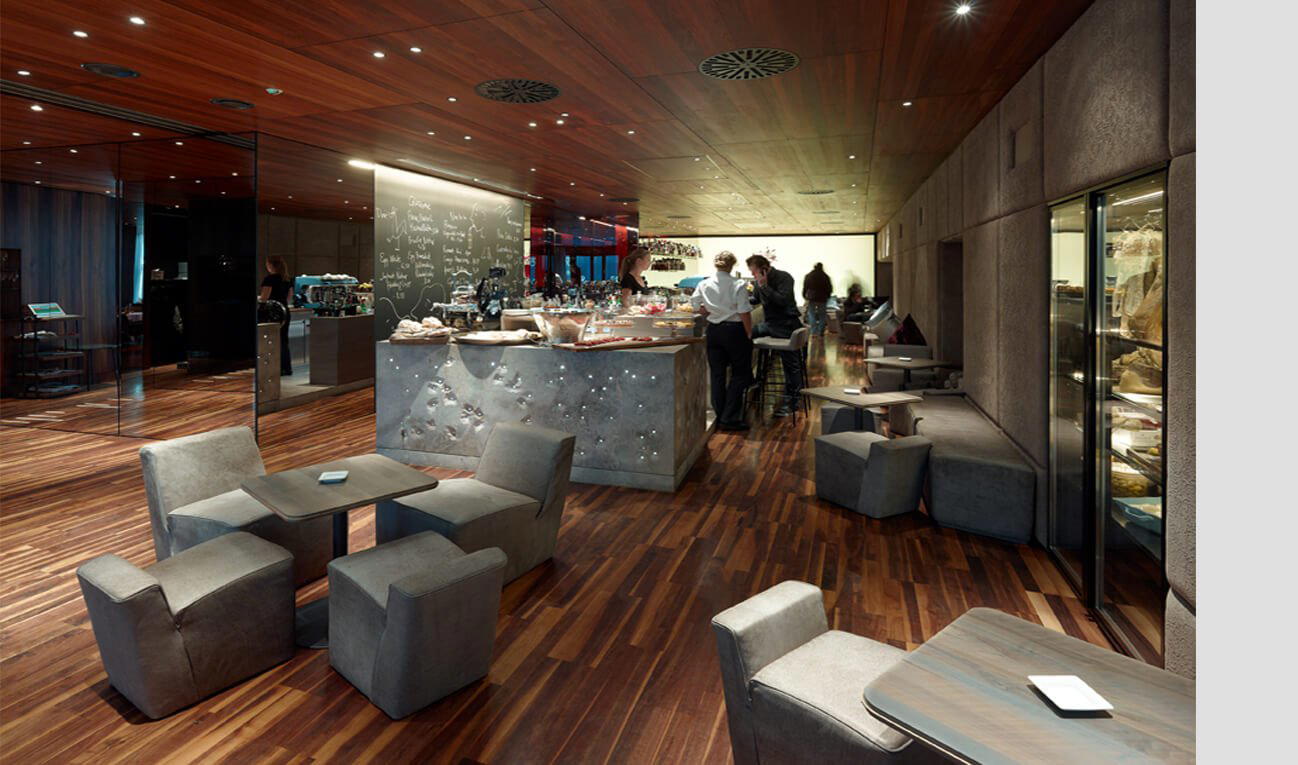
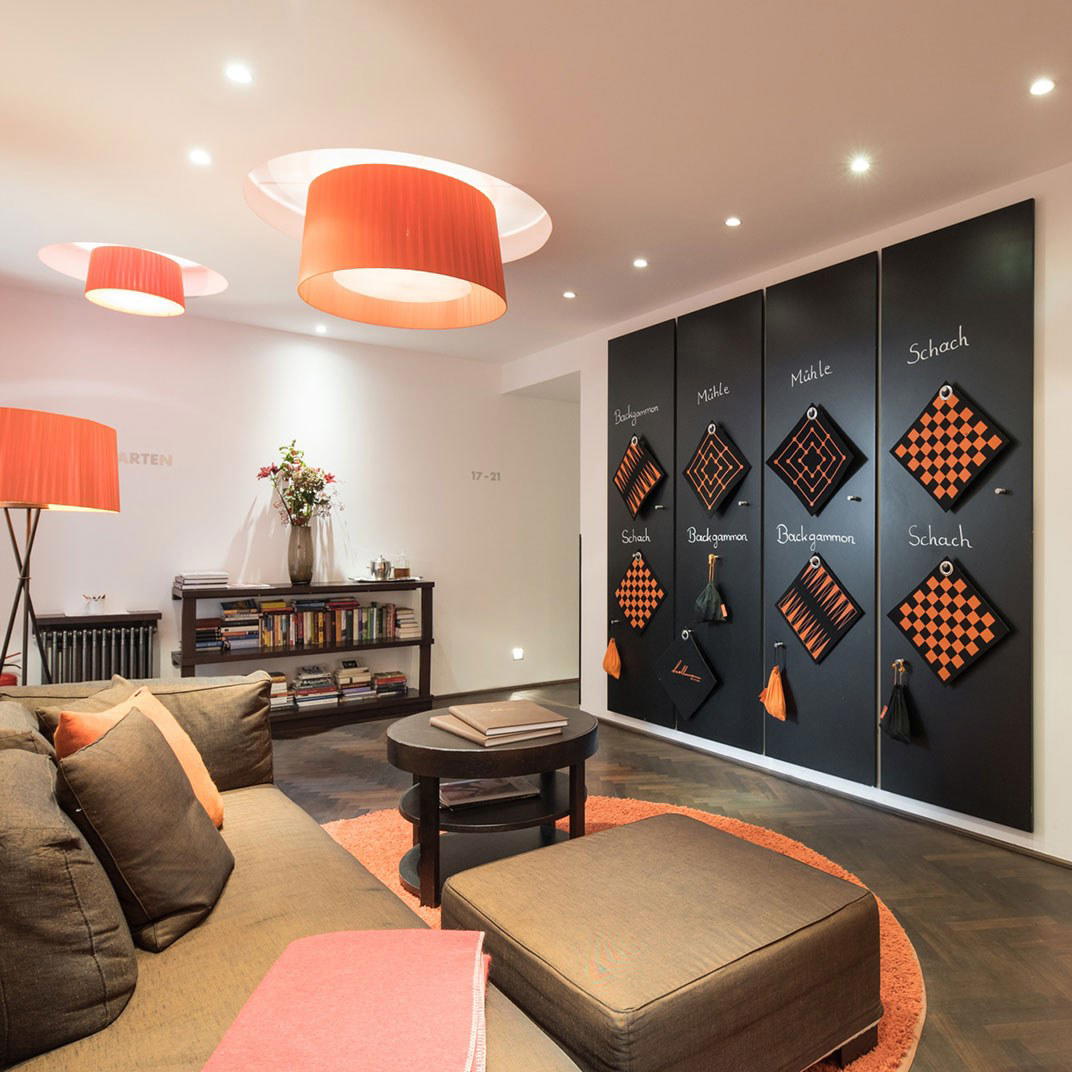
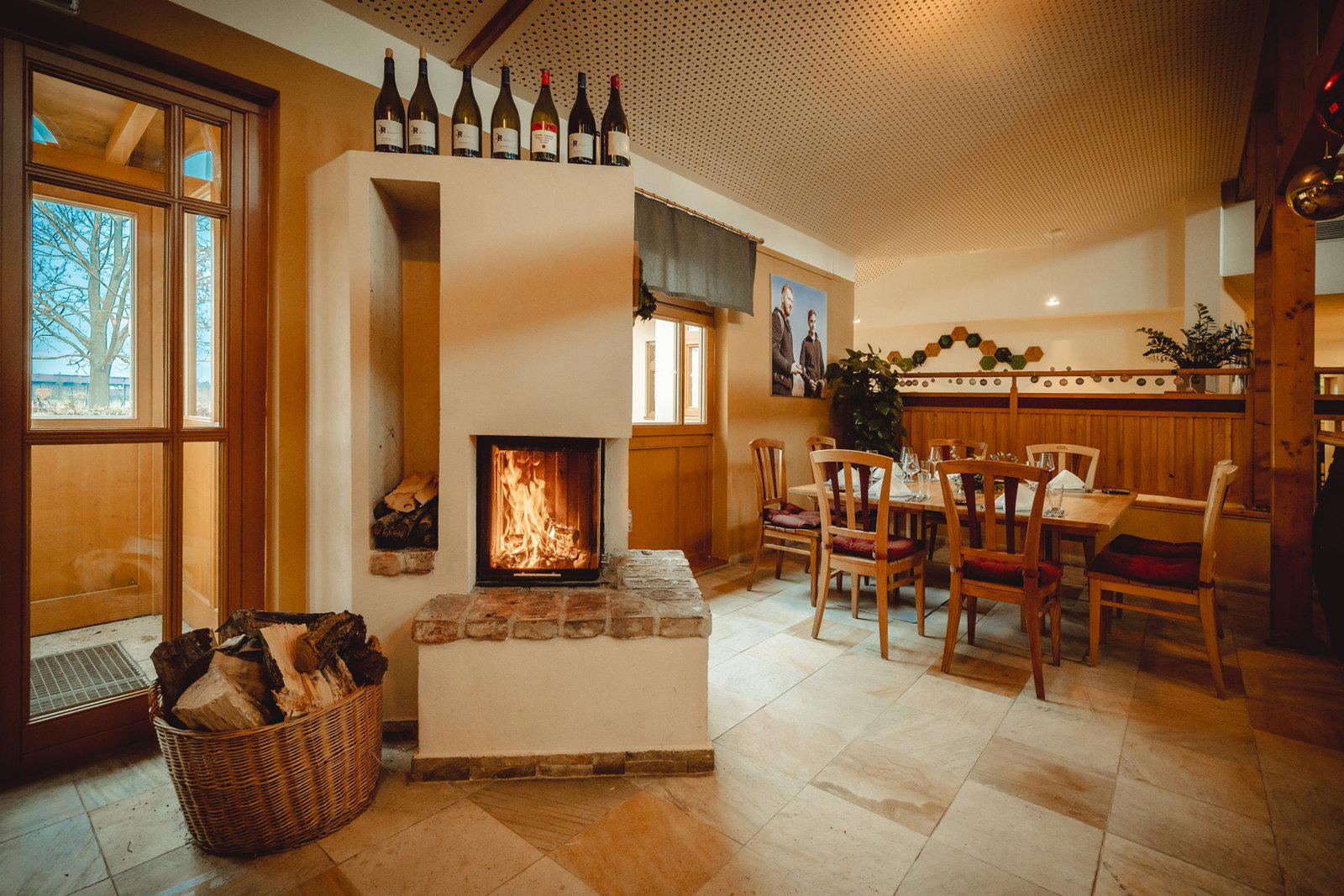
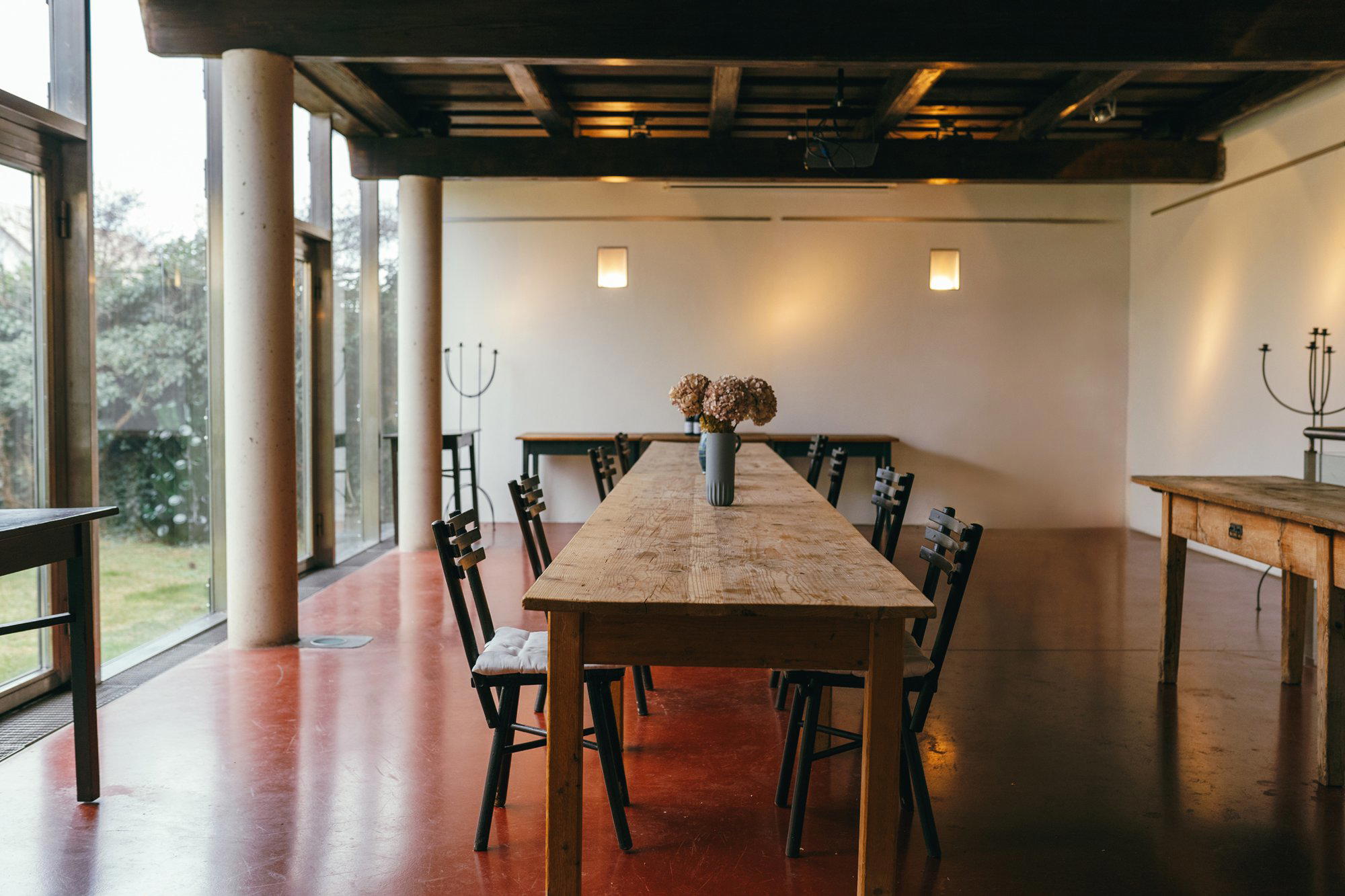
Casual and atmospheric interior with a welcoming vibe focused on Japanese ramen culture.