Positioned at Hoher Markt 2 in Vienna's oldest quarter, o.m.k 1010 sits within a dining scene that increasingly prizes ethical sourcing and environmental accountability alongside culinary precision. The address places it steps from Roman-era excavations and the city's medieval commercial core, a neighbourhood whose layered history has long attracted kitchens willing to engage seriously with Austrian produce and provenance.
Pearl is the En Primeur Club membership app — saves, bookings, and concierge access live there. Same editors, same standards.
- Address
- Hoher Markt 2, 1010 Wien, Austria
- Phone
- +431212364801
- Website
- o-m-k.com
- Directions
- Get directions
 Saves & bookings on Pearl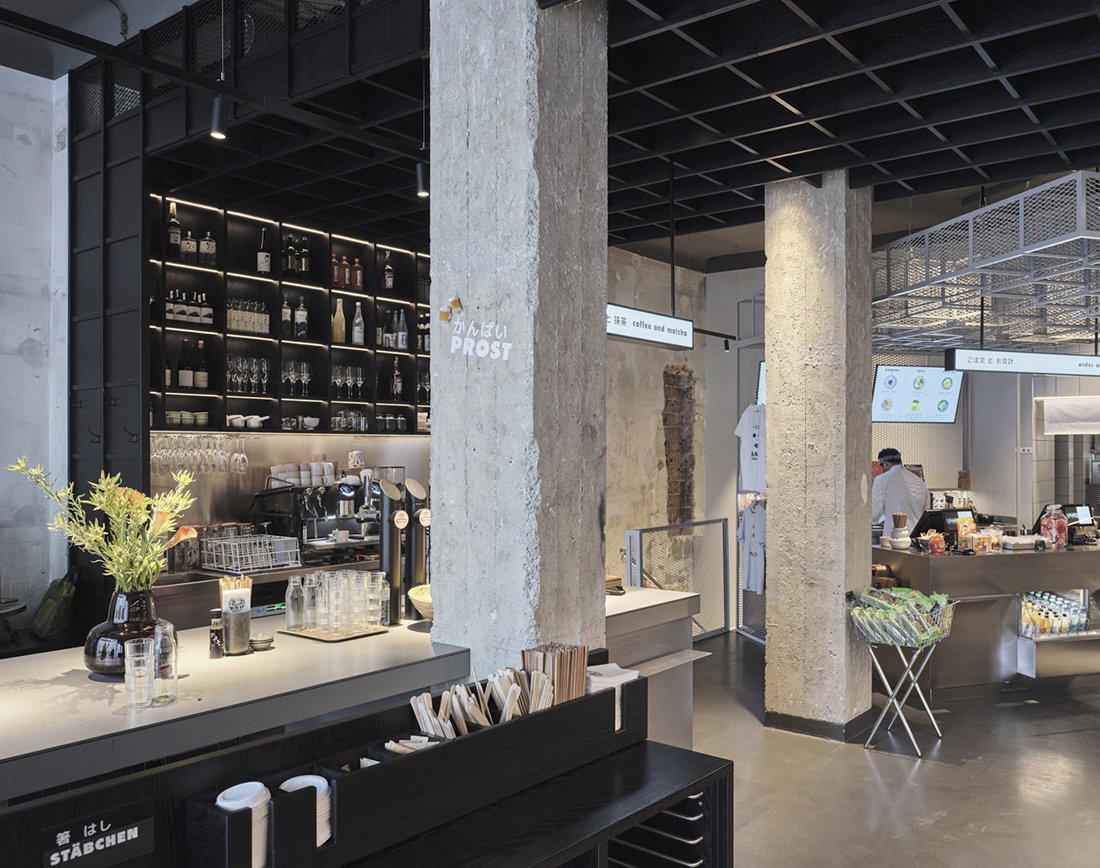
Vienna's First District and the Ethics of Place
Vienna's 1010 postal district carries more historical density per square metre than almost any other European city centre. Hoher Markt, where o.m.k 1010 is addressed, sits above the ruins of the Roman legionary fortress Vindobona and served as the city's principal market square through the medieval period. That weight of place matters when thinking about how contemporary restaurants in this district position themselves: the first district is not a neighbourhood that forgives careless operations or shallow concepts. The restaurants that endure here tend to connect, in some legible way, to a broader argument about what Viennese dining should mean.
Across Vienna's top tier, that argument has increasingly centred on sourcing accountability and waste discipline. Kitchens at Steirereck im Stadtpark and Mraz & Sohn have built international reputations in part by making Austrian regional produce the structural logic of their menus, not an afterthought or a garnish. Konstantin Filippou and Amador work within a modern European framework where ingredient provenance is treated as a credentialling signal as much as a culinary one. o.m.k 1010 is a Modern Japanese Sushi & Noodle Shop at Hoher Markt 2 in Vienna's 1010 district, priced at about $15 per person.
Sustainability as a Structural Commitment, Not a Marketing Layer
The broader shift in how serious European kitchens think about sustainability has moved well past the point of seasonal menus and farm-to-table language. The leading position now involves supply chain transparency, waste-stream management, and a willingness to build menus around what responsible sourcing allows rather than forcing ingredients to meet a fixed concept. Austrian cuisine sits in a particularly strong position for this kind of commitment: the country's agricultural geography, from the Wachau valley's wine and produce to the alpine dairy and game traditions of Styria and Carinthia, gives kitchens genuine access to a deep, regionally differentiated larder.
Restaurants such as Döllerer in Golling an der Salzach and Landhaus Bacher in Mautern an der Donau have demonstrated that rigorous sourcing from defined Austrian regions can anchor a serious fine dining program without sacrificing ambition. Kräuterreich by Vitus Winkler in Sankt Veit im Pongau has taken this further, building an entire menu architecture around foraged and cultivated herbs in a way that makes waste reduction a creative constraint rather than a cost-saving measure. These kitchens collectively establish the standard against which sustainability claims in Austrian dining are now evaluated.
Within Vienna's first district specifically, the sustainability story carries additional complexity. Operating in a dense urban centre means that the logistics of sourcing, storage, and waste disposal work differently than they do for a country house restaurant with a kitchen garden. Urban kitchens that make genuine environmental commitments tend to build supplier relationships that function like long-term partnerships, accepting price volatility and seasonal constraints in exchange for supply integrity. That discipline, when it works, shows up on the plate as a certain kind of specificity: ingredients that reflect where and when they were grown rather than where a distribution warehouse happens to stock them.
The First District's Competitive Set
Vienna's 1010 dining scene spans a considerable price and format range, from the grand café tradition of Café Central and Zum Wohl to multi-course tasting menus at the leading creative houses. The neighbourhood's density means that positioning matters acutely: a restaurant at Hoher Markt needs a clear answer to why a diner chooses it over the established names a short walk away. For kitchens that build around provenance and ethical sourcing, that answer often comes through format as much as menu, since smaller, more focused operations can maintain supplier relationships and waste discipline more rigorously than larger, higher-volume rooms.
Doubek represents one model within this district, engaging with Viennese tradition through a contemporary lens. Further out in the Austrian fine dining circuit, Ikarus in Salzburg, Obauer in Werfen, and Griggeler Stuba in Lech each demonstrate how rigorous regional sourcing can anchor a distinct dining identity outside the capital. The Vienna operation at o.m.k 1010 sits in a position where those country-house models offer relevant reference points, even if the urban context requires different solutions.
Internationally, the question of how high-end urban restaurants build genuine sustainability frameworks has attracted significant critical attention. Le Bernardin in New York City has been cited for its seafood sourcing standards, while Atomix in New York City represents a format where small capacity and precise sourcing combine to produce something that scales quality rather than volume. These international examples frame what the category can look like when the commitment is structural rather than cosmetic.
Getting There and Planning Your Visit
Hoher Markt 2 sits in the core of Vienna's first district, accessible by U-Bahn from Schwedenplatz station on the U1 and U4 lines, roughly a four-minute walk. The square is also within easy reach of Stephansplatz, making it a natural stop for visitors moving between the cathedral quarter and the Danube Canal. Vienna's first district rewards a slower approach: arriving early enough to walk the neighbourhood before a meal, taking in the Ankeruhr clock above the square, puts the restaurant's address in context.
Fast Comparison
Comparable venues nearby, for context on price, style, and recognition.
| Venue | Cuisine | Price | Notes |
|---|---|---|---|
| o.m.k 1010This venue — the venue you are viewing | Modern Japanese Sushi & Noodle Shop | $$ | Not listed |
| Nagano | Modern Japanese Fusion | $$ | Staatsoper |
| Taeko Ramen | Authentic Japanese Ramen | $$ | Praterstern Wien Nord |
| Shokudo Kuishimbo | Authentic Japanese Izakaya | $$ | Mariahilf |
| Teka Sushi | Traditional Japanese Sushi | $$ | Doebling |
| Ebi Mini | Japanese Sushi & Ramen | $$ | Hofburg |
At a Glance
- Modern
- Trendy
- Casual
- Casual Hangout
- After Work
- Standalone
- Historic Building
- Beer Program
- Natural Wine
- Local Sourcing
Current opening hours
- Monday
- 11 AM–9:30 PM
- Tuesday
- 11 AM–9:30 PM
- Wednesday
- 11 AM–9:30 PM
- Thursday
- 11 AM–9:30 PM
- Friday
- 11 AM–9:30 PM
- Saturday
- 11 AM–9:30 PM
- Sunday
- Closed
Hours can change for holidays and private events. Last verified .
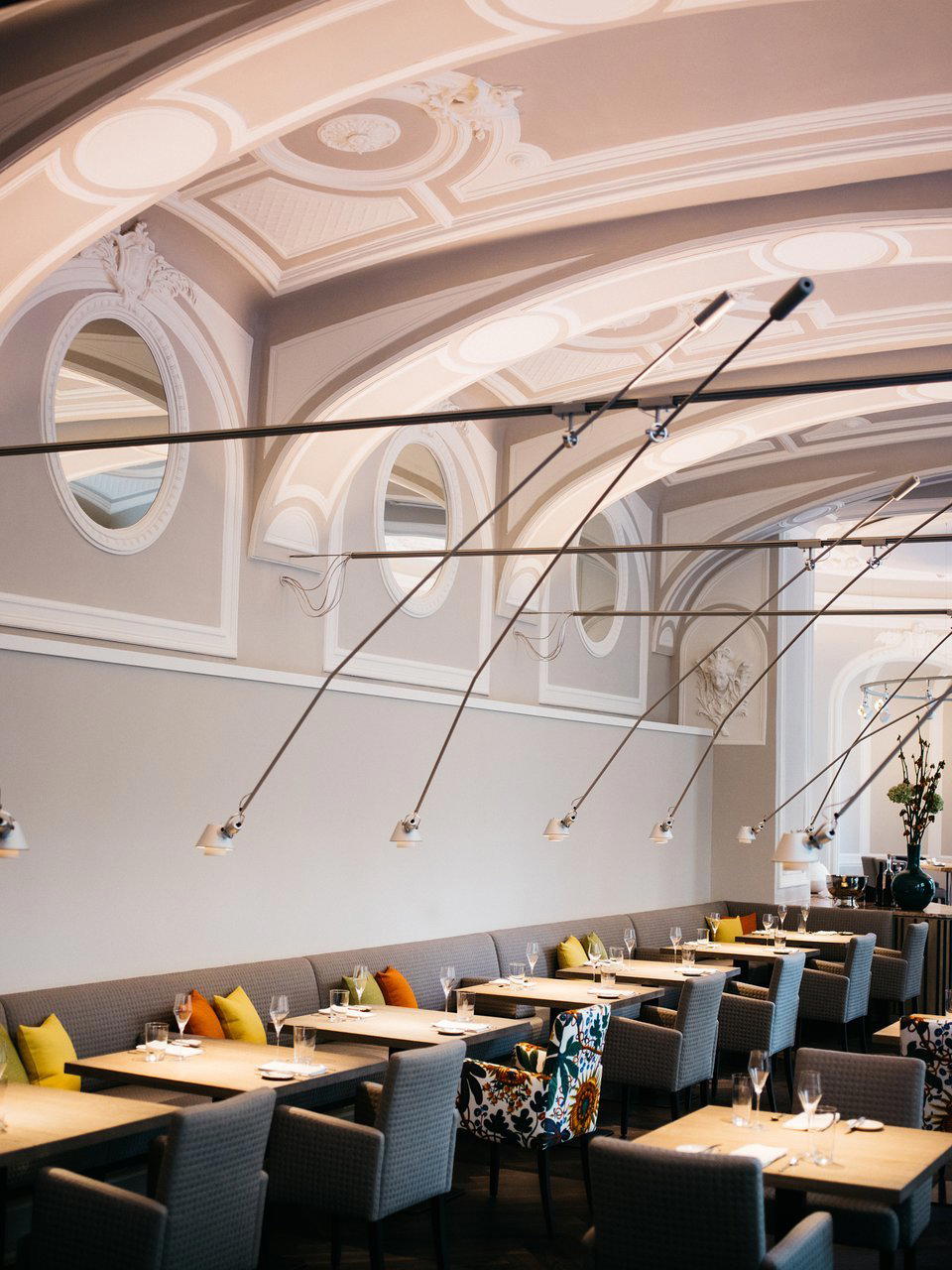
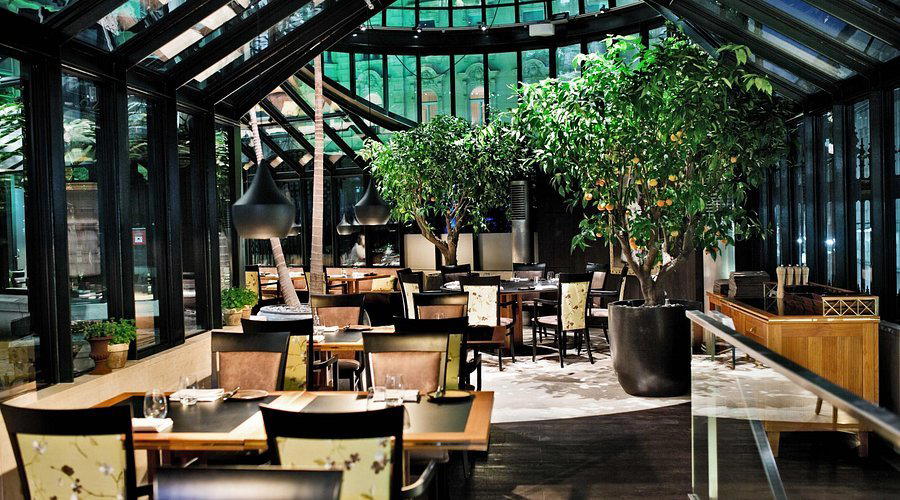
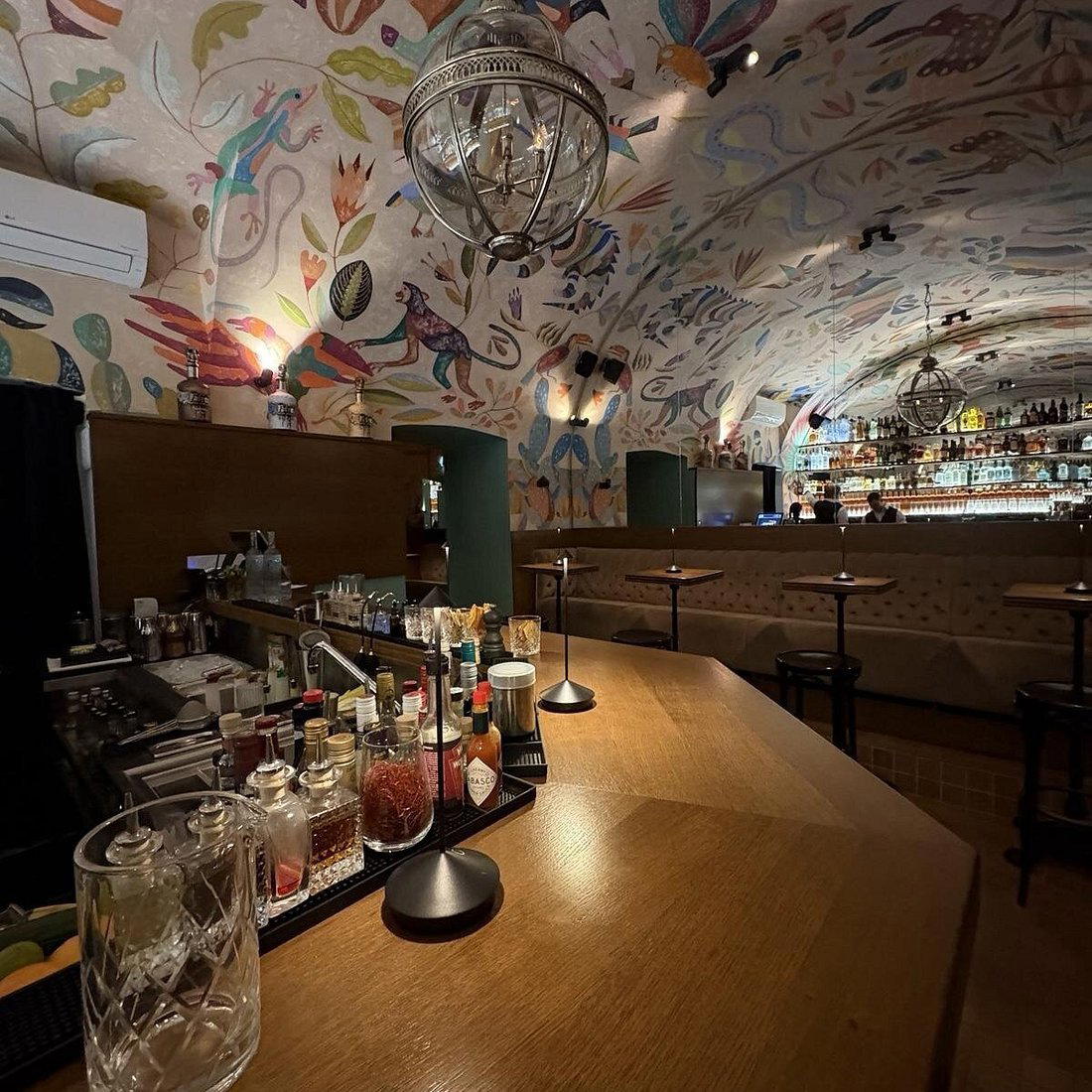
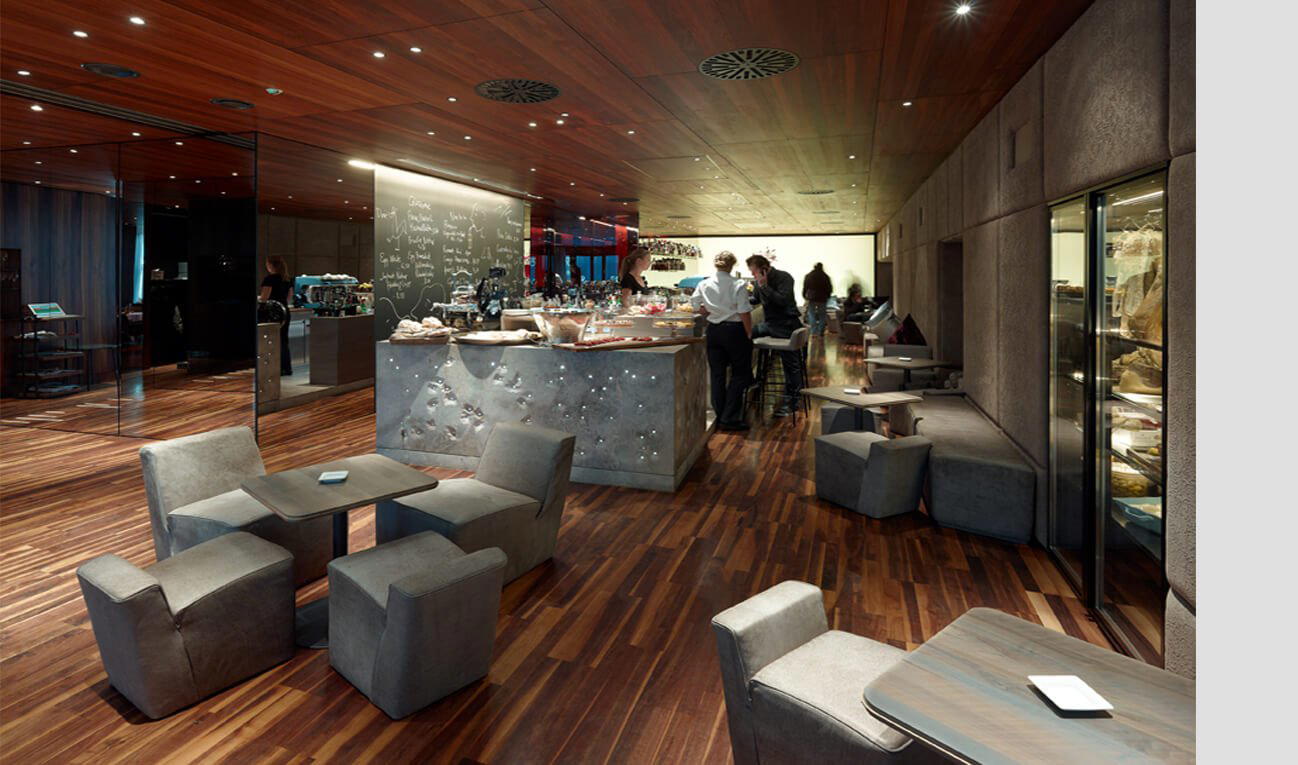
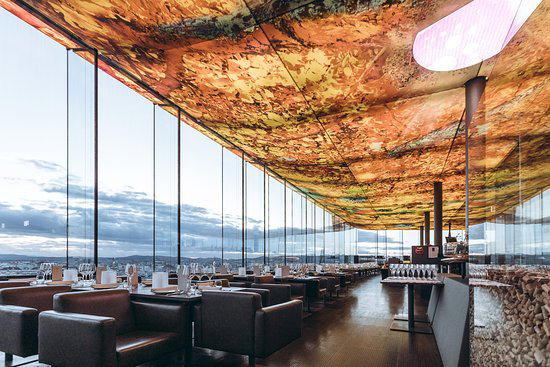
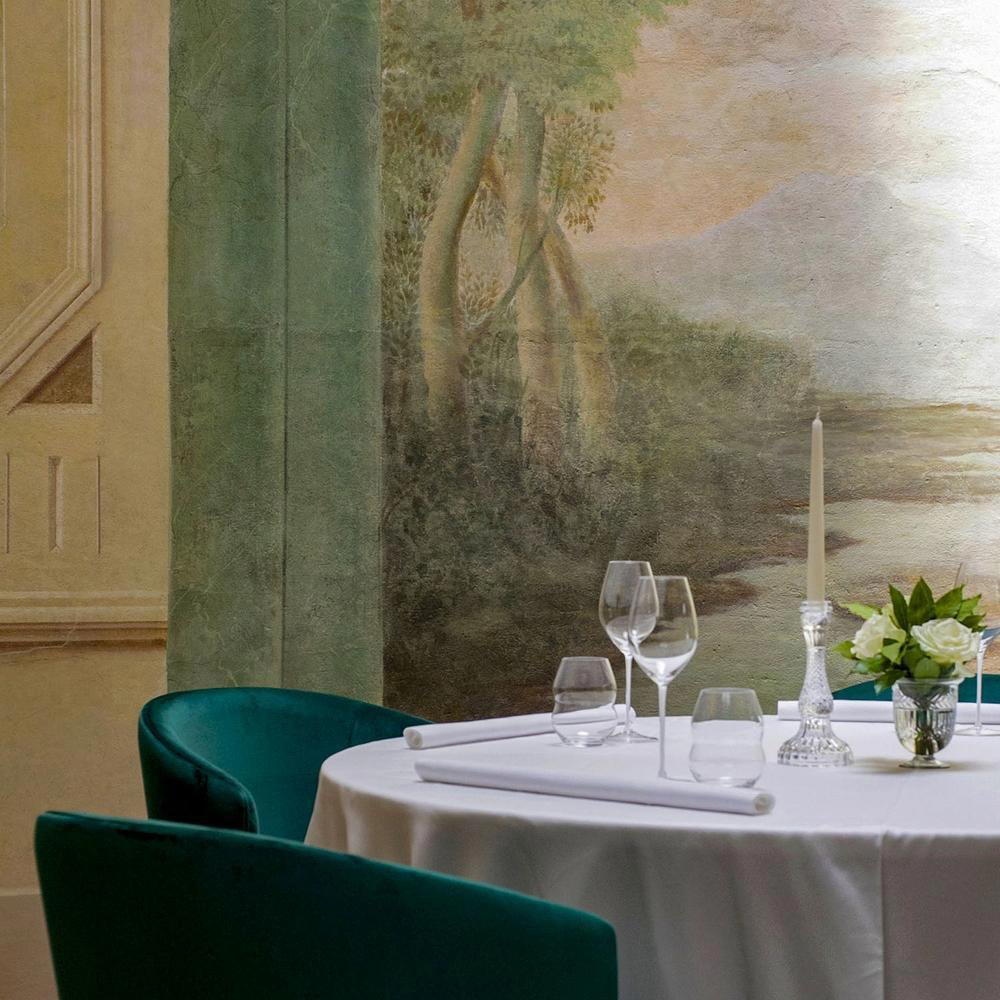
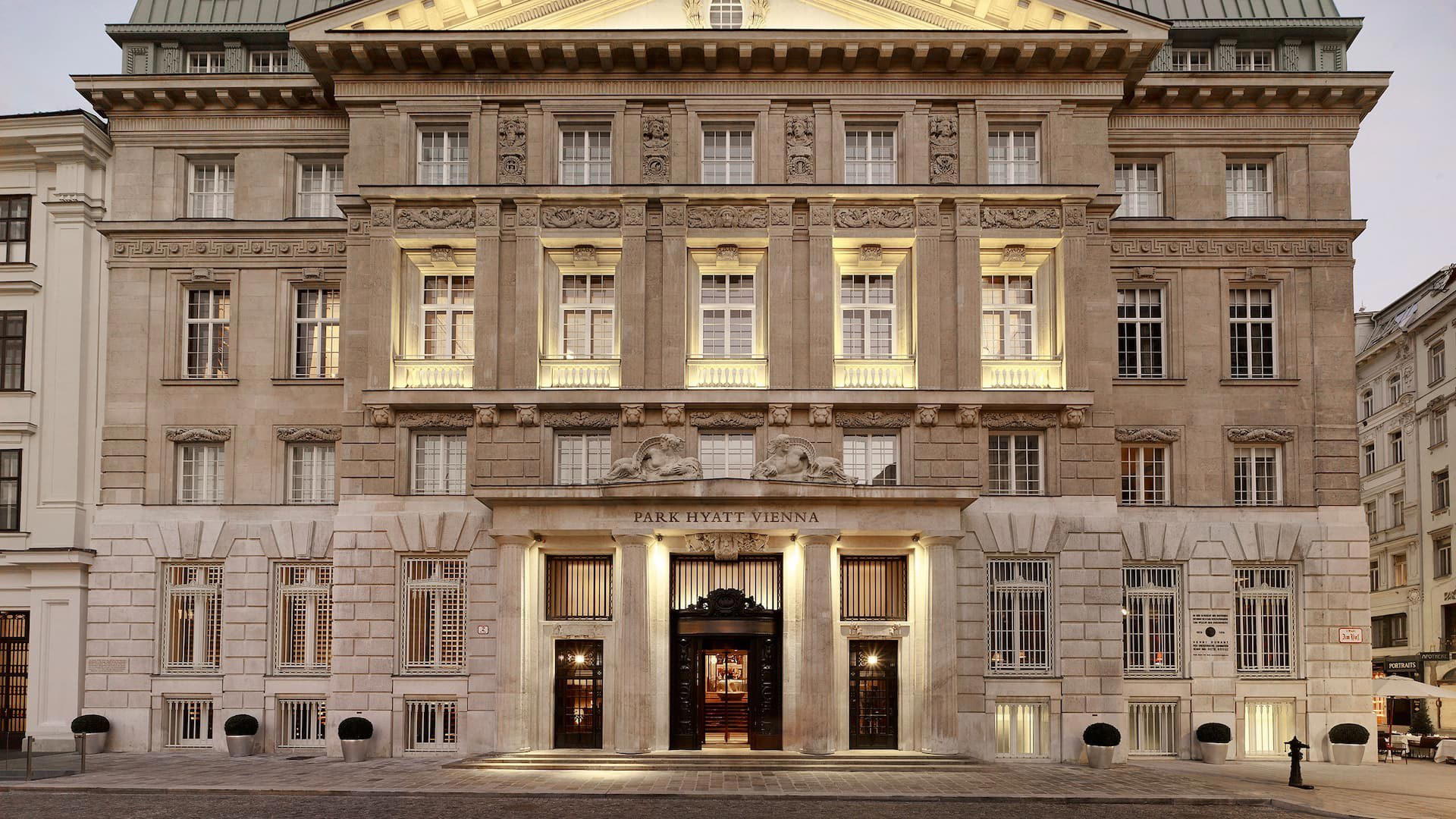
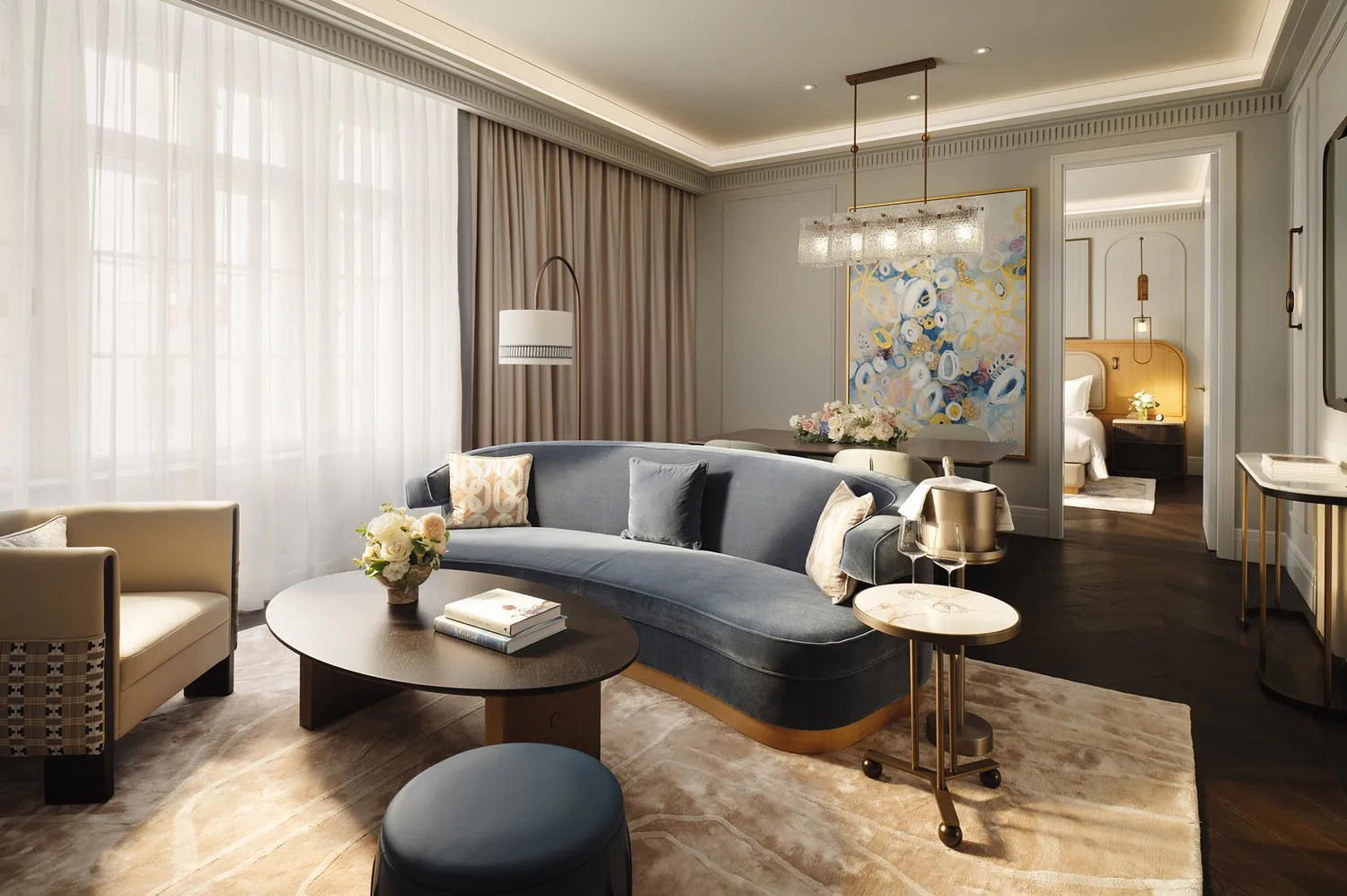
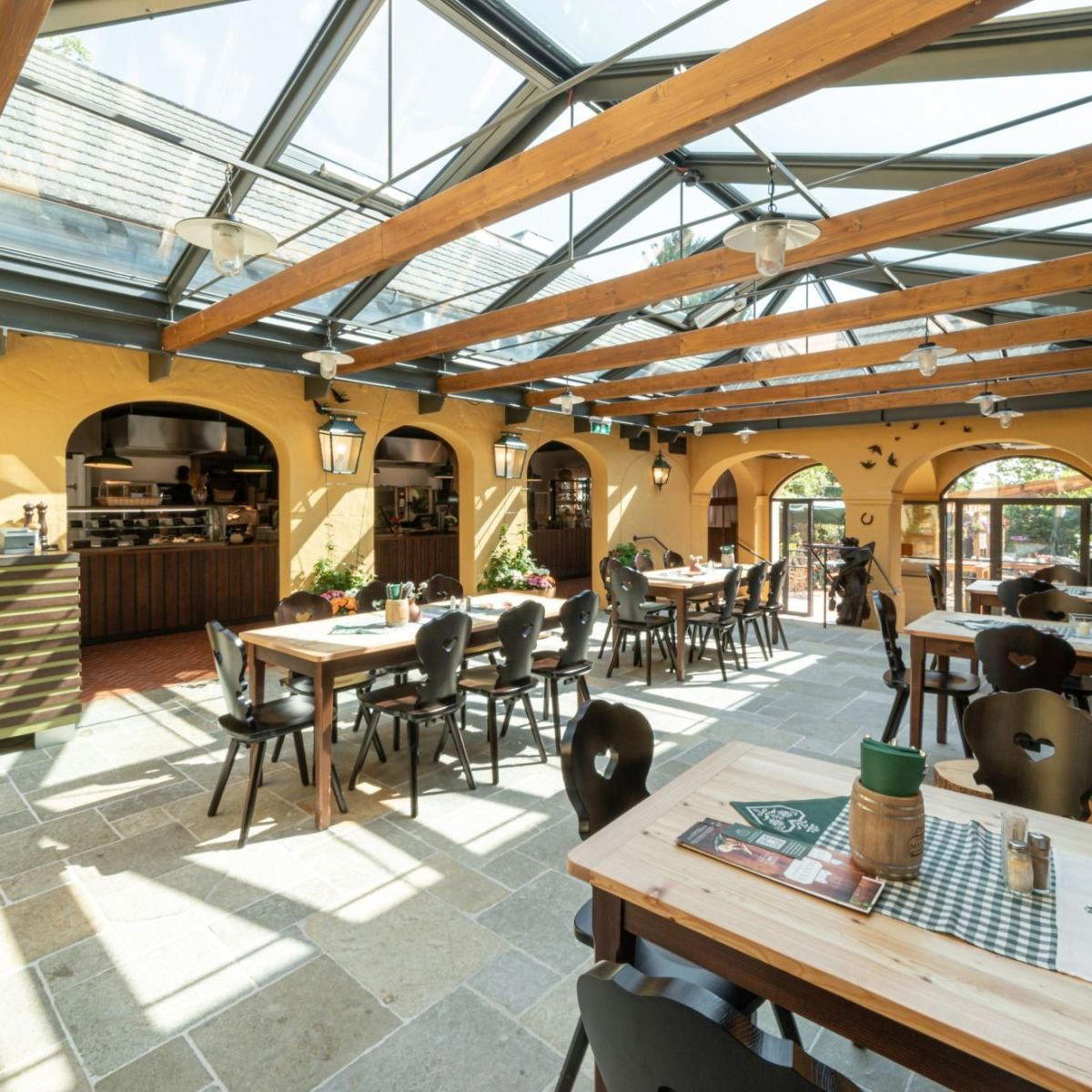
Contemporary and bright casual dining space in a historic building setting, designed for quick service and takeaway with a focus on fresh, quality ingredients.