On a quiet stretch of Zieglergasse in Vienna's seventh district, Jin's occupies a position worth understanding within the city's broader dining conversation. The Neubau address places it among a cluster of independent restaurants operating outside the city centre's trophy circuit, where the work on the plate matters more than the postcode.
Pearl is the En Primeur Club membership app — saves, bookings, and concierge access live there. Same editors, same standards.
- Address
- Zieglergasse 13, 1070 Wien, Austria
- Phone
- +434313460145
- Website
- jins.at
- Directions
- Get directions
 Saves & bookings on Pearl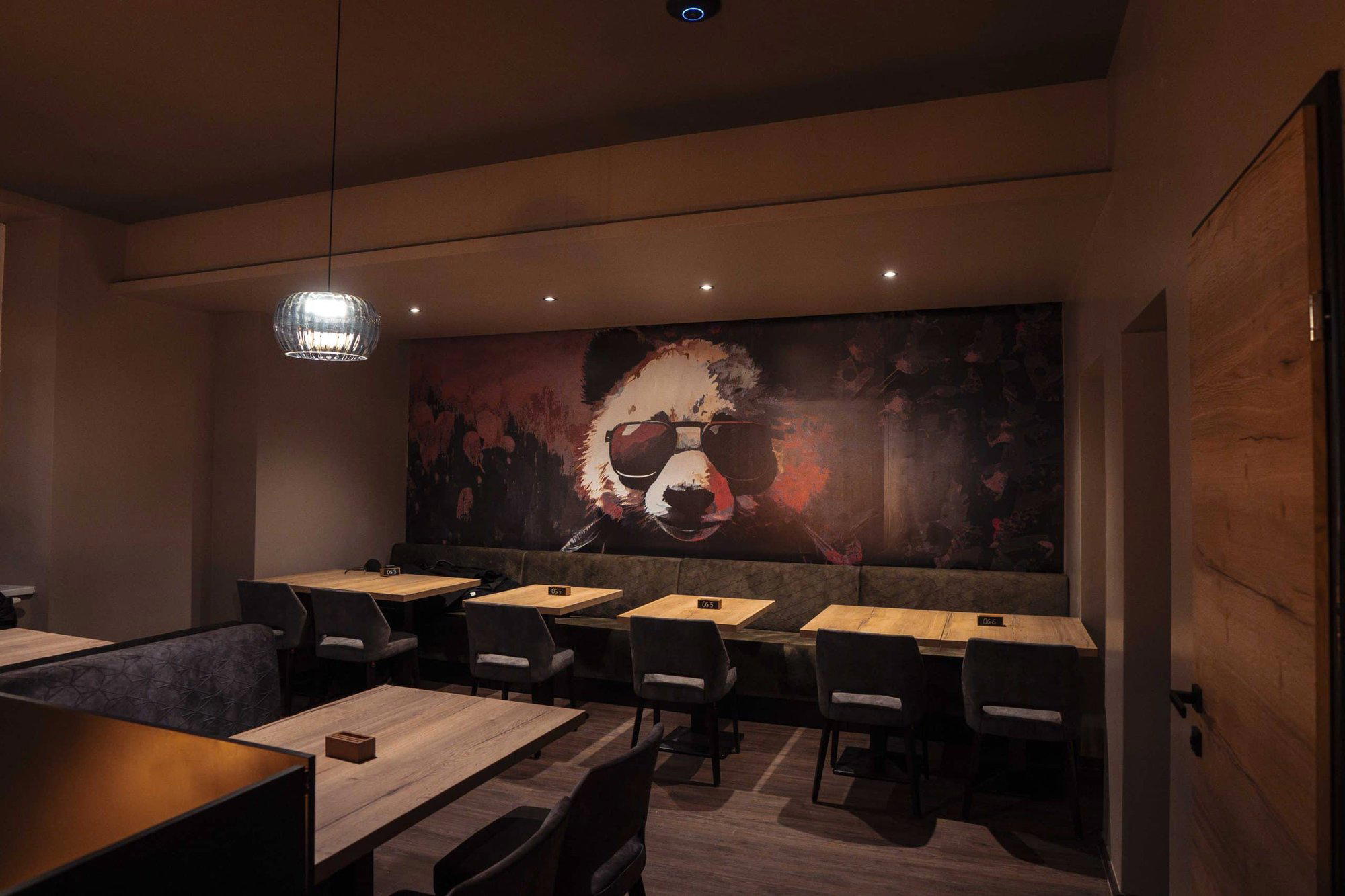
Vienna's Seventh District and the Restaurants Working Outside the Trophy Circuit
Zieglergasse sits in Neubau, the seventh district that Viennese residents know as the city's most coherent neighbourhood for independent dining, design studios, and the kind of coffee shop that takes extraction seriously. The street itself runs perpendicular to Mariahilfer Strasse, Vienna's primary retail corridor, but turns quieter and more residential within a block. That shift in atmosphere is familiar to anyone who has spent time in European cities where the leading independent restaurants tend to occupy second or third streets rather than the obvious ones. Jin's Zieglergasse, at number 13, belongs to that pattern: a Neubau address that places it deliberately outside the city centre's established fine dining axis, where venues like Steirereck im Stadtpark, Amador, and Konstantin Filippou operate in a different price tier and at a different scale of institutional recognition.
The Vienna dining scene in autumn and winter rewards neighbourhood-level attention. From October through March, the city's restaurant culture shifts indoors in a way that concentrates the experience around the table rather than the terrace. Neubau restaurants in this period tend to run with lower ambient noise, tighter reservations, and menus that lean into the season more deliberately than their counterparts in the first and eighth districts. Whether Jin's adjusts its offer with the season is information that the venue itself is best placed to confirm, but the neighbourhood context matters: Neubau in winter has a specific register that suits restaurants built around careful, unhurried dining.
The Wine Angle: How Vienna's Independent Restaurants Are Reframing the Cellar
Vienna sits at an unusually productive intersection for wine. Austria's wine regions, Wachau, Kremstal, Kamptal, and the Burgenland, are within two hours by road or rail, and the city's proximity to them has historically given Viennese restaurants access to producers that never appear on international export markets. At the summit end of the Vienna dining circuit, the wine list has become a serious editorial statement: Mraz & Sohn in Brigittenau runs a cellar that draws on this regional advantage, and Doubek has built a reputation partly through its approach to Austrian producers that don't travel beyond the country's borders.
Independent restaurants in Neubau tend to approach the wine list differently from the grand brasseries and hotel dining rooms of the first district. The economics of a smaller room mean fewer by-the-bottle options at the premium end, but they also allow for a more personal curation: a list that reflects a single perspective rather than a committee's hedge. This is the category where sommelier expertise, or the equivalent attentiveness from an owner-operator, carries disproportionate weight. A forty-label list chosen with genuine knowledge outperforms a two-hundred-label list assembled for optics. Austria's Grüner Veltliner and Riesling offer the strongest regional argument at this end of the market, while Blaufränkisch from the Burgenland has gained measurable international recognition over the past decade as a reference point for Austrian red wine. How Jin's Zieglergasse positions itself within this context is a question the venue's current list would answer directly.
For comparison, Austria's most celebrated wine-forward restaurants, including Landhaus Bacher in Mautern an der Donau and Obauer in Werfen, operate in wine regions directly, giving them a cellar depth that Vienna city restaurants cannot replicate by proximity alone. A Neubau restaurant that takes its wine program seriously is making a different argument: curation over geography, selection over volume. That distinction is worth asking about directly when booking.
Where Jin's Sits in the Neubau comparable set
Neubau has enough independent restaurants to support internal comparison. The district draws a mix of neighbourhood regulars and visitors staying in the belt of hotels between the Ring and the Gürtel who prefer to walk ten minutes rather than take a taxi to the established landmarks. Within this cluster, restaurants differentiate primarily through cuisine character, price positioning, and the confidence of their wine and drinks offer. Jin's address at Zieglergasse 13 places it in the middle of the district's most active restaurant corridor, which suggests a level of foot traffic and neighbourhood visibility that the quieter Josefstadt streets to the north don't always generate.
The €€€€ tier in Vienna, where venues like Amador operate, is a different conversation from the independent mid-market. Austria's broader restaurant circuit includes significant regional talent worth understanding as context: Ikarus in Salzburg runs a rotating guest chef model that reflects a different philosophy of ambition, while Döllerer in Golling an der Salzach and Griggeler Stuba in Lech demonstrate that Austria's serious dining is not concentrated in Vienna alone. The Tyrolean and Salzburger fine dining circuit, including Gourmetrestaurant Tannenhof in Sankt Anton am Arlberg, Schwarzer Adler in Hall in Tirol, Restaurant 141 by Joachim Jaud in Mieming, Kräuterreich by Vitus Winkler in Sankt Veit im Pongau, and Ois in Neufelden, represents a distinct regional tradition from Vienna's urban dining. Internationally, the contrast with venues like Le Bernardin in New York City or Atomix in New York City illustrates how different cities generate entirely different frameworks for what a serious restaurant does with its wine and food programs.
What to Know Before You Go
Vienna's seventh district is best reached by U3 (Zieglergasse stop) or by tram lines running along Mariahilfer Strasse. The neighbourhood's restaurant density means that Zieglergasse itself sees consistent evening foot traffic from Thursday through Saturday, with quieter midweek service that often gives a more attentive dining experience. Booking ahead is advisable for any Neubau restaurant operating in a small room, and winter weekends in particular tend to fill early among Viennese regulars who treat neighbourhood restaurants as a regular circuit rather than an occasional destination. For a fuller map of Vienna's dining options across neighbourhoods and price points, see our full Vienna restaurants guide.
Specific details on Jin's Zieglergasse's current menu, pricing, booking method, and opening hours are best confirmed directly with the venue at Zieglergasse 13, 1070 Wien.
Comparable Spots
Comparable venues nearby, for context on price, style, and recognition.
| Venue | Cuisine | Price | Notes |
|---|---|---|---|
| Jin's ZieglergasseThis venue — the venue you are viewing | Japanese Noodles & Dumplings | $$ | Not listed |
| Taeko Ramen | Authentic Japanese Ramen | $$ | Praterstern Wien Nord |
| o.m.k 1010 | Modern Japanese Sushi & Noodle Shop | $$ | Innere Stadt |
| Kojiro Sushi | Authentic Japanese Sushi | $$ | Wieden |
| Nikkai | Japanese Fusion | $$ | Inner City |
| Makom | Israeli Middle Eastern | $$ | Neubau |
![[aend] restaurant in Vienna](https://cdn.enprimeurclub.com/storage/v1/object/public/images/locations/recsVyRkMfzCxPmp0/hero2.jpg?width=3840&quality=75)
At a Glance
- Cozy
- Casual
- Casual Hangout
Current opening hours
- Monday
- 11:30 AM–10 PM
- Tuesday
- 11:30 AM–10 PM
- Wednesday
- 11:30 AM–10 PM
- Thursday
- 11:30 AM–10 PM
- Friday
- 11:30 AM–10 PM
- Saturday
- 11:30 AM–10 PM
- Sunday
- Closed
Hours can change for holidays and private events. Last verified .
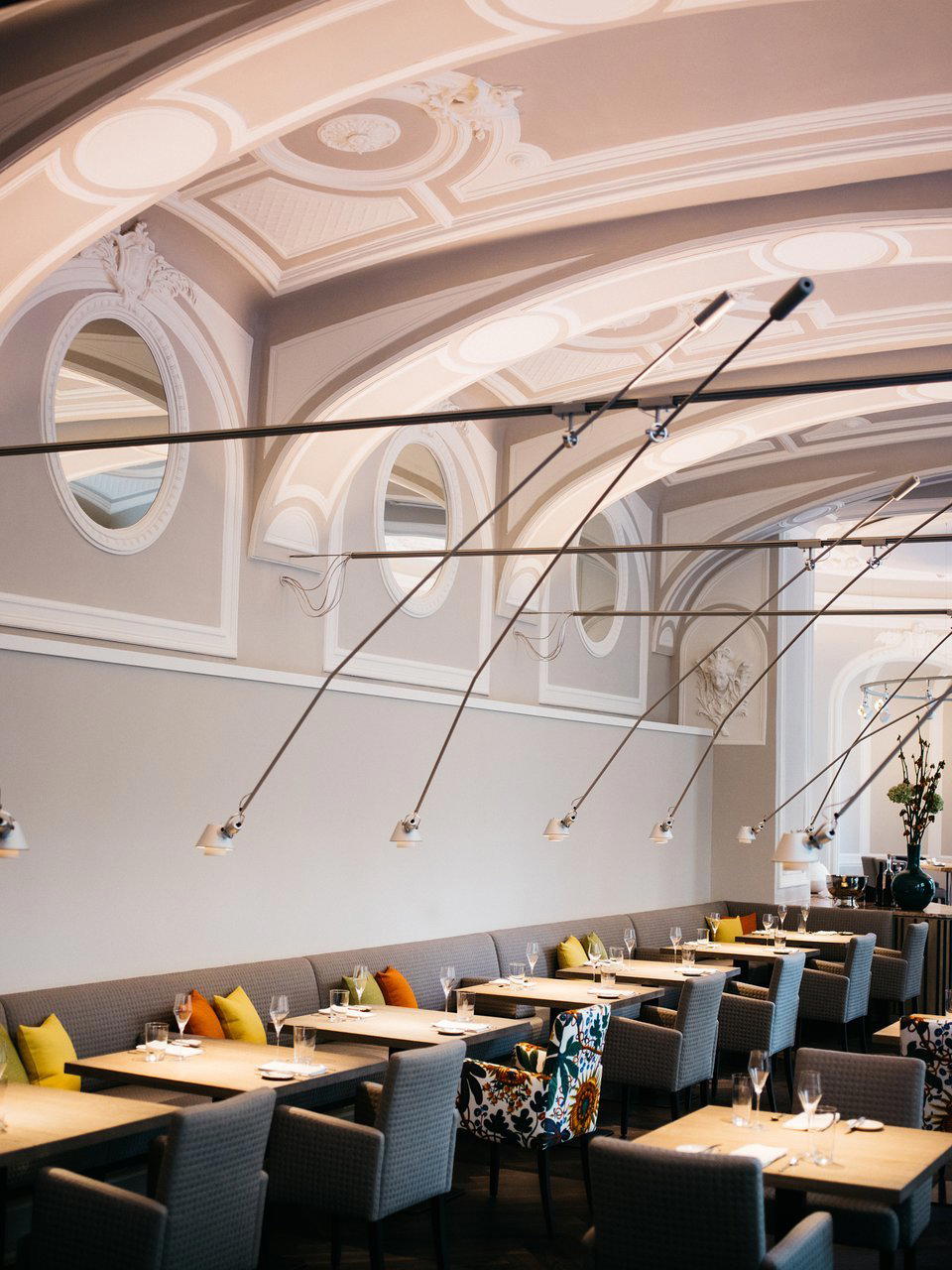
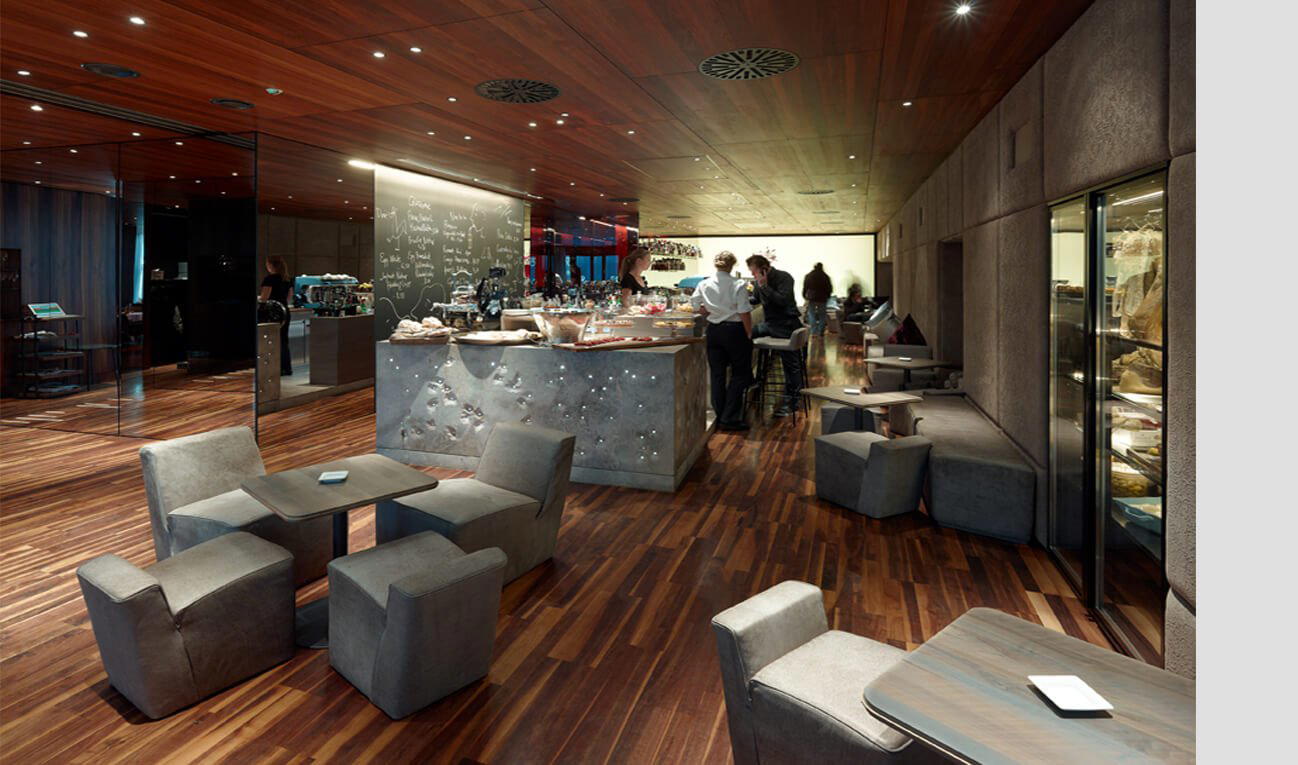
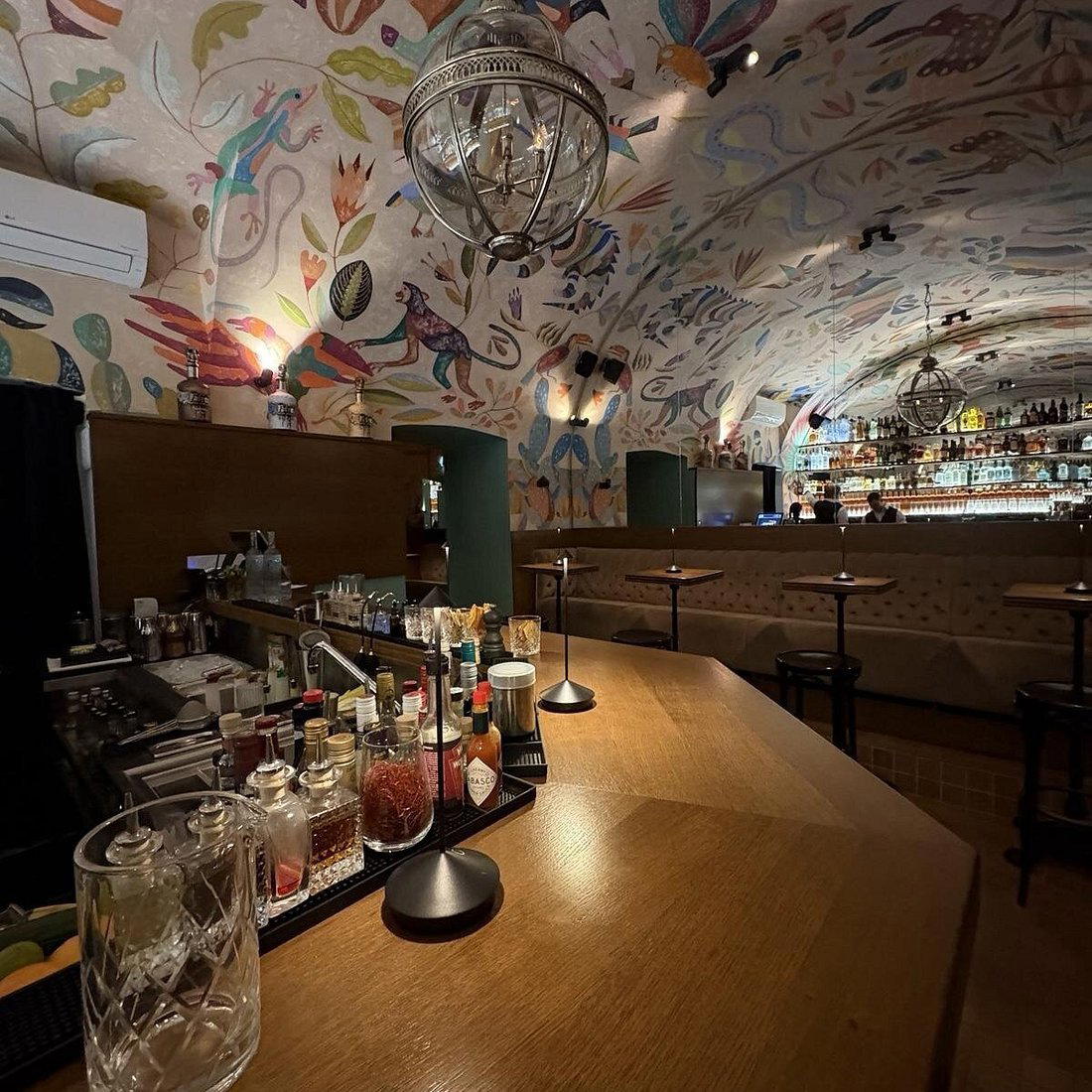
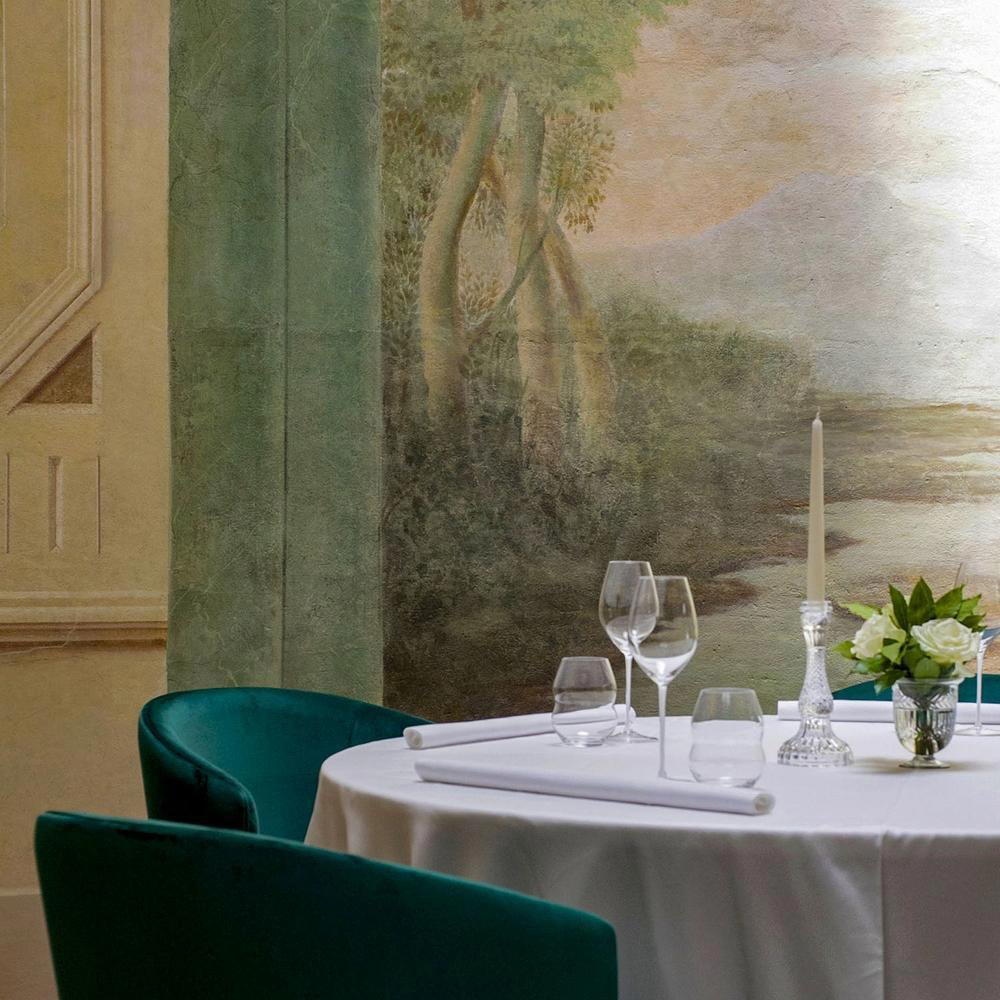
Cozy and casual atmosphere with a welcoming feel.