On a tree-lined block in Charlottenburg, Ngo Kim Pak occupies a quiet position in Berlin's Vietnamese dining conversation, the kind of address that circulates through word-of-mouth before it appears on lists. The restaurant sits at Schlüterstraße 22-23, a neighbourhood better known for its independent galleries and wine bars than for destination dining, which shapes both who finds it and how it is experienced.
Pearl is the En Primeur Club membership app — saves, bookings, and concierge access live there. Same editors, same standards.
- Address
- Schlüterstraße 22-23, 10625 Berlin, Germany
- Phone
- +4915906158114
- Website
- ngokimpak.de
- Directions
- Get directions
 Saves & bookings on Pearl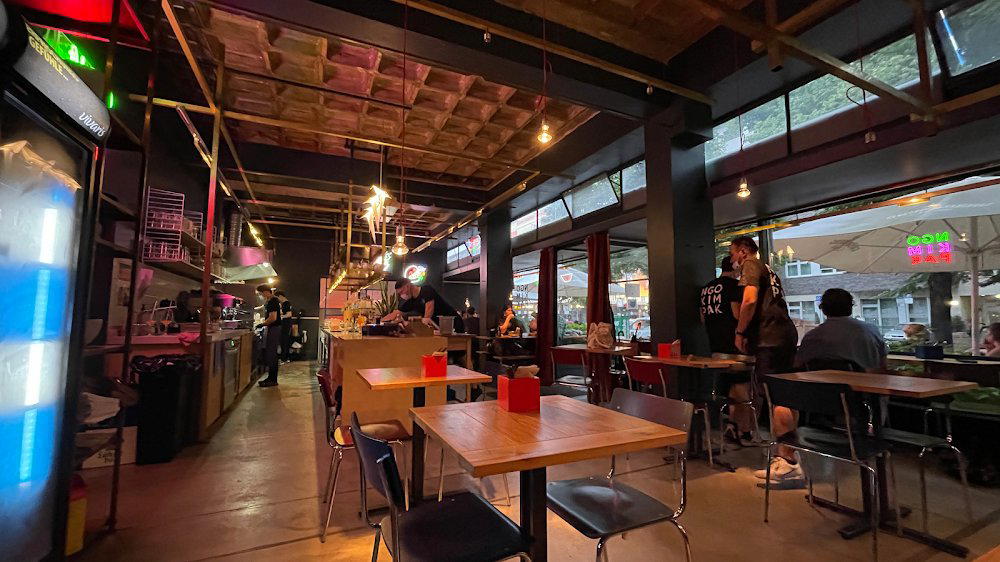
A Neighbourhood That Shapes the Room
Charlottenburg's dining character is different from Mitte's or Prenzlauer Berg's. The west of Berlin operates at a lower pitch, less performative, more habitual, and the restaurants that survive here tend to do so because locals return, not because tourists arrive. Schlüterstraße 22-23 in Berlin's Charlottenburg sits within that logic. The block between Kurfürstendamm and Kantstraße holds a particular mix of long-tenured independents and quieter newcomers, and it is into this context that Ngo Kim Pak places itself. For a cuisine like Vietnamese, which has shifted significantly in European capitals over the past decade, from budget canteen format toward considered, ingredient-led dining, the neighbourhood matters. A Charlottenburg address anchors a restaurant in a different set of expectations than, say, a Kreuzberg or Neukölln opening would.
Vietnamese Dining in Berlin: Where the Category Has Moved
Berlin's Vietnamese community is one of the largest in Germany, and the city's Vietnamese restaurant count reflects that. For most of the 2000s and early 2010s, the dominant format was high-volume and low-price: pho, bún bò, and bánh mì served in efficient, no-reservation rooms. That format has not disappeared, but it has been joined by a second tier of restaurants that treat Vietnamese cooking as a serious culinary tradition rather than a fast-casual category. This shift mirrors what happened in other European cities, London's Shoreditch, Paris's 13th arrondissement, where Vietnamese food moved into the same critical conversation as Thai or Japanese cooking, and where the question of regional specificity (northern versus central versus southern Vietnamese) began to matter to a dining public that had previously not drawn the distinction. Ngo Kim Pak sits in this evolving tier, where the surrounding dining culture is already accustomed to making room for that kind of consideration.
The Question of Evolution
One instructive lens for reading a restaurant like Ngo Kim Pak is not what it is now but what the category it represents has become. Vietnamese food in Europe has gone through at least two identifiable phases in the past twenty years. The first was survival and volume: community-driven restaurants feeding a diaspora and offering accessible price points to a broader public. The second, which is still unfolding, involves a generation of operators and cooks who grew up eating in those first-phase restaurants but trained elsewhere, absorbed different technical vocabularies, and returned to Vietnamese cooking with a different set of questions about what it could be. The result is not fusion in the dated sense but a form of culinary reexamination: which techniques are load-bearing, which ingredients are non-negotiable, and where there is room to move. This is the conversation happening at the more considered end of Berlin's Vietnamese scene, and it is the conversation that gives an address like Schlüterstraße 22-23 its relevance.
For reference points outside the Vietnamese category, Berlin's broader fine dining scene has also been working through its own version of this evolution. Nobelhart & Schmutzig reframed German produce as a serious fine dining subject. Rutz has built one of the city's most recognised wine programs alongside its modern European kitchen. FACIL operates within a hotel context but holds its own critical standing. And CODA Dessert Dining has made a case that a single-focus format, in its case, dessert as the main event, can hold serious Michelin attention. The common thread across these is specificity: each has a clearly defined point of view about what it is doing and why. That is the benchmark against which the more ambitious end of Berlin's Vietnamese dining is increasingly being read.
The comparable set and the Price Question
Positioning within a cuisine category is partly a quality signal and partly a pricing argument. Berlin's Vietnamese restaurants currently span a wide range, from sub-€15 lunch bowls in Marzahn to dinner formats in the €40-70 per head range that are beginning to appear in Mitte and Charlottenburg. The restaurant sits at about US$20 per person. What is known is the address: Charlottenburg rents and clientele both push toward a mid-to-upper positioning. The neighbourhood does not sustain low-margin, high-volume formats as effectively as the eastern districts do.
For broader German fine dining context, venues like Restaurant Haerlin in Hamburg, JAN in Munich, and further afield Aqua in Wolfsburg represent the Michelin-recognised tier of German restaurant ambition. Restaurant Tim Raue in Berlin itself has been the city's most prominent case of Asian culinary reference reframed through a German kitchen. These are useful coordinates for understanding where serious Asian-influenced dining in Germany has gone, and what the ceiling of ambition looks like when it receives institutional recognition.
Planning Comparison
| Venue | Cuisine | Price Band | Format |
|---|---|---|---|
| The restaurant | Vietnamese | Not confirmed | À la carte / TBC |
| CODA Dessert Dining | Creative | €€€€ | Tasting menu |
| Nobelhart & Schmutzig | Modern German / Creative | €€€€ | Set menu |
| FACIL | Contemporary European / Creative | €€€€ | À la carte + tasting |
| Rutz | Modern European | €€€€ | Tasting menu |
Getting There and Practical Notes
Schlüterstraße 22-23 is within walking distance of the Uhlandstraße U-Bahn station (U1), which connects directly to Kreuzberg and the city centre. The Kurfürstendamm is roughly five minutes on foot. Charlottenburg is a sensible base for visitors staying in western Berlin hotels, and the immediate neighbourhood has enough independent wine bars and cafés to build an evening around. Reservations are recommended, particularly for groups.
For travellers building a broader Germany itinerary, the country's fine dining geography extends well beyond Berlin. Schwarzwaldstube in Baiersbronn, Vendôme in Bergisch Gladbach, Victor's Fine Dining by Christian Bau in Perl, Waldhotel Sonnora in Dreis, ES:SENZ in Grassau, Schanz in Piesport, and Bagatelle in Trier represent the range of serious kitchens operating outside the capital. For international comparison, Le Bernardin in New York City and Atomix in New York City are useful reference points for how Asian culinary traditions have been integrated into serious fine dining formats in other markets.
Cuisine-First Comparison
Comparable venues nearby, for context on price, style, and recognition.
| Venue | Cuisine | Price | Notes |
|---|---|---|---|
| Ngo Kim PakThis venue — the venue you are viewing | Modern Korean Street Food Fusion | $$ | Not listed |
| Guten Dag | Korean Fried Chicken | $$ | Prenzlauer Berg |
| Dotori | Korean Anju Bar | $$ | Weissensee |
| Jules Verne | International Bistro | $$ | Charlottenburg |
| Osteria Centrale | Classic Tuscan Italian | $$ | Charlottenburg |
| Benedict | All-Day Breakfast Diner | $$ | Wilmersdorf |
Continue exploring
More in Berlin
Restaurants in Berlin
Browse all →
Bars in Berlin
Browse all →
Hotels in Berlin
Browse all →



At a Glance
- Modern
- Trendy
- Lively
- Casual Hangout
- Open Kitchen
Current opening hours
- Monday
- Closed
- Tuesday
- 12–4:30 PM, 6–9:30 PM
- Wednesday
- 12–4:30 PM, 6–9:30 PM
- Thursday
- 12–4:30 PM, 6–9:30 PM
- Friday
- 12–4:30 PM, 6–9:30 PM
- Saturday
- 12–4:30 PM, 6–9:30 PM
- Sunday
- Closed
Hours can change for holidays and private events. Last verified .
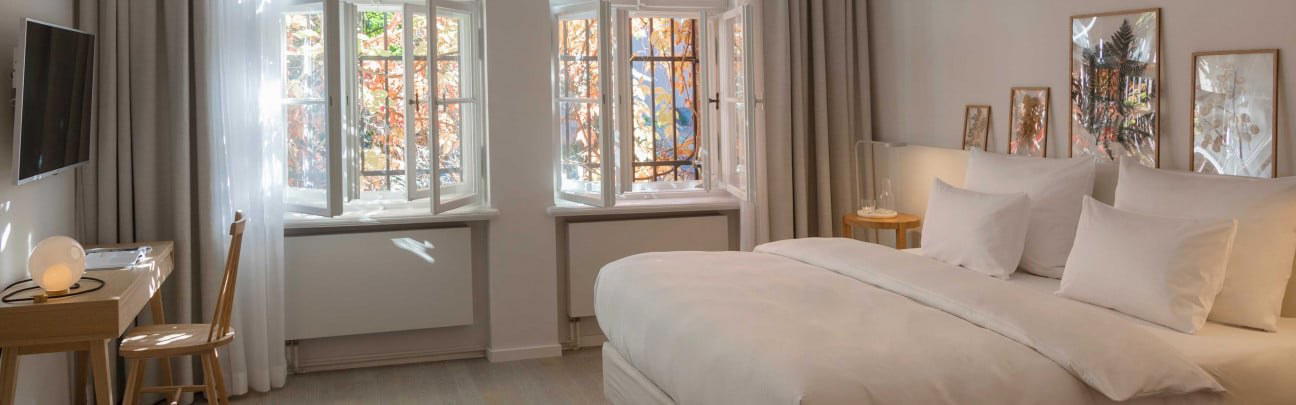
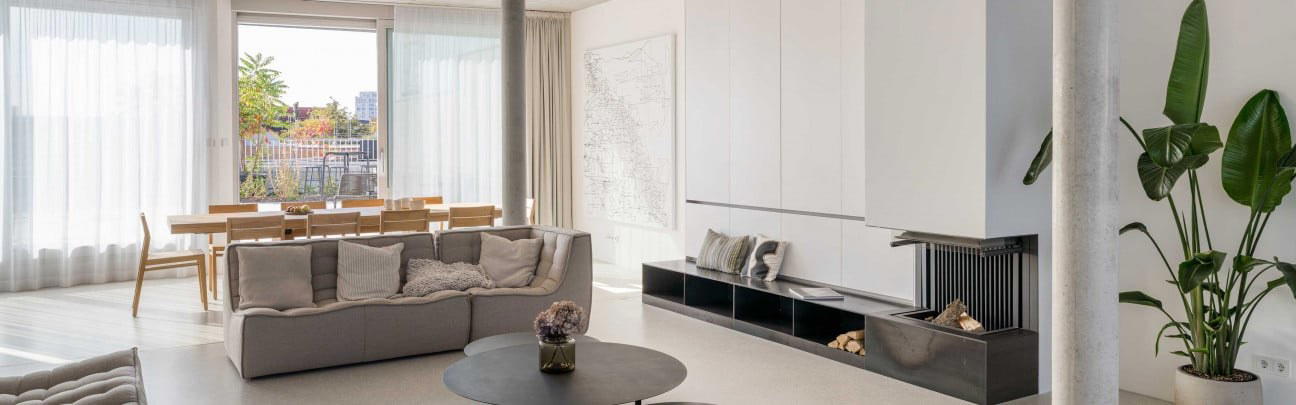
Stylish and modern interior with a lively, trendy street food atmosphere.