Guten Dag occupies a rail-adjacent address on Schönhauser Allee in Prenzlauer Berg, placing it within Berlin's broader arc of neighbourhood venues that operate outside the city's Michelin-decorated fine dining corridor. Where peers like Rutz and Nobelhart & Schmutzig anchor the high-end creative scene, Guten Dag reads as a more accessible entry point into Berlin's serious eating culture, worth tracking for those mapping the city's full dining range.
Pearl is the En Primeur Club membership app — saves, bookings, and concierge access live there. Same editors, same standards.
- Address
- Unter den Gleisen, Schönhauser Allee 71-72, 10437 Berlin, Germany
- Website
- wa.me
- Directions
- Get directions
 Saves & bookings on Pearl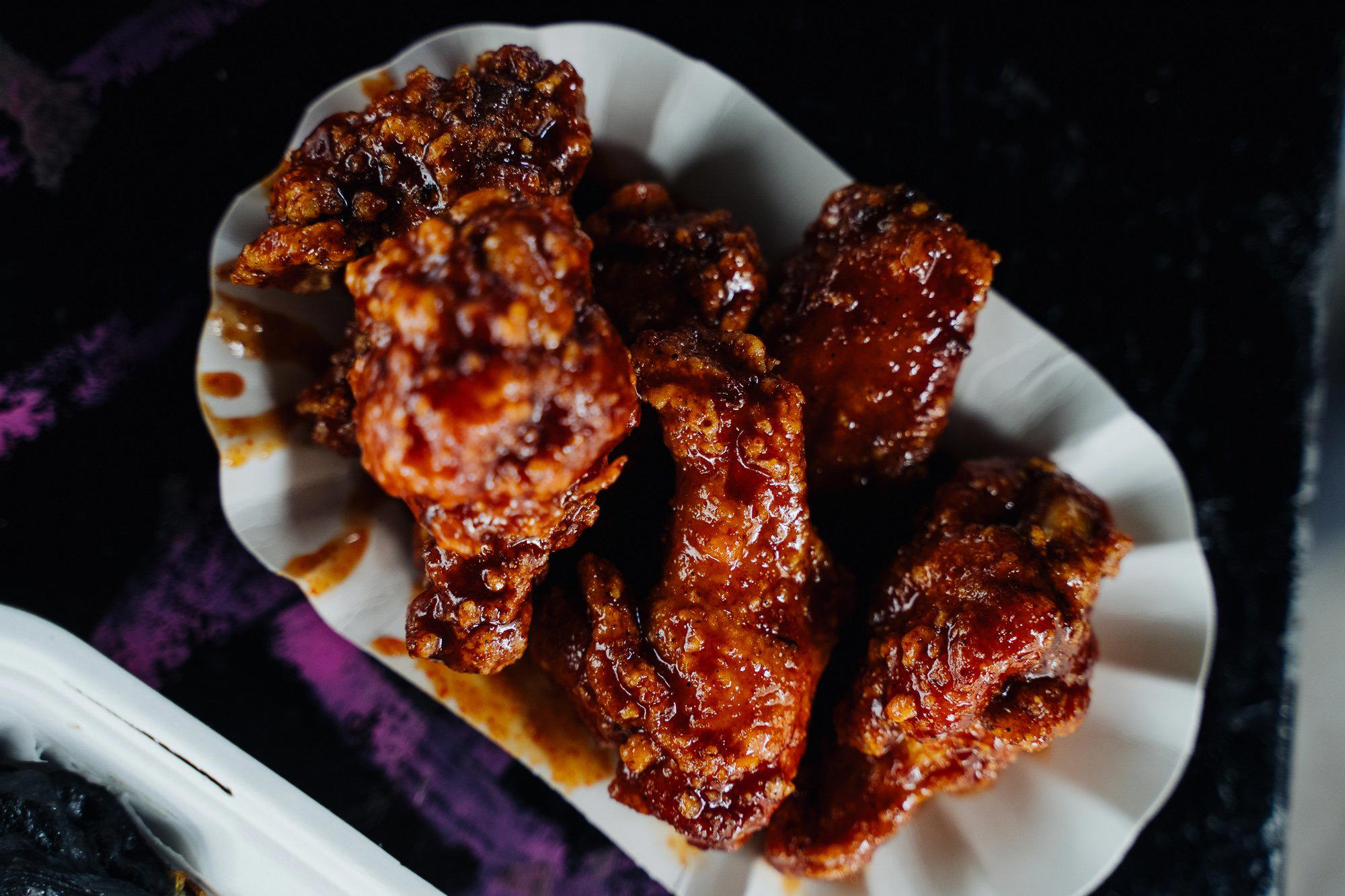
Prenzlauer Berg and the Rail-Side Table
Berlin's dining geography has never been particularly neat. The city's most-discussed restaurants scatter across neighbourhoods that don't share a postcode or a price bracket, and Prenzlauer Berg has long occupied an interesting middle position in that spread. The area built its reputation on independent coffee shops, natural wine bars, and the kind of casual-serious eating that sits a tier below the city's Michelin-decorated rooms without being indifferent to craft. Guten Dag is a Korean Fried Chicken restaurant in Berlin, priced at about $15 per person. Guten Dag, at Unter den Gleisen on Schönhauser Allee 71-72, fits that neighbourhood logic. The address, literally beneath the refined S-Bahn tracks, is a Berlin typology in itself: converted infrastructure space repurposed for eating and drinking, where the rumble of trains overhead becomes part of the ambient texture rather than a drawback.
That physical context matters when reading the room. Berlin's premium dining corridor, anchored by venues like Rutz and Nobelhart & Schmutzig, operates in architecturally considered spaces where silence and ceremony are part of the price. The rail-side format points in a different direction: toward the kind of venue where the experience is driven by what arrives at the table rather than the formality of how it gets there.
The Arc of a Meal in Berlin's Mid-Tier
Understanding Guten Dag requires understanding where it sits within the progression of a serious Berlin dining day. The city's upper-tier tasting menus, FACIL, CODA Dessert Dining, and Restaurant Tim Raue, structure the meal as a tightly sequenced narrative, each course building on the last in explicit dialogue with a culinary philosophy. That format demands a particular kind of attention from the diner and a particular kind of commitment from the kitchen. Not every meal needs to operate at that register.
Berlin has a parallel tradition, less exported but equally present, of neighbourhood rooms where the meal progresses without ceremony but with genuine care for sequencing. Aperitivo-style openers give way to composed plates, then to something more substantial, then to a close that doesn't overstay its welcome. That arc, informal in delivery, considered in construction, is what the Schönhauser Allee dining strip has historically done well, and it's the tradition the restaurant belongs to.
For visitors who have already locked in a dinner at one of Berlin's decorated addresses, the restaurant represents a logical complement rather than a substitute: a lunch stop, a late-evening closer, or a first-night calibration meal before the higher-commitment bookings kick in. For those building a multi-day Berlin itinerary that moves between Nobelhart & Schmutzig's hyper-local sourcing philosophy and something more relaxed, this address fills a real gap in the schedule.
Situating Guten Dag in the Berlin comparable set
Berlin's creative dining scene has consolidated around a recognisable peer group. Rutz operates at the intersection of modern European technique and a strong wine list. FACIL brings contemporary European cooking into a hotel-adjacent calm. CODA Dessert Dining has carved an international reputation for dessert-led tasting menus that reframe where the serious cooking happens in a meal's sequence. All of these venues carry Michelin recognition and price accordingly.
The restaurant operates without that formal tier's weight of expectation or its price architecture. That positioning has its own logic in a city where dining costs have risen steeply since 2018 but where the appetite for well-executed neighbourhood eating hasn't diminished. The venue's address in Prenzlauer Berg, rather than Mitte or Kreuzberg, is also a signal: this is a local room first, a destination second.
For context on how Germany's serious dining scene distributes itself beyond Berlin, the national picture includes heavily awarded rooms like Aqua in Wolfsburg, Schwarzwaldstube in Baiersbronn, and Vendôme in Bergisch Gladbach. Those are destination restaurants in the fullest sense, requiring significant travel and advance planning. Berlin's neighbourhood venues, including the restaurant, occupy a different position in a trip's architecture, accessible, repeatable, and useful precisely because they don't demand the same commitment.
What the Meal Builds Toward
The editorial case for venues at this tier in Berlin is essentially about sequencing across a trip rather than within a single evening. Germany's decorated rooms, JAN in Munich, Victor's Fine Dining by Christian Bau in Perl, Restaurant Haerlin in Hamburg, ask a lot of the diner in terms of planning, cost, and appetite for ceremony. Berlin's neighbourhood tier, by contrast, rewards spontaneity and repeat visits. The meal at a place like Guten Dag doesn't need to be the climax of a trip; it can be the meal that makes the rest of the trip feel proportionate.
Internationally, that same logic applies at venues like Le Bernardin in New York City or Atomix, where the formal tasting format creates a specific kind of evening, and where the appetite for something less structured, before or after, is part of how serious diners build a week. Berlin handles that duality reasonably well, and Prenzlauer Berg handles it better than most of the city's neighbourhoods.
Planning a Visit
The restaurant sits at Unter den Gleisen, Schönhauser Allee 71-72, 10437 Berlin. Schönhauser Allee station is nearby, making the address easy to reach from central Berlin. The rail-adjacent format means the venue benefits from foot traffic but also from the neighbourhood's rhythm: Prenzlauer Berg peaks for dining in the early evening and again late, with a mid-afternoon quietude that makes it a reasonable lunch destination.
| Venue | Neighbourhood | Format | Price Tier | Michelin Status |
|---|---|---|---|---|
| The restaurant | Prenzlauer Berg | Neighbourhood room | Not confirmed | Not listed |
| Rutz | Mitte | Tasting menu / à la carte | €€€€ | Yes |
| Nobelhart & Schmutzig | Kreuzberg | Fixed tasting menu | €€€€ | Yes |
| FACIL | Tiergarten | Tasting menu | €€€€ | Yes |
| CODA Dessert Dining | Neukölln | Dessert tasting menu | €€€€ | Yes |
Those planning itineraries that include stops beyond Berlin may also find relevant context in our coverage of Schanz in Piesport, Bagatelle in Trier, and ES:SENZ in Grassau for a picture of how Germany's serious dining distributes itself regionally.
A Tight Comparison
Comparable venues nearby, for context on price, style, and recognition.
| Venue | Cuisine | Price | Notes |
|---|---|---|---|
| Guten DagThis venue — the venue you are viewing | Prenzlauer Berg, Korean Fried Chicken | $$ | Not listed |
| Seoul garden | Charlottenburg, Korean | $$ | Not listed |
| Dotori | Weissensee, Korean Anju Bar | $$ | Not listed |
| WaWa | Schoneberg, Authentic Korean | $$ | Not listed |
| Namsan | Not listed | $$ | Kreuzberg, Authentic Korean Bibimbap & Japchae |
| VOLK | Not listed | $$ | Scheunenviertel, French Oyster Bar & Bistro |
Continue exploring
More in Berlin
Restaurants in Berlin
Browse all →
Bars in Berlin
Browse all →
Hotels in Berlin
Browse all →
Wineries in Berlin
Browse all →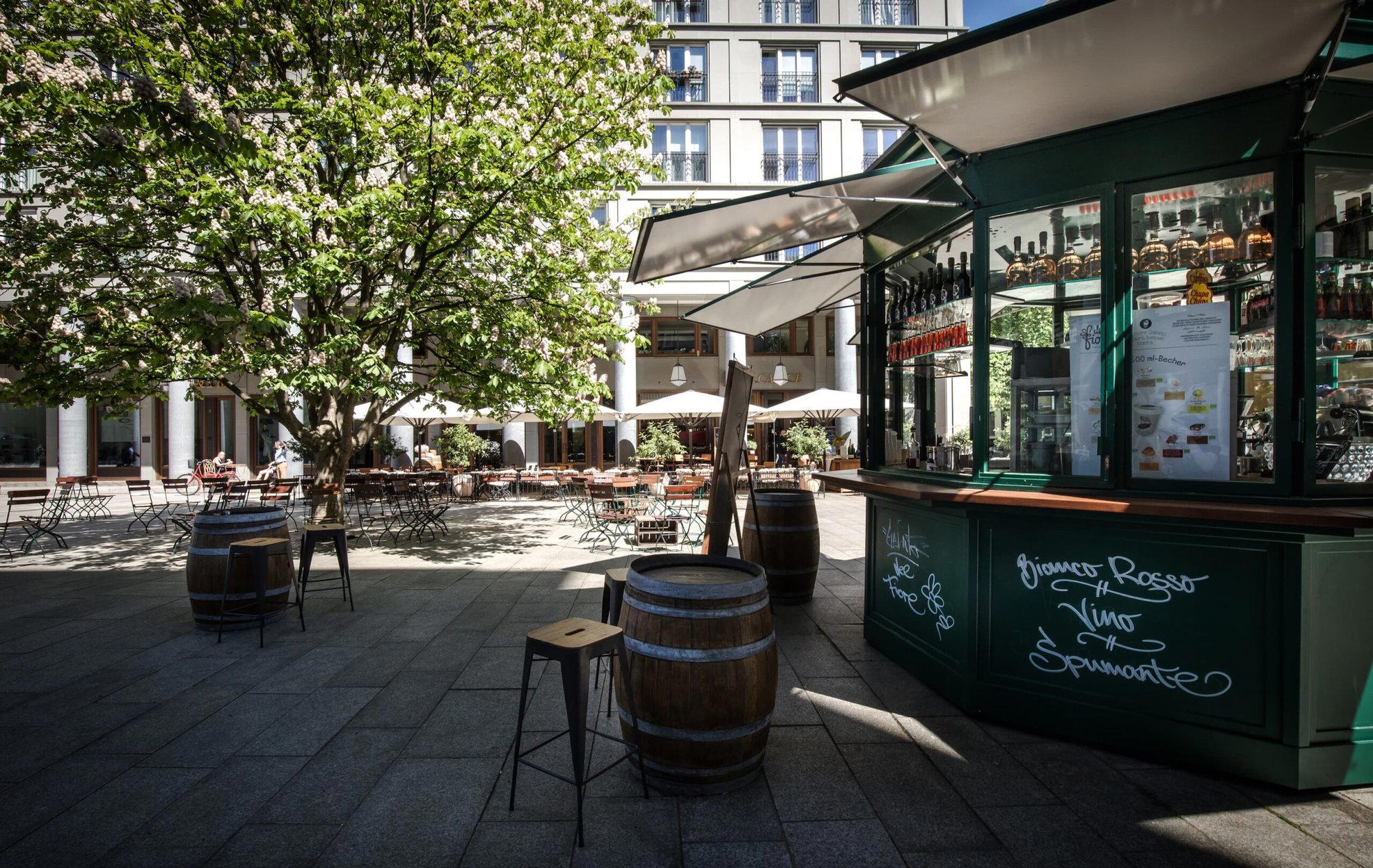
At a Glance
- Trendy
- Casual Hangout
- After Work
- Street Scene
Current opening hours
- Monday
- 12–10 PM
- Tuesday
- 12–10 PM
- Wednesday
- 12–10 PM
- Thursday
- 12–10 PM
- Friday
- 12–10 PM
- Saturday
- 12–10 PM
- Sunday
- 12–10 PM
Hours can change for holidays and private events. Last verified .
Casual urban street food stand with a shabby setting where you eat standing up.