Jules Verne occupies a Charlottenburg address that places it squarely within Berlin's established fine dining corridor, where mid-century apartment-block facades give way to quietly serious restaurant rooms. The venue sits in a neighbourhood that rewards those who look past the tourist circuits, drawing a clientele that comes for the cooking rather than the setting's spectacle. Berlin's premium dining scene has few addresses that operate with this level of deliberate restraint.
Pearl is the En Primeur Club membership app — saves, bookings, and concierge access live there. Same editors, same standards.
- Address
- Schlüterstraße 61, 10625 Berlin, Germany
- Phone
- +493031809410
- Website
- jules-verne-berlin.de
- Directions
- Get directions
 Saves & bookings on Pearl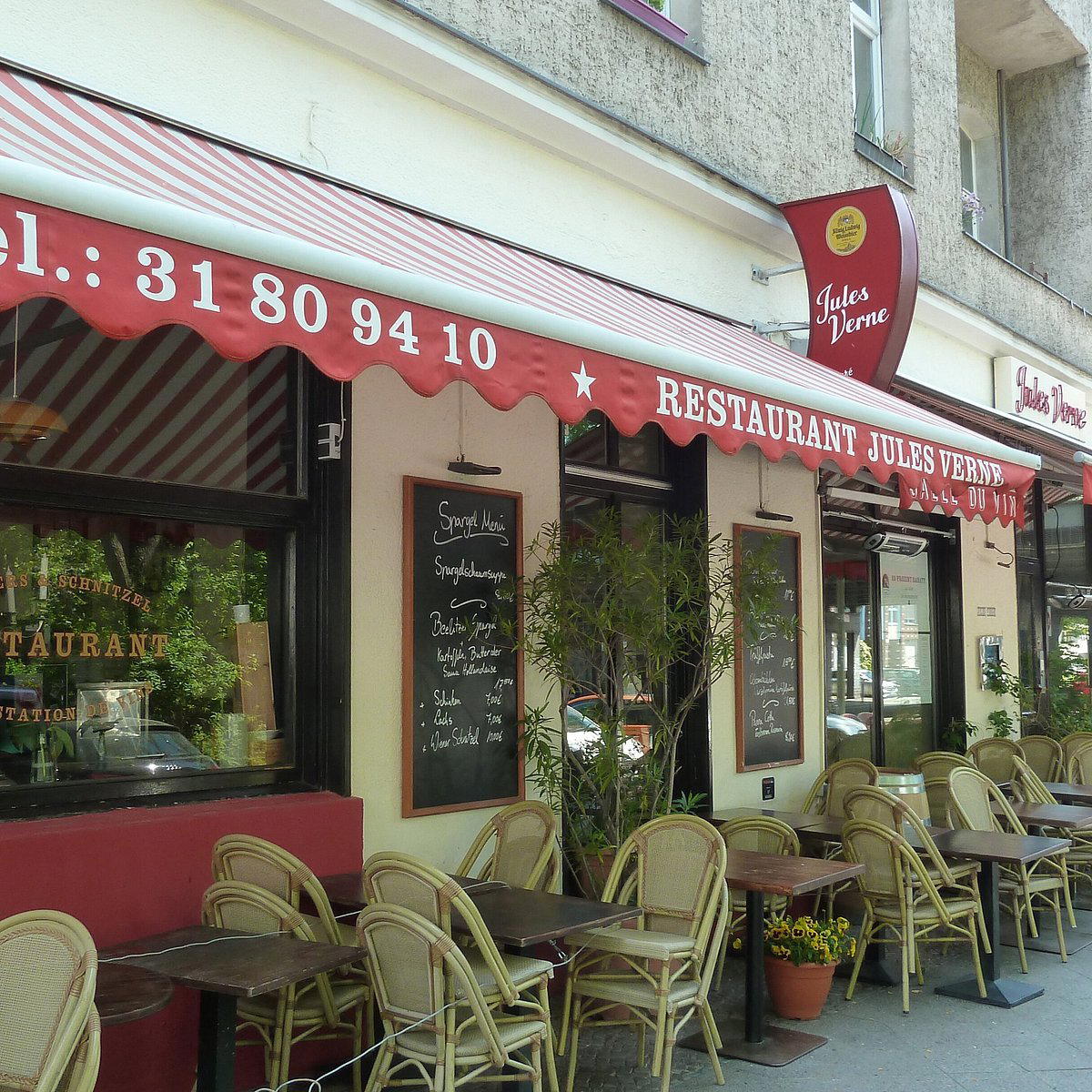
Charlottenburg's Quiet Ambition
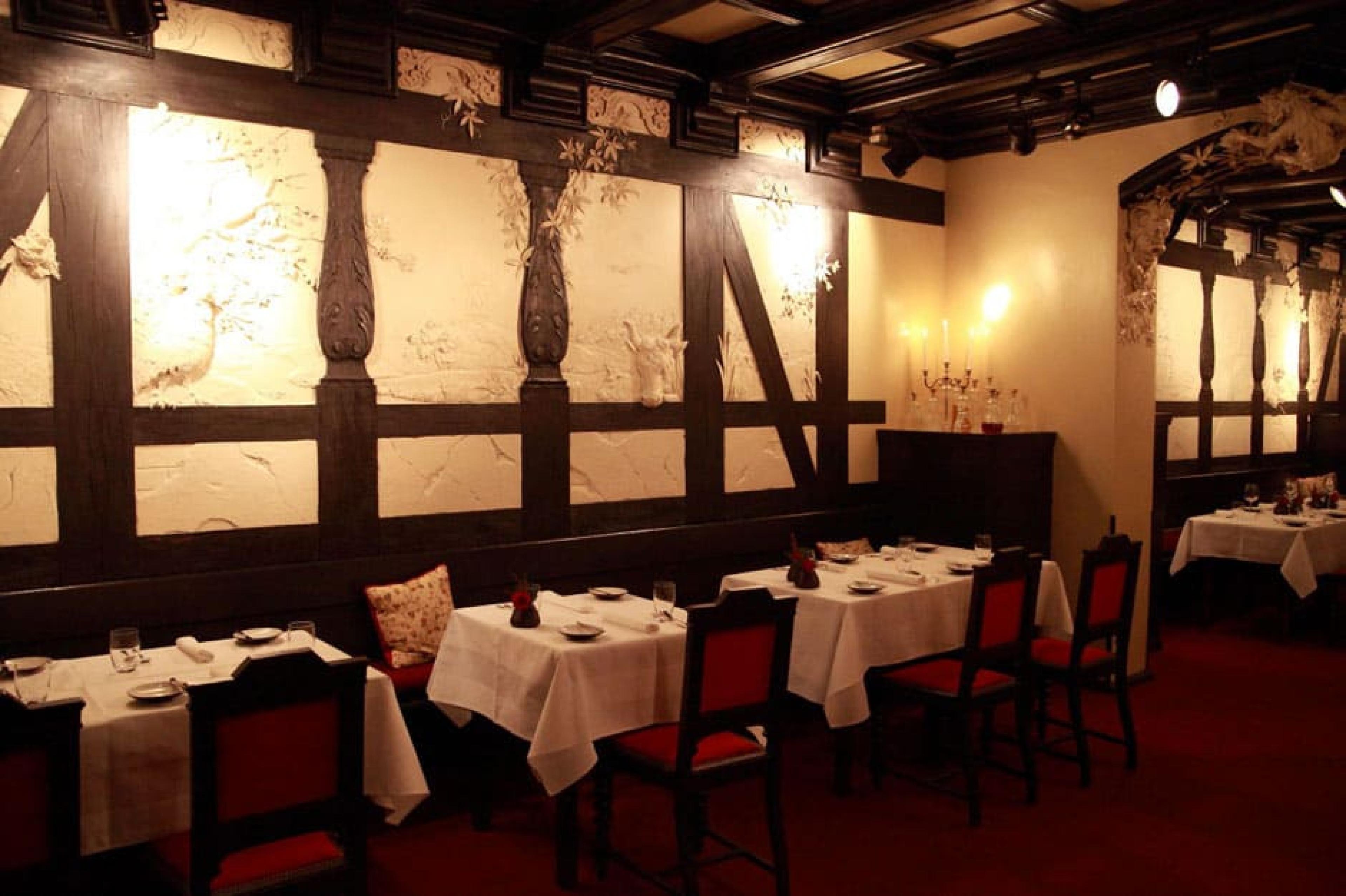
Berlin's fine dining map has always been uneven. The city's restaurant culture fractures between the high-concept, press-magnet openings in Mitte and Prenzlauer Berg and the more deliberately paced rooms that have taken root in Charlottenburg, the western district that predates reunification's cultural recalibration. Jules Verne, on Schlüterstraße, belongs to the latter category. The street itself is a study in Gründerzeit solidity, wide pavements, stucco facades, the kind of architectural register that implies a certain continuity of purpose. Walking towards the entrance, there is none of the signage theatrics common to restaurants that lean on arrival as part of the experience. The room announces itself through restraint rather than spectacle.
That restraint is characteristic of a particular strand of Berlin dining that has become more visible over the past decade. As venues like Nobelhart & Schmutzig and Rutz repositioned the city's fine dining conversation around sourcing rigour and regional identity, Charlottenburg's established rooms have held their own coordinates, less interested in ideological branding, more focused on the mechanics of a well-executed plate. Jules Verne operates in that tradition.
Where the Ingredients Begin
One revealing thing about any serious European restaurant is not the plate but the supply chain behind it. Germany's premium dining tier has undergone a quiet transformation in how it thinks about ingredient sourcing. The old template, French luxury products, imported truffles, Atlantic fish freighted to landlocked kitchens, has been largely replaced, at least in the rooms that attract sustained critical attention, by relationships with regional producers, smaller-scale farms, and seasonal calendars that are genuinely binding rather than cosmetic.
Berlin's position makes this both easier and harder than it appears. Brandenburg, the state surrounding the city, produces some of Germany's better lamb, game, and root vegetables. The Spreewald to the southeast has a preserved-foods tradition that has found its way into modern kitchens. But the city lacks the proximity to coastline that gives Hamburg's restaurants their fish supply advantage, and it sits far from the wine regions that anchor menus in the southwest. A kitchen in Charlottenburg that takes sourcing seriously is making choices about what the region actually offers rather than defaulting to the same French luxury goods that travel well. That discipline, when applied consistently, produces cooking with a more legible sense of place.
This is the framework within which Jules Verne's cooking should be read. Across the Berlin premium tier, which includes FACIL, CODA Dessert Dining, and Restaurant Tim Raue, the sourcing philosophies diverge significantly. Some rooms import freely and build their identity around technical transformation; others treat the regional supply chain as the primary creative constraint. The restaurant's Charlottenburg address and its relatively low public profile suggest a kitchen that is not competing for trend coverage, which is often a reliable signal that the cooking is doing the work.
Reading the Room Against Its Peers
Germany's Michelin-decorated restaurant network extends well beyond Berlin, and understanding where the restaurant sits requires some calibration against the broader national field. The country's most decorated addresses tend to cluster outside the capital: Aqua in Wolfsburg, Schwarzwaldstube in Baiersbronn, and Vendôme in Bergisch Gladbach represent a tier of German fine dining that Berlin has historically underperformed in producing. The reasons are partly structural, Berlin's restaurant economics, with lower average spend and higher turnover expectations, do not always reward the kind of long-term consistency that accumulates critical recognition, and partly cultural, given the city's historic preference for concept over craft.
That context makes the quieter rooms more interesting, not less. JAN in Munich, Restaurant Haerlin in Hamburg, and ES:SENZ in Grassau demonstrate that Germany's regional cities and smaller markets have developed their own serious fine dining ecosystems. Berlin's contribution to that ecosystem is real but concentrated in a smaller number of rooms than the city's scale might suggest. The restaurant, by operating in Charlottenburg rather than in one of Berlin's more-photographed neighbourhoods, positions itself closer to the tradition of rooms that build their reputation over time through returning guests rather than through launch coverage.
Internationally, the sourcing-first approach at the restaurant finds parallels in rooms like Le Bernardin in New York City, where ingredient provenance shapes menu construction, and in Atomix, which treats regional Korean produce as the primary creative material. The argument that serious cooking requires a serious supply chain is not specific to any one city or cuisine.
What It’s Closest To
Comparable venues nearby, for context on price, style, and recognition.
| Venue | Cuisine | Price | Notes |
|---|---|---|---|
| Jules VerneThis venue — the venue you are viewing | International Bistro | $$ | Not listed |
| XXX Ramen | Japanese Ramen | $$ | Charlottenburg |
| Petrocelli | Authentic Italian from Basilicata | $$ | Charlottenburg |
| 963 | Modern Levantine | $$ | Charlottenburg |
| Mana | Vegan Fusion | $$ | Moabit |
| Gut Kerkow Bio-Metzgerei | Organic German Butcher Lunch | $$ | Mitte |
Continue exploring
More in Berlin
Restaurants in Berlin
Browse all →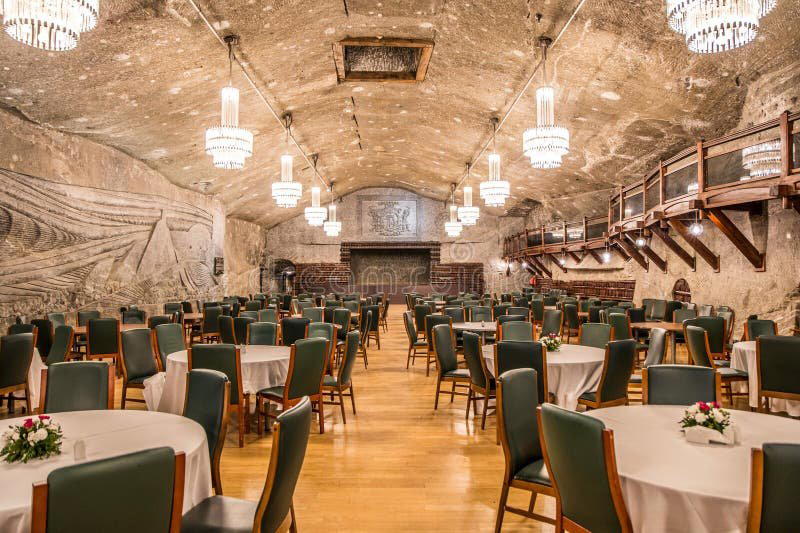
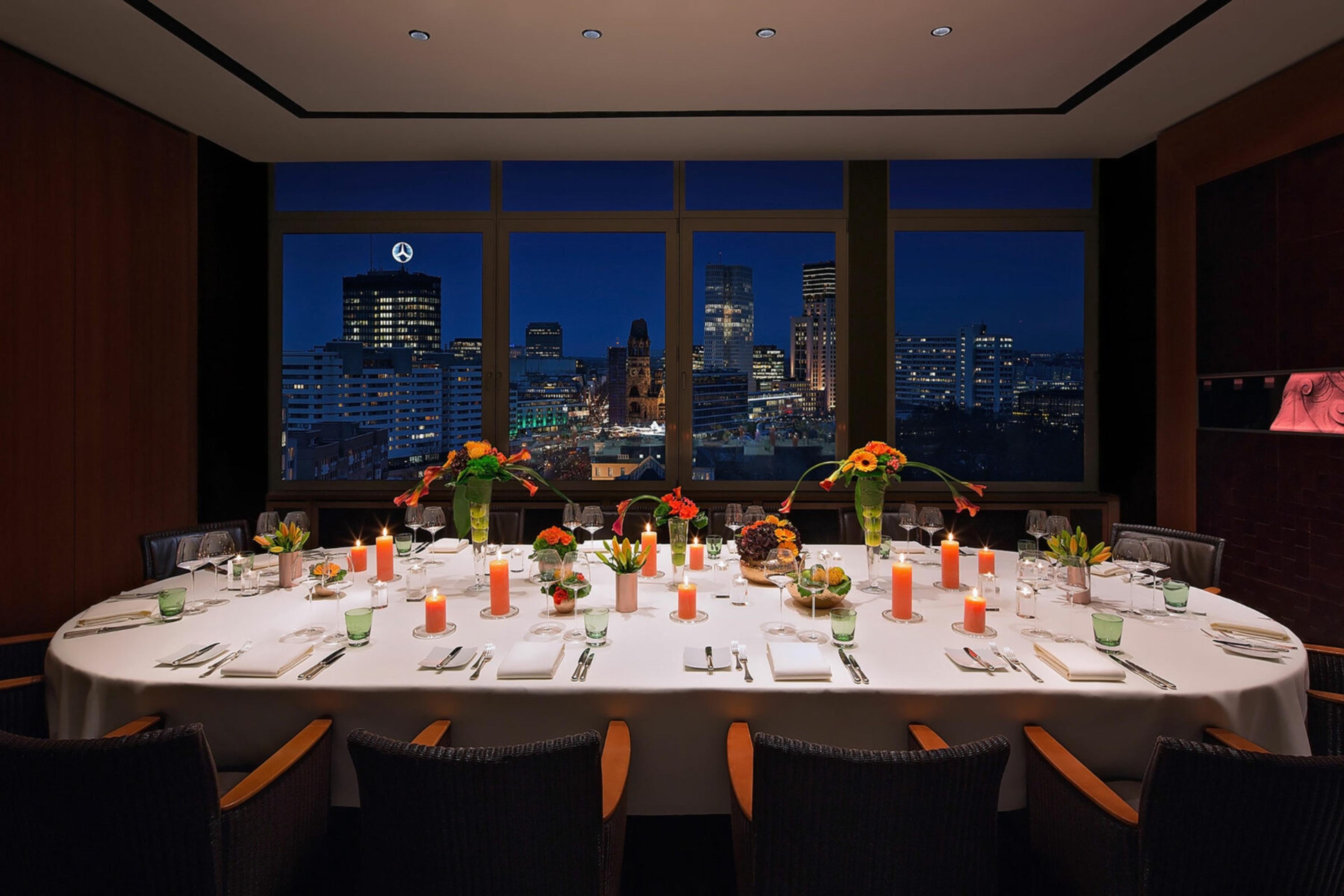
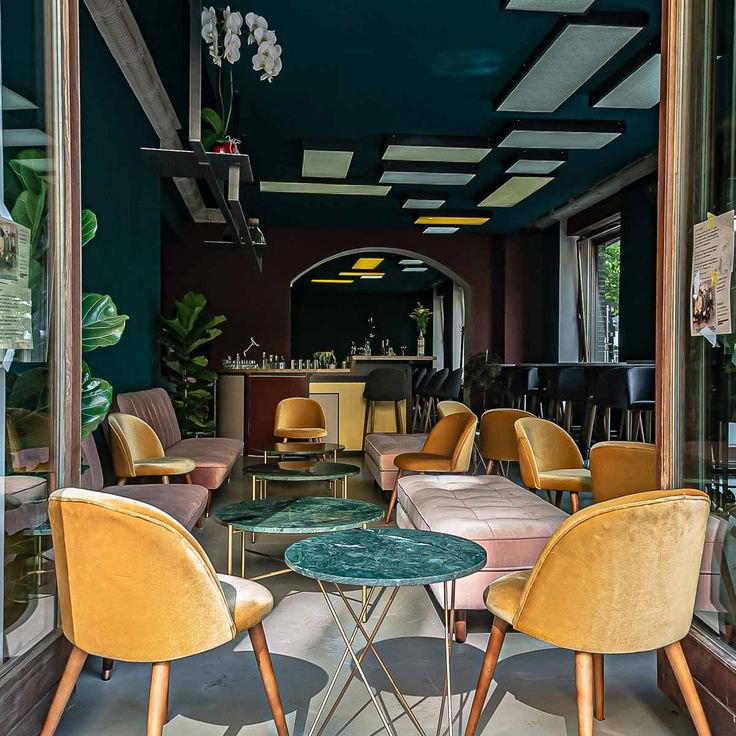
Bars in Berlin
Browse all →
Hotels in Berlin
Browse all →

At a Glance
- Classic
- Cozy
- Elegant
- Date Night
- Brunch
- Late Night
- Standalone
Current opening hours
- Monday
- 4–11 PM
- Tuesday
- 4–11 PM
- Wednesday
- 4–11 PM
- Thursday
- 4–11 PM
- Friday
- 4–11 PM
- Saturday
- 4–11 PM
- Sunday
- 4–11 PM
Hours can change for holidays and private events. Last verified .
Pleasant bistro atmosphere with warm, friendly service.