Dotori sits in the residential quietude of Weißensee, a corner of northeastern Berlin where Korean and Japanese cooking has quietly built a following far removed from Mitte's self-conscious dining scene. The address on Gustav-Adolf-Straße signals that this is neighbourhood eating with genuine conviction rather than destination theatre, the kind of place that earns repeat visits rather than one-off pilgrimages.
Pearl is the En Primeur Club membership app — saves, bookings, and concierge access live there. Same editors, same standards.
- Address
- Gustav-Adolf-Straße 159, 13086 Berlin, Germany
- Phone
- +493047375630
- Website
- dotori.berlin
- Directions
- Get directions
 Saves & bookings on Pearl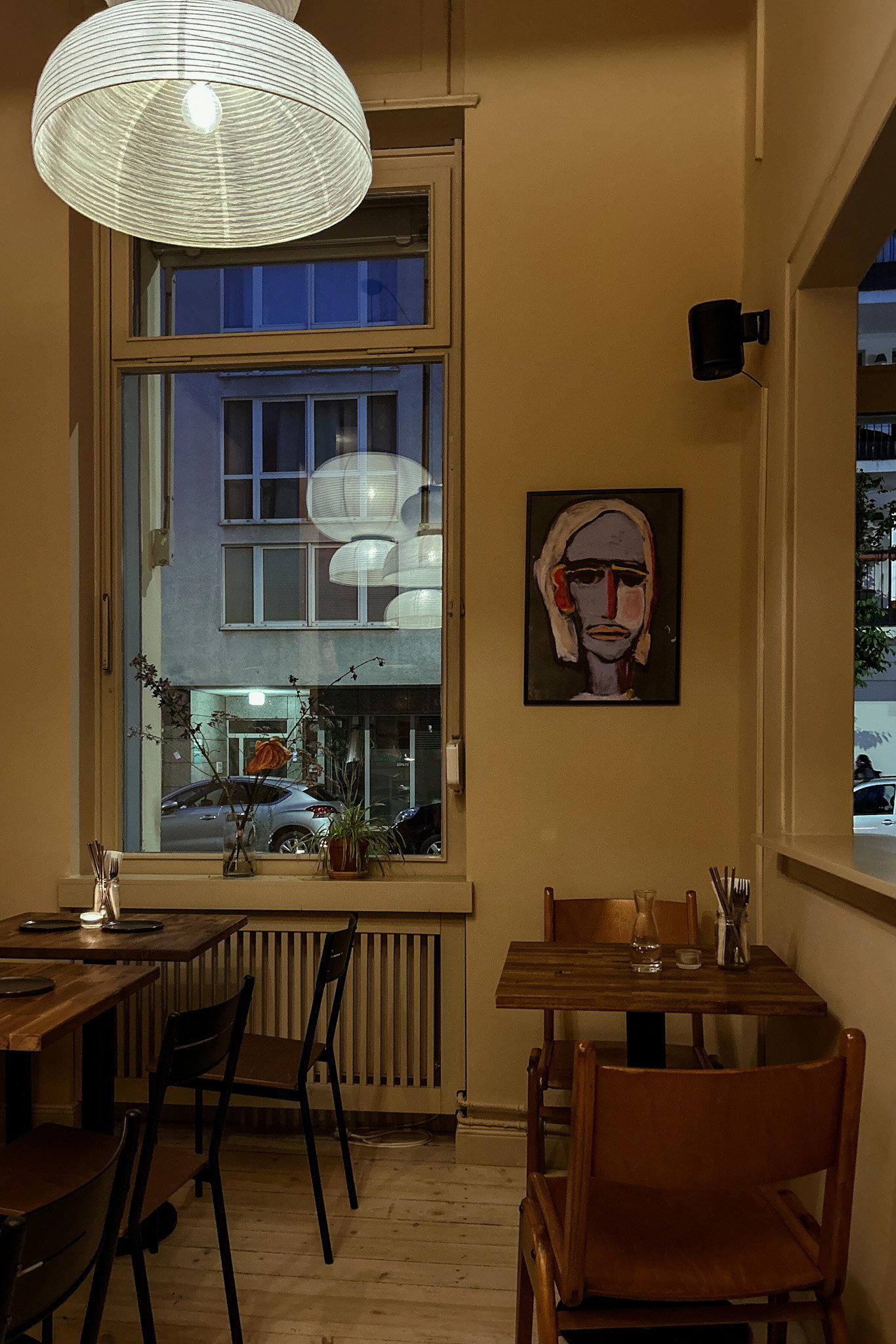
Northeast Berlin and the Quiet Seriousness of Weißensee
Berlin's dining reputation is built largely on a corridor running from Mitte through Prenzlauer Berg and south into Kreuzberg, the belt where attention tends to concentrate. Venues like Rutz, Nobelhart & Schmutzig, and FACIL operate within that gravity, drawing diners who plan their evenings around a destination address. Weißensee, northeast of that corridor, operates on different logic. The neighbourhood is predominantly residential, its streets defined by prewar apartment blocks, independent food shops, and a pace that never fully urbanised in the way Prenzlauer Berg did after reunification. It is precisely the kind of district that produces restaurants worth paying attention to: places that survive on local loyalty and word of mouth rather than tourist foot traffic or critical visibility.
Dotori, at Gustav-Adolf-Straße 159, is embedded in that fabric. The address alone positions it outside the circuits most visitors travel, which is part of what makes the visit read differently from a dinner at, say, CODA Dessert Dining or Restaurant Tim Raue. Dotori is the kind of place a neighbourhood can be quietly proud of, Korean and Japanese cooking in a city where both traditions have grown more seriously represented over the past decade, though rarely outside the central districts.
Korean and Japanese Cooking in Berlin: Where the Scene Stands
Berlin's Korean restaurant scene is more developed than its public profile suggests. A cluster of establishments has existed around Wilmersdorf and Charlottenburg for decades, serving the city's longstanding Korean community. What has shifted more recently is the appearance of Korean and Korean-adjacent kitchens in residential neighbourhoods further east, places more oriented toward a mixed local audience.
Japanese cooking in Berlin follows a different arc. The city has seen significant growth in ramen shops and casual sushi operations, but the more considered end of Japanese cooking, the kind that takes pickling, seasoning balance, and product sourcing seriously, remains relatively concentrated. Japanese cooking in Berlin follows a different arc. The city has seen significant growth in ramen shops and casual sushi operations, while more considered Japanese cooking remains relatively concentrated. Within the city itself, the middle tier, restaurants that take Asian cooking traditions seriously without the trappings of formal fine dining, is where interesting neighbourhood-level work is happening.
Dotori occupies that middle tier in Weißensee, combining Korean and Japanese approaches in a format that reads as local eating rather than concept dining. That combination is less unusual than it might appear: both traditions share an emphasis on fermentation, clean seasoning, and rice as a structural element, and the pairing has a longer history in Korean-Japanese communities across East Asia than Western dining audiences typically recognise.
What the Location Tells You About the Experience
Reaching Gustav-Adolf-Straße 159 requires a deliberate journey from central Berlin. That deliberateness filters the room: the clientele at a restaurant this far into a residential district skews heavily local, which in practice means regulars who have eaten here multiple times, neighbours who know the kitchen's strengths, and the occasional visitor who found the address through personal recommendation rather than a major review platform. That composition changes how an evening feels. There is less of the performative first-visit energy that characterises destination dining in Mitte and more of the settled familiarity that comes with a neighbourhood institution.
Booking in central Berlin often involves more advance planning than a neighbourhood room in Weißensee. A neighbourhood Korean-Japanese kitchen in Weißensee operates on a different booking horizon, though demand at serious neighbourhood restaurants in Berlin has tightened across the board as the city's dining culture has matured.
Placing Dotori in the Broader Berlin Context
Berlin's award-recognised restaurants, those operating in the Michelin tier alongside addresses like Restaurant Haerlin in Hamburg, Victor's Fine Dining by Christian Bau in Perl, or ES:SENZ in Grassau, tend to operate with formal tasting formats, significant price points, and a style of service calibrated to the inspection and press dynamic. Dotori does not sit in that tier, nor does it aspire to. The relevant comparable set is the cluster of serious neighbourhood restaurants across Berlin's outer districts that sustain themselves on quality and consistency rather than critical decoration.
Within that comparable set, the Korean-Japanese positioning is a distinction. Berlin has Korean restaurants and it has Japanese restaurants, but the combination, treated with genuine culinary attention rather than as a marketing convenience, is less common. It places Dotori alongside a small number of addresses in European cities that have built a following by taking the overlap between these two traditions seriously, in the same way that Waldhotel Sonnora in Dreis or Schanz in Piesport have built reputations through sustained commitment to a specific culinary position over time.
For visitors whose Berlin itinerary is built around the city's decorated dining circuit, Dotori represents a different register entirely. It sits alongside the neighbourhood-level eating that makes a city's food culture coherent beyond its award tier, the category of restaurant that Bagatelle in Trier or Lazy Bear in San Francisco occupy in their respective markets: consistent, local-serving, and operating with a seriousness that outpaces its public profile.
A Tight Comparison
Comparable venues nearby, for context on price, style, and recognition.
| Venue | Cuisine | Price | Notes |
|---|---|---|---|
| DotoriThis venue — the venue you are viewing | Weissensee, Korean Anju Bar | $$ | Not listed |
| AIGO Korean Food Kreuzberg | Kreuzberg, Korean Comfort Food | $$ | Not listed |
| Ngo Kim Pak | Not listed | $$ | Charlottenburg, Modern Korean Street Food Fusion |
| Coréen Restaurant Berlin | Mitte, Modern Korean | $$$ | Not listed |
| ROLLS Asian Street Food | Prenzlauer Berg, Asian Street Food | $$ | Not listed |
| Burger Joint | Mitte, Classic American Burgers | $$ | Not listed |
Continue exploring
More in Berlin
Restaurants in Berlin
Browse all →
Bars in Berlin
Browse all →
Hotels in Berlin
Browse all →
Wineries in Berlin
Browse all →
At a Glance
- Cozy
- Retro
- Intimate
- Casual Hangout
- Date Night
- After Work
- Natural Wine
Current opening hours
- Monday
- Closed
- Tuesday
- Closed
- Wednesday
- Closed
- Thursday
- 6–11 PM
- Friday
- 6–11 PM
- Saturday
- 6–11 PM
- Sunday
- 6–11 PM
Hours can change for holidays and private events. Last verified .
Warm retro interior with earth tones of browns and mustard greens, cozy and domestic feel with a blue counter for drinks.