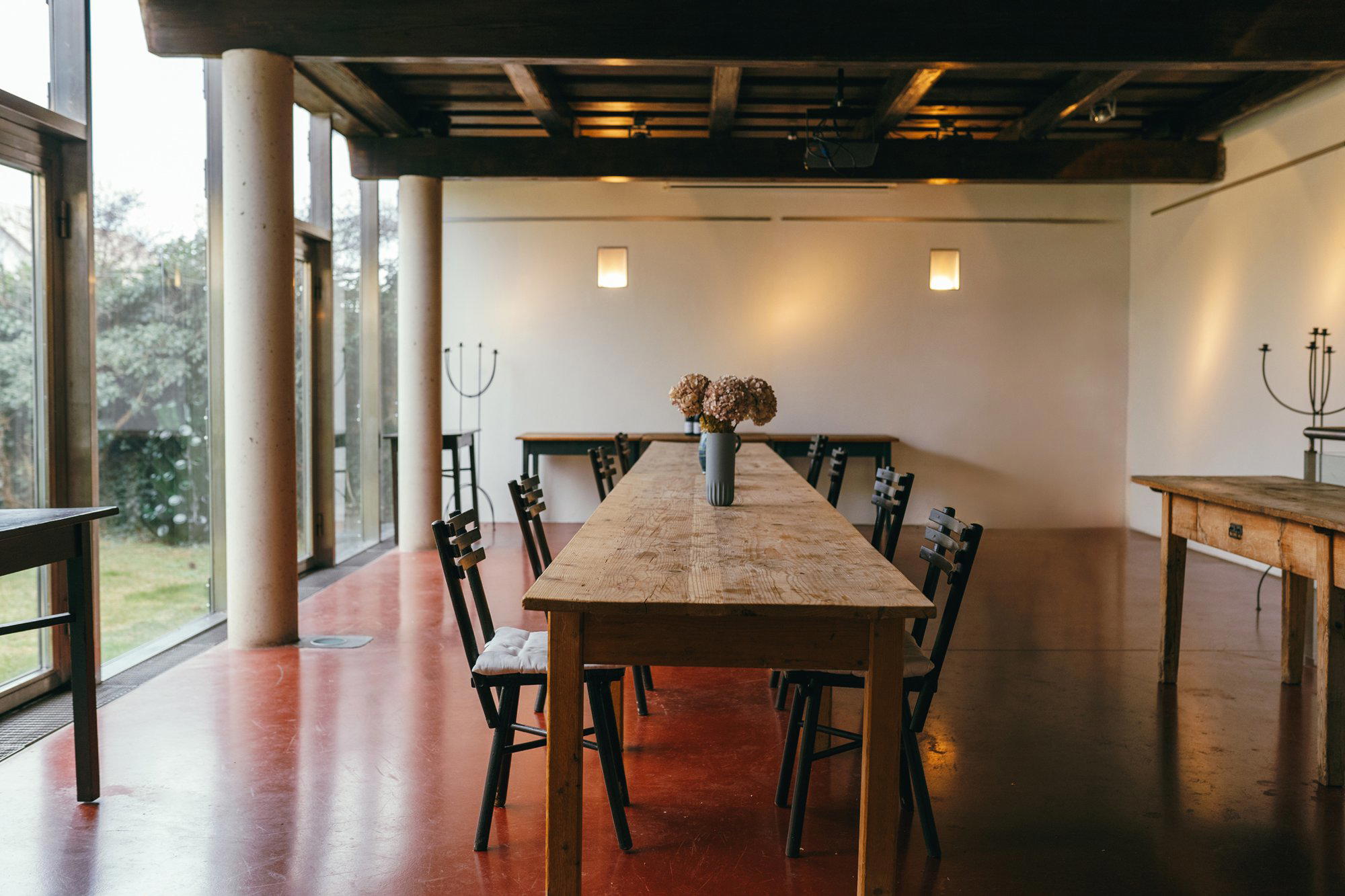
On Vienna's Donaukanal, NENI am Wasser brings the Middle Eastern-Mediterranean sharing table to one of the city's most animated waterfront settings. The format is communal by design: plates arrive in no particular order, the table fills up, and the meal finds its own pace. It sits in a different register from Vienna's €€€€ tasting-menu circuit, offering a more relaxed but no less considered approach to eating well on the canal.
Pearl is the En Primeur Club membership app — saves, bookings, and concierge access live there. Same editors, same standards.
- Address
- Zugang über Ubahn-Station, am Donaukanal, Ob. Donaustraße 65, 1020 Wien, Austria
- Phone
- +434314380038
- Website
- nenifood.com
- Directions
- Get directions
 Saves & bookings on Pearl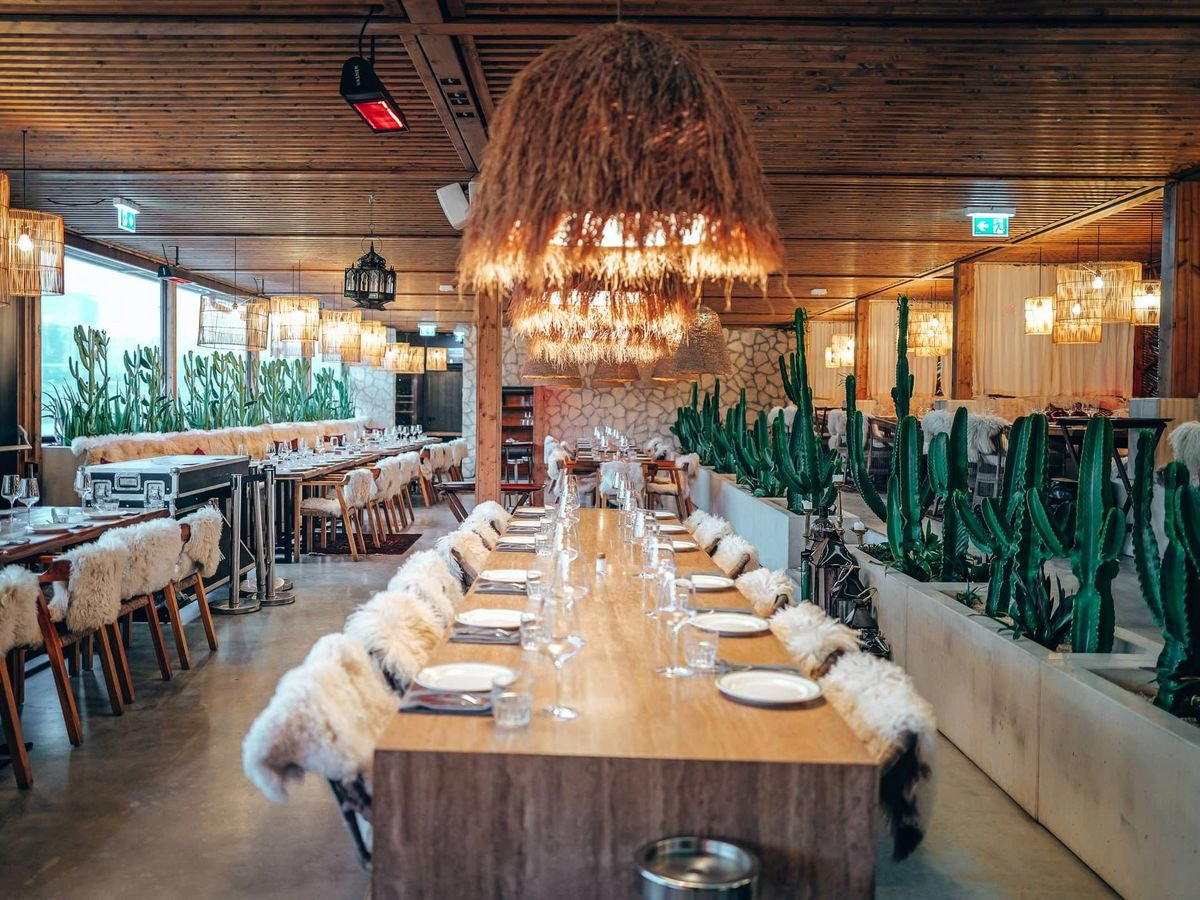
The Canal as Context
Vienna's Donaukanal has spent the better part of two decades reinventing itself. NENI am Wasser is a restaurant in Vienna serving Modern Levantine Mediterranean food, with a mid-range price point. What was once a functional waterway flanked by arterial traffic has become the city's most democratically social stretch of dining and drinking, where the dress code is irrelevant and the crowd skews young, international, and loud in the leading sense. NENI am Wasser sits along this strip at Obere Donaustraße 65, accessible via the adjacent U-Bahn station, and it reads the canal's energy correctly: the setting does real work before the food even arrives.
The NENI group, which originated in Vienna and has since expanded across several European cities, built its identity around the cooking of the Molcho family, whose roots draw from Israel, Ethiopia, and the broader Middle Eastern pantry. In Vienna's dining scene, where the €€€€ tasting-menu format dominates critical attention, see Steirereck im Stadtpark, Amador, Konstantin Filippou, and Mraz & Sohn, NENI operates in a deliberately different lane: sharing plates, mezze logic, and a format that treats the table as a collective project rather than an individual tasting sequence.
How the Meal Actually Works
The dining ritual at NENI am Wasser follows Middle Eastern mezze convention more than it follows European restaurant structure. There is no amuse-bouche moment, no sommelier arc from aperitif to digestif, and no expectation that dishes arrive in a choreographed sequence. Plates come when they are ready. The table fills incrementally. You order more when something runs out. The meal has a pulse rather than a programme.
This is a meaningful distinction in a city where the dominant fine-dining format is highly structured and paced to the minute. At Doubek or across the tasting-menu circuit, timing is a form of hospitality, every course lands at the designated moment. At NENI, the hospitality is of a different kind: the table is set up for conversation and grazing rather than sequential contemplation. For visitors accustomed to the latter, it is worth arriving with that expectation recalibrated.
The correct approach is to over-order slightly on the first round and let the table find its own equilibrium. Spreads, vegetables, and protein dishes work well together, and the format rewards mixing rather than specialising. The Donaukanal terrace, when the weather allows, extends the meal outward into the canal atmosphere, which on a warm evening is its own argument for staying longer than planned.
The Middle Eastern Sharing Table in Vienna
Vienna has a strong tradition of communal eating in its Heuriger culture, where wine taverns have long operated on the principle of shared plates and open-ended time. NENI translates a different but structurally compatible tradition: the Levantine mezze table, where hummus, grilled vegetables, labneh, and flatbreads anchor a spread that grows around them. The cuisine draws from Ashkenazi, Sephardic, North African, and broader Middle Eastern sources, which means the menu covers significant geographic range without feeling eclectic for its own sake.
In the broader context of Middle Eastern dining in European capitals, this format has proven durable. London, Berlin, and Amsterdam all have established mezze-and-sharing operations that have outlasted trend cycles, because the format is genuinely flexible: it works for solo diners, large groups, quick lunches, and long dinners in equal measure. Vienna's version, at the restaurant, adds the canal terrace as a seasonal variable that pushes it toward the longer-dinner end of that range in summer.
Austria's fine-dining canon, from Döllerer in Golling an der Salzach to Griggeler Stuba in Lech and Kräuterreich by Vitus Winkler, runs heavily toward structured European formats with local product emphasis. NENI operates outside that tradition entirely, which is precisely what makes it a relevant option in Vienna's broader dining map.
Where It Sits in Vienna's Eating Week
The question of when to visit the restaurant is partly logistical and partly about what kind of meal you want. The canal terrace is the primary draw from late spring through early autumn: evenings in June, July, and August, when the Donaukanal is at its most animated, give the meal a specific Viennese character that the interior cannot fully replicate. Winter visits work, but the outdoor dimension, which is genuinely part of the experience, disappears.
Within a Vienna eating week, NENI fits most naturally as a counterpoint to the city's formal dining. If you are spending time at the Steirereck tier or working through Austria's Schwarzer Adler or Restaurant 141 by Joachim Jaud level of precision, NENI provides the informal counterweight, a meal that requires nothing of you in terms of dress, pacing, or knowledge, and rewards the kind of relaxed collective eating that structured menus deliberately avoid. It also pairs well with the canal's bar and beach culture before or after dinner, which is not true of Vienna's tasting-menu circuit. For comparison on structured high-precision formats in different cities, Le Bernardin in New York City or Atomix in New York City illustrate how far the spectrum runs. NENI occupies the opposite end: unscheduled, social, and built for duration rather than precision. Likewise, Ois in Neufelden and Gourmetrestaurant Tannenhof in Sankt Anton am Arlberg show how Austria's regional fine-dining scene skews toward the structured and local-produce-led, which makes Vienna's canal-side mezze scene genuinely distinct within the national context.
Comparable Spots, Quickly
Comparable venues nearby, for context on price, style, and recognition.
| Venue | Cuisine | Price | Notes |
|---|---|---|---|
| NENI am WasserThis venue — the venue you are viewing | Modern Levantine Mediterranean | $$$ | Not listed |
| Makom | Israeli Middle Eastern | $$ | Neubau |
| L´ORIENT | Authentic Moroccan | $$ | Praterstern Wien Nord |
| Eloa by Cohen's | Modern Oriental Levantine | $$ | Favoriten |
| Tewa am Naschmarkt | Organic Oriental-Mediterranean | $$ | Wieden |
| Bitzinger The Passion | Modern Viennese | $$$ | Innere Stadt |
At a Glance
- Bohemian
- Lively
- Trendy
- Scenic
- Group Dining
- Casual Hangout
- Celebration
- Date Night
- Waterfront
- Open Kitchen
- Terrace
- Waterfront
Current opening hours
- Monday
- Closed
- Tuesday
- 5 PM–12 AM
- Wednesday
- 5 PM–12 AM
- Thursday
- 5 PM–12 AM
- Friday
- 5 PM–12 AM
- Saturday
- 5 PM–12 AM
- Sunday
- Closed
Hours can change for holidays and private events. Last verified .
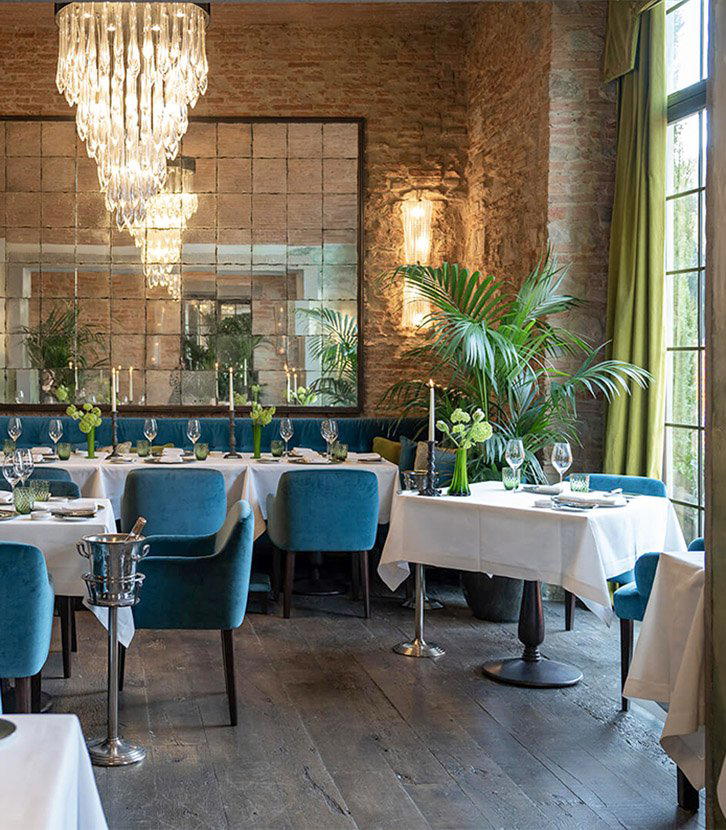
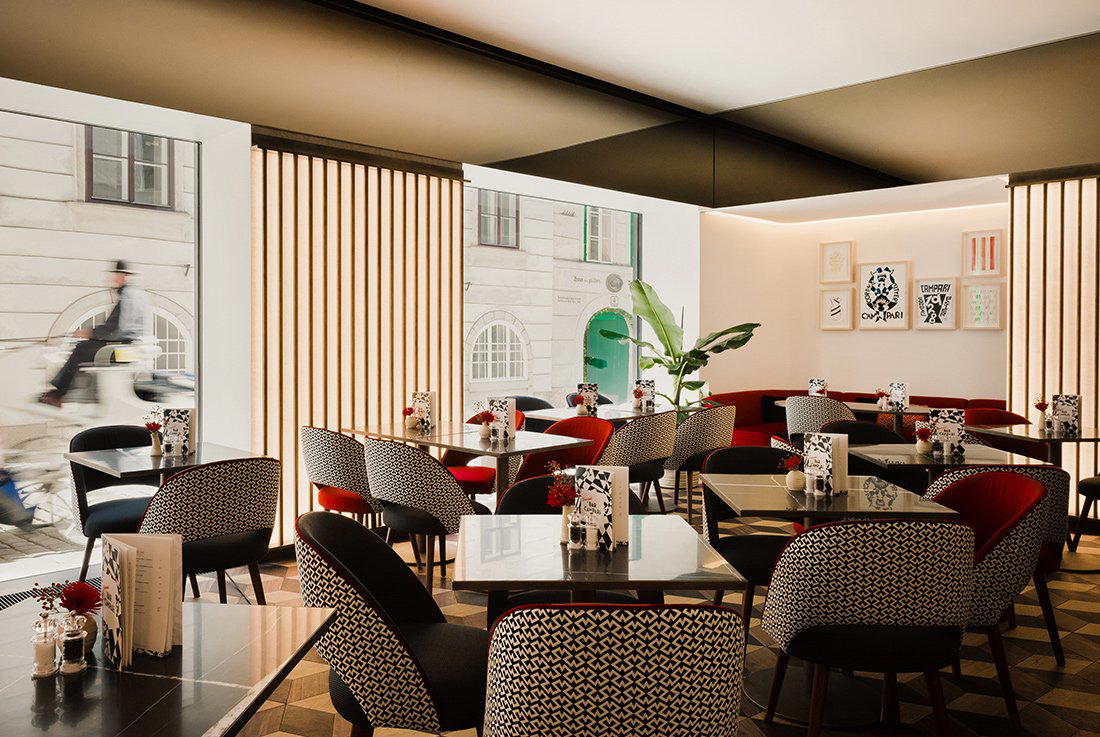
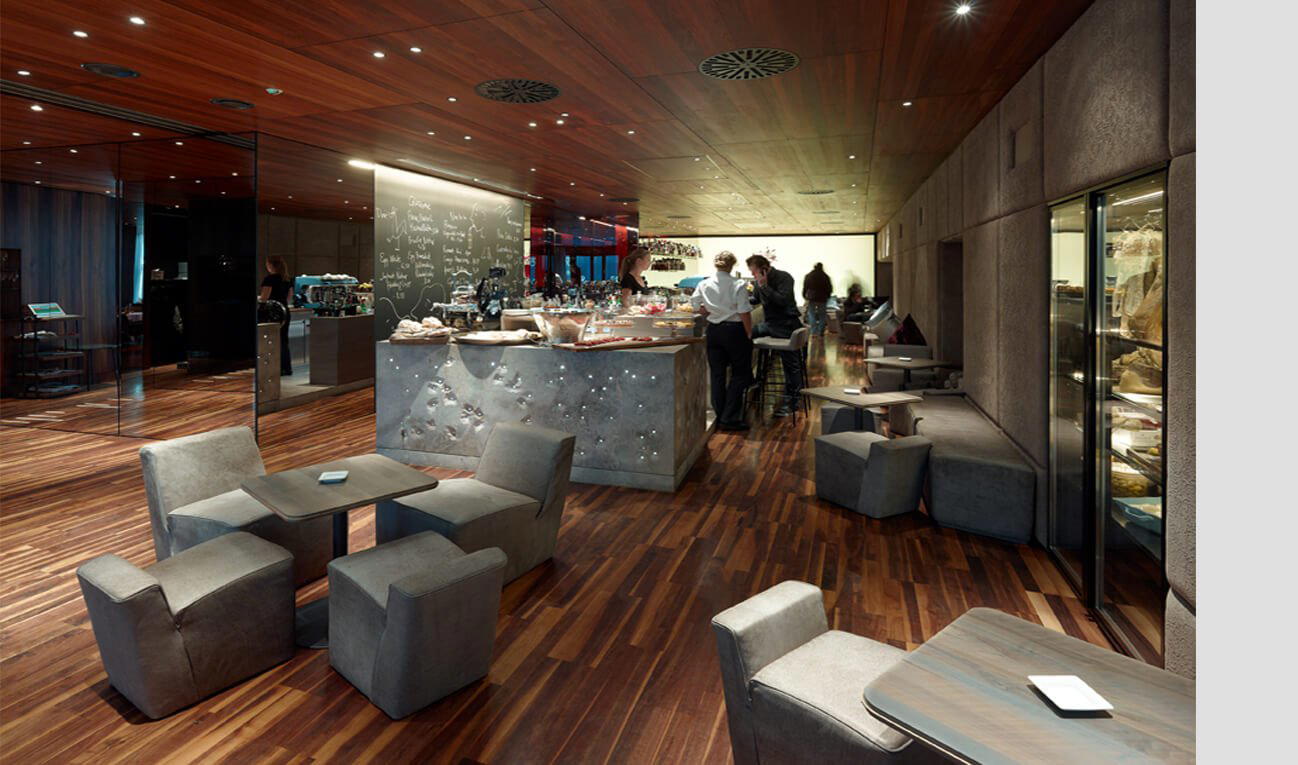
Light, summery Mediterranean atmosphere with beach club vibes, cozy bohemian paradise, and waterfront energy.