Our verdict
L'Orient occupies a quiet address on Rotensterngasse in Vienna's second district, sitting in a neighbourhood where Middle Eastern and North African culinary traditions have long held their ground against the city's dominant Viennese dining culture. The address places it at some distance from the first district's restaurant concentration, which shapes both its clientele and its atmosphere across lunch and dinner service.

Pearl is the En Primeur Club membership app, where members save venues, book tables and use the concierge.

The Second District's Quieter Hours
Vienna's second district, the Leopoldstadt, has historically been where the city's more international dining traditions find space to breathe. The first district concentrates the grand addresses, the €€€€ tasting menus, the recognition signals: Steirereck im Stadtpark, Konstantin Filippou, Amador, Mraz & Sohn. Rotensterngasse 22 is a different proposition: a side-street address in a neighbourhood with a long market culture and a demographic breadth that the inner districts rarely match. Approaching L'Orient in the middle of the day, the street operates at a neighbourhood pace that evening service in the first district never quite manages. That contrast in rhythm is not incidental, it defines how the two parts of the L'Orient day differ most sharply.
Lunch and Dinner as Two Separate Arguments
In many Middle Eastern and North African restaurants across European cities, the lunch-to-dinner divide is where the real editorial story sits. Daytime service tends to be faster, more informal, and more accessible on price, the kitchen's larder doing the work rather than the atmosphere or the occasion. Evening service, by contrast, usually asks the room to carry more weight: candles, longer pacing, the expectation that a table will be held for two hours rather than forty minutes.
L'Orient on Rotensterngasse occupies that divide in a neighbourhood where lunch is still a social event rather than a desk-skipping errand. The Leopoldstadt's proximity to the Prater and its working market culture on the Karmelitermarkt means that midday trade draws a different cross-section than evening. Where the dinner hour at a Vienna address in this category tends to self-select toward those already familiar with the cuisine, lunch pulls in a broader and more curious crowd. That breadth tends to produce a more honest reading of what a kitchen can do, there is less staging involved.
For the reader deciding between the two sittings, the practical weight of that distinction is real. Lunch at addresses of this type across Vienna tends to offer better table availability without advance planning, while evening slots at well-regarded neighbourhood restaurants in the second district have tightened considerably as the area's dining reputation has grown. This mirrors a pattern visible across comparable addresses in our full Vienna restaurants guide, where the drift of serious eating eastward from the first district has reduced the assumption that booking is only necessary at formal venues.
What the Neighbourhood Context Tells You
Vienna's restaurant geography has shifted. A decade ago, the assumption was that the most serious cooking happened inside or immediately adjacent to the first district. That has changed, and the second district is one of the places that change is most legible. The Leopoldstadt has drawn a cohort of restaurants operating with a neighbourhood-first logic: pricing against local spending rather than tourist expectation, menus that change with the week rather than with the season, rooms that prioritise capacity over drama.
L'Orient at Rotensterngasse 22 fits that model. That removal cuts both ways. It means less ambient recognition, the sort of table-to-table signalling that happens when a room is full of people who have read the same review. But it also means the kitchen is not cooking to a critical audience every night, which in many cases produces more consistent, less performative food.
Regionally, Vienna sits within an Austrian dining culture that at its upper tiers prizes technical precision and local sourcing. The addresses doing that most visibly, from Döllerer in Golling an der Salzach to Ikarus in Salzburg and Obauer in Werfen, operate in a different register to a Leopoldstadt neighbourhood restaurant. But the broader Austrian expectation of kitchen seriousness, that hospitality should be substantive rather than decorative, extends further down the price tiers than it does in many comparable European cities.
Practical Notes for Planning Your Visit
L'Orient is located at Rotensterngasse 22 in Vienna's 1020 postal district, a ten-minute walk from the Praterstern U-Bahn junction, which connects directly to the first district via the U1 line and gives access to the wider city without requiring a taxi. For those arriving from outside Vienna, the address is reachable from Wien Hauptbahnhof by U1 in under fifteen minutes. The neighbourhood is walkable, with the Karmelitermarkt market square a short distance away, relevant context for those building a longer afternoon around a lunch sitting. As with most well-regarded neighbourhood restaurants in the Leopoldstadt, contact directly through available channels to confirm current hours and table availability before visiting, as service patterns in the area have evolved with the district's growing dining reputation.
Where L'Orient Sits Relative to Vienna's Range
Vienna's restaurant spectrum runs from the high-formality tasting menu tier, the addresses listed in international guides alongside Le Bernardin in New York City or Atomix in terms of ambition and price architecture, through to the neighbourhood addresses that operate on a different logic entirely. L'Orient occupies the latter position, in a city where that position is more seriously contested than the headline venues suggest. The Austrian dining culture described above, visible at addresses like Landhaus Bacher in Mautern an der Donau, Griggeler Stuba in Lech, or Schwarzer Adler in Hall in Tirol, sets a baseline expectation of care that filters through to neighbourhood-level addresses in a way that is not always the case in other European capitals.
For a reader whose Vienna itinerary is already anchored to one of the city's formal restaurants, L'Orient functions as a different kind of stop, useful precisely because it is not competing on the same terms. The relevant comparison is not to Kräuterreich by Vitus Winkler or Restaurant 141 by Joachim Jaud, but to the category of address that a city of Vienna's density needs in order to function as a serious dining destination across all meal occasions, not just the ones that require advance booking and a jacket.
Readers building a broader Austrian picture should note that the country's most recognised addresses outside Vienna, including Gourmetrestaurant Tannenhof in Sankt Anton am Arlberg and Ois in Neufelden, operate in small-town or resort contexts where the restaurant anchors the entire dining occasion. The Leopoldstadt neighbourhood restaurant model is the urban counterpart to that: a place where the cooking is the point, but the point does not require ceremony to land.
Frequently asked questions
at L'Orient?
Do I need a reservation for L'Orient?
What makes L'Orient worth seeking out?
Is L'Orient good for vegetarians?
Is a meal at L'Orient worth the investment?
How does L'Orient fit into the broader Middle Eastern and North African dining scene in Vienna?
How It Stacks Up
Comparable venues nearby, for context on price, style, and recognition.
| Venue | Cuisine | Price | Notes |
|---|---|---|---|
| L´ORIENTThis venue (the venue you are viewing) | Authentic Moroccan | $20–30 | Not listed |
| Café Ansari | Georgian-Mediterranean Fusion | $20–30 | Praterstern Wien Nord |
| Gaia Kitchen | Vegan Levantine Fusion | $10–20 | Praterstern Wien Nord |
| Elissar | Modern Lebanese | $20–30 | Staatsoper |
| Baschly | Modern Middle Eastern Street Food | $10–20 | Stadt |
| Yudale | Kosher Middle Eastern & Israeli | Not listed | Praterstern Wien Nord |
Continue exploring
More in Vienna
Restaurants in Vienna
All restaurants in Vienna →
Bars in Vienna
All bars in Vienna →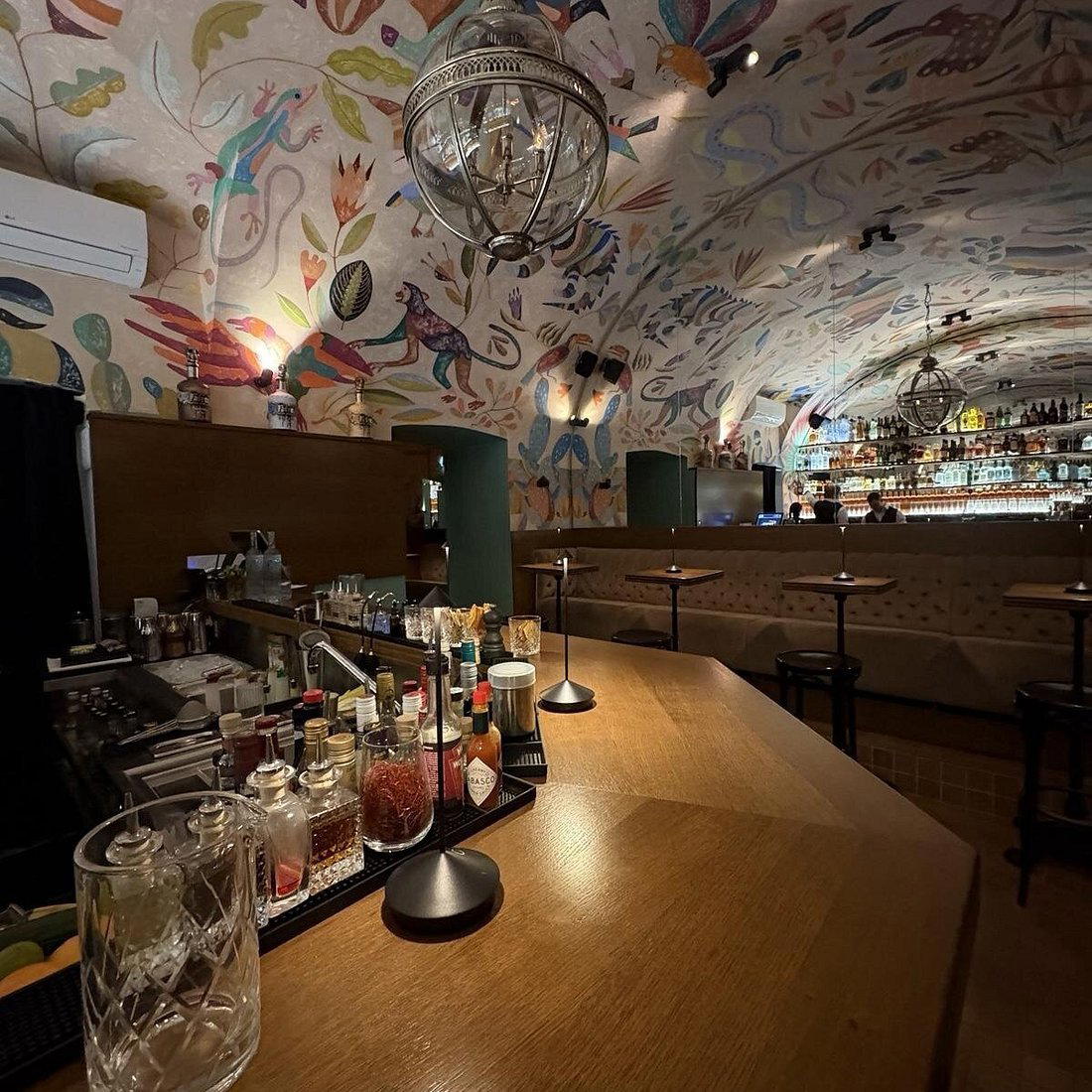
Details
- Cozy
- Elegant
- Intimate
- Date Night
- Group Dining
- Casual Hangout
- Historic Building
- A La Carte
- Vegetarian Friendly
- Vegan Options
- Gluten Free Options
Current opening hours
- Monday
- Closed
- Tuesday
- 5–11 PM
- Wednesday
- 5–11 PM
- Thursday
- 5–11 PM
- Friday
- 5–11 PM
- Saturday
- 5–11 PM
- Sunday
- 12–11 PM
Hours can change for holidays and private events. Hours as of .
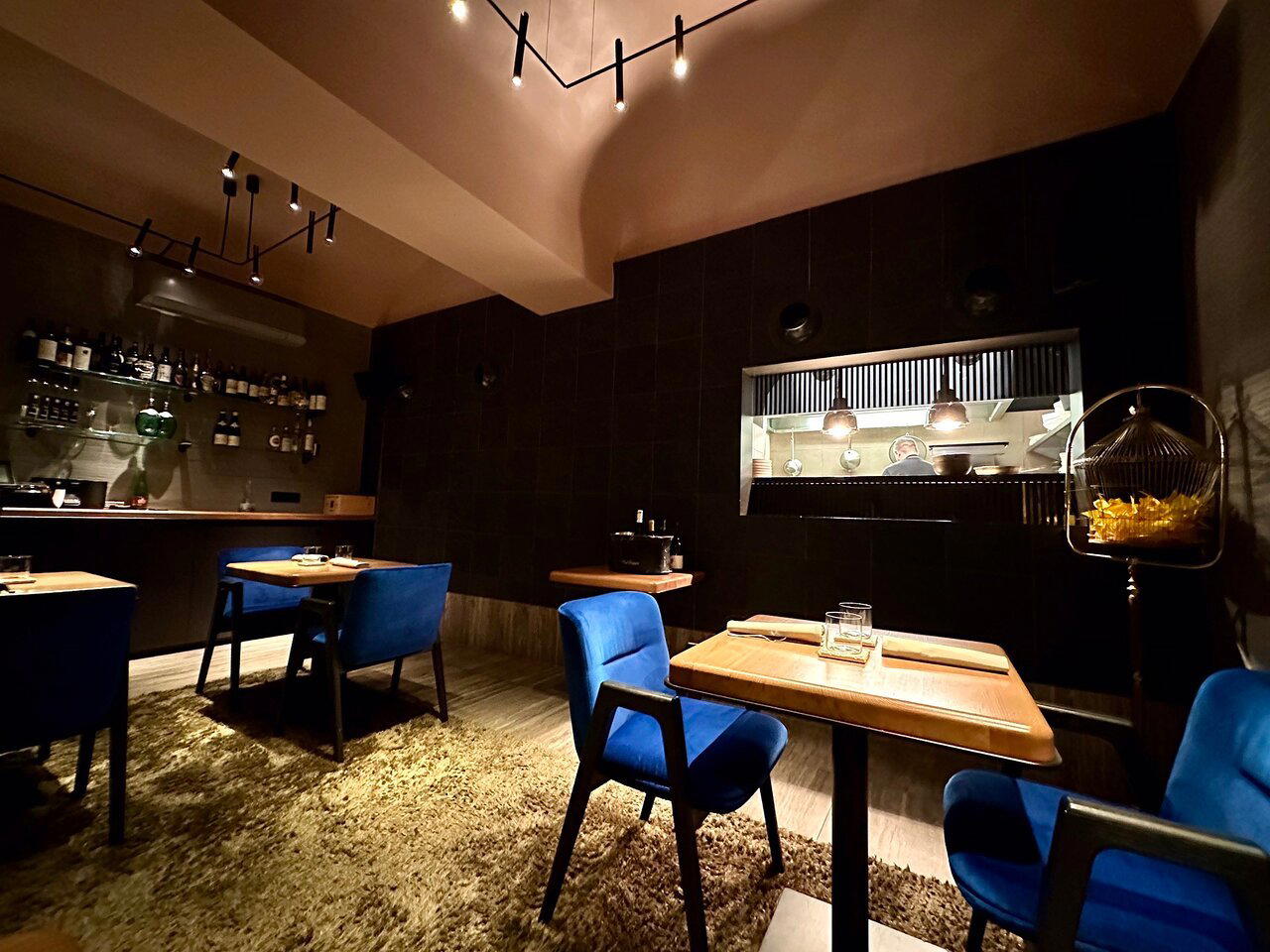
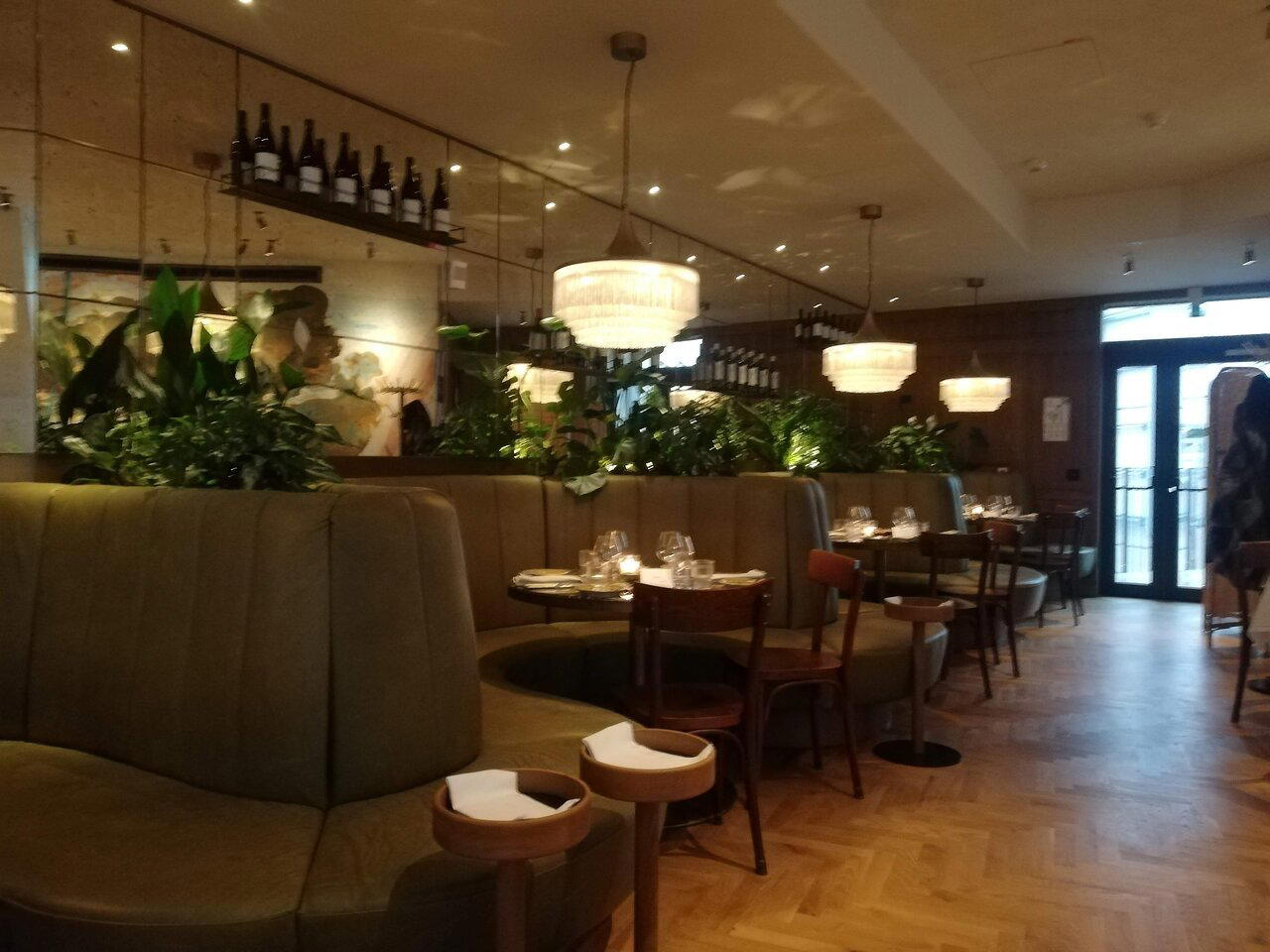
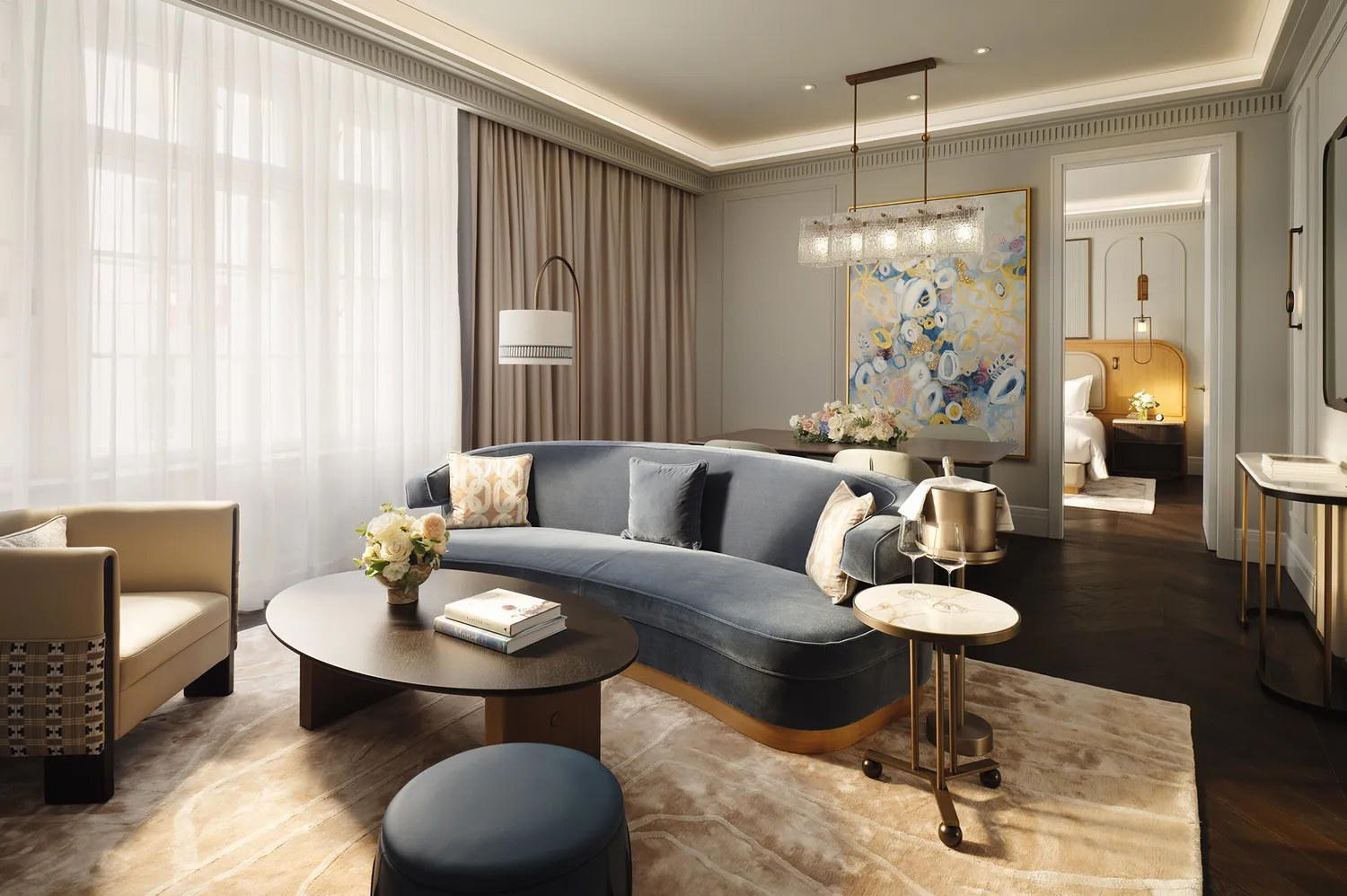
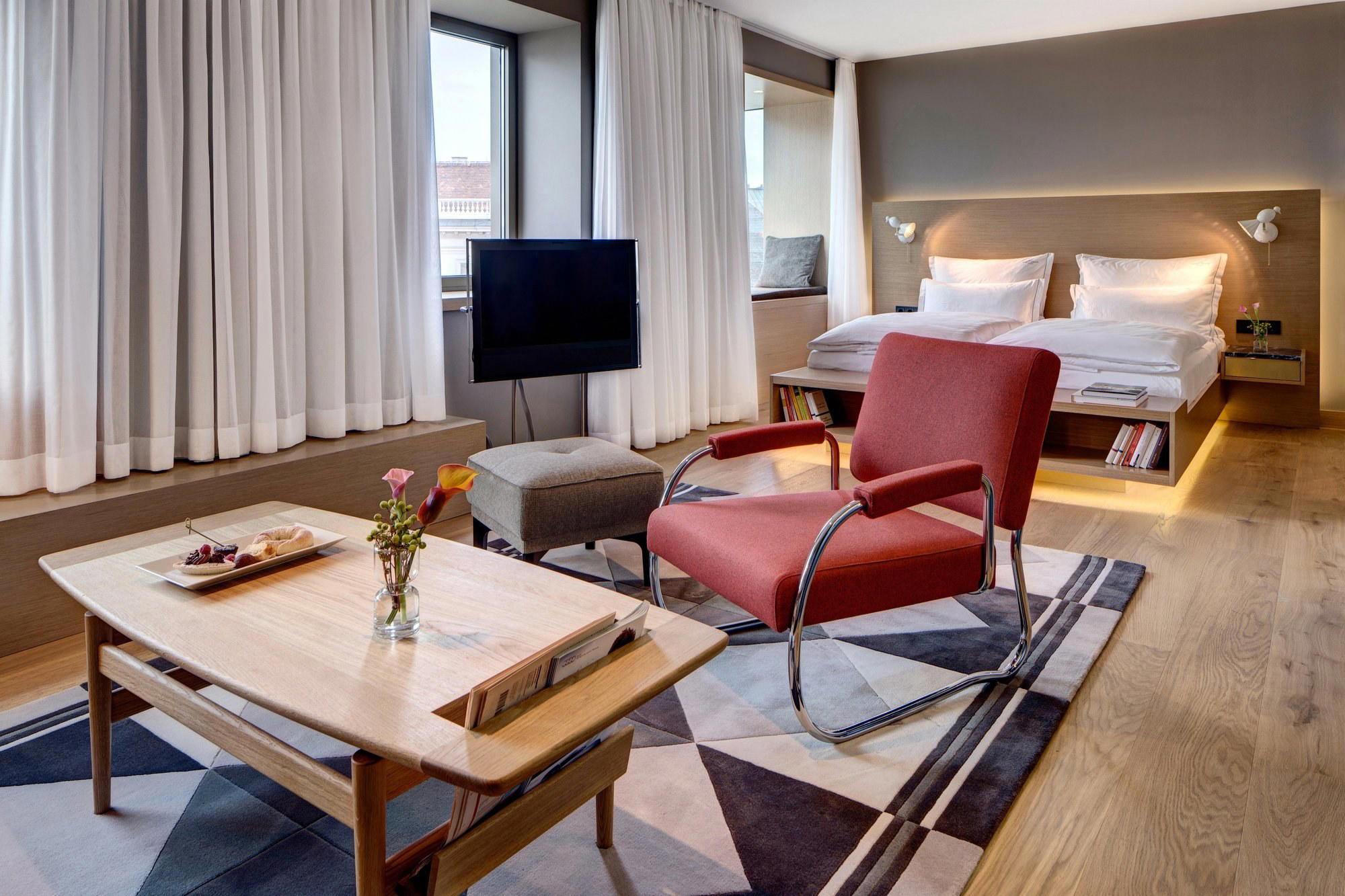
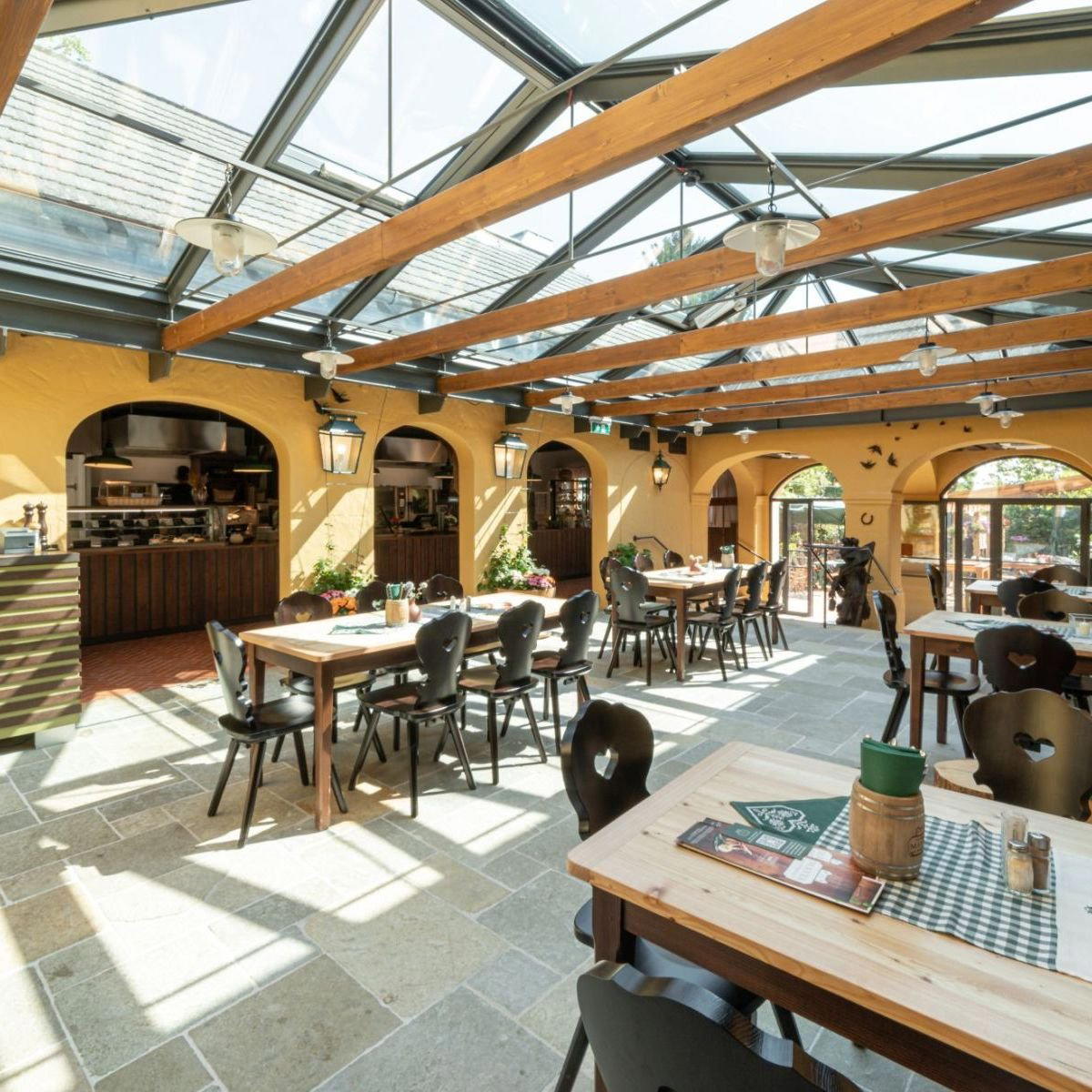
Cozy and warm Moroccan-style interior with careful decoration that creates an intimate and welcoming atmosphere.