A market stand at Vienna's Naschmarkt, Tewa am Naschmarkt operates in one of Central Europe's oldest and most architecturally layered open-air food markets. The Naschmarkt format places the eating experience firmly within the flow of the market itself, where the physical space, iron canopy structures, numbered stalls, the press of weekend crowds, defines the meal as much as what lands on the plate.
Pearl is the En Primeur Club membership app — saves, bookings, and concierge access live there. Same editors, same standards.
- Address
- Naschmarkt Stand 672, Naschmarkt 672, 1060 Wien, Austria
- Phone
- +43676847741211
- Website
- tewa-naschmarkt.at
- Directions
- Get directions
 Saves & bookings on Pearl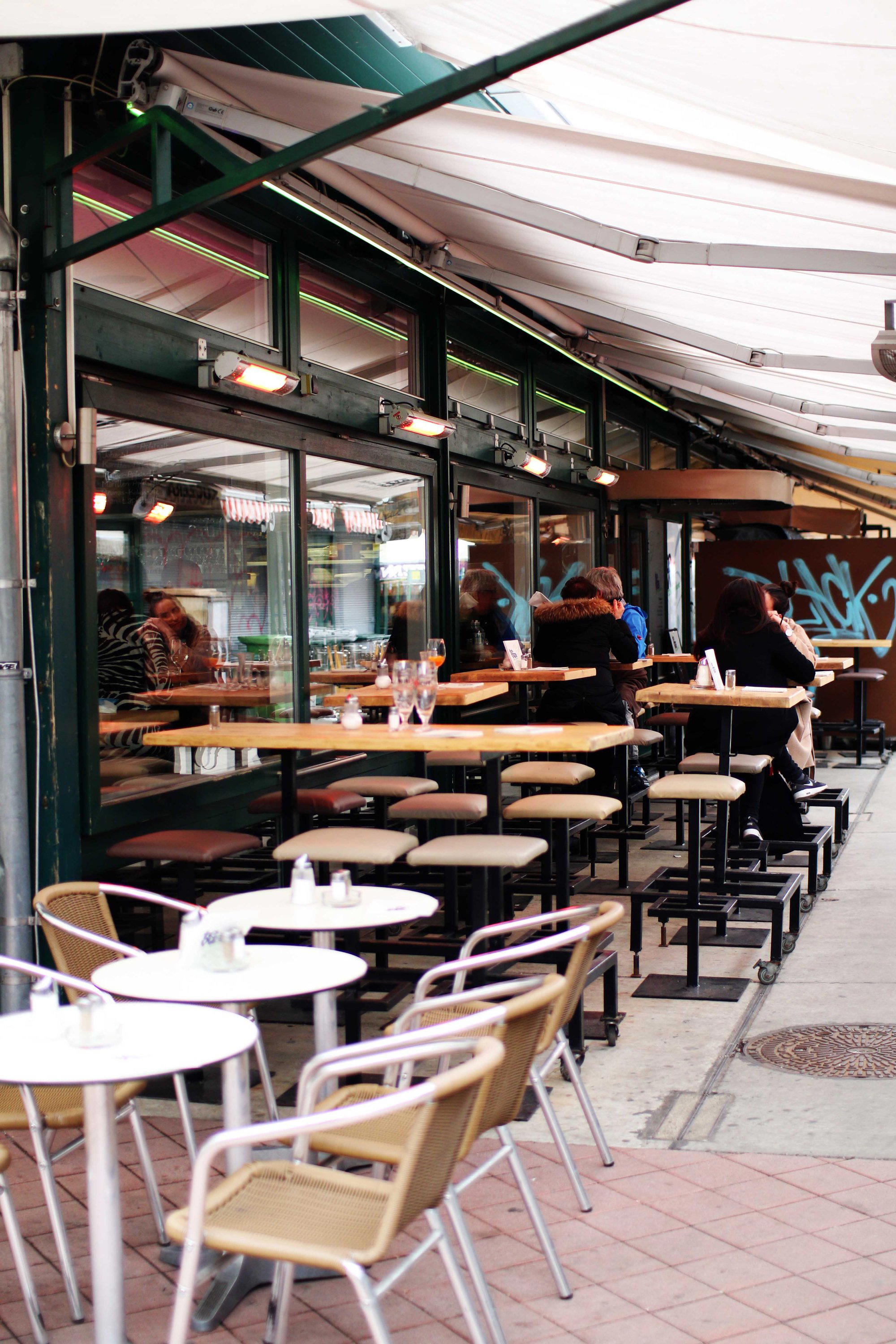
The Naschmarkt as Architectural Frame
Vienna's Naschmarkt has operated in some form along the Wien River channel since the late sixteenth century, though the market's current iron-and-glass pavilion character took shape during the Jugendstil building campaigns of the early twentieth century. The numbered stalls, including Stand 672, are embedded within that structure. Eating here is not a room-based experience. The canopy above, the stone-set passage underfoot, and the proximity of neighbouring vendors define the spatial logic of any meal at Tewa am Naschmarkt in ways that a conventional restaurant interior simply cannot replicate.
This matters because the editorial conversation about Vienna dining has, in recent years, concentrated heavily on formal tasting-menu rooms. Steirereck im Stadtpark and Konstantin Filippou operate at the highest tier of that formal register, with controlled environments and ceremony built into every element of the experience. Amador and Mraz & Sohn follow in the same structural category. Tewa am Naschmarkt sits in a different register entirely, one where the physical container is porous, shared with the city, and shaped by over four centuries of market use.
Stand 672: Space as Context
In any covered market, the stall number is the address, the identity, and the spatial boundary of the operation. Stand 672 at the Naschmarkt places Tewa within a dense sequence of food vendors running the length of the market, which stretches approximately 1.5 kilometres from the U4 Kettenbrückengasse station toward Karlsplatz. The Naschmarkt's Saturday flea market component expands the site further, drawing a different demographic than the weekday produce-and-specialty crowd.
The spatial design of any Naschmarkt stand is constrained by the market's historic fabric. Vendors work within the existing iron framework, meaning there is limited scope for architectural intervention. What a stand communicates visually, signage language, counter layout, how produce or dishes are presented across the service surface, becomes the primary design statement. In a market where more than three hundred vendors operate, legibility at the counter edge carries more weight than interior decor.
Across Europe, the premium market-stand format has become a deliberate positioning choice. In Barcelona's Boqueria or Copenhagen's Torvehallerne, stands commanding the highest price points tend to operate with tight counters, few seats, and a concentration of skill visible to the customer in real time. The Naschmarkt occupies a comparable position in the Central European context, though its Jugendstil bones and Viennese clientele give it a different register from its Scandinavian or Iberian peers.
The Vienna Market Dining Tradition
Market eating in Vienna operates differently from the sit-down restaurant culture that dominates international coverage of the city's food scene. At the Naschmarkt, the meal tends to be faster, less ceremonial, and more socially mixed than what you find at either the €€€€ tasting-room tier or the Viennese Beisl tradition. The market's catchment spans professionals from the Sixth District, tourists moving between the Ringstrasse and Mariahilf, and long-term vendors who have operated neighbouring stalls for decades.
This social layering is built into the space. Unlike a destination restaurant, where the guest population self-selects through price and reservation difficulty, a Naschmarkt stand addresses whoever walks the aisle. The design of the offer, what is served, how it is priced relative to neighbours, how much counter space is given to seating versus service, determines whether a stand attracts the local regular or the passing visitor. For Tewa am Naschmarkt at Stand 672, that positioning sits within among the more historically embedded market structures in the German-speaking world.
For readers exploring the broader Austrian culinary range, the contrast with destination restaurants such as Döllerer in Golling an der Salzach, Obauer in Werfen, or Ikarus in Salzburg is instructive. Those operations invest heavily in controlled physical environments, curated interiors, and service choreography. The Naschmarkt tradition is the inverse: the environment pre-exists any vendor decision, and the offer must be calibrated to fit within it.
How Tewa Fits the Naschmarkt Tier
Within Vienna's mid-tier dining conversation, the Naschmarkt functions as the reference point for accessible quality and culinary plurality rather than for tasting-menu ambition. The market's vendor profile has shifted over the past two decades, with specialty food operations and prepared-food stands increasing relative to raw produce vendors. This shift has brought the Naschmarkt into closer editorial proximity to the city's informal dining culture, where Doubek represents another expression of the approachable, quality-focused register.
Stand 672's position within the market's physical sequence matters for footfall. The Naschmarkt's eastern end, nearest Karlsplatz, tends to carry higher tourist density. The western stretch toward Kettenbrückengasse retains more of the neighbourhood character that longtime visitors associate with the market's weekday atmosphere. Stand 672 falls within this distribution, meaning the customer mix and the pace of service are shaped as much by geography within the market as by the vendor's own choices.
For context on where Austrian culinary ambition goes at higher formality levels, Kräuterreich by Vitus Winkler in Sankt Veit im Pongau, Griggeler Stuba in Lech, and Landhaus Bacher in Mautern an der Donau each represent the destination-dining end of the spectrum. Schwarzer Adler in Hall in Tirol and Restaurant 141 by Joachim Jaud in Mieming add regional depth to that picture. Gourmetrestaurant Tannenhof in Sankt Anton am Arlberg and Ois in Neufelden round out Austria's spread of serious rooms operating at remove from the capital. The Naschmarkt stand is a different category of experience, not lesser, but governed by a different set of priorities.
For international comparison, the contrast with destination-room dining is sharpest when set against operations such as Le Bernardin in New York City or Atomix in New York City, both of which invest in spatial design as a core part of the dining proposition. A market stand in Vienna inverts that logic: the architecture is inherited, not designed, and the cooking must speak within a frame the vendor did not choose.
Planning Your Visit
The Naschmarkt operates Tuesday through Saturday for its food market, with the Saturday flea market bringing significantly higher footfall. The market is accessible directly from Kettenbrückengasse on the U4 line, making it direct from most central Vienna accommodation. Saturday mornings before noon represent peak crowd intensity; weekday visits run at a noticeably different pace.
| Venue | Format | Price Tier | Booking Required |
|---|---|---|---|
| Tewa am Naschmarkt (Stand 672) | Market stand | Not specified | Walk-in |
| Steirereck im Stadtpark | Formal restaurant | €€€€ | Advance booking essential |
| Konstantin Filippou | Tasting menu room | €€€€ | Advance booking essential |
| Doubek | Informal dining | Not specified | Check venue directly |
Peers Worth Knowing
Comparable venues nearby, for context on price, style, and recognition.
| Venue | Cuisine | Price | Notes |
|---|---|---|---|
| Tewa am NaschmarktThis venue — the venue you are viewing | Organic Oriental-Mediterranean | $$ | Not listed |
| Gaia Kitchen | Vegan Levantine Fusion | $$ | Praterstern Wien Nord |
| Baschly | Modern Middle Eastern Street Food | $$ | Stadt |
| Yudale | Kosher Middle Eastern & Israeli | $$ | Praterstern Wien Nord |
| The Hummus Workshop | Middle Eastern Hummus Specialist | $$ | Inner City |
| sultans | Levantine & Ottoman Cuisine | $$ | Wien-Mitte |
At a Glance
- Cozy
- Rustic
- Casual Hangout
- Brunch
- Open Kitchen
- Terrace
- Organic
- Local Sourcing
- Street Scene
Current opening hours
- Monday
- 8 AM–11 PM
- Tuesday
- 8 AM–11 PM
- Wednesday
- 8 AM–11 PM
- Thursday
- 8 AM–11 PM
- Friday
- 8 AM–11 PM
- Saturday
- 8 AM–11 PM
- Sunday
- 10 AM–9 PM
Hours can change for holidays and private events. Last verified .
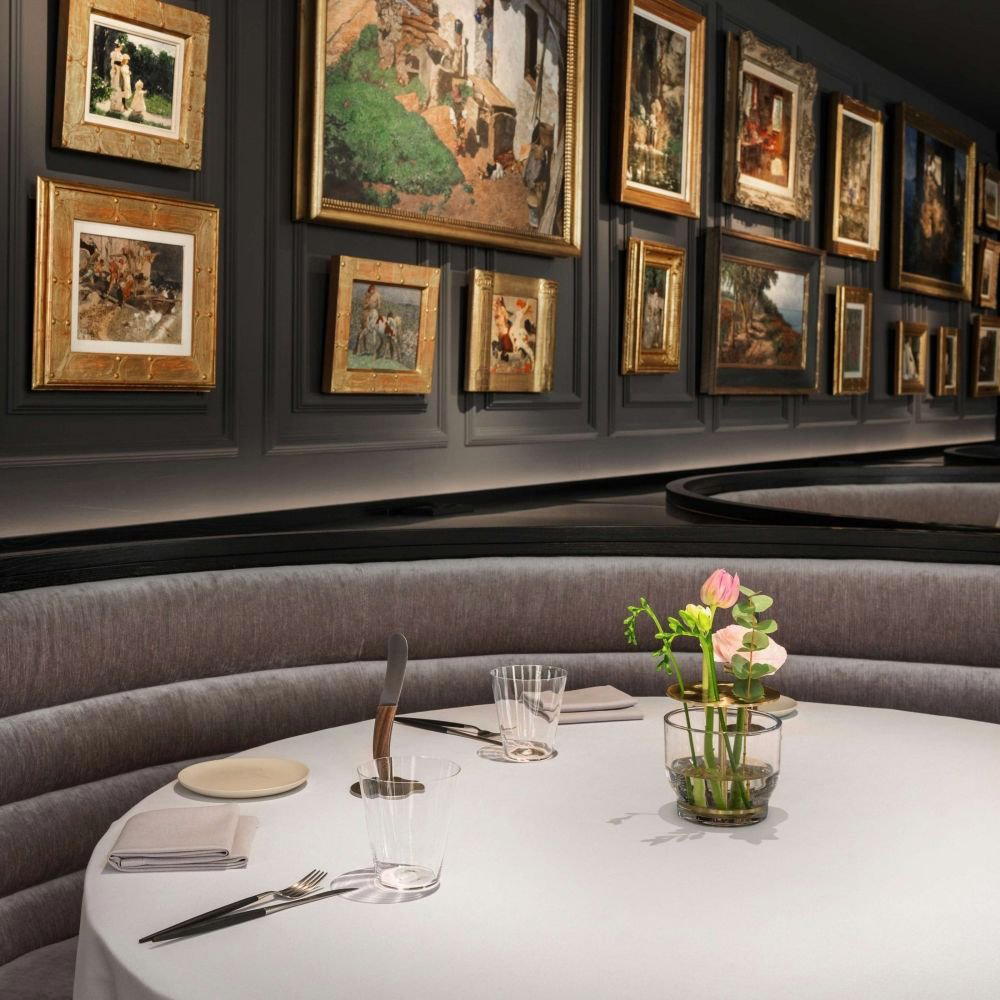
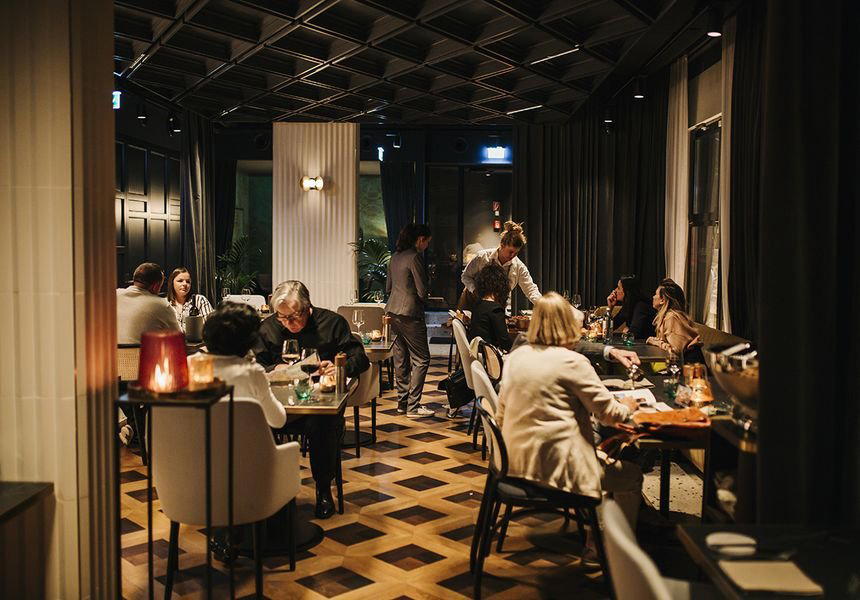
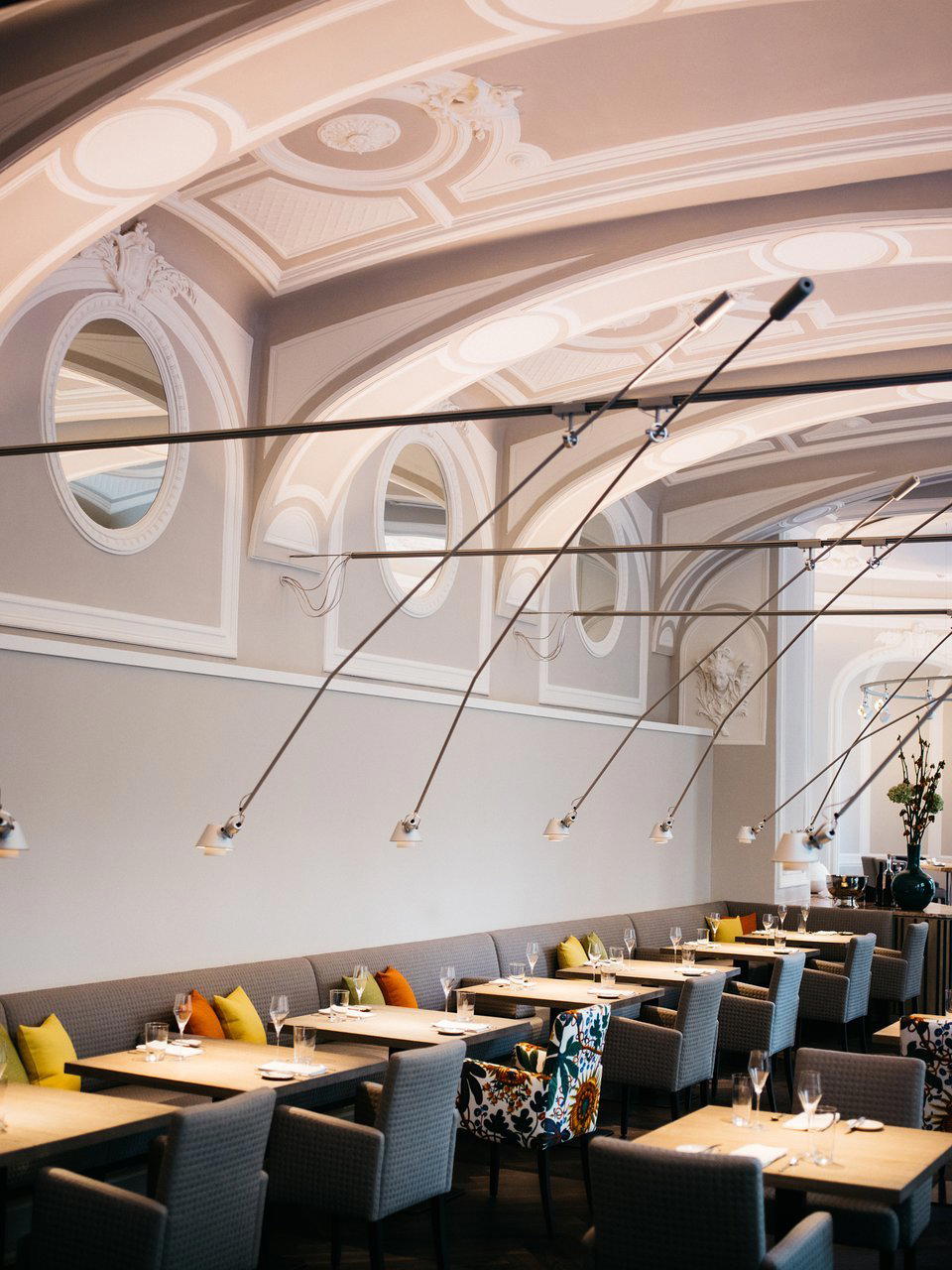
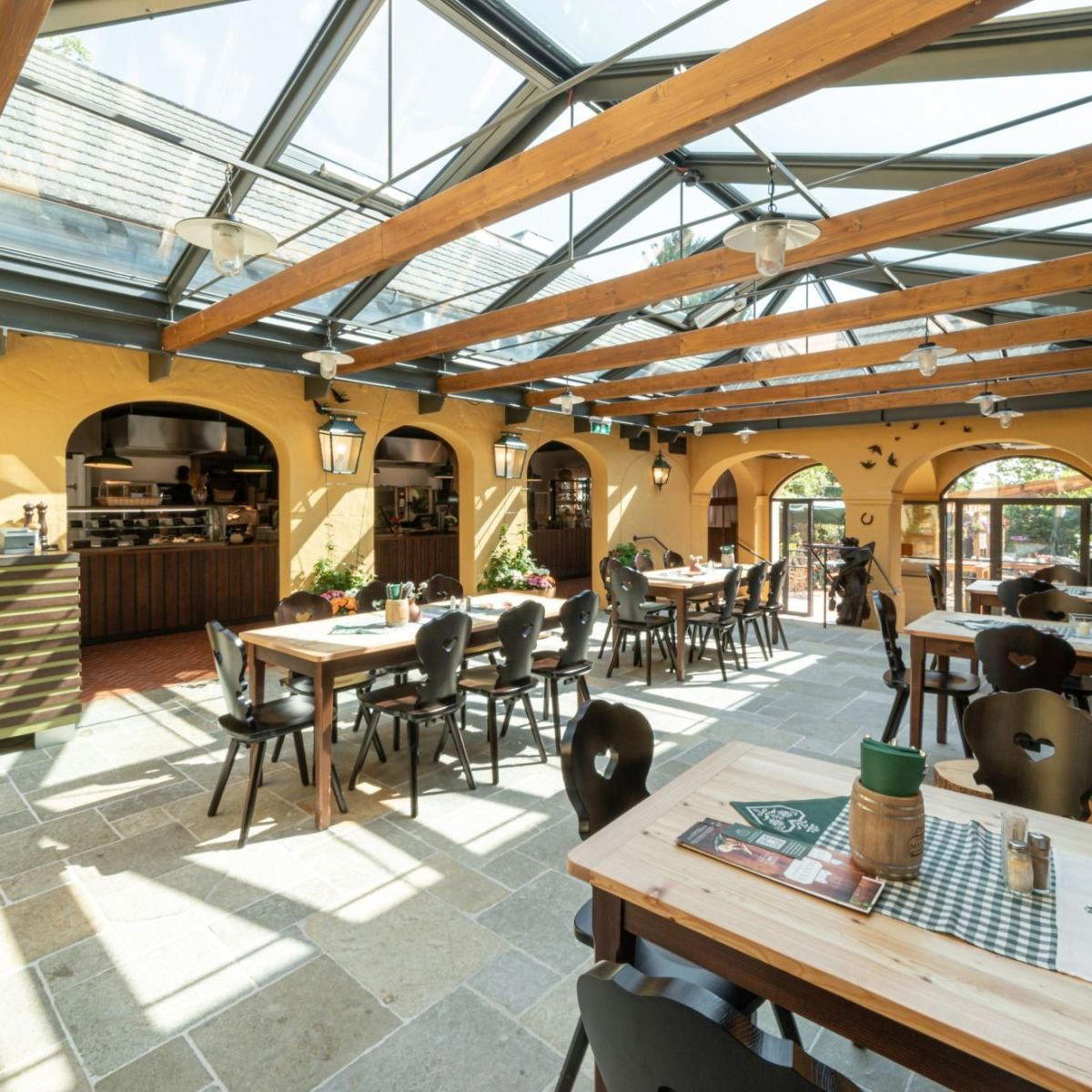
Casual market-side atmosphere with focus on fresh, healthy organic dining.