Eloa by Cohen's occupies a quieter register in Vienna's dining conversation than the city's decorated flagships, yet its address in the 10th district places it squarely in a neighbourhood where a newer generation of operators is redefining what serious eating looks like away from the Innere Stadt. For diners prepared to cross the canal, it offers an alternative to the city's well-worn fine-dining circuit.
Pearl is the En Primeur Club membership app — saves, bookings, and concierge access live there. Same editors, same standards.
- Address
- Gertrude-Fröhlich-Sandner-Straße 3/2, 1100 Wien, Austria
- Phone
- +4368184497159
- Website
- eloa.at
- Directions
- Get directions
 Saves & bookings on Pearl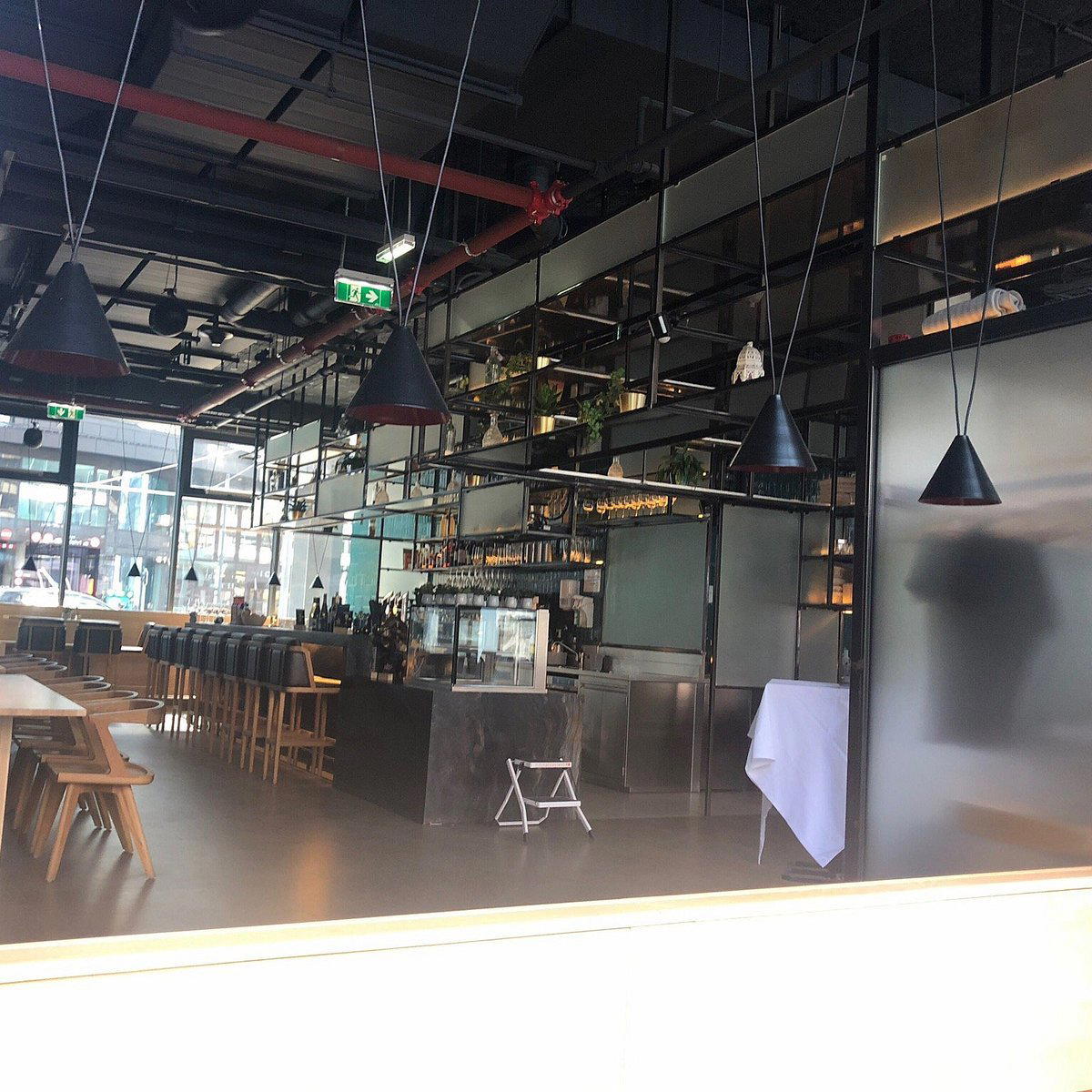
Dining Beyond the Ringstrasse: Vienna's 10th District and Its Culinary Shift
Vienna's fine-dining identity has long been anchored inside the first district and along the Stadtpark corridor, where institutions like Steirereck im Stadtpark and Amador operate at the decorated upper end of the market. But the city's restaurant geography has been quietly redistributing over the past decade. The 10th district, Favoriten, carries a different register: denser, more residential, less tourist-trafficked, and increasingly home to operators who have chosen to work outside the premium postcode premium. Eloa by Cohen's, at Gertrude-Fröhlich-Sandner-Straße 3/2, sits in Favoriten.
The address itself signals intent. In a city where proximity to the Staatsoper or the Naschmarkt still functions as shorthand for seriousness, choosing Favoriten is a statement about audience and ambition that doesn't depend on inherited geography. It's a pattern visible elsewhere in European dining, where operators in cities from Copenhagen to Lisbon have deliberately decamped from historic centres to find spaces, rents, and communities that suit a different kind of project.
What the Name Suggests: Cohen's and the Question of Cultural Framing
The suffix "by Cohen's" attached to the name Eloa is worth pausing on. It places the restaurant inside a named identity, a family name or brand that carries cultural weight depending on where you're standing. In Vienna, a city with among the more historically significant Jewish communities in Central Europe, a name like Cohen's sits in a specific tradition. Whether the restaurant foregrounds that lineage explicitly or wears it lightly, the framing invites a reading through cultural roots rather than purely through culinary category.
Viennese Jewish cuisine, when it appears in contemporary restaurants, tends to draw from a combination of Central European cooking traditions and Middle Eastern or Levantine threads, reflecting the actual diaspora routes of Ashkenazi and Sephardic communities. Dishes that sit at those intersections, braised meats with sweet-sour profiles, grain-forward preparations, smoked and preserved fish, pastry traditions that owe as much to the Ottoman kitchen as to the Austro-Hungarian, are the kinds of references a restaurant operating under this kind of name might reasonably be expected to work with.
For context on how Vienna's broader creative restaurant scene handles cultural reference and culinary identity, Konstantin Filippou and Mraz & Sohn represent the city's most discussed practitioners of identity-rooted modern cooking, both operating at the €€€€ tier. Eloa by Cohen's is priced around $25 per person.
The Neighbourhood as Context
Favoriten is Vienna's most populous district, and its dining scene has historically been associated with working-class Viennese staples and immigrant community kitchens rather than tasting menus. That combination, the accessibility of the neighbourhood's culinary culture alongside the ambition of newer arrivals, creates a particular kind of tension that interesting restaurants often inhabit productively. The leading operators in similar positions across European cities, those who have planted serious projects in unfashionable postcodes, tend to attract a local clientele first and a destination clientele second. The result is usually a room with more genuine regulars and less tourist rotation than equivalent projects in central locations.
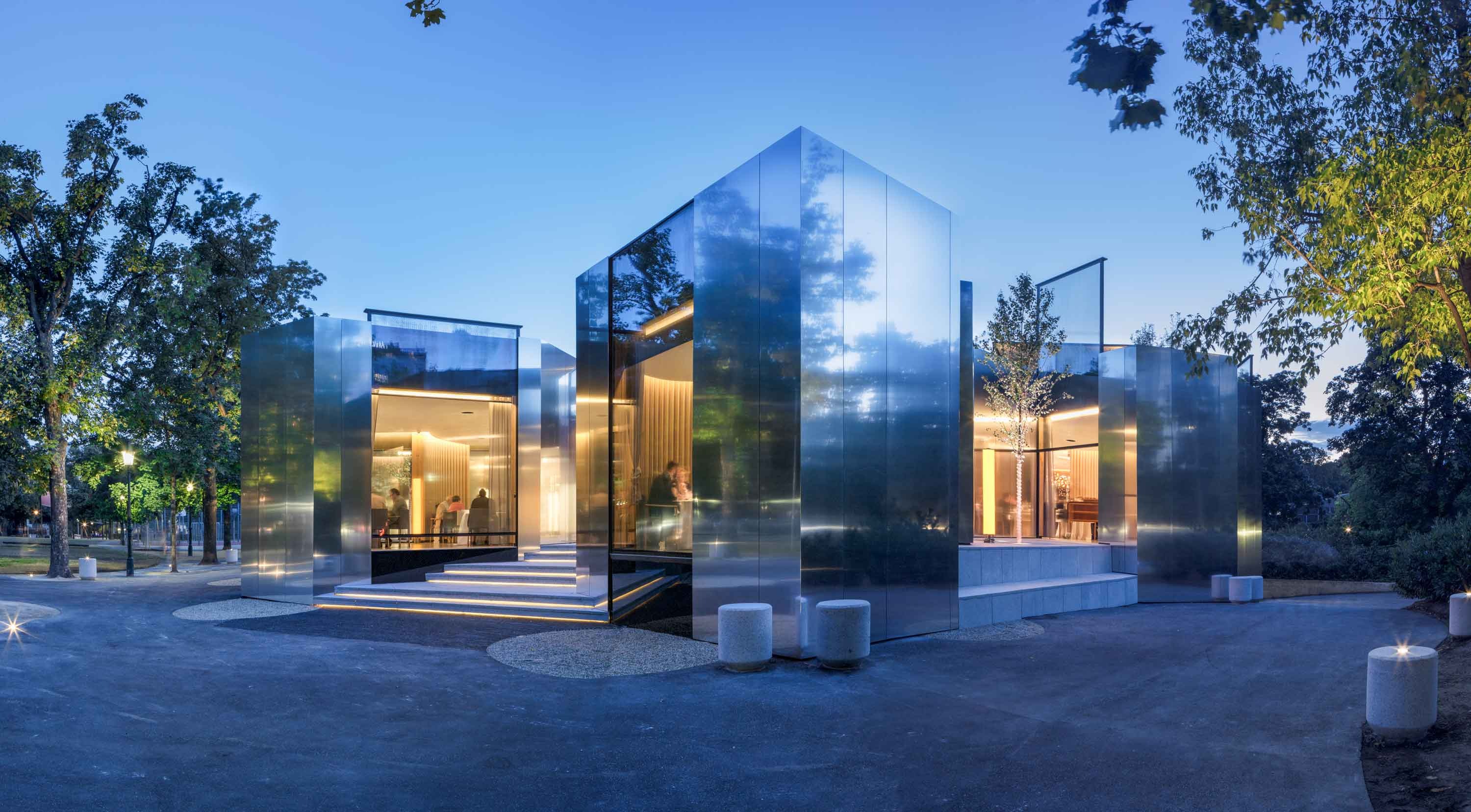
What can be said is that this part of the 10th sits in a post-industrial residential corridor, the kind of streetscape where a restaurant with considered design reads as a deliberate intervention rather than a natural extension of the surroundings. That gap between environment and project is one of the recurring motifs of European restaurant culture in the 2020s, visible in examples from Doubek in Vienna to Lazy Bear in San Francisco, where the exterior understatement and interior seriousness are part of the same proposition.
Austria's Wider Restaurant Moment
Vienna is not Austria's only serious dining address. The country has a constellation of destination restaurants that draw international visitors to smaller towns and mountain settings: Döllerer in Golling an der Salzach, Obauer in Werfen, Landhaus Bacher in Mautern an der Donau, and alpine projects including Gourmetrestaurant Tannenhof in Sankt Anton am Arlberg and Stüva in Ischgl. Regional producers also support operators like Kräuterreich by Vitus Winkler in Sankt Veit im Pongau and Taubenkobel in Schützen am Gebirge. Within that national context, Vienna's intra-city geography matters: where a restaurant chooses to locate tells you something about whom it expects to serve and how seriously it takes self-sufficiency from tourist traffic.
Internationally, the model of a culturally-rooted restaurant operating in a non-central urban position has precedents that have performed well critically. Le Bernardin in New York City and projects like Restaurant 141 by Joachim Jaud in Mieming or Schwarzer Adler in Hall in Tirol illustrate how named-identity restaurants can build loyal audiences without depending on the gravitational pull of a city's established dining quarter. Ois in Neufelden is another Austrian example of serious cooking operating far from the postcode expectations of the capital.
Planning Your Visit
Reservations are recommended. The restaurant is at Gertrude-Fröhlich-Sandner-Straße 3/2, 1100 Wien, in Favoriten. It is open Monday to Friday from 11 AM to 11 PM and closed Saturday and Sunday. Dress code is smart casual.
The Minimal Set
Comparable venues nearby, for context on price, style, and recognition.
| Venue | Cuisine | Price | Notes |
|---|---|---|---|
| Eloa by Cohen'sThis venue — the venue you are viewing | Favoriten, Modern Oriental Levantine | $$ | Not listed |
| Tewa am Naschmarkt | Wieden, Organic Oriental-Mediterranean | $$ | Not listed |
| Gaia Kitchen | Not listed | $$ | Praterstern Wien Nord, Vegan Levantine Fusion |
| Tewa am Markt | Not listed | $$ | Praterstern Wien Nord, Organic Oriental-Mediterranean |
| L´ORIENT | Not listed | $$ | Praterstern Wien Nord, Authentic Moroccan |
| Asala Halal Food | Alsergrund, Egyptian Halal Street Food | $ | Not listed |

At a Glance
- Modern
- Cozy
- Elegant
- Business Dinner
- Open Kitchen
- Craft Cocktails
- Organic
Current opening hours
- Monday
- 11 AM–11 PM
- Tuesday
- 11 AM–11 PM
- Wednesday
- 11 AM–11 PM
- Thursday
- 11 AM–11 PM
- Friday
- 11 AM–11 PM
- Saturday
- Closed
- Sunday
- Closed
Hours can change for holidays and private events. Last verified .
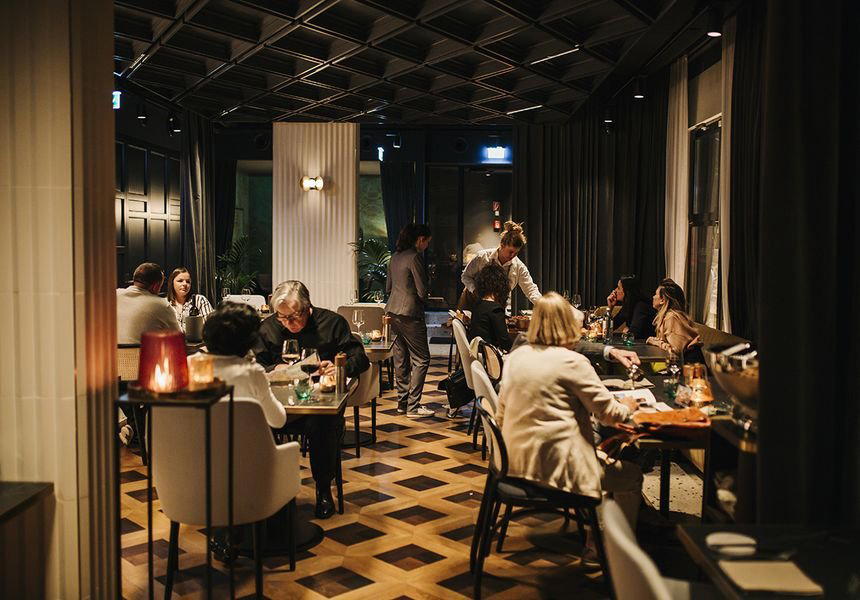
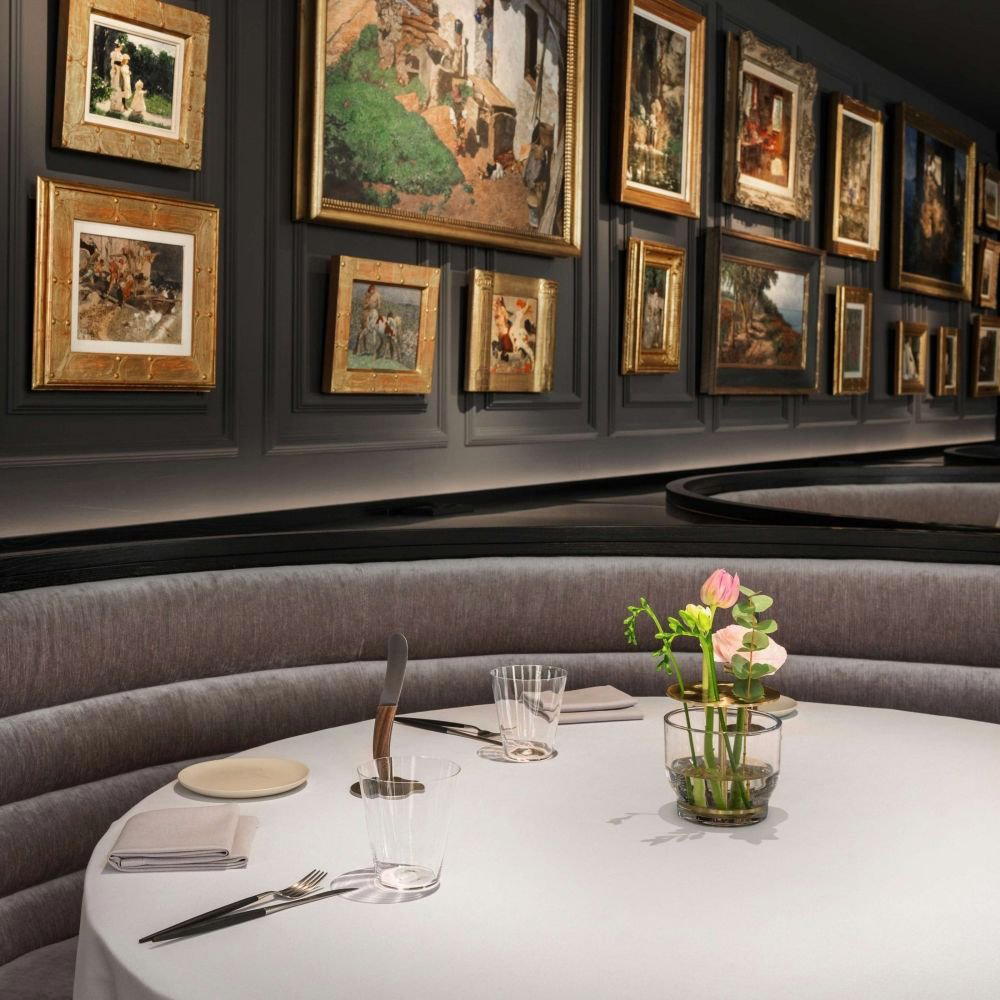
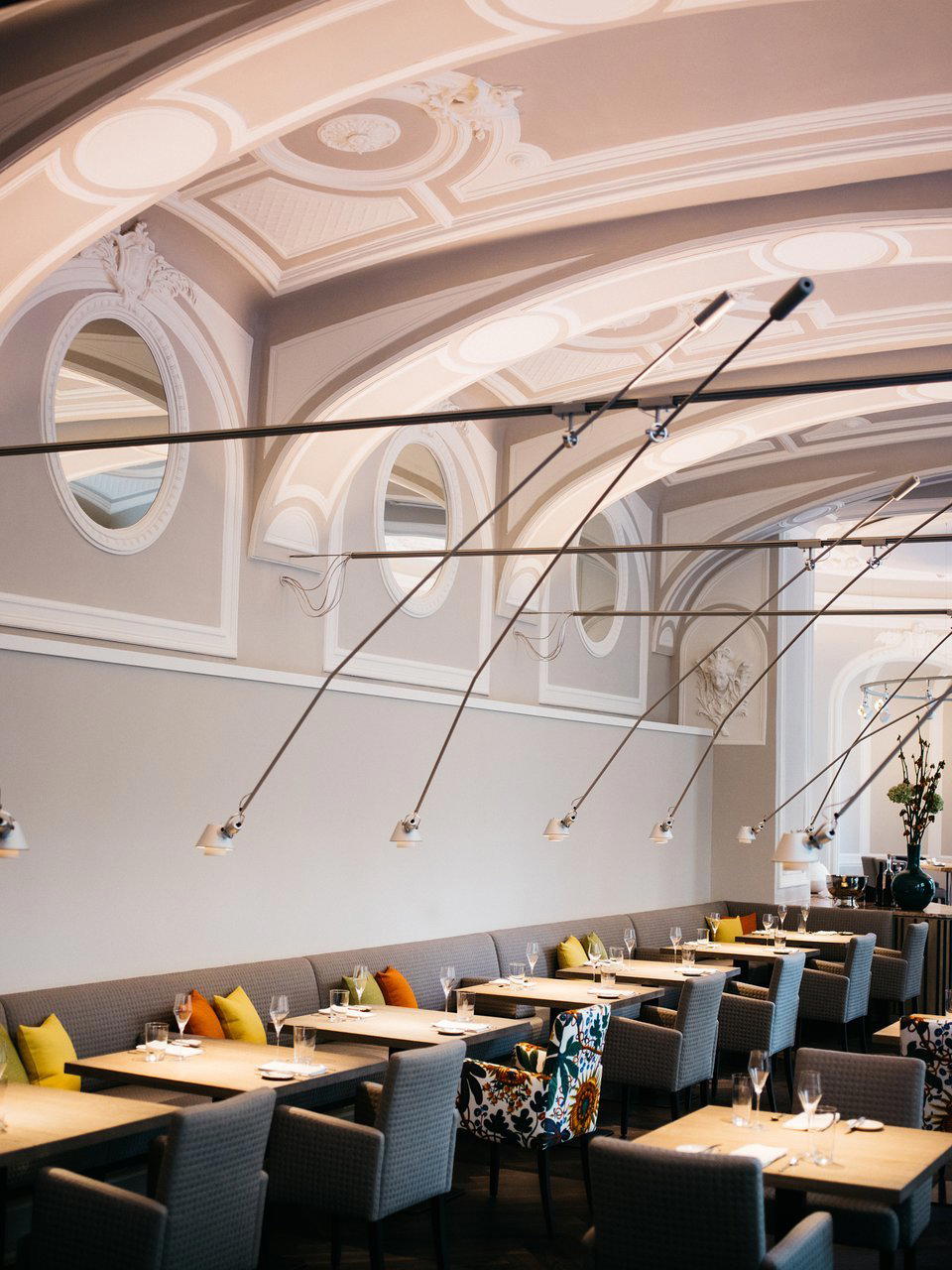
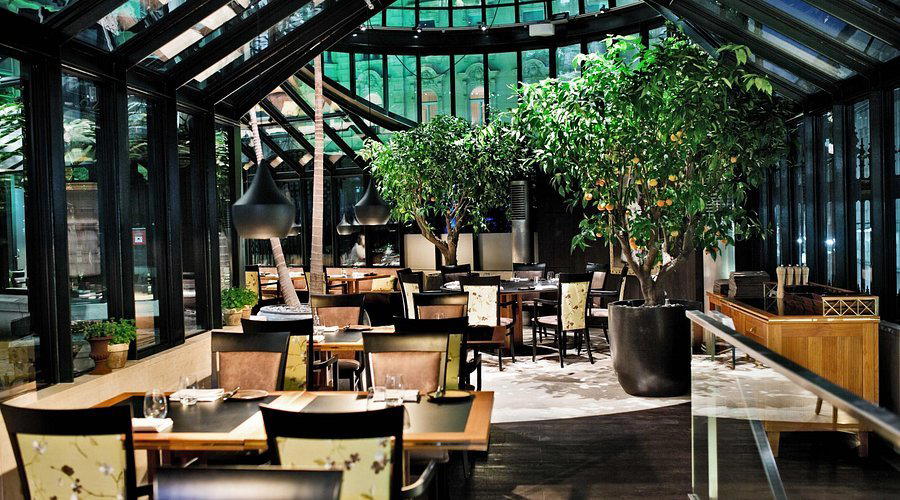
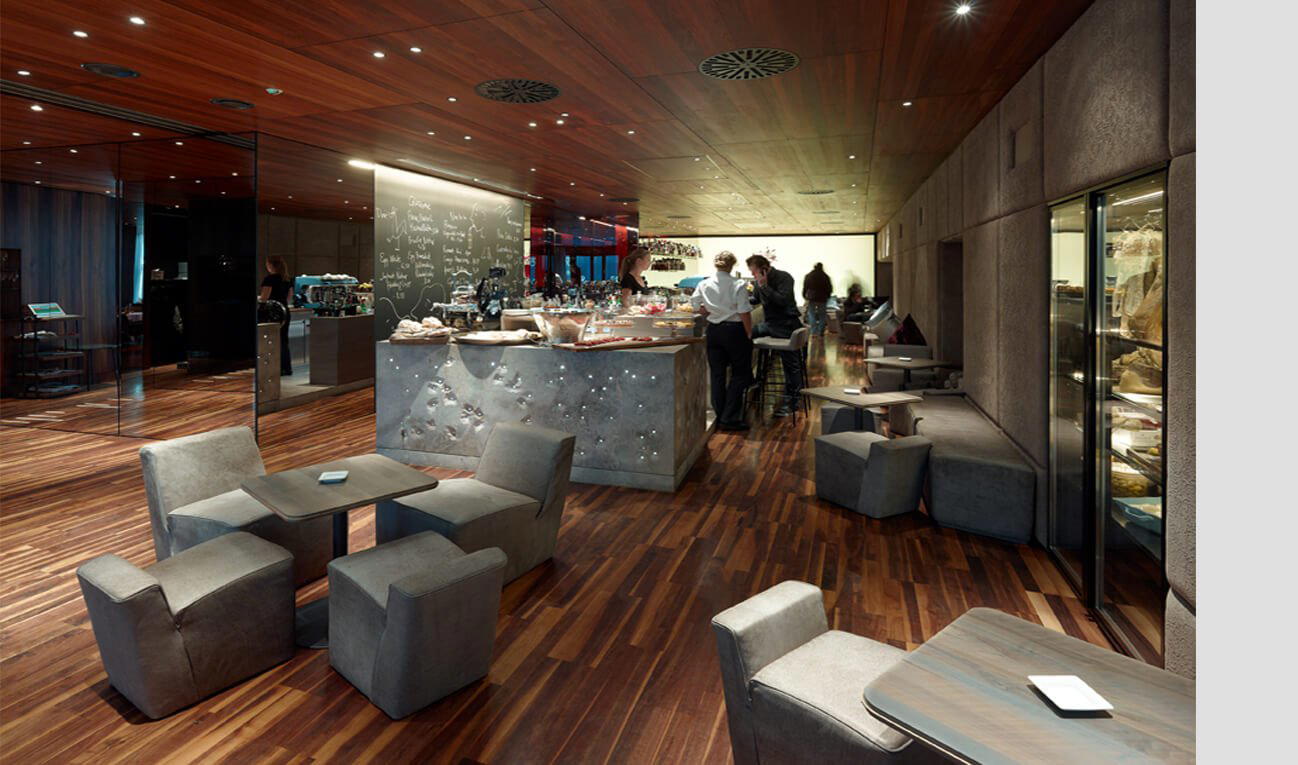
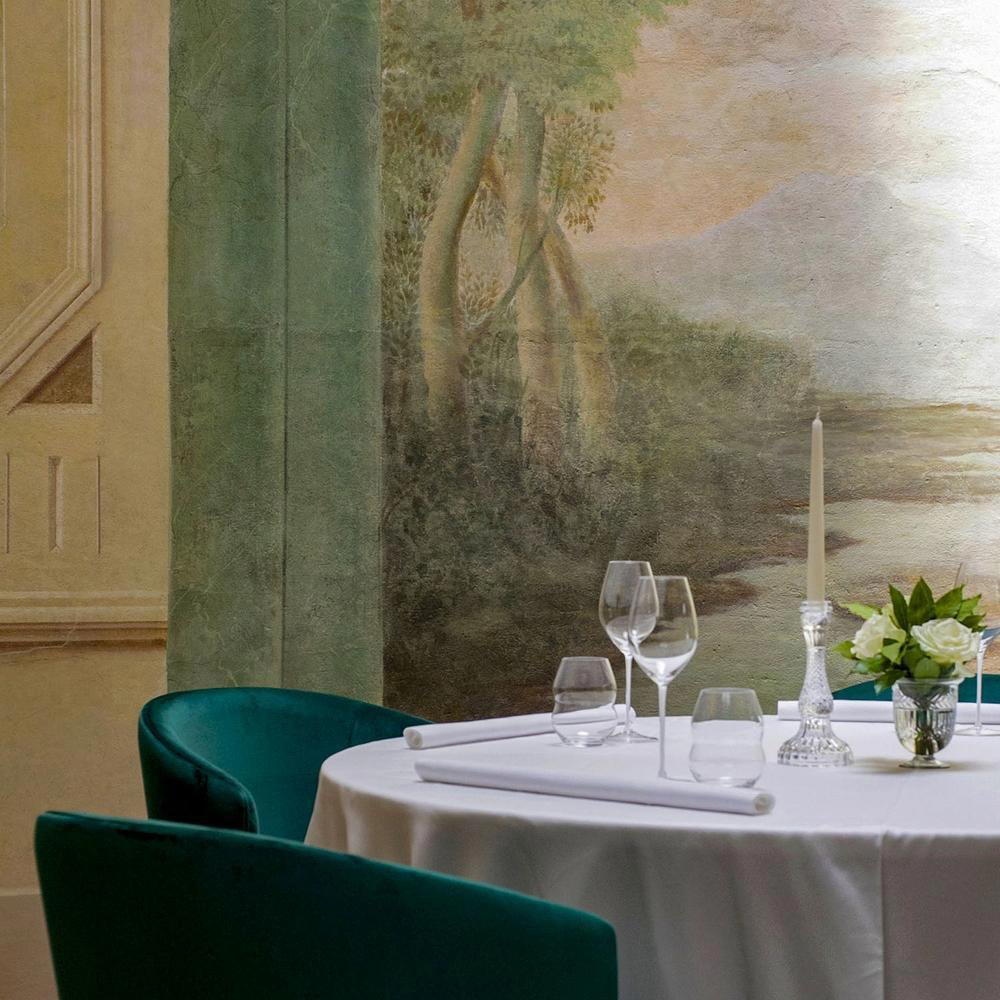
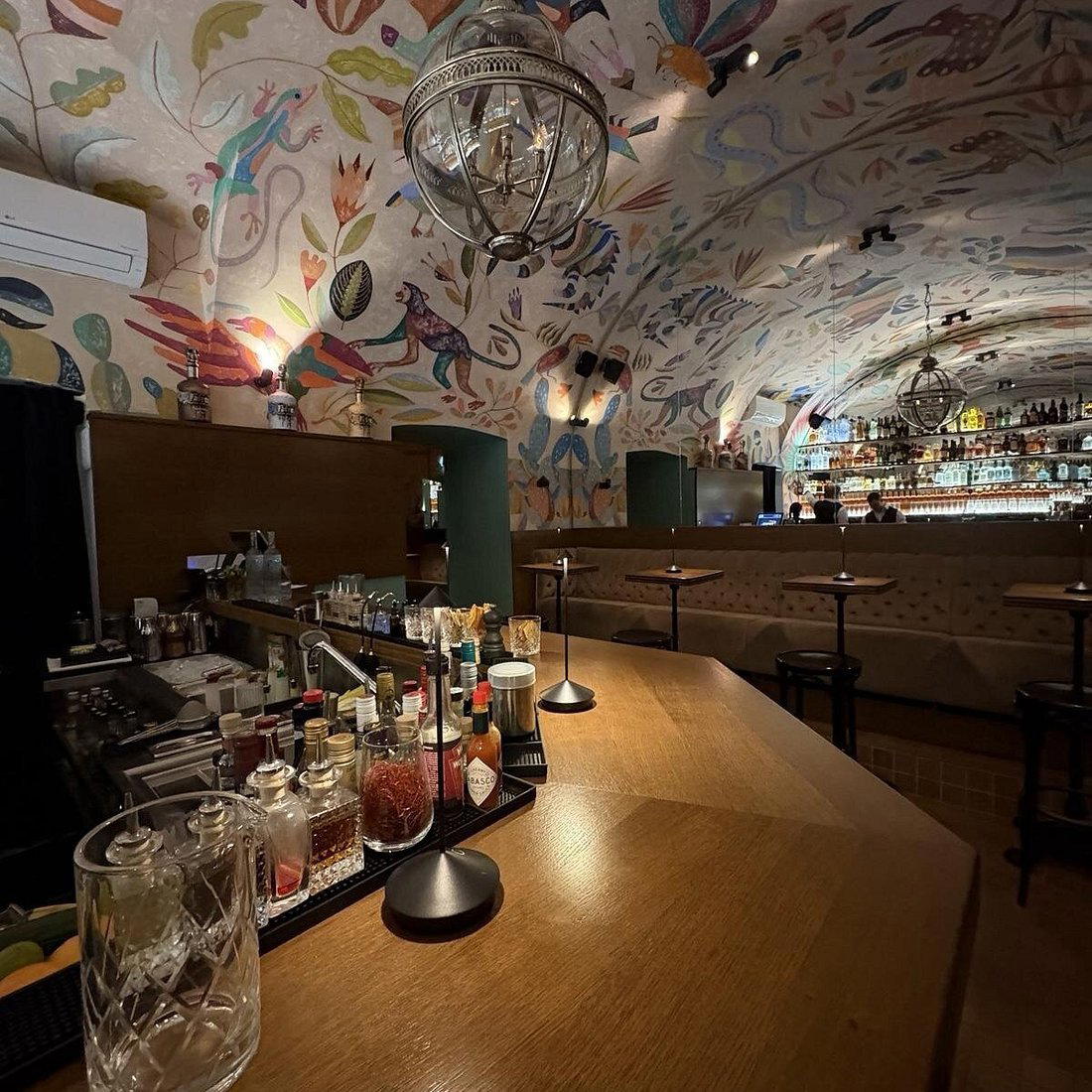
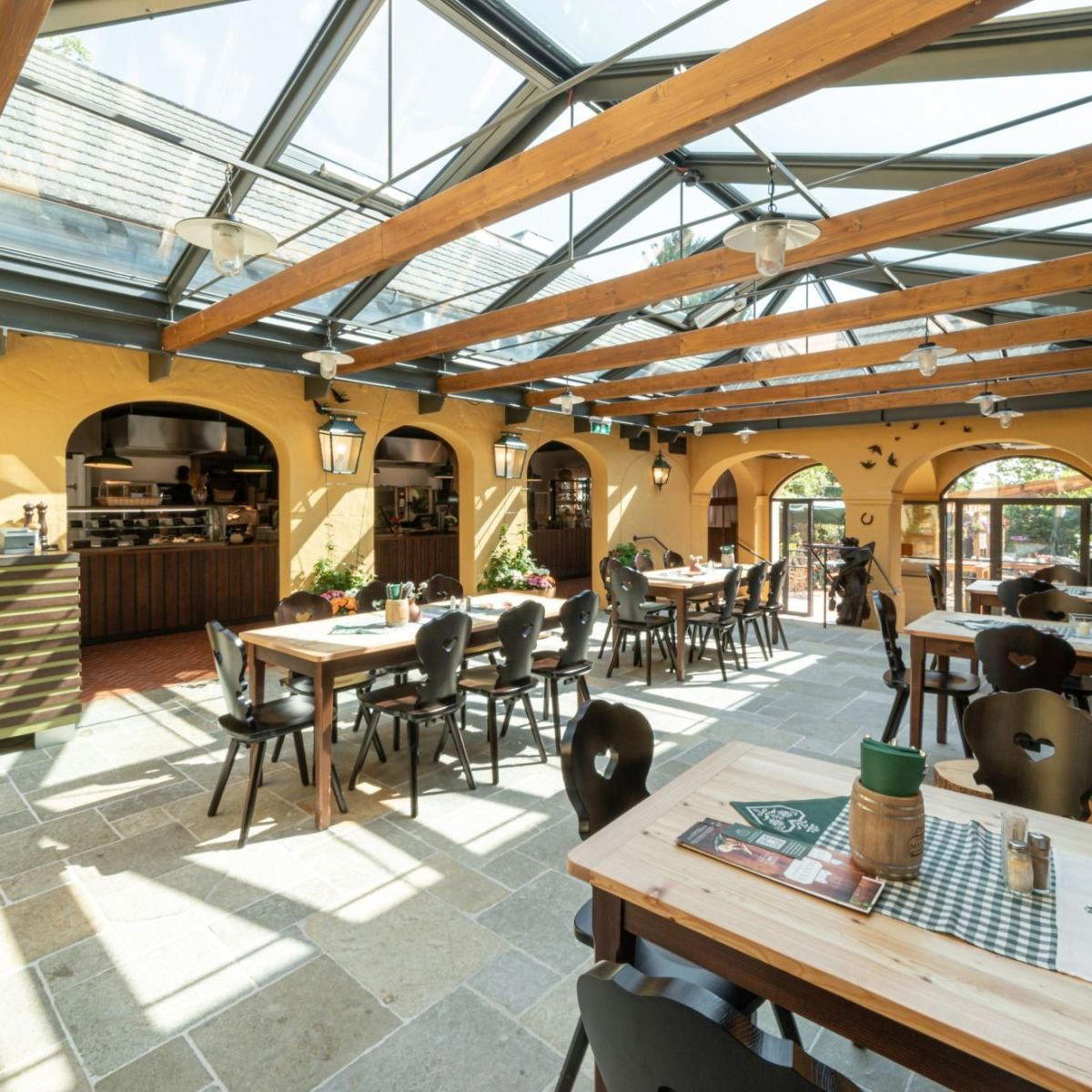
Stylish and cozy modern interior with an inviting, non-hectic atmosphere ideal for relaxation.