Google: 4.0 · 969 reviews
Kumasotei sits inside Kagoshima's tradition of ingredient-led dining, where the prefecture's exceptional livestock, coastal waters, and volcanic-soil agriculture converge on the table. The restaurant draws on this deep regional larder to shape a menu that reads as a study in southern Kyushu provenance. For visitors tracing Japan's most ingredient-serious dining circuits, it belongs in the itinerary alongside the city's other committed kitchens.
 Discover on Pearl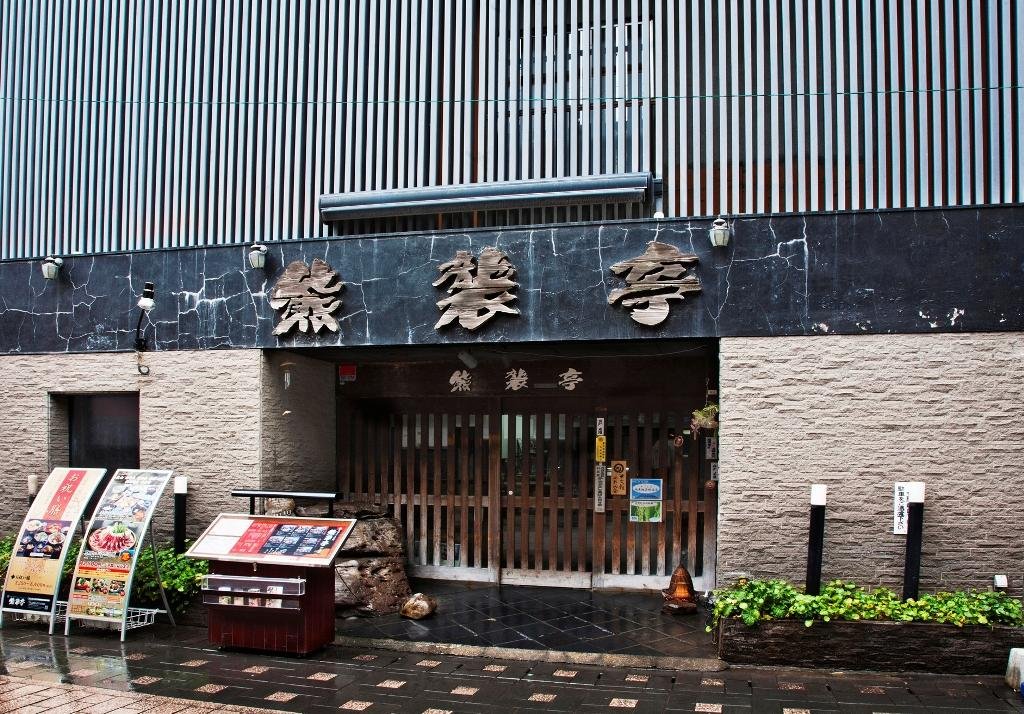
Where Kagoshima's Larder Meets the Table
Approach Kagoshima's serious dining rooms and a pattern emerges quickly: the city's restaurants are unusually confident about where their food comes from. This is not accidental. Kagoshima Prefecture produces some of Japan's most scrutinised raw materials — Kagoshima Wagyu, kurobuta (Berkshire) pork, sea bream and yellowtail from Kinko Bay, and sweet potatoes grown in volcanic ash-enriched soil that has made the region agriculturally distinctive for centuries. The restaurants that earn sustained local and visitor attention here tend to be the ones that treat that provenance as a structural commitment rather than a decorative mention on the menu. Kumasotei is positioned inside that tradition.
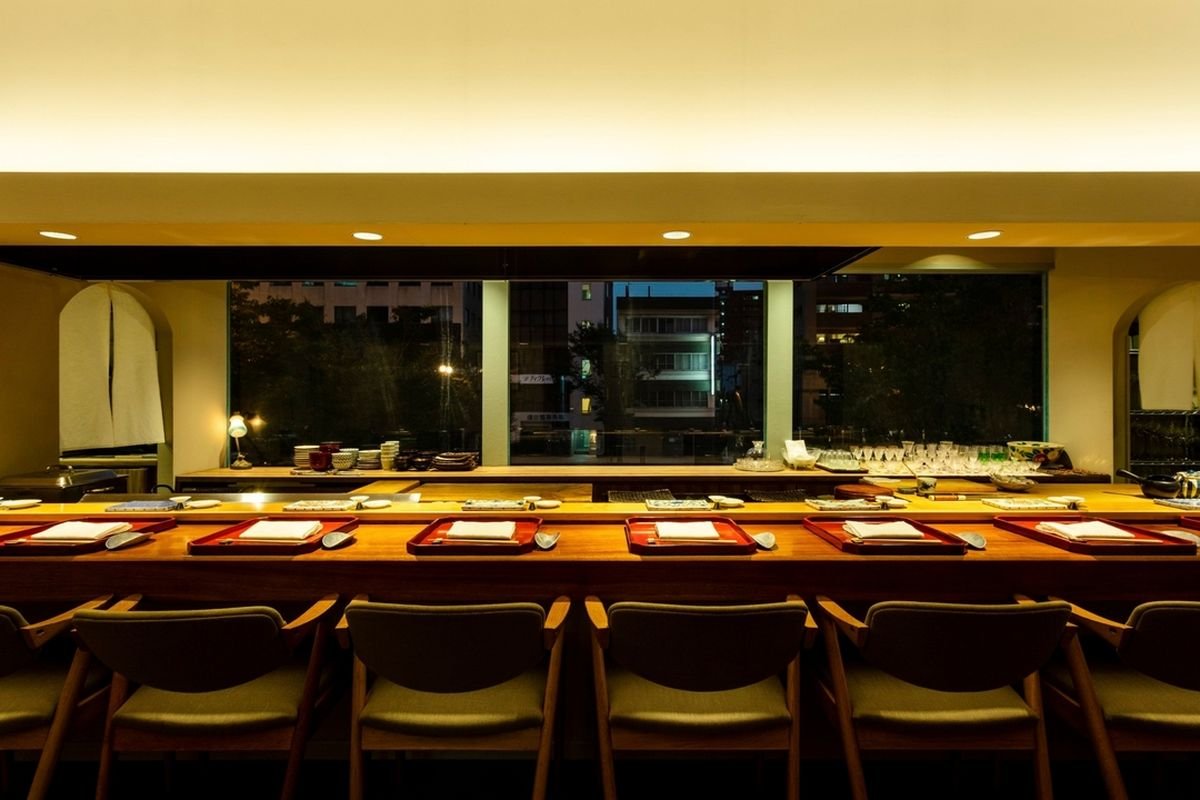
The physical experience of arriving at a Kagoshima kappo or kaiseki house tends to involve a deliberate decompression: a narrowing from the street into something quieter, darker, and more considered. These spaces are designed to shift your attention from the city outside to the ingredients in front of you. That calibration matters, because the food in Kagoshima's most serious kitchens is built around subtlety — the sweetness of local imo-jochu, the clean fat of kurobuta, the particular salinity of Kinko Bay fish , and appreciating those distinctions requires the right register.
The Ingredient Case for Southern Kyushu
Japan's broader kaiseki and kappo circuits tend to centre on Kyoto and Tokyo as the reference points for seasonal, ingredient-led cooking. Kagoshima operates as a counterweight: it produces many of the raw materials those northern kitchens import, but its own dining scene consumes them with a directness that Kyoto refinement sometimes softens. Kurobuta here is not a premium add-on; it is a baseline expectation. Kagoshima Wagyu , which holds its own in national livestock competitions against Miyazaki and Matsusaka competitors , appears on local menus with a specificity about cut, age, and provenance that reflects how seriously the prefecture takes its cattle industry.
That sourcing culture shapes what a restaurant like Kumasotei can plausibly offer. Kagoshima's geographic position at Japan's southern tip means its seasonal calendar runs earlier and differently from Honshu , spring vegetables arrive sooner, the fishing year follows distinct Kinko Bay patterns, and the integration of Okinawan-influenced flavour traditions (slightly sweeter, more soy-forward in places) gives the regional table a character that sits apart from Kyoto or Tokyo kaiseki orthodoxy. Visitors arriving from those northern dining circuits often find Kagoshima's flavour profile more assertive and its ingredient logic more agricultural , closer to the soil and the sea, less mediated by centuries of court-cuisine restraint.
Reading Kumasotei Inside Kagoshima's Dining Tier
Kagoshima's serious restaurant tier is smaller than its culinary reputation might suggest. The city is not Fukuoka (with its depth of Michelin-starred and high-profile listings) or Kyoto (with its decades of international dining tourism). It operates more like a specialist circuit: a manageable number of committed kitchens serving local regulars, prefectural visitors, and a growing cohort of travellers who have exhausted the obvious major-city itineraries and are tracking southward for ingredient-specific dining. Within that circuit, restaurants differentiate primarily on cuisine format, provenance specificity, and the depth of their regional sourcing relationships.
Kumasotei sits in that specialist tier alongside places like Meizan Kimiya, which approaches Kagoshima's waters through a sushi lens, and Myoken Ishiharaso Shokusai Ishikura, where the ryokan context shapes a more immersive prefectural experience. KAI and Nana Kamado each address a different register of the local table, and SENTI.U occupies a more contemporary position in the city's evolving dining mix. The full picture of what Kagoshima's kitchens are doing is mapped in our Kagoshima restaurants guide.
For travellers building a Japan itinerary around ingredient-specific dining, the comparative framework matters. The approach Kumasotei represents , drawing on a prefecture's agricultural and coastal depth to shape a structured dining experience , has parallels in what Gion Sasaki in Kyoto does with the Kyoto vegetable tradition, or what Goh in Fukuoka does with Kyushu's broader larder. In Tokyo, Harutaka demonstrates how deep sourcing relationships define the ceiling of a sushi counter. HAJIME in Osaka and akordu in Nara each show how regional ingredient logic can be pushed through different culinary frameworks. Kumasotei's version of that logic is specifically Kagoshiman: volcanic-soil agriculture, Kinko Bay seafood, and black pork that the prefecture has spent generations refining.
Planning a Visit
Kagoshima is accessible by Shinkansen from Fukuoka (Hakata) in approximately 80 minutes on the Kyushu Shinkansen, or from Osaka in roughly four hours. Kagoshima-Chuo is the primary arrival station and the practical centre of gravity for the city's dining circuit. For serious itinerary planning, the general pattern in Japan's specialist dining tier applies here: reservations at committed kitchens should be made well in advance, particularly for dinner service and for visitors arriving during spring and autumn when the seasonal ingredient calendar is at its most active. Kagoshima's restaurants tend toward dinner-focused formats, and those with counter seating typically run tight capacities that fill quickly with local regulars. Anyone approaching from outside Japan who does not read Japanese should plan for restaurant communication through their hotel concierge or a booking intermediary , this applies across Kagoshima's serious dining tier, not specifically to any one address.
Comparable Spots, Quickly
A quick look at comparable venues, using the data we have on file.
| Venue | Cuisine | Price | Awards | Notes |
|---|---|---|---|---|
| Kumasotei | This venue | |||
| Meizan Kimiya | Sushi | Sushi | ||
| KAI | ||||
| Myoken Ishiharaso Shokusai Ishikura | ||||
| SENTI.U | ||||
| Sushisho Nomura |
Continue exploring
More in Kagoshima
Restaurants in Kagoshima
Browse all →
Hotels in Kagoshima
Browse all →
Wineries in Kagoshima
Browse all →
At a Glance
- Classic
- Cozy
- Family
- Casual Hangout
- Private Dining
- Sake Program
- Local Sourcing
Welcoming retro atmosphere with tatami seating and warm hospitality.