
Tabelog Silver #132
Our verdict
An eight-seat sushi counter in Kagoshima’s Tenmonkan orbit, Sushisho Nomura belongs to Japan’s serious regional-sushi tier rather than the city’s everyday dining circuit. The draw is Kagoshima-inflected nigiri, fish-led sourcing, sake and shochu, backed by repeated Tabelog Award recognition including Silver in 2026 and selection for Tabelog Sushi WEST 100 in 2025.

Pearl is the En Primeur Club membership app — saves, bookings, and concierge access live there. Same editors, same standards.
- Address
- 6-2-108 Matsubaracho, Kagoshima, 892-0833, Japan
- Phone
- +81 99-226-1210
- Website
- tabelog.com
- Directions
- Get directions
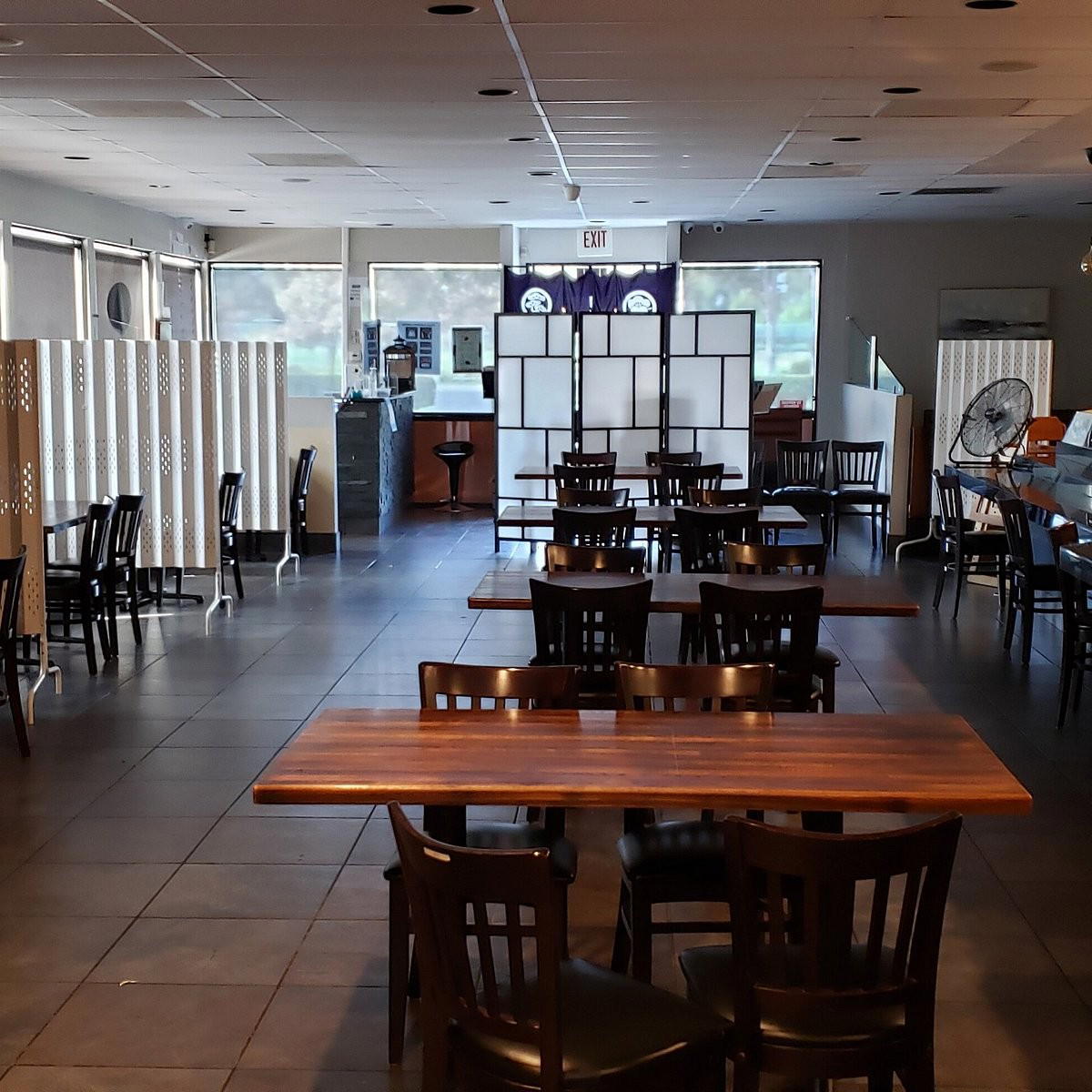
Approach Kagoshima sushi at this level through scale first: eight counter seats, dinner only, and a room built around the direct exchange between fish, rice, hand, and guest. In a city better known to many travelers for kurobuta pork, shochu, ramen, and market cooking, Sushisho Nomura places Kagoshima’s coastal identity inside the stricter grammar of sushi. That matters. Regional sushi outside Tokyo often has to argue for attention against the capital’s omakase economy; here, the argument is not theatrical luxury but concentration, sourcing, and a local drinking culture that includes both nihonshu and shochu.
Kagoshima fish, counter discipline, and the regional sushi argument
Kagoshima sits at a useful crossroads for sushi: southern waters, island routes, and a food culture that treats seafood as daily sustenance rather than ceremony alone. The counter format sharpens that context. With only eight seats and no private rooms, the experience is closer to a working sushi dialogue than a restaurant designed for broad social range. The listing’s emphasis on fish, Kagoshima-inspired nigiri, sake dishes, Japanese sake, and shochu points to a meal that should be read through provenance and pacing rather than a parade of named luxury ingredients.
The price bracket, JPY 40,000 to JPY 49,999 for dinner, puts the counter far above much of Kagoshima’s casual dining field. For comparison, Ramen Kokinta and shirokuma cafe sit in the sub-JPY 1,000 everyday tier, while Kurobuta Ryori Ajimori occupies a mid-range pork-specialist lane around JPY 5,000 to JPY 5,999 at dinner. Those comparisons are useful because they show how much of Kagoshima’s appeal lies in accessible local specialties, and how far this sushi counter moves into destination-dining territory. Sushisho Nomura is not the place to understand the city cheaply; it is the place to see how Kagoshima ingredients behave under a tighter, higher-stakes format.
The awards record supports that reading. Tabelog names the restaurant a 2026 Silver winner, following Silver recognition in 2025, 2024, 2021, 2020, and 2019, with Bronze recognition in 2023, 2022, 2018, and 2017. It was also selected for Tabelog Sushi WEST 100 in 2025, 2022, and 2021. In Japan’s restaurant culture, where Tabelog scores and award pages carry real weight among domestic diners, that consistency is a stronger signal than a single burst of attention. The 2026 score is listed at 4.40, which places it in a narrow band of restaurants that draw diners who plan around the meal, not merely around the neighborhood.
The room is small enough for the fish to set the tempo
Eight counter seats change the economics and mood of sushi. There is little room for distraction, and the absence of private rooms keeps the focus on sequence, temperature, and drink pairing rather than table-side privacy. The format also reduces margin for indecision: reservation-only service, negotiable dinner start times, Sunday closure, and a four-day cancellation requirement make this a planned evening. Payment is cash only, with credit cards, electronic money, and QR payments not accepted, so logistics need the same care as the booking itself.
The drink structure is especially local. Kagoshima is shochu country, and a sushi counter that pays attention to both sake and shochu says something about the city’s palate. In Tokyo or Kanazawa, sushi conversations often default to nihonshu; in Kagoshima, shochu has its own authority at the table. That does not make the meal casual. It makes the pairing field more regional, particularly for diners who want the counter to reflect its prefecture rather than imitate a Ginza template.
Tenmonkandori is the practical anchor. The restaurant is 456 meters from Tenmonkandori Station and about six minutes by taxi from JR Kagoshima Station, which makes it viable for travelers staying centrally, but not a spontaneous add-on after sightseeing. There is no parking, and the dinner-only format narrows the window further. Children are welcome, a detail that is less common than it sounds at this price and seating scale, but the counter format and spend level make it better suited to families whose children are comfortable with quiet, paced dining.
Where it sits in a Kagoshima itinerary
Kagoshima rewards diners who split the trip across registers: pork, charcoal, market fish, set meals, bars, and one serious counter if the schedule allows. For a broader view of the city’s dining range, Our full Kagoshima restaurants guide is the natural starting point, with nearby contrasts including Aji no Tonkatsu Maruichi, Akadori Sumiyaki Daiyasu, Ichiba Shokudo Jounan ten, and Charcoal-grilled Fish & Clay Pot-cooked Rice Ochawan, Japanese Set Meal Diner. Drinks can sit in a separate night through BAR STINGER or Our full Kagoshima bars guide, while trip planning can widen through Our full Kagoshima hotels guide, Our full Kagoshima wineries guide, and Our full Kagoshima experiences guide.
Travelers building a Japan-wide dining route can also compare how regional formats shift from city to city: -Grilled beef Sukiyaki- KAMAKURA TANUKIAN 鎌倉 たぬき庵 in Kamakura frames beef through a different tradition. 鮪と炭火焼き うお炭 秋葉原店 in Tokyo places tuna and charcoal in the capital’s dining rhythm.cafe in Osaka sits in a looser urban register.know in Kumamoto adds another Kyushu reference point, (Shoku) Vietnam in Kawasaki shows how imported cuisines settle into Japanese cities, and [Curry Senmon Ten] Maruyama Kyoju. in Sapporo reflects a colder-climate comfort-food lane. Across the Pacific, Jōdo Saké Bar in Los Angeles and Onigiri Time in Pasadena offer useful diaspora counterpoints, but Kagoshima’s case is different: the source waters, local spirits, and compact room are all part of the same argument.
The editorial decision is clear. Sushisho Nomura is for travelers who want one high-commitment sushi meal in Kagoshima and are willing to treat local fish as the main event. It is not a broad introduction to the city’s everyday food culture, and it is not the easiest dinner to fold into a loose itinerary. Its value lies in seeing Kagoshima’s ingredients placed under sustained counter pressure, backed by a long run of domestic recognition and a format small enough to make every seat consequential.
Frequently asked questions
Is Sushisho Nomura good for families?
Yes, the venue is marked children welcome, and the Tabelog listing also notes family-friendly use. The 8-seat counter in Kagoshima is reservation only, so it suits families who are comfortable with a focused dinner setting.
Is Sushisho Nomura formal or casual?
It reads as formal in format, with an 8-seat counter, dinner-only service, and reservation-only policy. The Tabelog Award 2026 Silver and the JPY 40,000–JPY 49,999 dinner range place it in a serious omakase tier rather than casual sushi dining.
What time does Sushisho Nomura open and close?
Hours at Sushisho Nomura: ■Business hoursStart time negotiable (dinner only)■Closed onSundays.
What is Sushisho Nomura known for?
Sushisho Nomura is primarily known for its core concept and execution in Kagoshima.
In Context: Similar Options
Comparable venues nearby, for context on price, style, and recognition.
| Venue | Cuisine | Price | Awards | Notes |
|---|---|---|---|---|
| Sushisho NomuraThis venue — the venue you are viewing | Kagoshima-Style Omakase Sushi | $30–50 | Tabelog Silver #132 | Not listed |
| Myoken Ishiharaso Shokusai Ishikura | Seasonal Kaiseki with Kagoshima Seafood | $500+ | Tabelog Bronze #301 | Kirishima |
| Kumasotei (熊襲亭) | Authentic Satsuma Shabu-Shabu | $20–30 | Not listed | 天文館 |
| Unagi no Sueyoshi | Traditional Kagoshima charcoal-grilled eel (unagi) | $20–30 | Tabelog 100 #80 | Tenmonkan |
| Tenmonkan Mujaki Amyu puraza ten | Japanese cafe & shaved ice (Shirokuma) | $1–10 | Tabelog 100 #21 | Kagoshima Chuo Station / Amu Plaza |
| SENTI.U | Modern Italian with Local Kagoshima Ingredients | $100–150 | Tabelog Bronze #397 | Kanoya |
Recognition history
Dated appearances from independent guides and award organizations, with the underlying list record or original source where available.
Tabelog Silver #132
Tabelog
Full recognition history (3 entries)
Tabelog 100 #10 · No. 10
Tabelog · Tabelog 100 - Sushi - WEST - 2025
Tabelog Silver
Tabelog
Continue exploring
More in Kagoshima
Restaurants in Kagoshima
Browse all →
Hotels in Kagoshima
Browse all →
Wineries in Kagoshima
Browse all →
Details
- Intimate
- Elegant
- Quiet
- Sophisticated
- Special Occasion
- Date Night
- Solo
- Chefs Counter
- Sake Program
- Local Sourcing
- Sustainable Seafood
- Omakase
- Counter Dining
- Sake
Warm and inviting intimate atmosphere at the sushi counter with a relaxing space focused on the chefs' precise work.