

Tabelog Bronze #397
Our verdict
SENTI.U gives Kagoshima’s Osumi Peninsula a serious Italian frame rather than treating regional produce as garnish. The draw is the sourcing logic: fish, wine, and a small-room format that place Kanoya in conversation with Japan’s destination dining circuits, backed by Tabelog Award Bronze recognition from 2023 through 2026 and Italian WEST Tabelog 100 selections.

Pearl is the En Primeur Club membership app — saves, bookings, and concierge access live there. Same editors, same standards.
- Address
- 587 Shinkawacho, Kanoya, Kagoshima 893-0015, Japan
- Phone
- +81 994-44-6820
- Hours
- Mon ClosedTue–Sun 12–1:30 PM, 6–9 PM
- Website
- m.facebook.com
- Directions
- Get directions
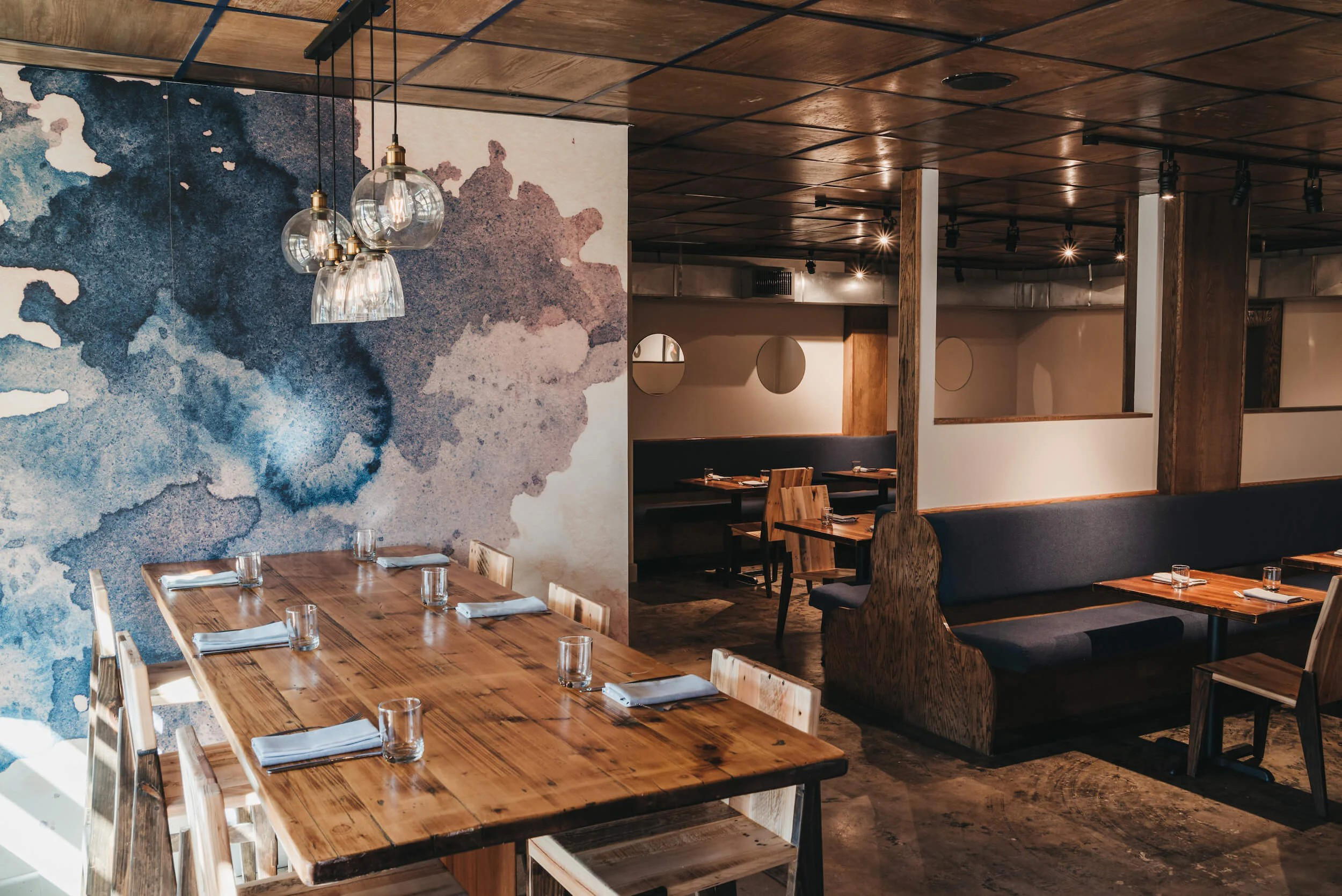
Kanoya is not the Kagoshima most travellers picture first. The city sits on the Osumi Peninsula, away from the prefectural capital’s tram lines and ferry views, in a part of southern Kyushu where agriculture, fishing ports, and volcanic soil shape the table before any restaurant concept does. That setting matters at SENTI.U because the Italian format reads less as imported style than as a structure for local ingredients: fish given priority, wine treated as part of the meal’s grammar, and a room small enough for the cooking to feel calibrated rather than theatrical.
Kagoshima’s dining identity is often reduced to kurobuta pork, shochu, and market seafood, but the more interesting story is how regional restaurants translate abundance into formats beyond the obvious. In the city centre, casual counters and canteens such as Ichiba Shokudo Jounan ten keep the market-meal tradition close to its source, while pork specialists such as Aji no Tonkatsu Maruichi and chicken-focused rooms such as Akadori Sumiyaki Daiyasu show the prefecture’s ingredient confidence in more direct forms. SENTI.U belongs to a narrower tier: regional Italian cooking where the value lies in interpretation, not volume.
Osumi produce through an Italian lens
The useful way to read this kitchen is through sourcing. The publicly listed description points to Italian cooking made with ingredients from Kagoshima’s Osumi Peninsula, with particular attention to fish. That is a meaningful distinction in a prefecture where land and sea compete for attention. Italian technique gives the room latitude: seafood can move through crudo-like restraint, pasta structure, grill work, or wine-friendly sequencing without being locked into a Japanese set-meal pattern. The restaurant does not need to announce a manifesto; the geography already supplies one.
This is also why the price band makes sense inside Kagoshima rather than against Tokyo or Osaka. Lunch and dinner sit in the JPY 15,000 to JPY 19,999 range, which places the restaurant well above everyday local dining and above many in-city comparables, including Sushi Dokoro Kimiya’s JPY 5,000 to JPY 5,999 dinner band, Yushoku Tonsai Ichiniisan Kagoshima honten’s JPY 3,000 to JPY 3,999 dinner band, and Umeya’s JPY 6,000 to JPY 7,999 band. The premium is not just for Italian cuisine; it is for a destination-format meal built around a small seat count and regional sourcing.
Tabelog’s recognition gives that positioning outside validation. SENTI.U is a Tabelog Award Bronze winner for 2026, following Bronze recognition in 2023, 2024, and 2025, and it was selected for Tabelog Italian WEST “Tabelog 100” in 2023 and 2025. In Japan’s restaurant culture, Tabelog scores and category lists carry real booking weight, especially outside the Michelin-dense capitals. A 2026 Tabelog score of 4.17 signals sustained attention from serious diners rather than a brief local surge.
A small room, not a city-centre convenience play
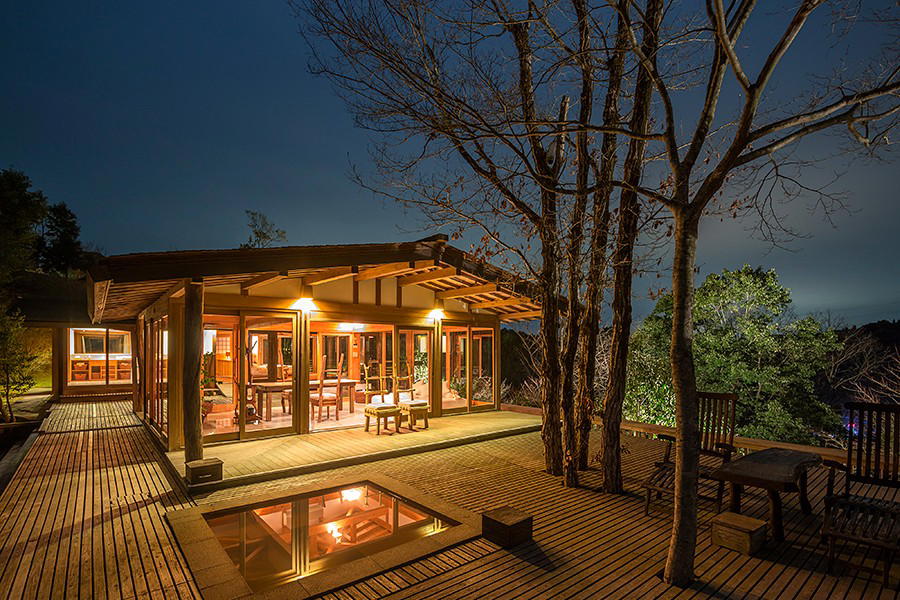
The setting is part of the editorial point. This is an 11-seat restaurant, with three counter seats and eight table seats, in a house-restaurant format with private rooms available. That scale changes the meal’s rhythm. Kagoshima has plenty of places built for groups, speed, or local habit; this one is built for concentration. Counter seating gives the meal a closer relationship to the kitchen, while table seating keeps the room from becoming a pure chef-counter performance.
The location in Shinkawacho, Kanoya, also separates it from the usual Kagoshima dining route. Travellers staying in the prefectural capital need to think of it as an Osumi Peninsula meal, not a casual add-on between city stops. Public transport routes exist, including express bus links and local bus transfers, but the presence of parking tells the clearer story: this is easier when the itinerary is already oriented around Kanoya or the Osumi side of the bay. That logistical friction is not a flaw. In Japanese regional dining, distance often functions as a filter, sorting destination meals from convenient ones.
For a broader read on the prefecture, our full Kagoshima restaurants guide maps the range from market counters to formal rooms, while our full Kagoshima bars guide, our full Kagoshima hotels guide, our full Kagoshima wineries guide, and our full Kagoshima experiences guide help place a Kanoya meal inside a wider southern Kyushu itinerary. Nearby dining contrasts also matter: Charcoal-grilled Fish & Clay Pot-cooked Rice Ochawan, Japanese Set Meal Diner points toward the fish-and-rice end of the spectrum, while BAR STINGER belongs to the after-dark drinking side of Kagoshima rather than the destination-lunch or dinner category.
Who should plan around it
This is the right booking for travellers who care about how a region enters the meal. Diners chasing breadth should spend time in Kagoshima City’s everyday rooms first, then treat Kanoya as a more focused counterpoint. Diners already crossing the Osumi Peninsula should give this a serious look because the restaurant converts local produce into a format that is rare for the area: Italian, wine-aware, fish-conscious, and tightly scaled.
The meal is reservation-only, and the schedule runs across lunch and dinner services from Tuesday through Sunday, with Monday closed. Credit cards are accepted for Visa, Master, and JCB, while electronic money and QR code payments are not. The room is non-smoking, private use is available, and parking is listed, all of which make the planning profile more controlled than casual rural dining. For travellers comparing Japanese regional restaurants more widely, useful contrasts include -Grilled beef Sukiyaki- KAMAKURA TANUKIAN 鎌倉 たぬき庵 in Kamakura. 鮪と炭火焼き うお炭 秋葉原店 in Tokyo.cafe in Osaka.know in Kumamoto, (Shoku) Vietnam in Kawasaki, and [Curry Senmon Ten] Maruyama Kyoju. in Sapporo. Outside Japan, Jōdo Saké Bar in Los Angeles and Onigiri Time in Pasadena show how Japanese formats travel; SENTI.U is more interesting for the opposite reason, showing how an Italian format absorbs southern Kyushu rather than exporting it.
Frequently asked questions
Is SENTI.U good for families?
It is a small 11-seat restaurant in Kanoya, Kagoshima, with private rooms available. The reservation-only format and dinner pricing in the JPY 15,000–JPY 19,999 range make it a more deliberate outing than an easy walk-in meal.
What kind of setting is SENTI.U?
SENTI.U is set up as a house restaurant in Kagoshima, with three counter seats and eight table seats. The room is described as stylish and relaxing, and non-smoking, with parking available.
What are SENTI.U's hours?
Hours at SENTI.U: Tue, Wed, Thu, Fri, Sat, Sun 12:00 - 13:30 L.O. 13:30 18:30 - 20:00 L.O. 20:00.
What's SENTI.U's location?
SENTI.U is located in Kagoshima.
What's SENTI.U best at?
Its strongest point is Italian cooking framed by Kagoshima's Osumi Peninsula produce, with a clear emphasis on fish and wine. The Tabelog Bronze awards from 2023 through 2026, plus Tabelog 100 selection for Italian WEST in 2023 and 2025, back up that reputation.
A Quick Peer Check
Comparable venues by cuisine and price in the same metro.
| Venue | Cuisine | Price | Awards | Notes |
|---|---|---|---|---|
| SENTI.UThis venue — the venue you are viewing | Modern Italian with Local Kagoshima Ingredients | $100–150 | Tabelog Bronze #397 | Not listed |
| KAI | Wood-fired Italian with Local Kagoshima Ingredients | $100–150 | Tabelog Bronze #153 | Izumi |
| Myoken Ishiharaso Shokusai Ishikura | Seasonal Kaiseki with Kagoshima Seafood | $500+ | Tabelog Bronze #301 | Kirishima |
| エ ヌゥ | Modern French with Japanese influences | $100–150 | Tabelog 100 #37 | Sennichicho |
| Tonkatsu to, Shabushabu. Kurobuta Fukuya | Kagoshima Kurobuta Tonkatsu & Shabu-shabu | $30–50 | Tabelog 100 #45 | Tenmonkan |
| Akadori Sumiyaki Daiyasu | Japanese Izakaya / Chicken Dishes | $30–50 | Tabelog 100 #27 | Takamibaba |
Recognition history
Dated appearances from independent guides and award organizations, with the underlying list record or original source where available.
Tabelog Bronze #397
Tabelog
The Japan Times Destination Restaurants Destination Restaurants Selection #10
The Japan Times Destination Restaurants
Full recognition history (4 entries)
Tabelog 100 #24 · No. 24
Tabelog · Tabelog 100 - Italian - WEST - 2025
Tabelog Bronze
Tabelog
Continue exploring
More in Kagoshima
Restaurants in Kagoshima
Browse all →
Hotels in Kagoshima
Browse all →
Details
- Elegant
- Intimate
- Cozy
- Relaxed
- Special Occasion
- Open Kitchen
- Sake Program
- Local Sourcing
Current opening hours
- Monday
- Closed
- Tuesday
- 12–1:30 PM, 6–9 PM
- Wednesday
- 12–1:30 PM, 6–9 PM
- Thursday
- 12–1:30 PM, 6–9 PM
- Friday
- 12–1:30 PM, 6–9 PM
- Saturday
- 12–1:30 PM, 6–9 PM
- Sunday
- 12–1:30 PM, 6–9 PM
Hours can change for holidays and private events. Last verified .
Stylish, relaxing space in a detached house surrounded by ocean and mountain scenery, with counter and table seating in a hideout house restaurant atmosphere.