
Kagoshima’s black pork culture gives tonkatsu a sharper local meaning than it has in many Japanese cities. Tonkatsu to, Shabushabu. Kurobuta Fukuya works in that lane, pairing pork cutlet with shabu-shabu and nabe formats, with Tabelog 100 Tonkatsu 2026 recognition placing it in a national conversation rather than a purely local one.
Pearl is the En Primeur Club membership app — saves, bookings, and concierge access live there. Same editors, same standards.
- Address
- Japan, 〒892-0843 Kagoshima, Sennichicho, 15−4 植田ビル 1F
- Phone
- +81 99-295-0676
- Website
- tablecheck.com
 Saves & bookings on Pearl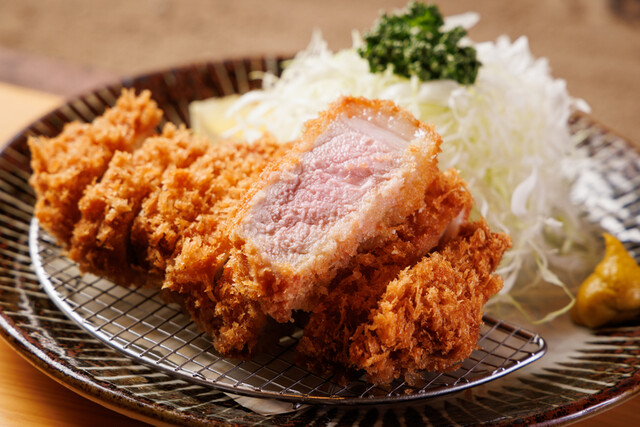
Tenmonkan’s restaurant streets invite quick decisions: tram-side crossings, compact ground-floor rooms, and menus competing with frying oil, charcoal, broth, and shochu before anyone sits down. In Kagoshima, pork is not generic comfort food. Kurobuta, the prefecture’s black pork, carries regional weight, and tonkatsu shows how the city treats its agricultural identity.
Tonkatsu to, Shabushabu. Kurobuta Fukuya sits inside that conversation. Its categories are direct: tonkatsu, pork shabu-shabu, and nabe. The range matters because Kagoshima pork culture is not limited to cutlets. Frying tests fat, crust, and thickness; shabu-shabu tests meat in broth; nabe moves it to the shared table. Working across those forms shows how local pork shifts between solo lunch, family dinner, and drinking-food territory.
Kurobuta makes the cutlet a regional argument, not just a fried-pork order
Across Japan, tonkatsu can be a station lunch, department-store meal, or specialist counter ritual. Kagoshima raises the stakes because black pork is part of the prefecture’s food identity, alongside shochu, seafood, and fire-cooked chicken. The question is not whether a cutlet is rich, but whether the cooking keeps pork central after breading, frying, sauce, cabbage, and rice arrive.
The 2026 Tabelog 100 Tonkatsu selection gives the room a measurable signal in a category crowded with Tokyo and Osaka attention. Its Tabelog score of 3.72 and inclusion in the Tonkatsu list place it among recognized specialist addresses, while its Kagoshima location shifts the meaning from big-city scarcity to ingredient proximity and local expectation. Visitors compare crust and juiciness, but also judge pork against the city’s own kurobuta standards.
The format separates it from single-lane cutlet shops. Shabu-shabu and nabe widen the meal beyond fried pork, useful in a city where dinners often run through shochu and shared dishes rather than one plate. The drink list includes sake and shochu, a natural pairing in Kagoshima, where sweet-potato shochu is a table default, not a novelty. For a broader read on the city’s dining range, Our full Kagoshima restaurants guide maps pork specialists, seafood rooms, and casual set-meal counters.
Tenmonkan keeps the meal practical without flattening the food
Address near Tenmonkan-dori puts the restaurant in Kagoshima’s central eating district, where visitors can move from tram stop to dinner without turning the evening into logistics. That matters for pork-focused dining: tonkatsu is often best when not treated as a formal pilgrimage. The format suits lunch, early dinner, and group dining, with 50 seats, private rooms, counter seating, and a non-smoking policy.
Price clarifies its position. Lunch is JPY 1,000 to JPY 1,999; dinner is JPY 4,000 to JPY 4,999. That is a useful Kagoshima middle tier: more considered than a snack stop, less ceremonial than a long tasting-menu booking. Compared with Ichinii San Tenmonkan ten, in a similar lunch and dinner band, the distinction is format and recognition rather than raw spend. Unagi no Sueyoshi sits in an eel lane at JPY 3,000 to JPY 3,999, while Tenjin Boumarushin reads as a lighter-spend option. This is not a cheap-and-fast tonkatsu errand, but it is not priced like Tokyo destination dining.
For a compact Kagoshima itinerary, pair the meal with other focused local addresses rather than a random crawl. Aji no Tonkatsu Maruichi gives another pork-cutlet reference point, while Akadori Sumiyaki Daiyasu shifts the lens to charcoal-grilled chicken. Seafood and rice culture sit nearby in spirit at Charcoal-grilled Fish & Clay Pot-cooked Rice Ochawan, Japanese Set Meal Diner and Ichiba Shokudo Jounan ten. After dinner, BAR STINGER represents the city’s cocktail side, while Our full Kagoshima bars guide is better for late hours.
How to place it in a Kagoshima trip
The strongest case for Tonkatsu to, Shabushabu. Kurobuta Fukuya is concentration, not novelty: one restaurant combines Kagoshima black pork, fried cutlet culture, hotpot formats, and shochu-compatible dining in the central district. That helps travelers with limited meals find one pork-focused sitting that does more than repeat a standard tonkatsu template.
The practical read is simple. The restaurant opens for lunch and dinner daily, with last orders listed before closing, and lunch reservations are tied to pork shabu-shabu orders. Parking is unavailable, so the tram-side Tenmonkan location is the sensible approach. Payment flexibility is stronger than at many small Japanese restaurants: major credit cards and PayPay are accepted, while electronic money is not. Children are welcome, private rooms are available, and the room is non-smoking, making it easier for mixed-age groups than many counter-only specialists.
Build the meal around pork category rather than a named signature. Public information identifies tonkatsu, pork shabu-shabu, and nabe, but no single flagship dish. That absence is useful discipline: choose by format, appetite, and group size. Solo diners and quick lunches will read the restaurant through tonkatsu; groups and evening tables get a fuller sense of Kagoshima pork through hotpot. For lodging and broader trip structure, use Our full Kagoshima hotels guide, Our full Kagoshima wineries guide, and Our full Kagoshima experiences guide.
For wider Japan planning, compare how regional comfort food changes by city: beef sukiyaki at -Grilled beef Sukiyaki- KAMAKURA TANUKIAN 鎌倉 たぬき庵 in Kamakura, tuna and charcoal at. 鮪と炭火焼き うお炭 秋葉原店 in Tokyo, café culture at.cafe in Osaka, and contemporary dining at.know in Kumamoto. Casual specialist formats have their own geography too, from (Shoku) Vietnam in Kawasaki and [Curry Senmon Ten] Maruyama Kyoju. in Sapporo to Jōdo Saké Bar in Los Angeles and Onigiri Time in Pasadena. Kagoshima’s version is pork-led, ingredient-specific, and more revealing when treated as regional food, not just comfort food.
Quick Comparison
Nearby venues at a similar price tier for orientation.
| Venue | Cuisine | Price | Notes |
|---|---|---|---|
| Tonkatsu to, Shabushabu. Kurobuta FukuyaThis venue — the venue you are viewing | Kagoshima Kurobuta Tonkatsu & Shabu-shabu | $$$ | Not listed |
| Maruman Ganso Yakitori | Traditional Kagoshima Yakitori (Satsuma Chicken) | $$ | Tenmonkan / Tenmonkandori |
| Aji no Tonkatsu Maruichi | Kagoshima Kurobuta Tonkatsu | $$ | downtown Kagoshima (Takamibaba) |
| Yakitori Kouun | Yakitori | $$ | Hinohiguchi-cho |
| Torisen Ippo | Traditional Yakitori & Chicken Izakaya | $$ | Tenmonkan |
| Ichiba Shokudo Jounan ten | Japanese market cafeteria with sushi and seafood set meals | $ | Jounan, Kagoshima City |
Recognition history
Dated appearances from independent guides and award organizations, with the underlying list record or original source where available.
Tabelog 100 #45 · No. 45
Tabelog · Tabelog 100 - Tonkatsu - 2026
Continue exploring
More in Kagoshima
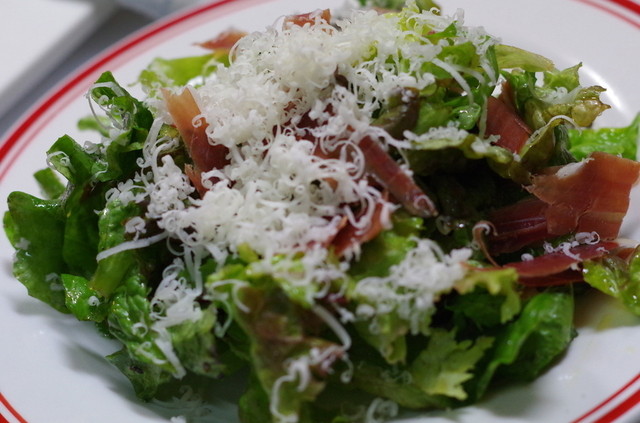
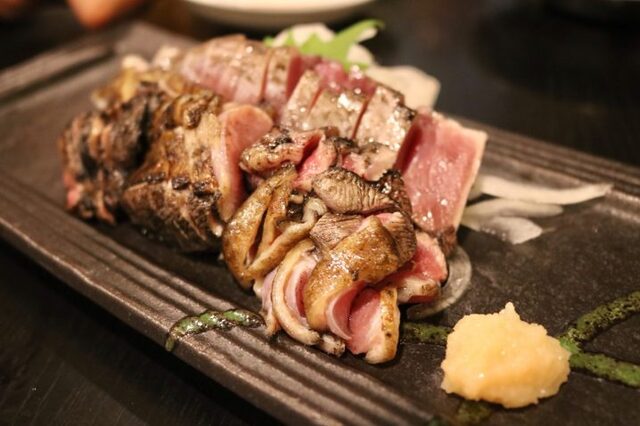
Restaurants in Kagoshima
Browse all →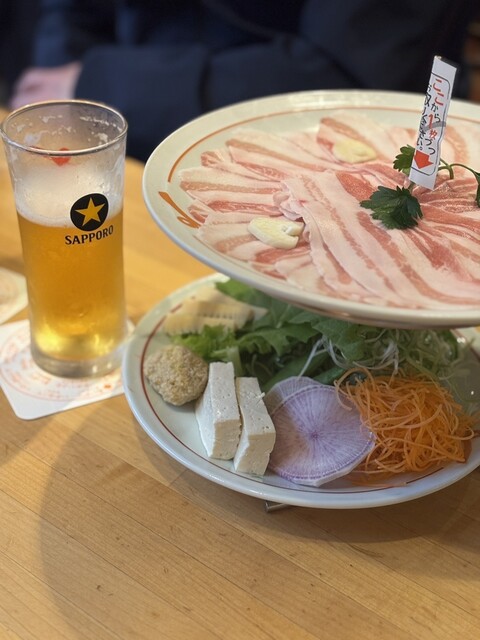
Hotels in Kagoshima
Browse all →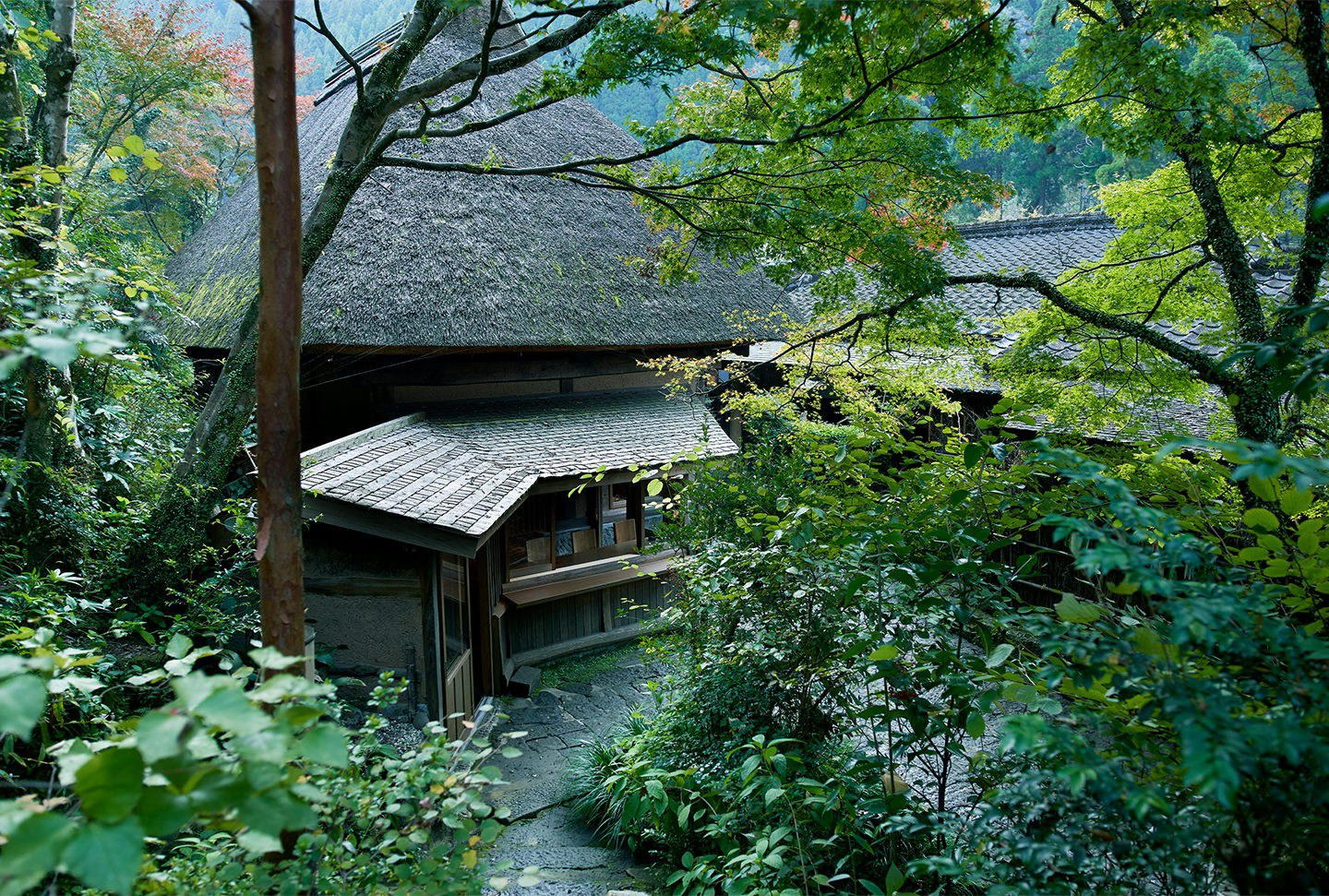
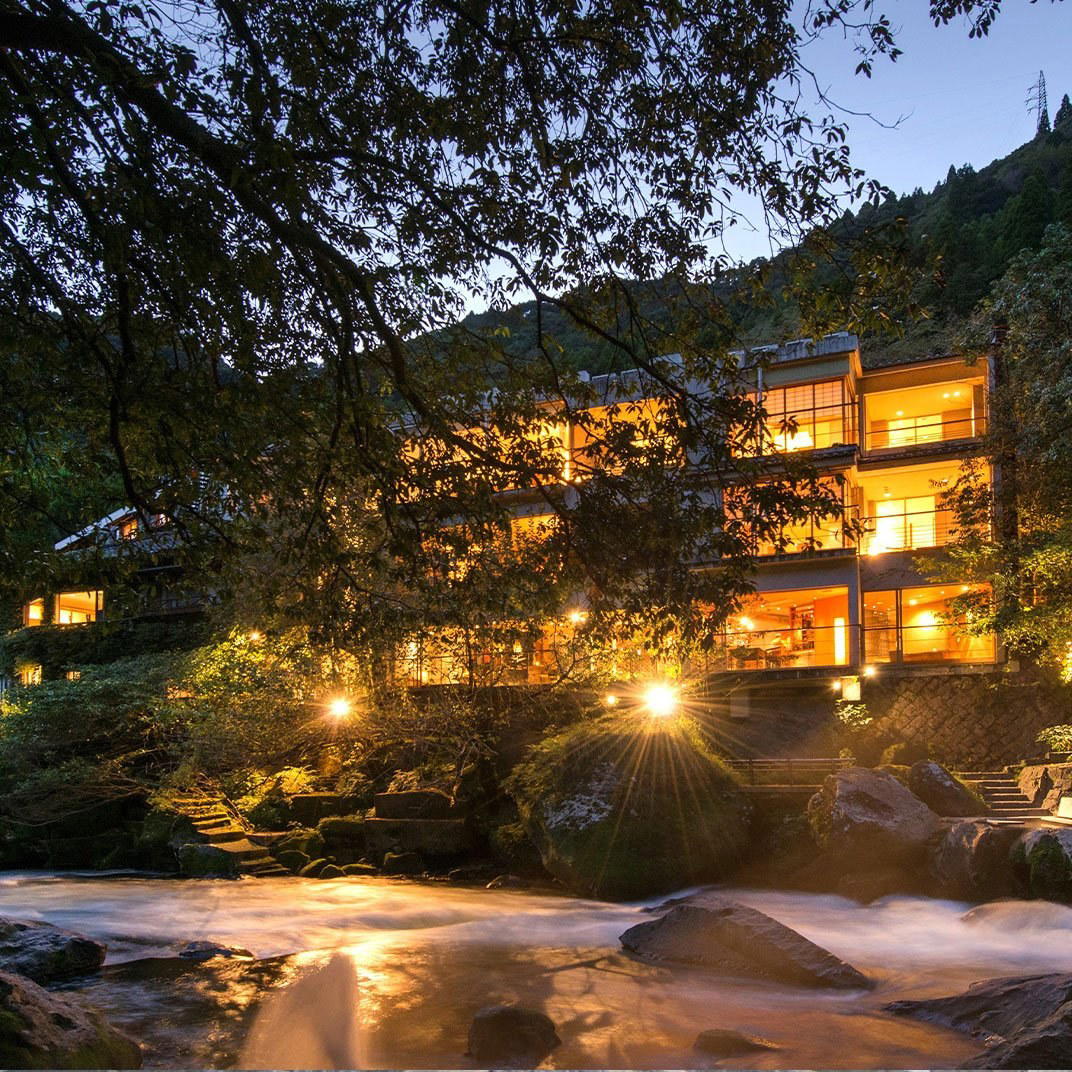
Wineries in Kagoshima
Browse all →
At a Glance
- Cozy
- Classic
- Lively
- Family
- Group Dining
- Casual Hangout
- After Work
- Solo
- Standalone
- Local Sourcing
Current opening hours
- Monday
- 11 AM–2:30 PM, 5–10 PM
- Tuesday
- 11 AM–2:30 PM, 5–10 PM
- Wednesday
- 11 AM–2:30 PM, 5–10 PM
- Thursday
- 11 AM–2:30 PM, 5–10 PM
- Friday
- 11 AM–2:30 PM, 5–10 PM
- Saturday
- 11 AM–2:30 PM, 5–10 PM
- Sunday
- 11 AM–2:30 PM, 5–10 PM
Hours can change for holidays and private events. Last verified .