Our verdict
Sushi Izumi occupies a residential stretch of Shimomeguro, a neighbourhood where Tokyo's sushi counter tradition sits closer to local ritual than tourist spectacle. The address places it within a broader Meguro City dining corridor that rewards deliberate exploration over convenience, and the format aligns with the compact, counter-led omakase model that defines the city's mid-to-upper sushi tier.

Pearl is the En Primeur Club membership app, where members save venues, book tables and use the concierge.
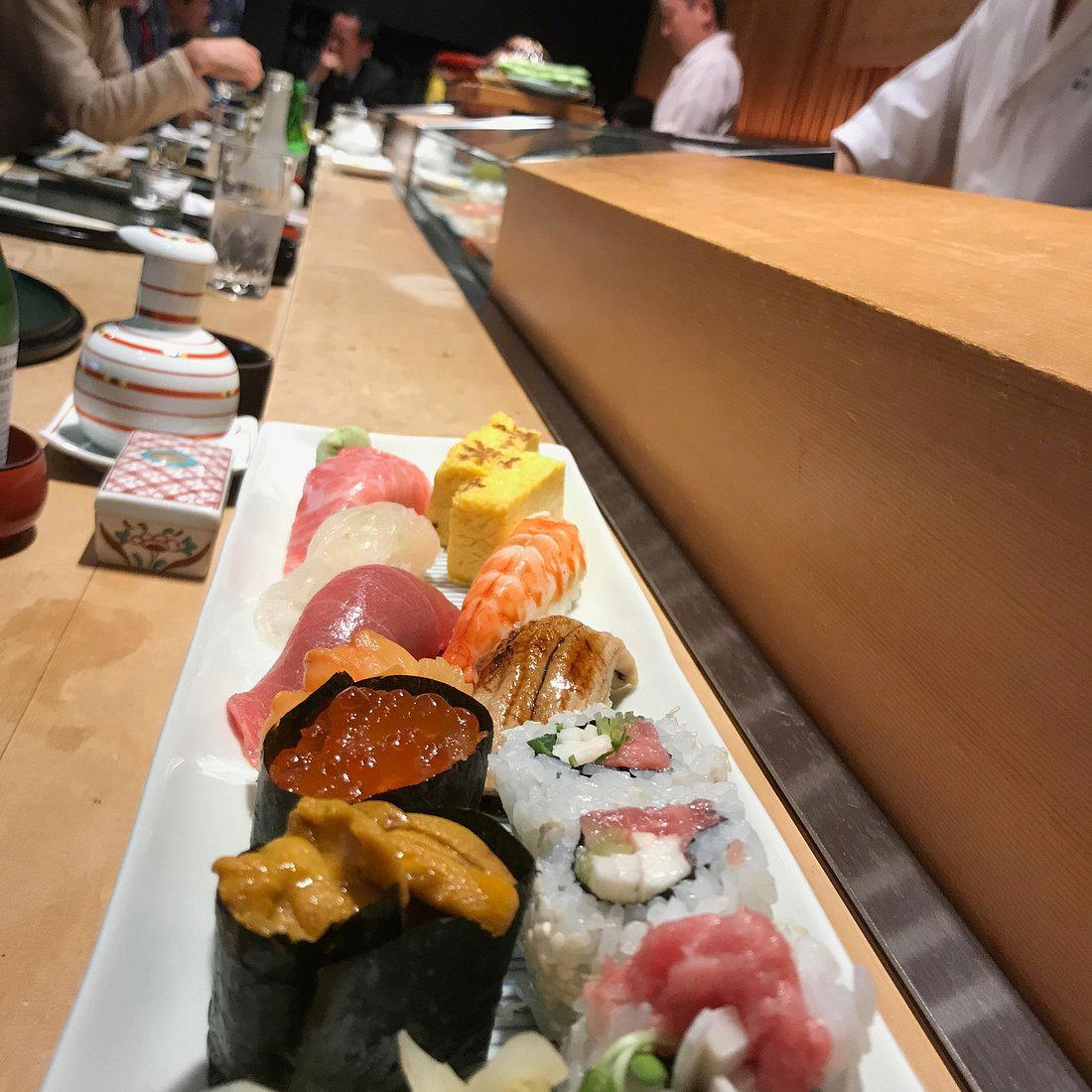
The menu
What to order
- Marinated conger eel
- Sea urchin
- Horse mackerel
Shimomeguro and the Sushi Counter Tradition
The streets around Shimomeguro are quieter than the sushi circuits most visitors plan around. Ginza and Minami-Aoyama draw the headline counters, and Roppongi holds the big-ticket tasting rooms, but Meguro City has long supported a parallel tier of serious Japanese cooking without the same foot traffic or international profile. Sushi Izumi sits on a residential block at 6 Chome-6-9 Shimomeguro, roughly equidistant from Meguro and Nakameguro stations, in a part of the city where locals eat regularly rather than ceremonially. That distinction matters: counters in residential Tokyo tend to operate on familiarity and repetition, which shapes everything from the pacing of service to the assumptions made about the guest's knowledge of the form.
Tokyo's omakase market has stratified sharply over the past decade. At the upper end, three-Michelin-star counters like Harutaka set price benchmarks well above ¥50,000 per person, while a broader mid-tier occupies the ¥20,000–¥35,000 range and competes on ingredient sourcing, lineage, and word-of-mouth rather than international award recognition.
Where Technique Meets the Japanese Archipelago
The editorial angle that matters most for understanding Tokyo sushi at this level is the intersection of classical technique and ingredient geography. Japan's fishing ports feed a network of procurement channels that Tokyo's counter chefs have spent decades refining access to. Tsukiji's legacy, and its successor, Toyosu, sits behind nearly every serious omakase in the city, but the real differentiation happens upstream: which specific boats, which seasonal windows, which regional suppliers a counter has relationships with.
That supplier logic connects Tokyo's sushi counters to a national web of ingredient production that extends well beyond the capital. The kind of restaurant-to-producer specificity that drives quality here mirrors what you find at Gion Sasaki in Kyoto, where seasonal Kyoto produce anchors a kaiseki structure, or at Goh in Fukuoka, where Kyushu's coastal proximity shapes ingredient decisions in real time. In each case, the technique is classical and learned; the ingredient story is local and specific.
For sushi specifically, the technical canon, shari temperature and seasoning, neta aging and resting, the pressure and formation of nigiri, arrived largely through lineage and apprenticeship structures that Tokyo formalised over generations. What varies between counters is how that shared technique gets applied to what the market offers in a given week. A counter in Shimomeguro, removed from the tourist circuit, tends to work closer to that seasonal reality than one managing a waiting list that books months out and must plan further ahead. Compare this model to internationally documented formats like Le Bernardin in New York City, where classical French seafood technique has been codified into a consistent, scalable experience, the Tokyo counter model inverts that priority, treating variability as a feature rather than a risk.
Reading the Meguro Dining Corridor
Meguro and Nakameguro together represent one of Tokyo's more coherent neighbourhood dining zones, where French-influenced bistros, natural wine bars, and traditional Japanese formats coexist within walkable distance. The area's dining identity skews local and repeat-visit driven. This is the part of Tokyo where L'Effervescence has built a reputation for French technique anchored in Japanese seasonal ingredients, and where Crony has mapped an innovative French approach onto the same local-first ingredient logic. The throughline across these very different formats is a shared preference for producer relationships over brand recognition.
A sushi counter in this corridor is not operating in isolation from those values. Shimomeguro's food culture rewards specificity, diners here tend to know what they're choosing and why. That context makes Sushi Izumi's address meaningful beyond the physical: it signals something about the intended guest and the operating assumptions. For visitors building a multi-day Tokyo itinerary, pairing a counter in this area with a larger-format meal nearby creates a natural contrast between the intimate and the theatrical without crossing into different districts. Our full Tokyo restaurants guide maps the city's dining by neighbourhood and format, which is a more useful planning structure than working from a single ranked list.
The Counter Format and What It Demands
Counter sushi at any serious level in Tokyo is a participatory format. The guest is not passive. Pacing, preference, and communication with the itamae all shape the meal, and the format is least comfortable for those expecting a scripted sequence with no deviation. This is partly why neighbourhood counters, which build their guest base through regulars, operate differently from those designed for first-time visitors: less explanation, more assumption of shared fluency in the form.
Internationally, the omakase counter has been exported and adapted with varying fidelity. Atomix in New York City applies a counter format to Korean fine dining with a high degree of conceptual rigour, demonstrating that the structural logic of the format travels, even when the cuisine doesn't. Back in Japan, the same participatory model shapes formats as different as HAJIME in Osaka and RyuGin in Tokyo, where the counter or chef-table setting creates a direct line between kitchen decision-making and the guest's experience. Sushi Izumi operates within this same tradition, at a scale and location that places the emphasis on that direct exchange rather than on surrounding ceremony.
For visitors extending their Japan itinerary beyond Tokyo, it's worth noting how the ingredient-technique intersection that defines serious sushi counters here echoes across the country's dining scene. The seasonal produce logic at akordu in Nara, the regional supplier focus at restaurants in Nanao on the Noto Peninsula, and the produce-first philosophy at venues in Takashima near Lake Biwa all reflect a national pattern: technique absorbed from a shared canon, ingredients drawn from a specific place and season. The Tokyo sushi counter is simply the most concentrated and formally structured expression of that pattern.
Planning Your Visit
Sushi Izumi is located at 6 Chome-6-9 Shimomeguro, Meguro City, Tokyo 153-0064. The nearest stations are Meguro (served by the JR Yamanote Line, Tokyo Metro Namboku Line, Toei Mita Line, and Tokyu Meguro Line) and Nakameguro (Tokyu Toyoko Line and Tokyo Metro Hibiya Line), both within walking distance. Given the residential setting and counter format, advance contact to confirm availability and any dietary requirements is advisable before visiting.
Quick Reference: 6 Chome-6-9 Shimomeguro, Meguro City, Tokyo 153-0064 | Nearest stations: Meguro or Nakameguro | Book via concierge or local service
Frequently asked questions
Where exactly is Sushi Izumi?
Sushi Izumi is located at 6 Chome-6-9 Shimomeguro, Meguro City, Tokyo 153-0064, Japan, Tokyo.
How does Sushi Izumi's Shimomeguro location compare to Tokyo's main sushi districts?
Sushi Izumi sits at 6 Chome-6-9 Shimomeguro in Meguro City, a ward that draws a local dining crowd rather than the international hotel traffic that sustains Ginza's headline counters. The Meguro and Nakameguro corridor has developed a coherent neighbourhood restaurant scene, placing a counter like this in a residential dining context rather than a prestige sushi district. That separation from the established circuit changes who fills the seats, which in Tokyo typically shapes the pacing and atmosphere of a meal.
What's the best thing to order at Sushi Izumi?
At a counter sushi format in Tokyo, the omakase sequence is the intended experience. The itamae selects based on what the market offered that day, which is the point: you are eating the fish in its optimal window, not ordering from a static menu. Communicating preferences or dietary limits before sitting down is standard practice at counters of this format.
Do I need a reservation for Sushi Izumi?
Yes. Counter sushi in Tokyo at any level above casual operates on reservations. Neighbourhood counters in areas like Shimomeguro, away from the hotel-district traffic of Ginza, often fill through repeat clientele and word-of-mouth, which can make walk-in access less reliable than at more tourist-facing venues. Contact ahead rather than arriving without a booking.
What's Sushi Izumi best at?
The Shimomeguro address and counter format point toward a house focused on Edomae-influenced fundamentals: seasonal neta, precise shari, and a pacing shaped by the itamae rather than the clock. Residential-area counters in Tokyo tend to sustain a narrower, more consistent repertoire than their Ginza counterparts, which is a feature rather than a limitation.
Can Sushi Izumi accommodate dietary restrictions?
Dietary restrictions at counter sushi venues in Tokyo require advance notice, communicated at the point of booking rather than on arrival. The format itself, designed around the itamae's selection and sequencing, has limited flexibility mid-service. If you have serious allergies or exclusions, confirm directly when making the reservation.
Comparable Spots
Comparable venues nearby, for context on price, style, and recognition.
| Venue | Cuisine | Price | Awards | Notes |
|---|---|---|---|---|
| Sushi IzumiThis venue (the venue you are viewing) | Traditional Edomae Sushi | $500+ | Not listed | Not listed |
| 鮨よしたけ | 3-Michelin-Star Omakase Sushi | $500+ | La Liste Top Restaurants · Tabelog Bronze #530 | Ginza |
| 鮨処やまと | Edomae Sushi Omakase | $200–300 | Not listed | Tsukiji |
| トラジ 西麻布店 | Premium Yakiniku | $100–150 | Not listed | Minato |
| Seryna | Premium Kobe Beef Shabu-Shabu | $100–150 | Not listed | Minato |
| Sushi Nishizaki | Omakase Sushi | $150–200 | Tabelog Silver #91 | Setagaya |
Continue exploring
More in Tokyo
Restaurants in Tokyo
All restaurants in Tokyo →

Bars in Tokyo
All bars in Tokyo →



Details
- Quiet
- Elegant
- Intimate
- Sophisticated
- Special Occasion
- Date Night
- Chefs Counter
- Sake Program
- Sustainable Seafood
- Counter Dining
- Sake
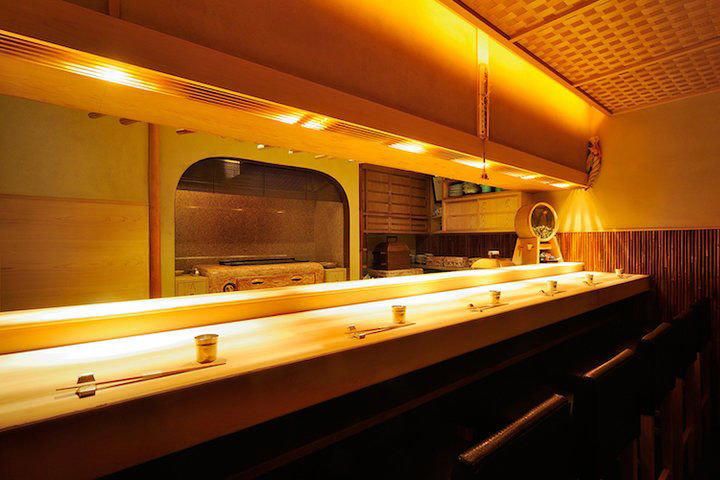
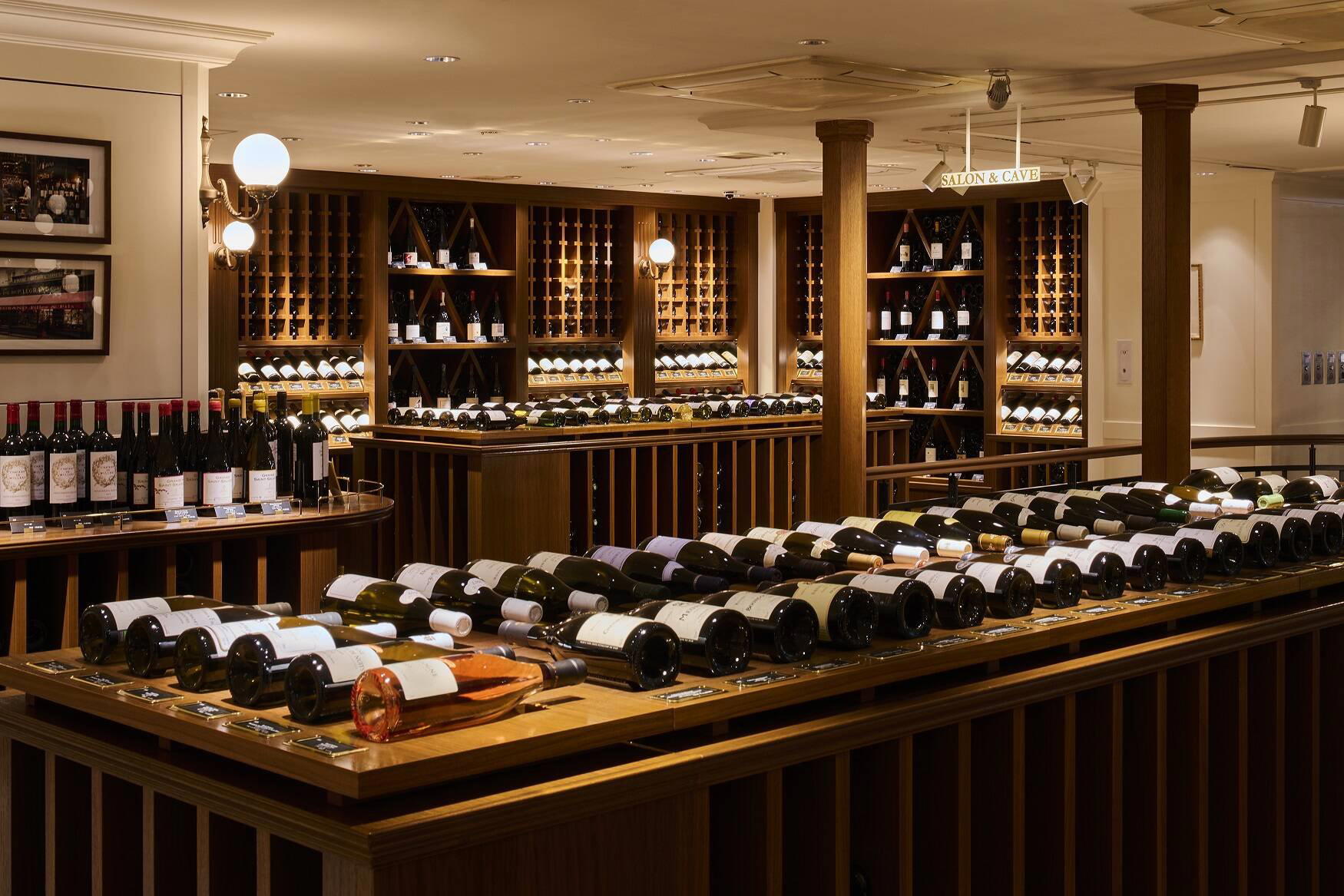
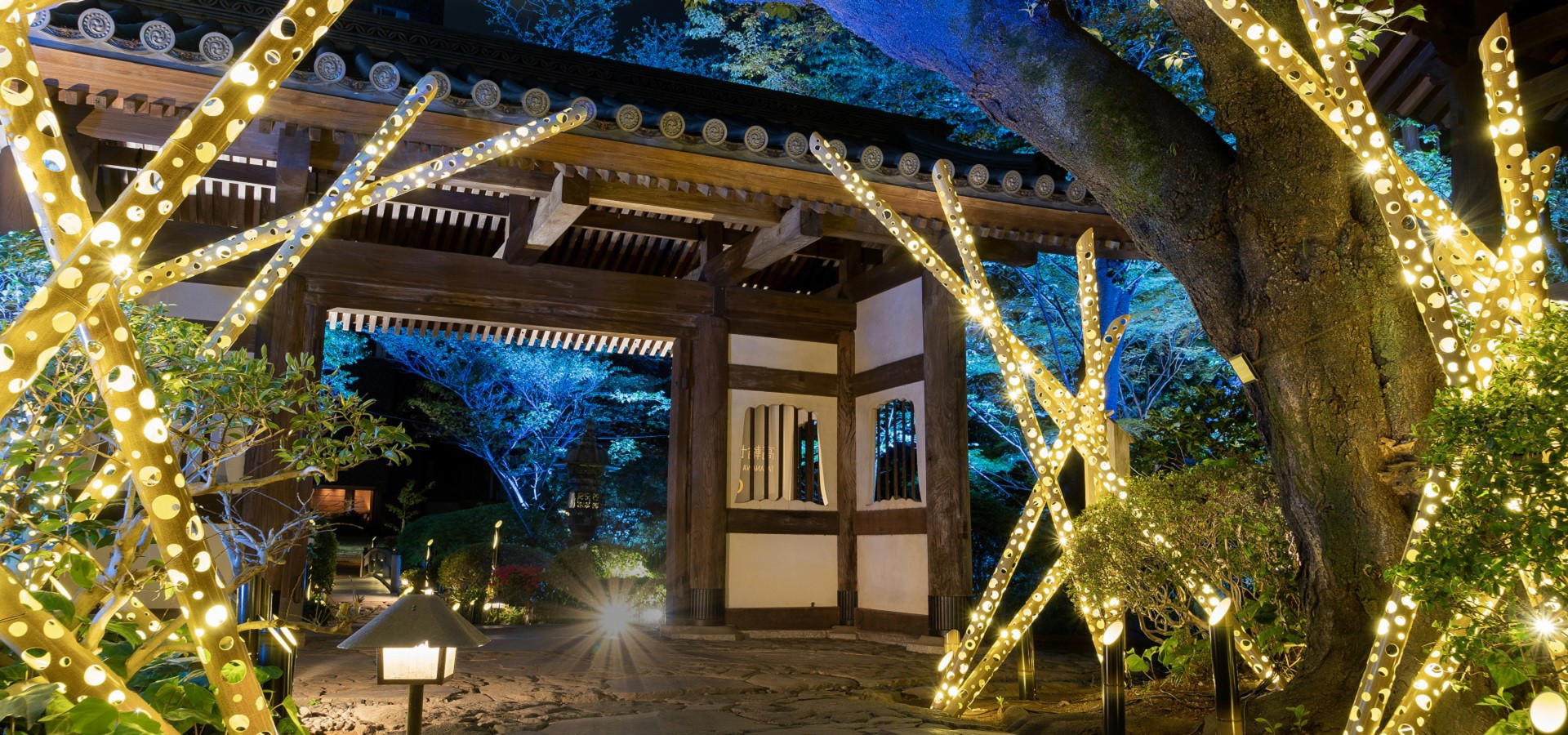
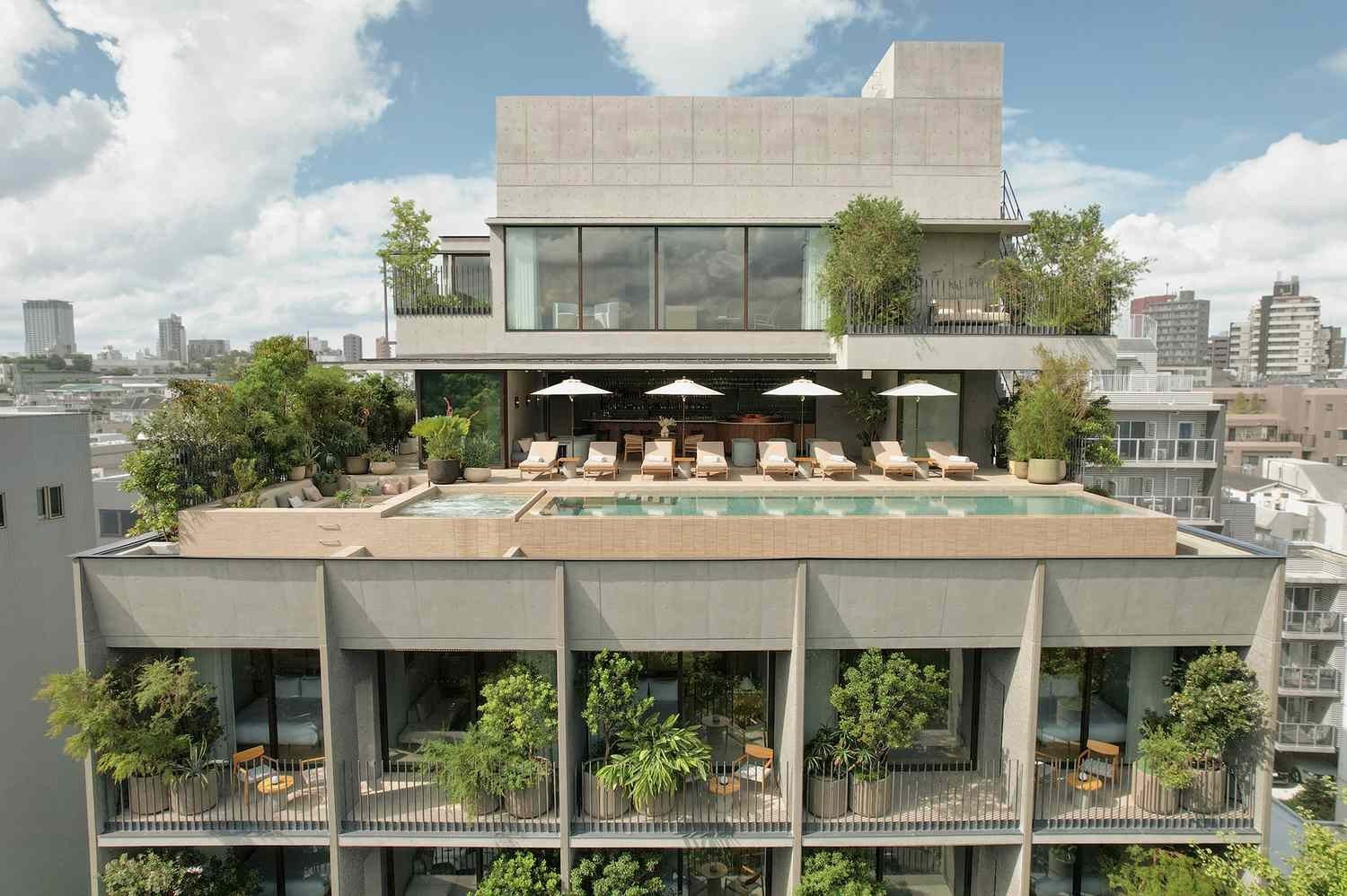
Quiet residential setting with counter-only seating fostering an intimate, refined atmosphere.