On Pontocho's narrowest stretch, Kichi Kichi occupies a specific tier within Kyoto's yōshoku tradition: the kind of small counter where Western-influenced Japanese cooking is taken as seriously as any kaiseki course. It sits apart from the city's formal dining circuit yet draws comparable attention, making it one of the more discussed casual addresses in the old capital.
Pearl is the En Primeur Club membership app — saves, bookings, and concierge access live there. Same editors, same standards.
- Address
- 中京区材木町185-4 (先斗町通三条下る), 京都市, 京都府, 604-8017
 Saves & bookings on Pearl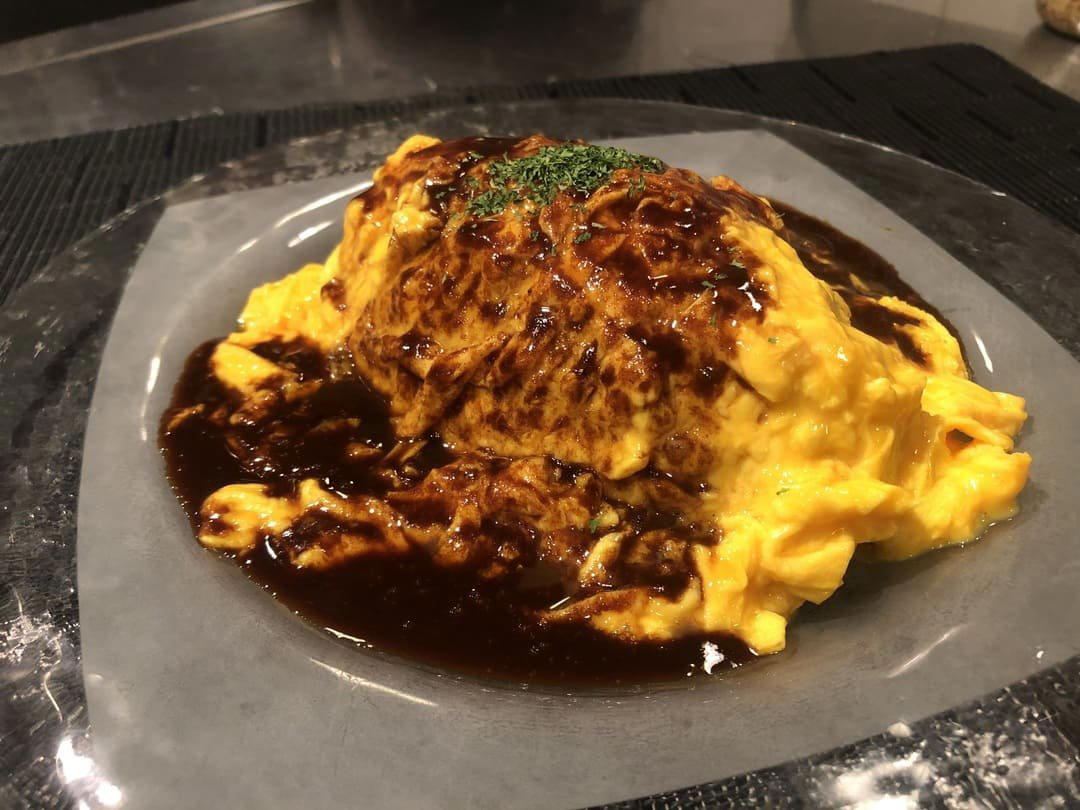
Where Pontocho Narrows
Pontocho alley in central Kyoto runs just wide enough for two people to pass without turning sideways. At its southern stretch, where the lane approaches Sanjo, the character shifts from tourist-facing izakayas toward smaller, more focused operations. Kichi Kichi sits on this section of the alley, inside a compact counter-format yōshoku restaurant known for omurice, with pricing around $30 per person and reservations essential.
Yōshoku, Japan's tradition of Western-influenced cooking that developed from the Meiji era onward, occupies an interesting position in Kyoto's dining hierarchy. Kyoto is known internationally for kaiseki, the highly codified multi-course format practiced at venues like Gion Sasaki, Hyotei, Kikunoi Honten, and Mizai. But yōshoku has its own depth of tradition, its own obsessives, and its own set of criteria by which a practitioner gets judged. Kichi Kichi is tracked within that tradition, not alongside the kaiseki circuit.
The Yōshoku Tradition and What Kichi Kichi Represents Within It
Yōshoku cooking, omurice, hayashi rice, cream croquettes, demi-glace preparations, entered Japanese domestic life as a deliberate adaptation of Western techniques and ingredients to local palates. Over a century of practice, it developed its own canon. The demi-glace at a serious yōshoku counter is not a shortcut sauce but a weeks-long preparation. The omurice wrapper, when done at the counter level Kichi Kichi operates at, is a controlled technique requiring heat discipline and timing that separates practitioners as clearly as knife skills separate sushi chefs.
This is the context in which Kichi Kichi's reputation developed. The venue is known for counter-side preparation of omurice with precision. The technique visible in those recordings is standard practice at counters where the chef works in direct sight of a small number of guests, and the discipline required is a function of working in that exposed format day after day. Venues like Isshisoden Nakamura operate in similarly compressed, technique-forward environments, though within a different culinary tradition.
Sourcing and the Ethics of Small-Scale Yōshoku
The editorial angle that applies most directly to Kichi Kichi is not spectacle but supply. Serious yōshoku counters, and Kichi Kichi has been discussed in this tier, depend on sourcing decisions that have direct environmental implications. The demi-glace tradition requires bones and scraps rendered over long periods, which is inherently a zero-waste cooking practice when executed correctly: nothing from the butchering process is discarded, and the long-simmered stock extracts value from parts that would otherwise go unused. This is sustainability as economy, built into yōshoku technique from its origins.
Kyoto's culinary culture more broadly reflects a regional ethics around food waste that predates the contemporary sustainability conversation. The Buddhist influence on Kyoto cuisine, expressed most formally in shojin ryori temple cooking, established ingredient economy as a technical virtue. That sensibility runs through the city's food culture at every price point. A yōshoku counter on Pontocho is not making the same philosophical statements as a shojin ryori practitioner, but the operational discipline, using whole ingredients, slow extraction of flavor, minimal waste in preparation, shares a common root.
For readers who track this dimension of dining, Kichi Kichi's format is of interest not because it has published a sourcing manifesto but because the cooking tradition it works within structurally requires careful sourcing to produce correct results. You cannot fake a proper demi-glace with industrial shortcuts and expect the result to hold up at a small counter where guests are close enough to observe the process. Japan's broader fine-dining scene reflects similar commitments: HAJIME in Osaka has built an international reputation in part through its explicit ecological framework, while akordu in Nara represents a different approach to regional sourcing within a European-influenced format. Kichi Kichi operates at a less formal register, but it belongs to the same national conversation about what responsible small-kitchen cooking looks like.
Booking and the Reality of Getting a Table
Kichi Kichi operates from a small premises on Pontocho, and the venue's online visibility, driven largely by video content that accumulated millions of views, means the gap between demand and capacity is substantial. Reservations are essential, and walk-in access is not reliable during peak tourism periods. The logistics of visiting Kichi Kichi require the same forward planning as visiting higher-priced counters in the city, even though the format and price point differ significantly from venues like Gion Sasaki or Mizai.
The address places it on Pontocho between Sanjo and Shijo, accessible on foot from the Kyoto Kawaramachi station exit. The alley itself is navigable in minutes, and the venue is identifiable by the queue that forms before service hours during busy periods. The counter format means seat count is low, which compounds the booking pressure.
Kichi Kichi in the Wider Japanese Dining Context
Yōshoku counters of this type are not specific to Kyoto. Osaka has its own long tradition of Western-influenced cooking; Goh in Fukuoka represents a different regional approach to technique-driven cooking at the counter level. What makes Kichi Kichi specifically a Kyoto address rather than a generic Japanese counter is its location within a city whose food culture values exactness and economy in equal measure. The theatrical dimension of watching omurice prepared at close range is a function of the counter format, not a separately constructed entertainment. The cooking is the show because the cooking is serious enough to watch.
The contrast between Kichi Kichi and entries like Harutaka in Tokyo or Atomix in New York City is instructive: counter dining at every price point involves a direct relationship between the cook and the guest, but the nature of what is being communicated differs substantially. Kichi Kichi communicates a specific mastery of a specific tradition, which is exactly what the yōshoku counter format demands.
The Quick Read
Comparable venues nearby, for context on price, style, and recognition.
| Venue | Cuisine | Price | Notes |
|---|---|---|---|
| Kichi Kichi (ザ・洋食屋 キチキチ)This venue — the venue you are viewing | $$ | ||
| Daigokuden Honpo Honten | $$ | Nakagyō, Traditional Japanese Wagashi & Sweets Café | |
| Yoshokudo Noro | $$ | Nakagyō, Japanese Yoshoku (Western-Style Cuisine) | |
| 瓢亭 | Sakyō, japanese | , | |
| Arata | $$ | Minami, Kyoto-Style Okonomiyaki / Teppanyaki | |
| Tokura Kyoto sanjou ten | $$ | Nakagyō, Japanese yoshoku hamburger steak restaurant |
At a Glance
- Intimate
- Iconic
- Whimsical
- Cozy
- Date Night
- Solo
- Special Occasion
- Casual Hangout
- Chefs Counter
- Open Kitchen
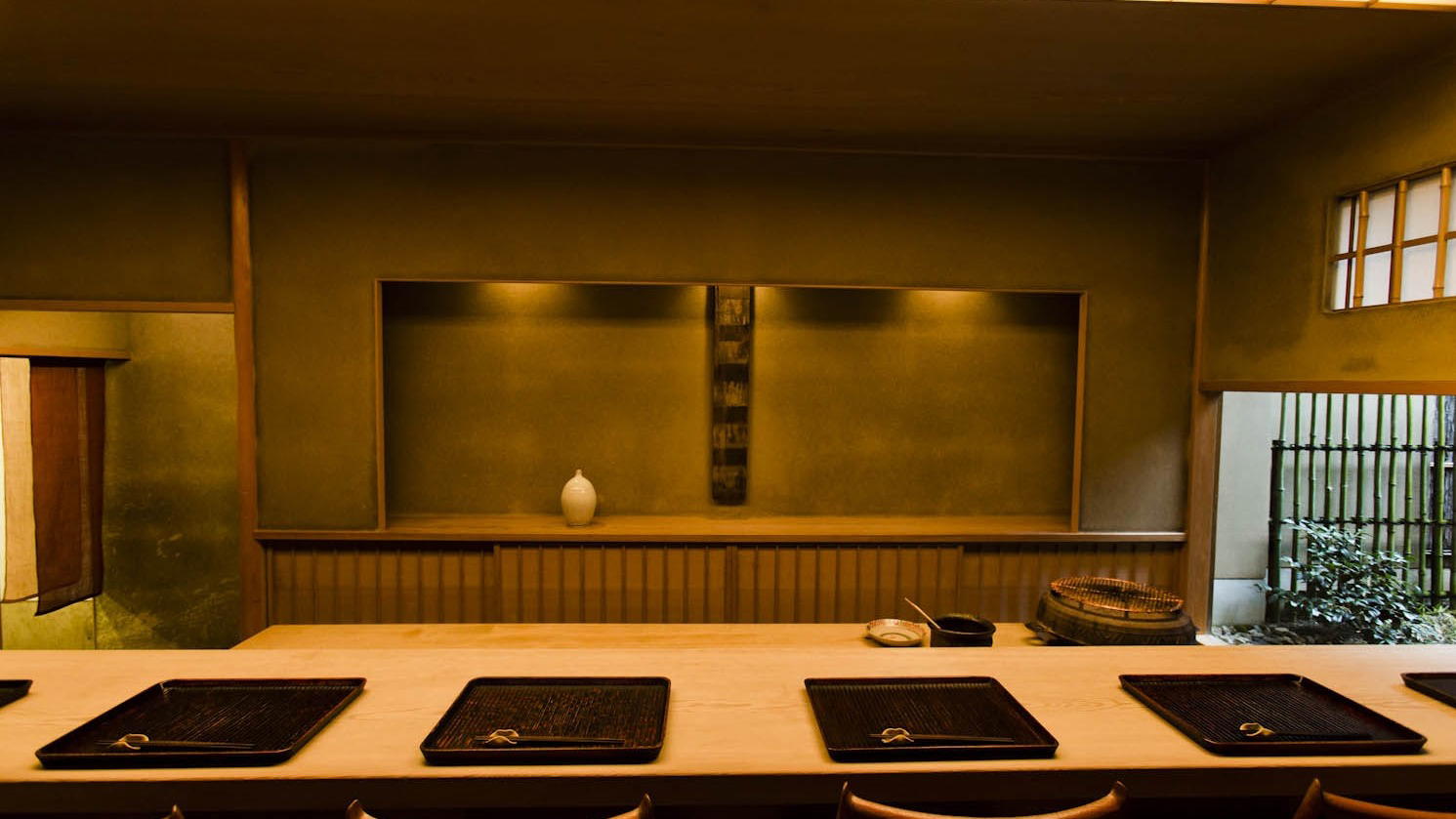
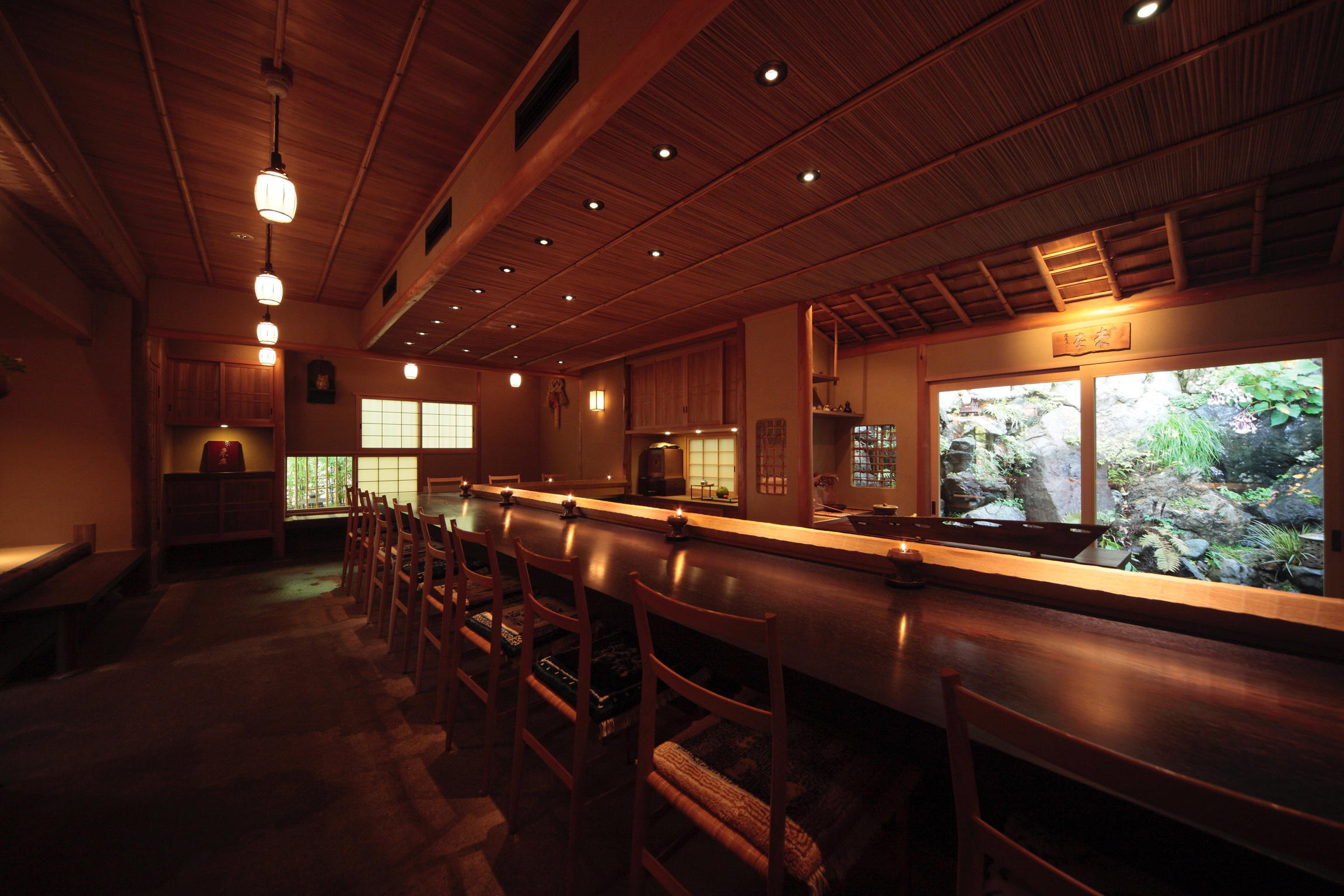
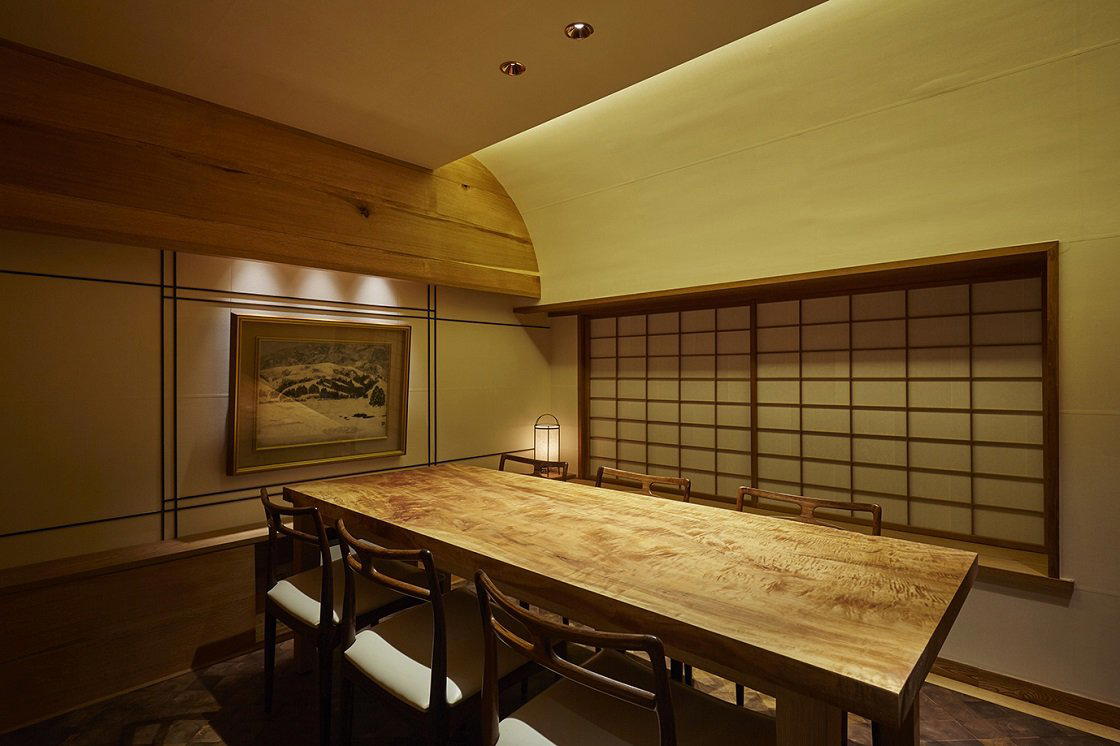
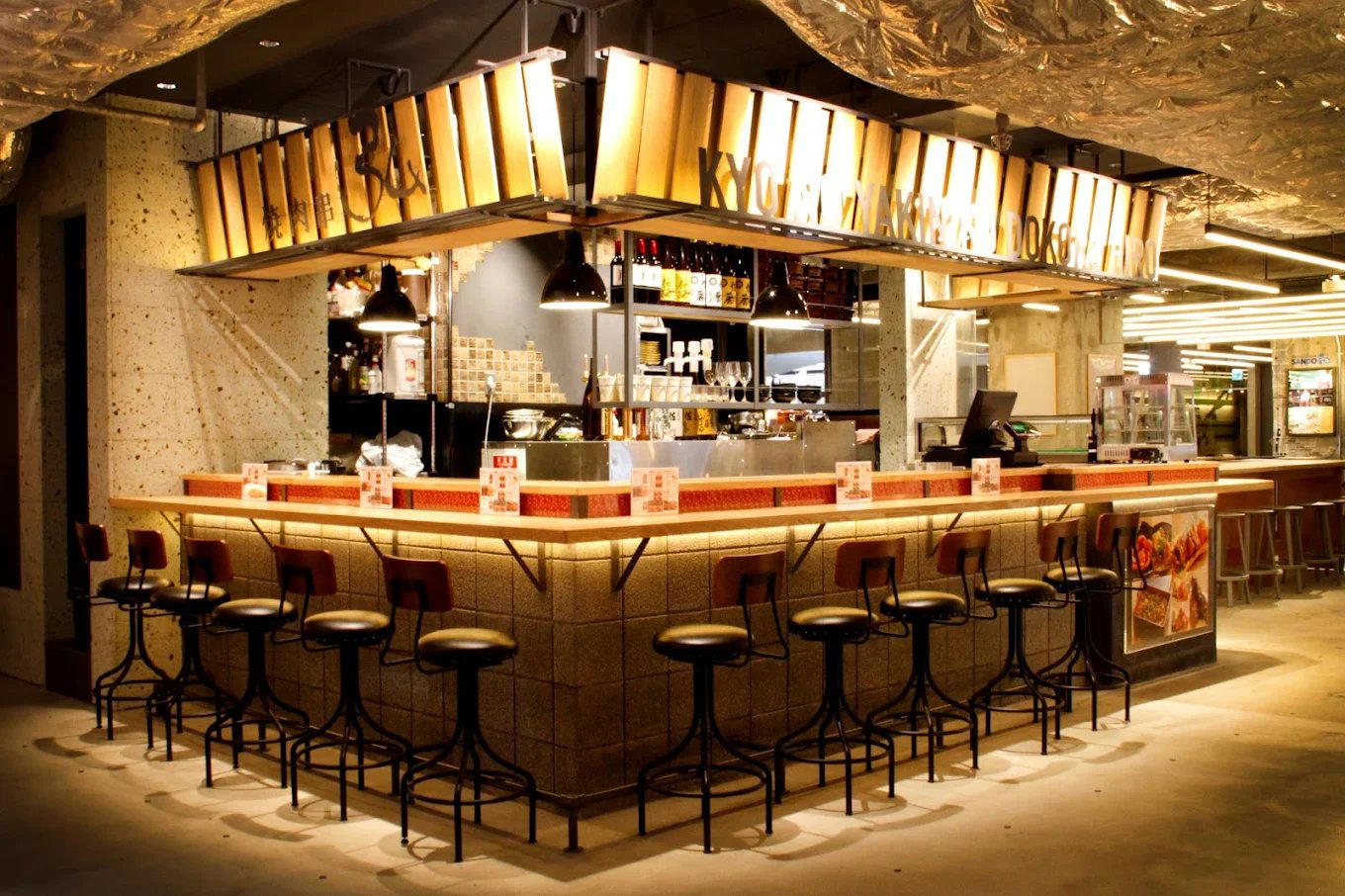
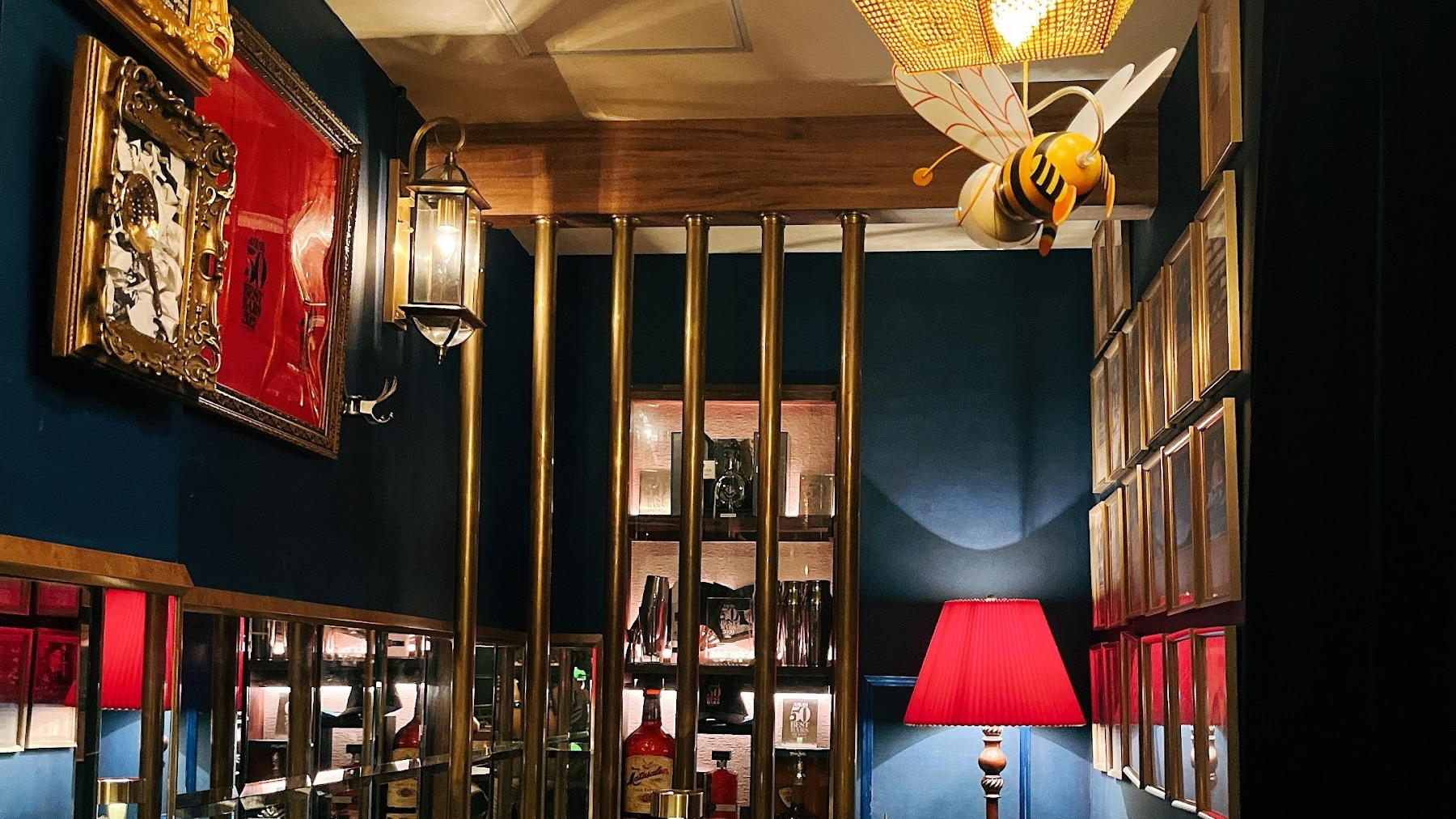
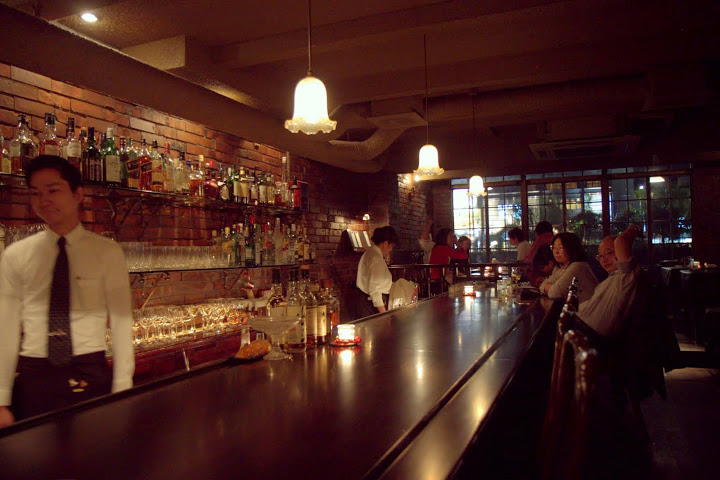
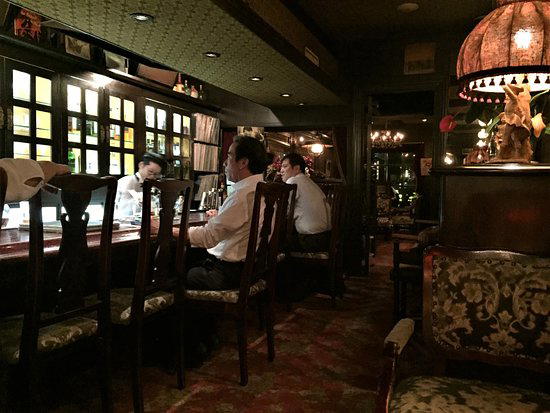
Cozy, intimate counter-style setting with warm lighting and theatrical energy from the chef's live cooking performance; small alley location creates a hidden gem atmosphere.