Our verdict
N serves Northern Japanese cooking in Akita with local sourcing, a casual dress code, and quiet, standard-paced service that suits a low-key dinner.

Pearl is the En Primeur Club membership app — saves, bookings, and concierge access live there. Same editors, same standards.
- Address
- 5 Chome-5-39 Nakadori, Akita, 010-0001, Japan
- Phone
- +81188315665
- Directions
- Get directions
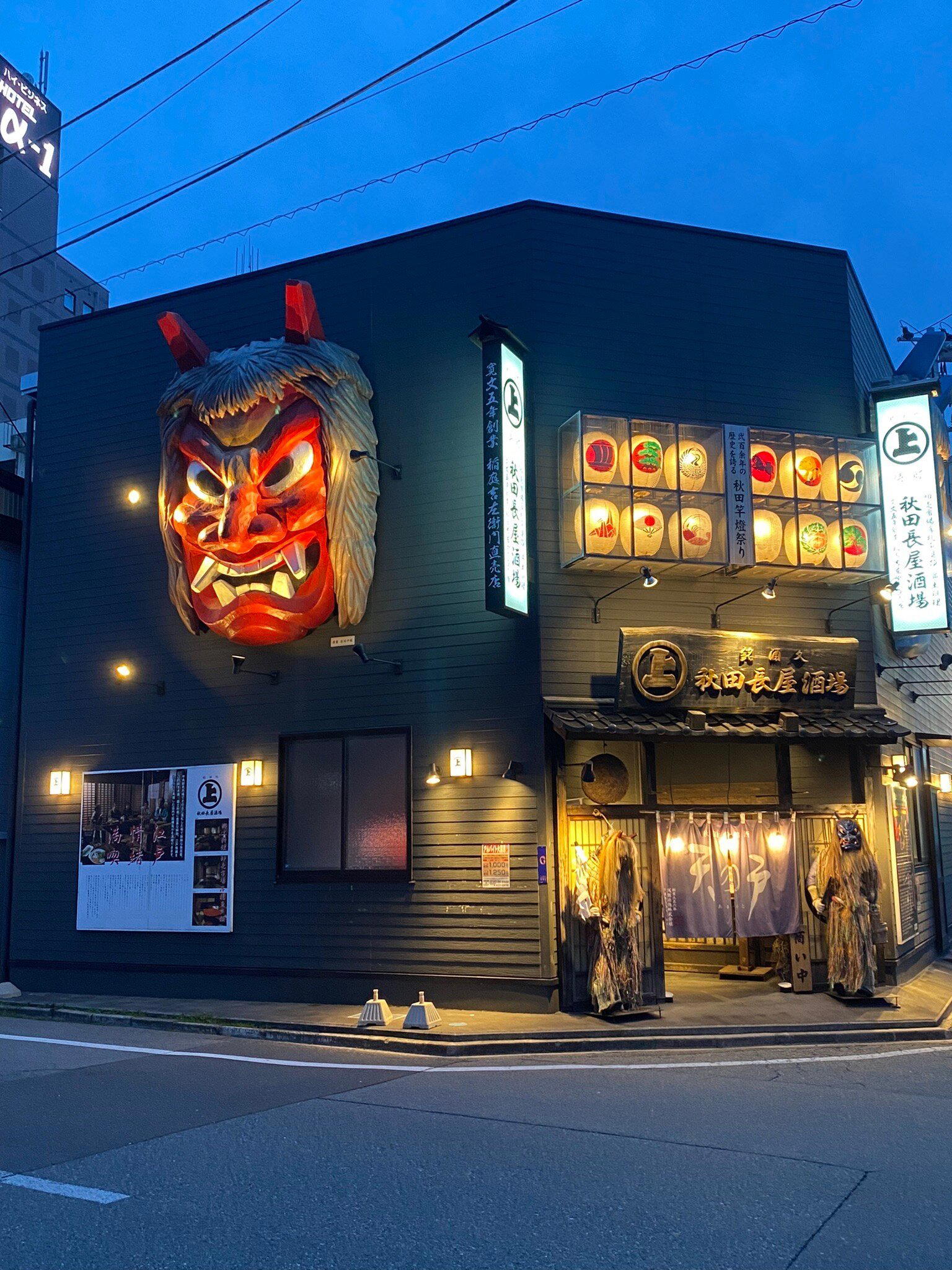
Nakadori's Quiet Anchor
Akita's central shopping and dining corridor, Nakadori, runs through the city's commercial core with the particular low-key confidence of a prefectural capital that has never felt the need to announce itself. The street-level architecture mixes mid-century concrete with more recent renovations, and the dining options range from long-standing izakaya to newer counter-format restaurants that have followed the slow drift of Japan's regional fine-dining scene toward smaller, more deliberate formats. N, at 5 Chome-5-39 Nakadori, occupies this context without theatrical fanfare: a Nakadori address that places it in walking distance of the city's core without the tourist-district positioning that dilutes so many regional restaurants.
Akita Prefecture is one of Japan's more compelling sourcing environments, and that fact matters more than any single restaurant's marketing claim. The prefecture produces Akitakomachi rice, one of the country's most closely associated regional grains, alongside Hinai-jidori chicken, a breed with protected designation status that commands consistent attention from chefs across Japan's serious dining tier. The prefectural coastline along the Sea of Japan supplies cold-water fish and shellfish that benefit from the same oceanographic conditions that make Niigata and Yamagata seafood worth tracking. For any kitchen operating in this city, the question is not whether excellent ingredients exist locally but how deliberately it chooses to work with them.
Sourcing as Editorial Statement
Japan's regional dining conversation has shifted considerably over the past decade. Where Michelin-listed restaurants in Tokyo and Osaka once set the national agenda, a newer generation of kitchens in secondary and tertiary cities has drawn attention precisely because of their proximity to primary producers. Gion Sasaki in Kyoto and HAJIME in Osaka represent different expressions of this: one deeply embedded in kaiseki's seasonal logic, the other constructing a more self-conscious ecological framework around ingredient selection. Both operate from cities with dense supplier networks. Regional restaurants like those in Akita face a different calculation: the supplier network is smaller, the logistics more direct, and the relationship between kitchen and producer correspondingly more visible.
This is the context in which Nakadori's dining options are most usefully read. Nihon Ryori Takamura works within Akita's kaiseki tradition, a format that by definition structures itself around seasonal and regional produce. Affetto Akita and Giueme represent the city's Italian-inflected counter, while Kyu and F occupy other positions in the local dining tier. That is a fair and honest framing.
The Regional Counter Format
Counter-format dining has become the dominant high-attention model in Japanese regional cities for practical and philosophical reasons. A smaller seat count tightens the sourcing requirement: you cannot run a twenty-seat counter on local Hinai-jidori alone, but you can build a ten-course progression around a single bird and a handful of Sea of Japan catches if the format supports it. Harutaka in Tokyo demonstrates how a sushi counter's discipline around single-source seafood creates a coherent editorial identity; the same logic applies in regional format restaurants wherever the chef treats provenance as structure rather than decoration.
Cities like Akita occupy a different tier than Kyoto or Tokyo in terms of international travel volume, which produces a dining scene that functions primarily for local and domestic visitors. That has consequences for booking behaviour, pricing norms, and the degree to which English-language information circulates. Visitors arriving from outside Japan's domestic travel circuit, particularly those used to the advance-booking rhythms of Atomix in New York City or Le Bernardin in New York City, should expect a different information environment: fewer third-party reservations platforms, more reliance on direct contact, and menus that may not have English translations.
Akita's Broader Dining Geography
Placing N within Akita's food geography requires acknowledging that the city's restaurant scene is leading understood as a network rather than a hierarchy. Nakadori runs through the centre, but the prefecture's strongest dining arguments are often made in smaller formats and neighbourhood locations away from the main commercial strip. Restaurants in the broader Tohoku region, including those in nearby Nishikawa Machi, reflect a mountain-to-table sourcing logic that differs from Akita city's coastal and agricultural mix. Properties in Takashima point toward the ryokan-kaiseki tradition that remains the strongest argument for slow, overnight engagement with a region's food culture.
For a reader planning a serious food itinerary in Tohoku, Akita city functions leading as a base from which to triangulate: the Nakadori corridor for evening dining, the Akita Kantō Festival in August for seasonal context, and the prefecture's rice and sake producers for daytime engagement. The Dewanizuru and Kariho breweries, both operating within the prefecture, produce nihonshu that pairs directly with the local cold-water seafood the leading Nakadori kitchens draw from. That seasonal and geographic coherence is the strongest argument for spending more than a single night in the city.
For a fuller view of where N fits among Akita's dining options across formats and price points, see our full Akita restaurants guide. Those planning broader Japan itineraries might also consider how Akita sits in relation to Goh in Fukuoka or Akordu in Nara, both of which operate in regional cities with similarly strong local sourcing arguments and a comparable preference for counter formats over large dining rooms. Beyond Japan, Birdland in Sakai, Bistro Ange in Toyohashi, and Blue Ocean Steak in Nakagami District each represent regional Japanese dining formats worth mapping against Akita's own tier.
Planning a Visit
N's address at 5 Chome-5-39 Nakadori places it in the walkable core of central Akita, accessible on foot from Akita Station in under fifteen minutes. Given the limited public information currently available about the restaurant's hours, booking method, and current format, direct contact or arrival during standard dinner service hours is the practical approach. Akita Station connects to Tokyo via the Komachi shinkansen in approximately four hours, making a same-day arrival from Tokyo feasible for evening reservations. Those combining Akita with broader Tohoku travel will find Sendai and Morioka both reachable on the same rail corridor.
Frequently asked questions
Is N child-friendly?
Counter-format restaurants in Japan's regional cities, including along Nakadori in Akita, typically operate with a quieter, focused atmosphere that suits adults better than young children. N's address at 5 Chome-5-39 Nakadori places it in a commercial district with limited family-casual infrastructure nearby.
Is N formal or casual?
Regional counter dining in Akita generally occupies a middle register: considered without being ceremonial. Nakadori's dining corridor trends toward neighbourhood confidence rather than metropolitan formality, so dress codes, if any exist at N, are unlikely to be strict.
Is N in Akita a good option for dining near Akita Station?
N's address at 5 Chome-5-39 Nakadori puts it within the walkable core of central Akita, reachable from Akita Station in under fifteen minutes on foot. Nakadori is the city's primary commercial and dining corridor, making N one of the more accessible options for visitors arriving by Shinkansen from Tokyo or Sendai. The street's concentration of restaurants means diners have alternatives nearby if N is fully booked.
What should I eat at N?
Akita prefecture is known for kiritanpo hotpot, hinai-jidori chicken, and hatahata (sailfin sandfish), all of which appear across the city's more produce-focused restaurants. Regional counter venues in this part of Honshu frequently build their menus around seasonal Akita sourcing rather than fixed signature dishes.
How do I find N?
N is located at 5 Chome-5-39 Nakadori, Akita, 010-0001, Japan, Akita.
In Context: Similar Options
| Venue | Cuisine | Price | Awards | Notes |
|---|---|---|---|---|
| NThis venue — the venue you are viewing | Not listed | Not listed | Not listed | Not listed |
| Nihon Ryori Takamura | Edo Ryori (Traditional Tokyo-Style Japanese Cuisine) | $150–200 | Tabelog Silver #137 | Kaiseki |
| affetto akita | Akita Italian with Local Seasonal Ingredients | $100–150 | Tabelog Bronze #6 | Not listed |
| giueme | Akita Italian | $50–100 | Tabelog Bronze #85 | Not listed |
| Kyu | Charcoal-Grilled Akita Beef Yakiniku | $50–100 | Tabelog Bronze #221 | Not listed |
| f | Modern Italian Counter Dining | $150–200 | Tabelog Bronze #68 | Not listed |

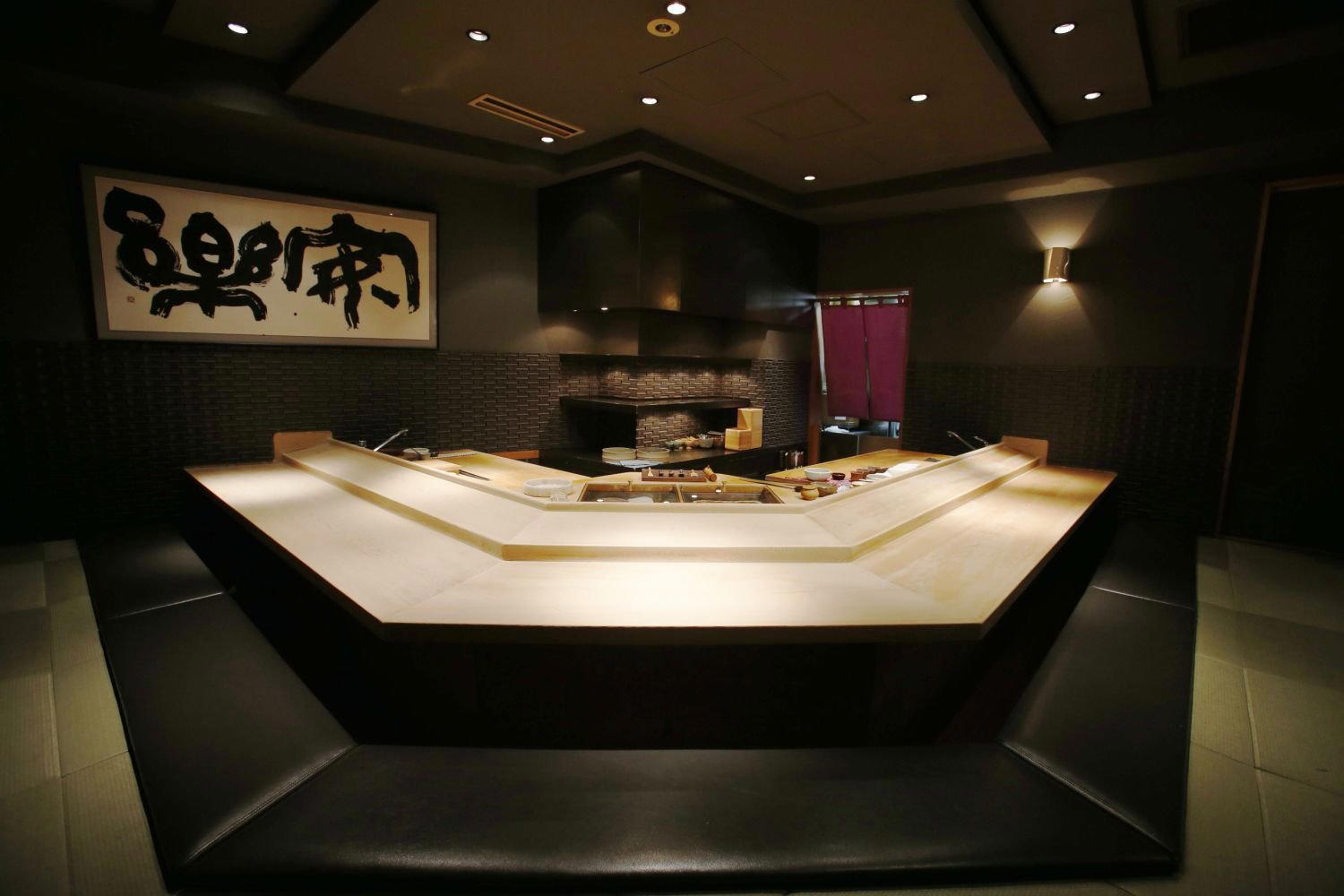
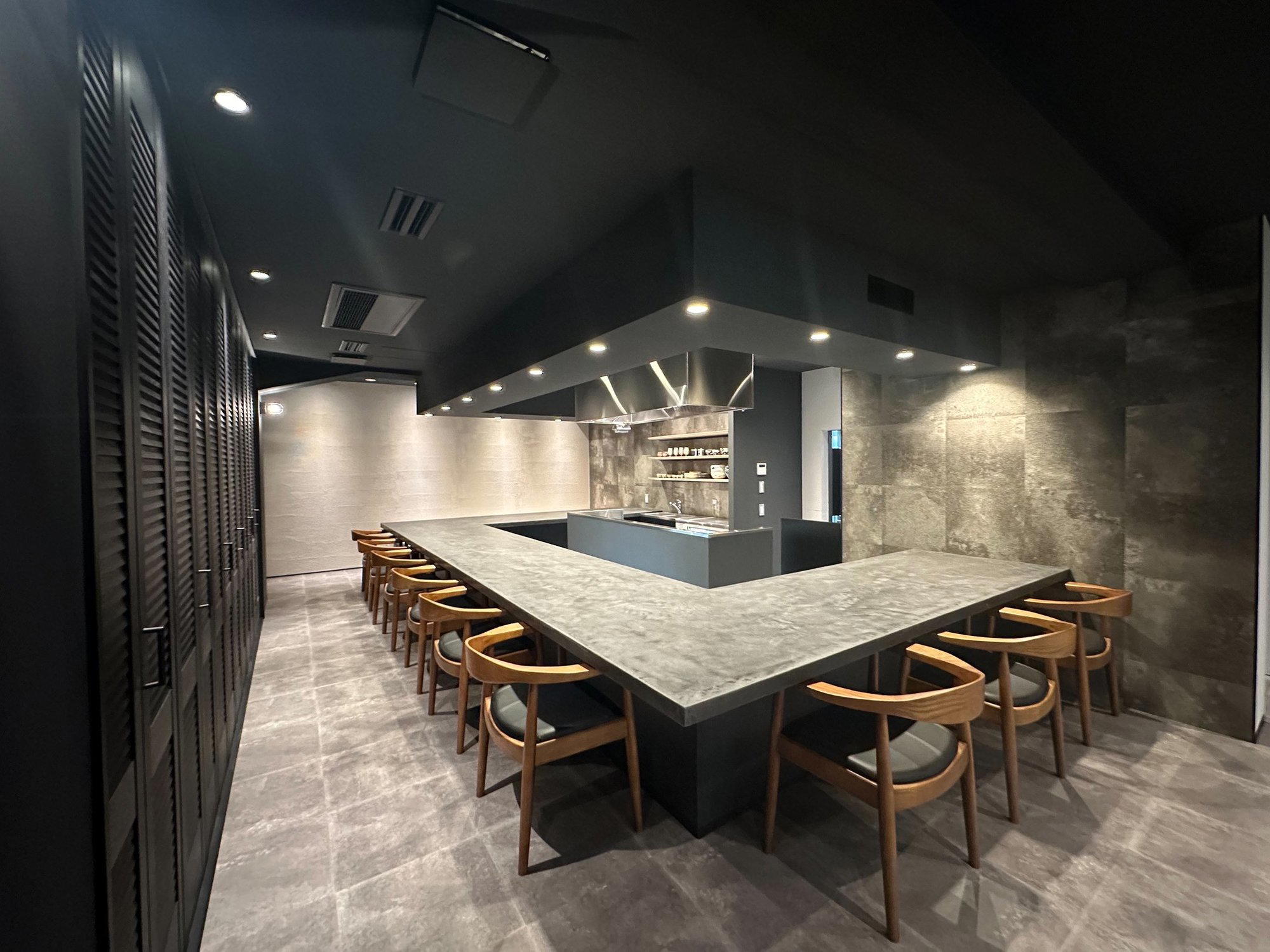
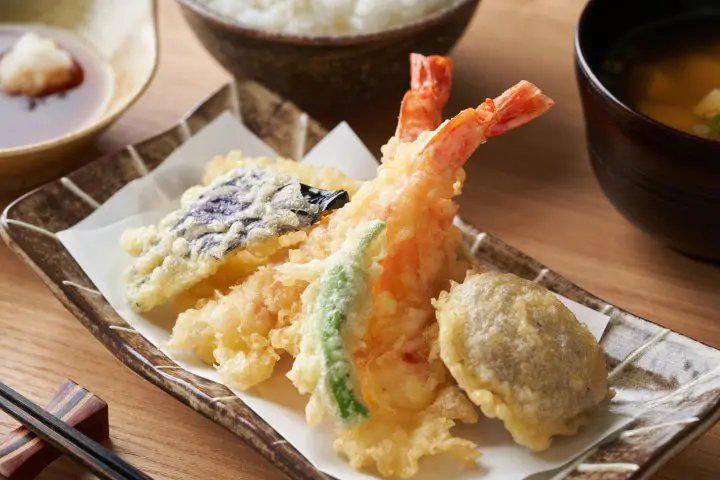
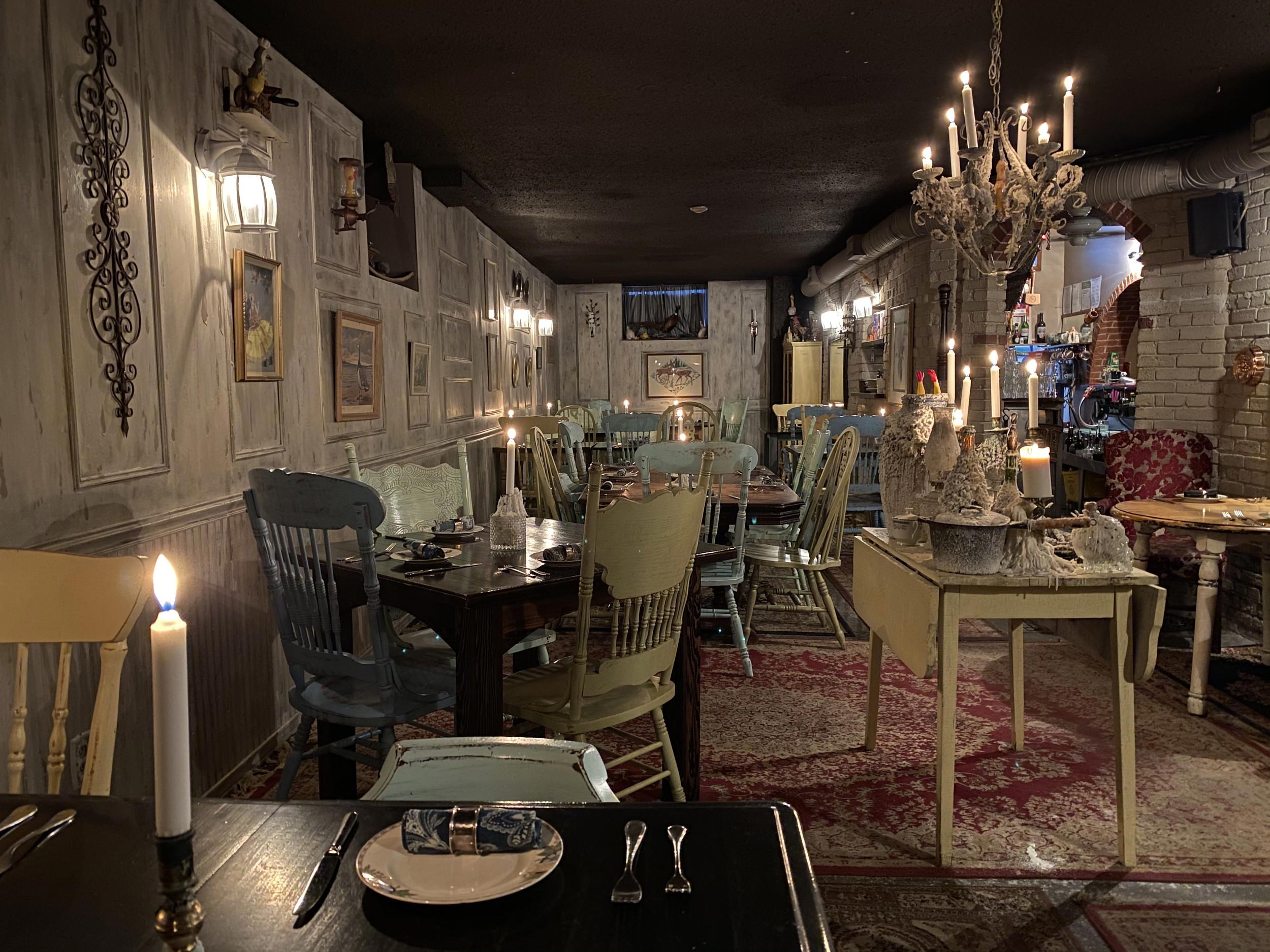
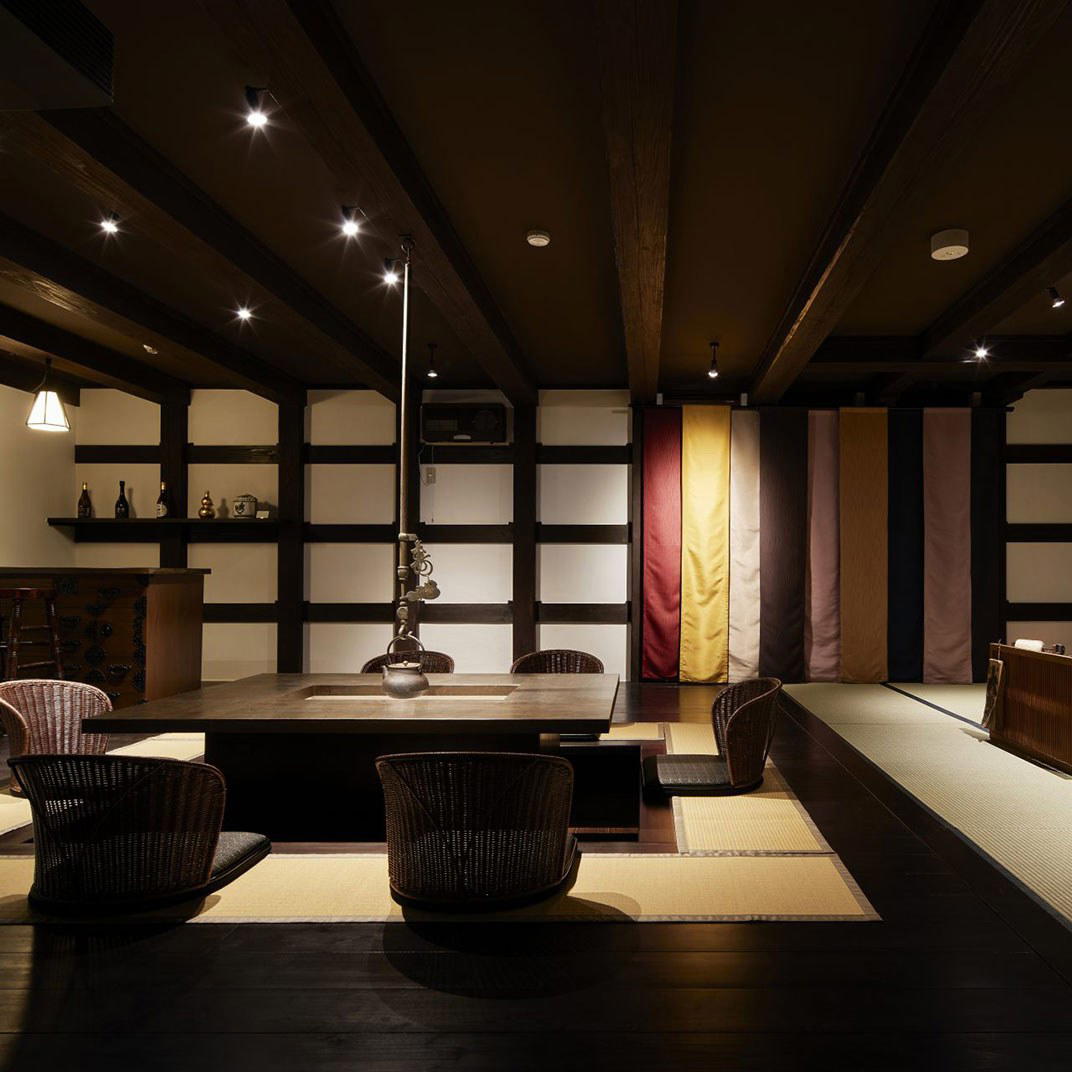
Details
- Cozy
- Warm
- Casual Hangout
- Local Sourcing
- A La Carte