
Shinsui Chubo Sie places Akita’s izakaya culture in a more serious register: fish-led cooking, sake and shochu, a compact room with counter and tatami seating, and recognition in Tabelog’s Izakaya EAST 100 for 2024 and 2025. It suits travellers who want the region’s drinking-food tradition treated with care rather than dressed up as a formal kaiseki substitute.
Pearl is the En Primeur Club membership app — saves, bookings, and concierge access live there. Same editors, same standards.
- Address
- 11-11-6 Minamidorikamenocho, Akita, 010-0011, Japan
- Phone
- +81 18-853-4126
- Website
- instagram.com
 Saves & bookings on Pearl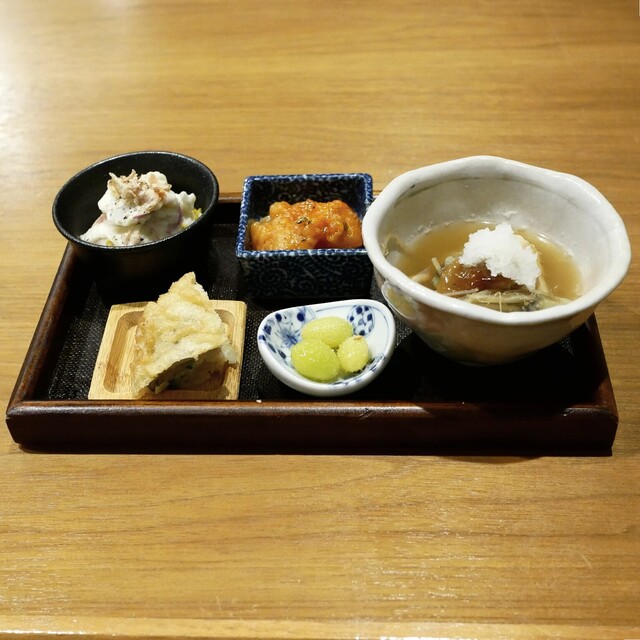
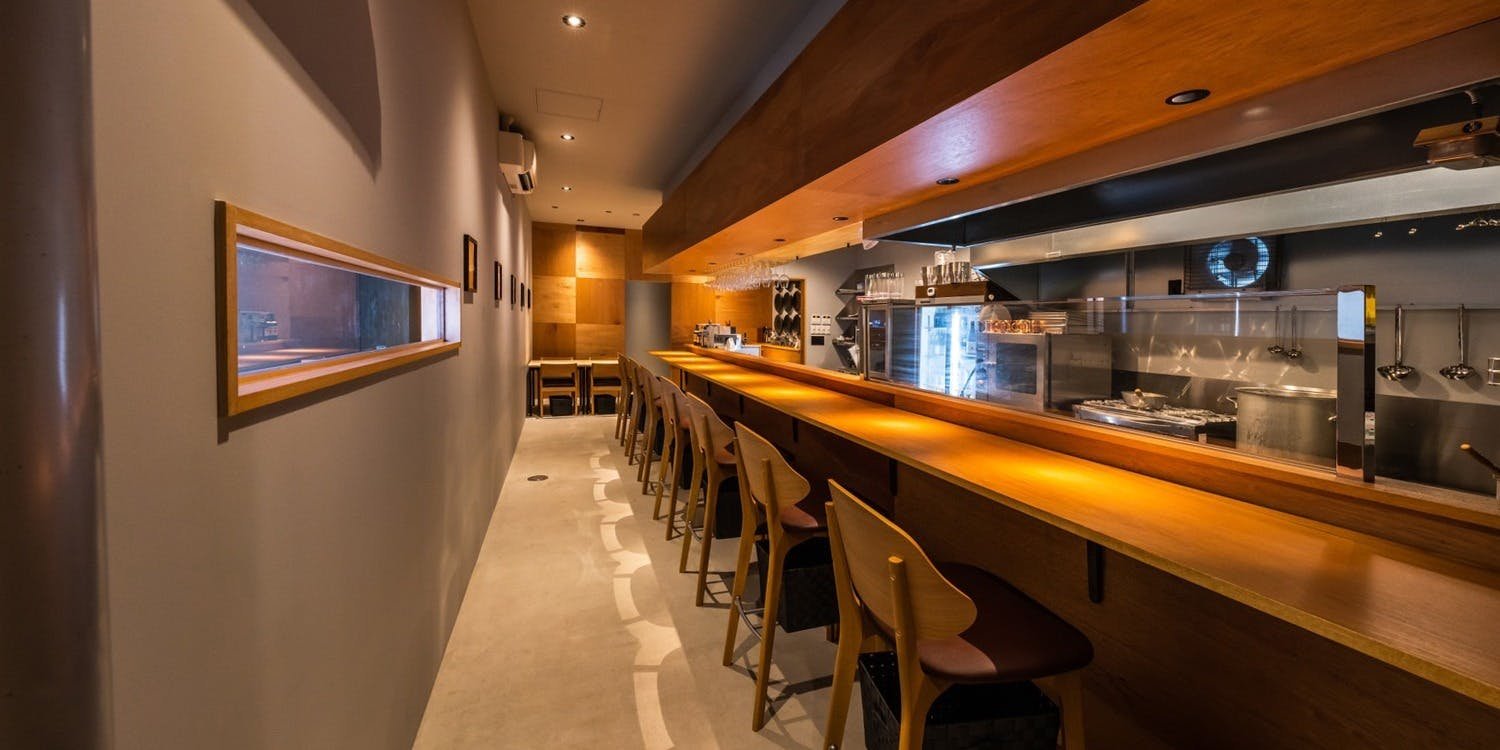
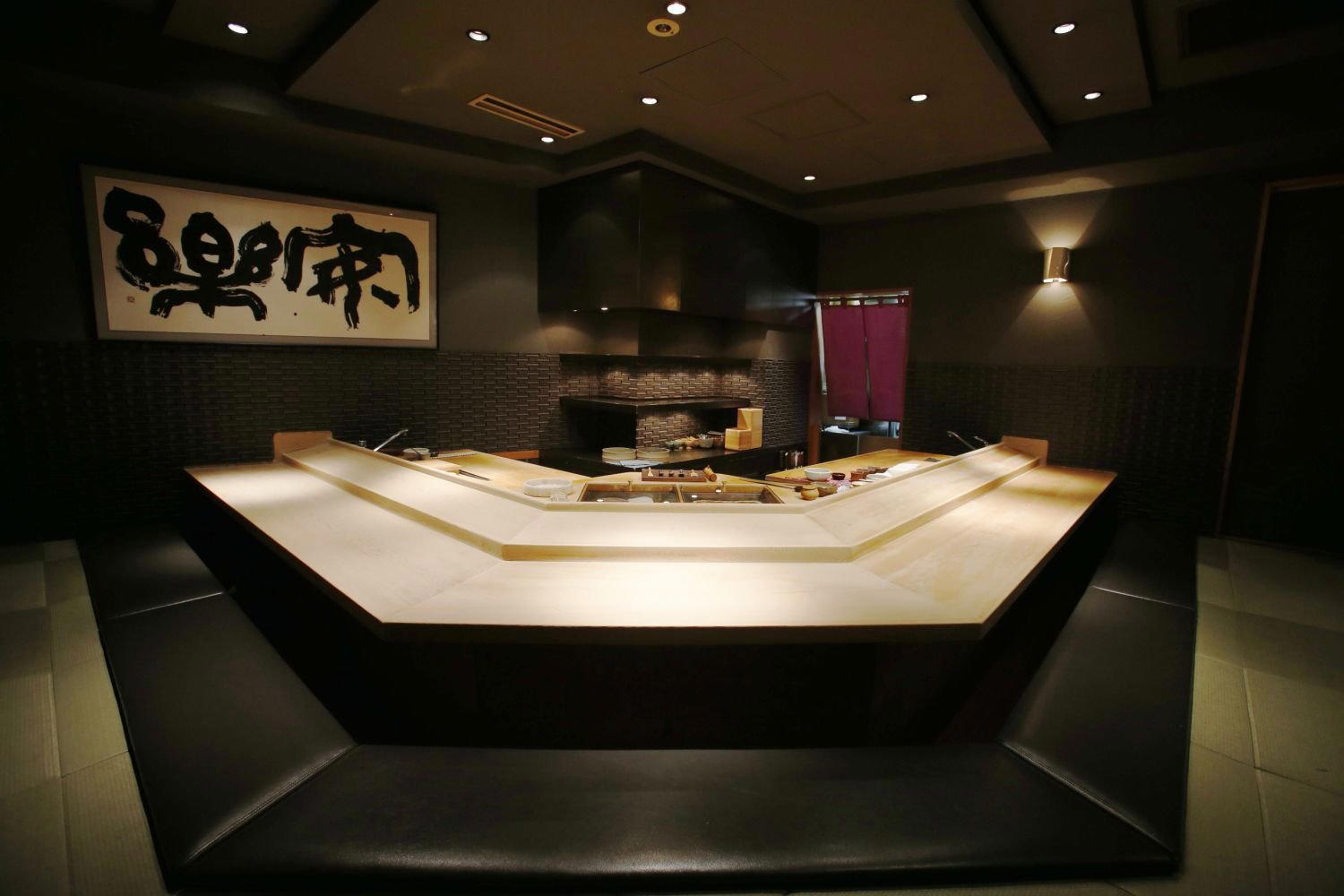
Approach this kind of Akita dining with expectations scaled below Tokyo’s high-production restaurant theatre. The room language is domestic and close-range: counter seating, tatami space, a house-restaurant feel, and the quiet choreography of an izakaya built around drinking as much as eating. Shinsui Chubo Sie belongs to the northern Japanese category where the table is not a luxury stage, but a place to read the region through fish, sake, shochu, and the pace of an evening.
Akita’s food culture rewards attention to climate: long winters, important rice, important fermentation, and sake as part of dinner’s grammar, not an accessory. In that context, an izakaya focused on fish with a drinks list oriented toward nihonshu and shochu carries more weight than a casual tavern in a larger city. The format is familiar across Japan, but here it is less about volume than regional fluency: seafood, rice-country drinking, and a room small enough for the meal to feel anchored rather than anonymous.
Fish, sake and the serious end of Akita izakaya culture
Understand Shinsui Chubo Sie not as a fine-dining substitute, but as proof that izakaya has its own hierarchy. Tabelog selected it for the Izakaya EAST 100 in both 2024 and 2025, a meaningful signal in a field where neighbourhood affection alone rarely travels far. Its listed score of 3.81 also places it in a serious Japanese-review context, where incremental differences can matter more than on international platforms.
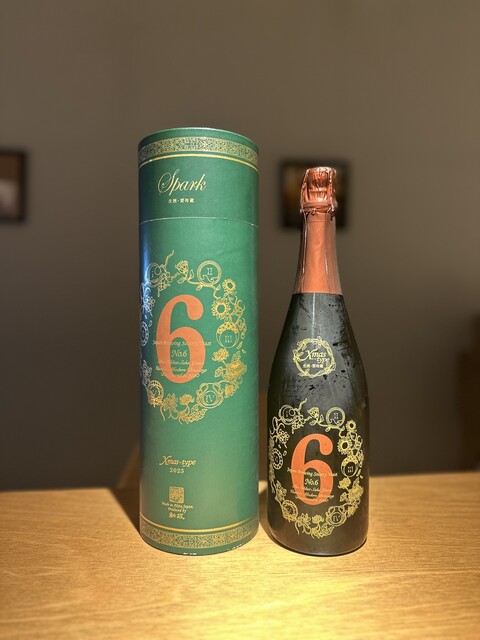
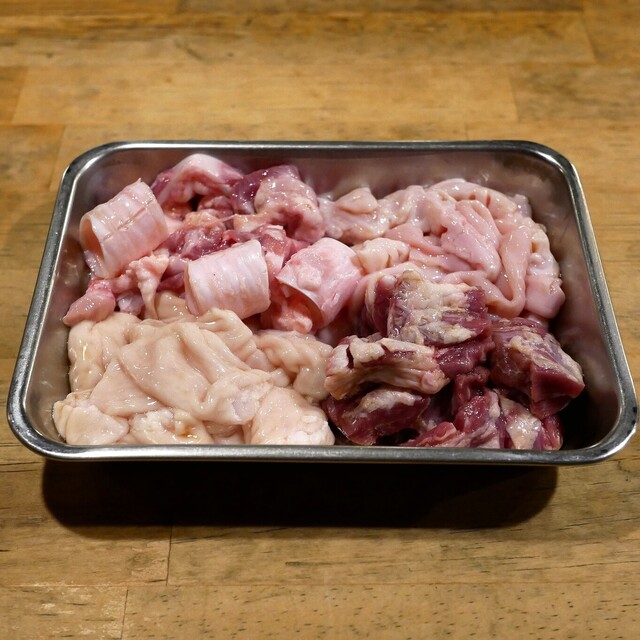
The stated food emphasis is fish, aligning with the Sea of Japan rather than the beef-led image many visitors bring to northern Japan. Akita can support meat-focused itineraries, and travellers comparing categories might look at Akita Gyugentei Ekimae honten or Akita Gyugentei Sannou bekkan for another read on the city. The point here is narrower: a fish-forward izakaya asks the drink list to carry as much responsibility as the kitchen. Nihonshu, shochu, and cocktails are all part of the public positioning, but the cultural center of gravity is sake with food, not cocktails as a separate bar program.
That distinction matters because Japan’s izakaya tradition is often flattened for visitors into snacks and beer. At the careful end, the format becomes a flexible dining structure: small plates, seasonal produce where available, grilled or simmered preparations, and drinks chosen to extend the meal rather than punctuate it. Nothing in the available public detail supports naming specific dishes, and that restraint is useful. The appeal is not a famous order, but the category done with enough discipline to be noticed beyond its neighbourhood.
A compact house-restaurant format, not a big-city spectacle
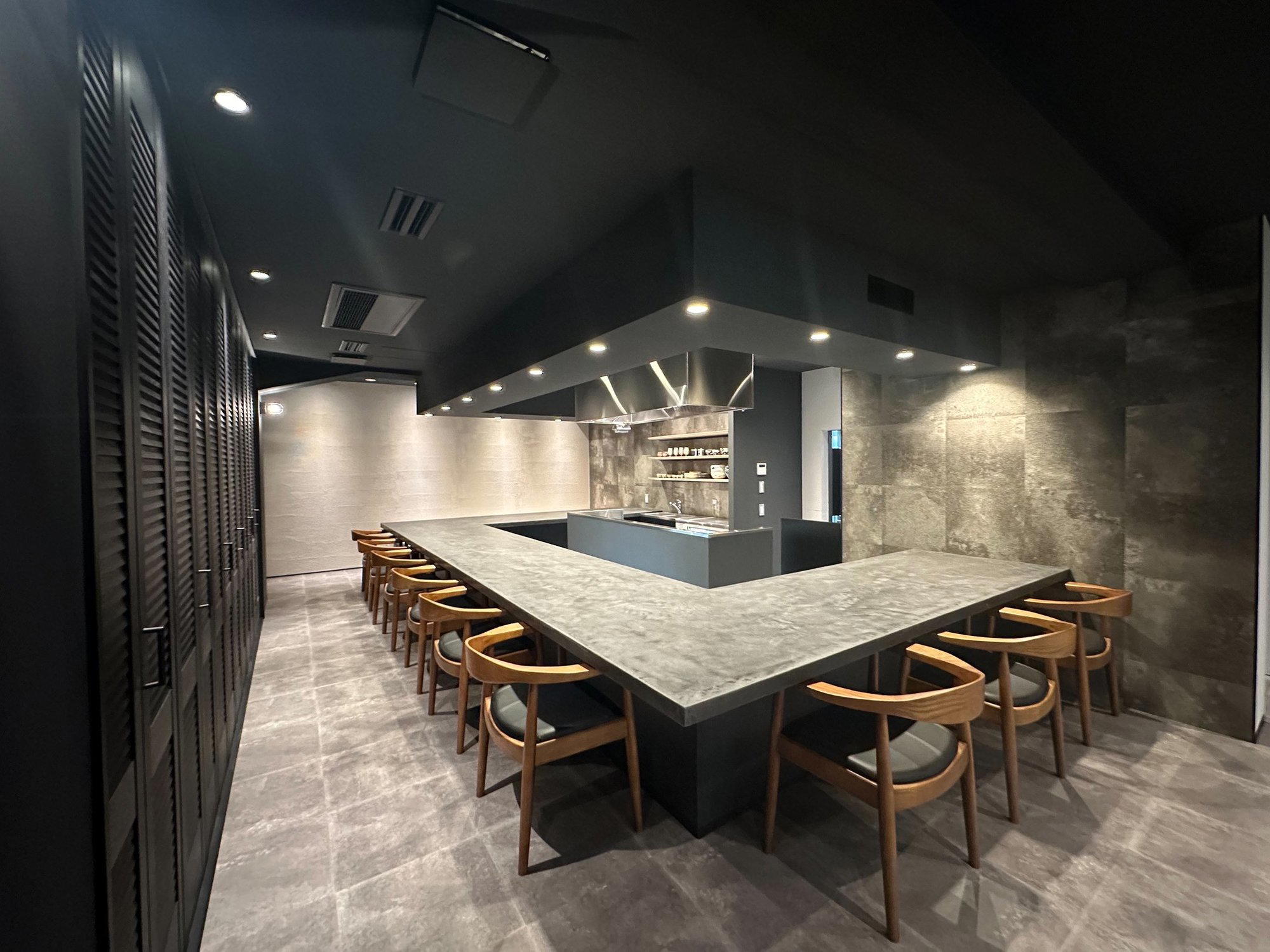
Scale changes expectations. With 25 seats, counter and tatami options, no private rooms, and private use available, the experience sits between intimate tavern and small-format restaurant: less formal than a tasting-menu counter, more intentional than a drop-in drinking room. For visitors, the implication is simple. Do not arrive with a large, loosely planned group and expect the room to absorb the disruption.
The house-restaurant description also signals tone. Akita need not imitate Ginza or Kyoto to be compelling; its stronger dining experiences work through locality, modest scale, and specific ingredients rather than spectacle. Shinsui Chubo Sie belongs in a wider Akita itinerary alongside addresses showing other parts of the prefecture’s appetite: Hinai-jidori at Akita Hinaiya Oodate honten, contemporary Italian inflection at affetto akita, and sake retail-bar culture at Akita Kurasu. They do not compete on the same terms; together they show why Akita rewards category-hopping more than checklist dining.
Among local comparisons, the pricing band places it above casual soup-counter territory such as SOUPHOLIC and below the higher dinner bracket associated with Hinai Jidori Kushi Sot l'y laisse. Sake Tomi sits in a nearby drinking-food orbit at a lower listed dinner range, while Tonkatsu Ishikawa occupies a specialist fried-pork lane. These comparisons matter because Akita’s dining scene is not large enough for anonymous abundance. Choosing well means deciding whether the evening should revolve around regional chicken, beef, sake, fish, or one specialty. This room is for the fish-and-drink version.
How to place it in an Akita trip
For travellers building a serious Akita table map, resist treating izakaya as the fallback after reservations fail elsewhere. In northern Japan, izakaya can carry local identity with more agility than formal restaurants because the format can absorb fish, pickles, rice-country alcohol, seasonal vegetables, and everyday hospitality without forcing them into a fixed menu narrative. Shinsui Chubo Sie’s Tabelog Izakaya EAST 100 recognition makes that legible to outsiders, but the appeal is cultural rather than trophy-driven.
City planning should be equally specific. Use Our full Akita restaurants guide to balance izakaya, regional specialties, and contemporary rooms; Our full Akita hotels guide for where to stay; Our full Akita bars guide for late-evening drinking context; Our full Akita wineries guide for the prefecture’s smaller wine conversation; and Our full Akita experiences guide for non-restaurant time. Travellers extending the Japan dining thread beyond Akita can compare category-specific cooking at -Grilled beef Sukiyaki- KAMAKURA TANUKIAN 鎌倉 たぬき庵 in Kamakura, seafood-and-charcoal informality at. 鮪と炭火焼き うお炭 秋葉原店 in Tokyo, café culture at.cafe in Osaka, contemporary regional cooking at.know in Kumamoto, Vietnamese cooking in Japan at (Shoku) Vietnam in Kawasaki, and curry specialization at [Curry Senmon Ten] Maruyama Kyoju. in Sapporo. For sake culture outside Japan, Jōdo Saké Bar in Los Angeles and Onigiri Time in Pasadena offer diaspora contrast, though Akita’s version remains rooted in rice-country proximity rather than export-era interpretation.
The editorial read is clear: choose this address when the goal is not novelty, chef mythology, or a dressed-up regional tasting menu. Choose it when Akita’s drinking-food culture is the subject, and when a compact, fish-focused izakaya with national-category recognition says more about the city than a louder room would.
Booking and Cost Snapshot
Nearby venues at a similar price tier for orientation.
| Venue | Cuisine | Price | Awards | Notes |
|---|---|---|---|---|
| Shinsui Chubo SieThis venue — the venue you are viewing | Akita, Japanese Izakaya | $$$ | , | |
| Washoku Sugawara | Akita, Seasonal Japanese Kaiseki | $$$ | , | |
| Akita Gyugentei Sannou bekkan | $$$ | , | Akita, Yakiniku (Japanese BBQ) | |
| é ç | Akita, Japanese | , | , | |
| Sake Tomi | Akita, Japanese Izakaya | $$ | , | |
| Torikou | Akita, Yakitori Izakaya | $$$ | , |
Continue exploring
More in Akita
At a Glance
- Cozy
- Intimate
- Hidden Gem
- Date Night
- After Work
- Casual Hangout
- Group Dining
- Late Night
- Standalone
- Sake Program
- Beer Program
An intimate, non-smoking izakaya with just a few counter and table seats, creating a cozy, relaxed atmosphere suited to slow, conversational drinking and dining.[3][5]