
Sumibi Yakiniku Kyu has held Tabelog Bronze recognition every year from 2022 through 2026 and has appeared in Tabelog's Yakiniku EAST Top 100 every year since 2020, placing it consistently among eastern Japan's most recognised charcoal-grill restaurants. Opened in August 2019 in Akita's central Nakadori district, a five-minute walk from Akita Station, it operates 32 seats across table and counter positions with a drink list that leans into local sake.
Pearl is the En Primeur Club membership app — saves, bookings, and concierge access live there. Same editors, same standards.
- Address
- 4 Chome-17-15 Nakadori, Akita, 010-0001, Japan
- Phone
- +81 80-9332-0829
- Website
- akita-kyu.com
- Directions
- Get directions
 Saves & bookings on Pearl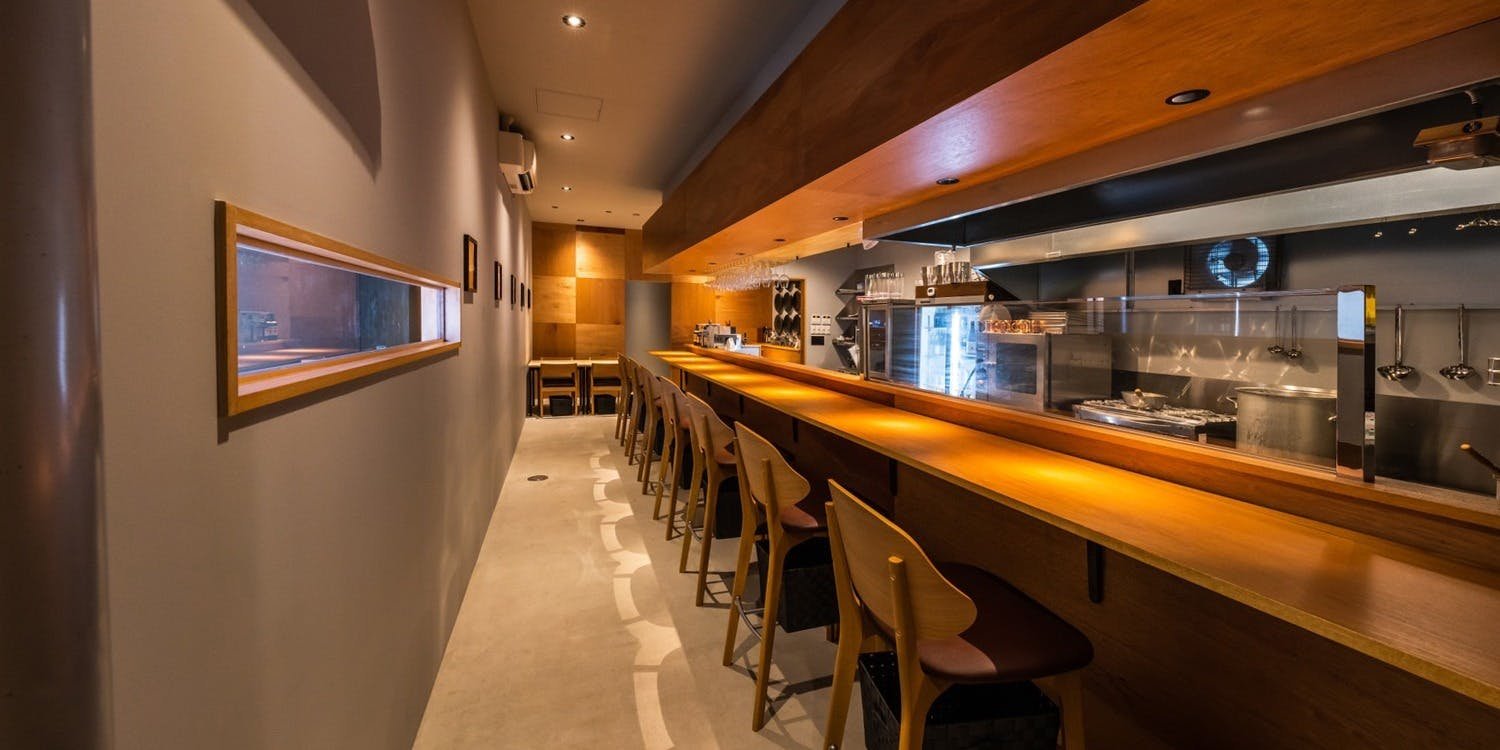
Charcoal Smoke in the City Centre: Yakiniku in Akita's Nakadori
In Akita's central Nakadori district, the dominant dining register is informal and local: izakayas, ramen counters, and the kind of small restaurants that depend entirely on repeat neighbourhood custom rather than tourist flow. Premium yakiniku sits at a slightly different frequency within this scene. It draws on the same warmth of grilled-meat social ritual that defines so much of Japanese evening dining, but asks for more attention, more investment, and more deliberate ordering than a casual izakaya outing. Kyu, on the ground floor of a building at 4-chome Nakadori, positions itself precisely within this slightly refined local tier.
What Tabelog's Yakiniku Top 100 Actually Means
Tabelog is Japan's most widely used restaurant review platform, and its annual award tiers, Bronze, Silver, Gold, are among the more closely watched independent signals of sustained quality in the country. A score of 4.20 places a restaurant in the upper range of Tabelog's scale, where the majority of reviewed venues sit between 3.0 and 3.5. More specific than the overall score is Kyu's presence in the Tabelog Yakiniku EAST Top 100: this list, compiled from reviewer data across eastern Japan, has included Kyu every year from 2020 through 2025. That six-year consecutive run in a regional category covering Honshu, Tohoku, and surrounding prefectures is a meaningful signal in a country where yakiniku competition is dense and reviewer attention tends to concentrate on Tokyo.
Among the broader EP Club editorial set, yakiniku at this award tier sits alongside the kind of focused, category-specific restaurants that operate well outside the major metropolitan circuits. Restaurants like HAJIME in Osaka, Harutaka in Tokyo, Gion Sasaki in Kyoto, akordu in Nara, Goh in Fukuoka, and 1000 in Yokohama represent a different tier and cuisine type, but they share the same underlying logic: consistent peer recognition over multiple years carries more weight than any single review cycle. Even internationally, the same principle applies at venues like Le Bernardin in New York City and Atomix in New York City, where sustained recognition defines the competitive position more than any single season's performance.
The Format: Charcoal Grill, Counter and Table
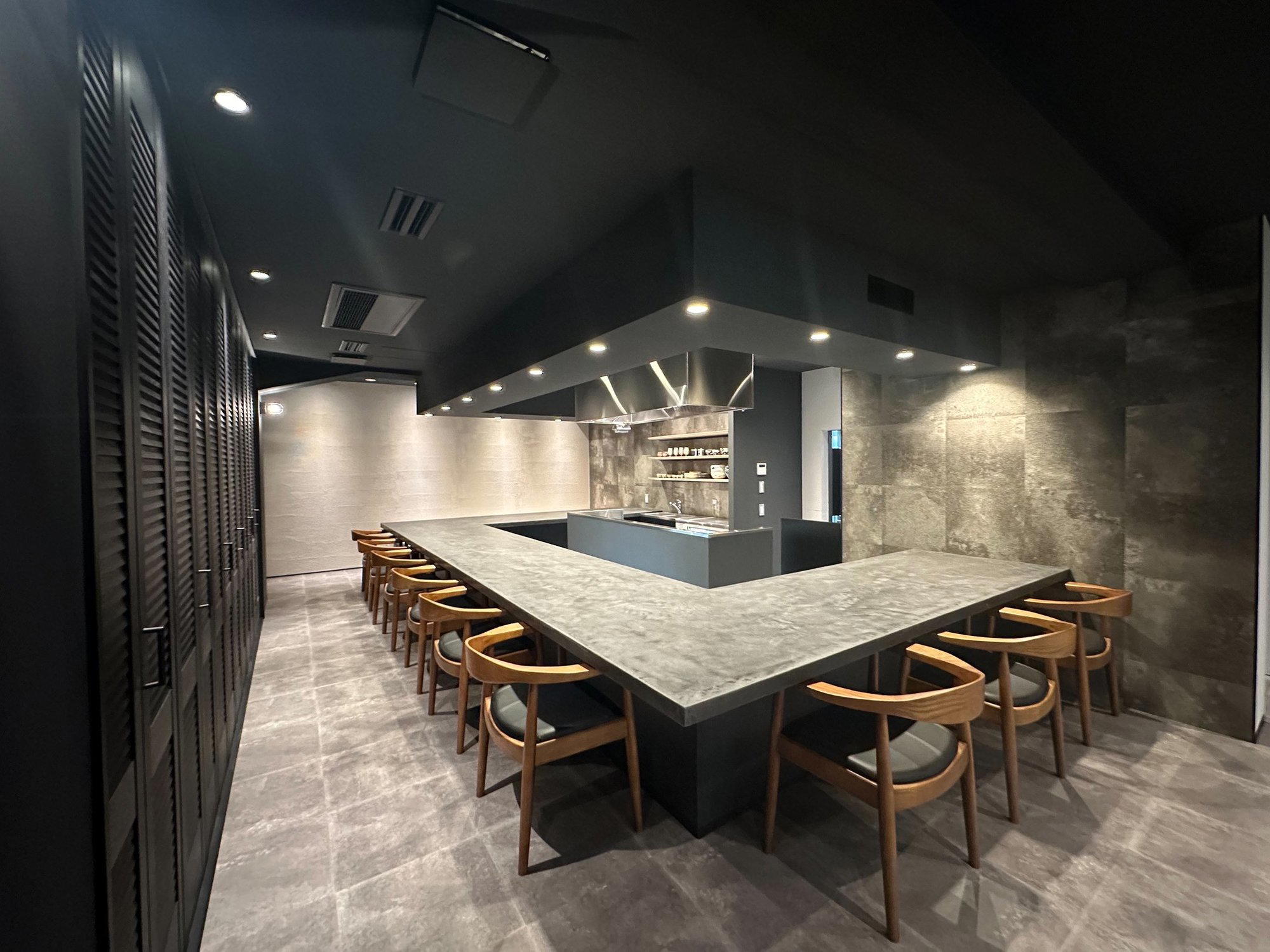
The room runs to 32 seats: 26 at tables and 6 at a counter. The counter positions are worth noting as a choice rather than a fallback. In Japanese grill restaurants, counter seating often offers a more direct relationship with the cooking and a pace of service that table groups can't always match. The space itself is described across multiple sources as stylish and relaxed with spacious seating, practical signals that the room avoids the sometimes cramped intensity of smaller urban yakiniku counters.
Charcoal grilling, the sumibi method that gives the restaurant its name, differs from gas-grill yakiniku in ways that experienced diners notice immediately: slower heat, more aromatic smoke, and a tendency to reward patience in how long each cut is rested over the coals. It requires more attentive preparation on the kitchen side and creates a qualitatively different result from the higher-throughput gas alternatives that dominate the middle of the market. At roughly JPY 85 per person, this approach is consistent with a restaurant positioned above everyday yakiniku but well below the premium tasting-menu tier.
Akita Beef and the Regional Context
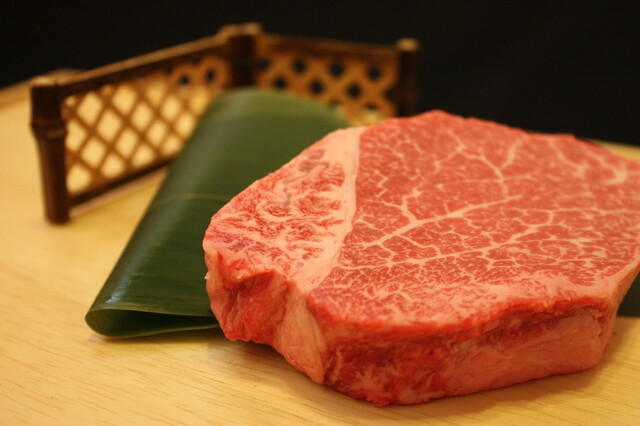
Akita prefecture's agricultural identity runs deep, and while Kobe and Matsusaka tend to dominate international conversations about Japanese wagyu, Tohoku-region cattle have their own character. Akita beef has a growing profile within the local restaurant circuit as producers and chefs increasingly work to define it on its own terms rather than in comparison to the better-marketed southern equivalents. A charcoal-grill restaurant in Akita operating at this recognition level places itself naturally within that regional pride framework, where the sourcing story and the city's agricultural context become part of the dining proposition. The takeout menu extends this regional orientation beyond the restaurant's own four walls.
Kyu in Akita's Dining Scene
Nakadori functions as the practical centre of Akita's dining and nightlife, and the concentration of recognised restaurants within walking distance creates one of those rare provincial city conditions where a serious dinner can be followed by a genuine bar programme without requiring transport. Akita's dining scene spans kaiseki formalism (represented by Nihon Ryori Takamura), Italian-influenced cooking at places like affetto akita, f, and giueme, and the izakaya format at venues such as Shuhai. Within this range, Kyu occupies the mid-premium yakiniku position: more focused in its category than a multi-format izakaya, less ceremonial than kaiseki, and oriented toward a convivial evening format rather than a contemplative one.
The drink list reinforces the regional lean. Sake (nihonshu) is listed as a particular focus alongside shochu and wine, and given Akita's standing as one of Japan's most respected sake-producing prefectures, home to breweries that draw serious collectors from across the country, this pairing is a considered one rather than a generic addition to the drinks programme.
Planning Your Visit
Kyu operates Tuesday through Saturday for both lunch (11:30 to approximately 13:30) and dinner (17:00 to 22:00). Monday service is dinner only (17:00 to 22:00), with Mondays falling on the first and third of the month closed. Sundays are closed. Reservations are available but must be made by phone; in-person bookings are not accepted, and bookings can be placed up to the end of the following calendar month. The restaurant is a five-minute walk from Akita Station, which places it at the direct centre of the city's pedestrian dining district. No parking is available on site. Payment is by cash or Visa and Mastercard only; electronic money and QR code payments are not accepted. The room is entirely non-smoking.
A Minimal comparable set
Comparable venues nearby, for context on price, style, and recognition.
| Venue | Cuisine | Price | Notes |
|---|---|---|---|
| KyuThis venue — the venue you are viewing | Not listed | $$$ | Not listed |
| Akita Gyugentei Ekimae honten | Not listed | $$$ | Akita, Akita wagyu yakiniku & grilled meat |
| Sake Tomi | Akita, Japanese Izakaya | $$ | Not listed |
| N | Akita, Northern Japanese | $$ | Not listed |
| Torikou | Akita, Yakitori Izakaya | $$$ | Not listed |
| é ç | Akita, Japanese | Not listed | Not listed |
Recognition history
Dated appearances from independent guides and award organizations, with the underlying list record or original source where available.
Tabelog Bronze #221
Tabelog
Tabelog 100 #80 · No. 80
Tabelog · Tabelog 100 - Yakiniku - EAST - 2025
Tabelog Bronze
Tabelog
At a Glance
- Elegant
- Sophisticated
- Modern
- Date Night
- Group Dining
- Celebration
- Special Occasion
- Chefs Counter
- Open Kitchen
- Sake Program
- Beer Program
- Extensive Wine List
- Local Sourcing
Current opening hours
- Monday
- 5–10 PM
- Tuesday
- 11:30 AM–2 PM, 5–10 PM
- Wednesday
- 11:30 AM–2 PM, 5–10 PM
- Thursday
- 11:30 AM–2 PM, 5–10 PM
- Friday
- 11:30 AM–2 PM, 5–10 PM
- Saturday
- 11:30 AM–2 PM, 5–10 PM
- Sunday
- Closed
Hours can change for holidays and private events. Last verified .
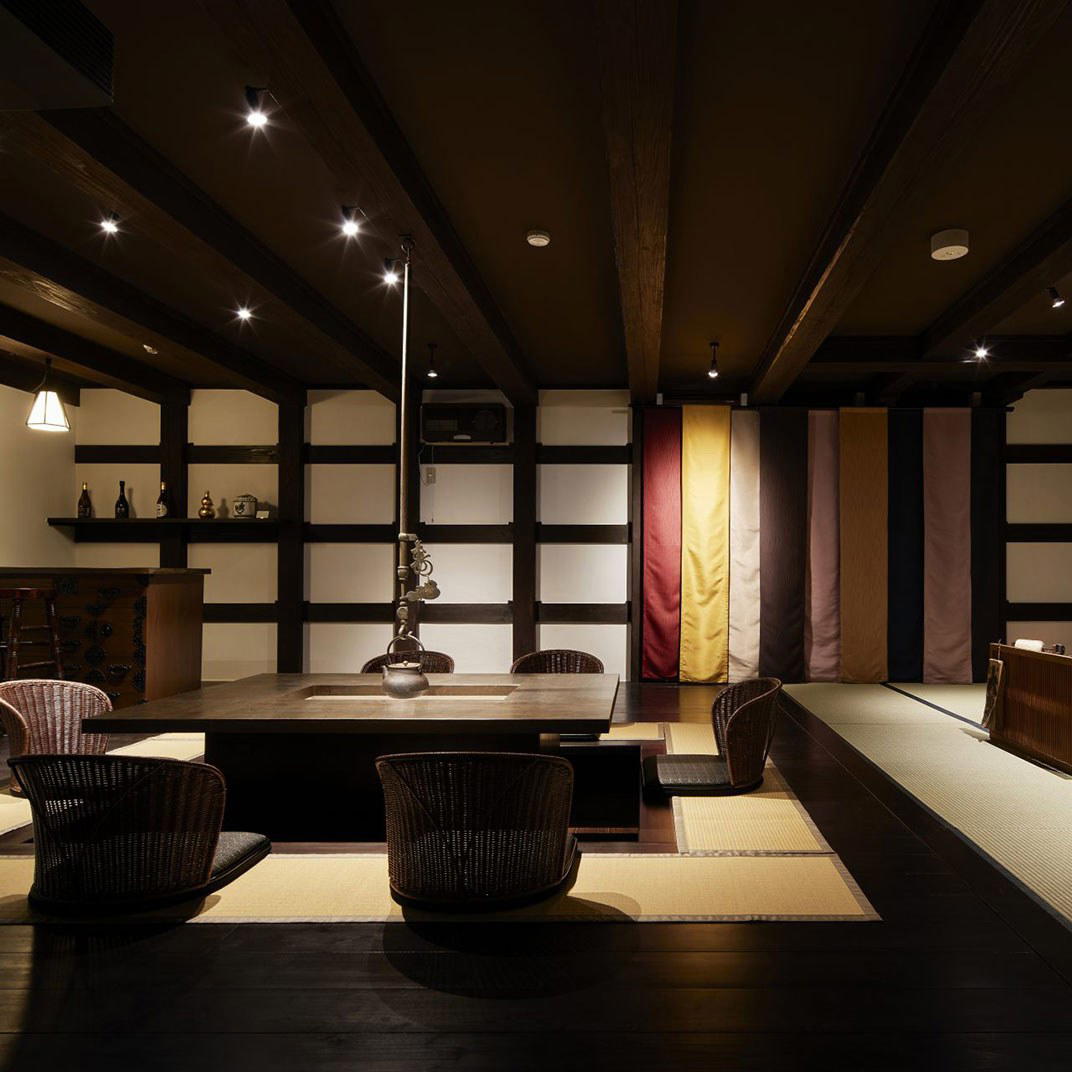
Stylish, calm interior with vintage whiskey and sake displays; decorated with refined taste that complements the yakiniku experience.