Our verdict
Syuhai serves Japanese dinner at 1 Chome-6-9 Sanno, Akita, with quiet, standard-paced upscale casual service for a low-key evening.

Pearl is the En Primeur Club membership app — saves, bookings, and concierge access live there. Same editors, same standards.
- Address
- 1 Chome-6-9 Sanno, Akita, 010-0951, Japan
- Phone
- +81188631547
- Website
- syuhai.com
- Directions
- Get directions
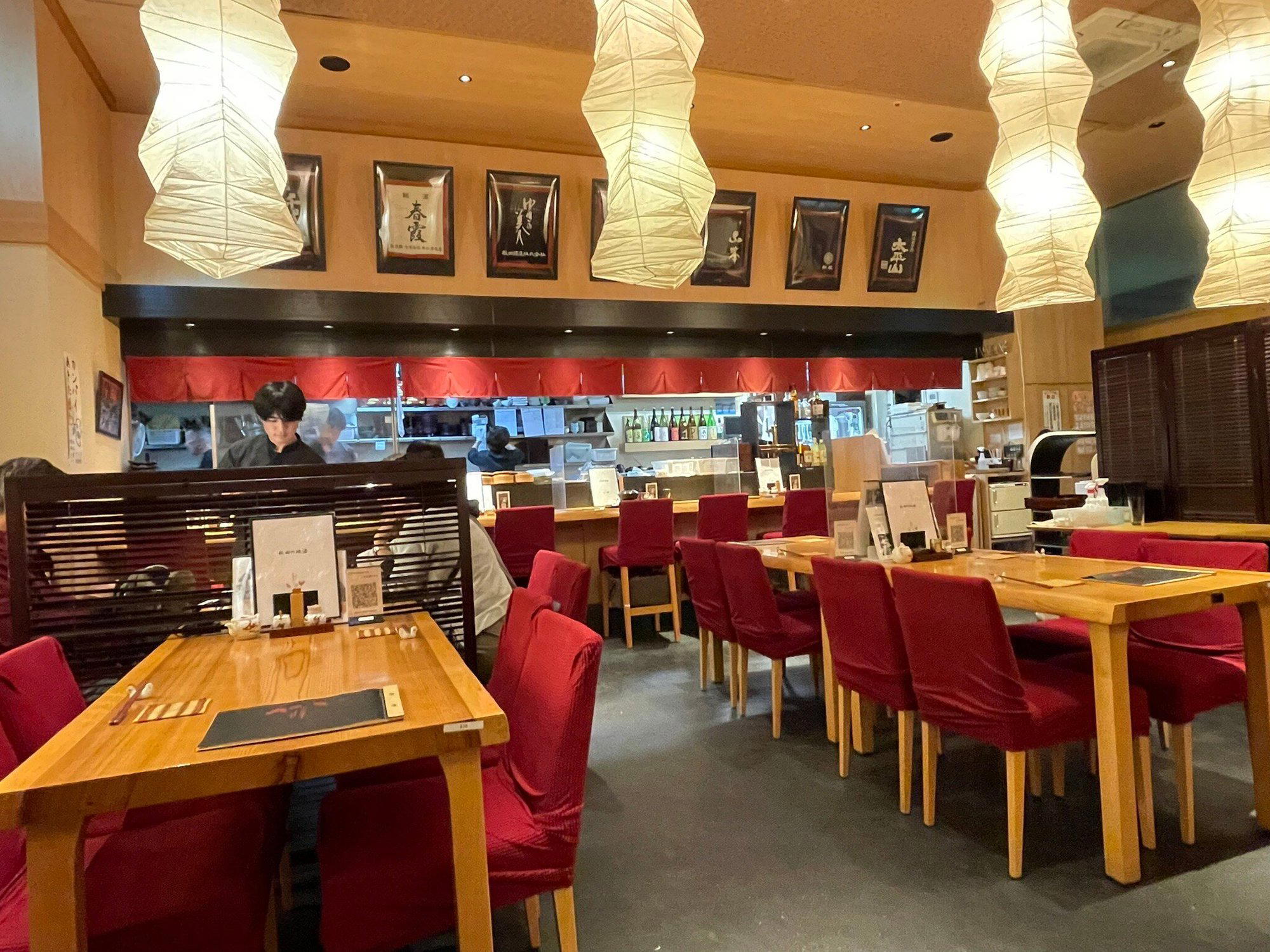
Sanno, Akita: Where Regional Sourcing Defines the Plate
The Sanno district of Akita sits in the commercial heart of a prefecture that most international visitors pass over entirely. Akita-ken occupies the northwest coast of Honshu, facing the Sea of Japan, and its agricultural identity is as pronounced as any in the country. The prefecture produces some of Japan's most respected short-grain rice, draws on cold-water fisheries that feed both local tables and Tokyo markets, and maintains a regional food culture shaped by long winters and a deeply rooted preservation tradition. It is into this specific productive environment that é ç places itself, on a quiet address at 1 Chome-6-9 Sanno.
Approaching Sanno on foot, the city reads quieter than Japan's better-known prefectural capitals. There is less neon, less rush, and a more deliberate pace to the streets. The neighbourhood functions as a mid-city node with a mix of local restaurants, small bars, and residential blocks. Dining here is not performed for tourists; it is conducted for the people who live and work nearby, which tends to concentrate quality in a different register than you find in visitor-heavy districts of Kyoto or Tokyo.
Akita's Ingredient Geography and Why It Matters
Japan's regional fine dining conversation has shifted considerably over the past decade. Where ambitious kitchens once defaulted to sourcing from Tsukiji or its successor markets in Tokyo, a growing number of serious restaurants now treat local procurement as a structural choice rather than a marketing note. Akita's position in that shift is genuine. The prefecture's Akita Komachi rice has defined the region's agricultural reputation for generations. Its mountain rivers yield freshwater fish that rarely travel south. The surrounding forests and farmland produce mountain vegetables (sansai) with a seasonality that a Tokyo buyer would struggle to replicate.
Kitchens operating at a serious level in Akita City have access to an ingredient pool that restaurants in more visited Japanese cities actively seek out and pay premium prices to import. That asymmetry matters when assessing what a committed kitchen in this prefecture can actually achieve. Peers in the Akita dining scene, including affetto akita, f, giueme, Kyu, and N, operate within the same ingredient geography, which means the local sourcing advantage is shared, and what separates restaurants at this level is what the kitchen chooses to do with that access.
The Regional Context: Akita Against Japan's Broader Fine Dining Map
Japan's provincial fine dining tier has received more international attention since Michelin expanded its prefectural coverage beyond the major urban centres. Kitchens in Osaka like HAJIME in Osaka and counters in Tokyo such as Harutaka in Tokyo define the upper bracket of formal Japanese dining, while institutions like Gion Sasaki in Kyoto represent the kaiseki tradition at its most established. Regional kitchens in smaller cities operate in a different competitive set, one defined less by international recognition and more by the coherence of a kitchen's relationship with its immediate territory.
That is not a diminished position. It is a different one. Kitchens in cities like Fukuoka, with venues such as Goh in Fukuoka, or in smaller centres like Abon in Ashiya and Aji Arai in Oita, illustrate how provincial seriousness operates outside the Tokyo-Osaka-Kyoto axis. Hokkaido's dining scene offers another model, with kitchens like aki nagao in Sapporo drawing on northern produce in ways that their urban counterparts cannot easily replicate. Akita sits in the same category: a prefecture with genuine raw material advantages and a dining culture that has not yet attracted the international visitor volume that can distort what and how kitchens cook.
For readers accustomed to booking-heavy environments like Lazy Bear in San Francisco or the formal seafood precision of Le Bernardin in New York City, the Akita dining experience operates in a lower-pressure register, where the absence of international demand has preserved a directness in how restaurants relate to their local context. akordu in Nara and Ajidocoro in Yubari District offer further reference points for how regional Japanese dining functions when it is not performing for a globally mobile audience.
Visiting Akita: Practical Orientation
Akita City is accessible by shinkansen from Tokyo on the Akita Shinkansen line, with journey times in the range of four hours from Tokyo Station. The Sanno district is walkable from the main station, which makes logistics direct for visitors arriving by rail. Akita's seasonal calendar is worth factoring into any visit: the prefecture experiences heavy snowfall from late November through March, and its summer festival season, centred on the Kanto Matsuri in early August, draws significant domestic visitor numbers that can affect hotel availability. Dining reservations in the city are generally easier to secure than in Tokyo or Kyoto, though that condition does not hold uniformly across the top tier of local restaurants. For a broader map of where é ç sits within the local dining scene, the Our full Akita restaurants guide provides comparative context. Venues like Akakichi in Imabari illustrate how regional Japanese restaurants in smaller cities tend to operate: with lower profile but consistent local patronage and sourcing specificity that larger-city restaurants work hard to match.
What to Know Before You Go
The Sanno address places the restaurant in a central, accessible part of the city.
Frequently asked questions
Is é ç good for families?
Akita's serious dining rooms, including those in the Sanno district where é ç operates, tend toward composed, quieter formats that suit adults more naturally than young children. Contact directly or check locally before planning a family visit.
Where exactly is é ç?
é ç is located at 1 Chome-6-9 Sanno, Akita, 010-0951, Japan, Akita.
Is é ç better for a quiet night or a lively one?
The Sanno district sits in Akita City's commercial core, and the established restaurants in that area run toward composed, unhurried evenings rather than animated ones. Akita's serious kitchens are built around the table, not the room's energy. Expect a deliberate pace rather than a convivial buzz.
What should I eat at é ç?
Akita prefecture's strongest ingredient credentials cover its rice, Hinai-jidori chicken, mountain vegetables, and Sea of Japan seafood — the regional pantry that shapes serious cooking across the prefecture. If the kitchen is sourcing locally, those categories will likely anchor the plate.
A Quick Peer Check
| Venue | Cuisine | Price | Awards | Notes |
|---|---|---|---|---|
| é çThis venue — the venue you are viewing | Japanese | Not listed | Not listed | Not listed |
| Nihon Ryori Takamura | Edo Ryori (Traditional Tokyo-Style Japanese Cuisine) | $150–200 | Tabelog Silver #137 | Kaiseki |
| affetto akita | Akita Italian with Local Seasonal Ingredients | $100–150 | Tabelog Bronze #6 | Not listed |
| f | Modern Italian Counter Dining | $150–200 | Tabelog Bronze #68 | Not listed |
| giueme | Akita Italian | $50–100 | Tabelog Bronze #85 | Not listed |
| Kyu | Charcoal-Grilled Akita Beef Yakiniku | $50–100 | Tabelog Bronze #221 | Not listed |
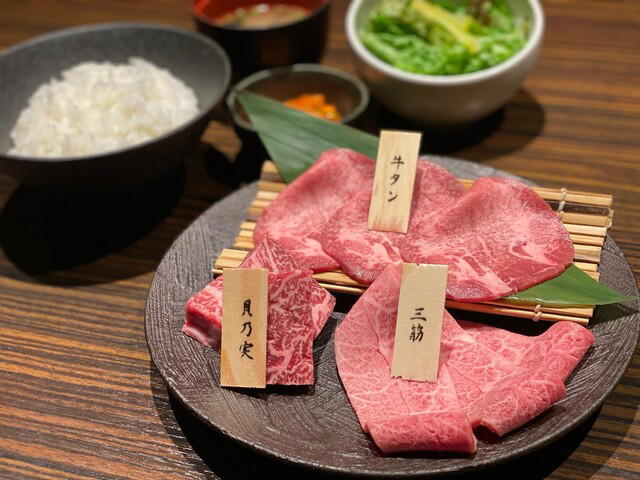
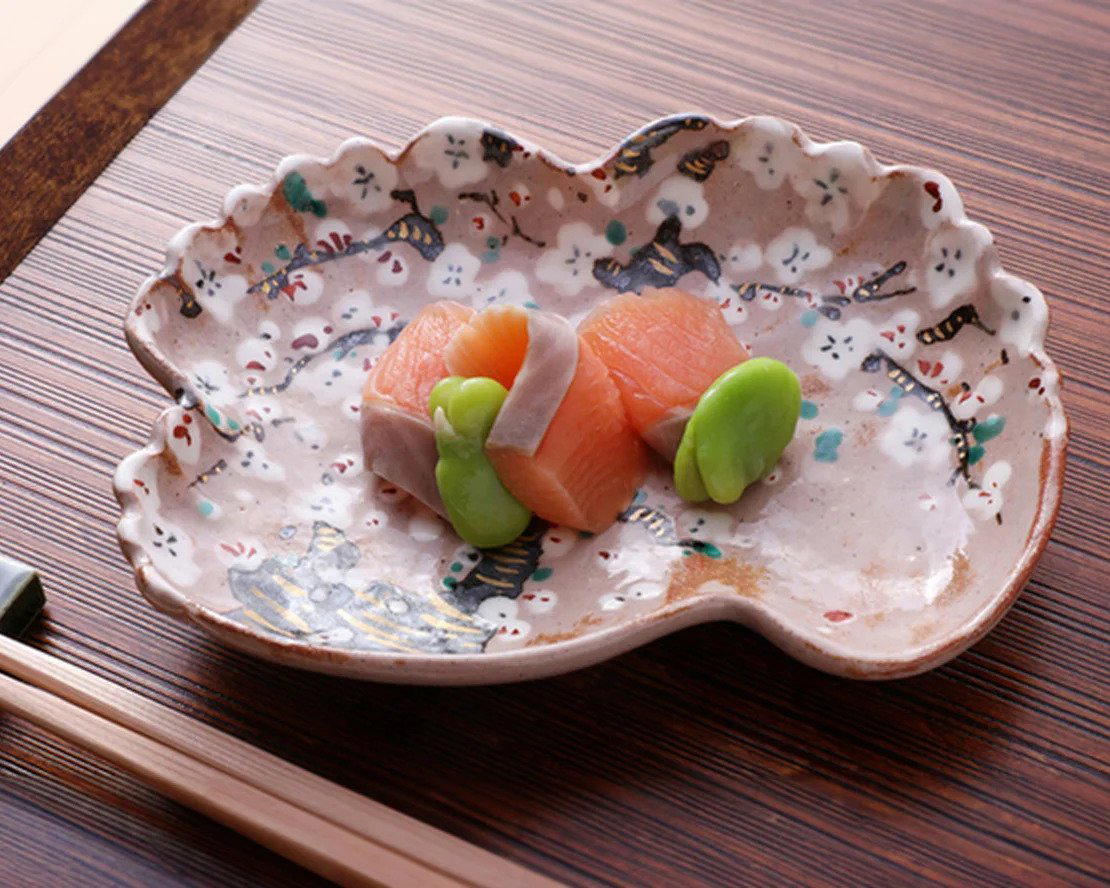
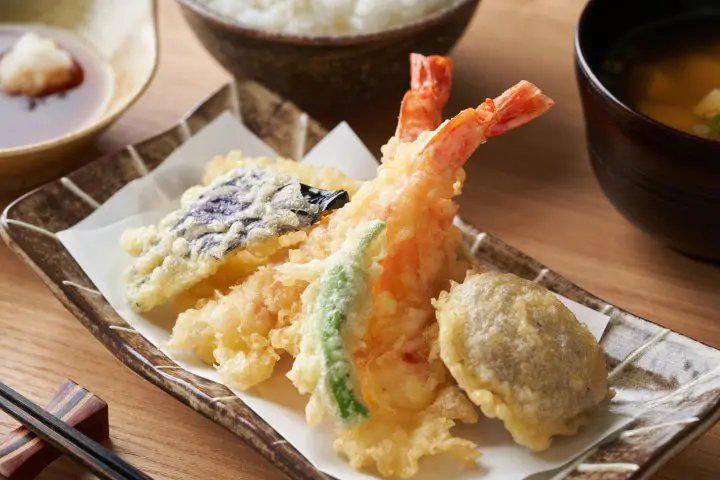
Details
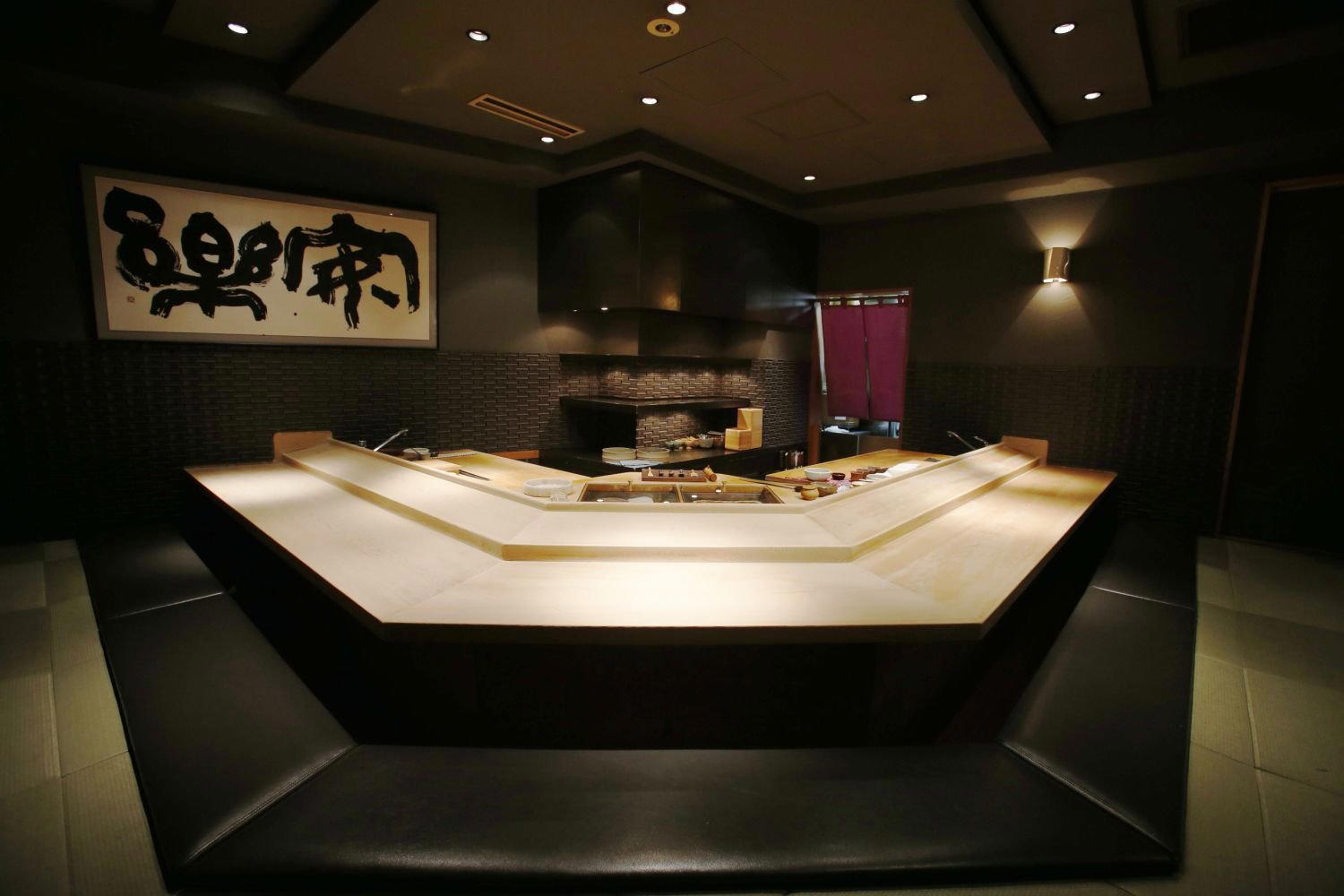
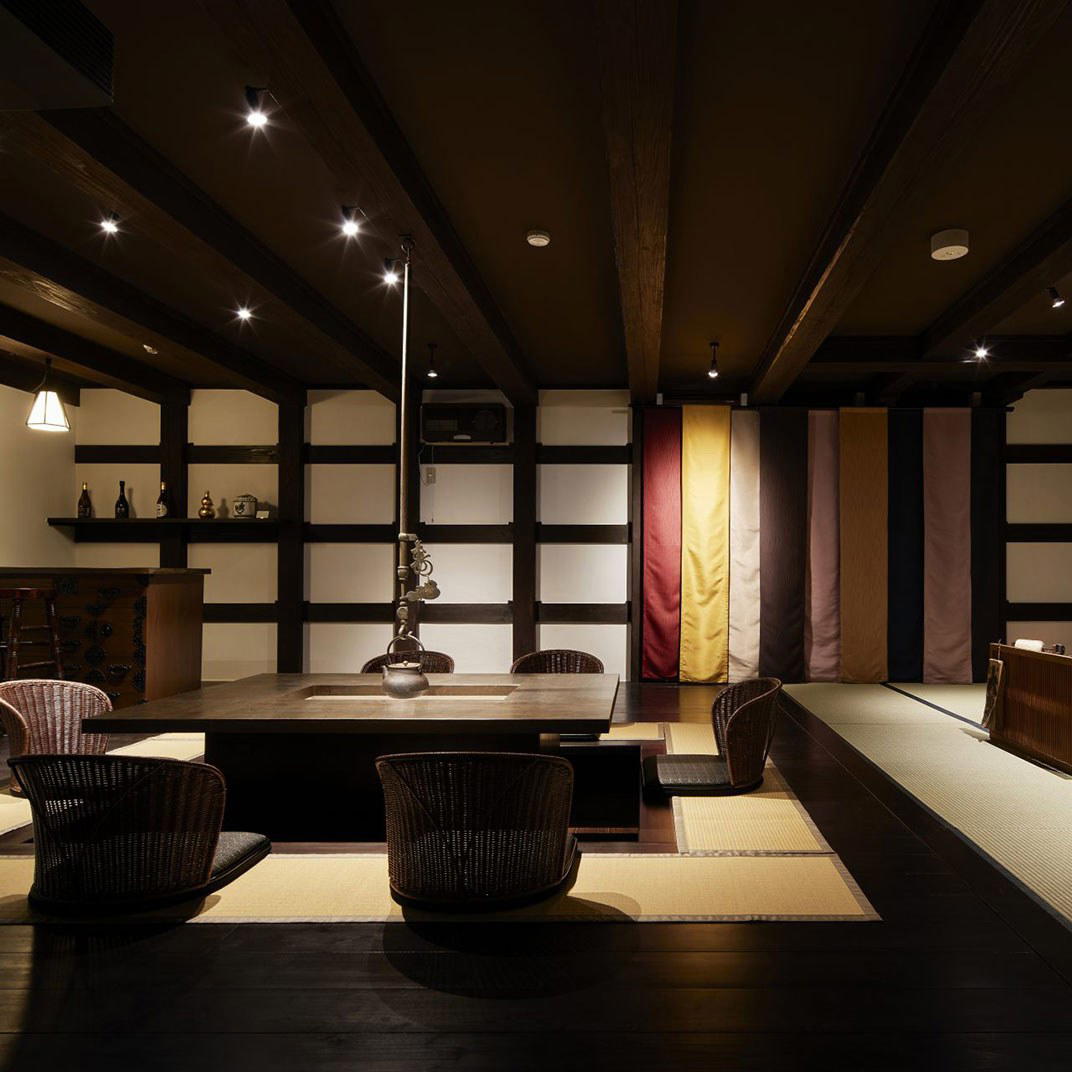
Cozy and classic Japanese atmosphere.